Why Beets Are One Of The Smartest Crops To Seed In August In North Carolina Gardens
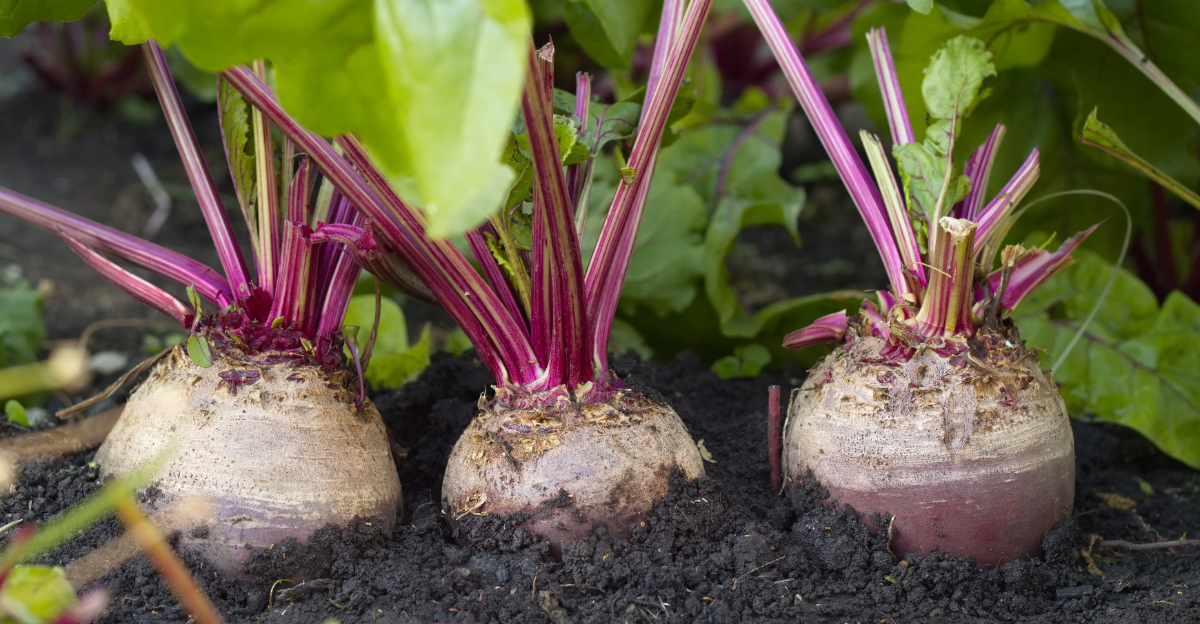
Beets are a reliable, low fuss choice for North Carolina gardeners looking to seed a productive fall crop in August.
These root vegetables grow quickly and tolerate cooling temperatures far better than many summer crops still lingering in the garden.
Cooler weather actually sweetens beets, softening the earthy flavor some gardeners find overwhelming in warmer months.
Both the roots and tender greens are edible, giving you two harvests from a single planting. Beets also handle light frost with ease, allowing the harvest window to stretch well into fall.
Consistent watering during germination helps ensure even sprouting across the bed. Thinning seedlings early gives remaining roots enough space to grow properly. For a dependable, versatile fall crop, beets offer a lot of reward for very little effort.
1. August Gives Beets Time To Mature In Cool Weather
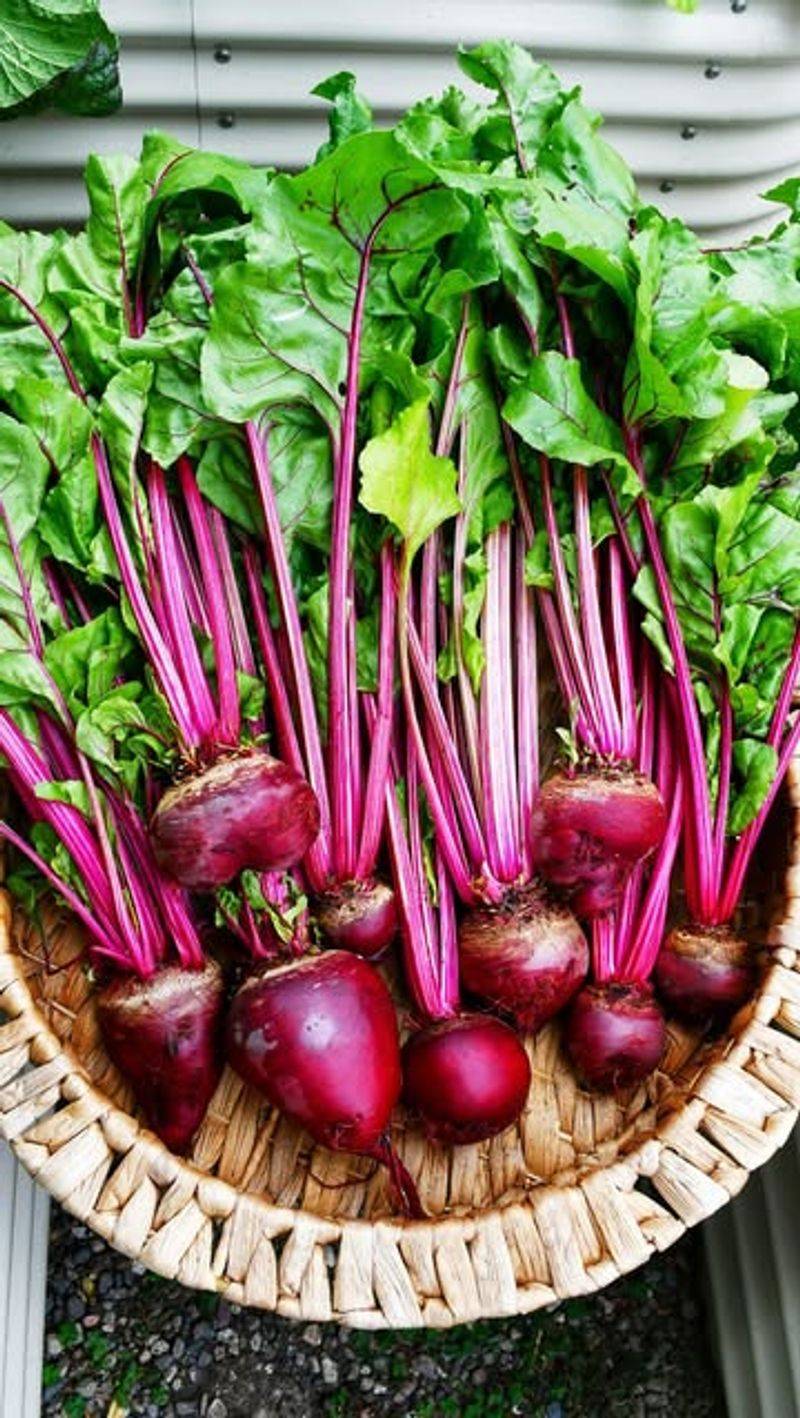
Most gardeners think of beets as a spring crop, but August is actually one of the best months to get them started in a North Carolina garden.
Beets are cool-season vegetables, which means they grow best when temperatures are mild rather than blazing hot.
Seeding them in August gives the roots time to size up just as the heat of summer begins to soften into the comfortable days of early fall.
Beet seeds can sprout in warm soil, and that is actually helpful in August because the ground holds enough warmth to encourage quick germination.
Once the seedlings are up and growing, they will carry right into the cooler weeks of September and October, which is when beet roots really fill out and develop their best flavor.
That natural shift from warm to cool is something beets genuinely thrive on.
Most garden beet varieties take somewhere between 50 and 80 days from germination to reach a good harvest size, though that window depends on the specific variety you choose.
Soil temperature, moisture levels, available sunlight, and the weather patterns in your part of North Carolina all play a role in how quickly your beets develop.
Checking the days-to-maturity listed on your seed packet and counting back from your expected first frost date is a smart way to figure out the best sowing window for your exact location.
2. Gardeners Can Harvest Both Roots And Greens
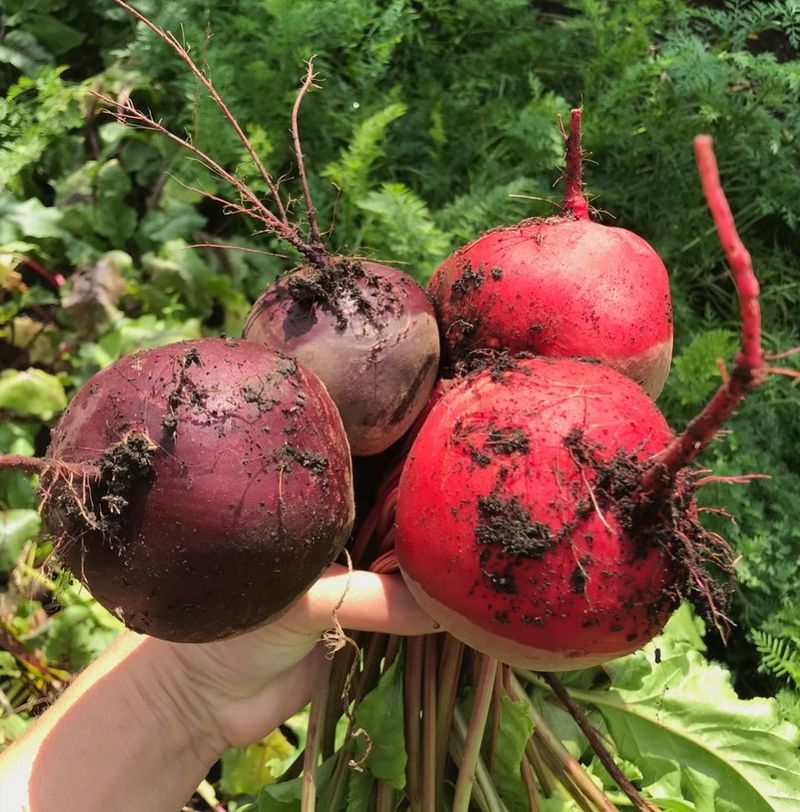
One of the most underrated things about growing beets is that you are really growing two crops at once.
While most people focus on the round, jewel-colored root underground, the leafy tops are just as useful in the kitchen.
Young beet greens have a mild, slightly earthy flavor and can be tossed fresh into salads or quickly sauteed with a little garlic and olive oil for a simple, nutritious side dish.
The trick to getting the most out of your beet greens is knowing how to harvest them without setting back root development.
You can carefully remove a few of the outer leaves from each plant once they reach a usable size, but the plant still needs most of its foliage to keep producing energy through photosynthesis.
Stripping too many leaves too soon will slow down root growth, so a light touch goes a long way here. Think of beet greens as a bonus harvest rather than a main event.
Your North Carolina Garden Changes Every Week. Your Plan Should Too.
Gardening in North Carolina changes quickly throughout the season. Every Friday you’ll receive a simple weekly plan showing exactly what to plant, prune, fertilize, harvest, and protect so you never miss the right timing.
Pull a few leaves here and there as the plants grow, enjoy them fresh or cooked, and let the roots keep doing their thing underground.
Compared to single-purpose crops that only give you one thing to eat, beets stretch the value of every square foot in your garden.
For small spaces and backyard plots across North Carolina, that kind of double-duty productivity is genuinely hard to beat and makes August seeding an especially smart move.
3. Cooler Conditions Support Tender Roots
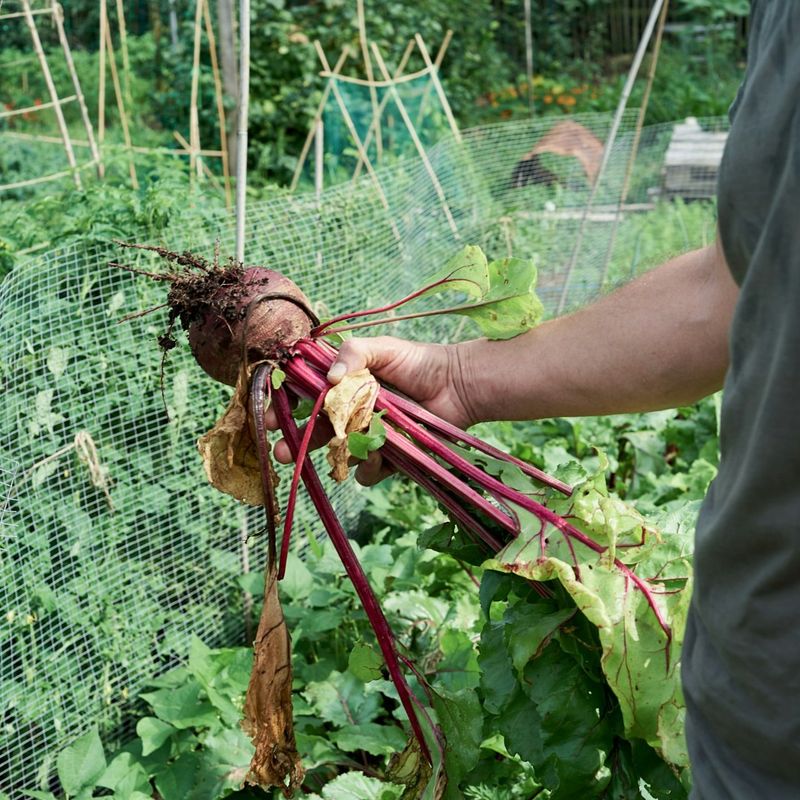
There is a reason why beet roots pulled from a fall garden often taste sweeter and feel more tender than those grown through a hot summer.
Cool temperatures slow the plant down just enough to encourage it to store more sugars in the root, which improves both the flavor and the texture of what you eventually pull out of the ground.
That natural process is one of the main reasons fall is such a beloved season for beet growing across North Carolina.
Steady, mild growing conditions during September and October tend to support roots with good color, smooth skin, and a satisfying bite.
On the other hand, prolonged heat, drought stress, overcrowding, or waiting too long to harvest can all lead to roots that are smaller than expected, tougher in texture, or uneven in shape.
Cool weather helps, but it is not the only factor that determines quality. Soil preparation, variety selection, proper spacing, and consistent moisture all contribute just as much to the final result.
Choosing a variety well-suited to your region, amending your soil with compost before planting, and keeping the bed evenly watered through the growing season gives your beets the foundation they need to perform well.
Cool fall conditions create the right environment, but the details you manage in the garden are what truly bring a beet harvest from decent to genuinely impressive.
Getting those fundamentals right is what separates a so-so crop from one worth bragging about.
4. Direct Seeding Protects Developing Roots
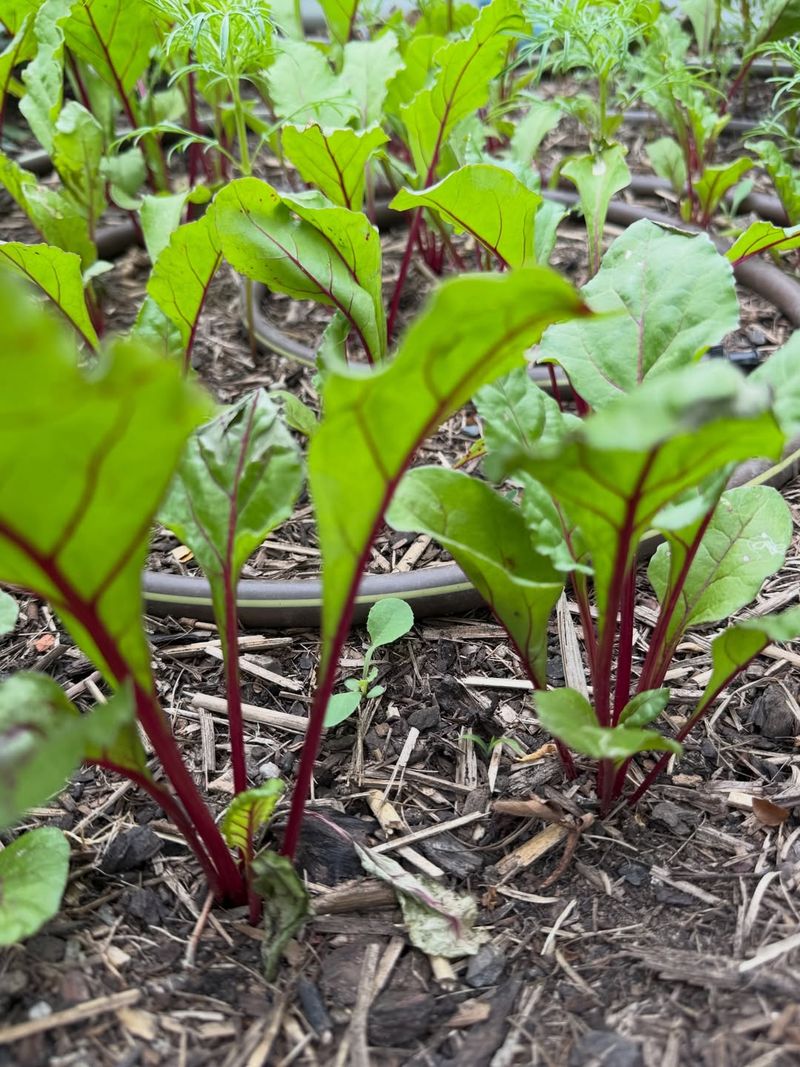
Beets are one of those crops that really prefer to stay in one spot from seed to harvest.
Unlike tomatoes or peppers that you can start indoors and transplant later, beets do best when you sow them directly into the garden bed where they will finish growing.
Moving young beet plants disturbs the developing root system, and even a little disruption can cause roots to fork, twist, or grow in uneven shapes that make them harder to use in the kitchen.
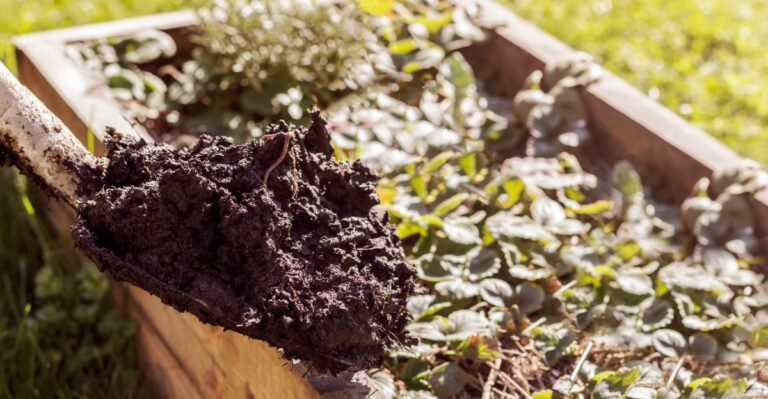
Before you sow, take time to prepare your soil properly. Loosen the bed to a depth of at least eight to ten inches, remove any stones, clods, or chunks of compacted earth, and work in some compost if your soil needs it.
Beet roots need soft, crumbly soil to expand evenly as they grow. Follow the sowing depth and spacing on your seed packet, press the seeds into the soil gently, and water the bed right away to get things started.
Keeping the seedbed consistently moist in the days after planting is critical, especially during the warm, dry spells that August can bring to North Carolina.
If your native soil is dense, heavy with clay, or drains poorly after rain, a raised bed filled with a quality garden mix can make a noticeable difference.
Raised beds warm up quickly, drain well, and give roots the loose environment they need to grow round and full without hitting obstacles that push them off course.
5. Proper Thinning Creates Room For Larger Beets
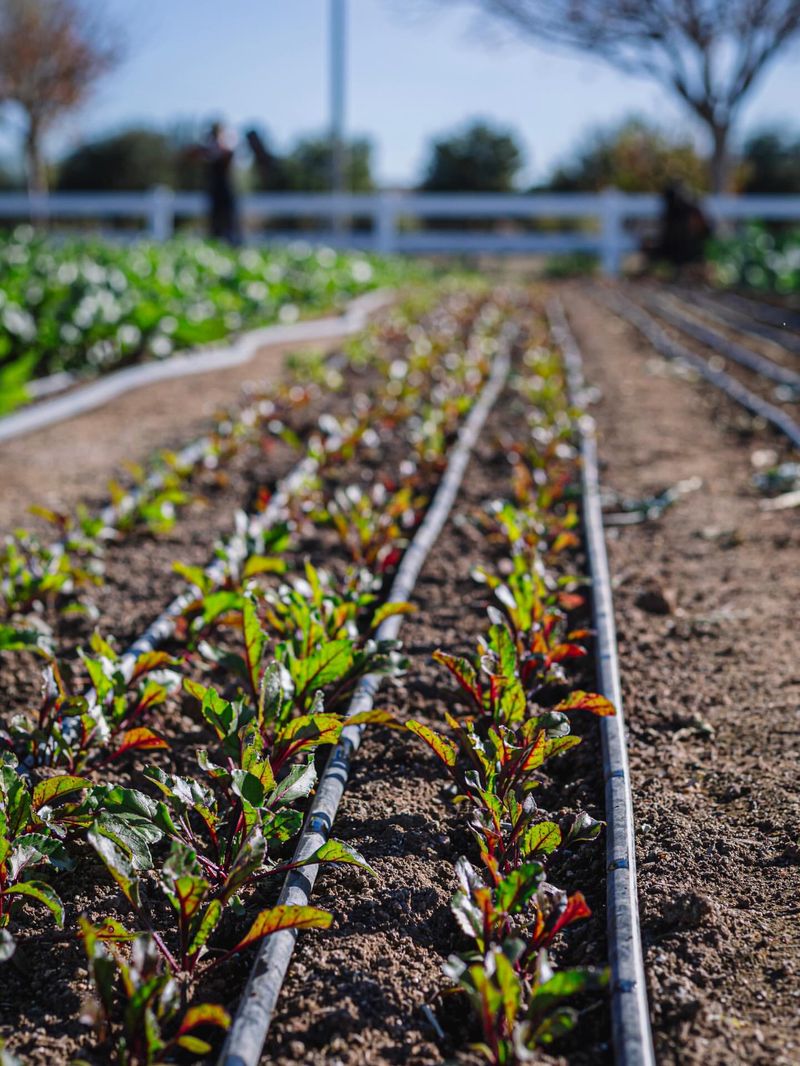
Here is something a lot of first-time beet growers do not expect: what looks like a single beet seed is actually a dried seed cluster that can produce two, three, or even more seedlings from one sowing point.
That means your beet row can get crowded very quickly after germination, and if you do not thin those seedlings, the roots will compete with each other for space, water, and nutrients.
The result is usually a bunch of small, stunted roots instead of the full-sized beets you were hoping for.
Start thinning when your seedlings have developed their first or second set of true leaves, which are the leaves that appear after the initial seed leaves.
At that stage, the plants are small enough to remove without disturbing the ones you want to keep. Aim to leave about two to three inches between each remaining plant.
That spacing gives each root enough room to expand outward as it matures through the fall weeks ahead. Crowding does more harm than most gardeners realize.
Plants packed too close together compete for sunlight reaching the leaves, moisture in the soil, and the nutrients needed for strong root development.
Thinning might feel like you are removing perfectly good plants, but it is actually the move that gives your best plants room to reach their full potential.
And here is a fun bonus: those little thinnings you pull out are often edible. Give them a rinse and toss them into a salad for a tasty preview of your fall harvest.
6. Steady Moisture Prevents Interrupted Growth
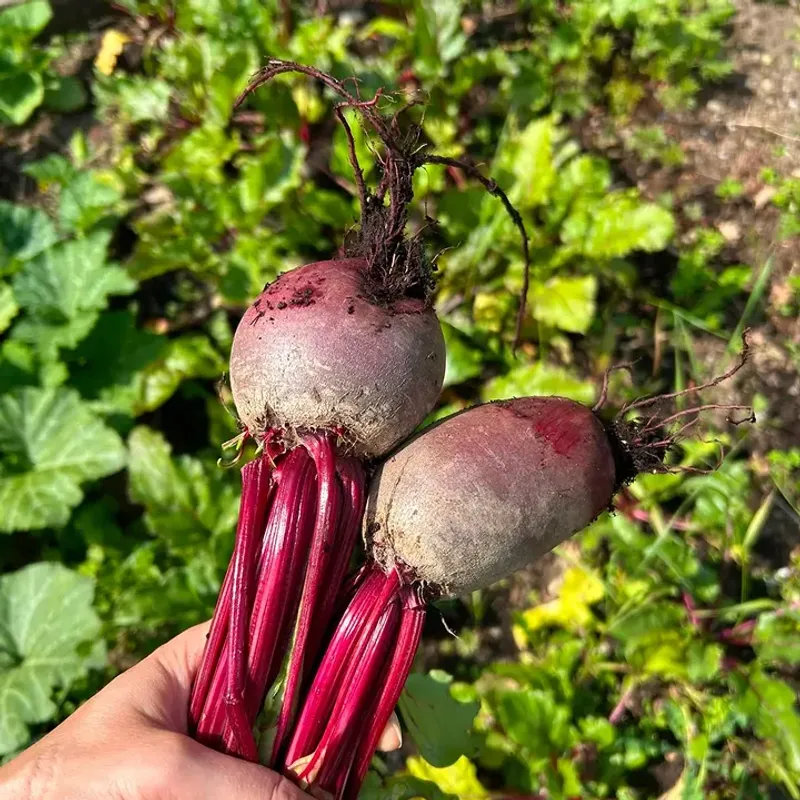
August in North Carolina can be unforgiving. Between the lingering summer heat, occasional dry spells, and gusty afternoon winds, a freshly seeded beet bed can dry out faster than you might expect.
Beet seeds need consistent soil moisture to germinate reliably, and a seedbed that dries out between waterings can slow or stall that process entirely.
Keeping the top inch or two of soil evenly moist during those first critical days after sowing is one of the most important things you can do for a strong stand of seedlings.
Once your beets are up and growing, shift your watering approach to encourage deeper root development.
Watering more deeply but less frequently helps roots follow moisture down into the soil rather than staying shallow near the surface.
Shallow roots are more vulnerable to heat and drought stress, so building depth early gives your plants a better foundation for the weeks ahead.
Avoid overwatering as well, because waterlogged soil limits the oxygen around the roots and can cause problems with root texture and overall plant health.
Adding a light layer of organic mulch around your established seedlings is a simple step that pays off in a big way.
Straw, shredded leaves, or wood chips spread about an inch thick over the soil surface will help hold moisture between waterings, moderate soil temperature, and reduce the amount of water lost to evaporation on hot afternoons.
Mulching is especially helpful through the warmer stretch of August before North Carolina’s fall weather fully settles in.
7. Successive Sowing Extends The Harvest
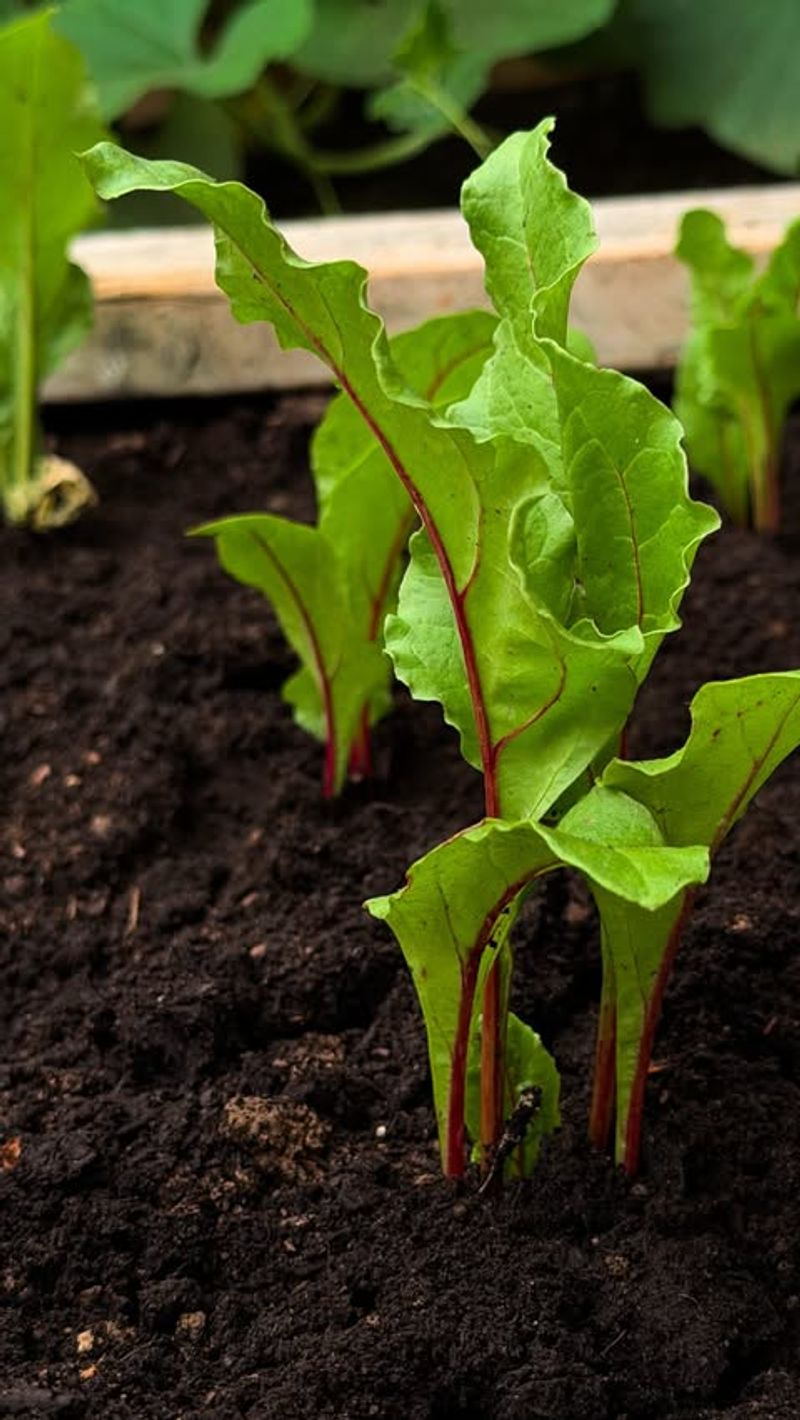
Planting all your beet seeds on the same day means all your beets will be ready to harvest at the same time.
That might sound fine at first, but it often leads to a short window where you have more beets than you can use, followed by an empty garden bed with nothing left to pick.
Successive sowing is a simple strategy that spreads your harvest across several weeks instead of concentrating everything into one brief rush.
The idea is straightforward. Sow a short row or a small section of your bed, then wait about three weeks and sow another.
That staggered approach means your first planting will be sizing up just as your second planting is getting established, and your harvest will stretch across a much longer period of the fall season.
Even two or three plantings spaced a few weeks apart can make a noticeable difference in how long you are pulling fresh beets from the garden.
One thing to keep in mind is that later plantings still need enough growing time before colder weather and shorter days begin to slow plant development significantly.
Before making your final sowing of the season, compare the days-to-maturity listed on your seed variety with your local North Carolina frost date.
Coastal Plain gardeners may have more flexibility to push that last sowing later into the season, while growers in the mountains or higher elevations will want to wrap up successive plantings a bit earlier to stay ahead of the cold.
8. Regional Timing Makes August Flexible
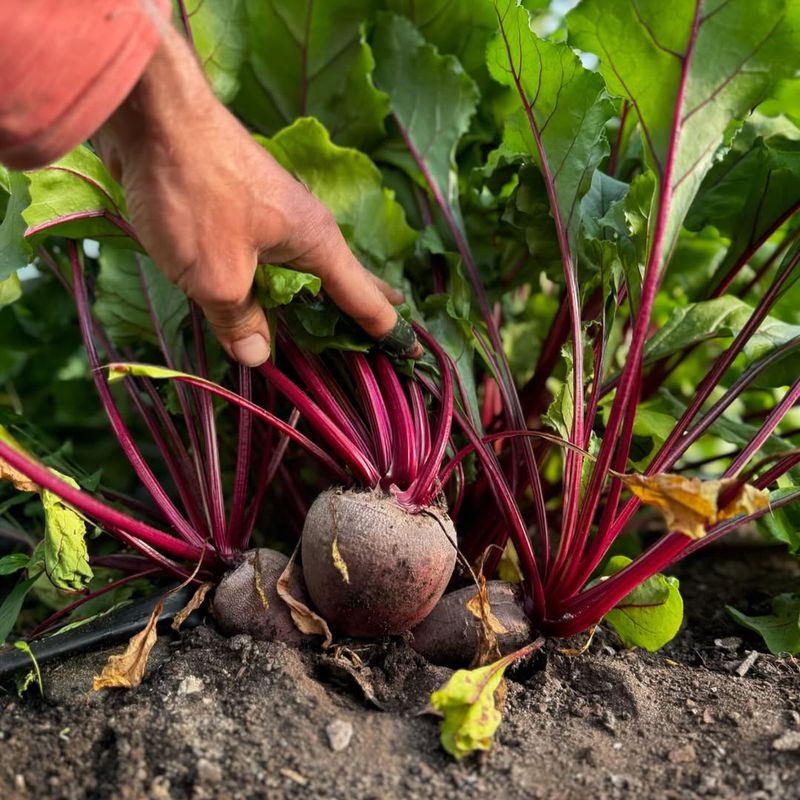
North Carolina is a state with a lot of variety packed into it. From the Blue Ridge Mountains in the west to the flat Coastal Plain in the east, elevations, frost dates, and seasonal temperatures can differ by weeks depending on where you garden.
That means there is no single perfect date for seeding beets across the entire state, and treating August as a flexible window rather than a fixed deadline will serve you much better than following a one-size-fits-all calendar.
Piedmont gardeners, those in the central band of the state around cities like Raleigh, Greensboro, and Charlotte, will generally find that August is the core planting period for fall beets.
Growers in the western mountains often need to start earlier in August or even in late July because cooler temperatures arrive sooner and the growing season is shorter at higher elevations.
Meanwhile, Coastal Plain gardeners in the eastern part of the state sometimes have the luxury of planting a bit later and stretching their fall harvest deeper into November.
Before you sow, think through a few key factors: your elevation, your expected first frost date, the current heat and soil moisture levels in your garden, and the maturity period of the beet variety you have chosen.
Matching all of those pieces together is what allows beet roots to size up gradually during mild autumn conditions rather than rushing or stalling at the wrong time.
Careful regional timing gives North Carolina gardeners the best possible shot at a dependable, flavorful fall beet harvest worth celebrating.