What It Really Means When Mockingbirds Get Loud In Your Texas Yard
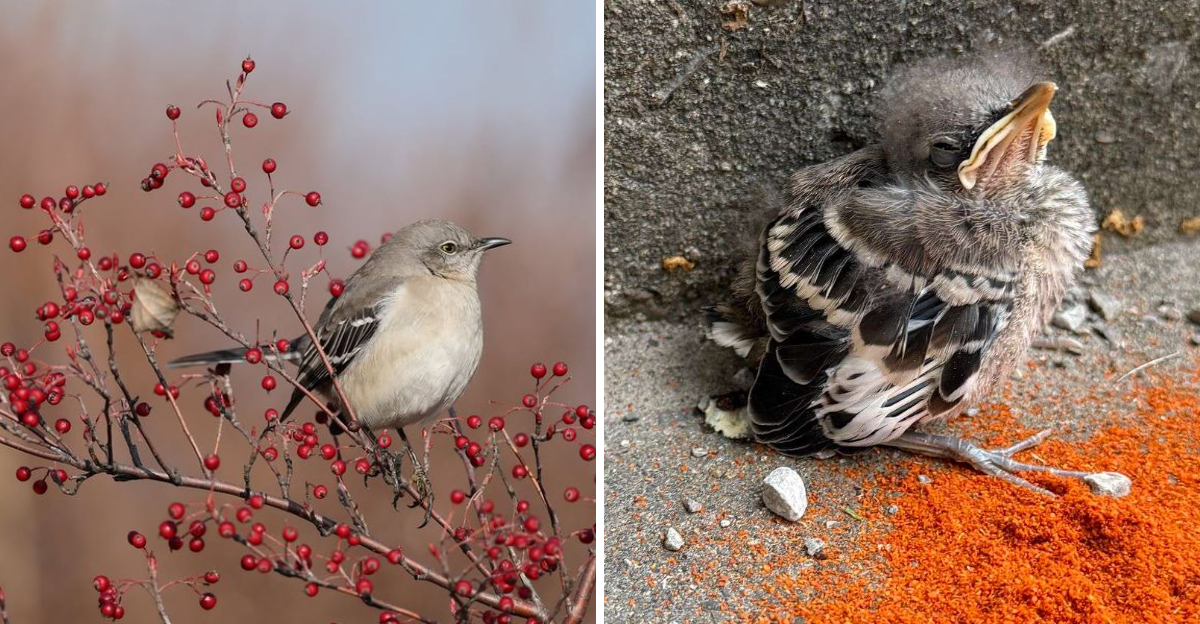
Texas mockingbirds do not believe in subtlety. They sing from rooftops before sunrise. They scold from fence posts. They swoop at cats, shout from shrubs, and cycle through so many borrowed sounds that one bird can make the whole yard feel crowded.
But the noise usually has a purpose. Northern mockingbirds are bold, territorial, and deeply invested in whatever patch of yard they have claimed.
A sudden increase in song or sharp calls can point to nesting, fledglings, food defense, courtship, or a predator too close for comfort.
That makes the racket less mysterious and much more interesting. Once you know what to watch for, the loud bird near the driveway or berry shrub starts looking less like a nuisance and more like a very dramatic yard manager with feathers.
So what does it really mean when mockingbirds get loud in a Texas yard? Start by noticing where the sound comes from, how the bird moves, and what else is nearby. The answer is often sitting in a shrub, hopping in the grass, or staring back from the fence.
1. A Nest May Be Nearby
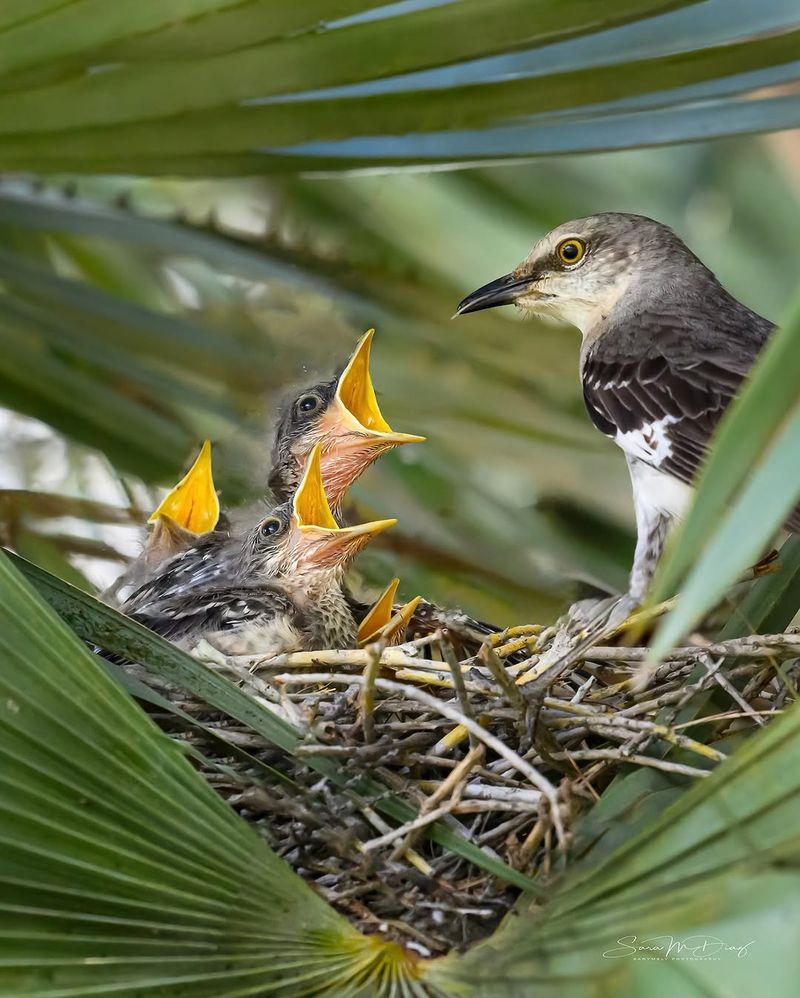
Noise that keeps coming from the same shrub usually means something important is hidden there.
Northern mockingbirds commonly nest in Texas from spring into summer, and a pair may raise more than one brood during the season.
That long nesting window gives homeowners plenty of chances to hear sudden scolding near a hedge, small tree, or thorny shrub. Dense growth is prime real estate.
Pyracantha, yaupon holly, hawthorn, and other thick shrubs give the birds cover and protection. A nest may sit only a few feet off the ground, tucked right where curious pets, kids, or gardeners might wander too close without realizing it.
The adults become watchful fast.
One bird may perch high on a fence, roofline, or tree branch while the other stays closer to the nest. Calls get sharper when movement happens nearby. That is not random fussing. It is a warning system.
Do not search too aggressively.
A careful look from a distance is fine, but pushing into the shrub can stress the birds and expose the nest. Yard work near that spot can usually wait until the nesting activity fades.
The same noisy corner day after day is your clue.
Give that area extra space, keep pets away, and let the pair finish the job. The birds are not trying to ruin your morning. They are running nursery security at full volume.
2. Territory Lines Are Being Defended
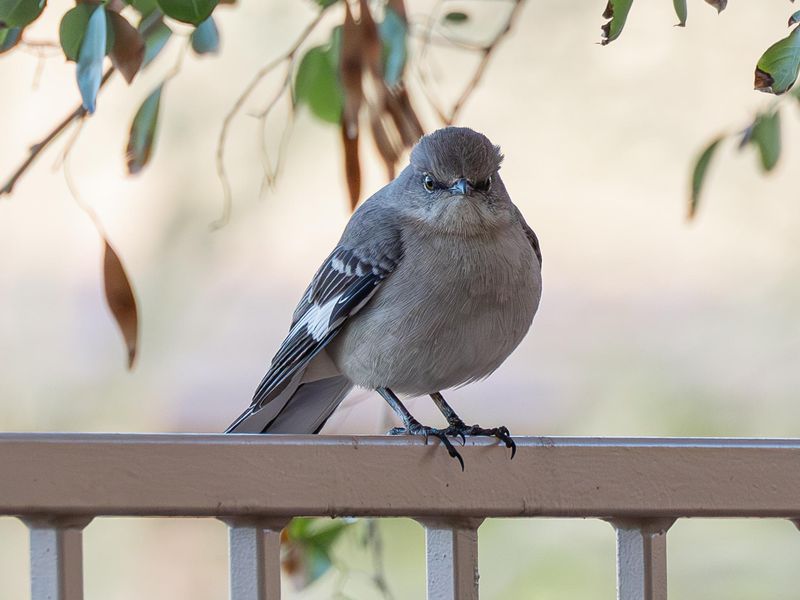
A mockingbird singing from the roof is often making an announcement.
That high, exposed perch turns the bird’s voice into a boundary marker. Fence tops, utility lines, chimneys, and rooftops all help the sound carry across the neighborhood.
The message is simple.
This space is claimed.
Male mockingbirds are especially vocal when defending territory. Their songs can include repeated phrases, mimicry, and long sequences that sound like several birds packed into one body.
The bigger and more varied the performance, the more serious the claim can seem.
Your Texas Garden Changes Every Week. Your Plan Should Too.
Gardening in Texas changes quickly throughout the season. Every Friday you’ll receive a simple weekly plan showing exactly what to plant, prune, fertilize, harvest, and protect so you never miss the right timing.
Spring brings the loudest boundary work.
That is when birds choose spaces, attract mates, and push rivals away. Chases across the yard, quick looping flights, and two birds flashing through the same tree often mean a territorial disagreement is underway.
The defending does not always stop after breeding season.
Mockingbirds can also guard food sources in fall and winter. A bird chasing others away from a berry-heavy shrub may be protecting a personal pantry rather than a nest.
This is why one yard can sound so intensely occupied.
A mockingbird with good perches, shrubs, insects, and fruit has something worth defending. The loud song is the sign on the invisible fence.
It just happens to be written in music.
3. Mates Are Hearing The Song
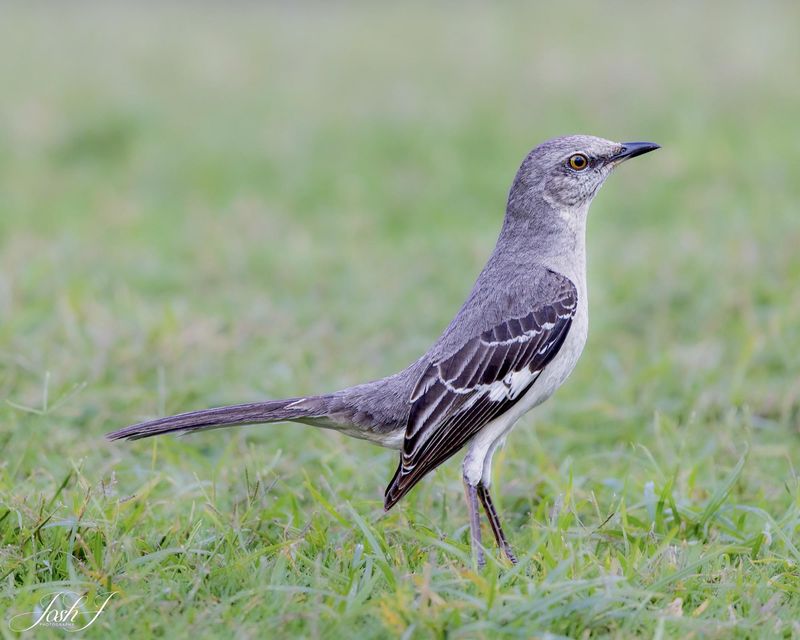
A nonstop dawn concert may be meant for one listener.
Male mockingbirds sing elaborate sequences to attract mates, and they can be relentless during breeding season.
Early morning is a favorite performance slot because sound carries well and the yard is still quiet enough for every note to land.
Night singing has its own meaning.
Unmated males are often the loudest after dark. A mockingbird singing at midnight or 3 a.m. may be advertising for a mate with impressive stamina and a very questionable sense of neighborhood etiquette.
The variety matters.
Mockingbirds learn and repeat sounds from other birds and their surroundings. A male with a large song collection can sound like a whole chorus moving through the same set of branches. That variety may help show experience, health, and territory quality.
The singing often changes after pairing.
Once a mate is found and nesting begins, the late-night performances may quiet down. The bird still vocalizes, but the desperate all-night concert can ease once the courtship mission succeeds.
Texas yards hear this most in spring and early summer.
That is when breeding activity rises and males put the most energy into being heard. The same bird may return to a favorite antenna, roof peak, or tall tree each day.
The song is loud because it is supposed to be.
For the mockingbird, romance is not private. It is broadcast.
4. Young Birds May Be Hidden
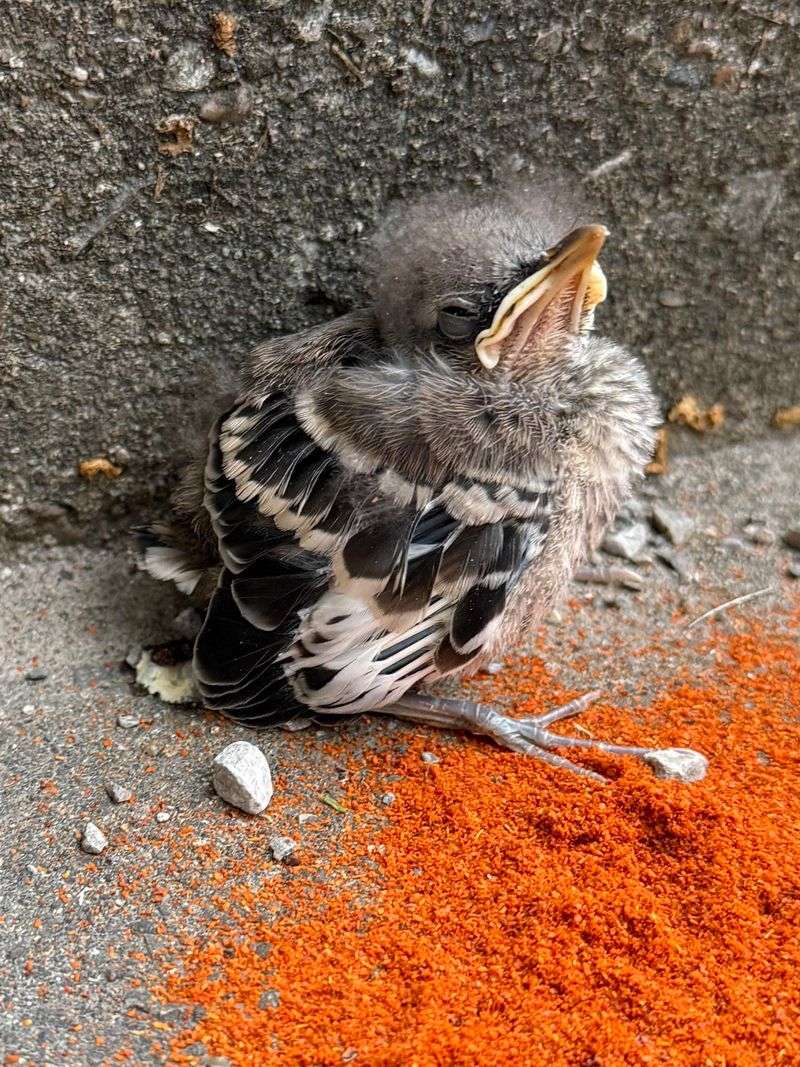
Sharp calls near the lawn can mean fledglings are close.
Young mockingbirds leave the nest before they can fly well. For several days, they may hop through grass, crouch under shrubs, or perch low in branches while their parents continue feeding and guarding them.
This stage worries homeowners.
A fluffy, speckled young bird sitting on the ground can look abandoned. Most of the time, it is exactly where it should be. The parents are nearby, watching, calling, and waiting for everyone else to back up.
The adults get especially loud now.
They may scold from a fence, flutter their wings, or move from perch to perch while tracking the young bird’s location. The fledgling may answer with softer begging calls, creating a back-and-forth conversation through the yard.
Leave the young bird alone.
A feathered fledgling with bright eyes and the ability to hop usually does not need rescue. Moving it away from the area can separate it from the parents. The safer move is to give it space and keep pets indoors for a few days.
Watch from a distance.
The parents will often bring food once people retreat. That is the clearest sign the bird is being cared for.
This noisy stage does not last forever.
The fledgling gains strength, the family spreads out, and the yard gradually quiets down. Until then, the birds are simply keeping roll call in the loudest possible way.
5. Pets Are Getting Warned
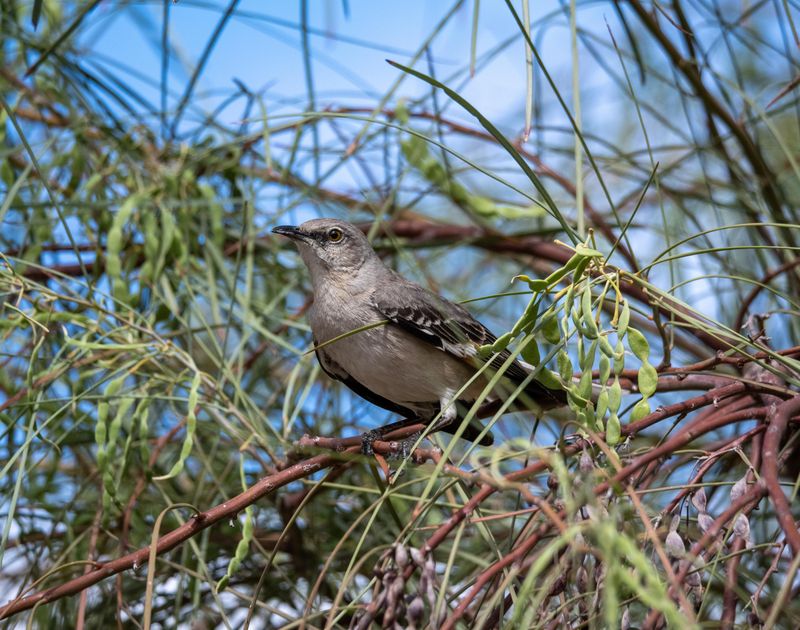
A cat in the yard can turn a mockingbird into an alarm siren.
During nesting and fledgling season, pets are a major trigger for loud calls and swooping behavior. Cats draw the strongest reaction because they move low, stalk quietly, and pose a real threat to eggs and young birds.
Dogs can get warned too.
A curious dog sniffing near a shrub may have no idea a nest or fledgling is nearby. The mockingbird does not care about intentions. It sees a large animal too close to vulnerable young and reacts immediately.
This behavior is called mobbing.
The bird may dive, call sharply, and swoop near the animal to push it away. Sometimes other birds join in, turning the whole corner of the yard into a noisy defense squad.
Humans can trigger it as well.
Walk too close to an active nest, and the bird may scold from above or make low passes nearby. The goal is not random aggression. The bird wants the threat to move.
Pet management helps everyone.
Keeping cats indoors, especially during spring and summer nesting months, protects birds and reduces stressful yard conflict. Supervising dogs near shrubs also prevents accidental disturbance.
The loudest mockingbird may be pointing directly at the problem.
Follow its gaze, check the ground and shrubs nearby, then create space. The bird is not overreacting. It is defending a family with the tools it has: wings, nerve, and volume.
6. Fruit Shrubs Keep Them Close
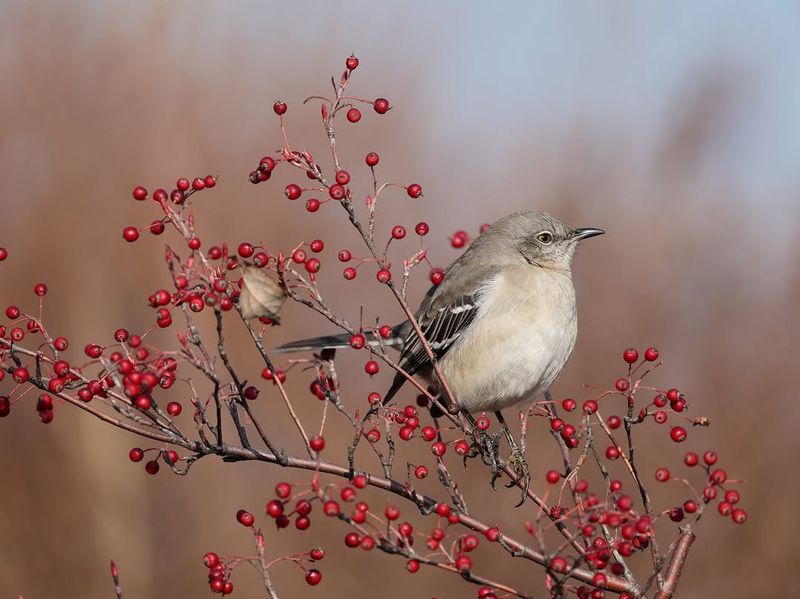
A berry-filled shrub can turn into defended territory.
Mockingbirds eat insects during much of the warm season, but fruit becomes especially important when insects are less abundant.
Texas yards with yaupon holly, possumhaw, beautyberry, pyracantha, eastern red cedar, or other fruiting plants can attract them and keep them close.
That food source may get guarded.
A mockingbird perched near a berry shrub and chasing other birds away is protecting a valuable resource. The calls may sound like general yard drama, but the bird is often defending dinner.
Dense shrubs offer more than fruit.
They also provide cover, nesting sites, and safe perches. A plant that feeds and shelters birds becomes a high-value spot, especially in a neighborhood with fewer native plantings.
Open ground matters too.
Mockingbirds hunt insects in lawns, garden beds, and open patches. They often run, stop, flash white wing patches, and pounce on prey. A yard with both berry shrubs and short open areas can suit them beautifully.
That explains the loyalty.
Once a mockingbird claims a yard with food, cover, and perches, it may stay vocal because the space is worth keeping.
Planting native fruiting shrubs can make the yard more bird-friendly.
It may also make the local mockingbird act like it owns the place. From its point of view, after finding berries, bugs, and a good lookout post, it kind of does.
7. Feeders May Not Matter Much
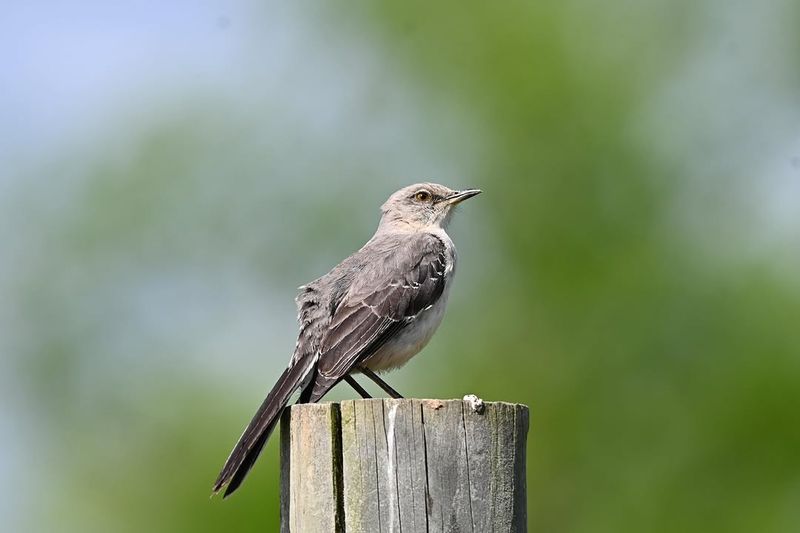
A seed feeder is not the main attraction for mockingbirds.
Unlike cardinals, finches, and sparrows, northern mockingbirds are not especially interested in sunflower seeds, millet, or the usual feeder mixes.
A mockingbird near a feeder may be watching activity, guarding space, or hunting insects nearby rather than eating the seed.
Habitat matters more.
These birds want shrubs, fruit, open hunting areas, perches, and water. A yard with the right structure can attract a mockingbird without a single seed feeder. A yard without cover or food plants may not hold one for long, even with feeders filled.
Fruit can work better than seed.
Mockingbirds may visit platforms with apple pieces, soaked raisins, berries, or other fruit, especially during colder months or dry spells. Mealworms can also draw attention because insects are a natural part of their diet.
A birdbath can be a bigger draw.
Fresh shallow water is useful in Texas heat, especially when natural sources are limited. Place it where birds have a nearby perch and a clear view of the area.
Avoid making feeders the whole plan.
Native plants do more for mockingbirds over time. Fruiting shrubs, flowering plants that support insects, and layered cover build a yard that actually fits their needs.
The loud bird by the feeder may not be asking for seed.
It may be telling every other bird that the whole restaurant belongs to it.
8. Give The Nesting Zone Space
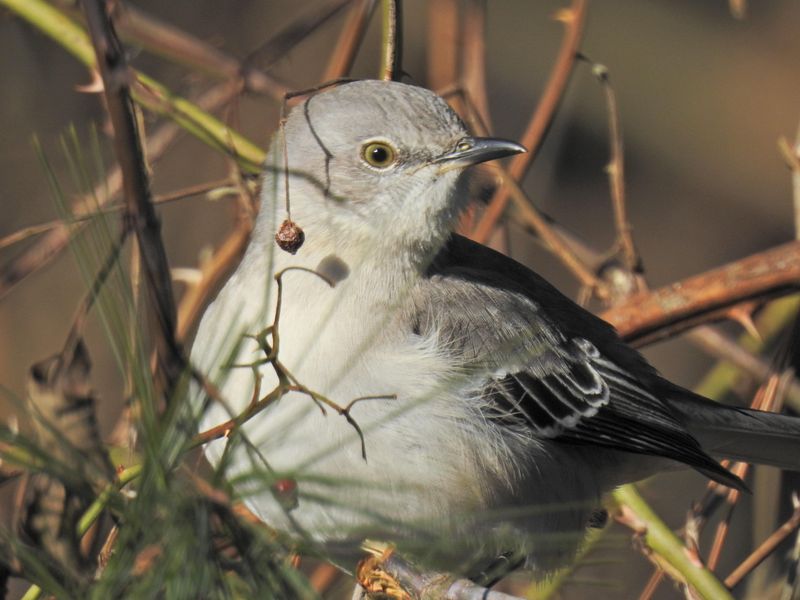
A loud mockingbird usually gets easier to live with once the reason is clear.
Nesting, fledglings, mates, pets, and food sources all explain most of the noise. The best response is often simple: give the active zone a little room and adjust yard routines for a few weeks.
Skip pruning near active shrubs.
Dense hedges and thorny plants may hold nests, especially during spring and summer. Trimming too close can expose young birds or disturb adults while they are trying to raise a brood.
Keep pets supervised.
Cats indoors and dogs away from noisy shrubs can reduce swooping, scolding, and stress for everyone involved. The most intense behavior usually fades once fledglings grow stronger and move out.
Watch instead of interfering.
Mockingbirds are bold, expressive, and surprisingly entertaining once their behavior starts making sense. A pair of binoculars can turn the morning racket into a front-row view of family life, territory disputes, and courtship.
The season will pass.
Nesting intensity drops by late summer, fledglings become independent, and the yard settles into a quieter rhythm. Some calling will remain because mockingbirds are mockingbirds, but the urgent scolding usually eases.
A loud bird in your yard is often a compliment.
It means the space offers food, cover, safety, or a good place to raise young. That does not make the 5 a.m. concert gentle, but it does make it meaningful.
The mockingbird is not just making noise.
It is giving a full report on what matters in the yard.