The Pennsylvania Greens To Direct Sow Before The Late-Summer Heat Breaks
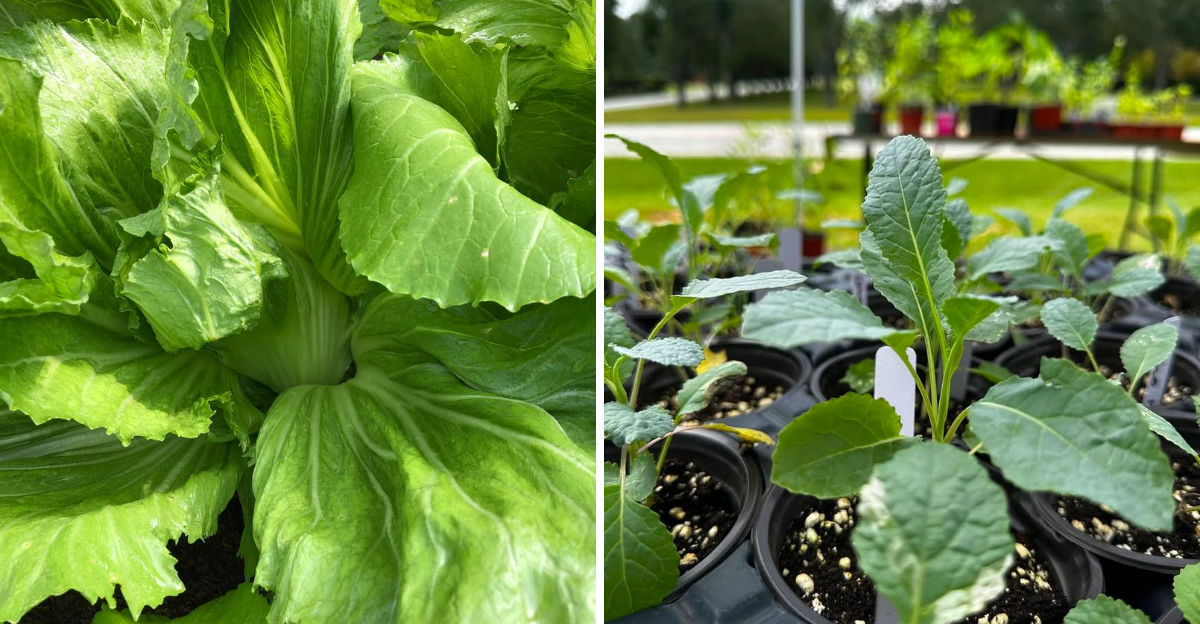
Late summer can make a Pennsylvania vegetable bed look ready for retirement.
Bean rows thin out. Tomato plants slow down. Empty patches open where spring crops once looked full. The soil is warm, the mulch is tired, and weeds seem very interested in any space left unclaimed.
That open ground is an opportunity.
Warm soil can push fall greens up fast, often much faster than spring planting. The challenge is keeping seeds moist long enough to sprout before cooler nights arrive.
Shade cloth, steady watering, and smart timing turn those tired beds into a second salad season.
Frost dates vary across Pennsylvania, from earlier cold snaps in northern counties to later windows in the south and southeast, so the calendar matters.
Direct sowing before the heat fully breaks gives cool-season greens time to germinate, size up, and settle in before fall gets serious.
So which greens deserve space in those late-summer rows?
Start with fast growers, cold-tolerant staples, and a few less obvious crops that keep harvests going long after summer vegetables start bowing out.
1. Leaf Lettuce Goes First
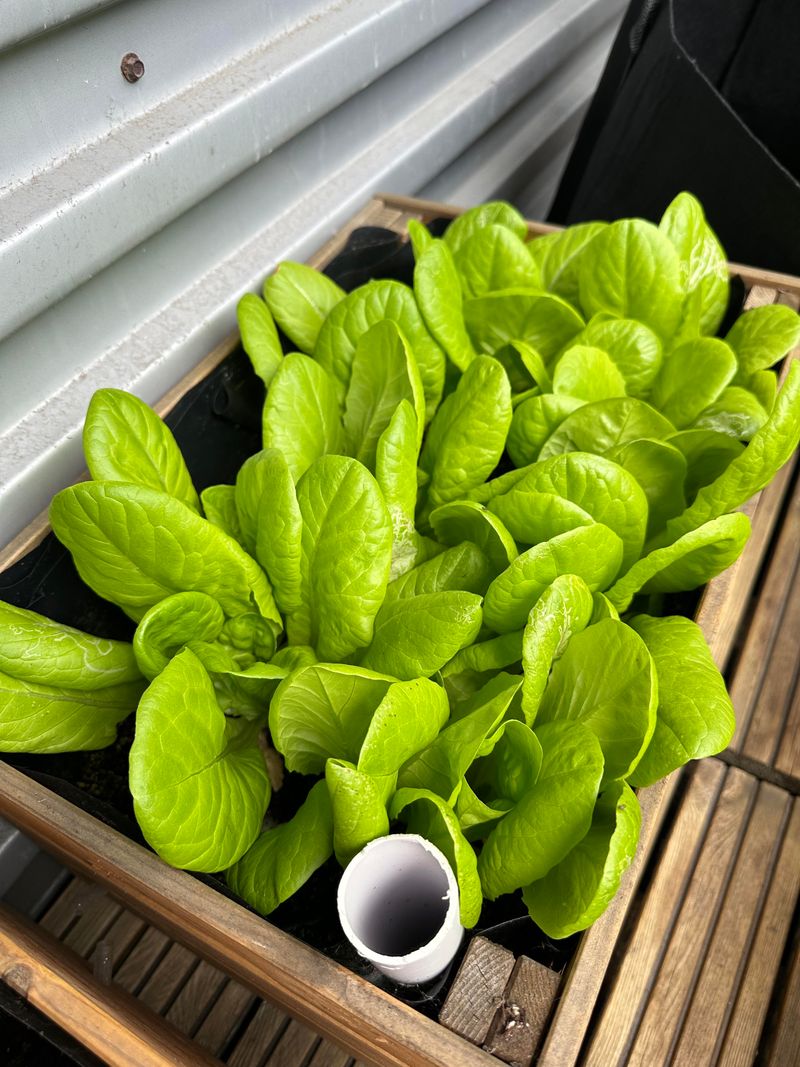
An empty row in late summer is practically begging for lettuce seed.
Leaf lettuce is one of the fastest ways to turn warm Pennsylvania soil into fall salads. Seeds can sprout quickly when the seedbed stays evenly moist, and loose-leaf varieties give gardeners a harvest without waiting for full heads to form.
Shallow sowing is important.
Lettuce seed should sit close to the surface, usually no deeper than one-eighth to one-quarter inch. Press it gently into damp soil and cover very lightly. Deep planting can slow or prevent germination.
Moisture is the whole game.
Tiny lettuce seeds struggle in crusty, dry soil. Water lightly and consistently until seedlings appear. During hot stretches, that may mean a gentle morning and evening check rather than one heavy soak that washes seeds away.
Shade cloth helps more than gardeners expect.
A thirty to forty percent cloth can cool the surface, hold moisture, and protect tender seedlings from late-summer heat. Remove it once days settle into a more lettuce-friendly range.
Loose-leaf types are the easiest win.
‘Black Seeded Simpson,’ ‘Red Sails,’ and ‘Salad Bowl’ can be harvested young once leaves reach a usable size. Cut outer leaves or shear baby greens lightly and let the plants regrow.
Succession sowing keeps the bowl full.
A short row every week or so gives a steadier harvest than one big planting. Lettuce is quick, generous, and perfect for starting the fall garden’s second act.
2. Arugula Fills Fast Rows
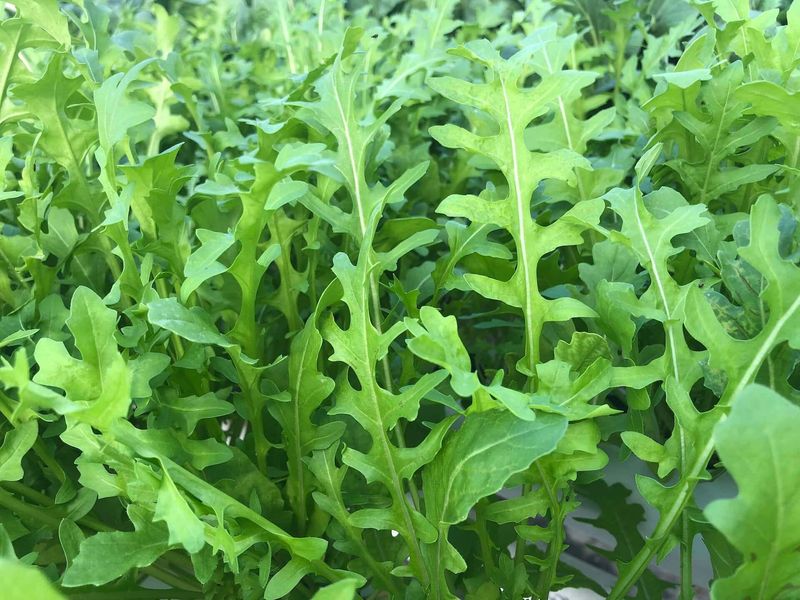
Speed matters when the fall window starts closing.
Arugula moves from seed to salad bowl quickly, which makes it ideal for Pennsylvania gardeners working with newly opened late-summer space.
Under warm soil conditions, germination can happen in only a few days, and baby leaves follow soon after.
The sowing process is simple.
Scatter seeds thinly in a shallow furrow about one-quarter inch deep, then cover lightly. Perfect spacing at planting is not necessary. Seedlings can be thinned once they reach an inch or two tall.
Your Pennsylvania Garden Changes Every Week. Your Plan Should Too.
Gardening in Pennsylvania changes quickly throughout the season. Every Friday you’ll receive a simple weekly plan showing exactly what to plant, prune, fertilize, harvest, and protect so you never miss the right timing.
Those thinnings are edible.
Toss them into salads, sandwiches, or a quick skillet meal instead of treating them like garden waste. Arugula gives something back almost immediately.
Flavor changes with the season.
Warm weather brings a milder peppery bite, while cooler September and October nights sharpen the flavor and make the leaves taste fuller.
That cool-weather kick is exactly why fall arugula feels so much better than a stressed summer planting.
Heat can push it toward bolting.
Shade cloth during late-summer afternoons can slow that rush and keep leaves tender longer. Consistent moisture also helps prevent bitterness and stress.
Sow small amounts often.
A short row every seven to ten days through the early fall planting window keeps fresh leaves coming without drowning the kitchen in one giant harvest.
Arugula is the impatient gardener’s friend.
It fills space fast, tastes bold, and makes a tired bed feel productive again almost overnight.
3. Mustard Greens Bring Speed
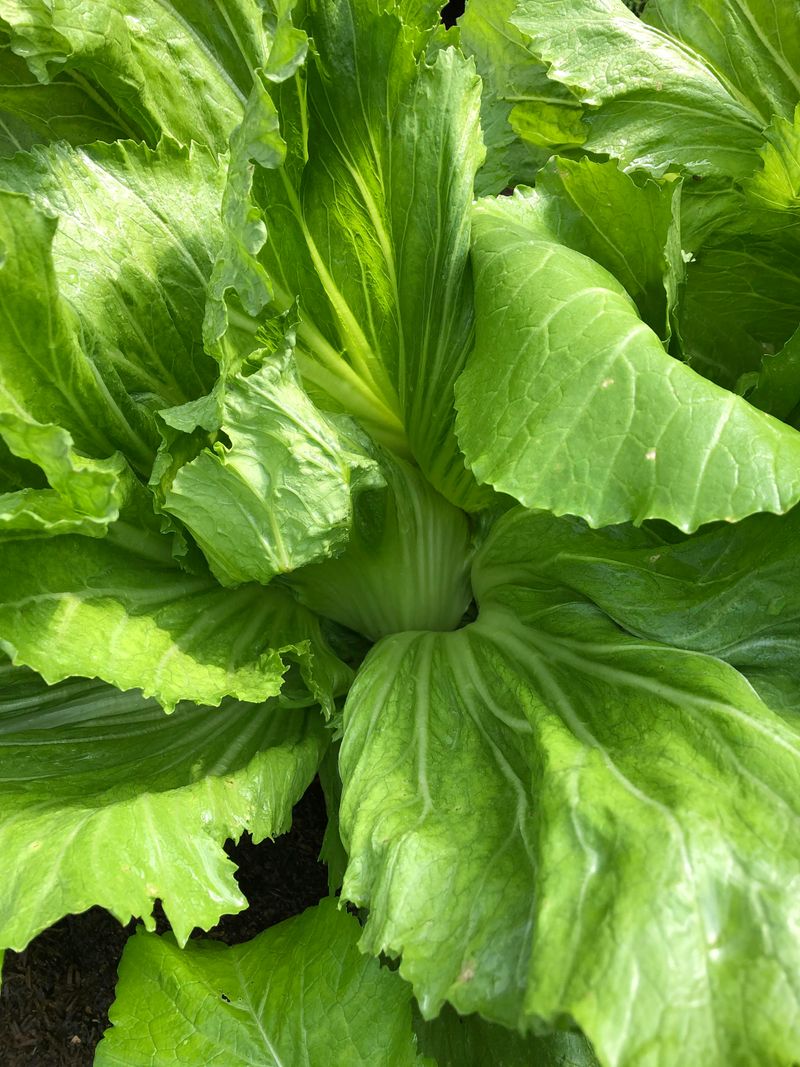
Fast greens with attitude belong in the fall garden.
Mustard greens germinate quickly, grow with confidence, and bring bold flavor to Pennsylvania beds that need a productive second crop. For gardeners trying to squeeze another harvest from warm soil, they are one of the best bets.
Sow them shallowly.
Plant seeds about one-quarter inch deep in rows with enough room for airflow. Once seedlings have a few true leaves, thin them to several inches apart. Crowded mustard can grow, but spaced plants produce better leaves.
The flavor is part of the fun.
Young leaves bring a mild bite. Mature leaves develop more heat and complexity. After cool nights and light frost, the flavor often becomes sweeter and more rounded.
Some varieties add serious color.
‘Red Giant’ brings burgundy tones that make salad mixes look instantly more interesting. ‘Southern Giant Curled’ offers ruffled green leaves with plenty of classic mustard personality.
Moisture keeps the leaves tender.
Dry soil can make mustard sharper and tougher than most gardeners want. Water regularly while seedlings establish, especially during warm afternoons that leave the bed looking tired.
Harvest early and often.
Baby leaves can go into salads. Larger leaves work beautifully in sautés, soups, and braises. Taking outer leaves lets the center keep producing.
Mustard greens do not wait around for perfect weather.
They take the late-summer opening and run with it, which is exactly what a fall garden needs.
4. Kale Handles The Shift
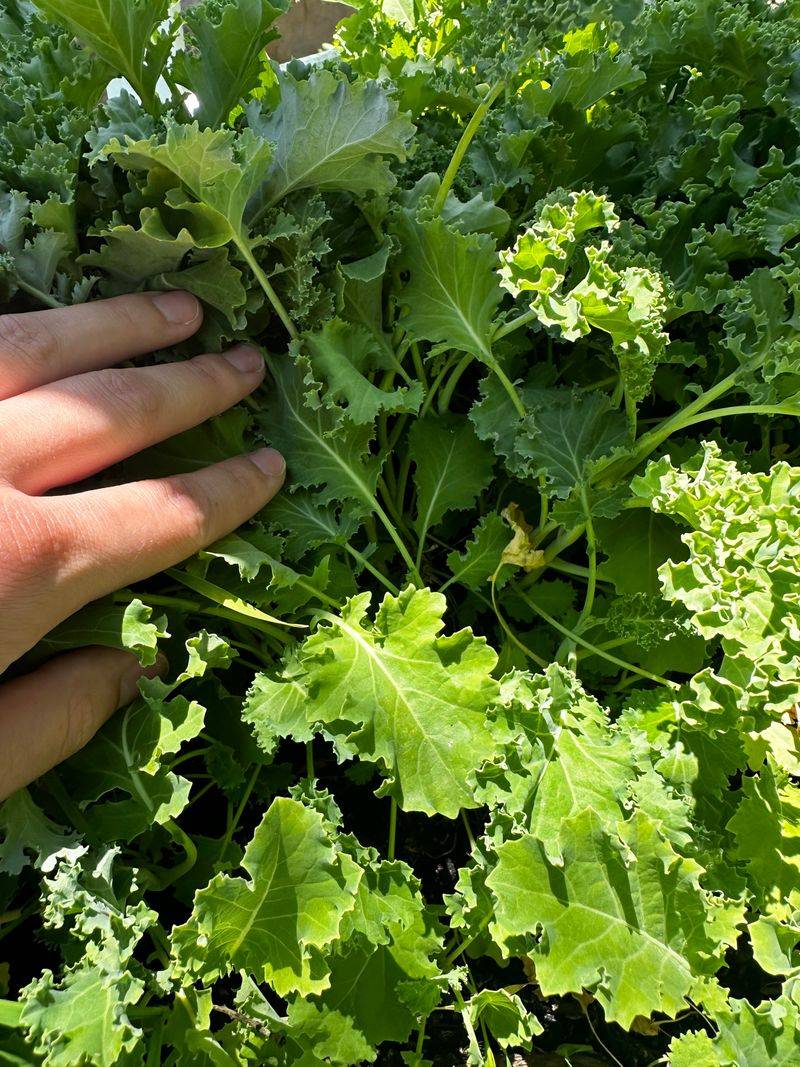
A fall garden needs at least one crop that laughs at chilly nights.
Kale fills that role beautifully. Warm soil helps seeds germinate, while cooler weather later improves flavor. Once frost touches the leaves, the plant often tastes sweeter and more tender.
Direct sowing works well.
Plant seeds about one-quarter to one-half inch deep. Once seedlings reach a few inches tall, thin them generously. Kale needs room to become a real plant, not a crowded patch of miniature leaves.
Spacing feels dramatic at first.
Twelve to fifteen inches between plants may look wasteful when seedlings are tiny, but mature kale uses that space. Crowded plants produce fewer usable leaves and have weaker airflow.
Variety gives options.
‘Lacinato,’ often called dinosaur kale, has dark textured leaves and a rich flavor. ‘Winterbor’ produces curly leaves that hold up well in cold weather and keep giving after many tender greens have slowed down.
Steady water helps during establishment.
Late-summer seedlings are still vulnerable to heat. A light mulch around young plants keeps roots cooler and helps moisture last between waterings.
Harvest from the outside.
Take lower leaves first and leave the center growing point intact. That keeps the plant producing for weeks, sometimes into early winter in milder parts of the state.
Kale is not just a trend.
In Pennsylvania fall gardens, it is a dependable workhorse with excellent cold-weather manners.
5. Collards Start Strong
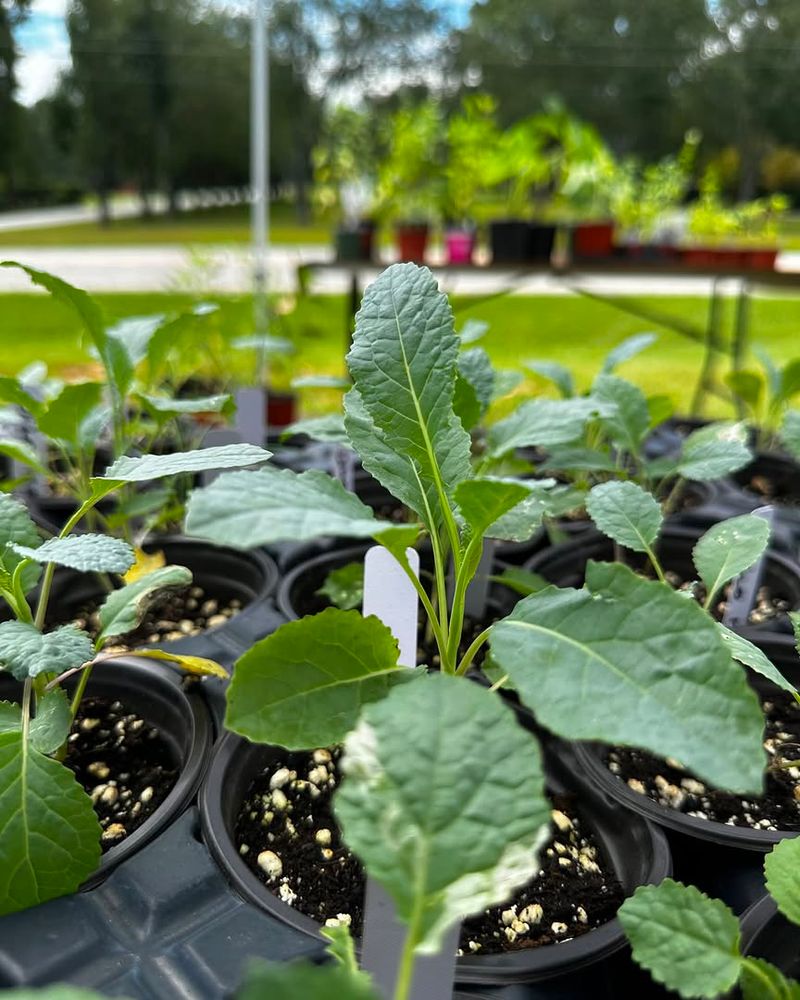
Big leafy plants need a strong beginning.
Collards germinate well in warm soil and grow into sturdy fall producers when given moisture, space, and a little nutrition. They are especially useful for gardeners who want greens that keep producing after lighter crops fade.
Sow seeds about one-quarter to one-half inch deep.
Plant a few seeds along the row, then thin once seedlings have several true leaves. Mature collards need space, often eighteen to twenty-four inches apart, because those wide leaves do not appreciate elbow-to-elbow living.
Warm late-summer soil helps them rise fast.
The challenge comes after germination, when heat can dry the bed and stress young plants. Gentle, consistent watering during the first few weeks sets the whole crop up for success.
Choose dependable varieties.
‘Georgia Southern’ and ‘Champion’ are classic options with strong fall performance. Both handle lingering warmth and become even better as temperatures cool.
Collards appreciate feeding more than some greens.
A light side-dressing several weeks after germination can support steady leaf production. Avoid overdoing it, but do not expect big leaves from exhausted soil.
Harvest outer leaves regularly.
Leave the center intact so the plant keeps pushing new growth. This cut-and-come-again style turns one planting into weeks of harvest.
Collards are built for the long haul.
Start them while the soil is warm, keep them growing through the transition, and they can become one of the most reliable greens in the Pennsylvania fall garden.
6. Bok Choy Fits The Window
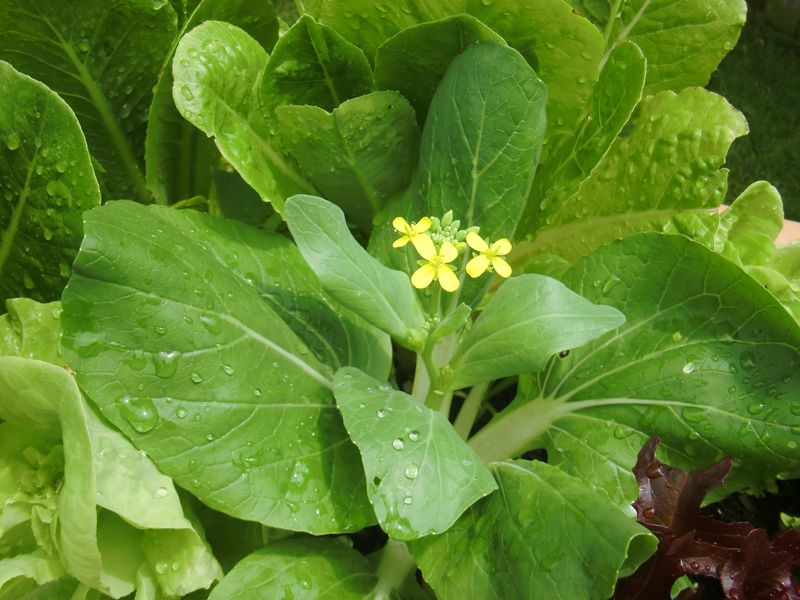
A tight fall schedule needs quick crops with real payoff.
Bok choy fits that need beautifully. Baby types can be ready in about a month, making them ideal for late-summer direct sowing in Pennsylvania beds where time matters.
Sow seeds about one-quarter inch deep.
Rows spaced around a foot apart work well for most home gardens. Thin seedlings once they form true leaves, giving baby plants six to eight inches and full-sized types a bit more room.
Do not skip thinning.
Crowded bok choy may stretch, stay small, or bolt faster. The removed seedlings are edible, especially tossed into a quick stir-fry or salad.
Heat is the main challenge.
Late-summer warmth can push plants toward flowering before they form the crisp stems gardeners want. Shade cloth during hot afternoons and consistent watering can keep growth steadier until cooler weather arrives.
Variety helps.
‘Tokyo Bekana’ offers tender, loose leaves and quick growth, while ‘Joi Choi’ brings thick white stems and a more classic shape. Both can work well in fall plantings with proper care.
Harvest young for speed.
Baby bok choy is mild, crisp, and useful raw or cooked. Waiting for full size takes longer, so mixed harvests can stretch the planting.
Bok choy gives the fall garden a fresh texture.
It is fast, compact, and far more exciting than another empty row where summer crops used to be.
7. Swiss Chard Stretches Harvests
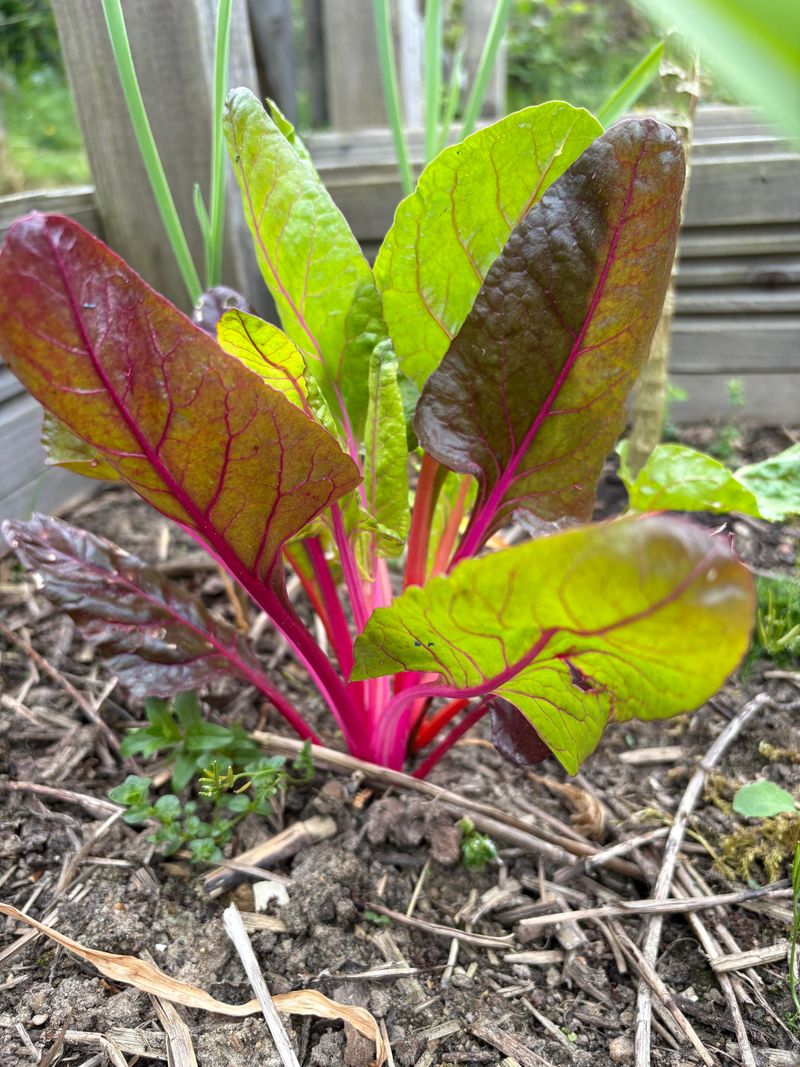
Color can be productive too. Swiss chard brings glowing stems, broad leaves, and long harvest potential to Pennsylvania gardens heading into fall.
It handles late-summer warmth better than many cool-season greens, which makes it less fussy during establishment.
Direct sow seeds about one-half inch deep.
Each “seed” is actually a small cluster, so multiple seedlings may emerge from one spot. Thin to the strongest plant once they reach a few inches tall. Crowding leads to thin stems and weaker growth.
Give plants room to shine.
Six to eight inches between plants works for smaller harvests, while wider spacing creates larger leaves and thicker stems. A row of rainbow chard can look almost ornamental by September.
Heat does not bother it as much as spinach.
That tolerance makes chard a smart choice for Pennsylvania gardeners who want to sow before the cool weather fully arrives. It germinates reliably in warm soil and keeps growing as temperatures drop.
Harvest outer leaves regularly.
Cut leaves near the base while leaving the center untouched. This keeps plants producing new growth for weeks.
The first light frosts are usually not a problem.
Chard can continue into November in many gardens, especially with a little protection during colder nights. The leaves stay useful for sautés, soups, and quick skillet meals.
Swiss chard is the garden’s stained-glass green. It looks fancy, grows steadily, and makes fall harvests feel much less plain.