What Georgia Blueberries Need Right Now For Next Year’s Biggest Summer Harvest
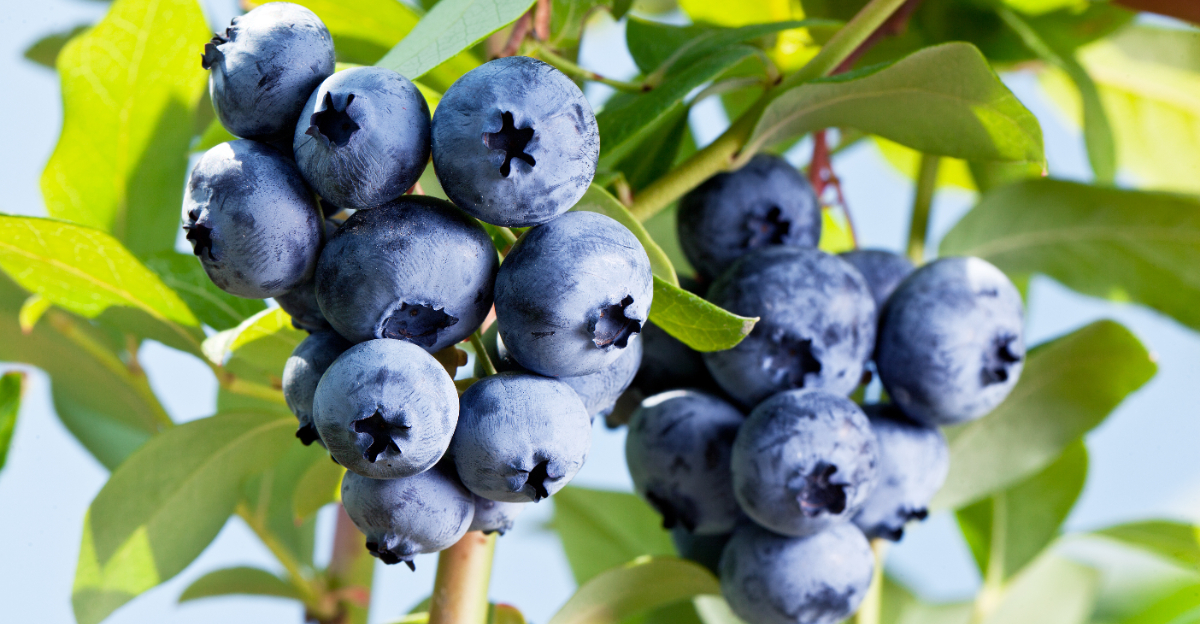
The last blueberry of summer is not the end of the season.
In Georgia, that empty bowl on the kitchen counter usually means the bushes have already moved on to next year.
While gardeners are thinking about cobblers, smoothies, and the berries that vanished too fast, rabbiteye blueberries are quietly building the flower buds that will become the next harvest.
That happens during a rough stretch.
Post-harvest care lands right in the middle of Georgia heat, when shallow roots dry quickly, mulch thins out, weeds surge, and summer storms can swing the soil from dusty to soggy.
Walk away now, and next year’s crop may already be losing strength before fall arrives.
So what do Georgia blueberries need right now to set up a bigger harvest next summer?
Start below the bush. Keep the root zone moist, cool, mulched, weed-free, and protected. Then prune lightly, avoid late fertilizer mistakes, and test the soil before making big pH changes.
1. Water Through Bud Setting
The most important post-harvest job starts with the hose.
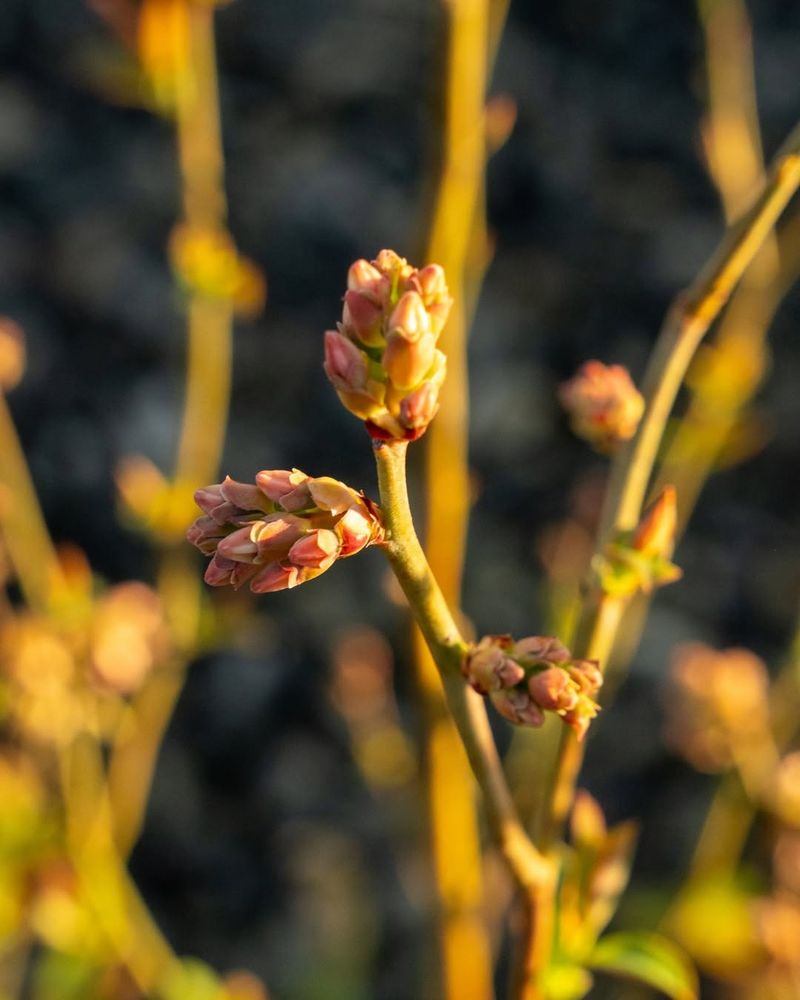
After the last berries are picked, rabbiteye blueberry bushes shift energy into forming next year’s flower buds. That bud-setting period happens during some of Georgia’s hottest weeks, which makes steady moisture critical.
Blueberry roots sit shallow.
Many feeder roots grow just a few inches below the soil surface. They cannot reach deep moisture the way many fruit trees can. Once the top layer dries, the bush feels the stress quickly.
That stress can affect next year’s crop.
A bush short on water during bud setting may form fewer strong flower buds. Fewer flower buds mean fewer berries later, even though the problem started months before harvest season returned.
Water deeply and consistently.
Most blueberry bushes need about one to two inches of water per week during the growing season, including the weeks after harvest. Rain may help, but Georgia summer storms can be uneven. Check the soil rather than trusting the forecast.
Push a finger two to three inches down.
Dry, crumbly soil means the bush needs water. Moist soil means wait. Blueberries want steady moisture, not roots sitting in soaked ground.
Drip irrigation is ideal.
It sends water straight to the root zone and keeps foliage drier, which matters in humid weather. Hand watering works too, as long as the water soaks wide and slow under the mulch.
Do not stop watering just because the berries are gone.
Next summer’s harvest is already under construction.
2. Refresh Pine Mulch Now
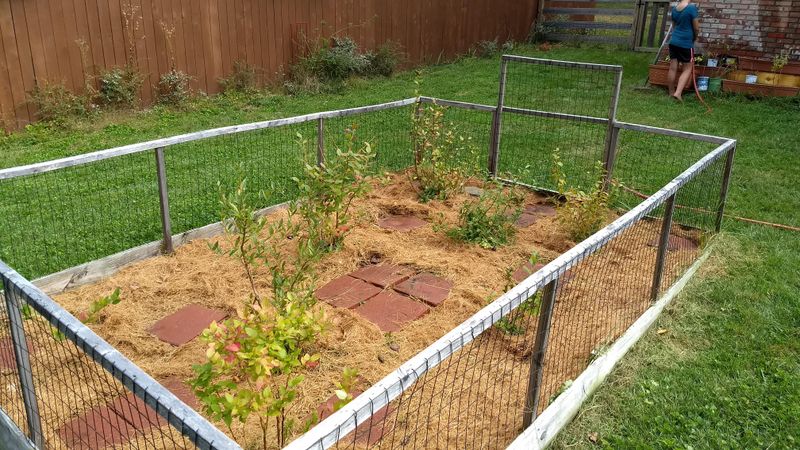
A thin mulch layer can quietly cost you berries.
By late summer, spring mulch may have broken down, washed away, or compacted into a tired crust. Under Georgia sun, that leaves shallow blueberry roots closer to heat, dry air, and weed pressure.
Fresh pine mulch helps fast.
Pine straw, pine bark, or wood chips protect the root zone, hold moisture, and keep soil temperatures steadier. As pine-based mulch breaks down, it also supports the acidic conditions blueberries prefer.
Depth matters.
Aim for about three to six inches of mulch around each bush. A skimpy dusting looks neat for a week, then stops helping. A deeper layer acts more like insulation for the roots.
Your Georgia Garden Changes Every Week. Your Plan Should Too.
Gardening in Georgia changes quickly throughout the season. Every Friday you’ll receive a simple weekly plan showing exactly what to plant, prune, fertilize, harvest, and protect so you never miss the right timing.
Pull old mulch back first.
Check the soil surface, remove weeds, and look for any unhealthy plant debris. Then add fresh material over the root zone.
Keep mulch off the crown.
Leave a few inches of space around the main stems so moisture does not sit against the base of the bush. Blueberries like covered roots, not buried crowns.
Go wider than the canopy.
Blueberry roots spread outward close to the soil surface, often beyond where gardeners expect. Extend the mulch ring at least two to three feet from the center of the plant, wider for mature bushes.
This is one of the easiest summer upgrades.
A refreshed mulch ring makes watering more effective, keeps roots cooler, and helps the bush stay focused on building next year’s buds instead of battling hot, bare soil.
3. Keep Weeds Off Roots
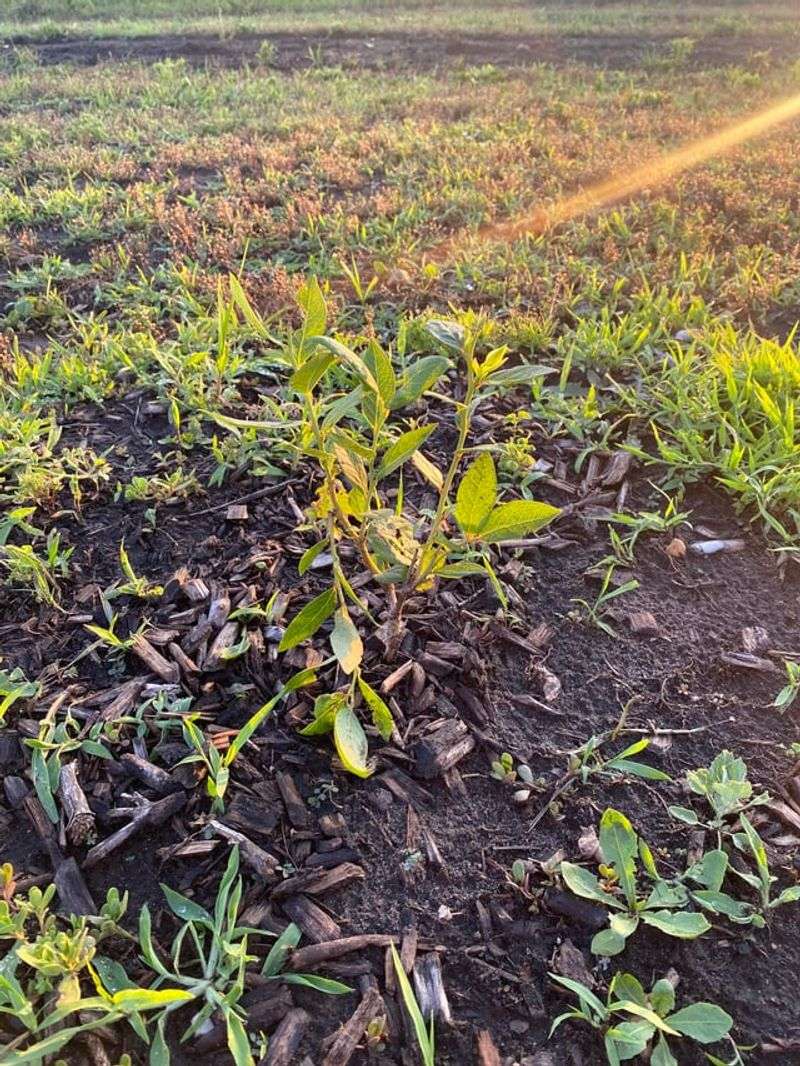
Weeds are not harmless background clutter.
Around blueberry bushes, they compete directly with shallow feeder roots for water and nutrients. During a hot Georgia summer, that competition matters even more because the bushes are forming next year’s flower buds while trying to stay hydrated.
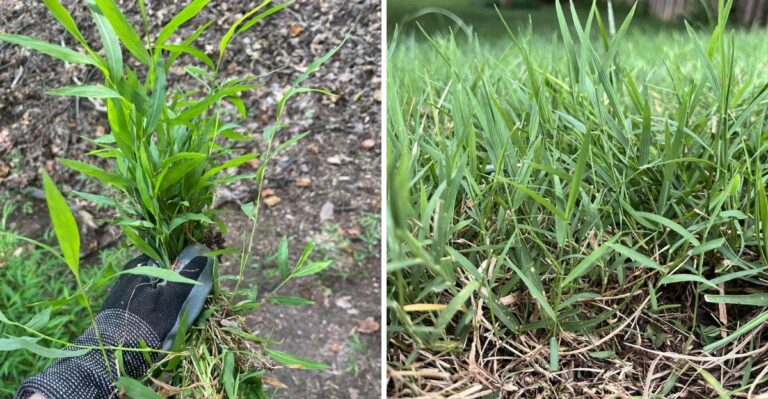
Grasses are especially demanding.
They grow fast, drink heavily, and weave roots through the same upper soil layer blueberries depend on. Broadleaf weeds can create the same problem when they fill the mulch ring after harvest.
Pull carefully near the plant.
Blueberry roots sit too close to the surface for aggressive hoeing. Deep scraping, digging, or cultivating around the crown can damage the very roots the bush needs most right now.
Hand-pulling is safest close to stems.
Grip weeds low, loosen the soil gently, and remove as much root as possible. Work after rain or watering when the ground is softer and roots release more easily.
Use shallow tools farther out.
A light scrape outside the immediate root zone can help, but stay gentle. The goal is removing weeds, not rearranging the blueberry’s root system.
Mulch is the long-term defense.
A fresh pine mulch layer blocks light from reaching weed seeds and makes new weeds easier to pull. Some gardeners add newspaper or plain cardboard under mulch in open areas for extra suppression.
Keep the bed clean through late summer.
A weed-free root zone lets the bush use its energy for bud development, not a tug-of-war with every green intruder that showed up after picking season.
4. Prune After Harvest
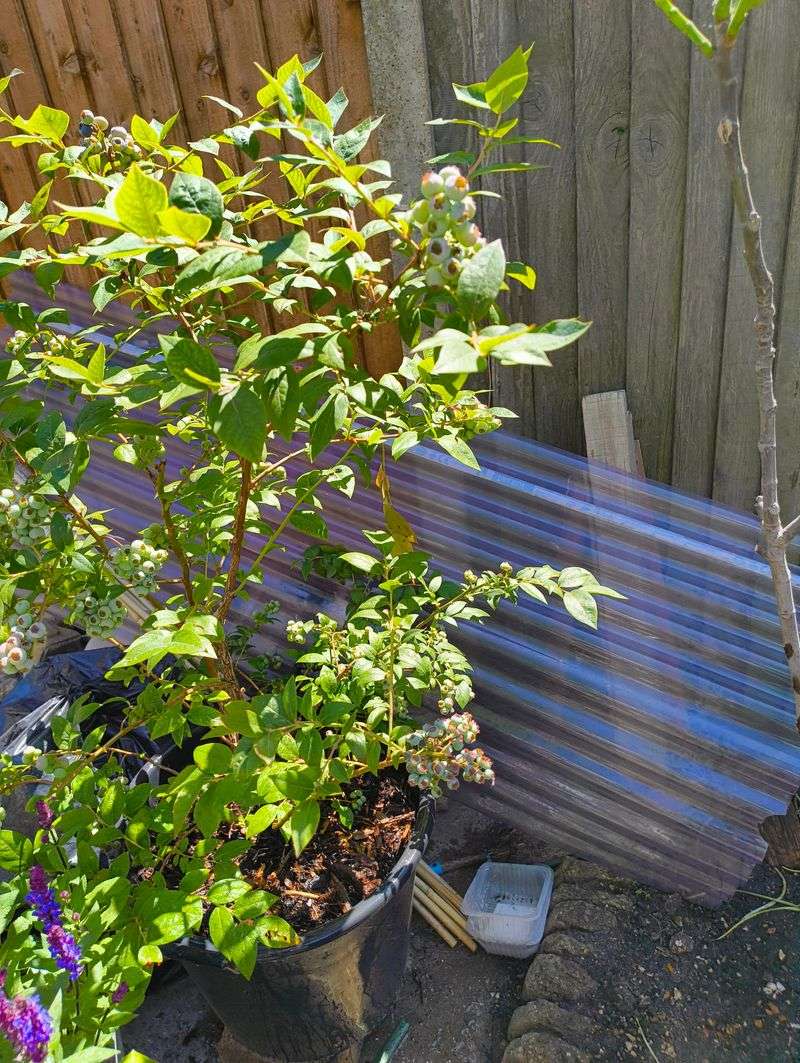
The weeks after harvest are a good time to look at the bush honestly.
Not every cane deserves another season. Some older stems take up space, shade younger growth, and produce less fruit than they used to. Post-harvest pruning lets you see what carried berries and what mostly coasted.
Do not reshape the whole plant at once.
This is cleanup and renewal, not a dramatic makeover. Focus on canes that are clearly old, rough, woody, weak, or unproductive.
Older canes lose power over time.
On mature rabbiteye blueberries, very old canes usually produce fewer strong fruiting shoots. Removing some of that aging wood makes room for younger canes that can carry better crops in future seasons.
Cut close to the crown.
Use clean, sharp loppers or bypass pruners, depending on cane thickness. Avoid leaving long stubs, which can dry out and create weak spots.
Open the center slightly.
Better airflow through the bush helps reduce humidity buildup inside the canopy. In Georgia’s muggy weather, that matters for disease prevention and overall plant health.
Step back often.
A good blueberry bush should have strong upright canes with enough open space for light and air to move through. It should not look like a tangled brush pile with berries attached.
Clean tools between bushes.
That simple habit helps reduce the chance of carrying problems from one plant to another.
Post-harvest pruning is not about punishment.
It is about giving the best canes more light, more room, and a better chance to build next year’s crop.
5. Remove Twiggy Weak Growth
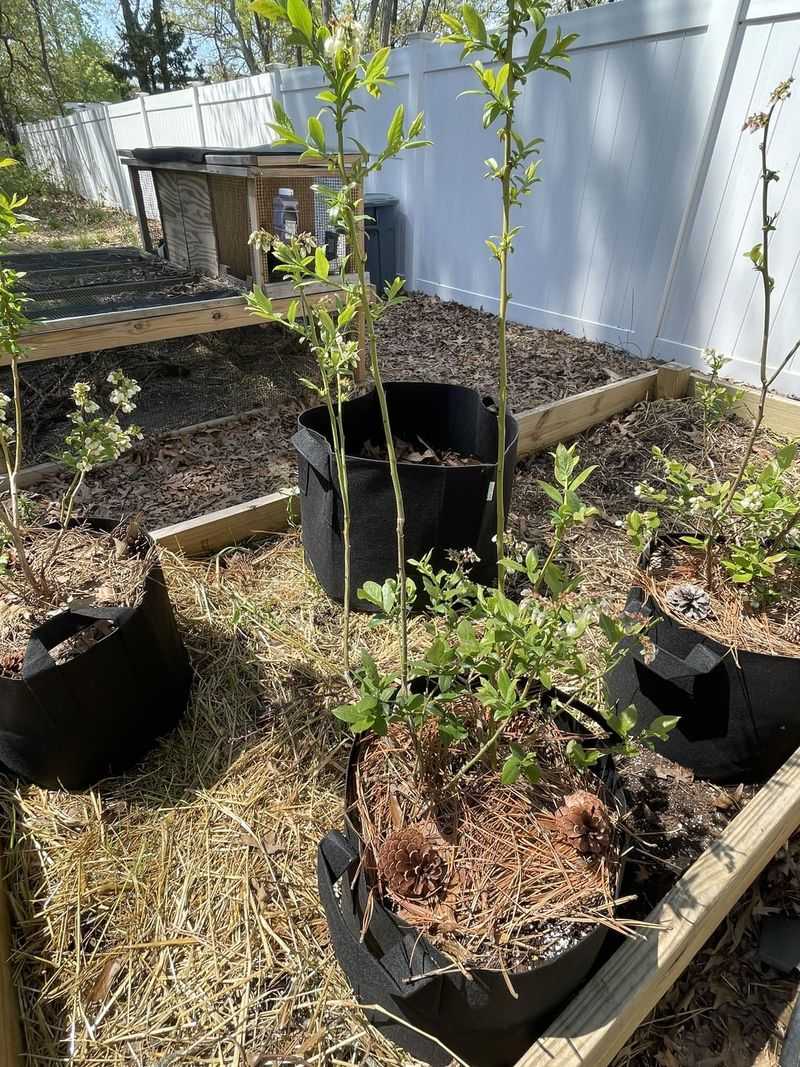
The tiny stems inside the bush are easy to ignore.
After harvest, though, that twiggy interior growth becomes easier to spot. Thin shoots tucked low, pointing inward, or trapped in shade rarely produce much fruit. They mostly crowd the plant and steal energy from better canes.
Removing them sharpens the whole bush.
Weak shoots reduce airflow, hold humidity, and create clutter through the center. In Georgia’s warm, sticky summer weather, a dense canopy can make disease problems more likely.
Look for pencil-thin stems or smaller.
Pay special attention to growth near the base that bends inward, rubs against other canes, or sits in deep shade. Stems crossing each other can damage bark over time, especially when wind moves the bush.
Take the weakest growth first.
That approach keeps pruning controlled. The goal is not stripping the plant bare. The goal is removing growth that has little chance of carrying a useful berry load next season.
A vase-like shape works well.
Rabbiteye blueberries perform best with several strong upright canes and an open center. Light can reach more of the plant, air can move through, and new growth has space to develop.
Do not rush the cuts.
Move branch by branch, then step back and reassess. Once the messy interior growth is gone, the strongest framework usually becomes obvious.
This is the pruning that pays quietly.
Fewer weak twigs now can mean stronger shoots, better airflow, and a bush that puts more energy into fruiting wood instead of leafy clutter.
6. Feed Only With Moist Soil
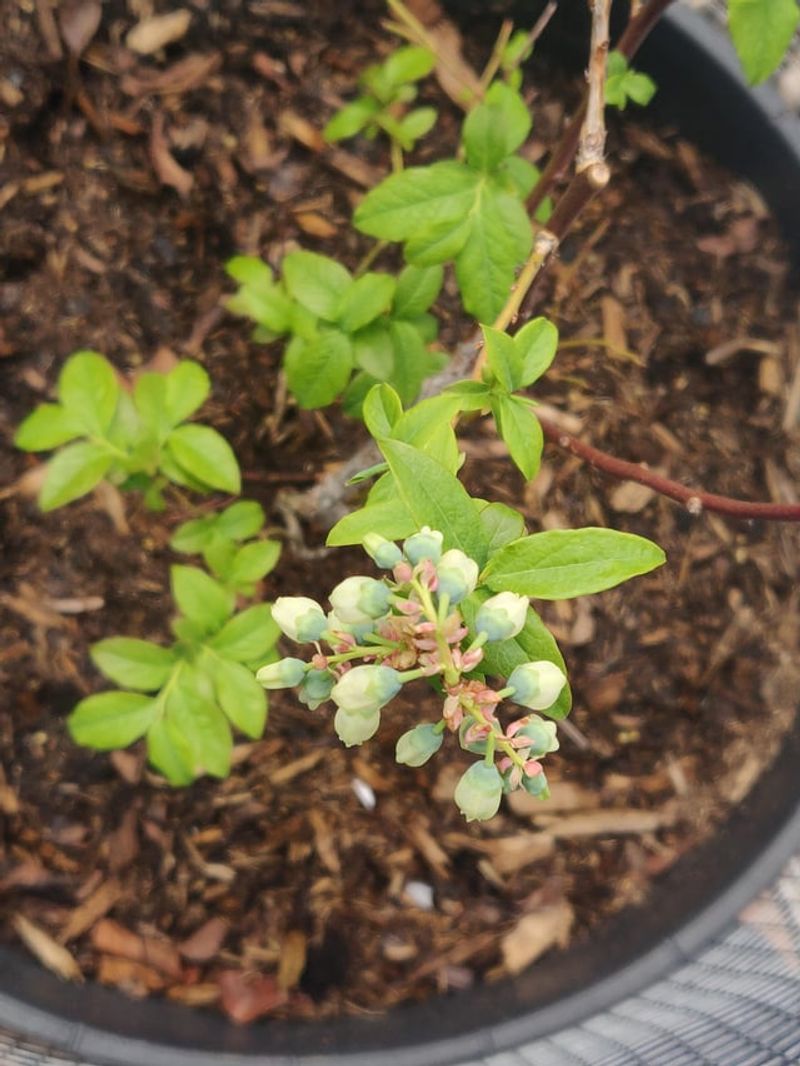
Fertilizer can help blueberries, but timing can also make it backfire.
During Georgia summer heat, dry roots are already under pressure. Adding fertilizer to dry soil can burn or stress shallow feeder roots, especially when the bush is trying to recover from harvest and set buds.
Moist soil comes first.
Water before feeding, or fertilize only after the root zone is already evenly damp. Then water again to move nutrients into the soil and away from concentrated spots.
Blueberries like acidic conditions.
They often respond well to fertilizers suited for acid-loving plants. Products containing ammonium forms of nitrogen are commonly used because they support growth while fitting blueberry soil needs better than many general garden fertilizers.
Late feeding should stay conservative.
Too much nitrogen late in summer can push soft new leafy growth at the wrong time. That growth may not mature properly before cooler weather, and it takes energy away from the root and bud work the bush should be doing.
Spread fertilizer properly.
Apply it under the drip line, not piled against the crown or main stems. Blueberry roots spread wide, so nutrients should be spread wide too.
Skip feeding when the plant is heat-stressed.
A bush with dry soil, wilted leaves, or heat pressure needs water and mulch before fertilizer. Feeding stressed roots rarely solves the real problem.
When in doubt, do less.
A properly mulched, watered blueberry bush with decent soil can often move through late summer without a big fertilizer push. Right now, steady care beats forced growth.
7. Protect The Shallow Roots
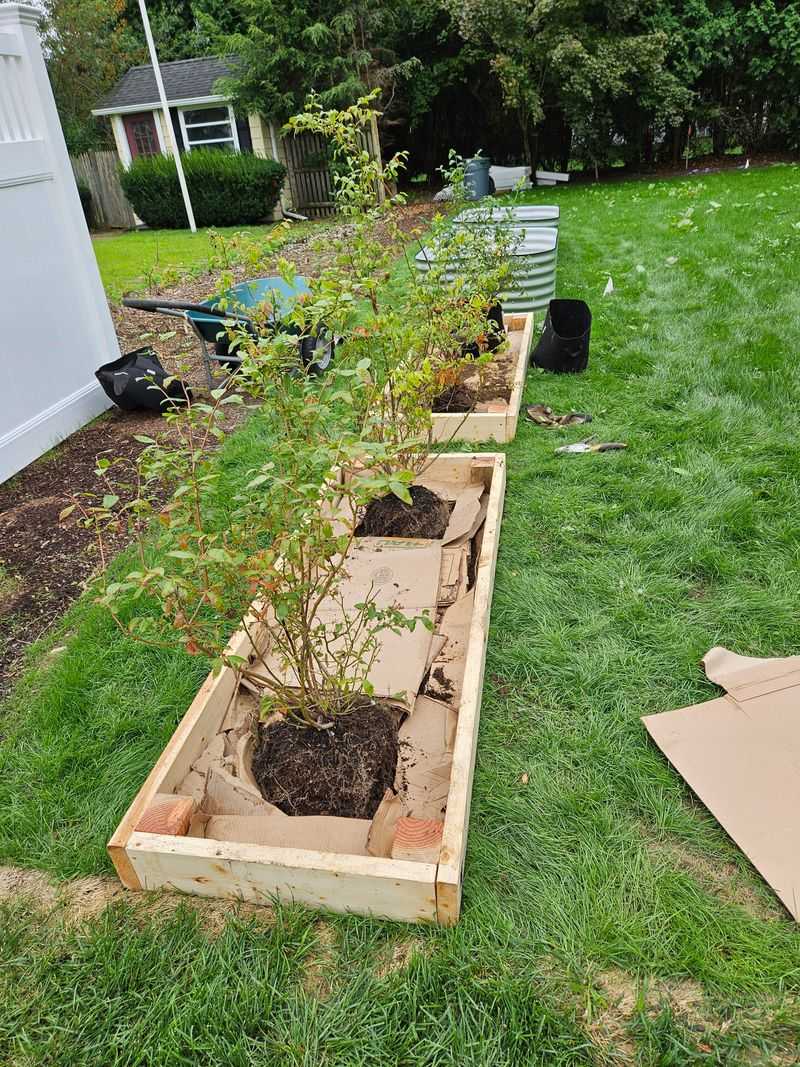
Blueberry roots need more respect than they usually get.
They spread wide, stay shallow, and work mostly in the upper soil layer. That makes them efficient at using rainfall and surface nutrients, but also easy to damage during normal garden chores.
Foot traffic can cause trouble.
Repeated walking around the bush compacts the soil, squeezes out air pockets, and makes it harder for roots to function. Wheelbarrows, hoses, ladders, and garden tools can all add pressure to the root zone without anyone noticing.
Cultivation is risky too.
A hoe, tiller, or aggressive weeding tool can slice feeder roots near the surface. Damage may not show immediately, but reduced growth and lighter fruiting can appear later.
Mark the protected area.
A simple edge of stones, low fencing, or a wide mulch ring reminds everyone to stay back. Mature bushes may have roots reaching several feet from the crown, so give them a generous buffer.
Mulch cushions the zone.
Pine straw or pine bark protects the soil from hard rain, heat, and light foot traffic. It also helps prevent crusting and keeps moisture more even around those shallow roots.
Avoid planting aggressive companions too close.
Grass, vigorous ground covers, and thirsty ornamentals can compete with blueberry roots. Keep the area around each bush dedicated to the blueberry.
Treat the root zone like part of the plant.
Because it is. The leaves and berries get the attention, but the shallow roots decide how much of next year’s harvest the bush can actually support.