The One Thing You Must Do To Ohio Hostas In August Before They Go Dormant
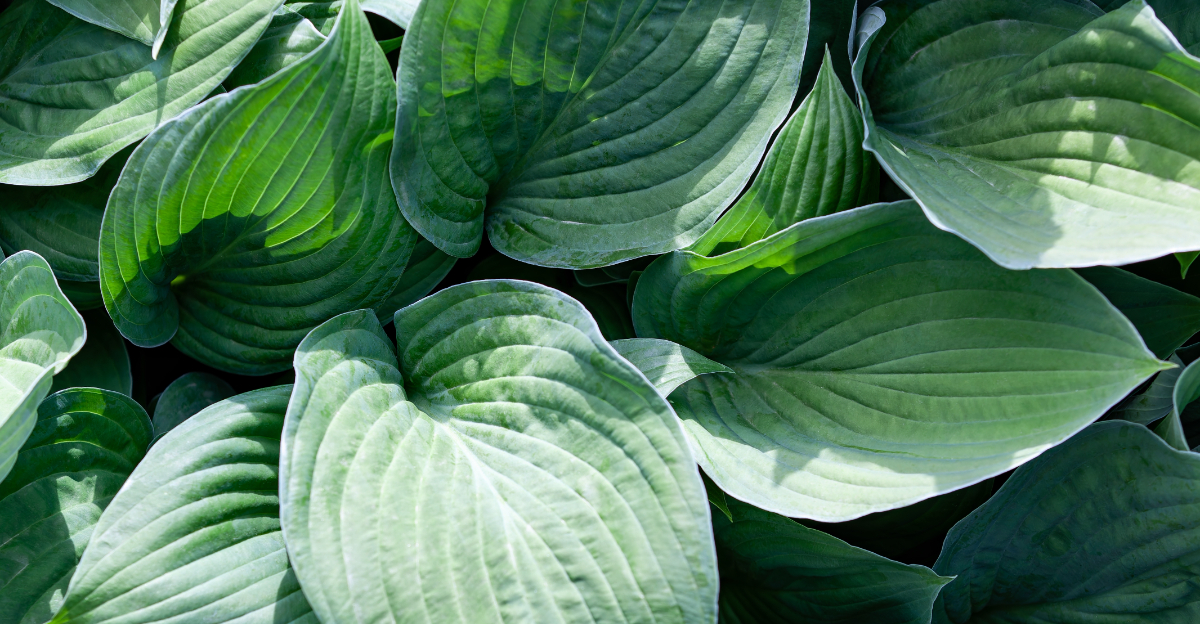
Ohio hostas in August look like they are winding down. The foliage is still full but the energy has shifted.
Something about a hosta in late summer signals that the season is wrapping up, and that signal is exactly what makes August the most overlooked month in the hosta calendar.
One task done now, before hostas go dormant, changes what next spring looks like in a way that nothing done in March can replicate.
Hostas make decisions about next year during this window. Root energy, crown development, the foundation for the flush that arrives in May.
All of it gets set in August, not spring. Skip this task and next year’s hostas come back.
They just come back to less than they were capable of delivering. August is quiet in the hosta bed.
That quiet is hiding the most important window of the entire growing season.
1. Water Deeply Before The Roots Go Quiet
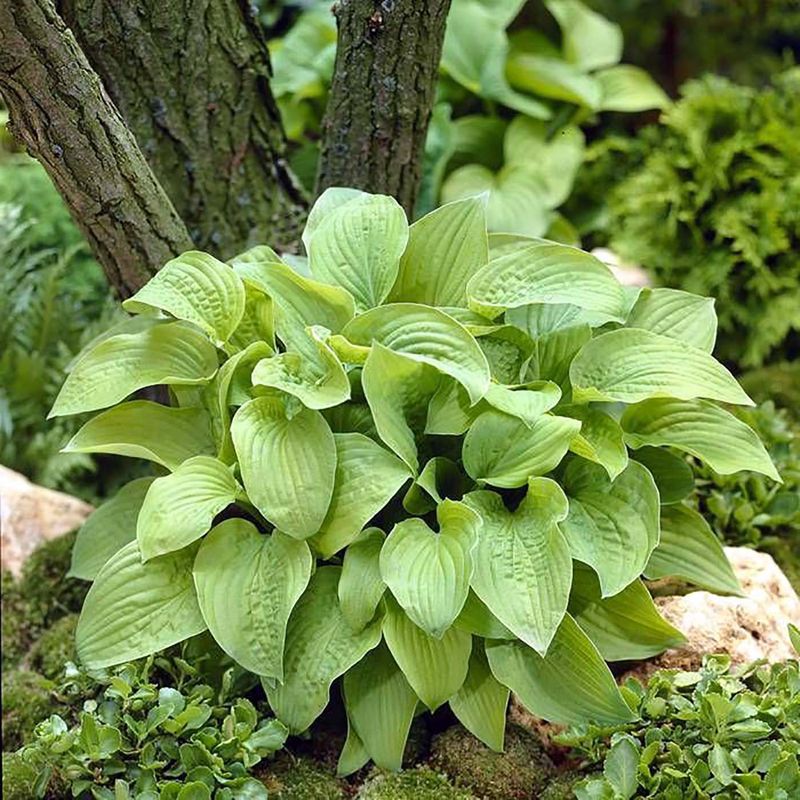
A limp hosta on a hot August afternoon does not always mean the plant is failing. It could simply mean the soil beneath those broad leaves has gone dry, especially in shaded spots where tree roots compete hard for every drop of moisture.
Checking the soil before reaching for the hose is the smartest first move. Push a finger or a small trowel about two to three inches into the ground near the crown.
If it feels dry or barely damp, the plant likely needs a deep drink.
Deep watering means soaking the root zone slowly so water moves down to where the roots actually live. A quick sprinkle over the top of the leaves does very little for the crown or root system below.
OSU Extension perennial guidance recommends watering at the base of the plant to reach the root zone directly and avoid keeping foliage wet overnight. Slow, steady soaking works better than fast surface wetting.
Dry shade, heat, and thirsty tree roots can push hostas toward early dormancy when soil moisture runs low. Giving roots a steady supply of moisture in late summer helps crowns store energy for next spring.
Skip watering if the soil already feels moist. Waterlogged roots cause their own problems, so the goal is consistent moisture, not soggy ground.
2. Stop Treating Wilted Leaves Like A Fertilizer Problem
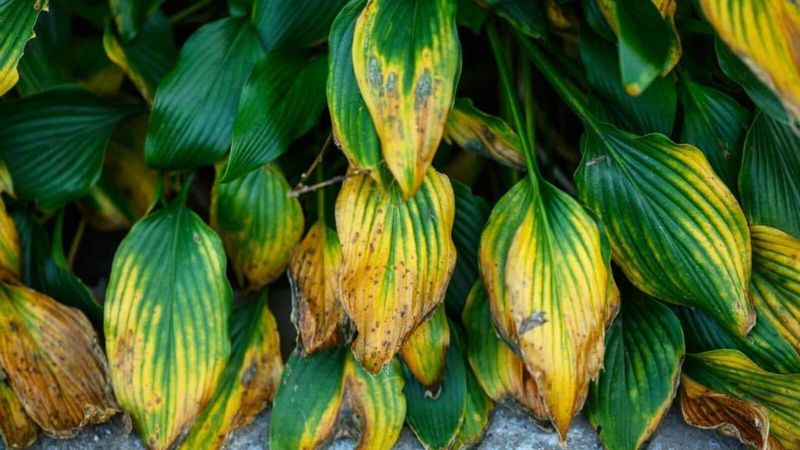
Tired, droopy hosta leaves in August are easy to misread. Many Ohio gardeners assume the plant is hungry and reach for fertilizer.
But late-summer wilting usually points to heat, drought, root competition, or the natural approach of dormancy. Feeding a stressed plant with a heavy dose of fertilizer can do more harm than good at this stage of the season.
University extension hosta guidance explains that late-season fertilizing can push tender new growth. That growth may not have enough time to harden off before cooler temperatures arrive.
That soft new tissue is more vulnerable to early frosts and can leave the crown in worse shape heading into winter. The goal in August is not to force a flush of fresh leaves.
Your Ohio Garden Changes Every Week. Your Plan Should Too.
Gardening in Ohio changes quickly throughout the season. Every Friday you’ll receive a simple weekly plan showing exactly what to plant, prune, fertilize, harvest, and protect so you never miss the right timing.
The goal is to let the plant prepare for rest.
If you genuinely suspect a nutrient issue, a soil test through your local extension office is the most reliable way to find out. Avoid applying high-nitrogen fertilizers in August without that guidance.
Checking soil moisture first is always the right starting point. A hosta that looks wilted after a dry week almost always responds better to a deep watering than to a fertilizer treatment.
Restraint now protects the plant later.
3. Refresh Mulch Without Burying The Crown
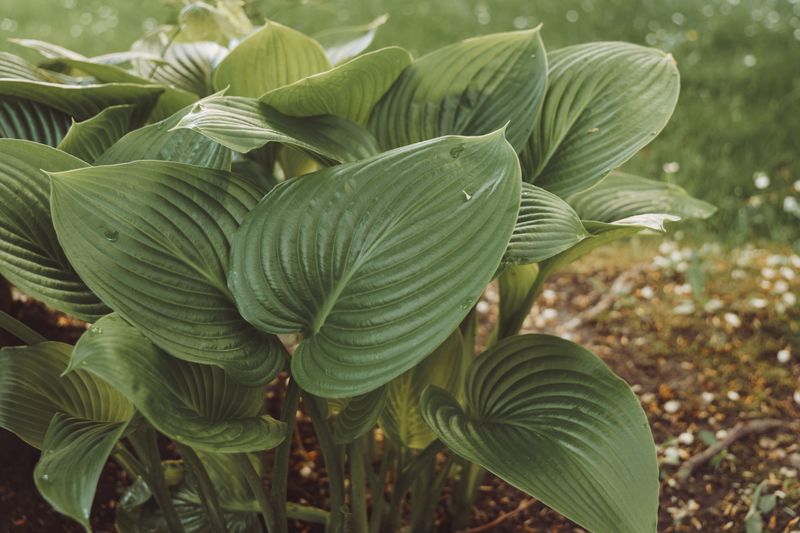
A cracked, thin mulch ring around a hosta clump is a quiet sign that summer heat has done its work. Mulch breaks down over the season, and by August, what started as a solid two-inch layer may have thinned to almost nothing in spots.
Refreshing that layer can help the soil hold onto moisture longer, which matters a great deal when late-summer heat and dry spells hit shade beds hard.
Botanical garden sources recommend using clean organic mulch such as shredded leaves or wood chips and keeping the layer at about two to three inches deep. The most important detail is pulling mulch back from the crown of the plant.
Piling mulch directly against the crown traps moisture against the base and can encourage rot or fungal issues. A small gap around the crown keeps air moving and reduces that risk.
Mulch helps water last longer between watering sessions, but it does not replace deep watering during dry stretches. Think of it as a tool that supports moisture retention, not a substitute for checking the soil and watering when needed.
Avoid thick, wet piles of mulch that mat down and prevent water from reaching the roots at all. A light, even refresh around the root zone is all most established clumps need heading into late summer.
4. Trim Ragged Leaves Only When They Collapse
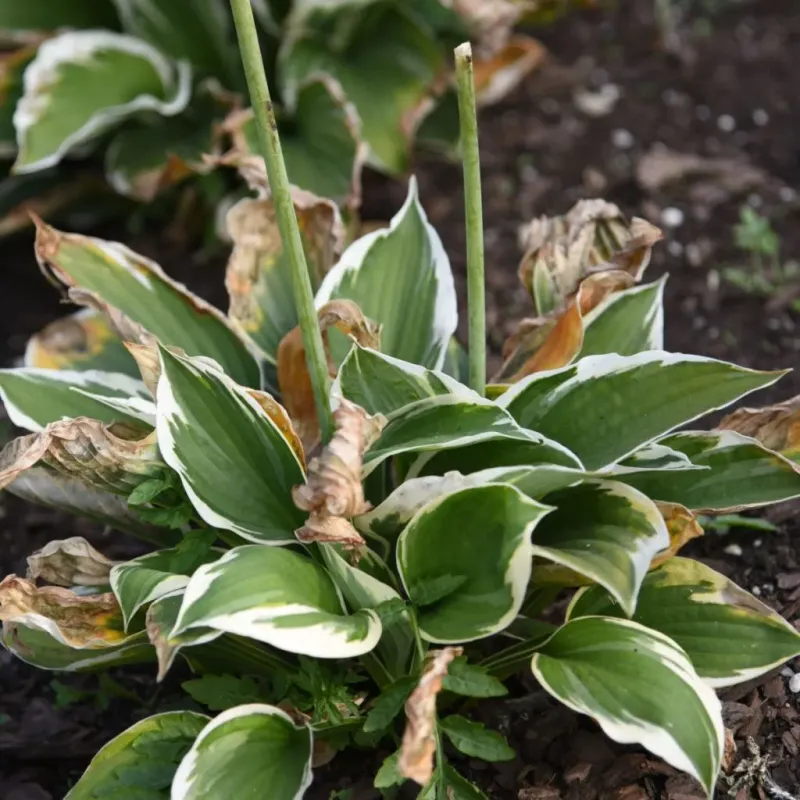
Rough-looking hosta foliage in August can feel alarming, but it is worth pausing before picking up the pruning shears.
Leaves that show slug holes, scorched edges, hail damage, or general summer wear are still doing a job for the plant as long as they remain green and attached.
Green leaves continue to photosynthesize and help the crown build energy reserves for next spring, even when they look less than perfect.
Horticulture experts advise removing only leaves that have fully collapsed, turned completely yellow or brown, or show signs of disease that could spread. A leaf with some damage around the edges but still mostly green is worth leaving in place for now.
Major cleanup is typically better saved for later in the season when the foliage has naturally declined on its own as dormancy sets in.
Cutting hostas back too aggressively in August removes foliage the plant is still using. That can reduce the energy the crown stores before winter.
If a leaf is truly collapsed, mushy, or foul-smelling, removing it makes sense and can reduce hiding spots for pests. For everything else, a light hand is the better choice.
Ragged leaves in August are mostly a cosmetic issue, not a plant health crisis, and they usually take care of themselves as the season winds down naturally.
5. Check Slug Damage Before Fall Cleanup Begins
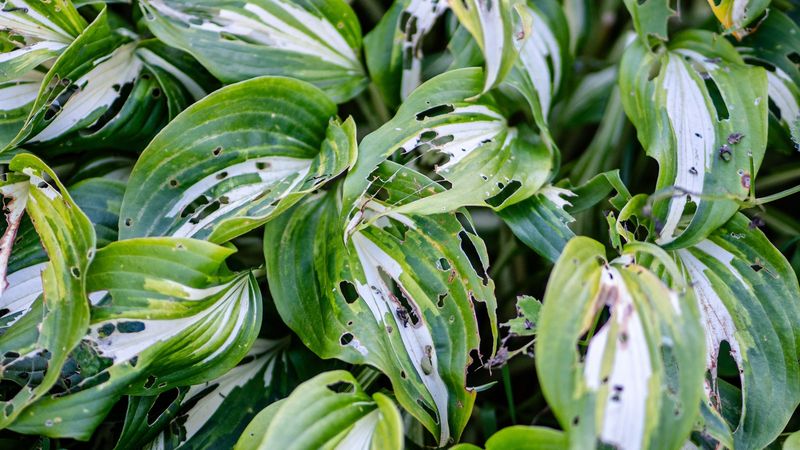
Those irregular holes scattered across hosta leaves are one of the most recognizable signs of slug activity in a shaded bed. Slugs feed at night and on cloudy days, hiding under damp mulch, leaf litter, and dense foliage during daylight hours.
Before assuming the damage is from another pest or disease, check under the leaves and around the plant base in early morning. That can help you identify the actual culprit.
Extension pest guidance describes slugs as especially active in moist, shaded gardens where foliage stays wet and mulch stays damp overnight. Reducing their hiding spots helps.
Pull mulch slightly away from the crown, clear leaf debris, and water early so foliage dries before nightfall. These steps can make the environment less inviting.
These steps do not eliminate slugs entirely, but they make the bed less hospitable.
If slug pressure is heavy, look for extension-backed, label-safe control options appropriate for use around ornamental plants. Avoid homemade bait recipes or off-label products, which may not be safe or effective.
Identifying the damage correctly before acting is the most important step. Not every hole in a hosta leaf comes from a slug.
Checking carefully first saves time and keeps your approach targeted, safe, and useful for the actual problem at hand.
6. Divide Crowded Clumps Only If They Have Time

Crowded hosta clumps can look tempting to divide in August, especially when they have spread far beyond their original space. But timing matters more than most Ohio gardeners realize.
Dividing hostas during periods of extreme heat or drought puts significant stress on the plant, the divisions, and any new planting sites.
Roots need time to settle and establish before cold weather arrives, and a hot August does not always give them that window.
Plant-care guidance recommends dividing hostas when the plant is healthy, the soil is moist, and temperatures are mild enough to reduce transplant stress.
Spring is often the preferred timing for many growers, and early fall can also work well in many parts of Ohio when the heat has eased.
August division is not impossible, but it works best when the clump is not already stressed by drought, disease, or pest damage.
If you do divide in August, water the clump deeply the day before and again right after replanting. Keep divisions in a shaded spot and do not let the roots dry out between digging and replanting.
Smaller divisions need more careful attention than large established pieces. Avoid dividing every hosta just because the calendar says August.
Let the plant’s condition and the weather guide the decision. A stressed hosta divided in heat is a hosta that may struggle to recover before dormancy.
7. Move Sun Scorched Hostas To Better Shade
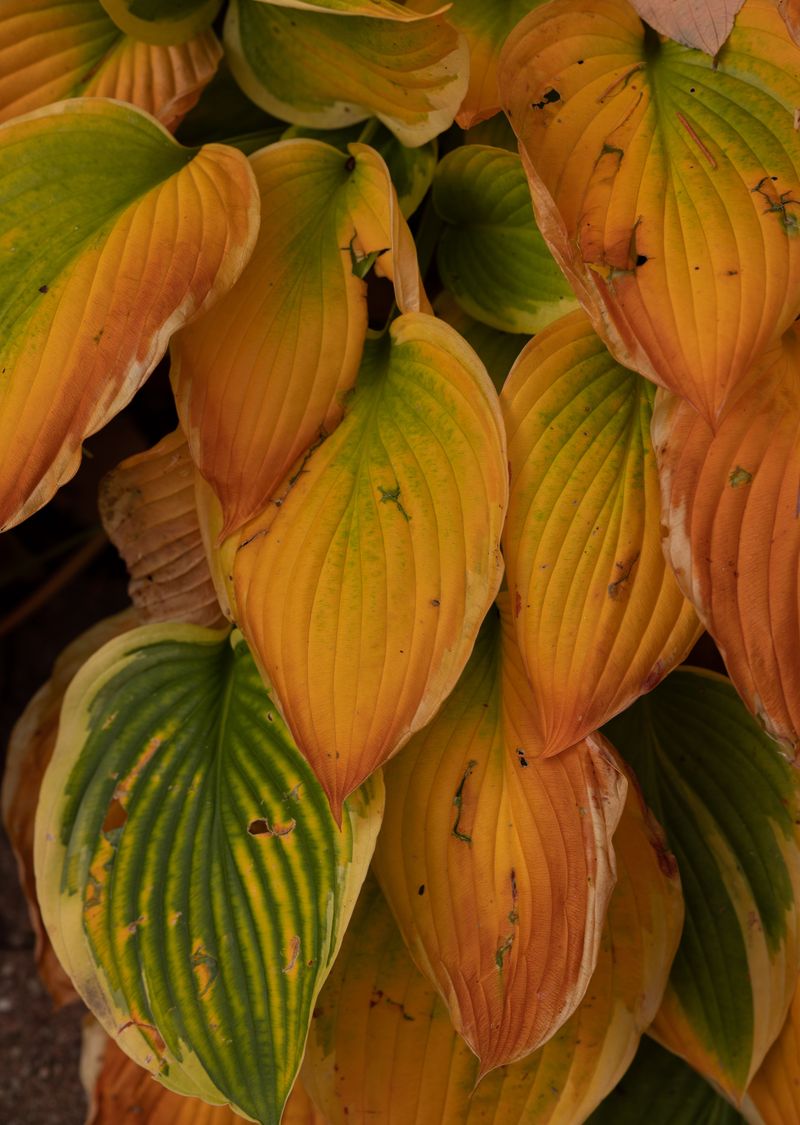
Bleached centers, crispy brown edges, and faded color often point to one clear problem: too much direct sun. Harsh afternoon sun in late summer is especially damaging.
Hostas vary widely in how much light they can handle. Some cultivars tolerate more sun than others, particularly in northern and central regions of Ohio where summer heat is slightly less intense.
But many popular varieties struggle when afternoon sun hits them hard and dry soil compounds the stress.
Watering helps with drought stress, but it cannot fully correct a bad site placement. A hosta sitting in harsh afternoon sun will likely scorch again next season even if it gets plenty of water this year.
Horticulture experts advise noting exactly where afternoon sun falls in your garden beds before planning any move. Dappled light or morning sun with afternoon shade tends to work well for most hosta varieties.
Planning a move to a better site is smart, but the timing of that move matters. Transplanting a scorched, stressed hosta in peak August heat adds more stress to an already struggling plant.
Mark the spot now and plan the move for early fall or the following spring. Cooler temperatures and easier soil moisture give the plant a better chance to settle in.
A good site makes a bigger difference than almost any other care step.
8. Let Healthy Roots Carry Next Spring’s Comeback
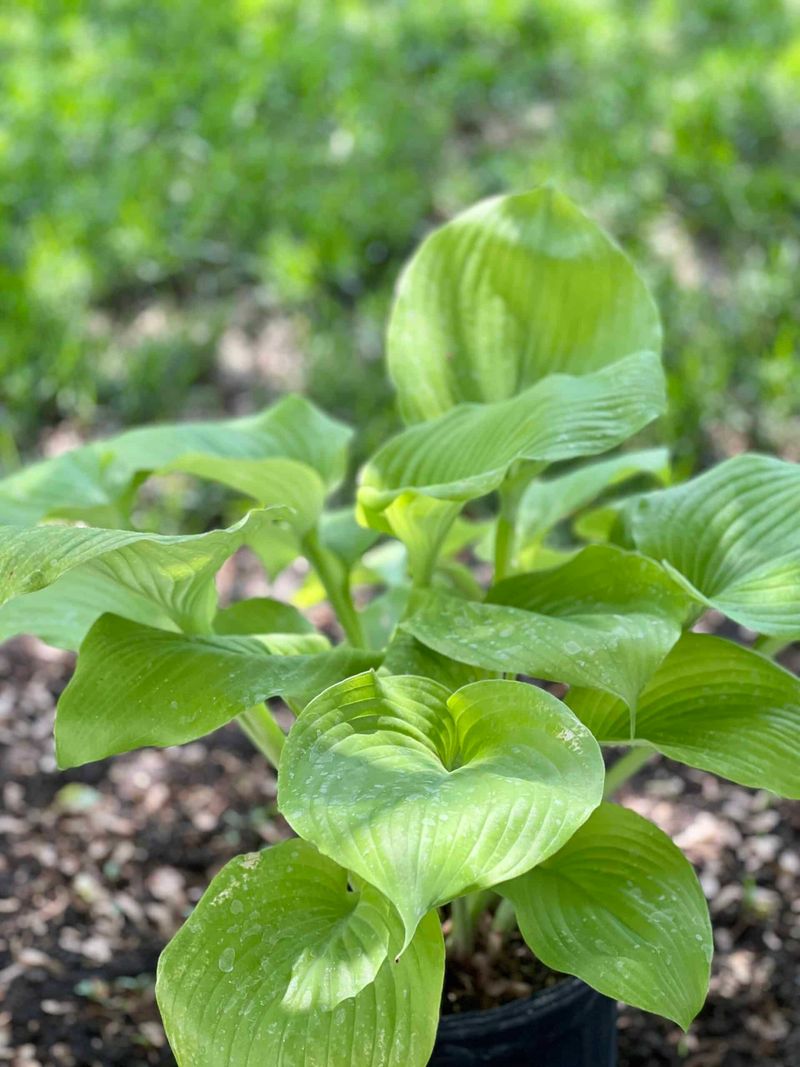
Everything you do for your Ohio hostas in August is really a setup for what happens next April and May. The crown and roots are the engine of next spring’s growth.
They need enough moisture, decent soil, and a little protection to carry the plant through dormancy. A hosta does not need to look perfect in late summer to come back beautifully.
It just needs its root system supported before the season closes out.
Pulling the key steps together makes the task feel manageable. Check soil moisture and water deeply at the root zone when the ground is dry.
Refresh mulch around the clump without burying the crown. Hold back on heavy fertilizer and let the plant slow down naturally.
Remove only leaves that have fully collapsed, and leave green foliage in place to keep feeding the roots. Check for slug damage and reduce hiding spots where you can.
Delay any division or transplanting if heat and dry soil are still making conditions stressful. If a hosta is sitting in too much sun, note the spot and plan a better move for a cooler window.
None of these steps are complicated, and none of them require perfect timing or a lot of equipment. Consistent soil moisture and a light hand with cleanup are the two things that matter most.
Roots that go into dormancy well-watered and protected are roots that wake up ready to grow.