How Long Does One Cucumber Plant Keep Producing In South Carolina? Here’s The Answer And 4 Signs It’s Time To Get A New One
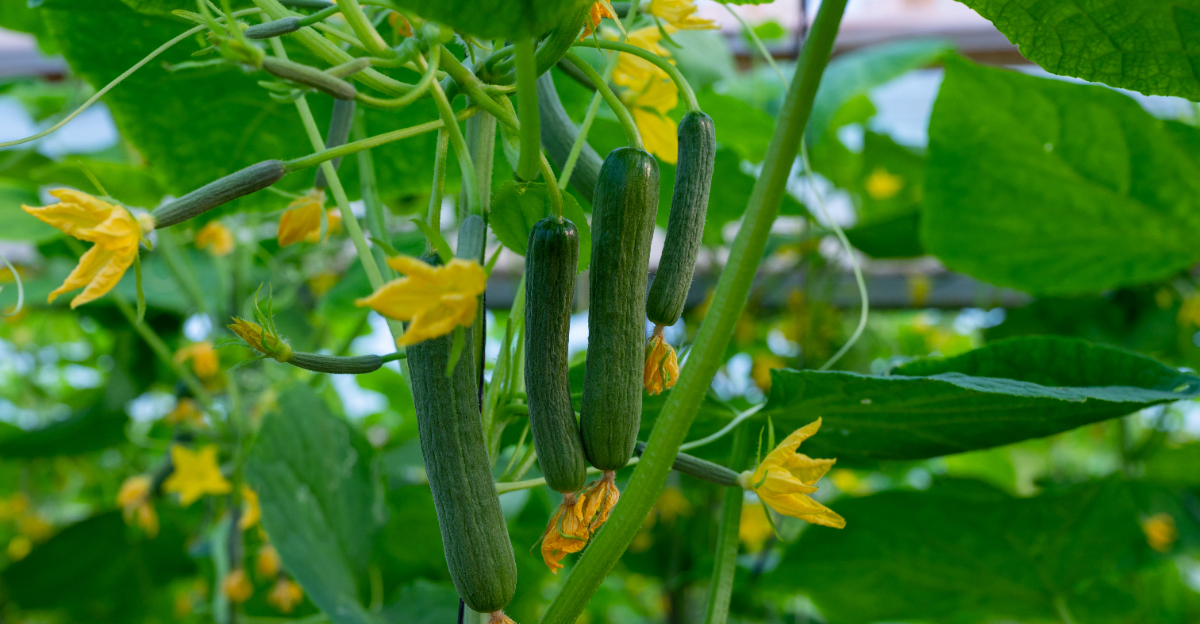
Growing cucumbers in South Carolina turns into a small summer adventure for most gardeners. Heat, humidity, and long sunny stretches push these plants to produce faster than you’d expect.
But sooner or later, every gardener lands on the same question: how long does one cucumber plant actually keep bearing fruit before it stalls out?
That answer changes how you plan your whole season. Heat, pests, and disease pressure all chip away at a plant’s productive window, often faster than expected.
Ahead, you’ll find the typical production timeline, the factors that shift it, and four clear signs your plant has finished its run. Catch these signals early and save weeks of effort on a plant that’s already done its job.
A Cucumber Plant’s Typical Production Window
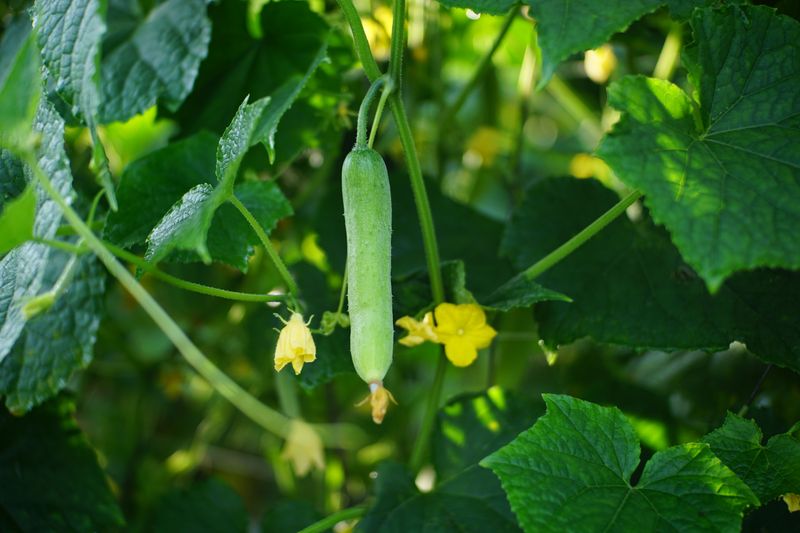
Cucumbers are sprinters, not marathon runners. One healthy plant in South Carolina typically produces fruit for four to six weeks before it begins to fade.
Planting usually happens in late spring, around April or May. By June or July, you’re harvesting cucumbers almost every other day.
First harvest typically arrives 50 to 65 days after planting, depending on the variety. From that point on, the four-to-six-week production clock is already ticking.
The warm South Carolina climate speeds up the entire growth cycle. Plants hit peak production faster here than in cooler northern states.
Most cucumber varieties are bred to produce heavily for a short burst. After that burst, the plant shifts energy toward seeds instead of new fruit.
Warm soil temperatures above 70 degrees push plants into overdrive early. That feels great at first, but it also means the clock runs faster.
A single plant can yield anywhere from 10 to 20 cucumbers during its peak window. That number drops sharply once the plant starts aging.
Gardeners who plant in succession, every two to three weeks, keep fresh cucumbers coming all season. One plant alone rarely carries your entire harvest.
Most plants top out around four to six weeks of solid production. Once that window closes, having a replacement plant ready keeps your harvest from stalling.
Factors That Shorten Or Extend Its Fruiting Life
Not every cucumber plant gets the same lifespan. Several factors push that four-to-six-week window shorter or longer depending on your setup.
Soil health plays a massive role. Plants grown in rich, well-draining soil with consistent nutrients tend to produce longer than those in poor or compacted ground.
Watering consistency matters just as much. Uneven moisture causes blossom drop, bitter fruit, and early stress that cuts production short.
South Carolina summers turn intense fast. Temperatures above 90 degrees cause heat stress that stops fruit set almost completely, even on otherwise healthy plants.
Pest pressure from cucumber beetles and vine borers can wreck a plant within days. Catching infestations early adds weeks to your harvest window.
Powdery mildew and downy mildew spread quickly in humid southern summers. Fungal disease is one of the top reasons plants decline ahead of schedule.
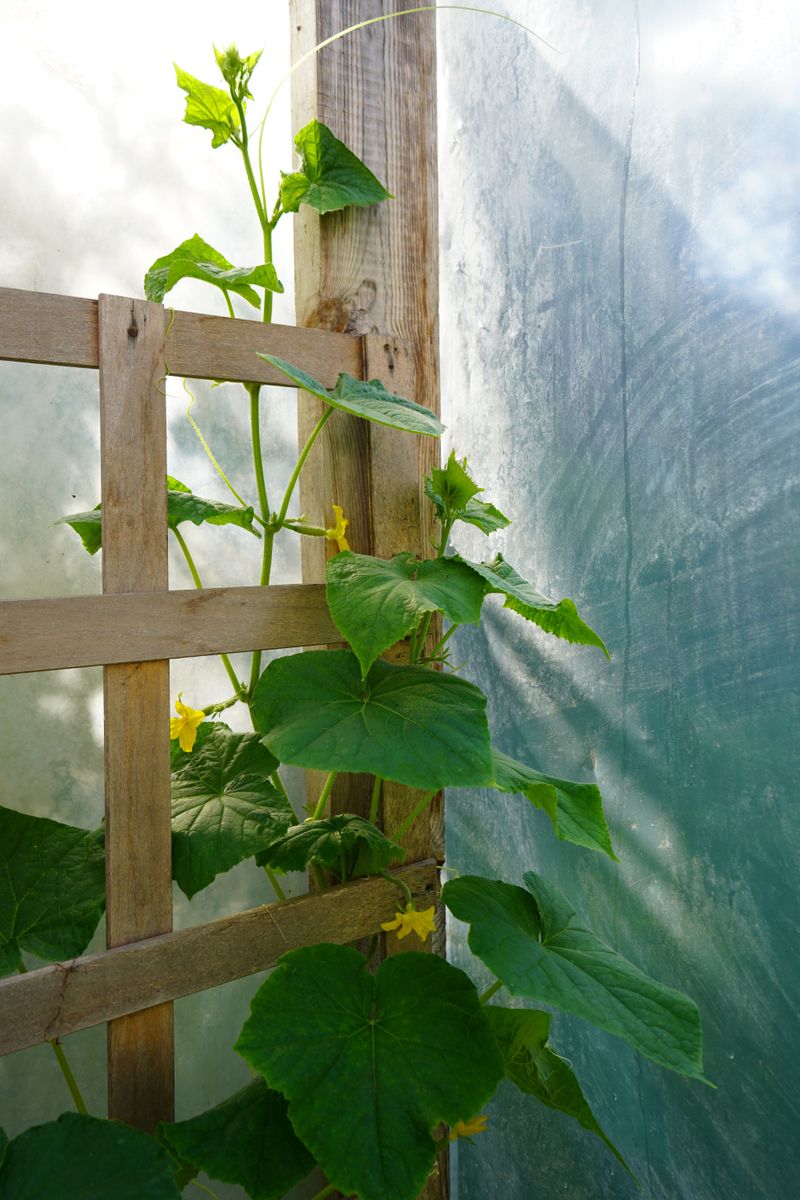
Providing a trellis helps. Vines with good air circulation stay healthier longer than those sprawling on the ground in wet mulch.
Your South Carolina Garden Changes Every Week. Your Plan Should Too.
Gardening in South Carolina changes quickly throughout the season. Every Friday you’ll receive a simple weekly plan showing exactly what to plant, prune, fertilize, harvest, and protect so you never miss the right timing.
Pollination access matters too. Without bees or other pollinators visiting regularly, fruit set drops off fast and the plant fades sooner.
Choosing disease-resistant varieties like Marketmore or Straight Eight gives your plant a fighting chance against South Carolina’s unique climate challenges. Smart variety selection alone can add one to two extra weeks of solid production.
Sign One: Fruit Production Slows Down Noticeably
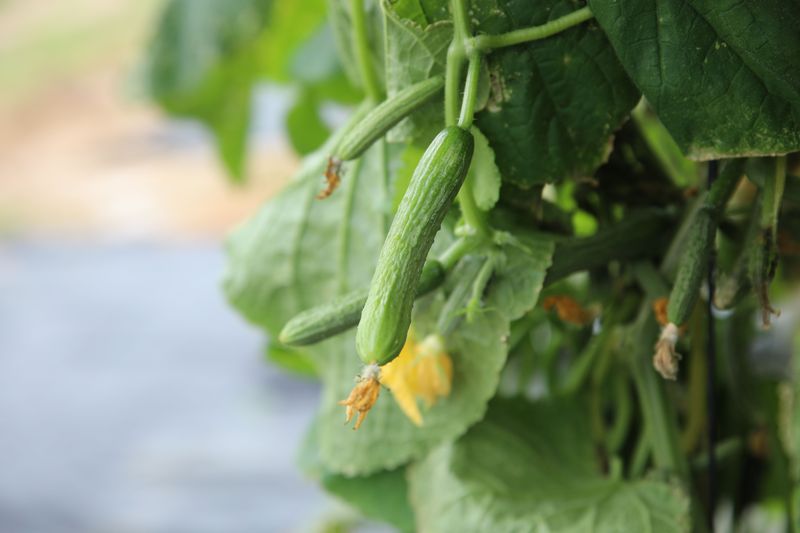
Your plant was pumping out cucumbers every few days. Now you’re checking the vines and finding almost nothing.
Slowing fruit production is the first and most obvious sign your plant is winding down. It’s not a bad week, it’s a pattern.
When a cucumber plant shifts its focus to maturing seeds inside older fruit, new growth slows dramatically. The plant’s energy budget has a hard limit.
Check if you’ve been leaving overripe cucumbers on the vine. Large, yellowing fruit signals the plant to stop making new ones.
Harvest every ripe cucumber promptly, even if you don’t need it. Removing mature fruit tricks the plant into continuing production a little longer.
If you’ve been harvesting consistently but output still drops, the plant is likely hitting its biological limit. That’s normal and expected.
Count how many weeks it’s been since first harvest. If you’re past the five-week mark in South Carolina’s summer heat, a slowdown is right on schedule.
Try giving the plant a light dose of balanced fertilizer and extra water. Sometimes a small boost brings a short second wave of fruit.
But if production doesn’t pick back up within a week of extra care, the signal is clear. That production window has closed, and it’s time for a fresh start.
Sign Two: Leaves Turn Yellow Or Show Heavy Disease
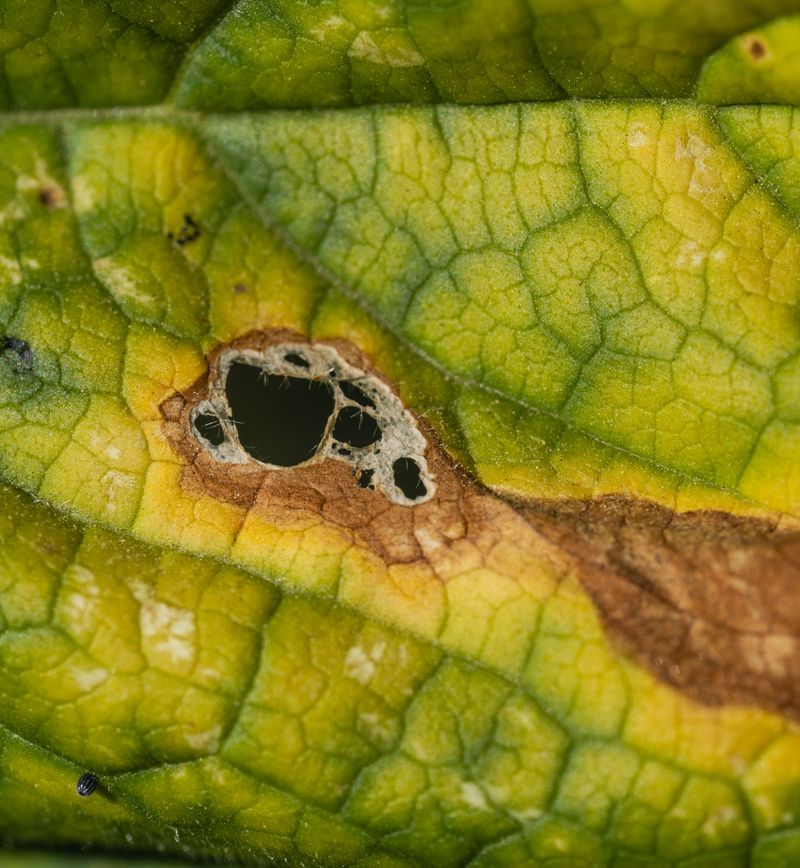
Yellow leaves creeping up the vine are a loud warning. Your plant is struggling, and it’s starting to show everywhere.
Some lower leaf yellowing is normal as a plant ages. But when the color spreads fast to mid and upper leaves, that’s a different story.
Powdery mildew shows up as white, powdery patches on leaf surfaces. It thrives in South Carolina’s hot, humid summers and spreads from leaf to leaf rapidly.
Downy mildew looks different, with yellow patches on top and grayish fuzz underneath. Both types weaken the plant’s ability to photosynthesize and feed fruit.
Heavily diseased plants rarely bounce back to full production. Treating early with organic sprays like neem oil can slow the spread but won’t reverse damage already done.
Angular leaf spot causes water-soaked patches that turn brown and crispy. Once bacterial diseases take hold, the plant’s remaining productive life is very short.
Check the entire vine, not just the top growth. Disease spreading from the base upward means the plant’s vascular system is already compromised.
Pulling a severely diseased plant actually protects your garden. Leaving it in place spreads spores to nearby plants and soil.
Healthy cucumber plants have deep green, firm leaves with no spots. When the foliage looks like a patchwork of problems, the plant has given you all it can give. Swap it out before the disease spreads further.
Sign Three: Vines Look Weak Despite Good Care
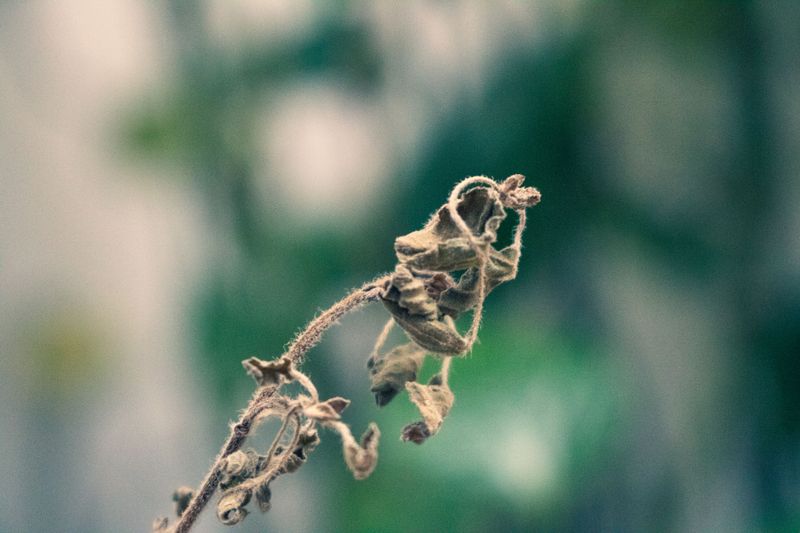
You’ve watered consistently, fertilized on schedule, and kept pests away. Yet the vines still look limp and sad.
Weak vines despite good care usually signal one of two things: root damage or the plant’s natural end of life. Neither gets better with more watering.
Squash vine borers and cucumber beetle larvae attack roots and lower stems from underground. By the time vines look weak above ground, root damage is already severe.
Gently check the base of the main stem near soil level. Soft, mushy, or hollow tissue points to borer damage or root rot from overwatering.
Root rot sets in when soil stays waterlogged for too long. South Carolina’s summer rain events can overwhelm even raised beds with poor drainage.
Wilting during midday heat is normal for cucumbers. But if vines stay limp in the cool morning hours, the roots are no longer functioning well.
New growth should look bright and vigorous on a healthy plant. Tiny, pale, or curling new leaves signal the plant is running out of resources.
A plant that looks weak after weeks of attentive care has simply reached its limit. Extra compost or fertilizer rarely rebuilds a root system that’s already failing.
Once the vines collapse like this, there’s not much runway left. Pull it, refresh your soil, and give a new transplant the space it deserves to thrive.
Sign Four: The Plant Stops Flowering Altogether
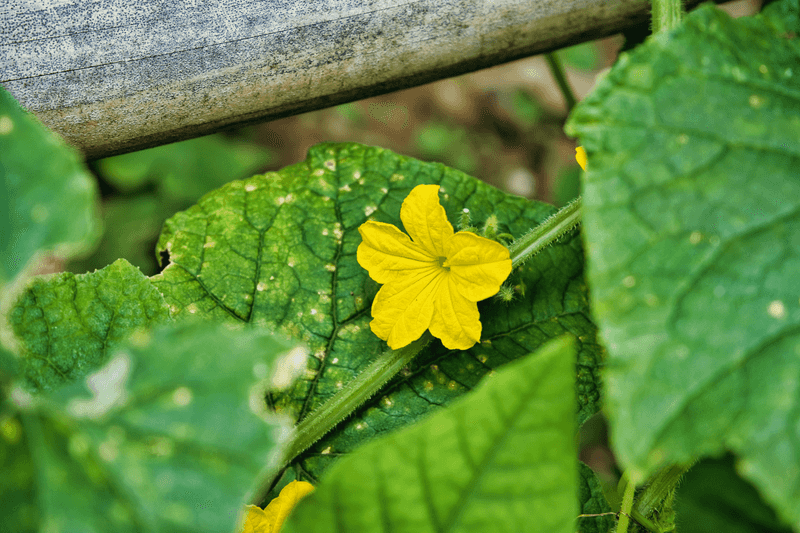
Without flowers, fruit simply can’t form. When blooms disappear entirely, the plant has made its final decision.
Cucumber plants produce male flowers first, then female ones a week or two later. Female flowers have a tiny swollen base that becomes the actual cucumber.
A plant in decline stops sending energy to new blossom production. Without fresh flowers, pollination cannot happen and fruit set becomes impossible.
Extreme heat above 95 degrees causes flower drop even on healthy plants. But if cooler mornings don’t bring new buds back, the issue runs deeper than temperature.
Check for new bud formation along the tips of each vine. Firm, green buds mean the plant still has some production left in it.
Bare vine tips with no budding growth signal the plant has entered its final stage. At this point, intervention rarely restores full flowering.
Older plants also produce more male flowers relative to female ones near the end. You’ll see blooms but no fruit forming, which is equally frustrating and equally final.
Nutrient deficiencies in phosphorus can slow flowering. A quick dose of bloom-boosting fertilizer sometimes sparks a brief second flush in early-declining plants.
But when the vines go completely quiet and bare, that’s the clearest sign of all. When the flowers stop coming, the plant has said everything it has to say. Start a new one and keep the season going strong.