Harvest These 8 Vegetables More Often To Keep Them Productive In Mississippi
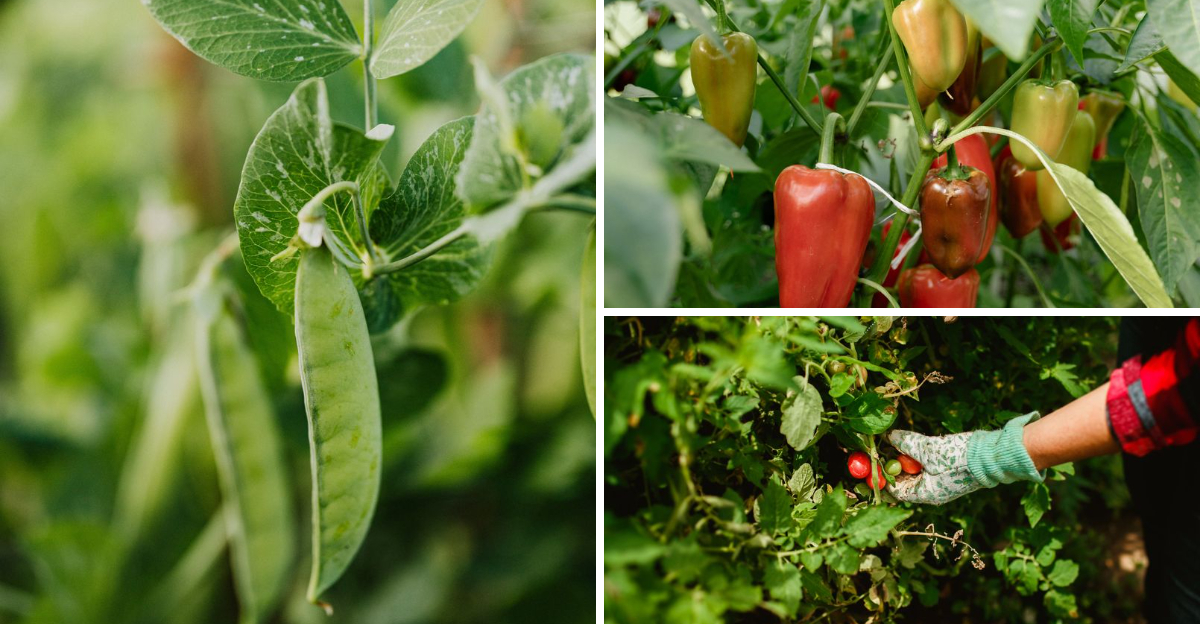
Your garden is staging a quiet protest, and the fruit hanging heavy on the vine is the evidence. Leave it on the stem past its prime and the whole plant hits the brakes, redirecting energy toward seeds instead of new blooms.
Mississippi heat turns this into a fast-moving problem. What takes weeks up north can happen in days here, and a garden left unchecked for even a few mornings can slide from thriving to sluggish.
Eight standout vegetables on this list share one trait: they punish neglect and reward attention with produce that keeps coming. Pick often, and the plant reads it as a signal to produce more. Skip a few days, and it shifts into survival mode.
Some gardeners treat harvesting as a chore to squeeze in before coffee gets cold. Others plan their whole morning around it. Either way, once you learn each plant’s rhythm, the garden stops feeling like a race against the calendar.
1. Zucchini Keeps Producing When Picked Regularly
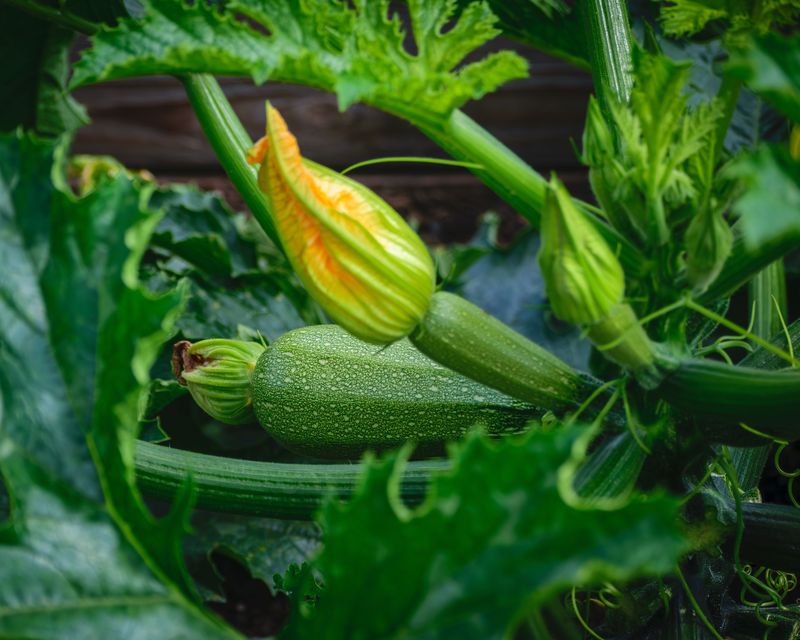
Zucchini is the overachiever of the summer garden. Leave one on the plant for a few extra days, and it balloons into something closer to a baseball bat than a vegetable.
When a zucchini grows too large, the plant shifts its energy toward that fruit. It stops producing new blossoms and focuses on finishing what is already there.
Picking zucchini at six to eight inches keeps the plant in production mode. Stay consistent with your picking schedule, especially during peak summer heat.
Smaller zucchini also taste better, with a tender texture and mild flavor that larger ones lose quickly. Most gardeners find that harvesting every one to two days during peak season is the sweet spot.
Check under the big leaves because zucchini hides surprisingly well. A missed one can grow enormous overnight and shut down your plant’s output for days.
Using a sharp knife or garden scissors prevents damage to the vine when cutting. A clean cut keeps the plant healthy and ready to push out the next round of fruit.
Mississippi heat accelerates zucchini growth dramatically compared to cooler climates. What takes a week elsewhere might take three days here, so daily checks are not excessive.
The reward for staying on top of your harvest is a plant that produces steadily from late spring through early fall. Pick often, and zucchini will be the most generous plant in your entire garden.
2. Cucumbers Slow Down If Left On The Vine Too Long
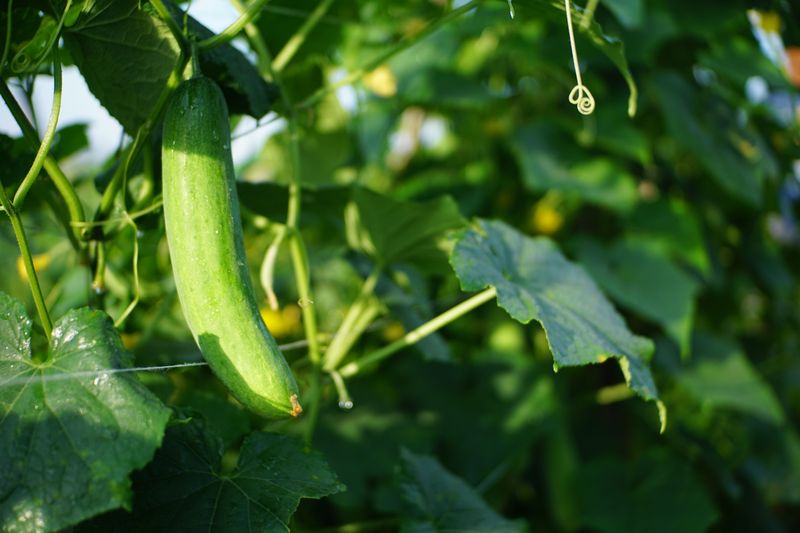
A cucumber left on the vine too long turns yellow, bitter, and seedy. That one overripe fruit sends a signal to the whole plant to stop producing.
Cucumbers are wired to reproduce, not to feed you. Once a fruit matures and develops seeds, the plant thinks its job is done.
Picking cucumbers at the right size, usually six to eight inches for slicing types, keeps that reproductive signal from firing. The plant stays in fruiting mode and keeps pushing out new cucumbers.
Your Mississippi Garden Changes Every Week. Your Plan Should Too.
Gardening in Mississippi changes quickly throughout the season. Every Friday you’ll receive a simple weekly plan showing exactly what to plant, prune, fertilize, harvest, and protect so you never miss the right timing.
In Mississippi, cucumbers grow fast because of the warm nights and humid air. A fruit that looks small in the morning can be harvest-ready by evening.
Checking your vines every day or two is a smart habit during peak season. Missing a few days can mean finding a yellow, swollen cucumber that signals the plant to wind down.
Staying consistent pays off most in July and August, when the heat is relentless. The more you pick, the more the vine rewards you.
Pickling varieties tend to produce faster than slicing types and need even more frequent harvesting. Staying ahead of them means you never run out of fresh cucumbers for salads or snacking.
Cool cucumbers directly after picking to preserve their crispness and flavor. A plant managed well can produce for six to eight weeks, giving you a long and satisfying season.
3. Okra Needs Frequent Harvesting In Mississippi’s Heat
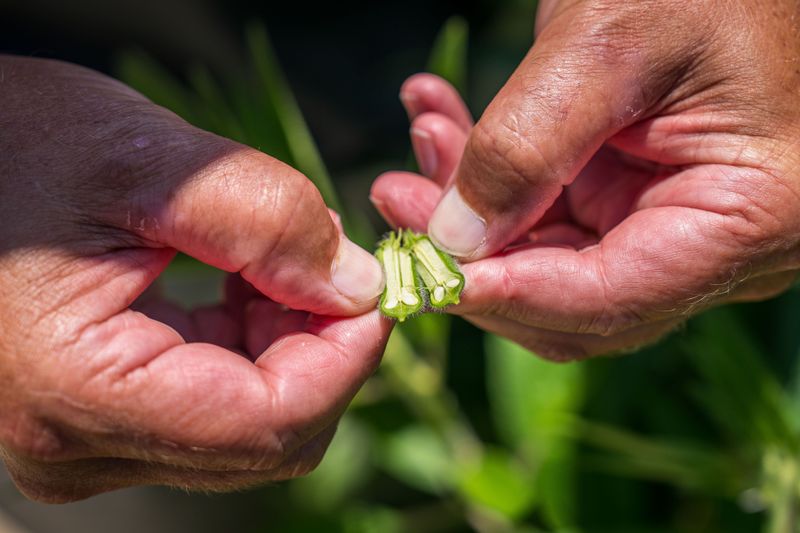
Okra and Mississippi summers are practically best friends. This heat-loving crop thrives when temperatures soar, and it produces pods at a rate that demands your attention.
The challenge is that okra pods go from tender to tough in just two to three days. A pod that was perfect on Monday can be woody and inedible by Wednesday.
Pods harvested at two to four inches are tender, flavorful, and easy to cook. Let them stretch past that, and the texture becomes fibrous and the seeds too hard to enjoy.
When tough pods stay on the plant, growth slows significantly. The plant puts its resources into maturing those seeds rather than producing new pods.
Harvesting every day or every other day during peak season keeps okra plants in top shape. It sounds like a commitment, but the payoff is a steady supply of tender pods all summer.
Wear gloves when picking because okra plants are covered in tiny spines that irritate skin. Long sleeves are also a smart choice during harvest sessions in the garden.
Stick with a regular picking routine, and okra will reward you from June through September. Few vegetables produce as reliably in Southern heat.
If you fall behind and find oversized pods, remove them immediately. Getting rid of the old pods signals the plant to redirect its energy back into fresh production.
4. Green Beans Reward Consistent Picking
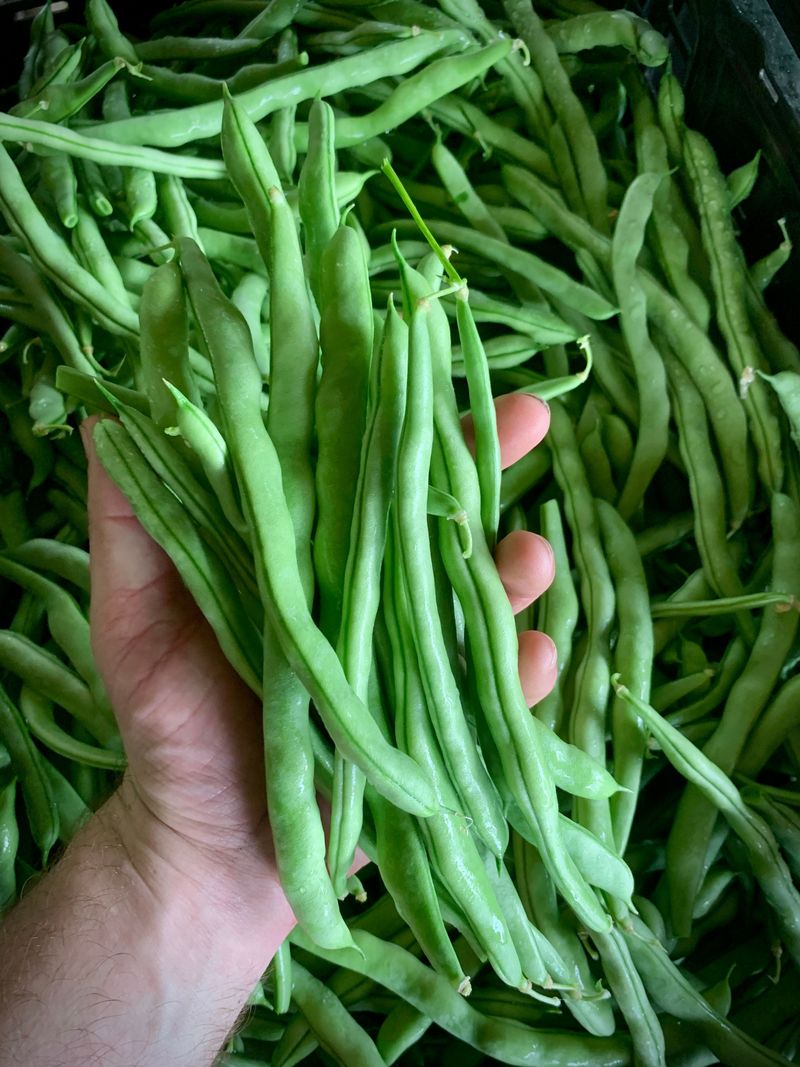
Green beans have a generous personality, but only if you keep up with them. Pick them consistently, and they respond by producing wave after wave of fresh pods.
The science behind it is straightforward. Green beans are legumes, and like all legumes, they are driven to set seed. Once pods mature and dry on the plant, production stops.
Harvesting pods when they are slim and firm, before the seeds inside bulge noticeably, keeps the plant in a productive state. Those bulging pods signal the plant to wind down.
In Mississippi, bush beans typically produce for three to four weeks in a single flush. Pole beans, however, can produce all season long with consistent harvesting.
Checking your rows every two to three days during peak production is the key. Missing a week means finding dried-out pods and a plant that has already begun its exit.
Keep the harvest basket handy, and green beans become one of your most reliable crops. A row of pole beans picked regularly can feed a family for months.
Gentle handling during harvest prevents damage to the vines and surrounding pods. Use two hands, one to hold the vine steady and one to snap or clip the pod free.
Freshly picked green beans have a bright, snappy quality that store-bought ones rarely match. Staying consistent with your harvest means enjoying that freshness all season long.
5. Southern Peas Reward Gardeners Who Pick Often
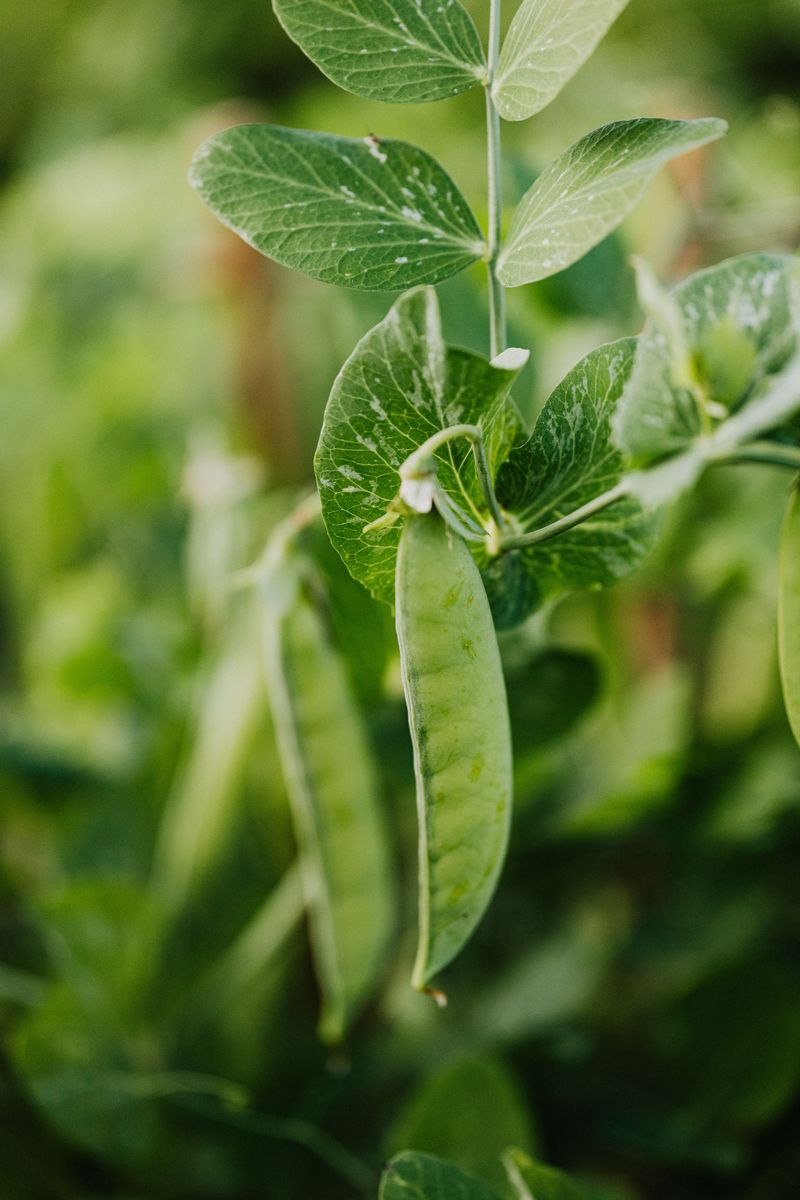
Southern peas, also known as crowder peas or black-eyed peas, are a Mississippi garden staple built for the region’s brutal summer heat. Few crops handle high temperatures and humidity as well as this one does.
The plant sets pods continuously as long as older ones are removed on schedule. Leave mature pods hanging, and the plant redirects its energy toward those seeds instead of pushing out new blossoms.
Pods are ready for shelling once they feel firm and the peas inside create a visible bulge. Waiting too long turns them tough and starchy, losing the tender bite that makes fresh southern peas worth growing.
Mississippi’s long, hot stretch from June through September gives this crop plenty of room to produce multiple harvests. Picking every three to four days during peak season keeps vines productive and prevents pods from drying out on the plant.
A steady harvest schedule keeps southern peas coming for weeks longer than a neglected patch ever could. Use both hands when picking, one to steady the vine and one to snap the pod free without tearing the stem.
Southern peas also fix nitrogen in the soil, quietly improving the ground for whatever gets planted next season. Few vegetables offer that kind of bonus alongside a reliable summer harvest.
6. Peppers Produce More Fruit The More You Pick
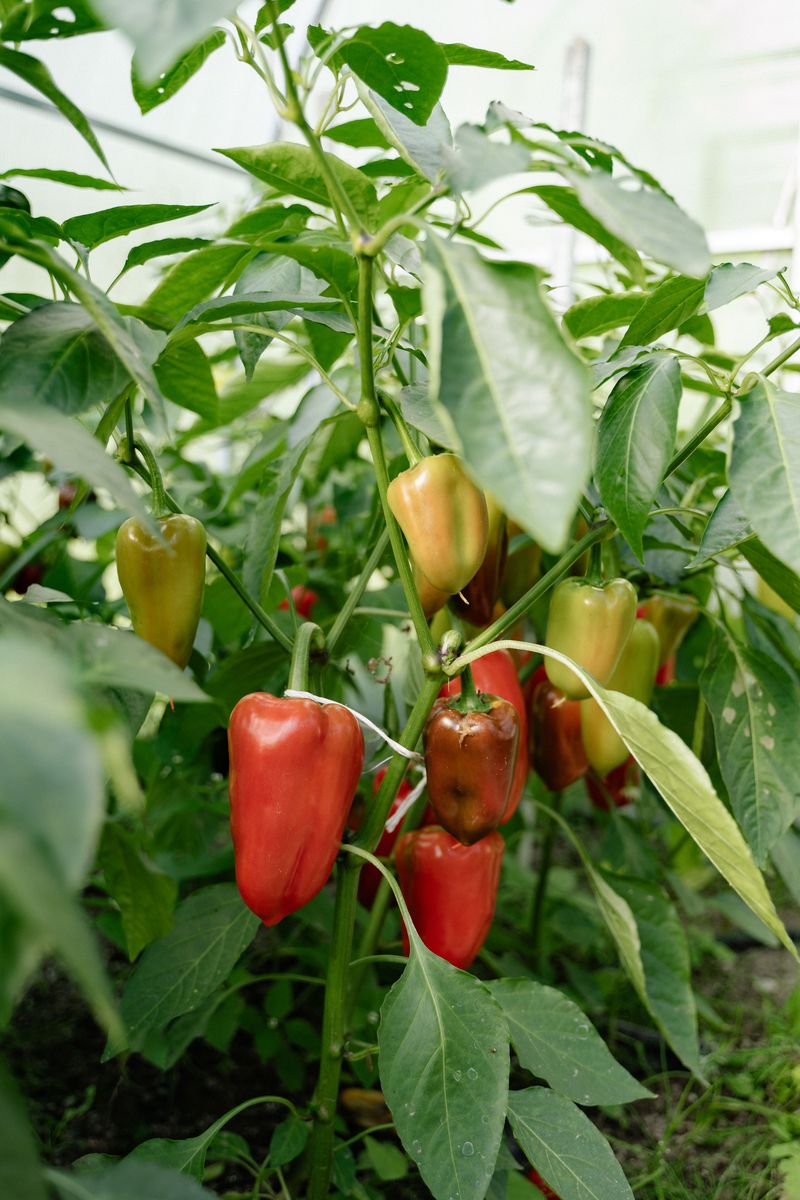
Peppers are quiet overachievers that most gardeners underestimate. With regular harvesting, a single pepper plant can produce dozens of fruits over an entire growing season.
The trick is not waiting for every pepper to turn red before picking. Green peppers are fully mature and just as edible, and picking them encourages faster new fruit development.
When peppers are left on the plant to fully ripen and redden, the plant slows its production. It senses that its reproductive goal is nearly complete and begins winding down.
Peppers work on a slower clock than most vegetables on this list, so picking green peppers every one to two weeks keeps the plant energized and flowering without the need for daily checks.
In Mississippi, pepper plants benefit from afternoon shade during the hottest weeks. Extreme heat above 95 degrees can cause blossoms to drop before they set fruit.
Stay on top of picking, and your pepper plants will outperform almost anything else in the garden. Consistent picking is the biggest factor in their success.
Hot pepper varieties like jalapenos and cayennes also benefit from frequent harvesting. Leaving mature hot peppers on the plant too long has the same slowing effect as with sweet varieties.
A pepper plant with heavy fruit load can sometimes need staking to stay upright. Supporting the stems keeps the plant healthy and positioned to catch full sun for maximum productivity.
7. Eggplant Benefits From Staying Ahead Of Ripe Fruit
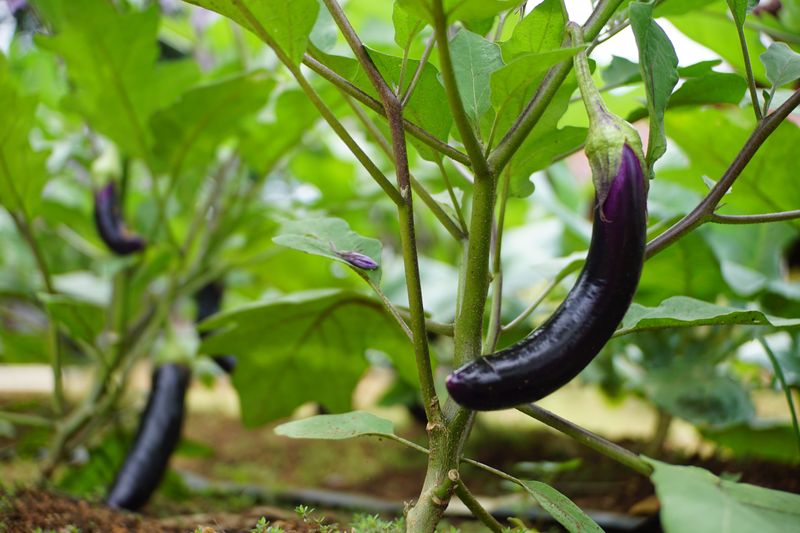
Eggplant has a glossy, dramatic look that makes it one of the most visually striking vegetables in any garden. But that beauty fades fast if you look away too long.
An eggplant past its prime loses its signature sheen and becomes dull, spongy, and bitter inside. The window between perfect and overripe is surprisingly short.
Pick eggplant when the skin is deeply colored and still has a high-gloss finish. Press gently with your thumb, and if the skin springs back, it is ready to harvest.
When overripe eggplants stay on the plant, seed development accelerates. The plant shifts its energy toward those seeds and reduces its output of new blossoms and fruit.
Harvesting every five to seven days during peak production keeps plants in a strong fruiting cycle. Smaller eggplants also tend to have fewer seeds and a creamier, less bitter flavor.
In Mississippi, eggplant thrives from late spring through early fall, loving the warmth and long sunny days. The growing season here gives plants plenty of time to produce multiple rounds of fruit.
Keep up with regular harvesting, and eggplant will surprise you with its output. Many gardeners underestimate how much a single plant can produce when managed well.
Using sharp pruners or a knife to cut the stem cleanly protects the plant from tearing. A smooth cut heals faster and keeps the plant strong for the next round of production.
8. Tomatoes Keep Setting Fruit When Harvested Often
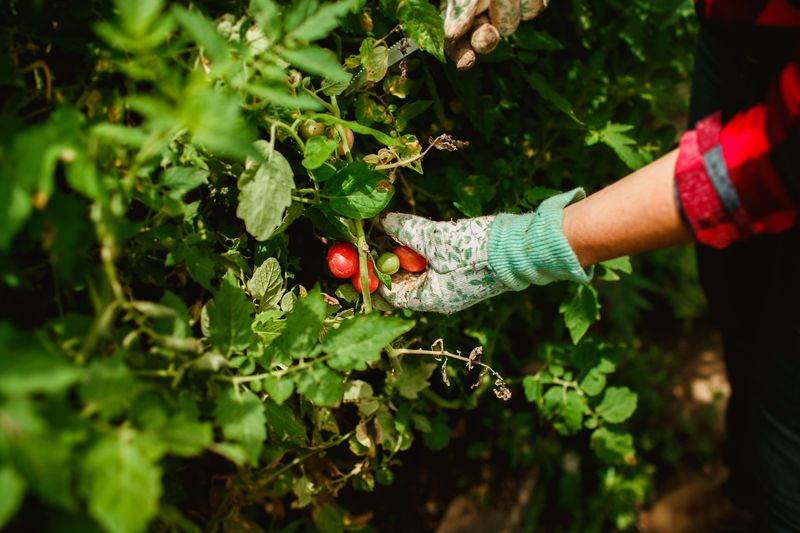
Tomatoes are the crown jewel of the home garden, and frequent harvesting keeps that crown polished all season long. Leaving ripe tomatoes on the vine is one of the most common mistakes gardeners make.
An overripe tomato sitting on the plant attracts pests, invites disease, and signals the plant to slow fruit production. Getting it off the vine quickly benefits everyone involved.
Ripe tomatoes should be picked as soon as they reach full color and feel slightly soft to the touch. You do not need to wait for deep red; many varieties are best just as color fully develops.
Indeterminate tomato varieties, which include most heirlooms and many hybrids, continue setting new fruit throughout the season. Keeping ripe fruit removed encourages the plant to keep flowering and setting more.
Determinate varieties ripen all at once and require less management, but even they benefit from prompt harvesting. Leaving fruit too long on any tomato plant creates unnecessary stress.
Stay consistent with picking, and your tomatoes will reward you through the long growing season. The heat here can stress plants, so removing finished fruit reduces that burden.
Cracking and splitting are common when tomatoes stay on the vine during heavy rains. Picking fruit before major rain events protects your harvest and keeps the plant focused on new growth.
A well-managed tomato plant is a beautiful, productive machine that feeds your family for months. Pick often, stay consistent, and your garden will deliver its best season yet.