The Silent Swarm Moving Into Late-Season Gardens In Mississippi
Something shifts overnight beneath your garden’s quiet surface. Mississippi mornings hide more than your soil ever admits.
Underneath a leaf, a colony multiplied while you worked outside. Nobody warns you how fast these numbers climb.
These pests skip the buzzing you would expect. Instead, they spread quietly across stems while you work.
Cooler nights will not slow what you are still facing. By midweek, your plant population doubles unnoticed.
Warm days speed reproduction faster than you expect. Speckled patches spread across leaves you checked yesterday.
Color fades before you notice real structural damage. Farmers across your Mississippi fields track this pattern.
Waiting a few days costs you healthy plants. Prevention now protects your entire harvest later.
That narrow window closes faster than you think. Damage spreads quicker than your instincts expect.
You need answers before the next cool snap arrives. What hides in your garden right now demands your attention.
The Gray-Brown Culprit Hiding Under Your Leaves
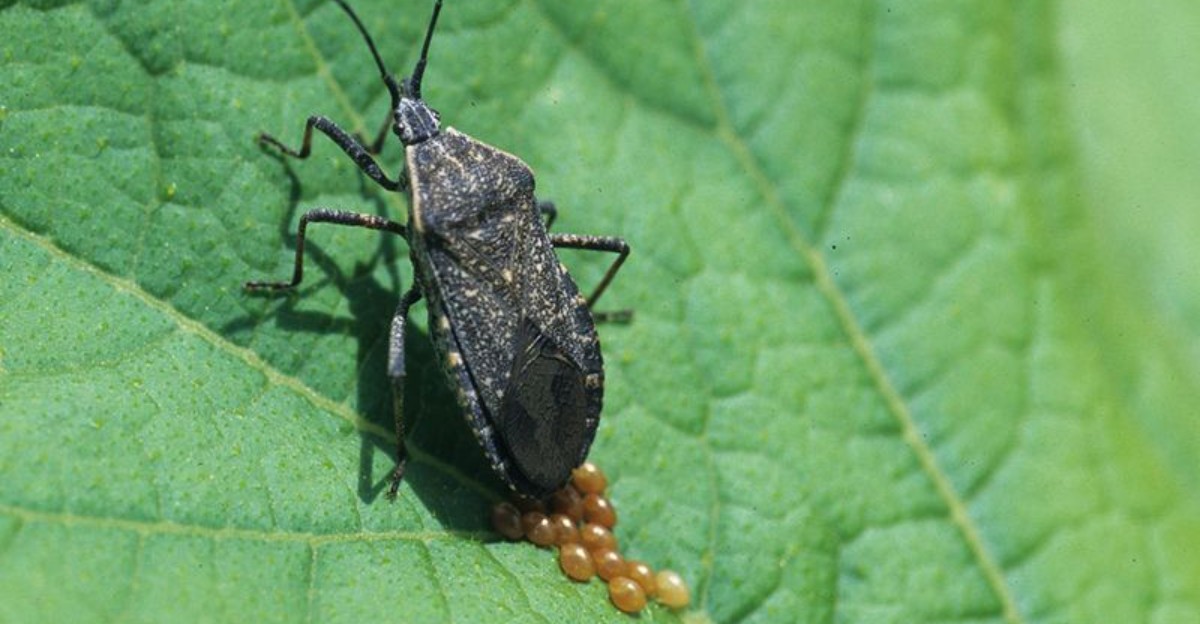
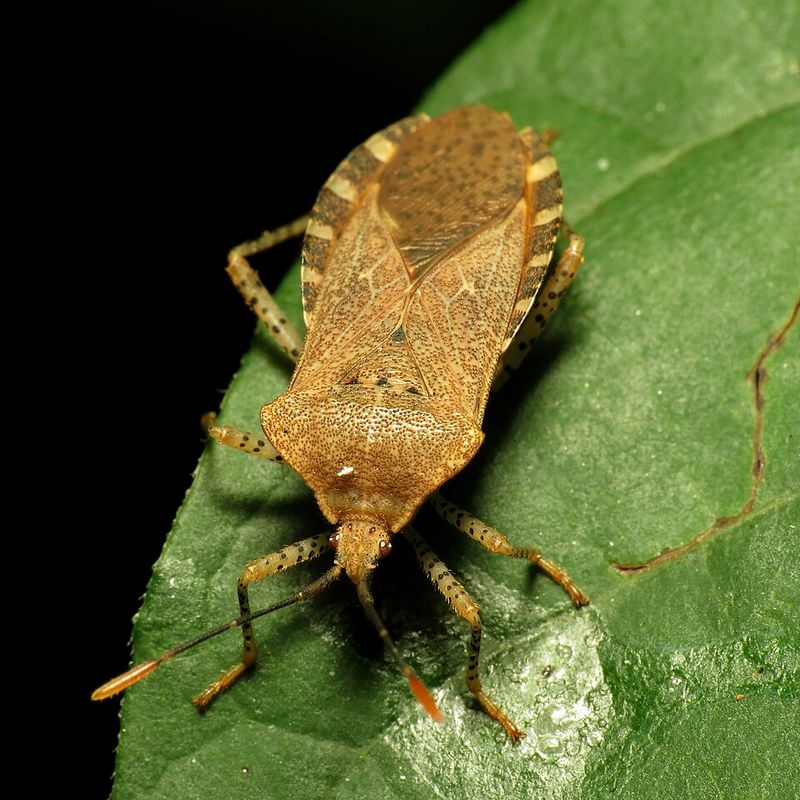
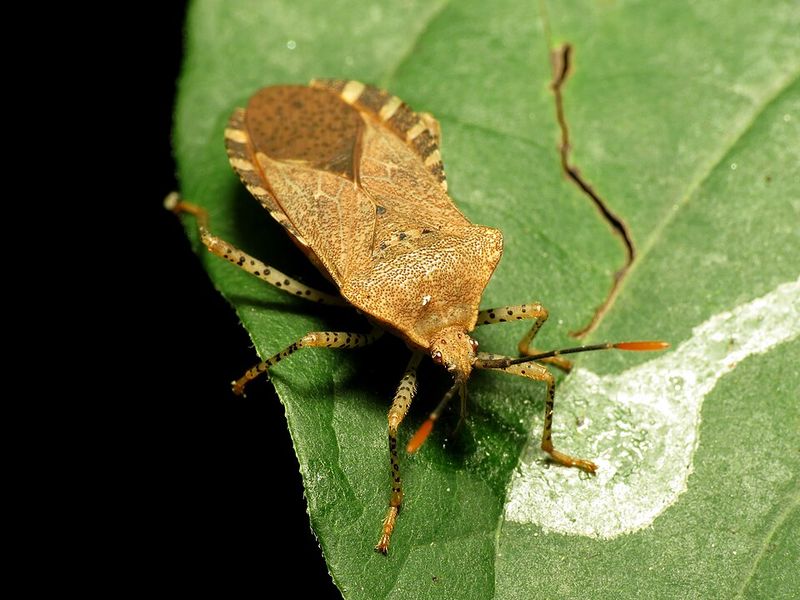
Picture a flat, shield-shaped insect about five-eighths of an inch long, colored like weathered barn wood. That is Anasa tristis, better known to Southern gardeners as the squash bug.
Adults have a dull gray-brown back and an orange-striped edge along the abdomen that shows when they spread out. Nymphs look almost nothing like their parents.
Young ones are pale green or gray with black legs, and they cluster together in groups that shift across a leaf like a slow-moving crowd.
What makes them tricky is their preference for shade and shelter. They tuck under leaves, hide along stems near the soil line, and slip beneath boards or mulch when disturbed.
Give one a poke and it may drop straight to the ground and freeze. Crush one and you get a sharp, musty odor, which is why some folks call them stink bugs by mistake.
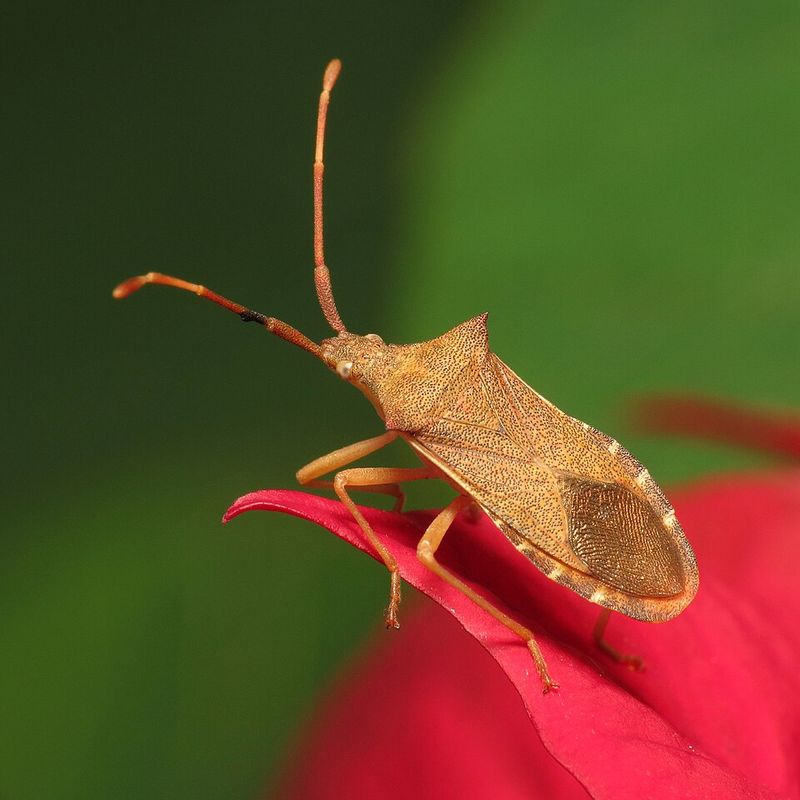
True stink bugs are wider and rounder, while squash bugs look longer and flatter. Telling them apart matters because their damage patterns differ.
In Mississippi, warm autumns let squash bugs stay active well past Labor Day. Squash bug numbers tend to peak in September, right when vines are already stressed from summer heat.
Learning the shape and color now saves guesswork later. Once you can spot the flat gray outline at a glance, your daily garden walk turns into an early warning system rather than a surprise inspection.
Copper-Colored Egg Clusters On The Undersides Of Leaves
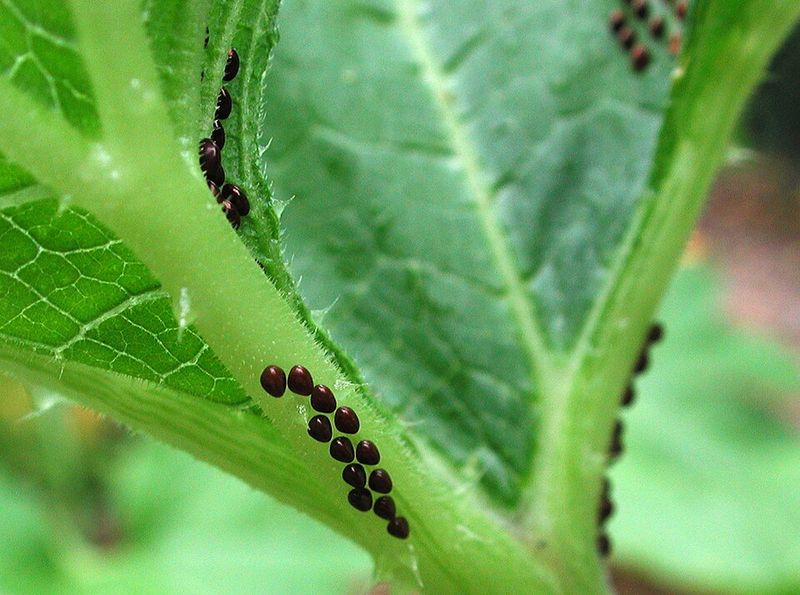
Turn a squash leaf over in early September and you may find what looks like tiny copper beads glued into a neat pattern. Those shiny bronze ovals are squash bug eggs, and finding them is the single best head start a gardener can get.
Females typically lay them in clusters of around fifteen to forty. The color starts out yellowish and darkens to a rich reddish brown as hatching approaches.
Hatching takes roughly one to two weeks in warm Mississippi weather. That short window is your chance to act before the population multiplies.
Your Mississippi Garden Changes Every Week. Your Plan Should Too.
Gardening in Mississippi changes quickly throughout the season. Every Friday you’ll receive a simple weekly plan showing exactly what to plant, prune, fertilize, harvest, and protect so you never miss the right timing.
Scraping eggs off with a fingernail works, though it can tear thin leaves. A better trick is pressing a strip of duct tape or masking tape over the cluster and lifting straight up.
The eggs pop off cleanly, and you can fold the tape shut and toss it in the trash. Some gardeners keep a roll of tape hanging on a fence post just for this job.
Check twice a week, focusing on lower leaves and any spot with heavy shade. Egg-laying continues into fall as long as green vines are available.
A little garden trivia: a single female can produce roughly one to two hundred eggs, sometimes more, over her lifetime. Removing three clusters on a Saturday morning quietly prevents dozens of feeders later, and that math is hard to beat with any spray.
Wilting Vines And Yellow Speckles Tell The Real Story
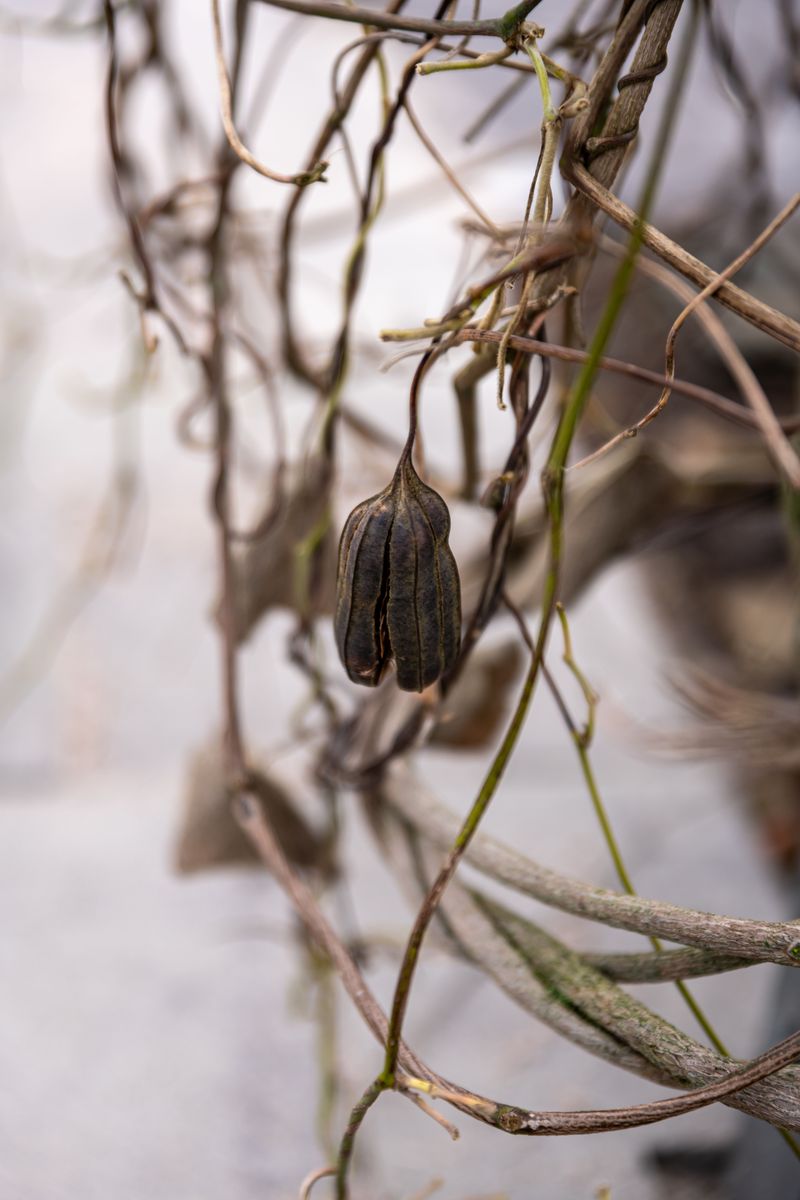
Damage from these insects rarely looks like chewing. Instead, leaves develop small yellow specks that spread into brown, papery patches.
The reason comes down to how squash bugs eat. Each one carries a straw-like mouthpart that punctures plant tissue and pulls out sap, while injecting saliva that clogs the plant’s water-carrying pathways.
The result is a wilt that shows up first on individual runners rather than the whole plant. Morning droop that recovers by evening is an early clue.
Later, the wilting sticks around all day and the vine turns crisp and brittle. Gardeners sometimes blame drought or fungus, water more, and wonder why nothing improves.
A quick check separates the causes. Bacterial wilt spreads through cucumber beetles and produces sticky sap when you cut a stem, while squash bug damage leaves stems dry with speckled leaves nearby.
Yellow squash and zucchini often show stress first. Winter squash and pumpkins hold on longer but can lose fruit quality when feeding gets heavy near the stem end.
Late-season plants take the hardest hit because they are already worn down from months of Mississippi heat and humidity. Their root systems are tired, and their ability to bounce back is limited.
Watch for uneven wilting across a single plant, then flip leaves immediately. Catching the pattern in early September gives you weeks of harvest that would otherwise slip away unnoticed.
Why September Sees Higher Squash Bug Numbers
Timing explains a lot about why the population seems to build up quickly. Mississippi’s long growing season allows squash bugs to complete more than one generation each year, and the later batches overlap.
Adults that survived winter under leaf litter emerge in spring and start laying. Their offspring mature over five nymph stages, then produce a second wave.
By late summer, all those generations are active at once. You end up with eggs, tiny gray nymphs, half-grown nymphs, and adults sharing the same plant.
Warm nights speed everything up. Mississippi Septembers often stay mild after dark, which keeps insect development humming along rather than slowing down.
Late-planted squash makes conditions more favorable for them. A fresh planting set out in July offers tender growth exactly when the population peaks.
There is also less competition from natural checks. Some predators and parasitic flies taper off toward fall, giving the swarm more breathing room.
Adults begin looking for winter shelter as days shorten. They gather in larger groups on remaining vines, feeding heavily before tucking into mulch, wood piles, or the seams of raised bed frames.
Knowing the calendar changes your strategy. Instead of relaxing after the summer harvest, plan for a September push with extra scouting, faster cleanup, and quicker removal of tired plants. Gardeners who stay alert through fall can reduce populations the following May.
Hand-Picking, Boards, And Other Low-Tech Wins
A traditional method still works, and it costs about a dollar. Fill a wide container with water and a squirt of dish soap, then walk the rows early while the air is cool and the insects are sluggish.
Knock adults and nymphs into the container with a gloved hand or a paint stirrer. Cool mornings make them slow, so you catch far more than you would at noon.
The board trick is an especially effective option. Lay flat pieces of scrap wood, shingles, or folded newspaper on the soil near the base of your plants in the evening.
Squash bugs gather underneath overnight, seeking shelter. Flip the boards at sunrise and you will find them stacked together, easy to sweep into your soapy bucket.
Repeat for several mornings in a row and the numbers drop noticeably. Some gardeners rely on this method instead of chemical sprays.
Another simple tool is a handheld vacuum. A quick pass over leaf undersides pulls nymphs off without touching them, and the crevice attachment reaches into vine crowns.
Mulch choices matter too. Deep straw gives shelter, so switching to a thinner layer or a woven ground cover near the stems removes hiding spots.
None of these methods require chemicals, protective gear, or waiting periods before harvest. Fifteen minutes a few times a week keeps a late-season patch productive right up until the first real chill settles over the state.
Fall Cleanup And Next Year’s Game Plan
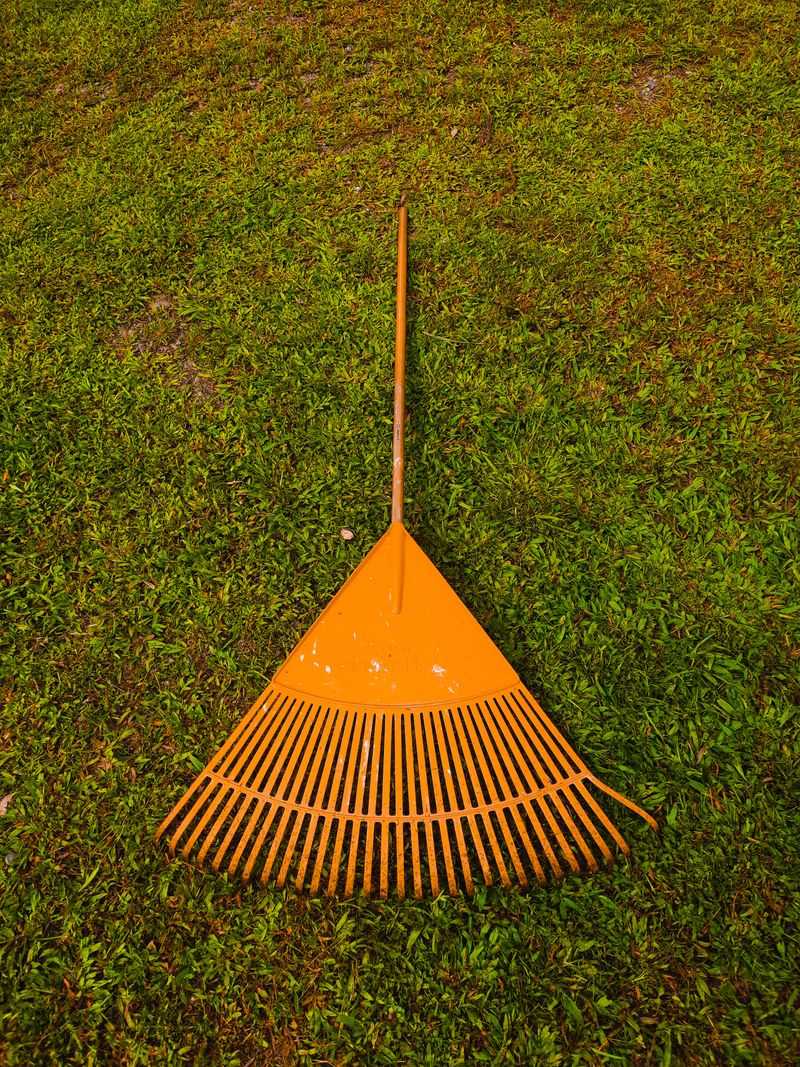
Ask any veteran grower what shrinks next season’s problem, and cleanup comes up first. Spent vines left lying in the bed offer shelter with easy access to food.
Pull finished plants as soon as harvest winds down. Bag them or hot-compost them rather than tossing them in a corner pile that stays cool and cozy all winter.
Rake up loose debris, old boards, and forgotten row cover scraps. Adults tuck into those spots to wait out the cold, then reappear when spring squash goes in.
Crop rotation helps more than people expect. Moving cucurbits as far as practical from last year’s spot forces overwintered adults to search harder for food.
Planning ahead pays off too. Butternut and other Cucurbita moschata types tend to shrug off feeding better than yellow crookneck or Hubbard varieties.
Floating row covers over young spring plants block egg-laying entirely, as long as you lift them once flowers open for pollinators. Trellising vining types improves airflow and makes leaf inspection much quicker.
Consider planting a fall cover crop like crimson clover in the empty bed. It improves soil and leaves fewer bare hiding pockets.
A tidy September and October set the tone for a calmer May. Gardeners across Mississippi who stick to this routine often report noticeably lighter pressure the following summer, with more squash reaching the kitchen counter.