How To Tell If A Georgia Dogwood Tree Is Struggling With Summer Heat
Your dogwood will not always tell you it is struggling with obvious damage. The first warning signs can be easy to miss until the heat begins taking a bigger toll.
If your tree suddenly looks tired, do not assume it simply needs more water. Georgia can be especially hard on flowering dogwoods during the hottest part of summer.
Catching the problem early gives your tree a much better chance to recover. Watch for subtle changes before they become serious ones.
Leaves, color, and overall growth often reveal that something is wrong long before major decline appears. Knowing what those early signals look like can help you respond sooner.
A healthy dogwood should stay beautiful through summer, not leave you guessing whether it will recover.
1. Leaf Scorch Is One Of The First Signs
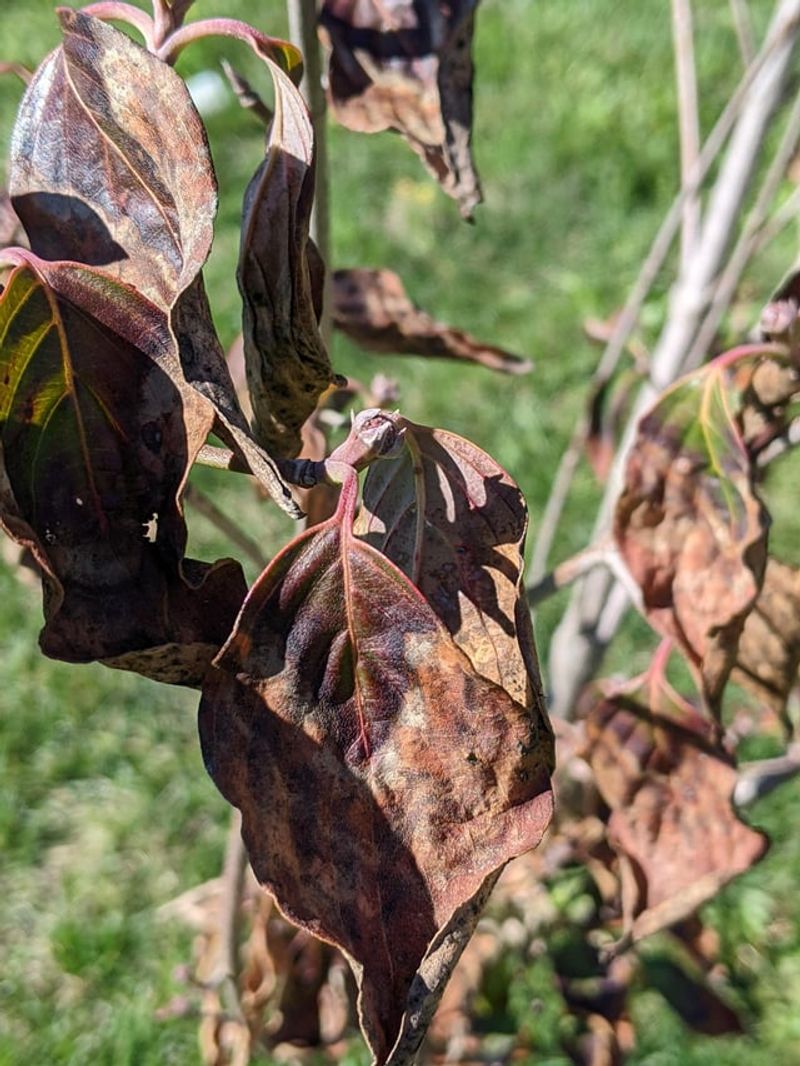
Brown edges on dogwood leaves are not random. Leaf scorch happens when a tree loses water faster than its roots can replace it.
Hot, dry summer air pulls moisture right out of the leaf tissue, and the edges are usually the first to show damage.
Scorched leaves look toasted along the margins. The brown patches feel papery and dry to the touch.
You might notice the damage spreading inward from the leaf tip if heat stress continues without relief.
Dogwoods are shade-loving trees by nature. Full afternoon sun speeds up moisture loss significantly.
A tree sitting in an exposed spot with little overhead cover is far more likely to show scorch than one tucked under a taller canopy.
Leaf scorch does not mean the tree is beyond recovery. Catching it early gives you a real chance to help.
Adding mulch around the base and giving the tree a deep watering can slow further damage.
Worth noting: scorch can also come from drought or root issues, not just air temperature alone. If you see scorching after a stretch of dry weather, moisture is likely the main factor.
Check the soil before assuming heat is the only cause.
2. Wilting Leaves Show The Tree Is Losing Moisture
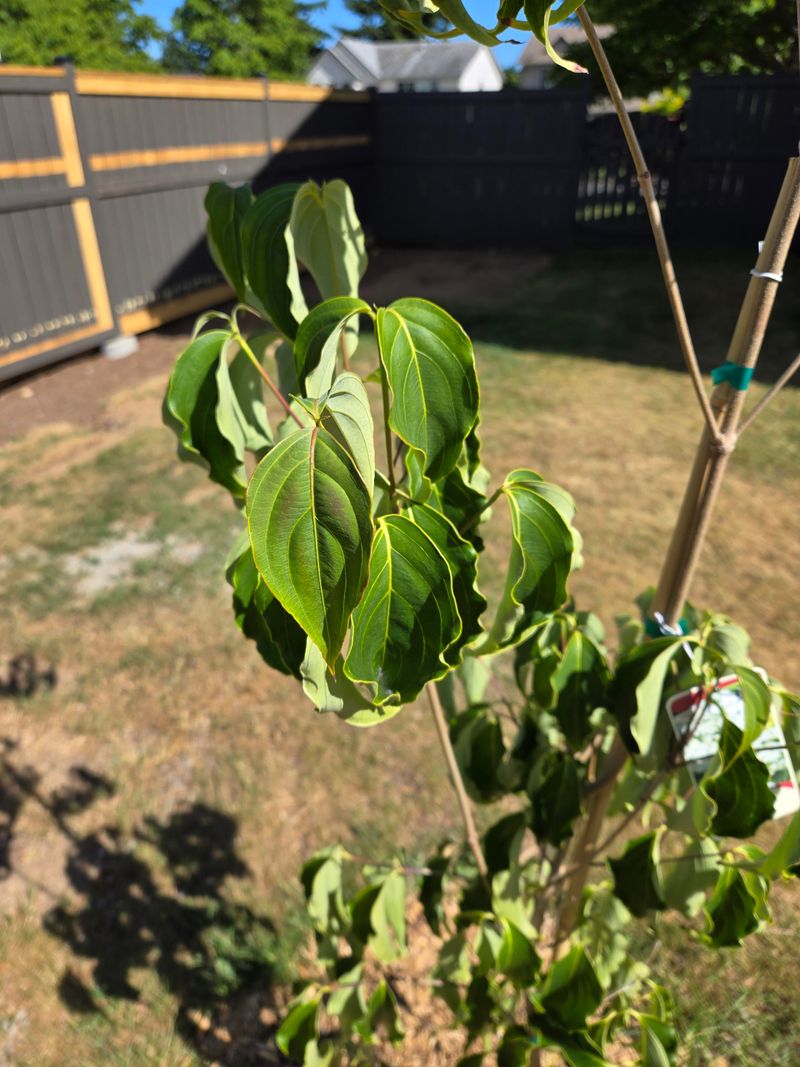
Wilting is the tree’s way of waving a flag. When dogwood leaves droop and hang loose instead of holding their shape, moisture stress is usually the reason.
Hot afternoons pull water out faster than roots can keep up.
Soft, limp leaves that perk back up in the evening are a classic sign of heat-related wilting. If the leaves stay droopy even after sunset, the stress level is more serious.
Persistent wilting points to a deeper moisture problem in the root zone.
Dogwoods have relatively shallow roots compared to many other trees. That makes them more sensitive to dry spells.
When the top layer of soil dries out quickly during a heat wave, the roots struggle to find enough water.
Checking the soil at least two to three inches deep gives you a clearer picture. Dry soil at that depth while the tree is wilting is a strong sign it needs water soon.
Surface dryness alone does not tell the whole story.
Your Georgia Garden Changes Every Week. Your Plan Should Too.
Gardening in Georgia changes quickly throughout the season. Every Friday you’ll receive a simple weekly plan showing exactly what to plant, prune, fertilize, harvest, and protect so you never miss the right timing.
One practical step: water slowly and deeply rather than giving the tree a quick splash. Slow watering lets moisture reach the root zone instead of running off the surface.
3. Curled Leaves Often Follow Prolonged Heat
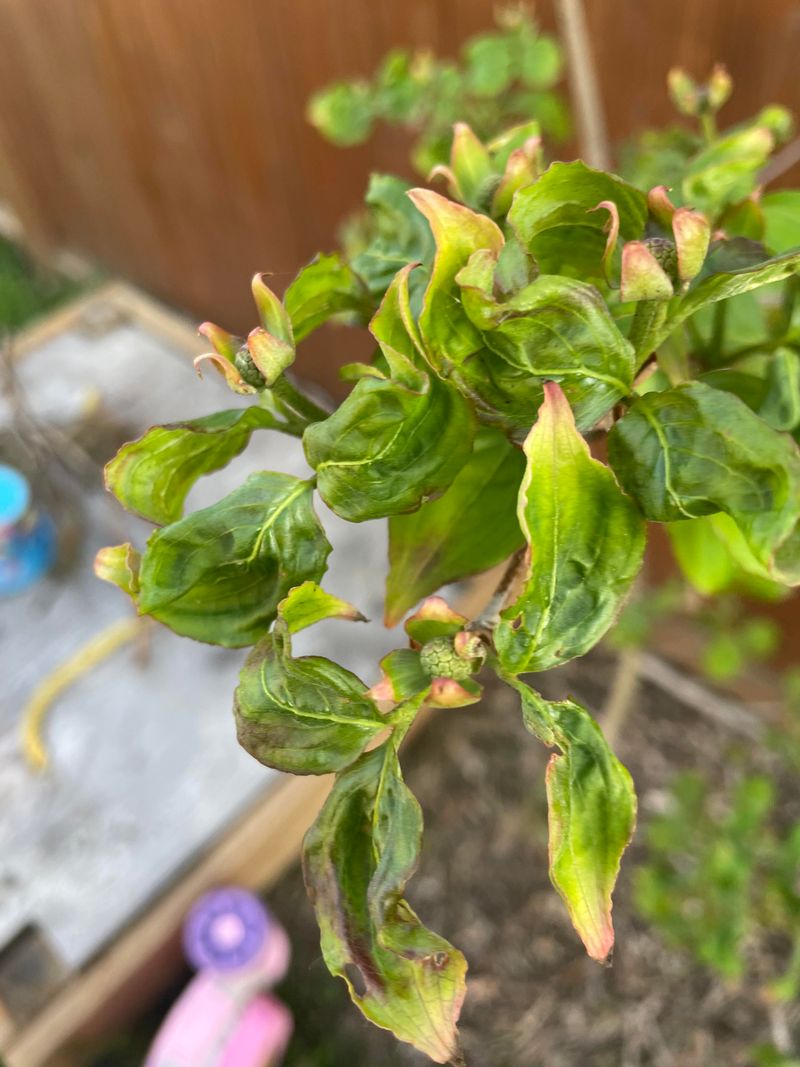
Leaf curling is a survival response, not a random quirk. When heat drags on for days without relief, dogwood leaves begin to curl inward along their edges.
That curling reduces the surface area exposed to hot air and direct sun.
You might see leaves cupping upward or rolling along the sides. Both patterns are the tree attempting to hold onto whatever moisture it still has.
It is a self-protective move, but it also signals that the tree is working harder than it should have to.
Prolonged heat in the South can push dogwoods into this state by mid-July. Trees in open areas with no afternoon shade tend to curl earlier in the season.
Curling that starts in the morning and does not relax by evening is worth paying attention to.
Soil moisture plays a big role here. A tree with consistently moist soil is less likely to curl aggressively than one in dry, compacted ground.
Mulching around the base of the tree helps the soil hold moisture longer between watering sessions.
Curled leaves that eventually flatten back out after watering are a good sign. It suggests the tree can still respond to improved conditions.
4. Early Leaf Drop Signals Heat Stress
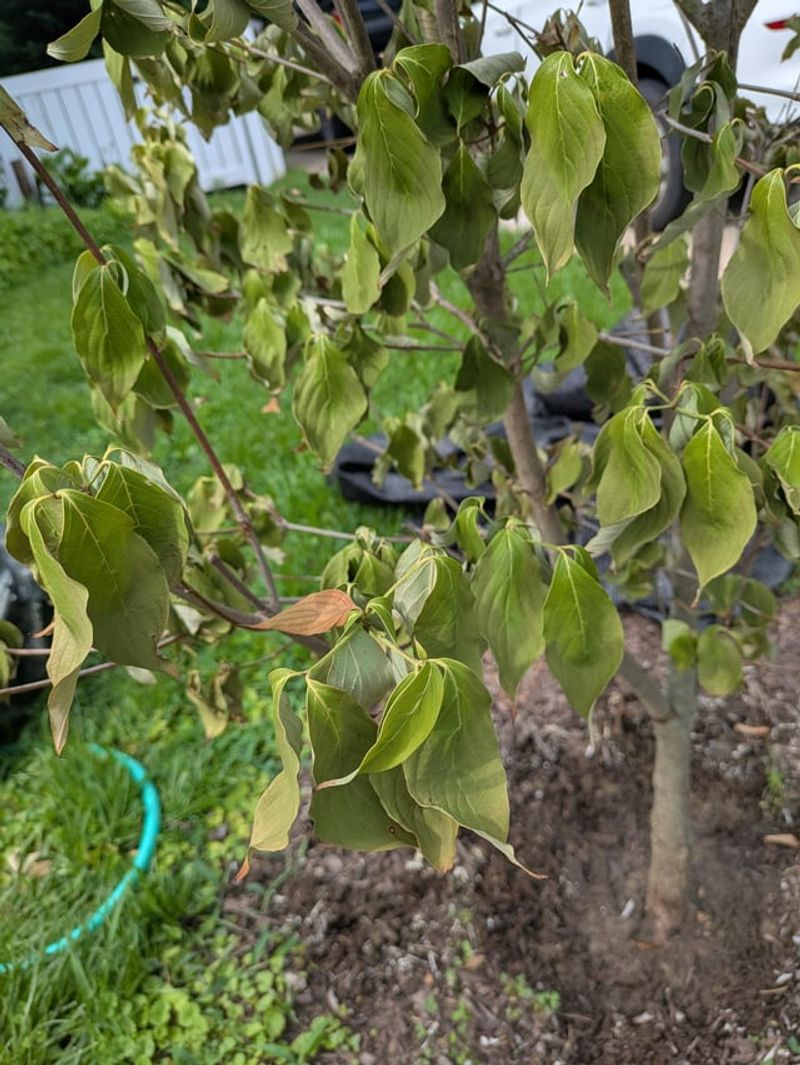
Leaves falling off a dogwood in July or August is not normal. Dogwoods shed in fall, not midsummer.
When leaves drop early, the tree is cutting its losses to survive a stressful stretch of heat or drought.
Early leaf drop is a protective response. Fewer leaves mean less water the tree needs to support.
It sounds counterintuitive, but shedding leaves actually reduces how much moisture the tree has to pull from the soil each day.
You might notice yellowing before the drop. Leaves often turn pale green or yellow at the edges before falling.
That color shift can happen quickly during an intense heat wave, sometimes within a week or two of the stress starting.
Not every dropped leaf means a crisis. Losing a small number of older, lower leaves during a heat wave is less alarming than widespread drop across the whole canopy.
Context matters when you are trying to figure out how serious the situation is.
If your dogwood drops a significant portion of its leaves before September, give it consistent water and watch for new bud development in fall. New buds forming in autumn are a strong sign the tree came through the stress season in decent shape.
5. Dry Soil Makes The Problem Worse
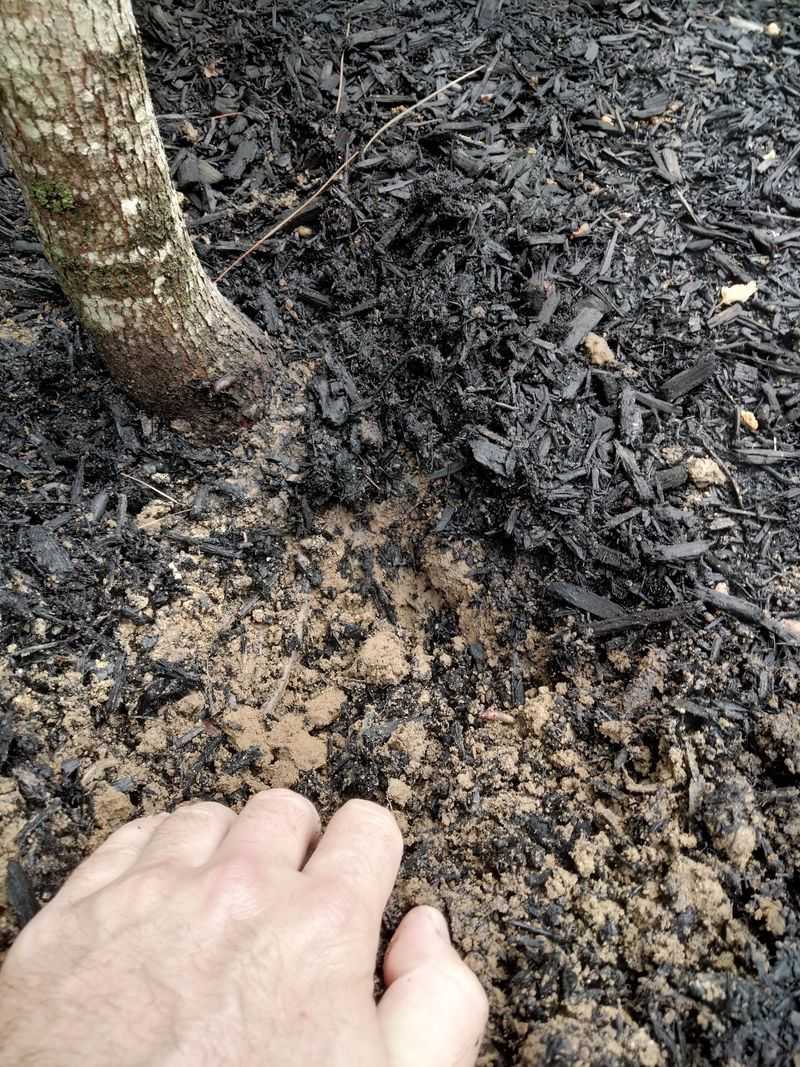
Dry soil and summer heat are a rough combination for any dogwood. When the ground dries out completely around the root zone, the tree has no buffer against rising temperatures.
Roots sitting in parched soil cannot do their job effectively.
Georgia clay soil can be tricky. It holds moisture well when wet but can become hard and compacted when it dries out.
Compacted clay actually repels water instead of absorbing it, which means even a good rainfall may not reach the roots the way you expect.
Checking soil moisture before watering is a smart habit. Push a finger or a wooden dowel about three inches into the ground near the tree’s drip line.
If it comes out dry and clean, the soil needs water. If it comes out with moist soil clinging to it, hold off for a day or two.
Mulch is one of the most practical tools for keeping soil moisture stable. A two-to-three inch layer of organic mulch spread around the base of the tree slows evaporation noticeably.
Keep the mulch a few inches away from the trunk itself to avoid moisture buildup against the bark.
Consistent soil moisture through summer does not require daily watering.
6. Afternoon Sun Can Cause More Leaf Damage
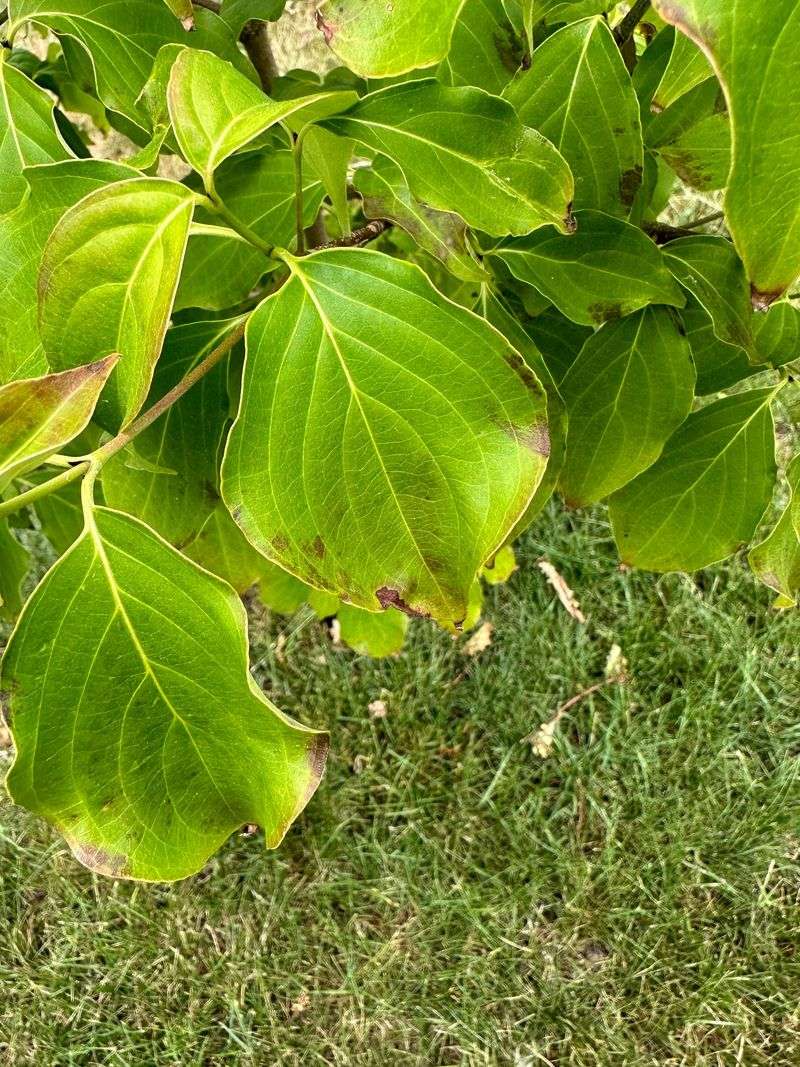
Not all sun hours hit a dogwood equally. Morning sun is gentler and easier for the tree to handle.
Afternoon sun is stronger, hotter, and more intense, especially from around 1 p.m. to 5 p.m. during peak summer months.
Dogwoods naturally grow under taller trees in woodland settings. They are built for filtered light, not full afternoon exposure.
A dogwood planted in an open lawn with no shade cover faces conditions that go against its natural preferences.
Leaf damage from afternoon sun often shows up on the side of the canopy facing west or southwest. Those leaves get the longest exposure to the harshest part of the day.
Brown patches on that side of the tree, while the shaded side looks fine, is a useful clue.
Repositioning an established tree is not realistic, but there are practical options. Planting taller shrubs or trees nearby over time can create natural afternoon shade.
A shade cloth set up temporarily during extreme heat waves can also reduce leaf damage without much cost.
In parts of the Southeast, afternoon heat index values regularly exceed what the temperature alone suggests. High humidity combined with direct sun creates a compounding effect on the tree.
7. Watering The Right Way Helps The Tree Recover
How you water matters just as much as how often you water. Pouring water quickly at the base of a stressed dogwood often leads to runoff before the soil can absorb anything useful.
Slow and steady is the approach that actually reaches the roots.
A soaker hose or drip line placed around the drip line of the tree works well for deep watering. Running it for 30 to 45 minutes two to three times per week during a heat stretch gives the root zone time to absorb moisture properly.
Adjust based on rainfall and soil conditions.
Watering in the early morning is worth the effort. Morning watering reduces evaporation loss compared to midday sessions.
It also gives the soil time to absorb moisture before afternoon heat peaks.
Avoid watering directly against the trunk. Keeping water near the drip line, which is roughly where the outer branches extend, targets the area where feeder roots are most active.
That is where uptake happens most efficiently.
Recovery after a stressful summer is realistic for most established dogwoods with proper care. Consistent watering through late summer and into early fall gives the tree time to rebuild before cooler weather arrives.