What It Means When Ladybugs Appear In Large Numbers In A Florida Garden
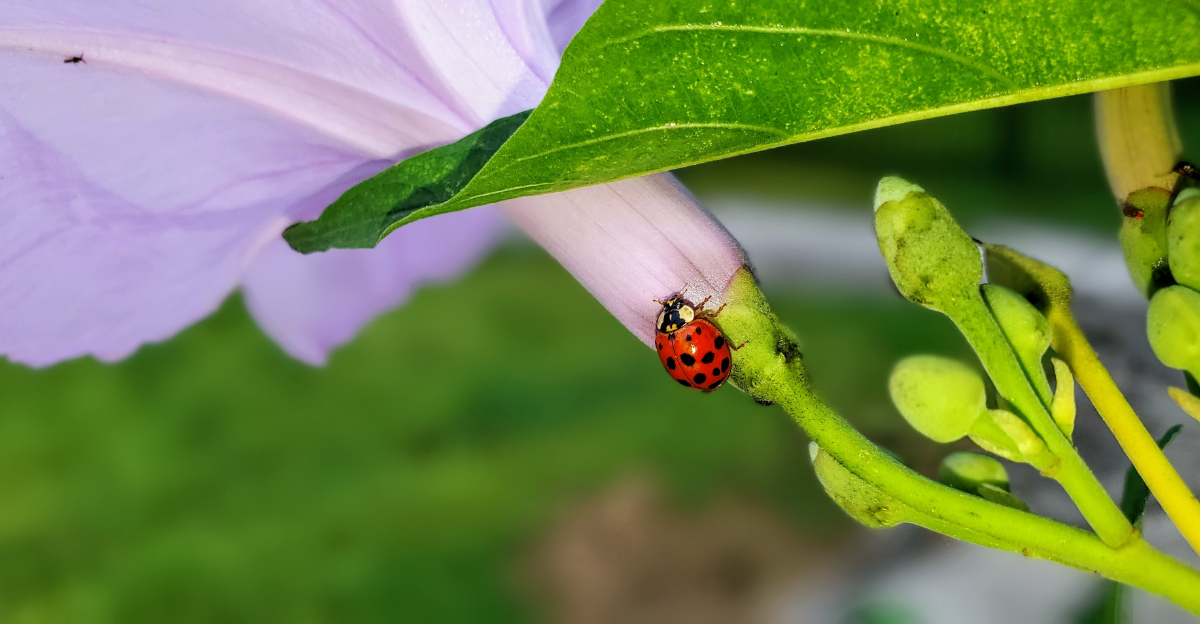
A single ladybug in a Florida garden is a good sign. A sudden surge of them is a different kind of signal entirely.
That shift from occasional visitor to concentrated presence does not happen without a reason, and the reason is almost always worth paying attention to. Ladybugs follow food.
A large number appearing in one spot means one thing. Something they eat is already there in significant numbers.
Aphids, scale, whitefly. A ladybug congregation is essentially a pest map drawn in real time.
The garden is telling a story. The ladybugs are the punctuation.
Florida gardens that see sudden ladybug surges are often days away from a visible pest problem, or already in the middle of one that has not shown up clearly on the leaves yet. A lot of ladybugs is good news and a warning at the same time.
Knowing which plants they are clustering on is where the real information lives.
1. Your Garden May Have A Hidden Aphid Problem
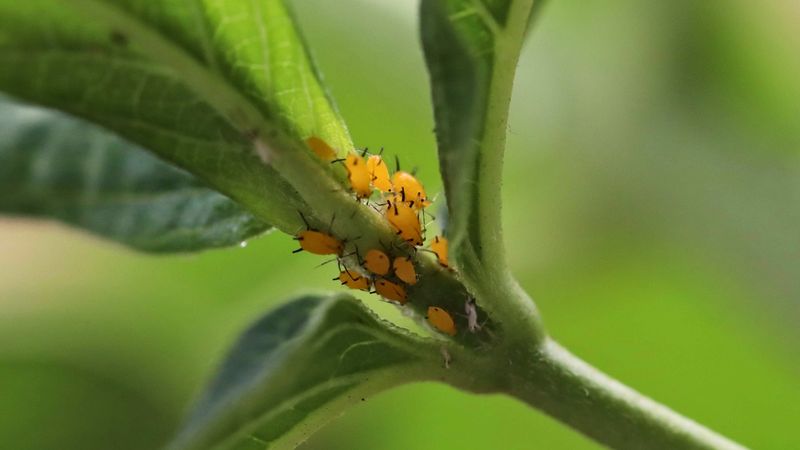
Flip over a few leaves on your roses, citrus, or vegetable seedlings and you might find the real reason those beetles showed up. A sudden cluster of lady beetles is often a reliable clue that a food source is nearby, and aphids are one of the most common targets.
Aphids are tiny, soft-bodied insects that gather on new growth, stem tips, flower buds, and the undersides of tender leaves.
Before assuming the garden is pest-free, take a slow walk and check those spots carefully. You may find small green, yellow, black, or brown insects grouped tightly together.
A few aphids on an otherwise healthy plant may not require any treatment at all. Beneficial predators, including lady beetles, can move in quickly when prey numbers rise.
Aphids are not the only prey lady beetles eat. Depending on the species and life stage, they may also feed on scale insects, mealybugs, whiteflies, mites, and insect eggs.
So even if you do not spot aphids right away, keep checking other soft-bodied pests on nearby plants. The presence of many lady beetles is a signal worth investigating, not a reason to panic.
Stay observant, scout your plants regularly, and let the clues guide your next steps before reaching for any product.
2. Beneficial Insects Are Already Working For You
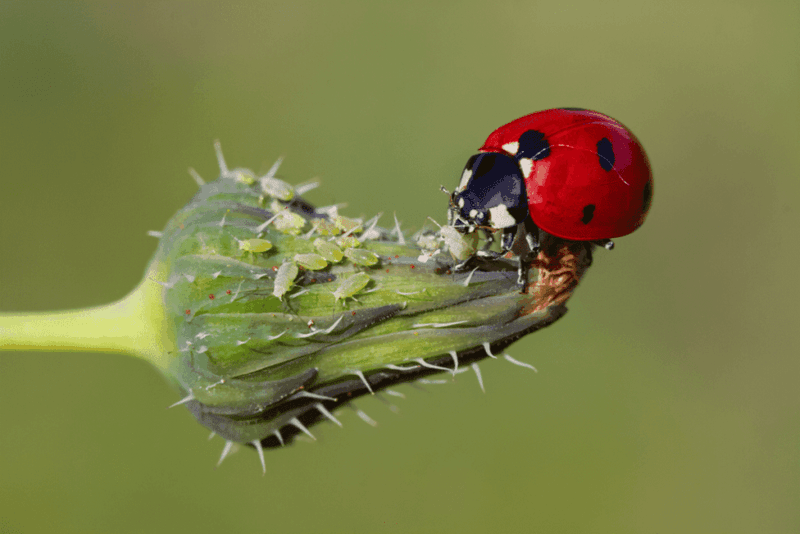
Spotting a crowd of lady beetles on your pepper plants or herb bed is actually good news. These small predators are already doing something useful.
Lady beetles feed on soft-bodied prey throughout their adult lives. A garden with enough food to attract many at once has ecological activity worth noticing.
Lady beetles work best as part of a broader garden system. They do not replace careful watering, proper fertilization, correct plant selection, or regular scouting.
A plant under stress from drought, poor drainage, or nutrient imbalance will struggle even if predators are present. Healthy plants tolerate minor pest pressure better, and that resilience gives beneficial insects time to catch up to prey populations.
When plant damage looks minor and the plant is otherwise thriving, give the predators a chance to work before stepping in. Rushing to spray at the first sign of a few pests can remove the very insects helping to keep things in balance.
Lady beetles are helpful predators, but they work best when the garden supports them with good plant health, reduced chemical pressure, and enough time to respond.
Watching and waiting, when the situation allows, is often the most practical first step a gardener can take.
3. Larvae Matter As Much As Adults
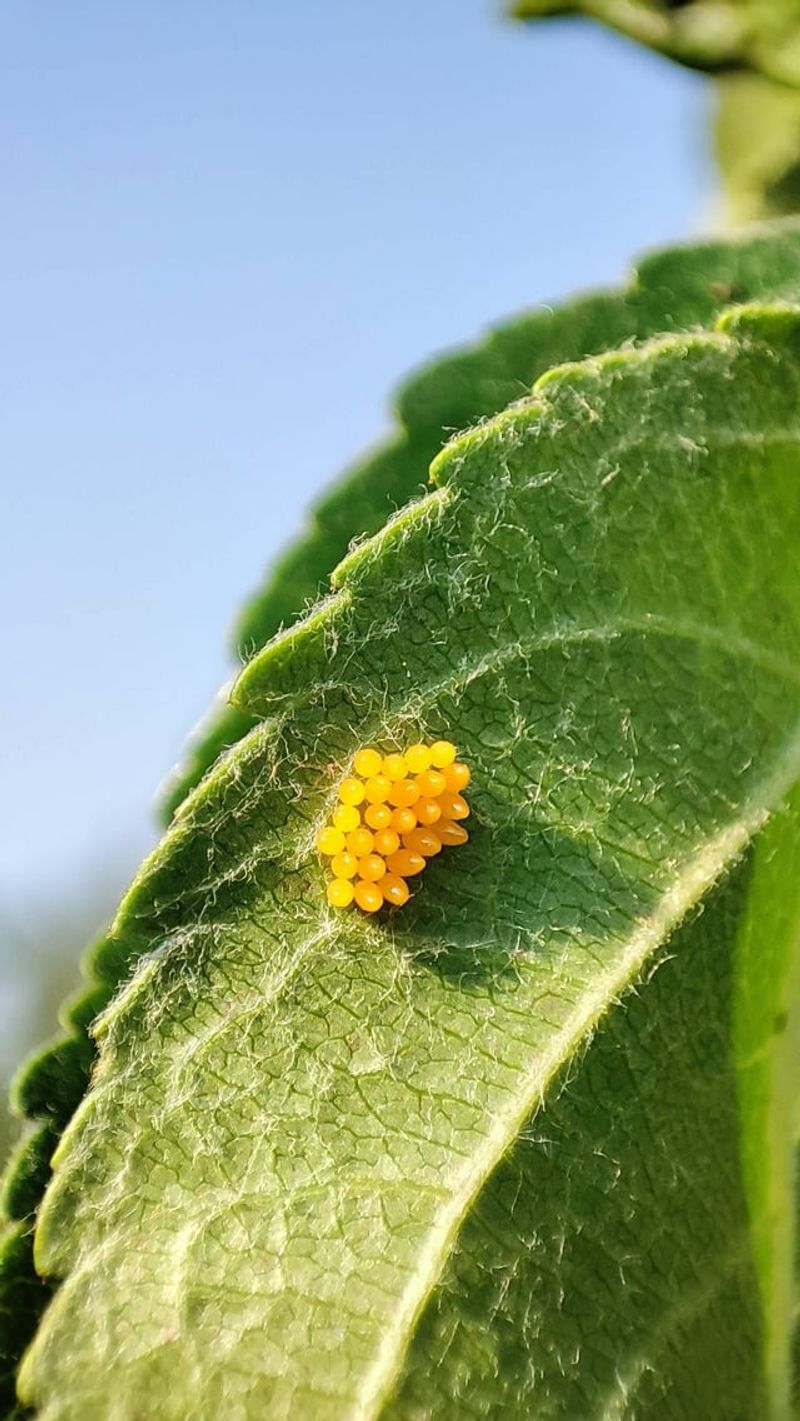
Not every beneficial insect in the Florida garden looks the part. Lady beetle larvae are a perfect example.
Young lady beetles do not look like the round, spotted adults most people recognize. Instead, they are elongated, often dark or grayish, with small bumps or spines along their bodies.
Some descriptions compare them to tiny alligators, and that shape surprises many gardeners who see them for the first time.
Because larvae look unfamiliar, they are sometimes mistaken for pest insects and removed before anyone realizes what they are. That is a costly mistake.
Larvae can be aggressive feeders on aphids and other soft-bodied prey, sometimes consuming more per day than the adults. Removing them by hand or spraying them with a product removes a powerful natural predator right when it is doing the most work.
Before pulling anything off a plant or reaching for a spray, take a close look. Use a magnifying glass if needed.
Check credible resources like UF/IFAS Extension or your county extension office to compare what you see with verified images of common lady beetle larvae. Identification takes only a few minutes and can make a real difference.
The goal is to avoid removing helpful insects by accident, and that starts with slowing down and looking carefully at what is actually on your plants.
4. Flowers And Shelter Help Them Stick Around
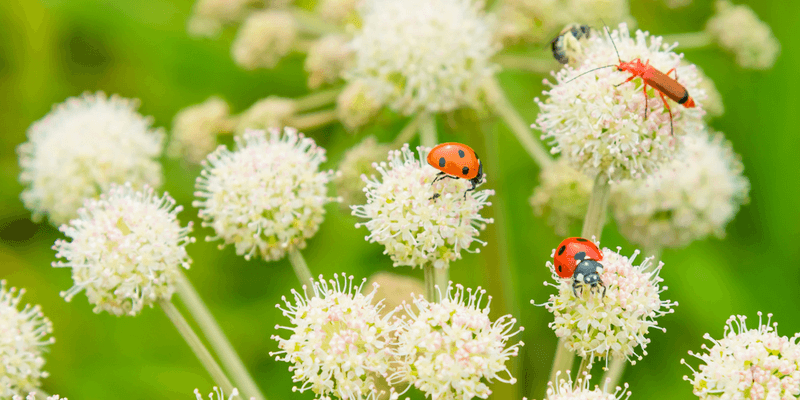
Watching lady beetles move through a garden that has a mix of flowering plants and diverse vegetation makes sense once you understand what they need. Adult lady beetles do not feed only on prey insects.
Many species also visit small flowers for nectar and pollen, especially during times when prey is less abundant. A garden with only one or two types of plants offers less of what keeps beneficial insects present.
Plant a variety of flowering species, including herbs like dill, fennel, and cilantro. Add native wildflowers suited to local conditions to make the garden more welcoming.
Leaf litter in low-traffic areas, undisturbed mulch, and reduced soil disturbance also provide shelter where insects can rest and overwinter in some parts of the state.
Florida-Friendly Landscaping principles and UF/IFAS resources can point you toward plant options.
These support beneficial insects without requiring extra water or chemicals.
Habitat alone does not guarantee that lady beetles will stay permanently. They move in response to food availability and will leave when prey runs low.
But a garden that offers nectar, pollen, shelter, and diverse plantings gives them more reasons to linger. Think of habitat as a long-term investment in the garden’s ecological health, not a switch you flip once and forget.
Small plant choices can add up to meaningful support for beneficial insects over time.
5. Released Ladybugs May Not Stay Long
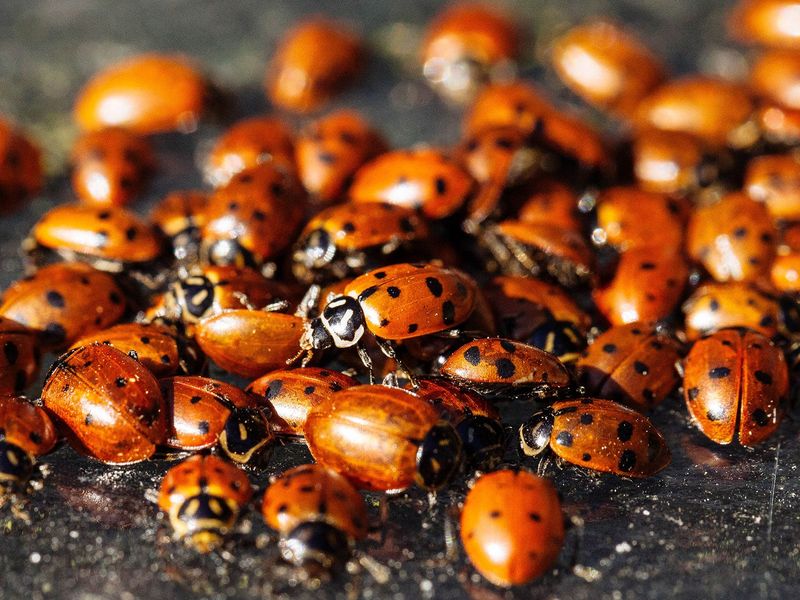
Buying a bag of ladybugs from a garden center and releasing them feels like a logical fix when pests are visible and beneficial insects seem scarce. Many gardeners have tried it with high hopes, only to watch the beetles fly away within hours or days.
That experience is common, and it has a straightforward explanation.
Purchased ladybugs are often collected from wild populations, sometimes from overwintering aggregations in other regions. Once released into a new environment, they may not stay if the conditions are not right.
If food is not immediately available in the right quantity, if moisture is lacking, or if shelter and habitat are not present, the beetles have little reason to remain.
They are not domesticated insects and will follow their instincts, which often means dispersing to find better conditions elsewhere.
Conserving the beneficial insects already living in your garden is generally more reliable than depending on a single purchased release.
Scout regularly, reduce unnecessary pesticide use, plant diverse flowers, and tolerate small pest populations when plants are healthy.
These steps help support resident predator populations over time. If you have already tried a release and felt let down, that reaction is understandable.
Shifting focus toward habitat and monitoring tends to produce more consistent results than repeated purchases. Work with what the garden already holds before spending money on packaged insects.
6. Some Lady Beetles Are Not Native
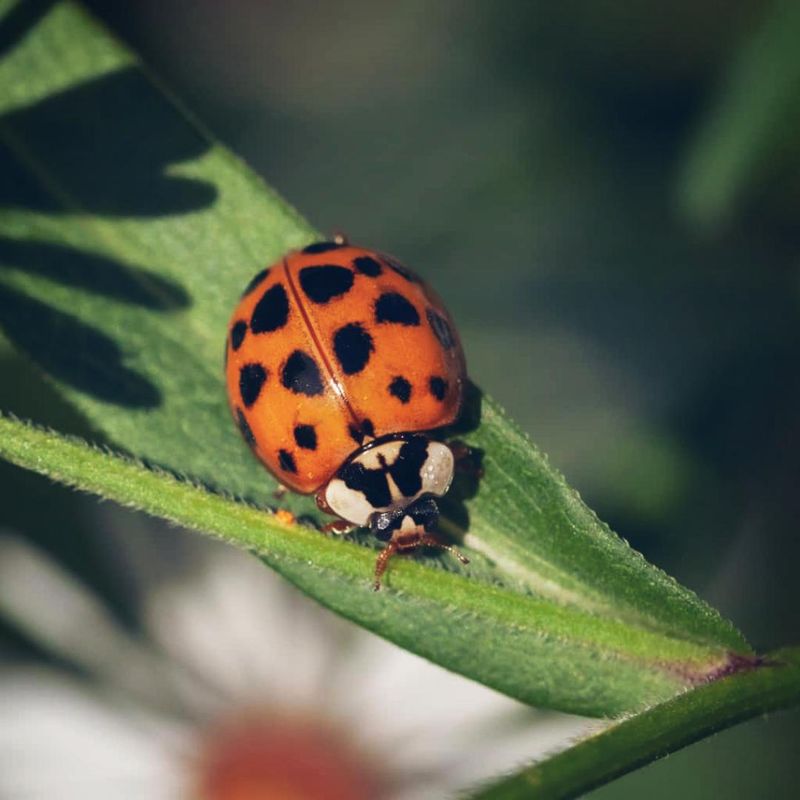
A red beetle with black spots is easy to recognize, but not every lady beetle in the garden belongs to the same species. Florida hosts a variety of lady beetle species, and not all of them are native to the state or even to North America.
Telling them apart by sight alone can be tricky, and assuming they are all identical can lead to incomplete conclusions about what is happening in the garden.
The multicolored Asian lady beetle is one example of a nonnative species that has established itself across much of the country.
It is a capable predator and feeds on many of the same prey as native species, but its behavior, habitat preferences, and interactions with other insects may differ.
In most home garden situations, the practical impact of species differences is limited, and many lady beetles, native or not, are still acting as beneficial predators.
Correct identification matters more in sensitive ecological situations, in native plant gardens, or when you are curious about what you are seeing.
UF/IFAS Extension, your county extension office, and university entomology resources offer verified identification guides and images.
If you find an unusual-looking beetle and want to know more, those are the right places to start. Avoid drawing firm conclusions from photos alone on unverified websites.
Species diversity in the garden is worth knowing about, and expert resources make that learning straightforward.
7. Spraying Too Fast Can Remove Your Helpers
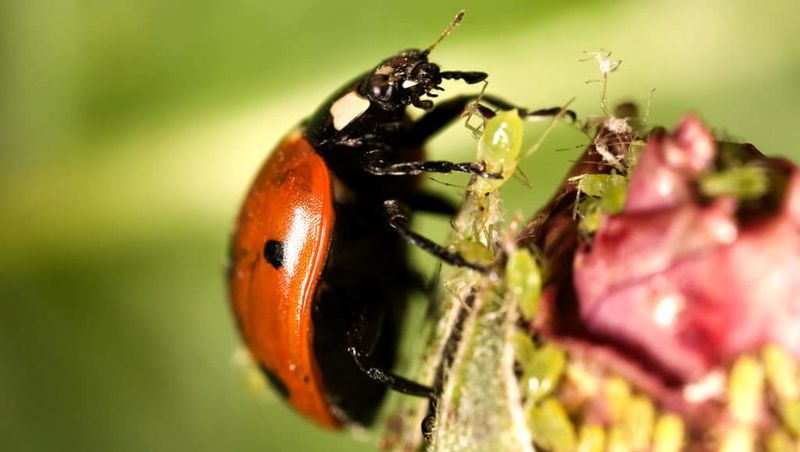
Reaching for a spray the moment aphids appear is a reflex many Florida gardeners recognize. It feels like action, and action feels productive.
But spraying before checking whether beneficial insects are already present can make the pest problem worse in the long run. Broad-spectrum insecticides do not distinguish between pests and predators.
A spray that removes aphids can also remove the lady beetles, larvae, and other beneficial insects that were already responding to them.
Before treating, scout the plants carefully. Count the pests, check their location, and look for predators nearby.
If lady beetles or their larvae are active on the same plants, that is a sign the garden’s natural system is responding. When plant damage is minor and the plant looks otherwise healthy, waiting and monitoring is often the better choice.
Integrated pest management guidance from UF/IFAS recommends identifying both the pest and any existing natural enemies before deciding on a treatment approach.
Serious infestations that threaten plant health may still require action. When treatment is needed, choose targeted, label-directed products applied at times when beneficial insects are less active.
Avoid spraying during peak activity periods, and never use a product without reading the full label first. Your county extension office can help you identify pests, assess damage levels, and choose the most appropriate response.
Taking a few extra days to observe can protect the insects already doing the work.
8. A Busy Garden Food Web Is Taking Shape
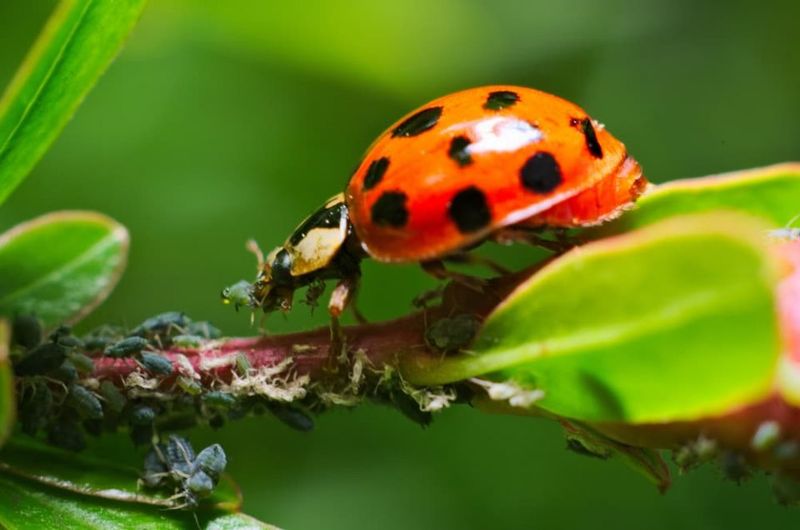
Many ladybugs in one spot at one time are rarely a coincidence. Their presence points to something the Florida garden is providing, whether that is prey, shelter, flowering plants, or a combination of all three.
A garden that attracts beneficial predators is a garden with ecological activity, and that activity is worth observing rather than disrupting.
The relationship between pests and predators is not always perfectly balanced, and it does not always look tidy. Some pest pressure is a normal part of a living garden.
Aphids feed on plants, lady beetles feed on aphids, and other insects feed on or compete with lady beetles. That layered interaction is what a food web looks like in a small outdoor space.
Trying to remove every pest immediately can flatten that web and leave plants more vulnerable over time, not less.
When large numbers of lady beetles appear, the most useful response is observation. Check plants for pests, look for larvae, note which plants are affected, and give the system a little time before making any decisions.
Avoid spraying unless damage is serious and escalating. Support the garden with good plant choices, diverse flowering species, and minimal chemical pressure.
If questions come up about specific pests or predators, contact your local extension office for guidance based on verified, local knowledge. What you are seeing is ecology in action, and it deserves a careful, curious look.