What To Do If A Saddleback Caterpillar Stings You In Your Florida Garden This Fall
You reach into a shrub in your Florida yard to pull one little weed, and suddenly your hand feels like it grabbed a hot stove. The air still smells like cut grass and damp mulch, but your skin is now shouting louder than all your other senses.
You look down and see nothing. Then a tiny, colorful shape on the underside of a leaf seems to stare right back, looking very pleased with itself.
Gardeners across Florida can run into this surprise anytime from late spring through fall, and the sting hits your pride almost as hard as your hand. The good news is that a few quick, simple steps can help ease the burn.
Keep reading to learn what to grab, what to skip, and when to call for help.
1. Step Away Calmly From The Plant
First things first, your body is going to want to flail. That jolt of fiery pain makes most people shake their hand wildly or swat at the leaves.
Resist that urge if you can. Swatting may push more of the tiny hollow spines into your skin or spread them to nearby areas, and those spines carry the venom that causes the burning feeling.
Instead, slowly back away from the plant and take a deep breath. Saddleback caterpillars do not chase people, so you are safe once you move a few steps away.
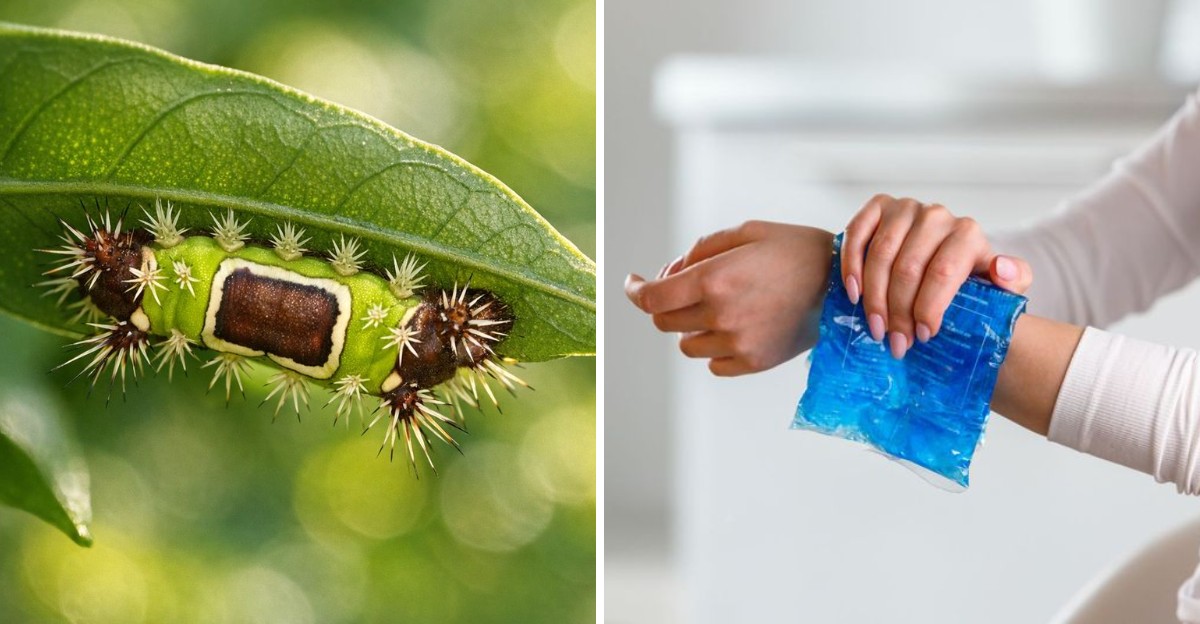
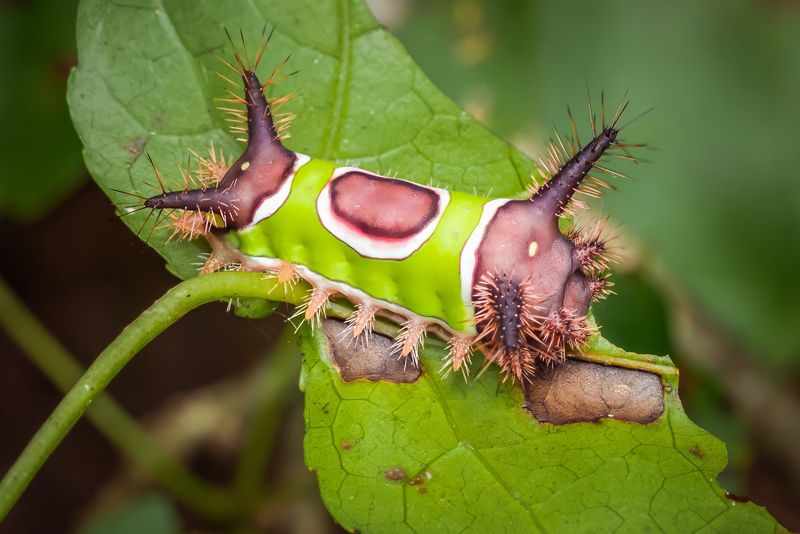
Take a moment to look at the leaf where you got stung. These caterpillars are easy to spot once you know the look, with a bright green patch in the middle and a brown spot that resembles a tiny saddle.
Knowing what stung you helps a lot. You can tell a doctor or Poison Control exactly what happened, and you will know which plants to check next time you garden.
In Florida, saddlebacks have been found on palms, hibiscus, citrus, corn, and a wide range of other ornamental plants and shrubs. They tend to sit on the underside of leaves, so they are hard to see until your skin finds them first.
Once you are clear of the plant, head toward a shady spot or indoors. Staying calm keeps your heart rate steady, and that makes the next steps much easier to handle.
2. Pull Out Hidden Spines With Tape
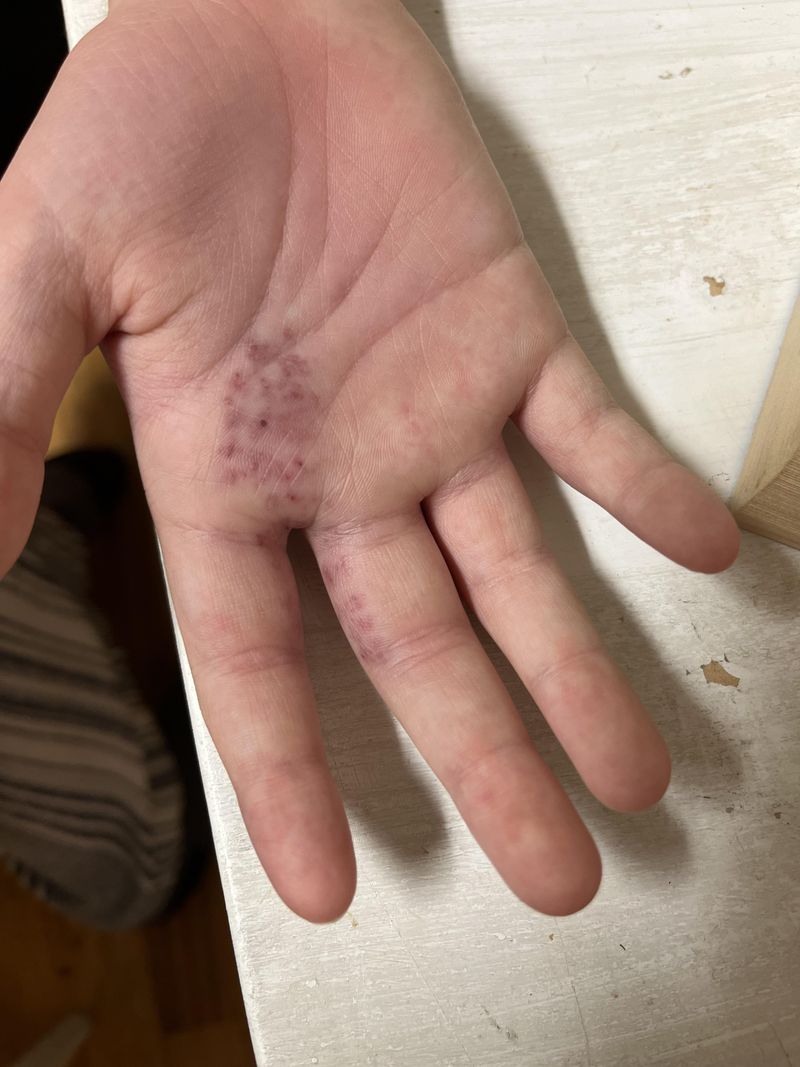
Clear tape might be the most underrated first aid tool in your Florida kitchen drawer. Grab a roll of packing tape, duct tape, or strong clear tape right away.
Saddleback spines are tiny and often too small to see. Some of them can break off and stay in your skin, where they may keep irritating the area.
Press a strip of tape firmly over the stung area. Then peel it off in one quick motion, almost like removing a bandage.
Repeat with fresh pieces of tape several times. Each strip can lift out spines you could never pinch out with your fingers.
It takes just seconds, and tape is widely recommended as a first step for removing spines from caterpillar stings. Keeping a roll in your tool bucket is an easy habit.
Your Florida Garden Changes Every Week. Your Plan Should Too.
Gardening in Florida changes quickly throughout the season. Every Friday you’ll receive a simple weekly plan showing exactly what to plant, prune, fertilize, harvest, and protect so you never miss the right timing.
Try not to rub the area before you use the tape. Rubbing can push spines deeper and spread them to nearby skin, which can widen the sore spot.
After you finish, toss the used tape in the trash. Those spines can still irritate skin if someone touches the sticky side later.
3. Wash The Sting With Soap And Water

Good old soap and water sounds almost too simple. Still, it is one of the best moves you can make after the tape step.
Washing helps rinse away venom sitting on the surface of your skin. It also clears off dirt and germs from the garden, which lowers your chance of getting an infection later.
Use mild soap and cool or lukewarm water. Hot water may feel soothing for a second, but it can make swelling and redness worse.
Let the water run gently over the spot instead of scrubbing hard. Pat your skin dry with a clean towel when you finish, and avoid rubbing back and forth.
Many Florida yards have rich, damp soil in the fall, especially after afternoon rains. That moisture is great for plants, but it can also carry bacteria that you do not want in a fresh sting.
Wash your hands well too, even if only your arm got stung. You may have brushed spines onto your fingers without noticing, and touching your face or eyes would be no fun at all.
Also toss your gardening gloves and shirt into the wash. Loose spines can cling to fabric and surprise you again the next time you put them on.
4. Cool The Burn With Ice
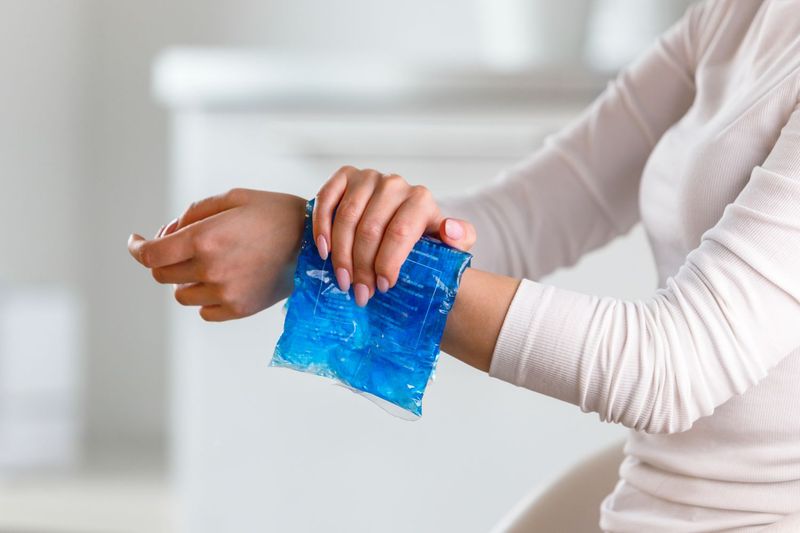
Think of ice as a little fire extinguisher for your skin. Once the area is clean, a cold pack can help calm the burning and reduce swelling.
Wrap ice cubes or a cold pack in a thin towel. Putting ice right on bare skin can cause irritation, so that layer of cloth matters.
Hold the cold pack on the sting for about 10 to 15 minutes. Take a short break, then repeat as needed during the first few hours.
A bag of frozen peas works nicely if you do not have an ice pack. It bends around your hand or arm and stays cold for a good while.
Even in fall, Florida afternoons can feel warm and sticky. Sitting in the shade or air conditioning while you ice the area helps your body relax and cool down overall.
Some people find that the cold makes the sting feel numb, which is a welcome break from the burning.
Keep an eye on the area while you rest. Small blisters or a raised red bump are fairly common, and they often settle down within a day or two with gentle care.
5. Try Baking Soda Paste
Once the spines are removed and the area is clean, a few simple comfort measures can make the next hour or two more bearable.
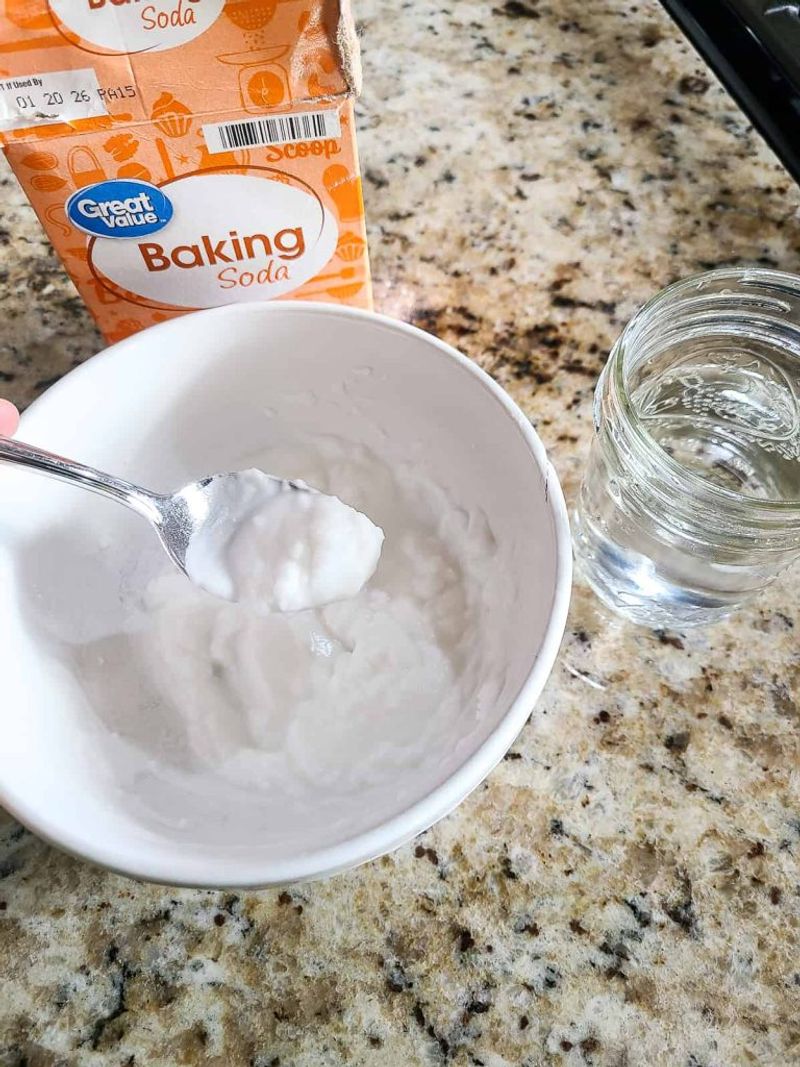
Some people use a baking soda paste on bug stings. Mixing a little baking soda with a few drops of water and spreading it gently over the area may feel soothing, but there is little evidence that it treats a caterpillar sting.
Think of it as a comfort measure at best, and rinse it off with cool water after 15 to 20 minutes.
Hydrocortisone cream from the drugstore is a more common option. It can help calm redness and itching, and many Florida families keep a tube in the medicine cabinet already.
An oral antihistamine may help with itching too. Read the label carefully, and check with a pharmacist if you take other medicines or are treating a child.
Aloe vera gel is another option for its cooling feel. If you grow aloe in a pot on your porch, you can snap off a leaf and use the fresh gel.
Skip harsher home remedies, like rubbing alcohol on broken skin or strong chemicals. Simple and gentle is the way to go here.
6. Watch For Warning Signs Of A Serious Reaction
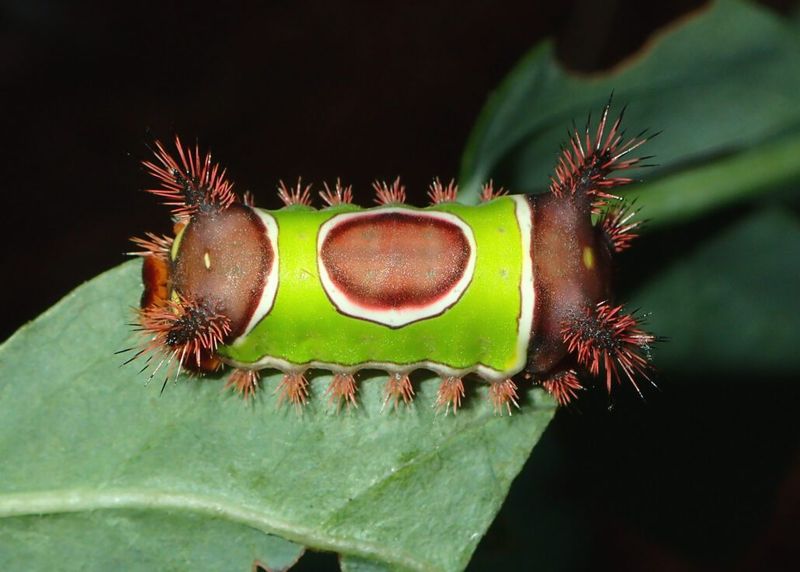
Most saddleback stings are painful but not dangerous. Reactions can vary from person to person, though, so watching closely really matters.
Call 911 right away if you notice trouble breathing, swelling of the lips or throat, dizziness, or hives spreading across the body. Those can be signs of a serious allergic reaction.
Other signs to watch include nausea, a racing heartbeat, or pain that moves well beyond the sting spot. Kids and people with allergies to bee stings may be more sensitive.
The Poison Help line is a great resource and can be reached at 1-800-222-1222. It is a national number that connects you to your local poison center, and experts answer calls day and night and can tell you whether you need to see a doctor.
Keep the caterpillar’s description in mind when you call. Saying it had a green saddle with a brown spot helps them understand what you are dealing with.
If a sting happens near the eyes, see a doctor quickly. Spines in the eye can cause real trouble, and rinsing with clean water is the first step while you get help.
Trust your gut as well. If something feels off or the pain is not easing after a day, getting checked by a doctor is a smart choice.
7. Know Why Fall Brings Saddlebacks To Florida Yards
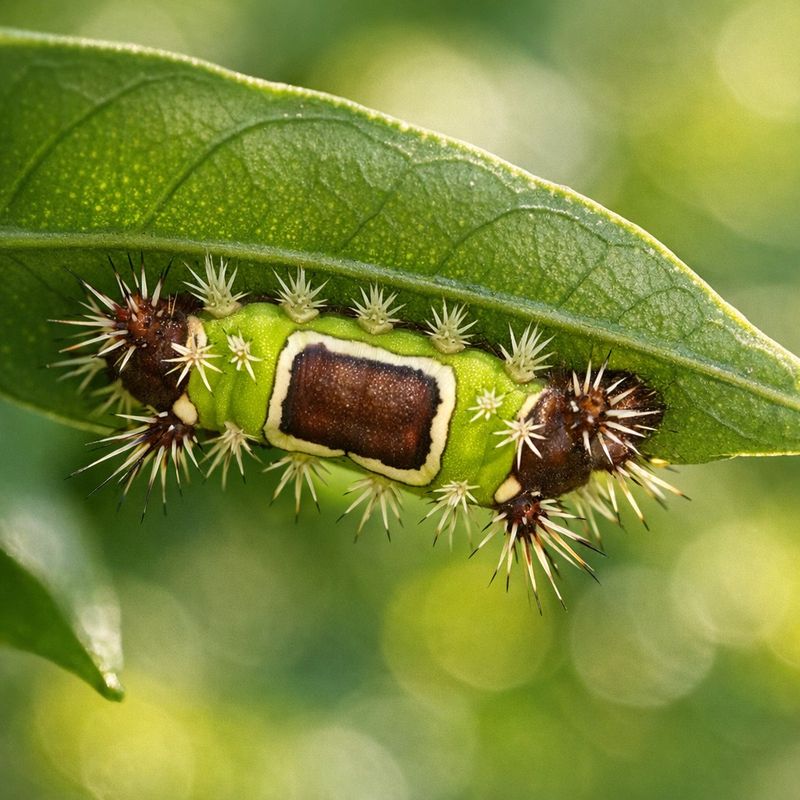
Saddlebacks have perfect timing, at least from their point of view. Late summer through fall is when many of these caterpillars are fully grown and munching away.
In Florida, the mild weather means plants stay leafy much longer than up north. That gives caterpillars a buffet of food well into autumn, so gardeners stay busy outdoors right when the critters are most active.
The saddleback is the young stage of a small brown moth called the saddleback caterpillar moth. After feeding, it spins a cocoon and later turns into a moth that looks fuzzy and plain.
Here is a neat detail. That bright green and brown coloring is a warning sign to birds and other predators, basically saying, “Eat me and you will regret it.”
The spines are its defense system, not a way to attack. Saddlebacks only sting when something brushes against them, like a curious hand or bare arm.
Knowing their habits helps you plan your garden chores. Check the undersides of leaves on shrubs and young trees before trimming, especially during cooler fall mornings.
Once you know what to look for, spotting them gets easier. Many gardeners even start to admire their bold look from a safe distance.
8. Gear Up With Gloves And Sleeves
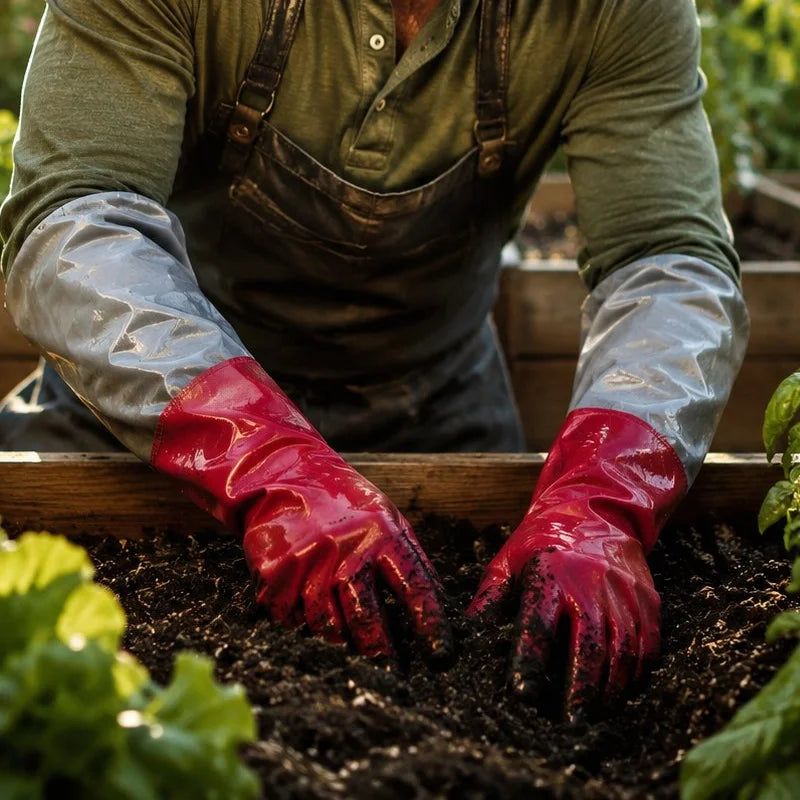
A pair of sturdy gloves can save you a whole afternoon of pain. Protective gear is one of the easiest ways to help prevent stings.
Choose thick gardening gloves made of leather or coated fabric. Thin cotton gloves may not offer much protection against tiny spines, so heavier materials are a safer choice.
Long sleeves help a lot too. Florida fall days can still feel warm, so look for lightweight, breathable shirts that cover your arms without making you overheat.
Consider wearing long pants when weeding near shrubs. Caterpillars sometimes drop onto lower leaves or crawl along stems close to the ground.
Gardening sleeves that slip over your arms are a handy middle option. They are easy to pull on and off and can be tossed in the wash after each use.
Before you start trimming, use a stick or tool to gently move leaves aside. That quick peek can reveal hidden caterpillars without putting your hands at risk.
Teach kids to look but not touch. Children love colorful bugs, and a saddleback looks like a cool little toy, so a simple rule like “hands off fuzzy or spiky bugs” goes a long way.
9. Handle Saddlebacks Safely Around Your Plants
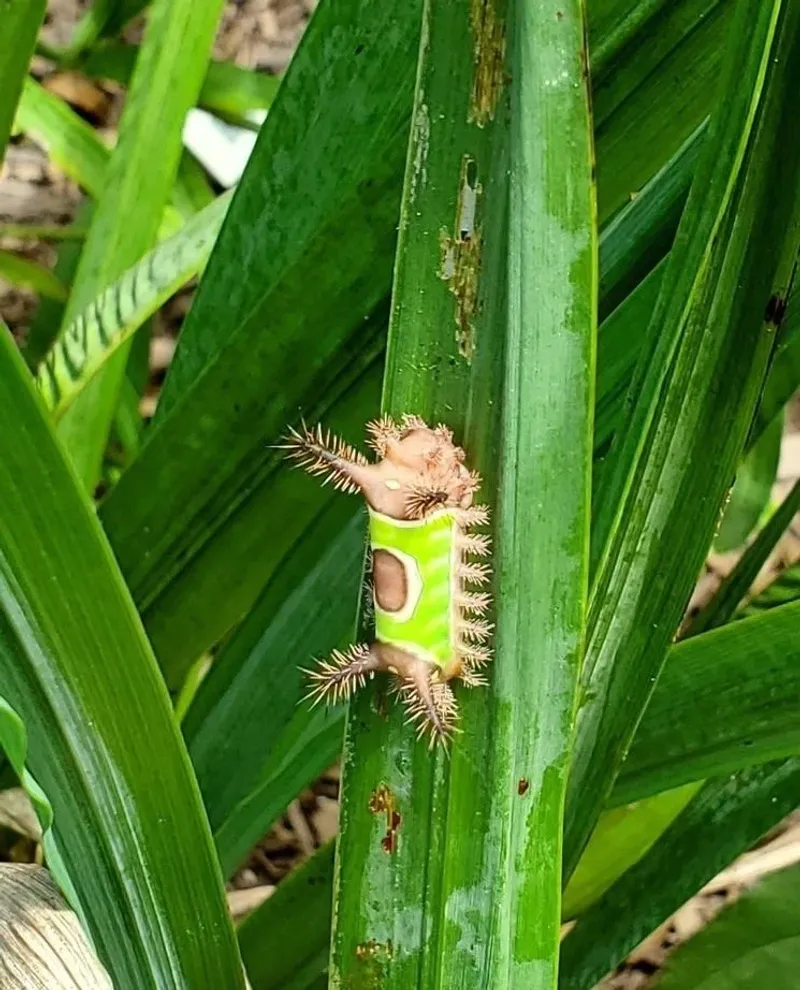
Finding one saddleback often means others are nearby. Before you get back to weeding, it helps to have a plan for dealing with them safely.
Use a pair of long tongs or a stick to move a caterpillar off a plant. Drop it into a jar or bucket of soapy water if you want to remove it from your garden.
You can also simply relocate them to a wild area away from paths and play spaces. Some gardeners prefer that gentler approach, since these caterpillars are part of the local food web.
Inspect favorite host plants once a week during fall. In Florida, that often includes palms, citrus trees, hibiscus, and ornamental shrubs near patios.
Trimming plants so they are not crowded makes caterpillars easier to spot. Good airflow also helps your plants stay healthy overall.
Encouraging birds and helpful insects can keep caterpillar numbers in balance. A birdbath or native flowering plants invite natural helpers to your yard.
Skip heavy chemical sprays when possible. They can harm bees and butterflies, and a few caterpillars are usually easy to handle by hand with the right tools.
With a little caution, your garden can stay a happy, peaceful spot all season long.