The Fall Vegetables Michigan Gardeners Should Seed Before August Arrives
Several fall vegetables reward Michigan gardeners who get seeds into the ground before August officially begins. Carrots and beets both need extra time to develop full, flavorful roots before cooler weather slows their growth.
Kale and collard greens also benefit from an earlier start, allowing plants to establish before the sharpest fall temperature drops.
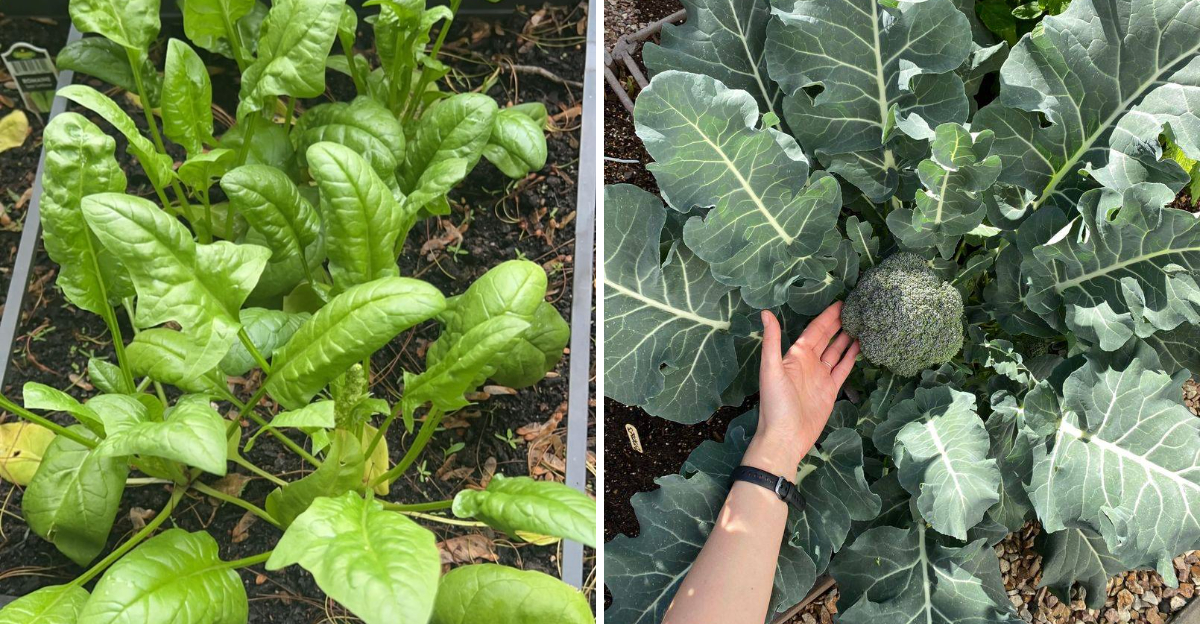
Spinach and leaf lettuce round out the list, thriving as temperatures cool while still needing time to reach a solid harvest size.
Waiting until August often shortens the growing window too much for these particular crops to reach their full potential. Consistent watering during germination helps seeds sprout evenly in the lingering summer heat.
Mulching helps regulate soil temperature as the season begins its gradual shift. Getting a head start now sets up a much stronger fall harvest across the board.
1. Radishes Deliver The Fastest Fall Roots
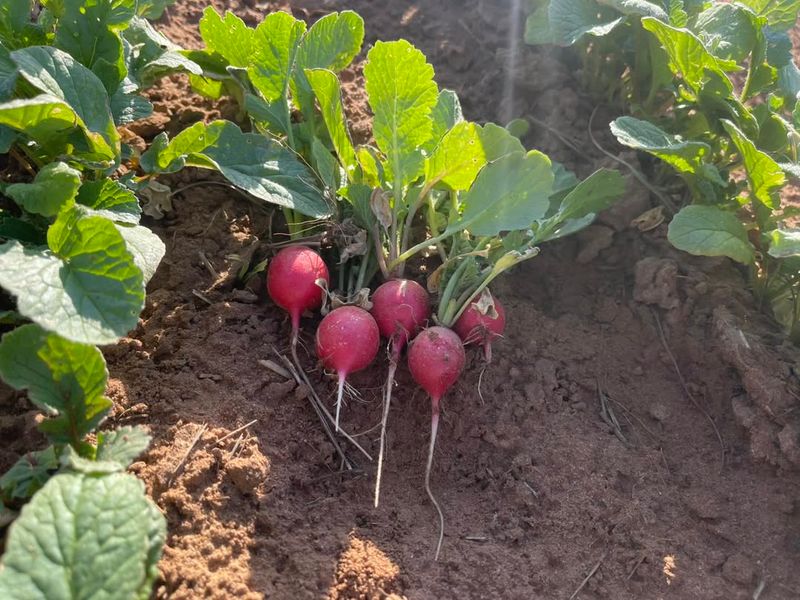
Few vegetables move as fast as the radish. Many small globe varieties go from seed to harvest in roughly 30 days under the right conditions, making them one of the most rewarding crops you can tuck into your late July garden.
That quick turnaround is especially useful in Michigan, where the window between summer heat and the first hard frost can feel surprisingly short.
Warm soil in late July actually helps radish seeds germinate quickly, sometimes sprouting within just a few days. The trick is keeping that seedbed consistently moist from day one.
Radish roots stay crisp and mild-flavored when they grow fast without drying out, but dry spells can make them tough and sharp-tasting. A gentle daily watering during dry stretches goes a long way.
Direct sowing is the only way to go with radishes since they do not transplant well. Scatter seeds thinly in shallow rows, then thin early so each plant has enough elbow room to form a round, plump root.
Crowded radishes end up all top and no bottom. Check the roots frequently as harvest time approaches because they can become pithy or crack if left in the ground too long.
Larger specialty varieties like daikon take considerably more time, sometimes 60 days or more, so read the seed packet carefully before choosing your variety for a late summer sowing.
Sticking with fast-maturing globe types gives you the best chance at a successful fall harvest in Michigan.
2. Turnips Provide Both Greens And Roots
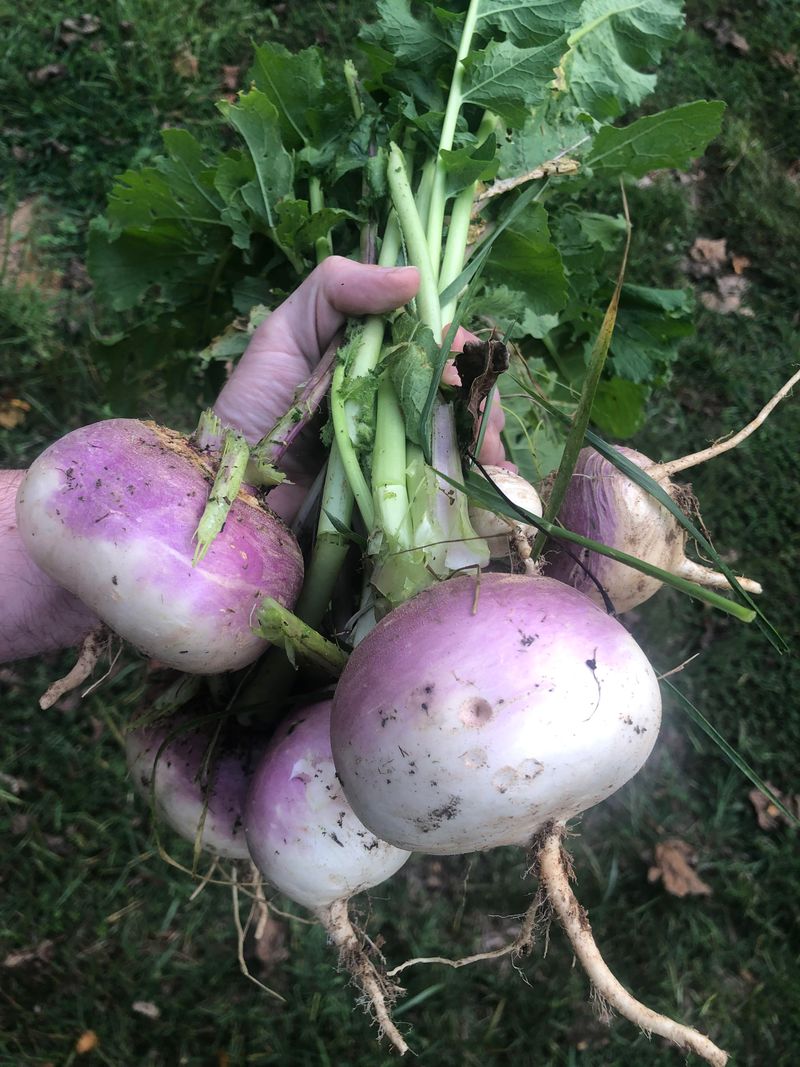
Turnips are one of those underappreciated vegetables that quietly earn their keep in the fall garden.
You get two crops from one planting: tender young leaves you can harvest while the plant is still growing, and a swollen, flavorful root that fills out as the season cools.
That double-duty quality makes turnips a smart choice for any Michigan gardener working with limited space.
Most turnip varieties need around 60 days to reach a mature root size, which is why seeding before August matters so much, especially for gardeners in northern Michigan where fall arrives earlier.
Direct seeding into loose, well-prepared soil gives roots the room they need to expand without resistance.
Consistent moisture is just as important as soil texture since uneven watering can cause the roots to crack or develop a woody texture.
Your Michigan Garden Changes Every Week. Your Plan Should Too.
Gardening in Michigan changes quickly throughout the season. Every Friday you’ll receive a simple weekly plan showing exactly what to plant, prune, fertilize, harvest, and protect so you never miss the right timing.
Thinning is one step many gardeners skip, but it makes a real difference with turnips. Crowded plants will push plenty of leafy growth upward while the roots underneath stay small and disappointing.
Thin based on what you want most from the crop. If greens are the priority, you can keep plants a bit closer together. If you are after full-sized roots, give each plant several inches of space.
Here is a bonus most gardeners love: the thinnings you pull are not wasted. Those young seedlings make tender, mild-flavored greens that are wonderful sauteed or added to a bowl of soup. Nothing goes to waste when turnips are in the garden.
3. Leaf Lettuce Can Be Harvested In Stages
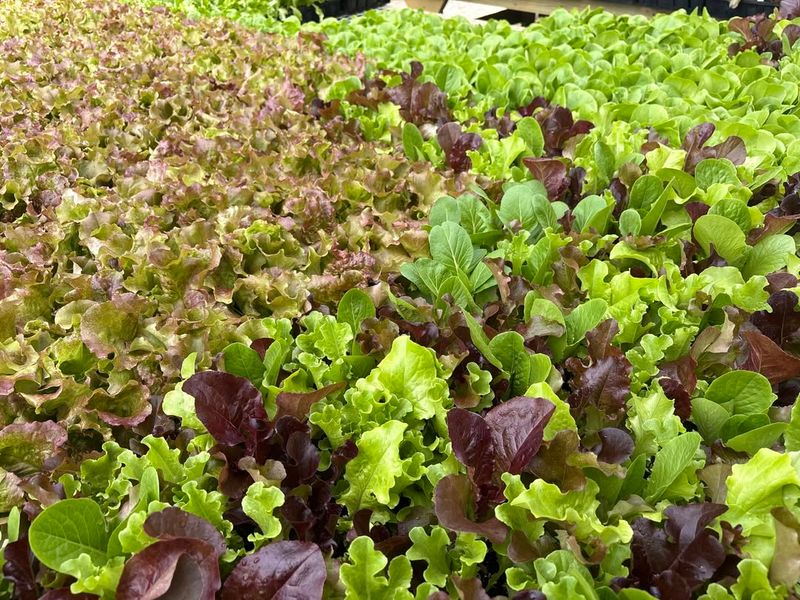
Leaf lettuce is one of the most flexible vegetables a fall gardener can grow. Unlike head lettuce, which needs to form a tight ball before you can eat it, leaf varieties let you start picking baby leaves long before the plant reaches full size.
You can keep harvesting selected outer leaves while the center of the plant keeps producing, stretching one planting into weeks of fresh salads.
The tricky part of a late July lettuce sowing is getting the seeds to germinate in warm soil. Lettuce prefers cooler conditions and can sometimes struggle when temperatures are high.
Shallow sowing helps, since seeds need light to germinate and should barely be covered. Keeping the surface of the soil consistently moist is essential during those first days after planting.
A piece of light row cover or a wooden board laid over the row can help hold moisture and shade the soil slightly until sprouts appear.
Once seedlings are up, afternoon shade from a taller nearby plant or a shade cloth can protect them during the hottest part of summer days. Be careful not to overdo the shade after the plants are established, though.
Too much shade slows growth and makes plants reach and stretch rather than producing thick, flavorful leaves.
Planting small batches every week or two rather than sowing the entire packet at once is a strategy experienced gardeners swear by.
Staggered sowings mean you always have young, tender leaves coming in rather than a single overwhelming flush of lettuce all at once.
4. Beets Offer Edible Roots And Tender Tops
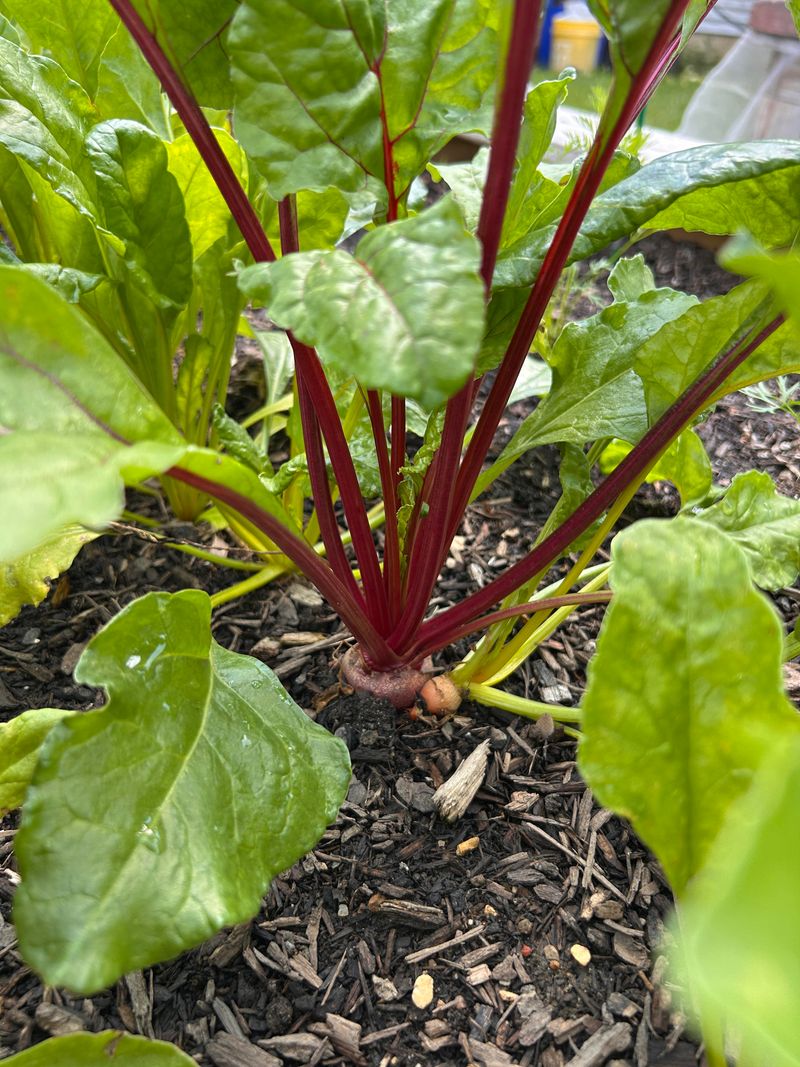
Beets are a two-for-one crop that many gardeners overlook when planning their fall garden. The swollen root is the obvious prize, but the leaves are equally edible and nutritious.
Young beet greens have a mild, slightly earthy flavor and work wonderfully in salads or lightly cooked. A small patch of beets can deliver more than one type of harvest from the same square footage.
Most standard beet varieties need around 60 days from germination to reach mature root size, so timing your late July sowing correctly matters.
Direct sowing into loose, well-loosened soil gives the developing root the best chance to expand evenly and smoothly.
Rocky or compacted soil can cause roots to fork or grow misshapen, which does not affect flavor but does make them harder to peel.
One thing that catches many new gardeners off guard is that what looks like a single beet seed is actually a small cluster that can produce several seedlings at once. Thinning is not optional with beets; it is essential.
Crowded plants will produce beautiful leafy tops but the roots underneath stay small and crowded. Thin to about three to four inches between plants early in the season for the best root development.
Maintain even soil moisture throughout the growing period. Inconsistent watering can lead to tough or cracked roots.
Also, avoid stripping too many leaves from the plant before you are ready to harvest the roots. The leaves help fuel root growth, and taking too many too early can slow the whole process down considerably.
5. Spinach Needs An Early Start For Fall Growth
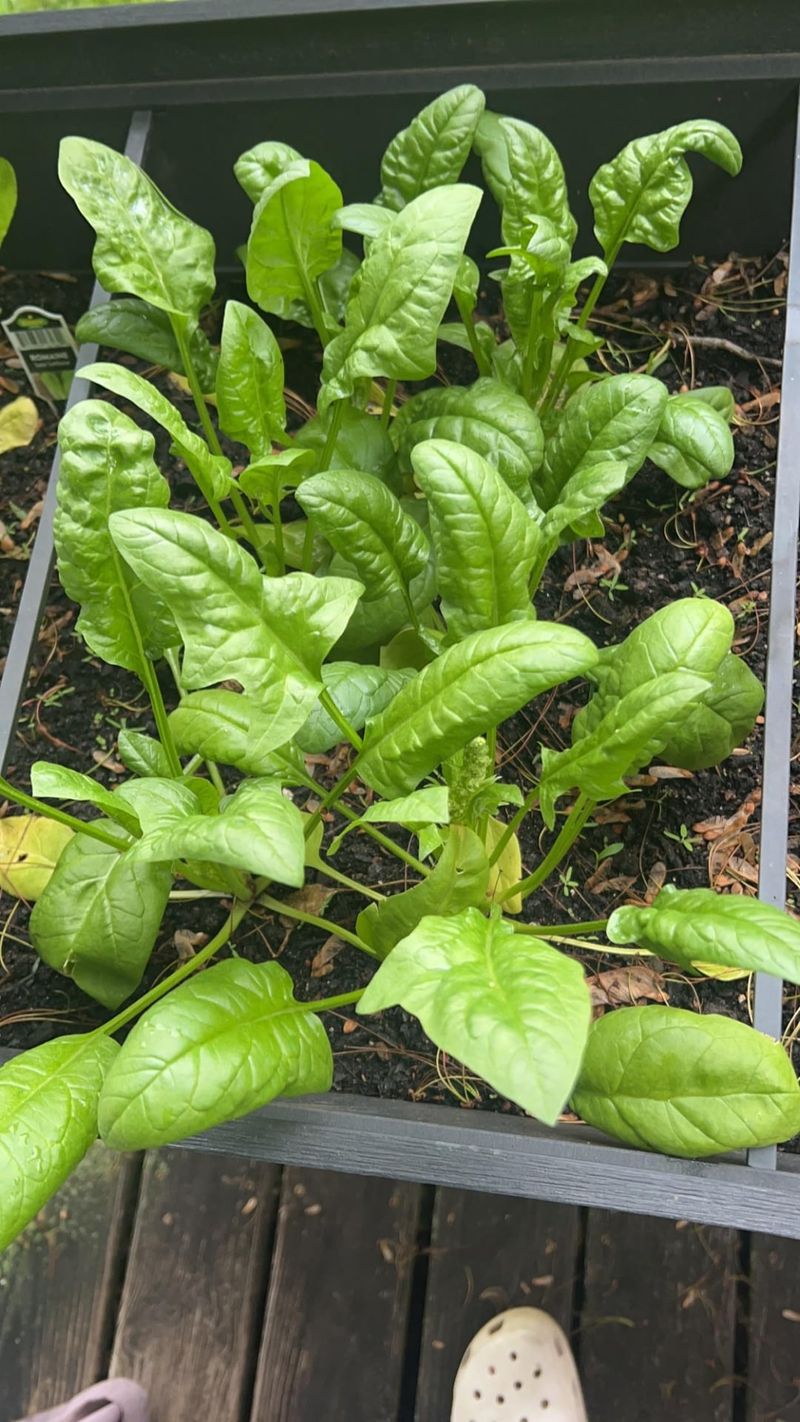
Spinach rewards the gardeners who plan ahead. It is a cool-season crop through and through, and it can be frustratingly slow to germinate when late summer soil is still warm from months of sun.
Northern Michigan gardeners especially need to factor this in because their first frost often arrives well before gardeners further south need to worry about it.
Choosing a variety specifically bred for fall production is a smart first step. Some spinach varieties are more heat-tolerant during germination, which gives them a better chance of sprouting when soil temperatures are still elevated in late July.
Keep the seedbed evenly moist from the moment you sow, and consider using a light shade cloth during the hottest afternoon hours to cool the soil surface down a few degrees. That small effort can make a noticeable difference in germination rates.
If your first planting comes up thin or patchy, do not give up on the season. A second sowing a few weeks later, when temperatures are starting to ease, often performs much better.
Spinach grows quickly once cooler weather arrives and can put on a surprising amount of growth in a short window. Harvesting the youngest outer leaves first encourages the plant to keep producing rather than rushing toward going to seed.
As nights grow colder, a simple row cover can extend your harvest by several weeks. Spinach handles light frost beautifully and actually sweetens up as temperatures drop, making those late-season leaves some of the best you will taste all year.
6. Kale Improves As Michigan Weather Cools
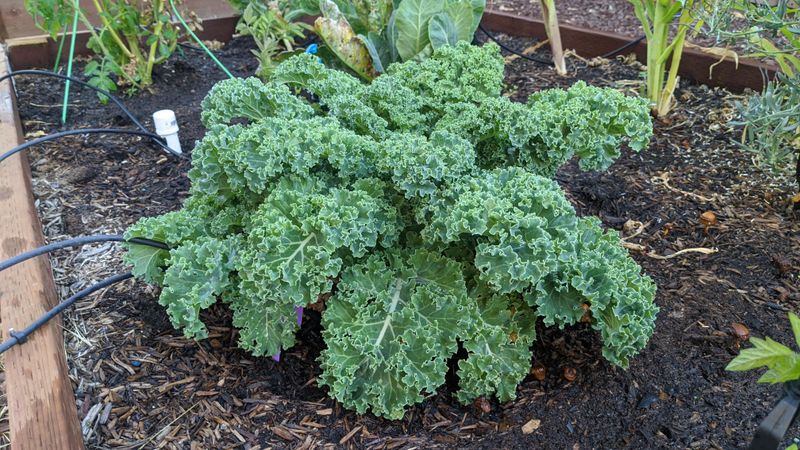
Kale is one of those crops that actually gets better as the season gets harder.
While many warm-season vegetables struggle once temperatures drop, kale responds to light frost by converting some of its starches into sugars, producing leaves that taste noticeably sweeter and more complex than anything harvested in summer heat.
Michigan gardeners who seed kale in late July get to enjoy that flavor transformation firsthand.
The plant needs time before cold weather arrives to build a strong, full rosette of leaves. Most varieties require around 60 days to reach a mature harvest size, though you can begin snipping small leaves well before that point.
Starting seeds in small containers during the most intense heat of late July and then transplanting once temperatures ease slightly can give seedlings a more comfortable start.
Direct sowing works too as long as you keep the seedbed consistently moist. Spacing matters more than many gardeners expect.
Kale plants grow large, and crowded plants compete for nutrients and airflow, which can invite disease and slow development. Thin or transplant to give each plant plenty of room to spread.
Once established, kale is relatively low maintenance, but it does attract cabbage family insects like cabbage worms and aphids, so inspect leaves regularly and address any pest pressure early before it gets out of hand.
Varieties like Lacinato, Red Russian, and Winterbor all perform reliably in Michigan fall gardens.
Each one has a slightly different leaf texture and flavor profile, so growing two varieties side by side is a fun way to find your personal favorite.
7. Broccoli Needs Time To Build A Large Leaf Canopy
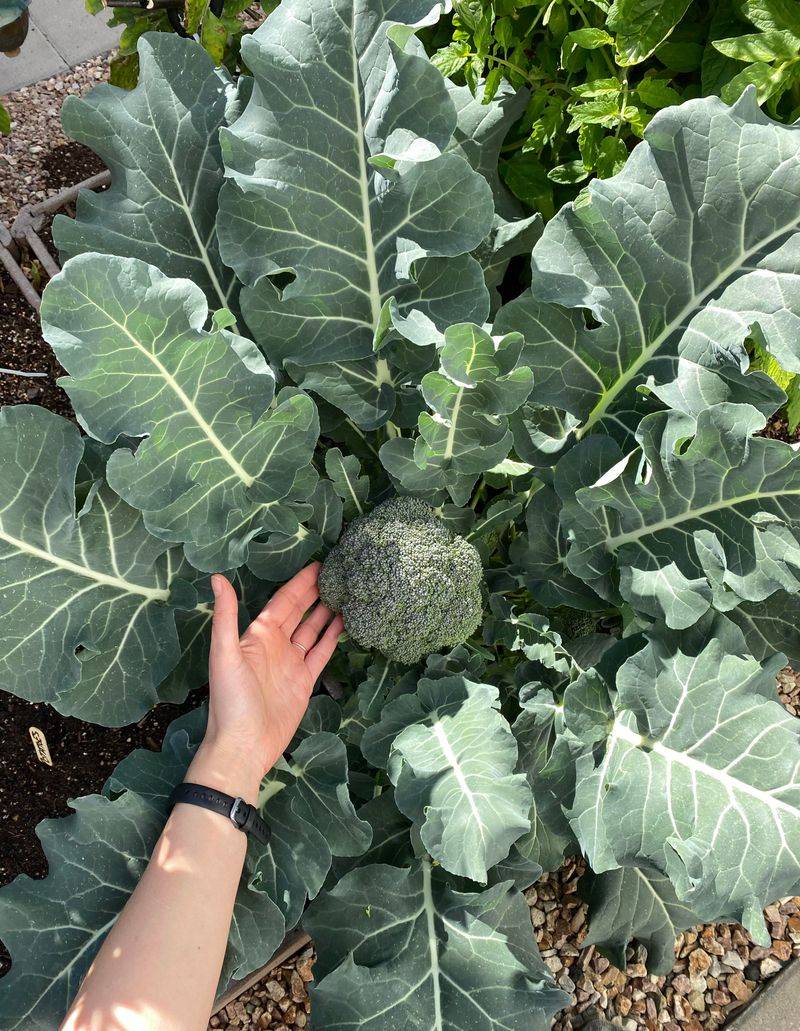
Broccoli is not a crop that forgives a late start. Before that beautiful green head forms in the center of the plant, broccoli must first grow a broad, healthy canopy of leaves.
Those leaves are what power the head’s development, and without enough of them, the head stays small or fails to form properly. Giving the plant enough time to build that leafy structure is the whole game with fall broccoli in Michigan.
Maturity estimates on seed packets can be confusing because some are calculated from transplanting rather than from the date of seeding. A variety listed as 60 days to maturity may actually need 80 to 90 days from seed.
Reading the packet carefully and doing the math against your expected first frost date is an important step before you even open the seed envelope.
Starting seeds in small protected containers during the hottest stretch of late July can give young plants a better environment than direct sowing into hot, dry garden soil.
Once the seedlings have developed a few true leaves and outdoor temperatures are slightly less intense, gradually introduce them to outdoor conditions over several days before transplanting.
This adjustment period helps prevent transplant shock and keeps growth moving steadily forward.
Cabbage family pests love broccoli, and row cover placed over transplants right after planting can block egg-laying insects before they become a problem. Check under leaves regularly for small green worms, which blend in surprisingly well.
Catching pest pressure early keeps the plant healthy and on track for a full, satisfying fall harvest before Michigan’s frost calendar runs out.
8. Collards Reward Gardeners Who Plant Early
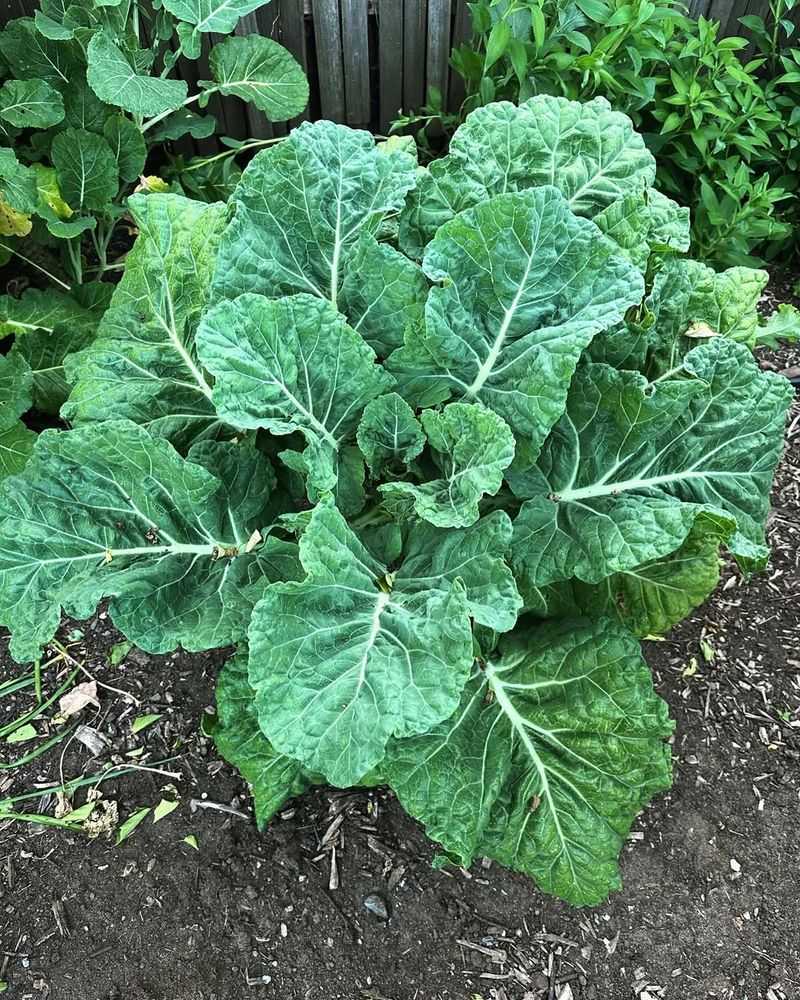
Of all the vegetables on this list, collards are the ones that demand the most patience and the earliest possible start. Unlike kale, which can be harvested in about 60 days, collards can take close to 100 days to reach a full, mature harvest.
That long growing window means that in Michigan, especially in the Upper Peninsula and the northern Lower Peninsula, every single day of the season counts.
The good news is that collards are more tolerant of late summer warmth than most other cool-season crops. They can handle the heat of July and early August without bolting or becoming bitter the way lettuce or spinach might.
That resilience makes them a reliable choice even when the weather is not cooperating perfectly.
Seed directly into the garden during July, keep the soil consistently moist, and thin plants to give each one adequate room to develop its wide, substantial leaves.
Once plants are established, applying a layer of mulch around the base helps retain soil moisture and keeps shallow roots from drying out between waterings.
Collards are not heavy feeders, but steady moisture throughout the season is what keeps leaves tender and flavorful rather than tough and chewy.
Gardeners in southern Michigan have a longer growing window and can push their seeding date slightly later, but those in the Upper Peninsula and northern counties should aim to get seeds in the ground as early in July as possible.
Outer leaves can be gathered before the plant reaches full size, giving you a running start on the harvest while the plant keeps growing toward its full potential.