These Florida Yard Mistakes Can Attract More Black Widows to Your Home
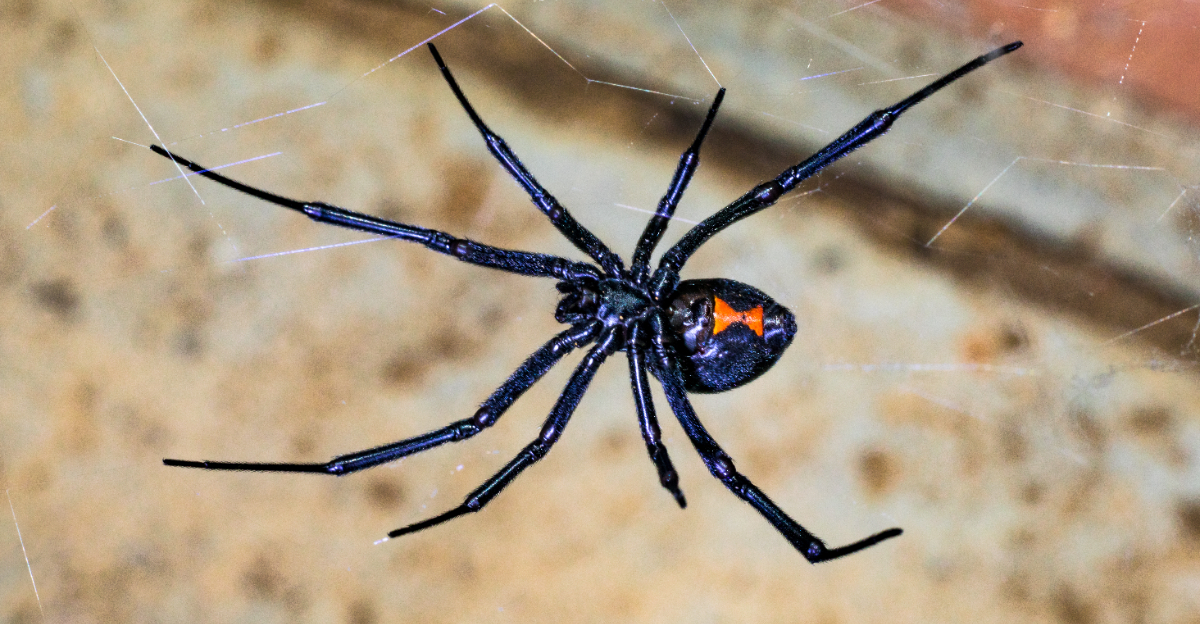
Florida black widows do not break into yards. They get invited in.
Not intentionally, but through a specific set of yard mistakes that create exactly the shelter, prey, and undisturbed space they are looking for. Remove one black widow and another finds the same spot within a season.
Nothing changed about what made the yard attractive. The spider just got replaced.
That cycle stops when the yard stops being the right environment. Not with spray.
Not with traps. With a clear look at what is out there right now and what it is quietly offering to a spider that most Florida homeowners would pay good money to never see again.
Several common yard habits are doing most of the damage. None of them look like an open invitation from the outside.
That is exactly what makes them worth knowing about before the next one turns up in the wrong place.
1. Leaving Clutter Beside The House
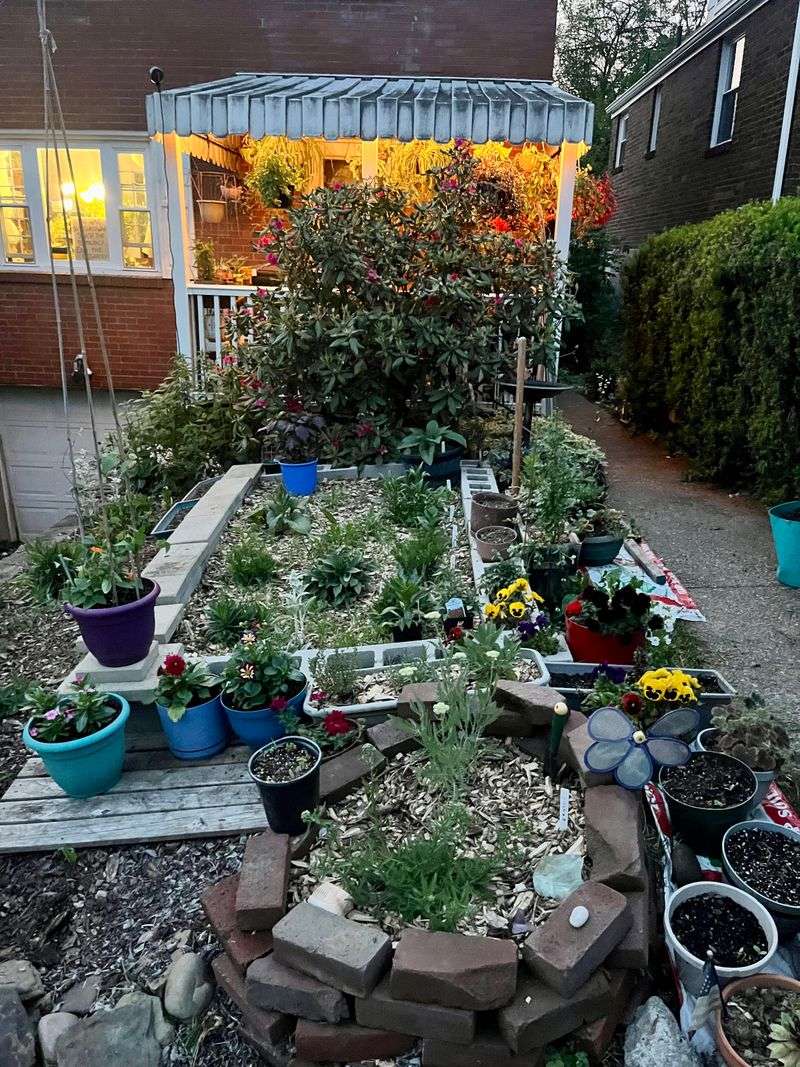
Piled-up bins, cracked pots, stacked boards, old tarps, and forgotten garden supplies can do more than make your yard look messy. When objects sit undisturbed against a house wall for days or weeks, the gaps become sheltered, dark spaces.
Widow spiders may build webs and stay hidden there.
Widow spiders generally prefer spots that are protected from rain, wind, and foot traffic. A stack of plastic containers pushed against a foundation wall near a garage vent or door threshold can check every one of those boxes.
The closer that clutter sits to an entry point, the easier it is for spiders to move between outdoor hiding spots and indoor spaces.
Sorting through stored items regularly is one of the most effective prevention steps you can take. Wear sturdy gloves before moving anything that has been sitting undisturbed.
Do not reach blindly under stacked objects. Lift items from the side when possible, using a tool to tip them first.
Move stored items away from walls so there is open space between the objects and the foundation. Keeping that gap clear and visible makes it much harder for spiders to settle in unnoticed.
A little organization around the perimeter of your Florida home goes a long way toward reducing sheltered hiding spots close to where you live.
2. Stacking Firewood Too Close To Doors
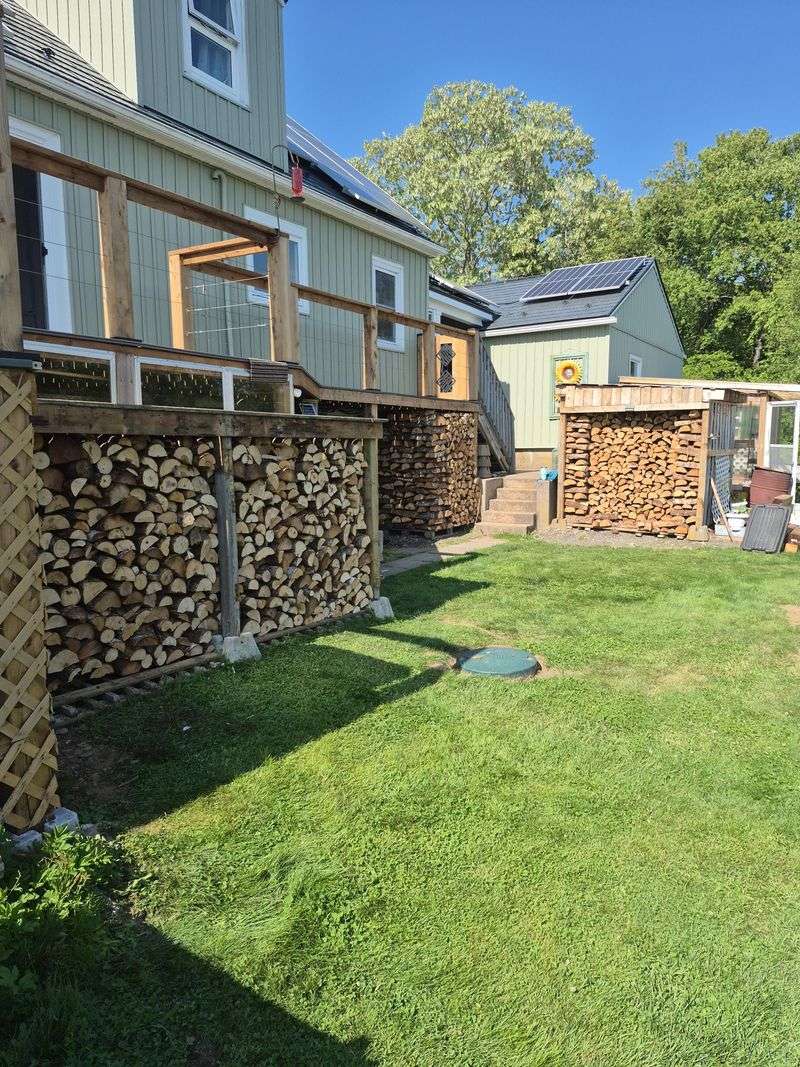
Firewood beside your front door or garage entry might feel convenient on a cool evening. But that pile is one of the best-known spider shelters you can create.
Loose bark, dry cracks between logs, and shaded gaps inside a wood stack offer exactly the kind of protected, low-traffic space where widow spiders tend to settle in.
Pallets and rough lumber left near Florida porches or side yards carry the same risk. The wood itself is not the problem.
The issue is the combination of dark crevices, dry shelter, and minimal disturbance. When a wood stack sits close to a door or a garage opening, spiders living inside it have a short path to move indoors, especially during weather changes.
Storing firewood at least a few feet away from the house is a widely recommended practice from pest management and extension sources.
Your Florida Garden Changes Every Week. Your Plan Should Too.
Gardening in Florida changes quickly throughout the season. Every Friday you’ll receive a simple weekly plan showing exactly what to plant, prune, fertilize, harvest, and protect so you never miss the right timing.
Raising wood off the ground on a proper rack helps reduce moisture and limits contact with soil-dwelling insects that widow spiders feed on.
Cover the top of the stack to keep it dry, but leave the sides open for airflow. Before bringing any piece of wood indoors, inspect it carefully and shake it gently.
Wear gloves during this process. Checking each log before carrying it inside takes only a moment and can prevent an unwanted encounter near your door.
3. Ignoring Dark Corners In Sheds
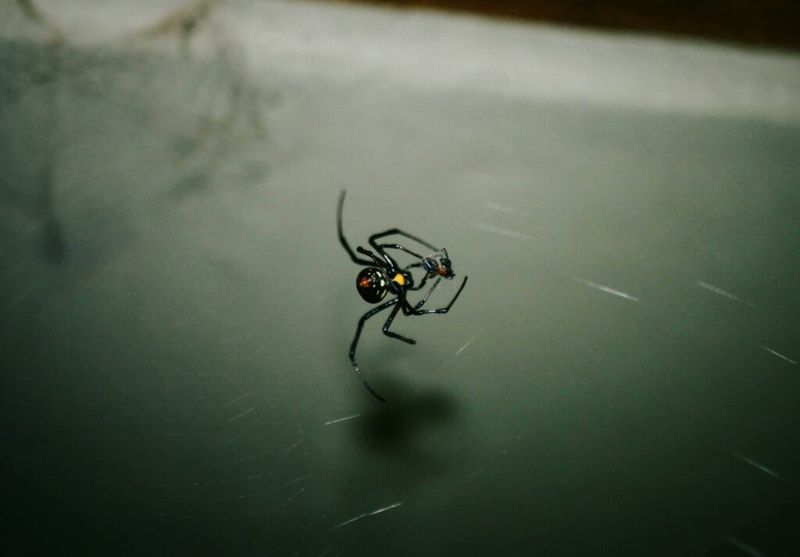
Most Florida homeowners only visit their shed when they need something. That irregular traffic pattern is exactly what makes sheds such a common spot for widow spiders.
Low disturbance, permanent shelter, and a steady supply of insects drawn to stored food, pet supplies, or compost materials make shed corners very appealing habitat.
Dark corners behind shelves, undersides of workbenches, gaps around old boxes, and rarely moved hanging tools all deserve attention. Widow spiders typically build irregular, tangled webs low to the ground or in sheltered corners rather than in open, well-lit spaces.
A flashlight and a careful look around the perimeter of your shed can reveal webs you might otherwise miss entirely.
Regular cleaning makes a real difference. Clear out boxes you no longer need, store remaining items in sealed plastic containers instead of open cardboard, and improve lighting where possible.
Before grabbing any tool that has been hanging unused for a while, tap the handle against the ground first and check the grip area carefully. Wear gloves during any shed cleanup session.
Sealing gaps around door frames, windows, and utility openings reduces the number of entry points available.
If widow spiders are consistently found in your shed despite regular cleaning, contacting a qualified pest professional for targeted guidance is a reasonable next step.
4. Letting Brush Piles Sit Too Long
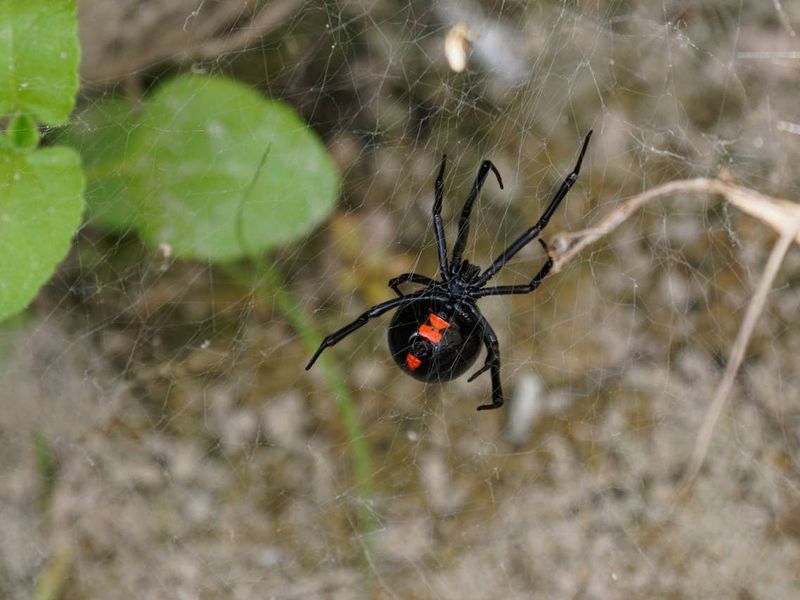
After a storm or a big yard cleanup, it is tempting to pile branches, palm fronds, and old plant material in a corner of the yard and deal with it later.
A few days can easily stretch into weeks, and by then that pile has become a layered, sheltered structure with plenty of dry, tangled pockets inside.
Brush piles create the kind of low-disturbance outdoor habitat where widow spiders and many other arthropods can settle in comfortably. The problem is not just the spiders living in the pile itself.
When someone eventually grabs an armful of debris by hand, they may disturb a web or press against a spider that had no room to retreat. That is when bites are most likely to occur.
Timely removal is the most practical solution. If a brush pile needs to sit for a few days before pickup, keep it away from the house, the garage, and high-traffic areas of the yard.
Use long-handled tools rather than bare hands when breaking down or loading debris. Wear gloves, long sleeves, and closed-toe shoes during yard cleanup.
Tongs or rakes work well for moving tangled material without direct hand contact. A balanced approach works best here.
Not every corner needs to be stripped bare, but debris piles close to the house or play areas should be cleared promptly and handled with care.
5. Keeping Outdoor Furniture Undisturbed
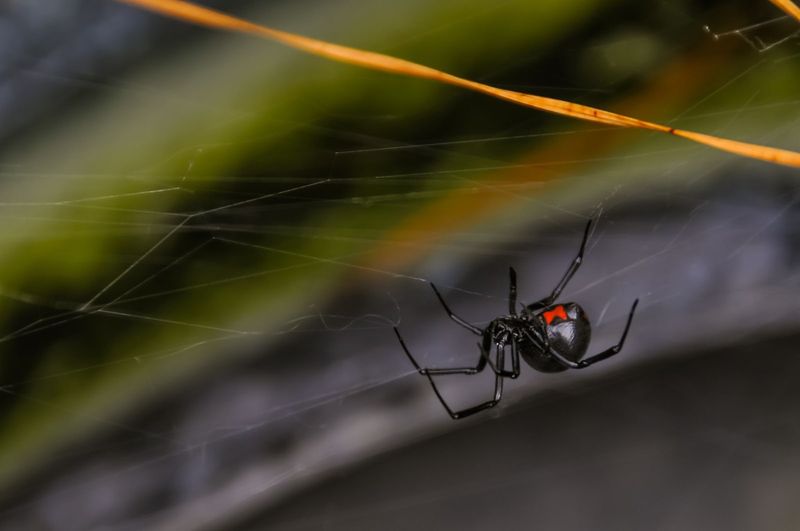
Patio furniture that sits untouched for a few weeks can quietly become a favorite hiding spot for widow spiders. Chair undersides, cushion folds, storage-bench seams, and collapsed umbrella frames all offer dark, sheltered spaces.
These spots stay dry and rarely get disturbed.
Pool decks, lanais, covered porches, and screened patios are common areas where this happens. Furniture gets pushed to the side at the end of the season, or a few chairs get left in a corner after a gathering, and nobody moves them again for several weeks.
That kind of consistent stillness is exactly what widow spiders prefer when choosing where to build a web.
Getting into the habit of checking furniture before sitting down is one of the simplest protective habits you can build. Flip chairs over carefully using a gloved hand or a tool before grabbing the seat.
Shake out cushions before placing them on chairs. Pull back furniture covers slowly rather than yanking them off quickly.
Use a broom or a long-handled brush to sweep webs from undersides and corners rather than wiping with a bare hand. Keeping furniture in regular use or moving it occasionally disrupts any web-building attempts.
Cleaning webs promptly also removes egg sacs before they can develop further, which is a helpful long-term step.
6. Leaving Gloves And Shoes Outside
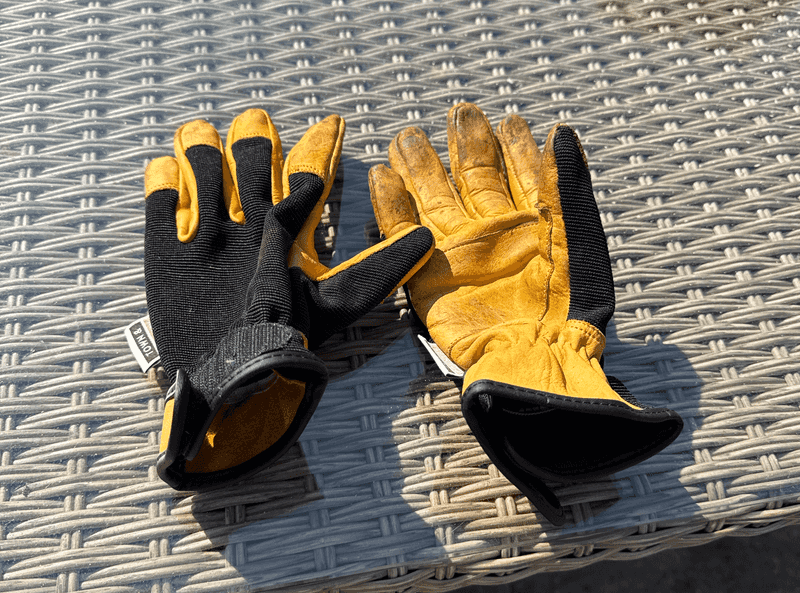
Leaving a pair of work gloves on the porch railing or garden boots beside the back door overnight seems harmless enough. But a glove or shoe that sits outside in a sheltered spot for even a few hours can become a hiding place for a spider looking for a dark, enclosed space to rest.
Bites from widow spiders often happen when a spider is accidentally pressed against skin, according to information from UF/IFAS and other extension sources.
Reaching a hand into a glove without checking it first, or sliding a foot into a boot left outside, creates exactly that kind of sudden contact.
The spider has no way to escape quickly, and a defensive bite can result.
Storing gloves, boots, shoes, and any clothing left outside in a sealed bin or bringing them indoors after each use is the safest habit to build. If items have been left outside, give them a firm shake over the ground before putting them on.
Do not shake them near your face or body. Use a stick or tool to tap the inside of boots before reaching in.
Check the inside of gloves by turning them inside out carefully. Teaching children not to put on outdoor shoes or gloves without checking them first is also a worthwhile safety habit.
A few seconds of attention before getting dressed for yard work can make a real difference.
7. Letting Dense Plants Hide Entry Points
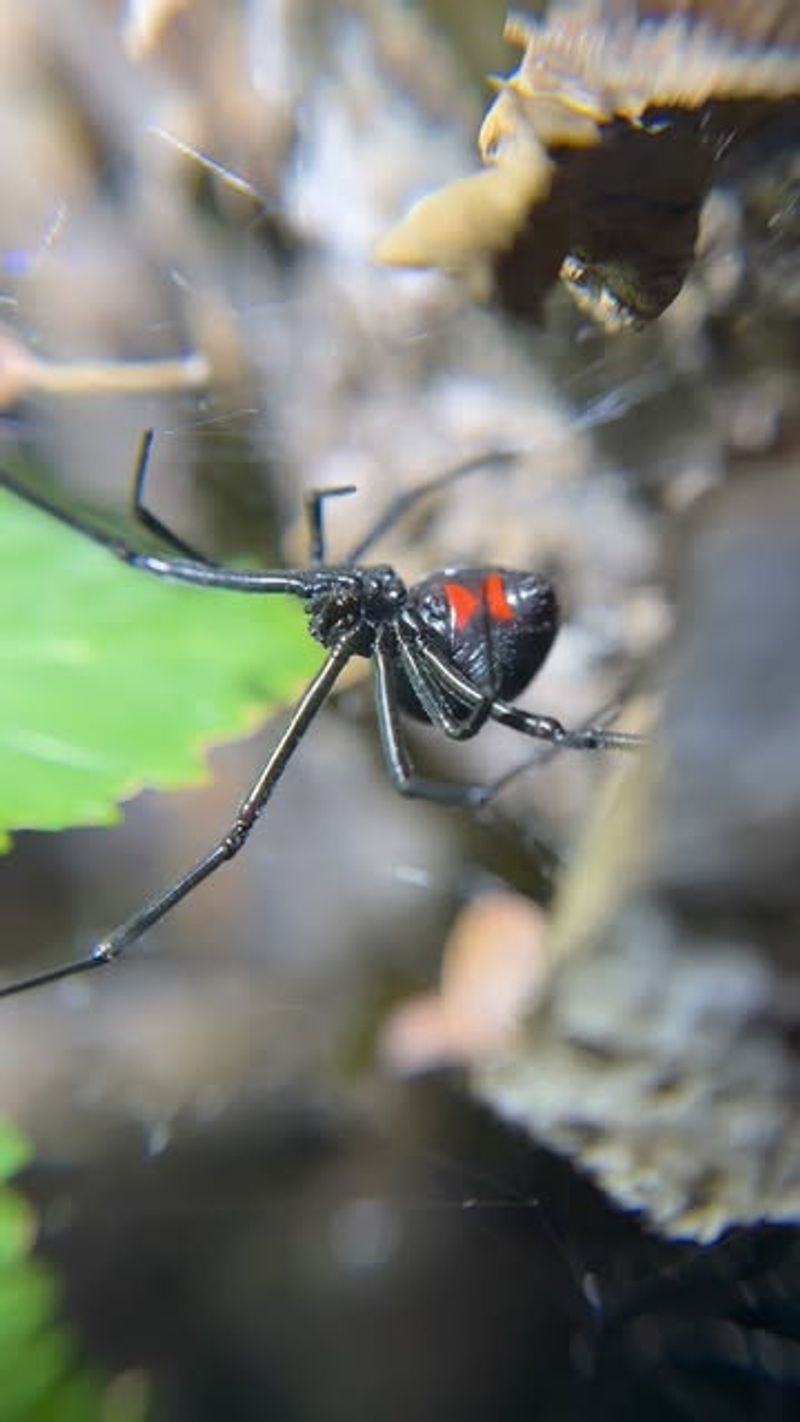
Thick shrubs, climbing vines, tall weeds, and overgrown foundation plantings can do more than block the view of your Florida home’s exterior.
When plants grow dense and close to the wall, they hide the gaps, vents, drains, and door thresholds that you actually need to see and maintain.
Out of sight can quickly mean out of mind, and that is when problems develop.
Plants themselves are not the issue. The concern is what grows behind them.
Dense vegetation close to a wall creates shaded, sheltered, low-traffic zones where webs can form undisturbed. It also makes cracks in the foundation, damaged screens, and gaps around utility pipes much harder to spot.
Those openings can let spiders and insects move closer to the home.
Trimming shrubs and ground-level plants back from the foundation by at least a foot or two improves airflow, reduces shade along the wall, and keeps entry points visible.
Clear weeds and vine growth from around door frames, garage edges, and utility access points on a regular schedule.
Once the vegetation is trimmed back, take a careful look at the exposed wall for any gaps or cracks and seal them with appropriate materials.
Keeping entry areas open and well-lit makes inspections easier and reduces the sheltered hiding spots that widow spiders tend to favor near the house.
Visibility is one of the most underrated prevention tools a Florida homeowner has.
8. Forgetting To Check Before Reaching
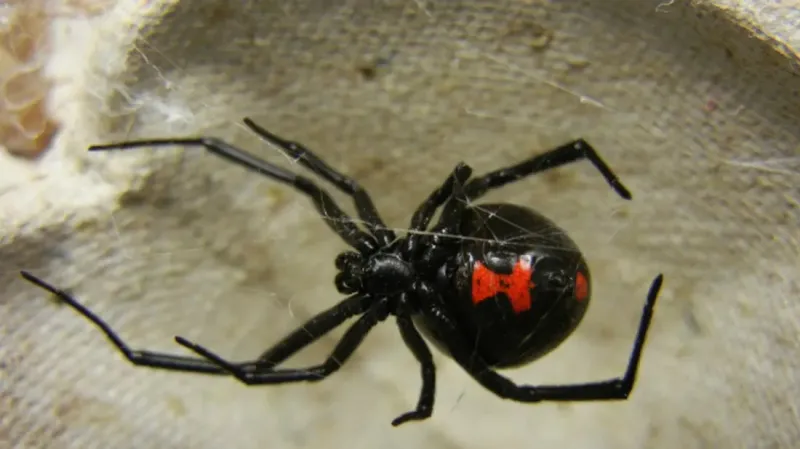
Of all the habits on this list, checking before you reach is the one that matters most in the moment. A flashlight in a dark shed corner, a look under a storage box, or a tap on a garden pot can make a real difference.
These checks matter when widow spiders are a concern.
Widow spiders do not chase people. They typically stay in their webs or retreat when disturbed.
Most bites happen because someone reaches into a space without looking first, presses against a web accidentally, or picks up an object that a spider was resting under.
Slowing down for just a few seconds before grabbing outdoor items is a straightforward way to reduce that risk considerably.
Use a stick, rake handle, or similar tool to tip objects before grabbing them with your hand. Wear gloves during any outdoor task that involves moving stored materials, garden items, or debris.
Use a flashlight when checking inside boxes, behind shelving, or in low-lit shed corners. Teach children not to reach into outdoor storage bins, under furniture, or into piles of yard debris without an adult checking first.
If widow spiders are found repeatedly near high-use areas of your yard despite regular cleanup efforts, contacting a licensed pest professional is a sensible step. Awareness and calm, consistent habits are far more useful than alarm.
Widow spiders deserve respect, not panic, and a little attention goes a long way.