The Late-Summer Michigan Planting Tricks That Makes Garden Beds Less Inviting To Deer
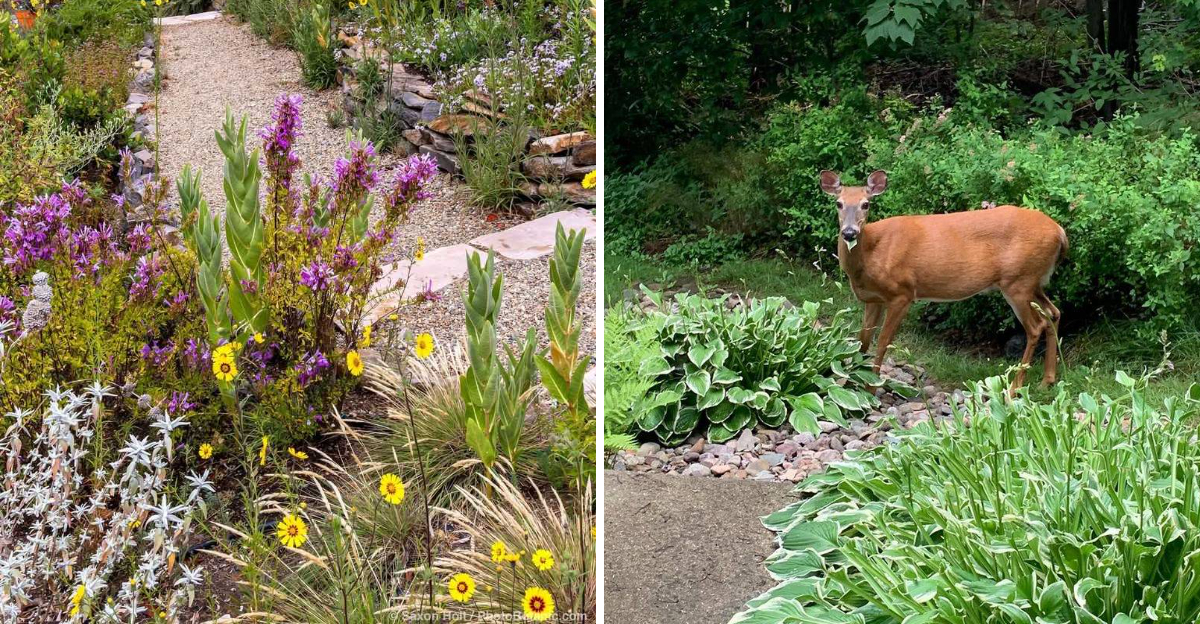
Mixing strongly scented plants throughout garden beds is one of the most effective late summer tricks for discouraging deer in Michigan yards.
Herbs like sage, thyme, and lavender release fragrances that deer generally find unappealing, masking the scent of more vulnerable plants nearby.
Planting these deterrents around the perimeter of a bed creates a natural barrier that deer are less likely to cross. Interspersing textured or fuzzy leaved plants throughout the bed, rather than grouping tender plants together, also reduces overall appeal.
Deer tend to avoid areas that feel unpredictable or unfamiliar, so varying plant types adds another layer of protection. Rotating vulnerable plants to different spots each season can further disrupt established deer patterns.
Combining these tricks works better than relying on any single method alone. A little strategic planning now can save garden beds from repeated late summer damage.
1. Replace The Walk-Up Buffet With A Broad Buffer
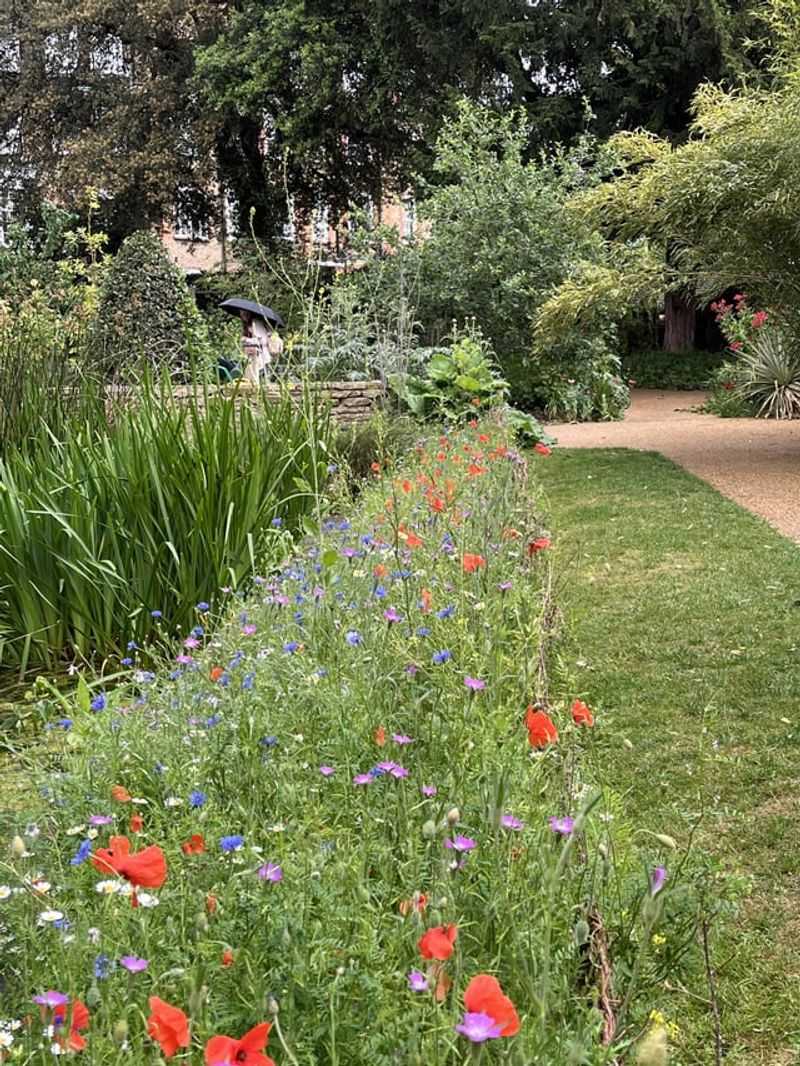
Picture your garden bed from a deer’s perspective. A single row of hostas or roses sitting right next to open lawn is basically an invitation to a free meal.
There is no effort required, no obstacles, and nothing to make the visit feel risky or complicated.
Widening that bed and filling it with a mix of plants changes everything about that experience. A deeper planting with varied heights, bold textures, and strong fragrances creates a much more confusing and less convenient space to browse.
Deer prefer quick, easy feeding, and a wide layered bed slows that process considerably.
Late summer is actually a great time to start this kind of redesign in Michigan. Nurseries often carry perennials and ornamental grasses at reduced prices, and cooler temperatures help new plants settle in before the ground freezes.
You can begin by simply adding two or three rows of mixed plants to your existing bed rather than rebuilding it entirely.
Focus on filling the outer edge, the part closest to the lawn or open yard, with plants that have strong scents, coarse leaves, or unusual textures.
Save your prized hostas, roses, or daylilies for the interior of the bed, tucked closer to the house where deer are less comfortable venturing.
This buffer approach will not eliminate browsing entirely where deer pressure is heavy, but it genuinely reduces how often and how deeply they enter your planting beds.
2. Mass Less Preferred Plants Instead Of Scattering Them
One isolated clump of catmint surrounded by hostas is a bit like hiding a single healthy snack inside a candy store. The deer will simply step around it and head straight for what they actually want.
Spreading a few deterrent plants randomly through a bed rarely creates any real obstacle. Grouping less preferred plants together in bold masses is a far more effective strategy.
When deer encounter a large section of the bed that offers little they enjoy, they are more likely to move on rather than push through searching for something better.
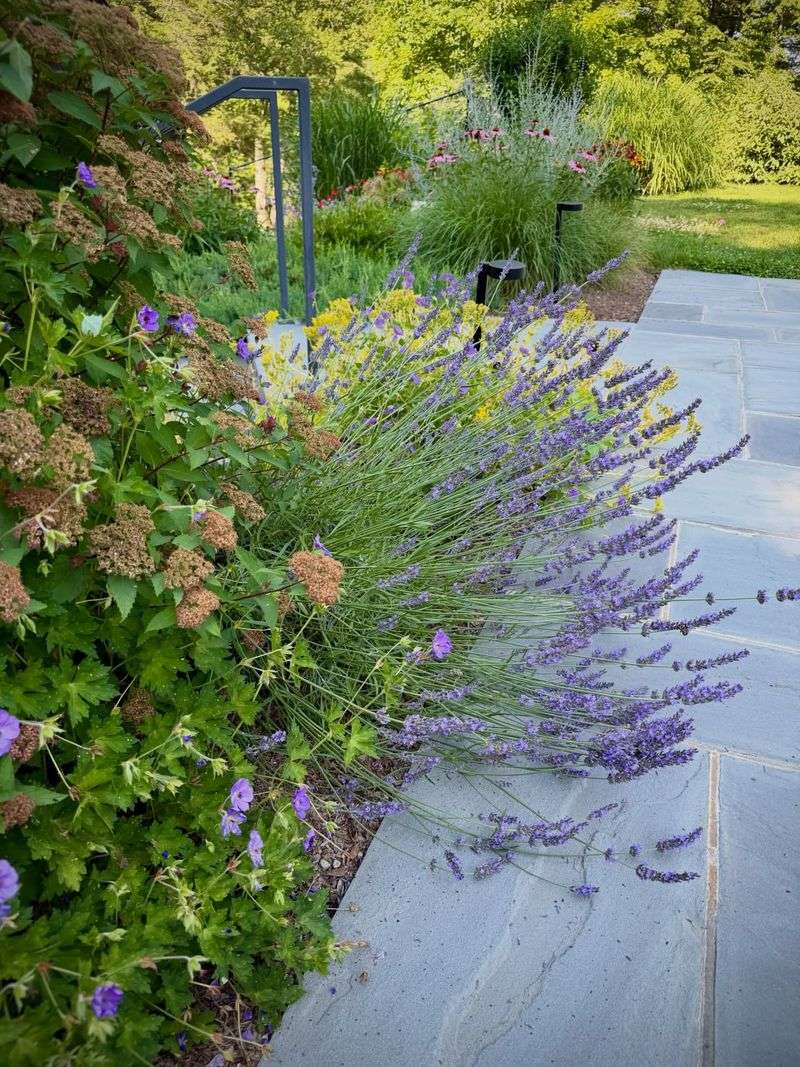
The goal is to reduce the obvious food rewards in any given area of your garden. Aromatic herbs like sage, thyme, and lavender work well when planted in generous clusters rather than single specimens.
Your Michigan Garden Changes Every Week. Your Plan Should Too.
Gardening in Michigan changes quickly throughout the season. Every Friday you’ll receive a simple weekly plan showing exactly what to plant, prune, fertilize, harvest, and protect so you never miss the right timing.
Ornamental alliums, sedums, and native ferns are also solid choices for Michigan gardens, especially when grouped in patches of three to five or more plants.
Repeating these groups throughout the bed creates a consistent pattern of less appealing browsing territory.
Before planting anything new in late summer, take a moment to check that your chosen plants match your specific site conditions.
Michigan gardens vary widely in sunlight exposure, drainage quality, and winter hardiness zones, and a plant that thrives in Ann Arbor may struggle in Traverse City.
Verify mature size, cold tolerance, and soil needs before purchasing. No plant is completely off the menu for hungry deer, but massed plantings of less preferred species genuinely reduce the appeal of your beds.
3. Put Deer Favorites Deeper Inside The Bed
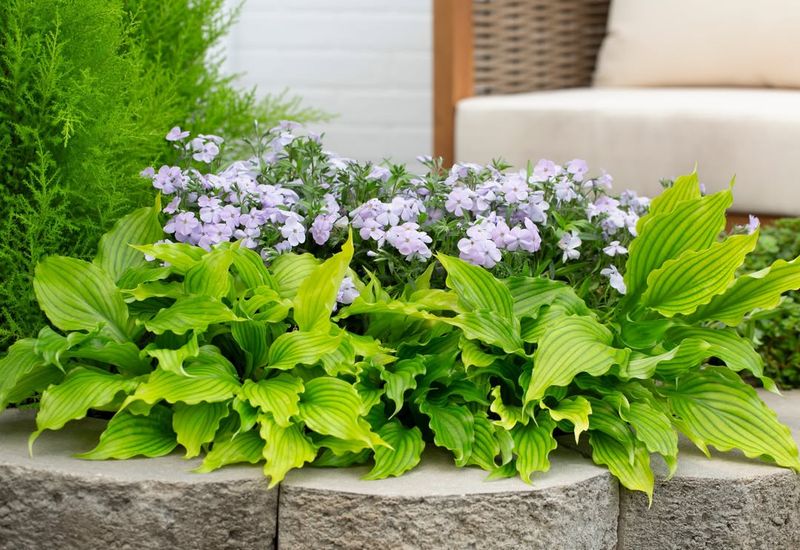
Hostas are basically deer candy. Daylilies, hydrangeas, and roses are not far behind on the list of plants that disappear overnight in Michigan yards with regular deer activity.
Knowing this, it makes sense to stop placing these favorites right at the edge of the bed where they are easiest to reach.
Moving beloved plants deeper into the bed, closer to the house or behind a layer of less preferred species, puts a little extra distance between deer and their preferred snacks.
Deer do not like to feel exposed or trapped, and venturing deeper into a garden bed near a building or light source adds a layer of discomfort to the feeding experience. It will not stop a truly hungry animal, but it does shift the odds in your favor.
The outer edge of your bed is prime real estate for plants with strong scents, coarse textures, or spiny stems.
Think ornamental grasses, catmint, Russian sage, or native ferns along the perimeter, with your hostas and hydrangeas tucked a foot or two farther back.
Even a modest change in placement can reduce how often deer reach your most treasured plants.
Keep in mind that deer can and do walk through outer plantings when motivated enough. Placement alone works best as part of a broader strategy that includes regular monitoring of your beds.
If you notice browsing pushing deeper into the bed over time, it may be a sign that deer pressure in your area is increasing and that additional protection measures are worth considering alongside your planting design.
4. Use Aromatic Foliage Along The Exposed Edge
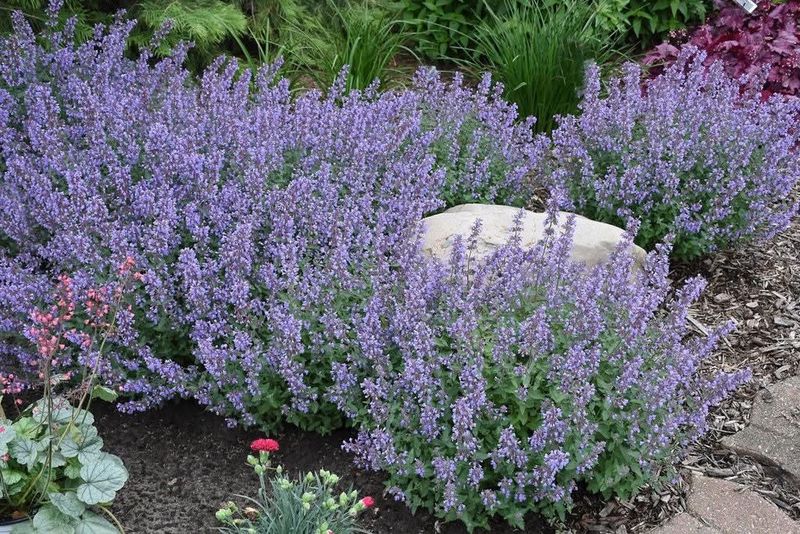
Scent is one of the most powerful tools a Michigan gardener has when it comes to making a bed less inviting to deer.
Strongly aromatic plants are not what deer are typically looking for when they wander through a yard, and placing them right at the front edge of your bed can make that first impression count.
Lavender, sage, thyme, catmint, and ornamental alliums are all solid choices for Michigan gardens that receive adequate sunlight and have reasonably well-drained soil.
These plants release noticeable fragrance when brushed or disturbed, which is exactly what happens when a deer steps through your garden edge.
That sensory experience often encourages them to move on without investigating further.
Planting these aromatic species in generous groups along the exposed side of your bed, especially the side facing the lawn, woodland edge, or driveway, gives them the best chance of doing their job.
A single lavender plant tucked between hostas sends a very different signal than a full row of lavender running along the bed’s perimeter. Coverage and consistency matter here.
Always choose varieties suited to your specific Michigan location before buying. Northern areas of the state experience colder winters and shorter growing seasons, which affects which lavender or sage varieties will survive reliably.
Check hardiness zone information and local nursery recommendations before committing to a plant.
Aromatic foliage may discourage feeding on those specific plants, but it will not prevent deer from searching beyond them if the rest of your bed remains highly appealing.
Think of it as the first line of a layered approach rather than a standalone fix.
5. Mix Coarse, Fine, And Succulent Textures
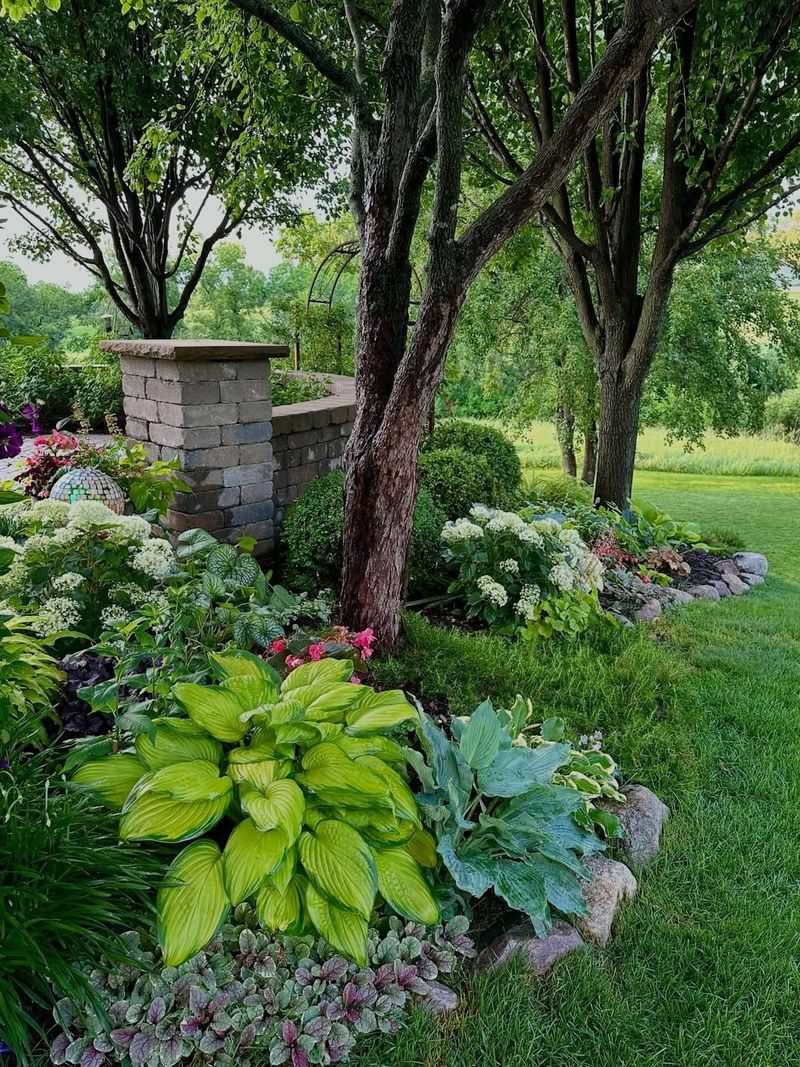
Deer are texture-sensitive feeders. Soft, tender foliage is far more appealing to them than rough, coarse, or unusual leaf surfaces.
When your garden bed presents nothing but a continuous ribbon of smooth, easy-to-eat greenery, it essentially advertises itself as a convenient dining spot.
Mixing a variety of textures throughout the bed disrupts that pattern in a meaningful way. Coarse leaves like those found on ornamental cardoon or certain native coneflowers sit very differently in a deer’s browsing experience than the silky leaves of a hosta.
Fine-textured ornamental grasses, aromatic herbs, and sturdy sedum rosettes all add variety that makes the bed feel less like a uniform food source.
The key is to repeat these varied textures throughout the planting rather than lining them up in a single border row. A deer that encounters one unpleasant texture will simply step sideways to find something softer.
When mixed textures appear throughout the bed, that strategy becomes less rewarding. Scatter clumps of ornamental grasses, ferns, and sedums between your more vulnerable plants to create a patchwork effect.
Spacing matters too. Crowding plants together to create a dense barrier can look appealing in theory, but mature plants need room for airflow, healthy root development, and easy maintenance.
Plant with the mature size in mind and use mulch to fill gaps temporarily while plants fill in naturally over time. Deer preferences vary considerably from one region to another, and texture alone will not make any plant completely safe.
Combined with scent and placement strategies, though, a varied texture planting genuinely adds another layer of deterrence to your Michigan garden beds.
6. Plant Across The Entire Deer Entry Side
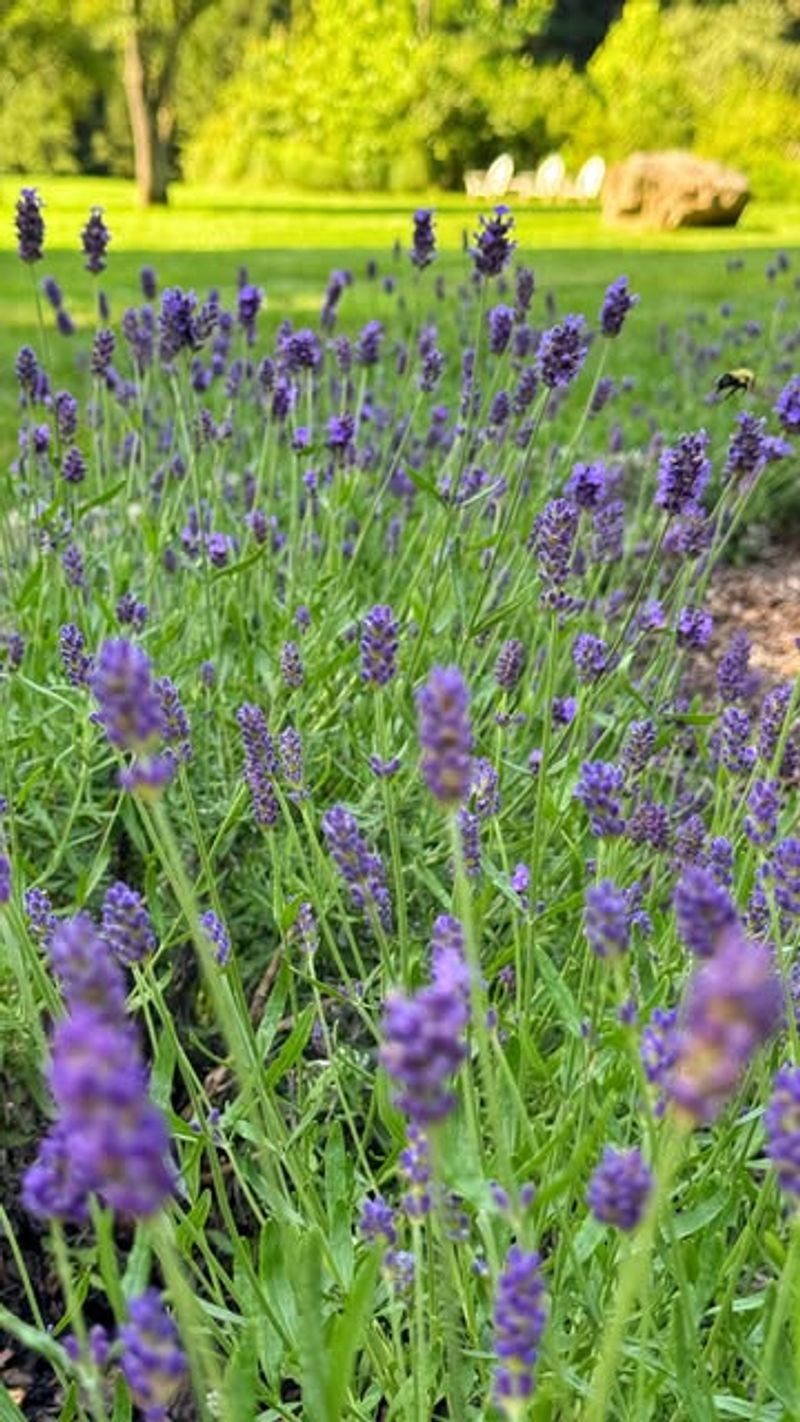
Here is something a lot of gardeners overlook: placing a deterrent planting on the wrong side of the yard does almost nothing.
If deer consistently enter your property from the back corner near the tree line but your buffer planting sits along the front foundation bed, you have missed the mark entirely. Placement relative to actual deer movement is everything.
Spend a little time in early morning or at dusk watching where deer actually come from when they visit your yard.
Look for hoof prints in soft soil, droppings near shrubs, narrow worn trails through grass, or browsing damage concentrated along one particular edge. These clues tell you exactly where to focus your planting efforts for maximum effect.
Michigan deer are creatures of habit and tend to follow familiar routes along woodland edges, hedgerows, driveways, and side yard borders where they feel covered and protected.
Once you identify the primary entry corridor, that is where your broadest and most aromatic buffer planting belongs.
Covering that specific area with massed less-preferred plants makes the first part of their familiar route less rewarding. As you plan this planting, keep practical needs in mind.
Pathways, road visibility for vehicles backing out of driveways, utility access points, and areas where you need to reach the house for maintenance should stay clear. The buffer planting should work with your yard’s layout, not against it.
A well-placed grouping of ornamental grasses, catmint, and native ferns along the true entry side of your property will do far more good than a beautiful but misplaced arrangement on the opposite side of the yard.
7. Give Late-Summer Additions Time To Root
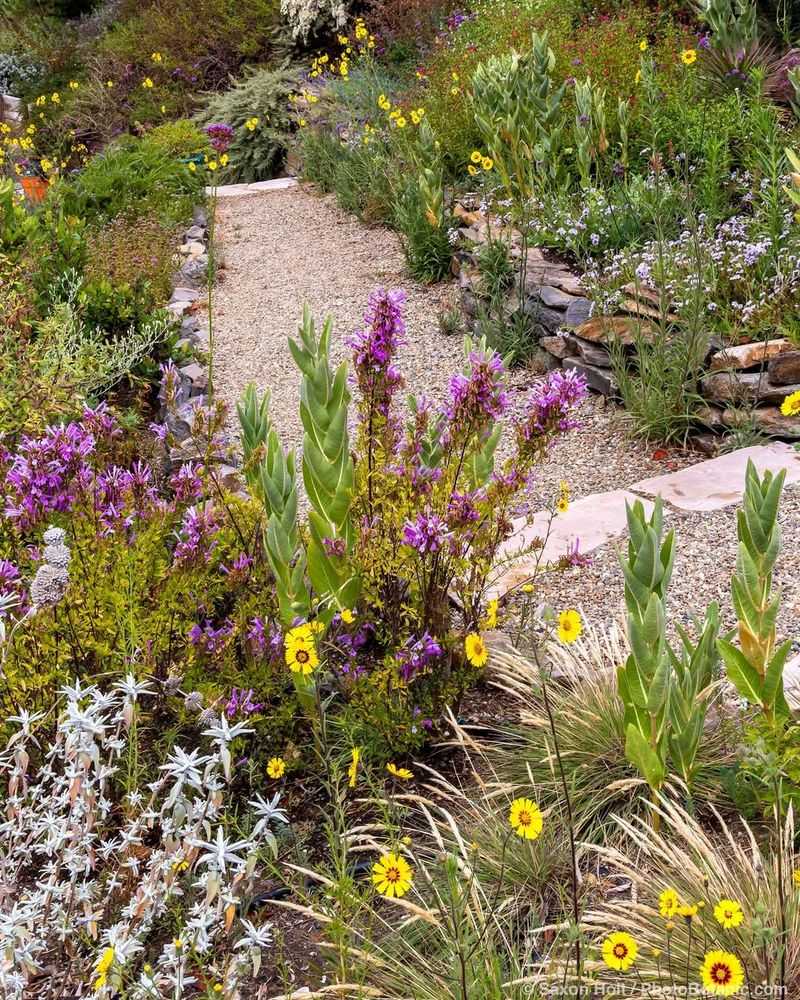
Planting in late summer in Michigan requires a bit more care and attention than spring planting, but it absolutely works when done thoughtfully.
The window between mid-August and mid-September gives new plants enough time to push roots into surrounding soil before the ground freezes, which is exactly what you want heading into a Michigan winter.
Start by choosing a planting day when temperatures are mild and rain is in the forecast or available through your hose.
Loosen the soil in the planting area thoroughly, working in compost if your soil is compacted or sandy, which is common in many parts of Michigan.
Set each plant at the correct depth, neither too high nor too deep, and firm the soil gently around the root ball to eliminate air pockets.
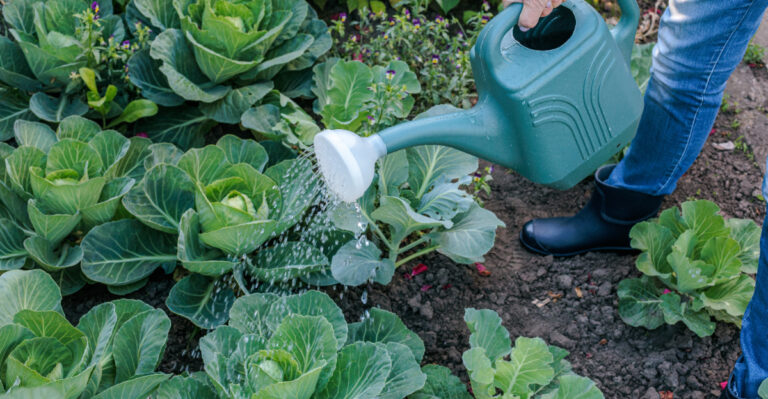
Water thoroughly right after planting, soaking the entire root zone rather than just the surface. New plants need consistent moisture for the first several weeks while their roots expand outward into the surrounding soil.
Check the bed every two to three days during dry spells, because late summer heat can dry out newly planted root zones faster than you might expect.
Spread a two to three inch layer of organic mulch around each plant to retain moisture and moderate soil temperature as fall approaches. Keep mulch a few inches away from plant crowns and stems to prevent rot.
Avoid the temptation to push growth with heavy fertilizer applications at this stage, since soft new growth heading into fall is more vulnerable to frost damage.
Northern Michigan locations typically see cold arrive several weeks earlier than the southern Lower Peninsula, so adjust your planting timeline accordingly.
8. Combine The Planting With Real Protection
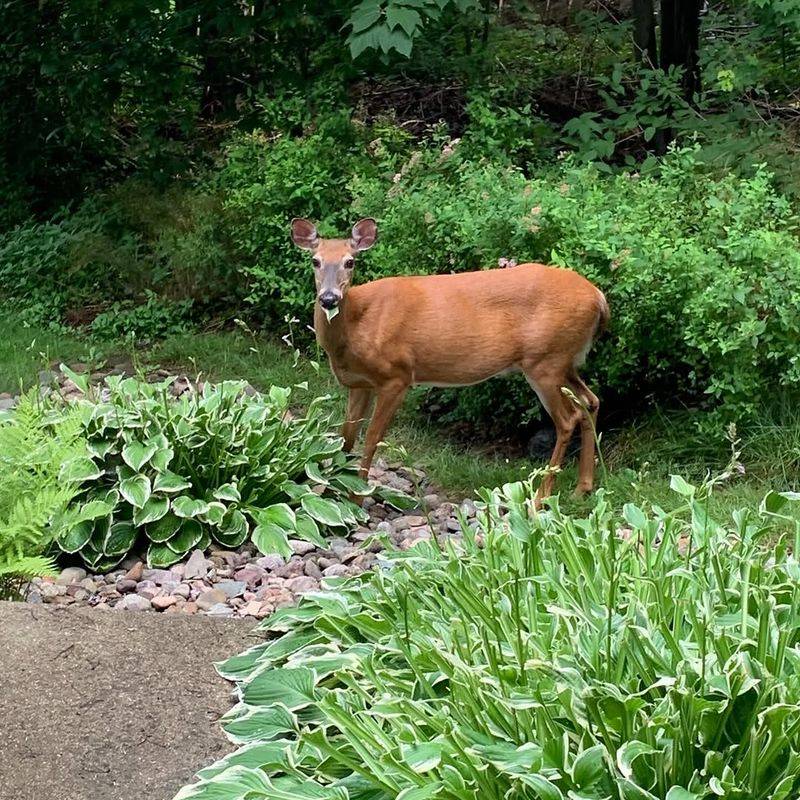
A buffer planting is a genuinely useful strategy, but calling it a complete solution would be an overstatement.
In areas where deer pressure is heavy or where a small herd has established a reliable feeding routine in your yard, plants alone will not hold the line.
Pairing your new planting design with physical protection gives your most valuable specimens a much better chance.
Sturdy fencing remains the most reliable option for protecting a garden area from deer. A properly installed fence of at least eight feet in height, or a double fence system using two shorter fences spaced a few feet apart, is genuinely effective.
For individual plants like roses, hydrangeas, or young fruit trees, wire cages or tree guards provide targeted protection without fencing an entire bed. Repellents can support your overall approach when used correctly.
Apply them according to label directions before deer feeding becomes a regular habit in your garden, because breaking an established routine is much harder than preventing one from forming.
Reapply after rain, irrigation, and whenever significant new growth appears, since fresh untreated foliage is especially attractive. Rotate between different repellent formulas periodically to prevent deer from becoming accustomed to any single scent.
Removing easy rewards from your yard reduces the overall draw that brings deer back repeatedly. Pick up fallen fruit promptly, bring in accessible bird feeders during peak deer season, and avoid leaving piles of garden trimmings near planting beds.
After your new buffer planting is established, observe the garden regularly and note where browsing continues. Adjusting plant placement and adding protection where needed is simply part of managing deer in a Michigan yard over the long term.