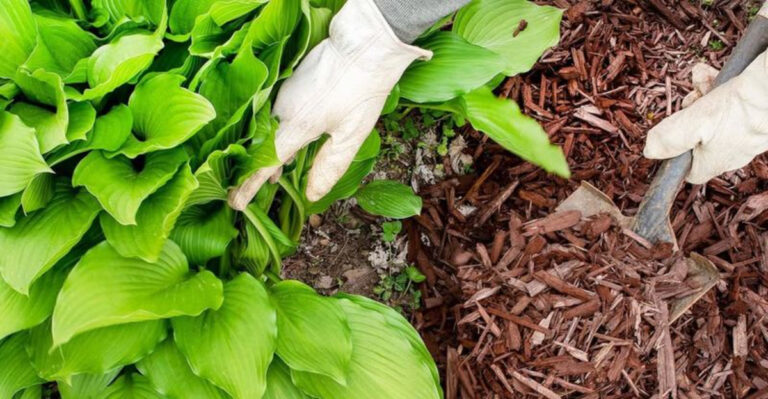
How To Repair Florida Lawn Damage After A Tropical Storm Without Starting Over
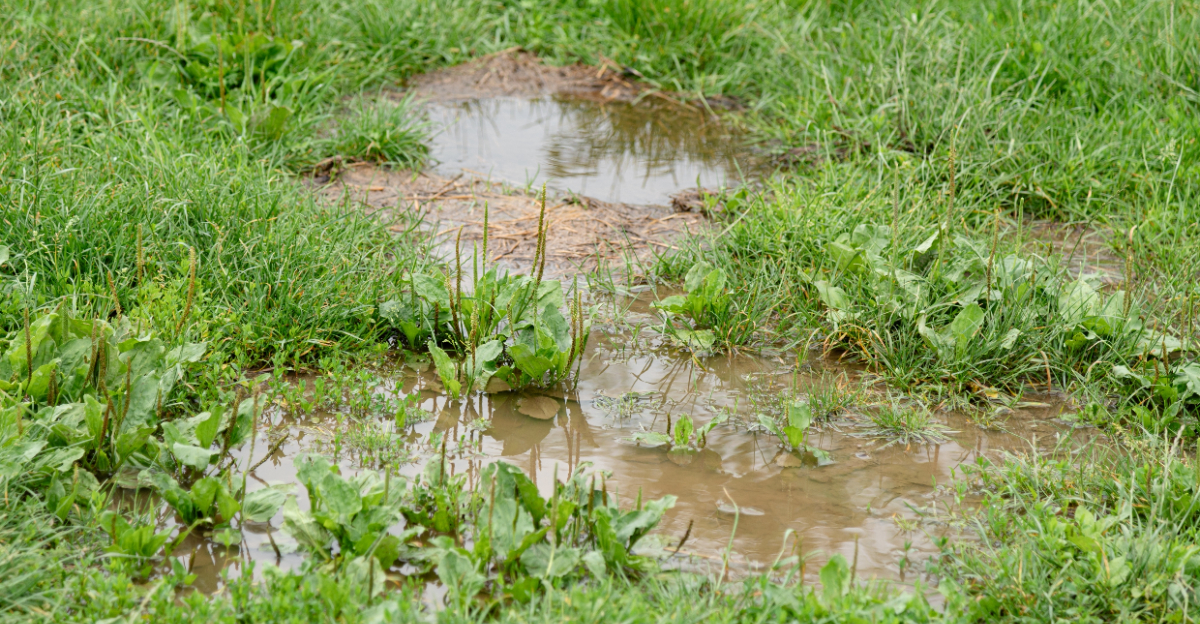
A tropical storm can strip a green Florida lawn down to bare patches and mud in a single night. Wind rips through blades while standing water damages roots underneath.
The damage rarely spreads evenly across the yard. Some spots take a beating while others barely notice the storm passed through.
That uneven pattern changes the whole approach to fixing things. A few targeted steps in the right spots can turn weeks of guessing into a clear recovery timeline.
Skip the panic and tearing everything out for a fresh start. Florida grass has survived storms for generations, and yours can too with focused care where it actually matters.
The Key Is Repairing Sections, Not The Whole Lawn
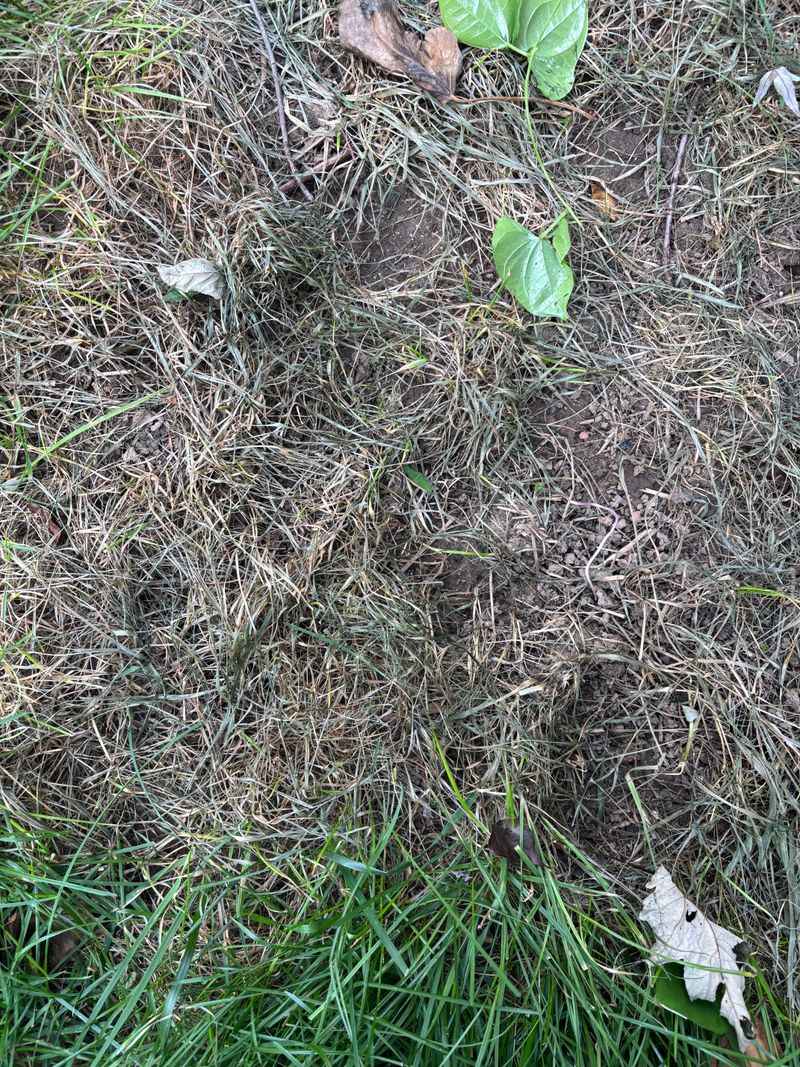
Storm damage rarely ruins an entire lawn at once. Most yards have a mix of beat-up patches and areas that survived just fine.
Walking your yard section by section is the smartest first move. Look for bare spots, flattened grass, and areas where debris sat for too long.
Repairing Florida lawn damage after a tropical storm works best when you treat each problem zone separately. Trying to fix everything at once leads to wasted effort and wasted seed.
Mark the damaged zones with flags or spray paint before you do anything else. Knowing exactly where the trouble spots are saves you from guessing later.
Grass that looks brown but still has roots is often dormant, simply resting rather than finished. Give those sections a week before writing them off for good.
Flattened turf can often be lifted with a light rake. Just be gentle so you do not tear out roots that are still holding on.
Sections buried under debris need clearing first before any repair begins. Leaves and branches block sunlight and trap moisture, which speeds up rot.
Once you have a clear map of the damage, you can prioritize. Start with the largest bare areas and work your way down to the smaller patches.
A targeted approach means less money spent on supplies. You buy only what each section actually needs, nothing more.
Fixing zone by zone also lets you track progress easily. Small wins keep your motivation high throughout the whole repair process.
Start With The Soil, Not The Grass
Healthy grass struggles to grow in sick soil. After a storm, the ground beneath your lawn is often compacted, waterlogged, or stripped of nutrients.
Before touching a single blade of grass, check the soil condition. Push a screwdriver into the ground. If it barely moves, the soil is too compacted for roots to breathe.
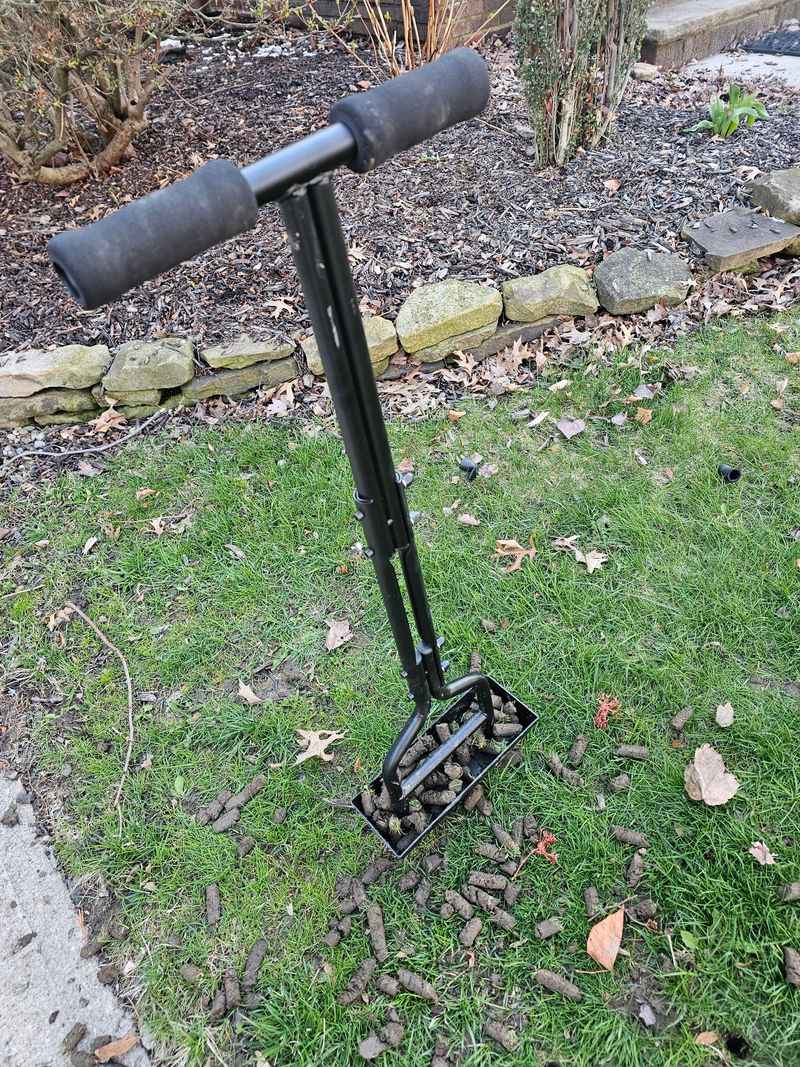
Aerating compacted areas is the fastest way to jumpstart recovery. A hand aerator or rented core aerator pulls small plugs from the soil, opening up airflow and drainage.
Storm runoff often flushes away the top layer of organic matter. That means the soil is missing the nutrients grass roots depend on to push new growth.
Adding a thin layer of compost after aerating replaces what the storm took. Spread about a quarter inch across bare or struggling areas for the best results.
Your Florida Garden Changes Every Week. Your Plan Should Too.
Gardening in Florida changes quickly throughout the season. Every Friday you’ll receive a simple weekly plan showing exactly what to plant, prune, fertilize, harvest, and protect so you never miss the right timing.
Soil pH also shifts after heavy flooding, especially in sandy coastal yards. A simple test kit from a garden store tells you if the ground is too acidic or too alkaline.
If the pH is off, grass seed will not establish well even in perfect weather. Lime raises low pH, and sulfur brings it down if it is too high.
Watering gently after soil prep helps everything settle before planting. Avoid heavy watering that packs the soil back down and undoes your aeration work.
Getting the soil right first is the step most homeowners skip. Skipping it is exactly why their repairs fail within a few weeks.
Bare Patches Need Different Grass Than You Think
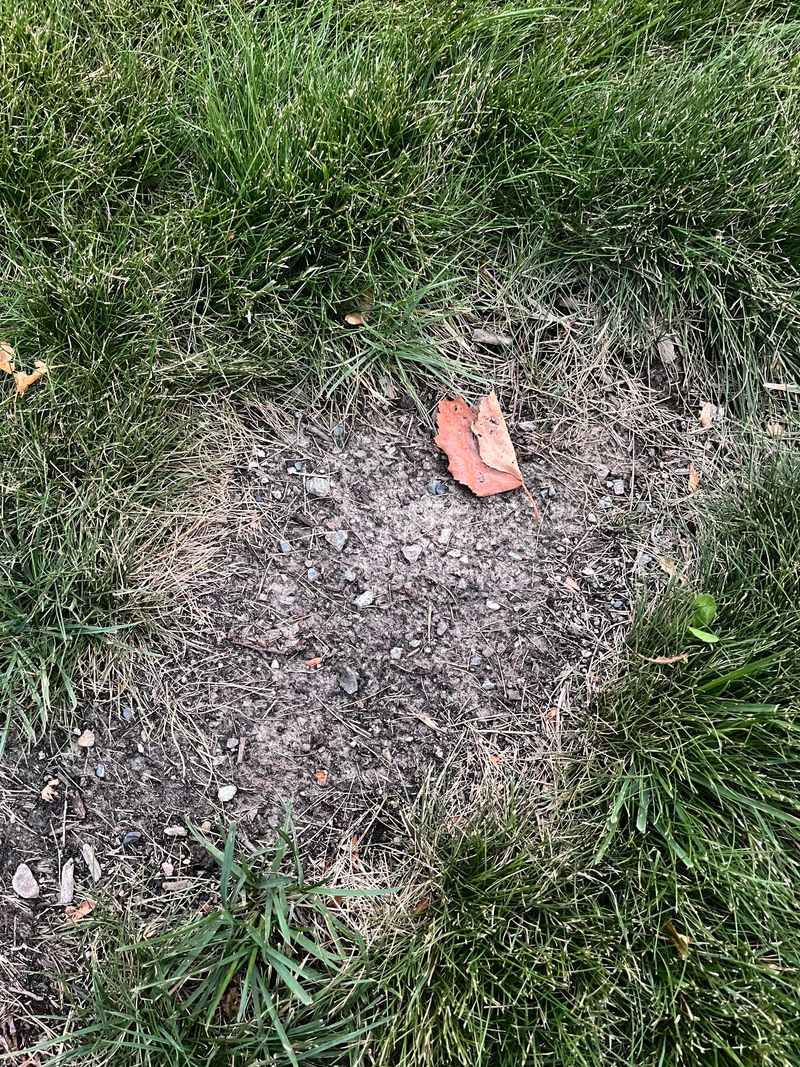
Bare spots after a storm are frustrating, but grabbing the cheapest bag of seed at the hardware store is a mistake. Not all grass types survive the Florida climate equally well.
Warm-season grasses like Bahia, Zoysia, and St. Augustine are your best options in most parts of the state. They handle heat, humidity, and occasional flooding far better than cool-season varieties.
St. Augustine is the most popular choice for sunny, well-drained yards. It spreads through plugs and sod rather than seed, so plan on buying small sections to fill gaps.
Bahia grass is tougher and grows well in sandier soils. It handles drought and neglect better than most, which makes it great for yards that take a beating every storm season.
Zoysia fills in slowly but creates a thick, dense turf over time. That density actually helps it resist future storm damage by holding soil together better.
Matching the new grass to what is already growing keeps your lawn looking uniform. Mixing types creates a patchy look that is hard to fix later without a major redo.
If you are using sod plugs, space them six to twelve inches apart in bare areas. They spread naturally and fill the gaps within a few growing seasons.
Water new plugs or sod daily for the first two weeks. Roots need consistent moisture to establish before the next round of heat or rain hits.
Choosing the right grass now means less replanting after the next storm.
Standing Water Can Undo All Your Work
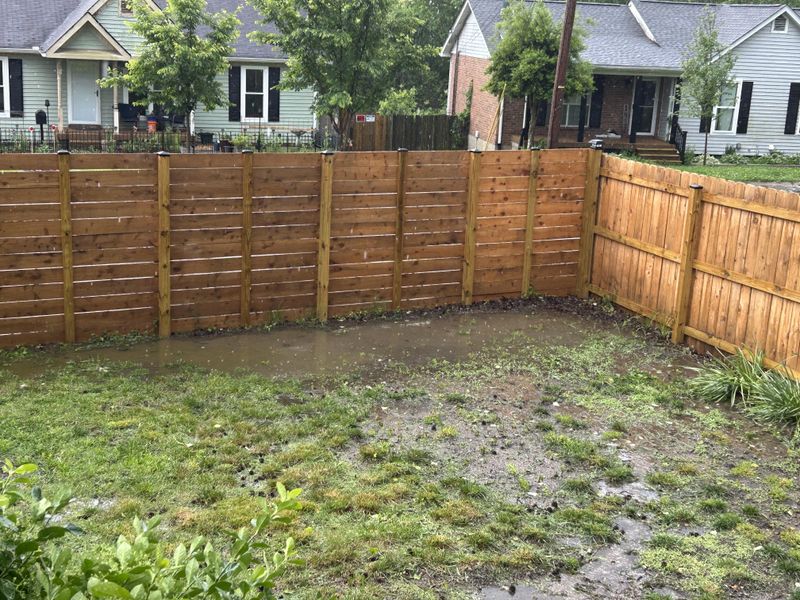
You can plant the best grass in the world, and standing water will still ruin it. Flooded soil cuts off oxygen to roots within just a few days.
After any major storm, check your yard for low spots where water collects and sits. These are the areas where your repair work is most likely to fail if you do not address drainage first.
A simple fix for small low spots is adding topsoil to raise the grade. Fill the depression gradually so water flows toward the edges of your yard instead of pooling.
French drains are a longer-term solution for yards with serious drainage issues. A perforated pipe buried underground channels water away from problem areas before it has time to drown roots.
If water sits near your house foundation, that is a bigger concern than the grass. Redirecting that flow protects both your lawn and your home at the same time.
Thatch buildup can also trap water at the surface and prevent it from draining properly. Dethatching with a rake or power dethatcher opens up the turf and lets water move through faster.
Sandy soils drain quickly, but clay-heavy soils hold water much longer. If your yard has clay, mixing in coarse sand or compost improves drainage over time.
Avoid seeding or sodding a waterlogged area before fixing the drainage problem. Planting into soggy ground wastes your money and your effort.
Solving water issues first makes every other repair step actually work.
Florida’s Heat Changes Your Repair Timeline
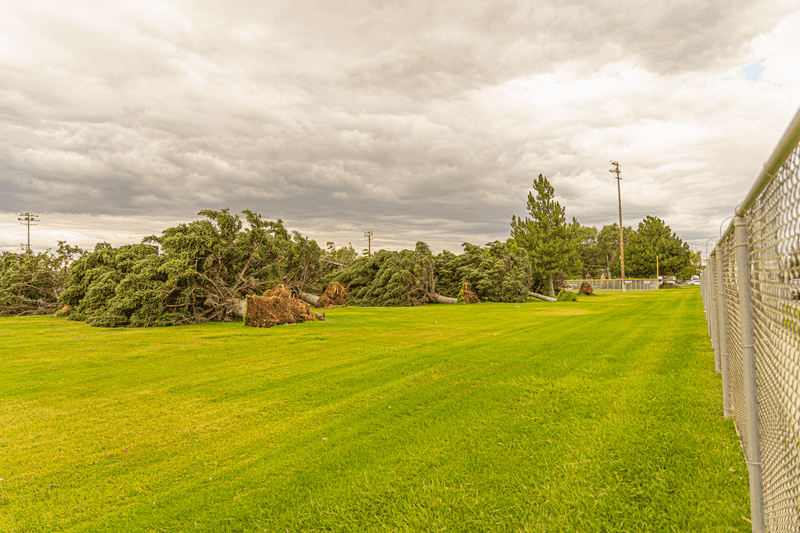
Timing your lawn repairs in the Sunshine State is nothing like scheduling them up north. The heat here speeds some things up and shuts others down almost entirely.
Warm-season grasses grow fastest between late spring and early fall. Repairing storm damage during those months gives new grass the best chance to establish before cooler weather slows growth.
If a storm hits in late October or November, your timeline shifts. Grass planted too close to winter may not root deeply enough before growth slows, leaving it vulnerable to the next weather event.
Midday heat can actually stress newly planted sod or plugs right after installation. Water in the early morning to help new grass survive the hottest part of the day without drying out.
Overwatering is just as dangerous as underwatering in high heat. Too much moisture in warm soil creates perfect conditions for fungal diseases that can ruin a whole repair zone.
Watch for signs of brown patch or dollar spot fungus appearing after storm repairs. These show up as circular brown rings and spread quickly if left untreated in humid conditions.
Fertilizing too soon after a storm can also backfire in high heat. Wait at least three to four weeks before adding any nitrogen-based fertilizer to freshly repaired areas.
Patience is the hardest part of lawn recovery in a warm climate. Pushing the process too fast usually means redoing the work all over again within a few weeks.
Let the heat work for you, not against you, by timing repairs wisely.
Small Fixes Now Save You From Starting Over Next Time
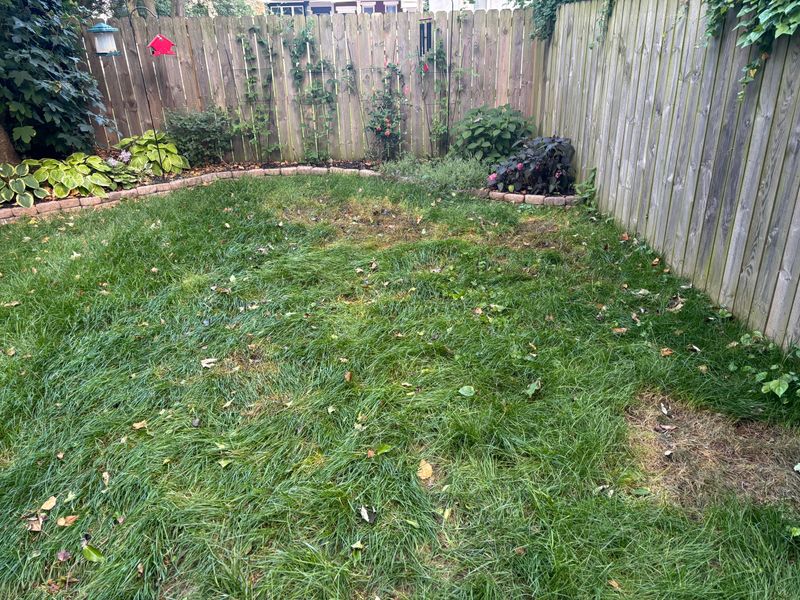
The best time to storm-proof your lawn is right after you finish repairing it. Small steps taken now build serious resilience for next season.
Overseeding thin areas before storm season thickens your turf. Dense grass holds soil better, resists erosion, and bounces back faster after wind and rain move through.
Topdressing with a thin layer of compost each spring feeds the soil without heavy fertilizing. Healthy soil grows stronger roots, and stronger roots survive storm stress far better.
Edging and aerating regularly keeps the ground from compacting between storms. Loose, airy soil absorbs heavy rain faster and reduces the standing water that damages grass after a big event.
Planting ground cover or low shrubs in spots that flood repeatedly is a smart long-term fix. Some areas simply do not support turf grass no matter how much you repair them.
Keeping a bag of sod plugs or patch mix on hand means you can act fast after the next storm. Waiting weeks to find supplies delays repairs and lets bare spots turn into bigger problems.
Trimming trees near your lawn reduces the debris load during high winds. Fewer branches and leaves landing on the grass means less smothering damage after each storm passes.
Documenting your lawn with photos before and after each storm helps you spot patterns. You will quickly learn which areas need extra attention before the next tropical system rolls in.
Repairing Florida lawn damage after a tropical storm without starting over is very possible with the right habits in place.