Keep Slugs Away Naturally With These Vermont Garden Favorites
Slugs appear at night and disappear before dawn breaks. Your yard becomes their unexpected playground overnight.
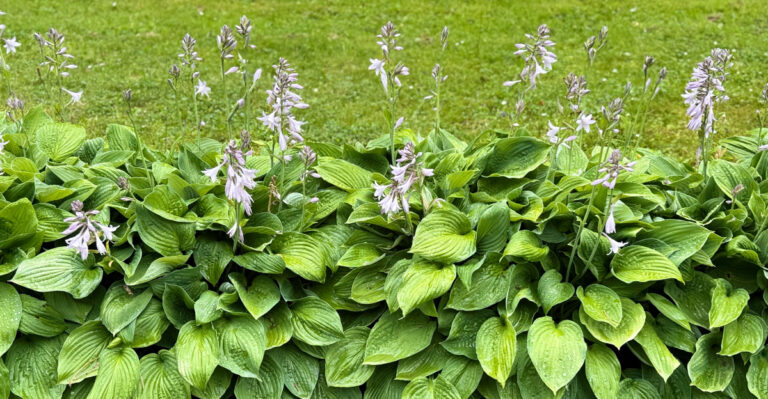
Damp soil and endless spring rain make Vermont irresistible to them. Nobody wants slime trails across their prized hostas.
Quiet defenses already exist, hidden in plain sight. These defenses work as underground protection too.
Gardeners across Vermont swear by these subtle allies. Texture matters just as much as scent does.
Rough surfaces and unfamiliar barriers slow slugs down completely. Smart placement turns ordinary beds into shelters overnight.
Nothing about this requires constant vigilance or worry. Choosing wisely shifts the entire outcome instantly.
Certain textures and scents work while you sleep soundly. Layers of subtle defense build without you noticing them.
Every smart gardener in this quiet state already knows the secret. You won’t believe how fast your yard transforms once you finally uncover what’s been hiding right in plain sight all along.
1. Foxglove
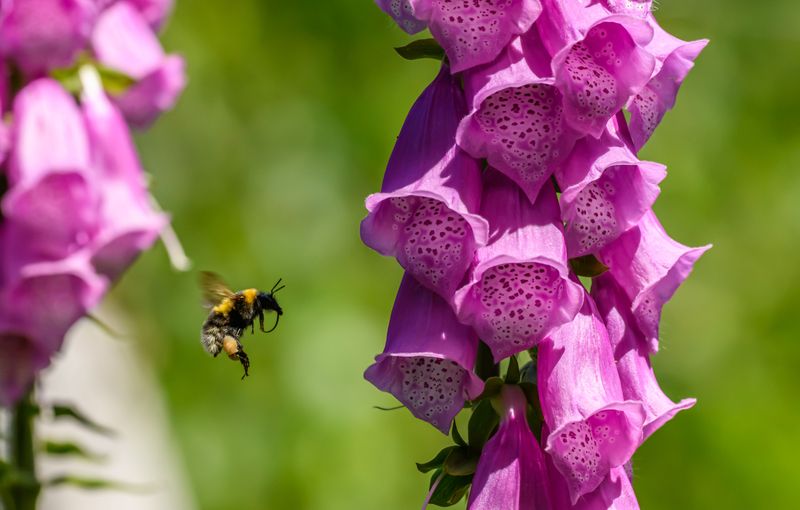
Foxglove stands tall in the garden like a cathedral spire, and slugs tend to avoid it. The leaves contain bitter cardiac glycosides that make them taste awful to soft-bodied pests.
Gardeners in cool climates have grown foxglove for centuries. It thrives in Vermont summers without much fuss from you.
Plant foxglove along borders where slugs tend to travel. Its thick, slightly fuzzy leaves act as a natural deterrent along garden edges.
The texture alone discourages slugs from crossing. Rough or hairy leaf surfaces form a physical barrier for slugs.
Foxglove blooms in its second year, so patience pays off big. Once established, it self-seeds and comes back stronger every season.
Pair it with hostas nearby to draw slugs away from your more vulnerable plants. Foxglove helps protect nearby hostas while hostas act as a decoy.
The tall spires also attract hummingbirds and bees, making your garden a pollinator paradise. This plant offers both beauty and function.
Keep foxglove away from pets and children since it is toxic if eaten. Wear gloves when handling it during planting or pruning.
In a Vermont garden, foxglove fits right in with the wild, woodland aesthetic many gardeners love. It looks like it belongs there, because it truly does.
2. Bearded Iris
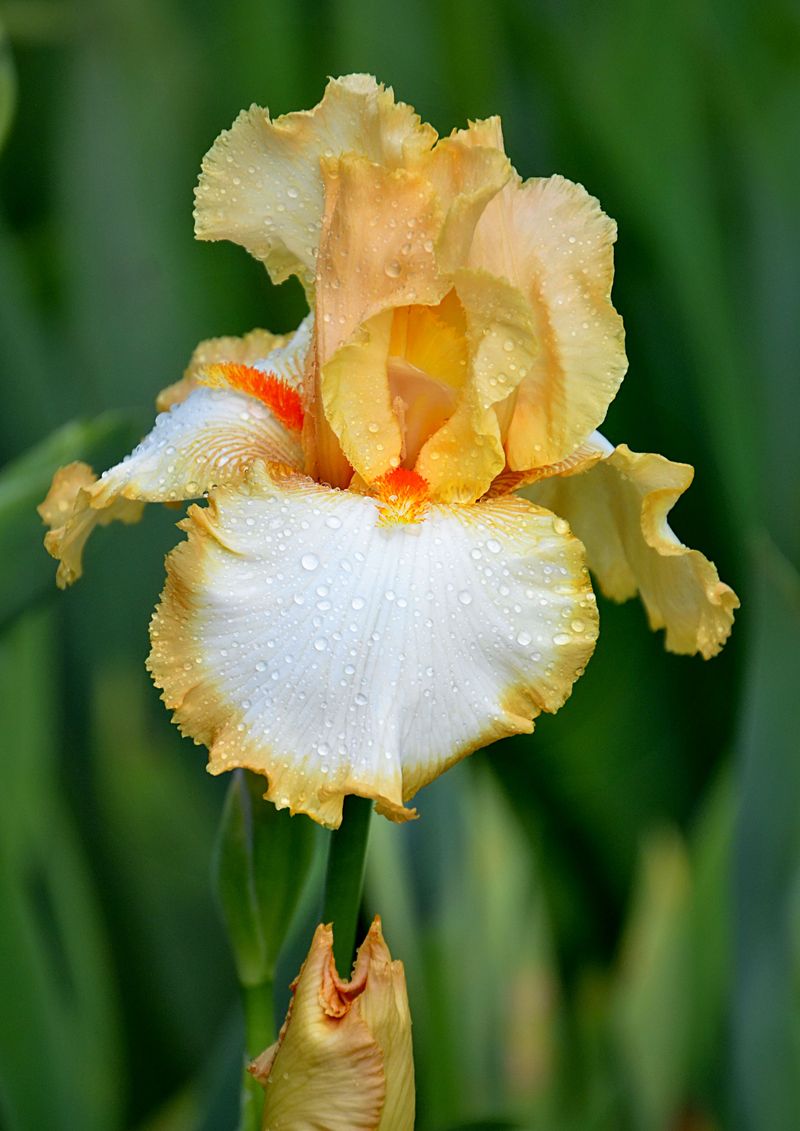
Bearded iris has a bold, dramatic look, with ruffled petals and vivid color. Slugs, however, are completely unimpressed and will leave it alone.
The thick, waxy rhizomes of bearded iris sit at the soil surface. That exposure actually protects them, since slugs prefer moist, buried targets.
Iris foliage is stiff and upright, which makes it hard for slugs to cling to. They much prefer broad, low-lying leaves they can slide under easily.
Plant bearded iris along the front edge of your garden beds. They create a natural barrier that slugs tend to avoid crossing.
Vermont gardeners love bearded iris for its early summer show. The blooms arrive just as the garden is waking up from a long winter.
These plants also tolerate dry spells well once established. Since slugs thrive in moisture, drier soil around iris makes the area even less appealing to them.
Divide your iris clumps every three to four years to keep them vigorous. Crowded rhizomes invite rot, which can attract pests you do not want.
The scent of bearded iris is another bonus. Some varieties smell faintly of grape or vanilla, which gardeners adore but slugs do not seek out.
Mix several colors together for a stunning visual impact that lasts weeks. A well-planted iris bed does double duty: it dazzles guests and discourages slugs at the same time.
3. Lavender
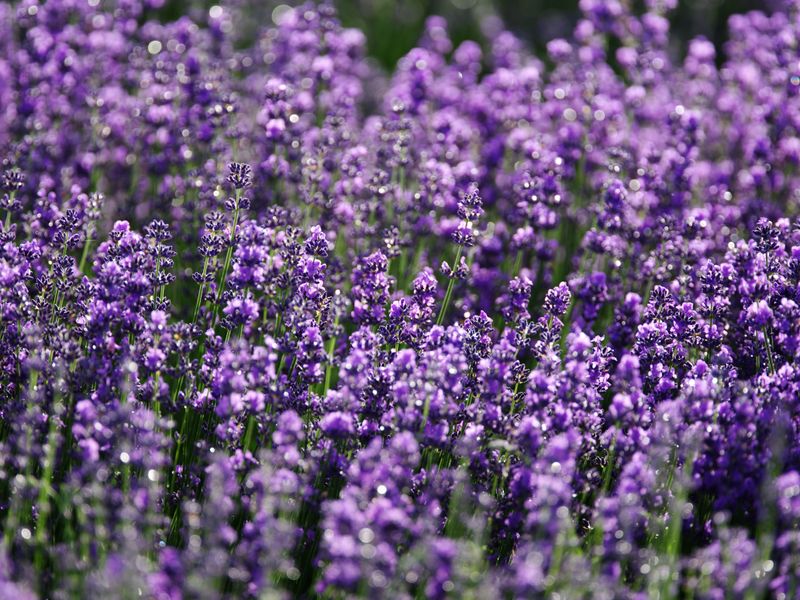
Lavender smells like a dream to humans, but slugs find it absolutely repulsive. The strong essential oils in lavender leaves act as a natural deterrent for soft-bodied pests.
Plant lavender in full sun with well-drained soil for best results. Vermont gardens with sandy or amended soil are perfect for keeping lavender happy and fragrant.
The woody stems and silver-green foliage of lavender are also unappealing to slugs. There is nothing soft or moist about a lavender plant, and slugs prefer the opposite.
Use lavender as a border plant around beds that contain slug favorites like lettuce or strawberries. It acts like a fragrant fence that slugs are reluctant to cross.
Lavender is also believed to help deter other garden pests including aphids and moths. One plant earns its keep in multiple ways throughout the growing season.
Harvest the blooms in midsummer and dry them for sachets or cooking. You get slug protection and a pantry ingredient all from the same plant.
In Vermont, lavender needs a bit of winter protection in colder zones. A light mulch of straw around the base helps it survive cold winter temperatures.
Choose hardier varieties like Hidcote or Munstead for Vermont climates. These compact cultivars hold up better against cold snaps and still deliver full slug-repelling power.
A border of lavender in bloom is one of the most satisfying sights in any garden. Slugs will turn around, and you will stop and stare in the best way.
4. Salvia
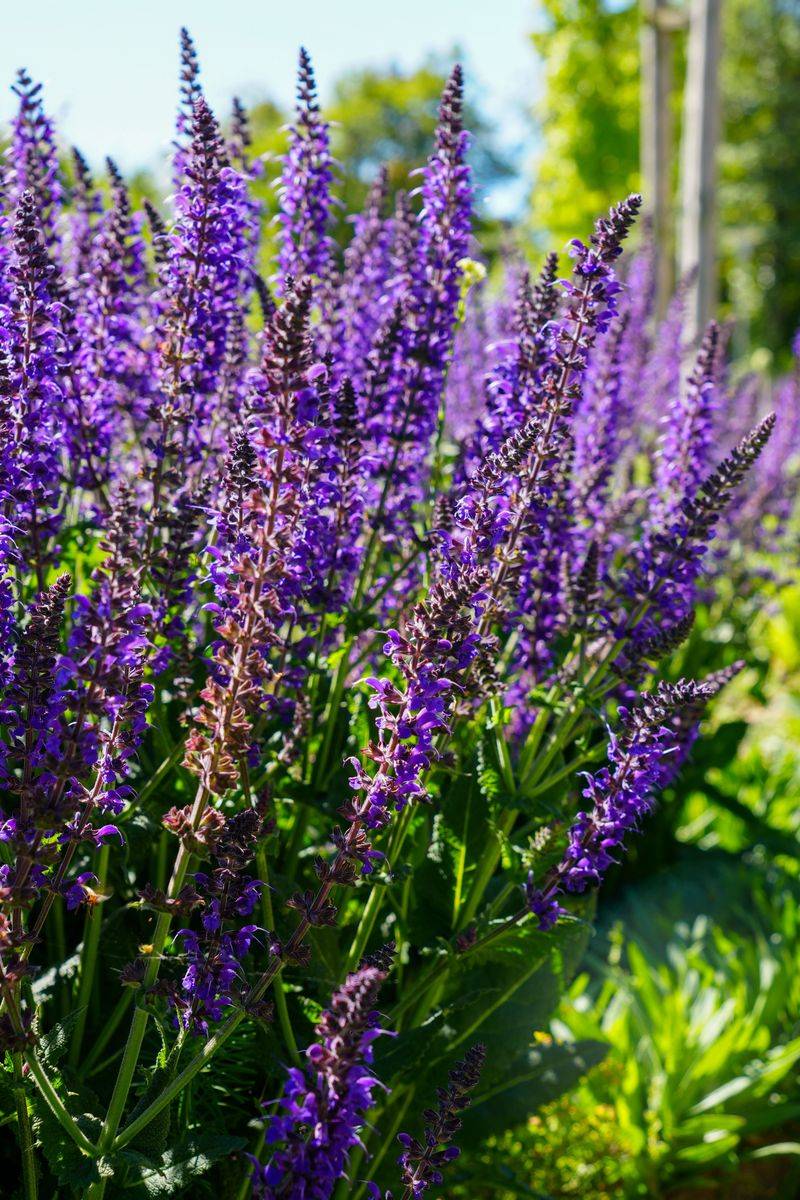
Salvia brings bold color and serious slug resistance to any garden bed. The aromatic oils in its leaves make it one of the most effective natural deterrents you can grow.
Slugs navigate by scent, and salvia confuses and repels them at the same time. The strong fragrance acts like a chemical fence around your more vulnerable plants.
There are dozens of salvia varieties suited for Vermont gardens. From the compact Salvia nemorosa to the taller meadow sage, you have plenty of beautiful options.
Plant salvia in full sun to maximize its oil production and fragrance. A sun-stressed salvia actually smells stronger, which means better slug protection for your garden.
The upright, branching habit of salvia also makes it hard for slugs to navigate. They prefer flat, horizontal surfaces where they can slide along easily without effort.
Salvia blooms attract hummingbirds, bumblebees, and butterflies throughout summer. Your slug barrier doubles as a wildlife habitat, which is a fantastic bonus.
Remove spent blooms regularly to encourage a second flush of flowers. More blooms mean more fragrance, which means slugs stay further away from your beds.
In Vermont, perennial salvia varieties return reliably each spring. Once established, they spread slowly and fill gaps in your garden without becoming invasive.
Pair salvia with bearded iris for a slug-repelling duo that also looks stunning. Two plants doing the same job means your garden stays protected from every angle.
5. Peony
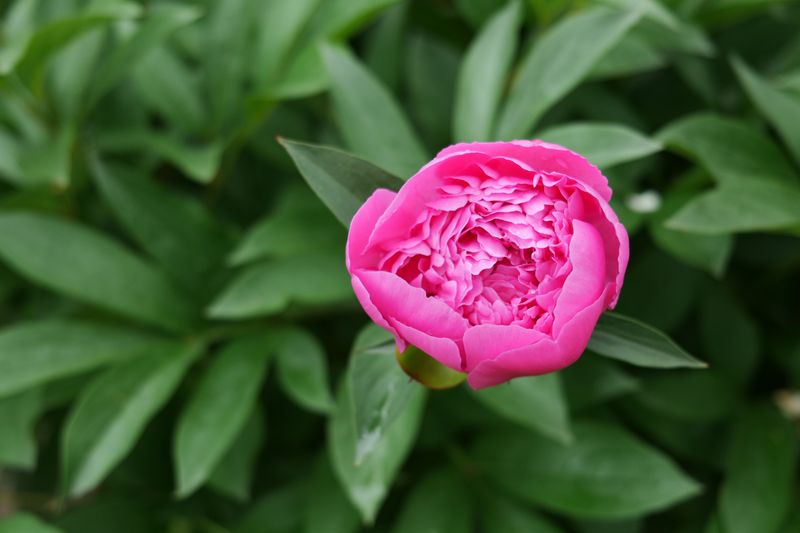
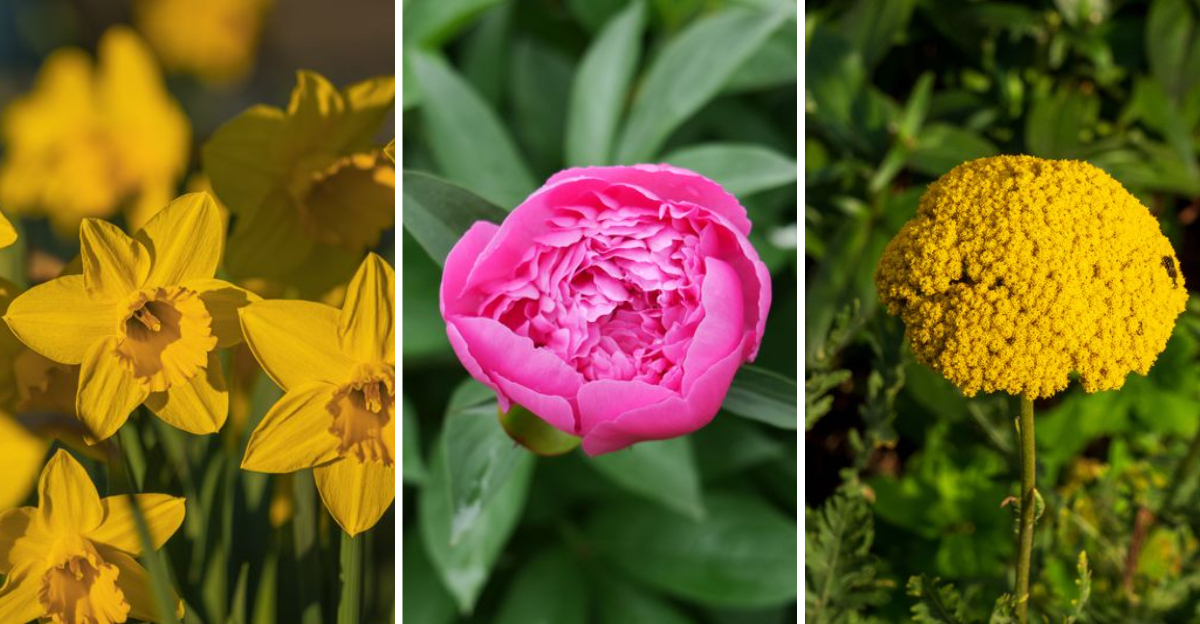
Peonies are a standout choice in Vermont gardens, and slugs tend to steer clear of them. The thick, waxy leaves and sturdy stems make peonies naturally unappealing to soft-bodied pests.
Slugs are attracted to tender, moisture-rich foliage. Peony leaves are the opposite: firm, smooth, and coated with a natural wax that slugs cannot grip easily.
Peonies also prefer well-drained soil, which means the ground around them tends to dry out faster. Dry soil is inhospitable territory that slugs actively avoid when searching for food.
Plant peonies where they get at least six hours of sun per day. Sun exposure helps dry out the soil surface, making it even less hospitable to slugs.
In Vermont, peonies bloom in late spring to early summer, just as slug season peaks. Their presence during this time creates a natural buffer in the garden.
The blooms are absolutely spectacular, ranging from white to deep burgundy. Many Vermont gardeners consider peonies the highlight of their entire growing season.
Peonies are incredibly long-lived plants that can thrive for many decades. A well-placed peony can protect the same garden bed for decades.
Ants are often seen on peony buds, and that is completely normal. They are after the nectar, not the plant, and they do not harm the blooms at all.
Keeping slugs away naturally means choosing plants that work hard without chemicals. Peonies do exactly that, season after season, with no effort from you.
6. Daffodil
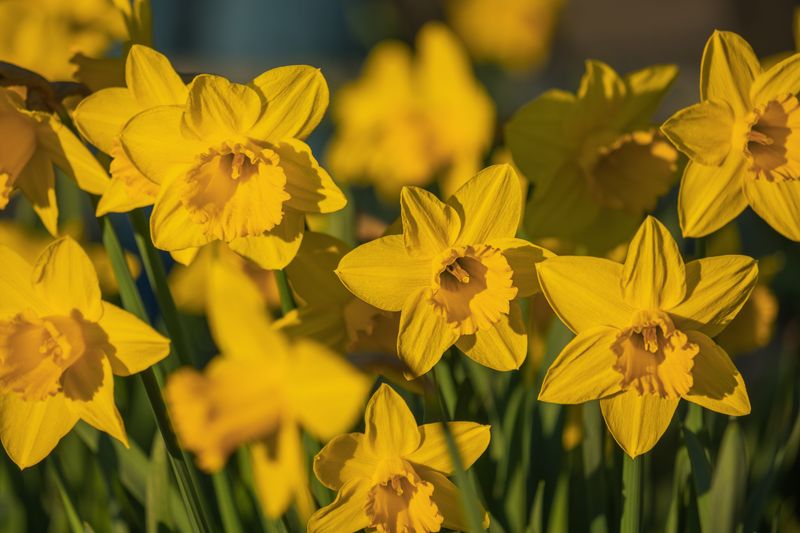
Daffodils are famous for being deer-resistant, but they pull double duty as slug repellents too. The entire plant contains lycorine, a toxic alkaloid that makes it deeply unpleasant for slugs to approach.
Plant daffodil bulbs in fall and they will emerge each spring as a slug-deterring force. The bulbs overwinter safely in Vermont soil and come back stronger every year.
Slugs learn quickly to avoid plants that taste bad or cause irritation. After one encounter with daffodil tissue, they simply reroute away from that area of your garden.
Use daffodils as a perimeter planting around raised beds or vegetable patches. They create an invisible chemical boundary that slugs are reluctant to cross at any point.
Daffodils naturalize beautifully in Vermont landscapes, spreading slowly over years. Over time, your slug barrier expands without any extra planting on your part.
Mix daffodils with tulips in spring beds to protect the tulips, which slugs do enjoy. The daffodils act as bodyguards for their more vulnerable neighbors in the bed.
After blooming, daffodil foliage continues to deter slugs as it fades back. Let the leaves yellow naturally so the bulb can store energy for the following spring.
Daffodils come in hundreds of cultivars, from miniature to giant. Choosing a variety of sizes lets you layer your slug protection at different heights across the garden.
Few plants deliver this much pest protection with this little maintenance required. Daffodils are the low-effort, high-reward solution every Vermont gardener needs in their corner.
7. Yarrow
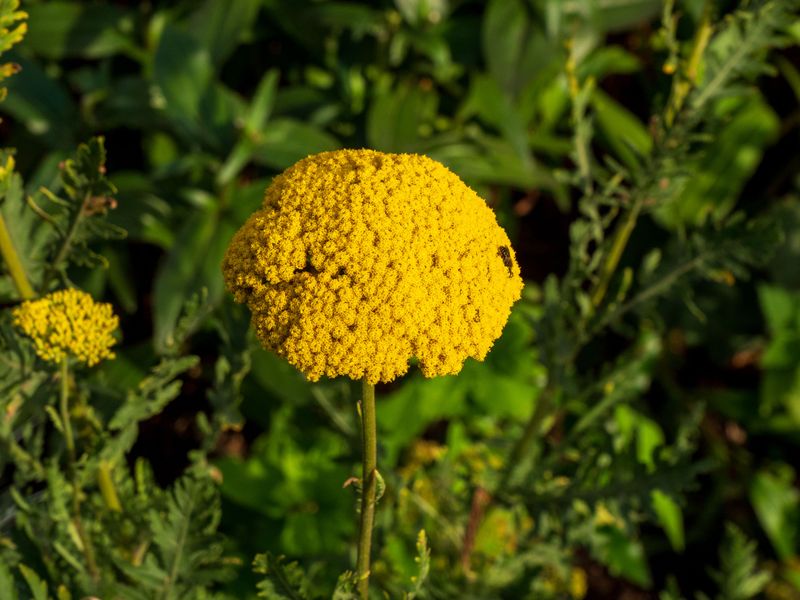
Yarrow is a hardy, low-maintenance option for the slug-resistant garden. Its finely divided, feathery leaves release a sharp, bitter scent that slugs find completely off-putting.
The smell comes from natural compounds called terpenes, which many insects and pests avoid. For slugs, those compounds act as a deterrent, so they tend to avoid the area.
Yarrow thrives in poor soil with minimal water, which means the ground around it stays dry. Dry, loose soil is basically a no-slug zone, making yarrow doubly effective as a deterrent.
Plant yarrow in sunny spots where other slug-resistant plants struggle to grow. It fills those difficult dry corners with color and protection at the same time.
In Vermont, yarrow blooms from early summer through fall in shades of yellow, pink, red, and white. The long bloom time means your slug barrier stays active for months.
Pollinators absolutely love yarrow, especially native bees and butterflies. A patch of yarrow becomes a buzzing, colorful ecosystem that benefits the whole garden around it.
Yarrow also has a long history as a medicinal herb used for centuries across many cultures. Growing it connects you to a tradition of plant knowledge that goes back thousands of years.
Cut yarrow blooms and dry them for long-lasting flower arrangements indoors. The dried stems hold their color beautifully and make excellent additions to fall wreaths and bouquets.
If slugs have been a recurring problem in your garden, yarrow can help turn things around. Plant it once, and it will return reliably every season.
8. Catmint
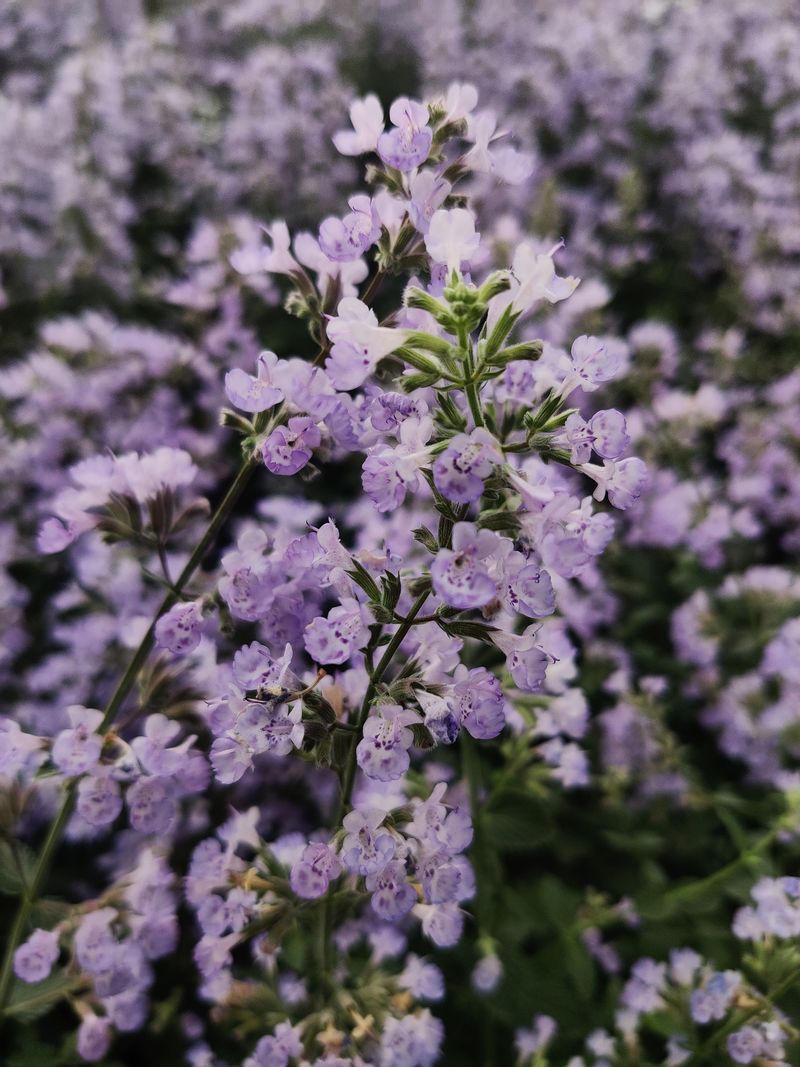
Catmint is an easygoing, low-maintenance plant that slugs tend to avoid. Its aromatic leaves release a minty, herbal scent that acts as a natural slug repellent all season long.
The scent comes from nepetalactone, the same compound that makes cats go wild. Slugs, however, respond in the opposite way and tend to move away.
Catmint forms a soft, billowing mound of gray-green foliage that looks gorgeous along garden borders. That mounded shape also means less soil surface contact, which discourages slugs from settling nearby.
In Vermont, catmint blooms in late spring and again in late summer after a trim. Two bloom cycles mean twice the fragrance and twice the slug-deterring power across your garden.
Plant catmint along pathways or at the front of mixed borders for maximum effect. Slugs often travel along edges, so placing catmint there interrupts their nighttime routes directly.
The plant is drought-tolerant once established and prefers well-drained soil. Those conditions create a drier microclimate that slugs find inhospitable no matter the season.
Catmint pairs beautifully with roses, which are often targeted by slugs in early spring. Planting nepeta nearby creates a fragrant, protective ring around your most prized blooms.
Bees and butterflies flock to catmint in huge numbers throughout summer. Your garden becomes a lively, buzzing space while slugs are nowhere to be found.
Keeping slugs away naturally is about working with plants that already know the job. Catmint has been doing this work quietly for years, and it is time your garden benefits too.