8 Dahlia Jobs Vermont Gardeners Shouldn’t Skip In August
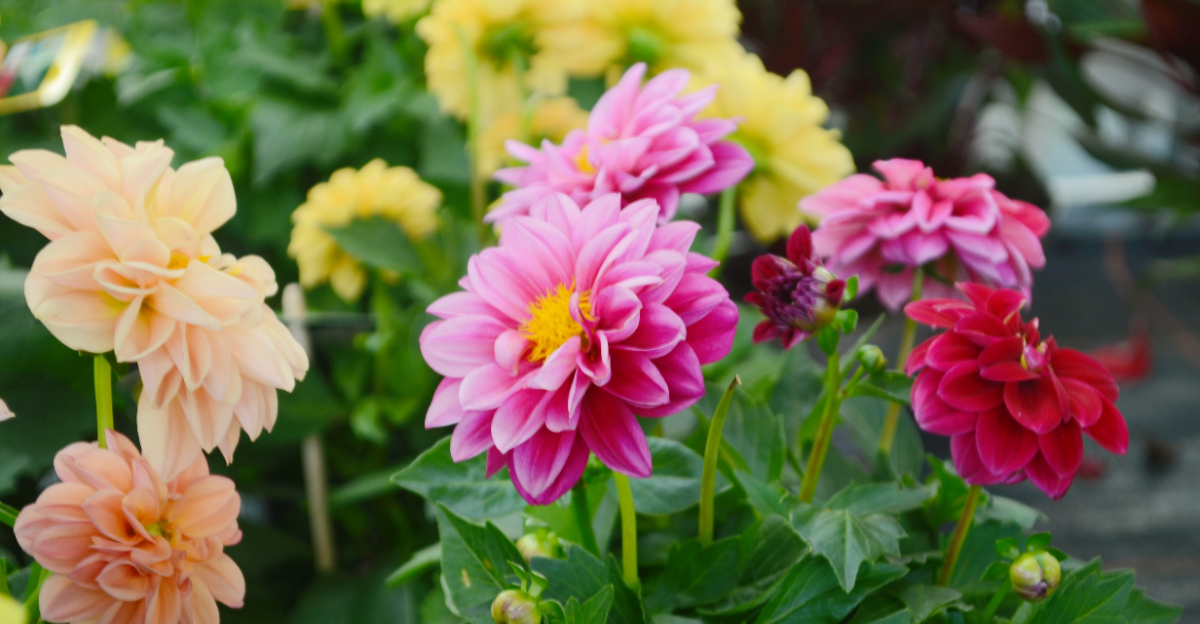
Your dahlias need more attention than they show. Vermont summers can make growers think the hard work is done. Blooms look glorious, but stems weaken fast beneath the surface.
Roots compete hard for nutrients while leaves mask early stress. Weather shifts fast here, and your plants feel it first. Gardens across Vermont demand attention just when growers start relaxing.
Stakes loosen, pests sneak in, and color fades fast. Skip a task and the whole stalk struggles quickly.
Timing matters more than effort during this stretch. Every cut, feed, and watering choice shapes what blooms next.
Missing steps now costs you flowers later on. Confidence comes from knowing exactly what your plants need. Nothing about growing show-worthy dahlias happens by accident.
Success depends on catching problems before they spread. August rewards growers who act, and challenges those who wait. You won’t get another chance to save this whole season’s best blooms.
1. Remove Spent Blooms Regularly
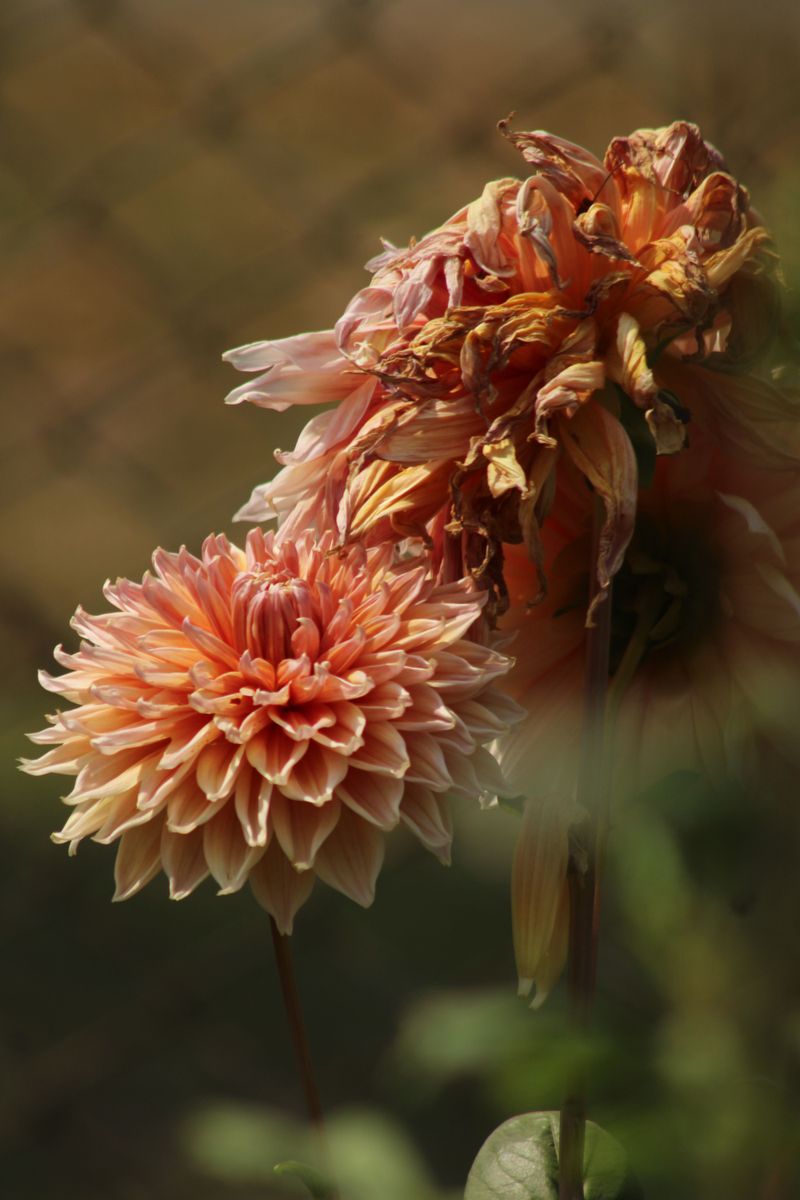
Spent blooms redirect the plant’s energy away from new growth. Once a dahlia flower fades, the plant shifts its energy toward making seeds instead of new blooms.
Trimming breaks that cycle fast. Grab a clean pair of snips and cut just above the first set of leaves beneath the old flower.
Do this every two to three days during peak dahlia season. August in the Northeast means dahlias are firing on all cylinders, so blooms come and go quickly.
Missing even one round of this task can slow your whole plant down. Seed production is exhausting for any flowering plant.
Look for flowers that are fully open and starting to curl at the edges. Those are your targets, and catching them early keeps the plant in full production mode.
Some gardeners skip this step because it feels tedious. But ten minutes every other day makes a dramatic difference in bloom count by late August.
Fresh cuts also reduce the risk of mold forming on old petals. Wet, rotting flowers sitting on the plant invite fungal problems you do not want.
Think of it as a conversation with your Vermont garden. You ask for more blooms, and the plant delivers when you stay consistent.
By the end of August, staying on top of spent blooms can noticeably increase the number of blooms compared to a neglected plant. That payoff is absolutely worth the effort.
2. Pinch Back Leggy Side Shoots
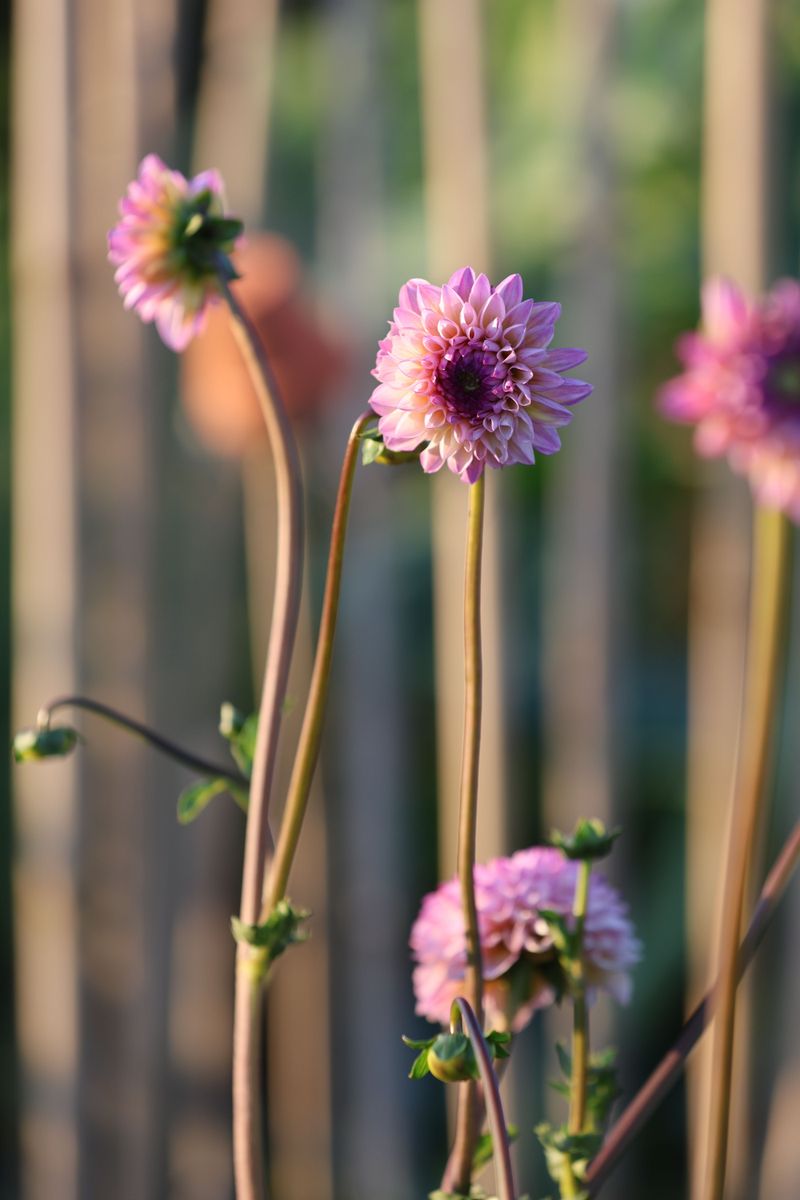
Leggy side shoots are a classic August problem for dahlia growers. When plants get too tall and spindly, they stop putting energy into strong blooms.
Pinching back means removing weak, thin shoots growing from the main stem. Use your fingers or clean scissors and snap them off close to the base.
Focus on shoots that look pale, thin, or crowded between stronger stems. These weak stems rarely produce quality flowers anyway.
Removing them redirects the plant’s resources to the stems that actually matter. Stronger stems mean bigger, more vibrant blooms by late summer.
August is the perfect window for this task because the plant is still actively growing. Pinching now gives new, stronger growth time to develop before the first frost arrives.
Vermont gardeners know frost can sneak in earlier than expected. Getting the most out of August growth is a smart, season-aware strategy.
Some people worry that pinching will hurt the plant. In reality, it encourages bushier, more productive growth rather than tall, floppy stems.
After pinching, give the plant a good drink of water. Hydration helps the plant recover and push new energy into the remaining shoots quickly.
Check your plants every week for new leggy growth. Dahlias are fast growers, and side shoots can appear almost overnight in warm August weather.
A tidy, well-pinched dahlia plant is a healthier plant. Your blooms will thank you come September.
3. Feed With A Low-Nitrogen Fertilizer
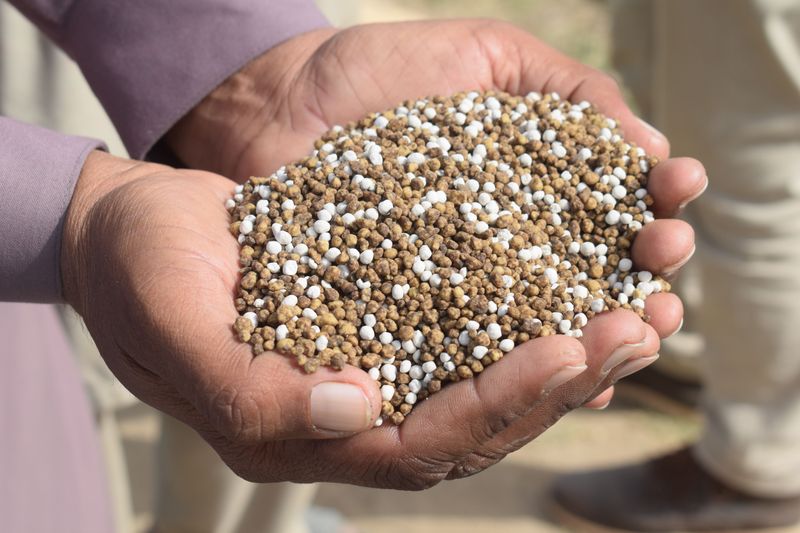
Feeding your dahlias the wrong fertilizer in August is a common mistake. High-nitrogen blends push leafy green growth, which is great in spring but counterproductive now.
By August, you want flowers, not foliage. Switch to a low-nitrogen fertilizer with higher phosphorus and potassium numbers on the label.
Look for something like a 5-10-10 or 0-10-10 blend at your local garden center. These formulas support root strength and bloom production rather than leaf growth.
Apply fertilizer every two to three weeks through the end of August. Consistent feeding keeps the plant fueled for its biggest bloom push of the season.
Liquid fertilizers work faster than granular ones. If your plants look pale or sluggish, a liquid feed can perk them up within just a few days.
Always water the soil before applying granular fertilizer. Dry soil can cause fertilizer burn, which damages roots and stresses the whole plant.
Dahlias are heavy feeders, meaning they consume nutrients quickly during peak bloom season. Think of August feeding as filling the tank before a long drive.
Organic options like fish emulsion or kelp meal also work well. They release nutrients slowly and improve soil health at the same time.
Avoid fertilizing right before a heavy rainstorm. Rain can wash nutrients away before the roots have a chance to absorb them.
Proper August feeding is one of the highest-impact dahlia jobs you can do. The blooms you get in September will prove it.
4. Water Deeply During Dry Spells
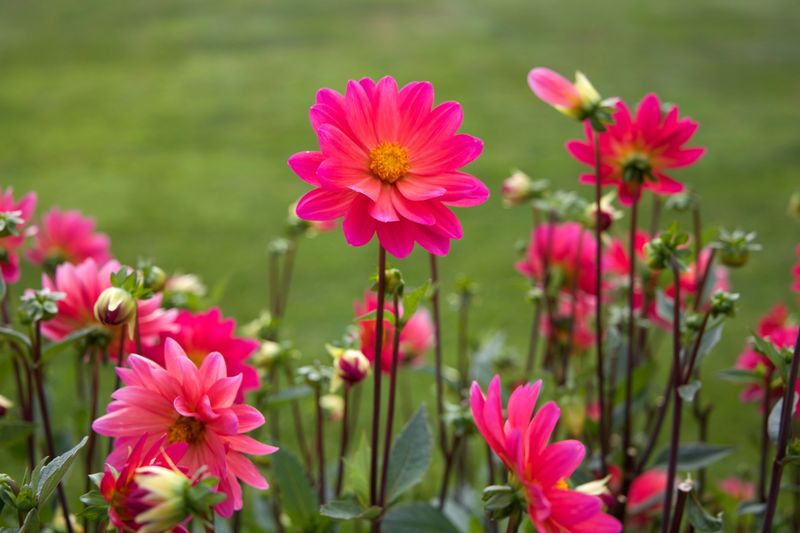
August can bring surprising dry stretches to New England gardens. Dahlias have shallow, fibrous root systems that feel drought stress quickly.
Shallow watering is actually worse than no watering at all. It trains roots to stay near the surface, where they are most vulnerable to heat and dry air.
Deep watering means soaking the soil to at least six inches below the surface. This encourages roots to grow downward, where moisture lasts longer between rains.
A slow, steady soak at the base of each plant works best. Soaker hoses or drip irrigation are ideal because they deliver water directly to the root zone.
Water in the morning whenever possible. Evening watering leaves foliage wet overnight, which creates a perfect environment for fungal diseases like powdery mildew.
Check soil moisture by sticking your finger two inches into the ground. If it feels dry at that depth, your dahlias need water today.
On average, dahlias need about one inch of water per week. During hot, dry August stretches, you may need to water every two to three days.
Wilting leaves are a clear distress signal. But by the time leaves wilt, the plant has already been stressed for longer than you might think.
Mulching around the base helps retain moisture between watering sessions. A two-inch layer of straw or shredded bark makes a real difference in dry conditions. Consistent deep watering keeps dahlias blooming strong all August long.
5. Stake Tall Varieties For Support
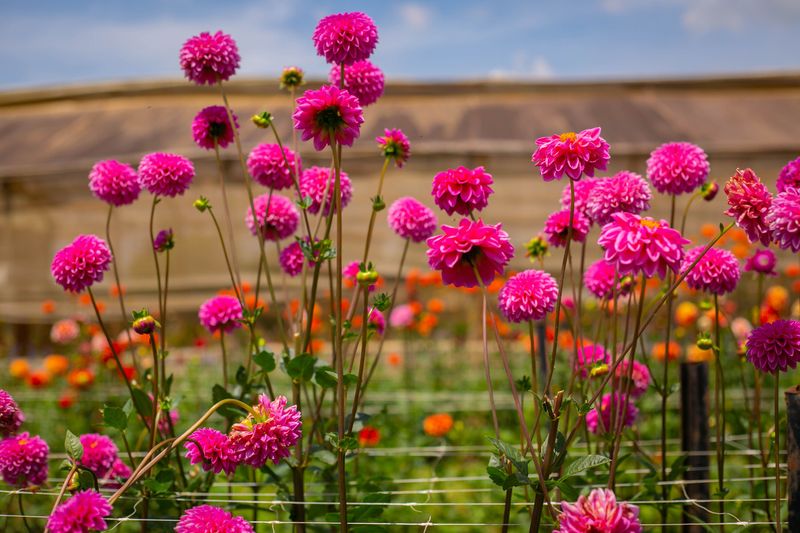
August storms in New England are no joke. Wind and rain can snap a tall dahlia stem in seconds if it has no support.
Staking is one of those dahlia jobs that feels optional until the moment it is not. A broken main stem can significantly set back a plant’s season.
Install stakes when plants are young, but August is not too late to add support. Push a sturdy wooden or metal stake about a foot into the ground beside each plant.
Use soft plant ties, strips of old pantyhose, or foam-coated wire to secure stems. Avoid anything too tight or rigid, which can cut into growing stems over time.
Tall dinner plate dahlias and decorative varieties often grow four to six feet high. These giants need at least one stake per main stem to stay safe.
Check ties weekly as the plant grows. What felt secure in early August may become too loose or too tight by the end of the month.
Some Vermont gardeners use a cage system instead of individual stakes. Wire tomato cages work surprisingly well for bushy, multi-stemmed dahlia plants.
Position stakes on the side of the plant facing the prevailing wind direction. This gives the most protection during summer thunderstorms rolling through the region.
A well-staked plant also looks better in the garden. Upright, supported stems display blooms at their best angle for both viewing and cutting. Stake now, and your dahlias will stand tall through every August storm.
6. Disbud Extra Buds For Size
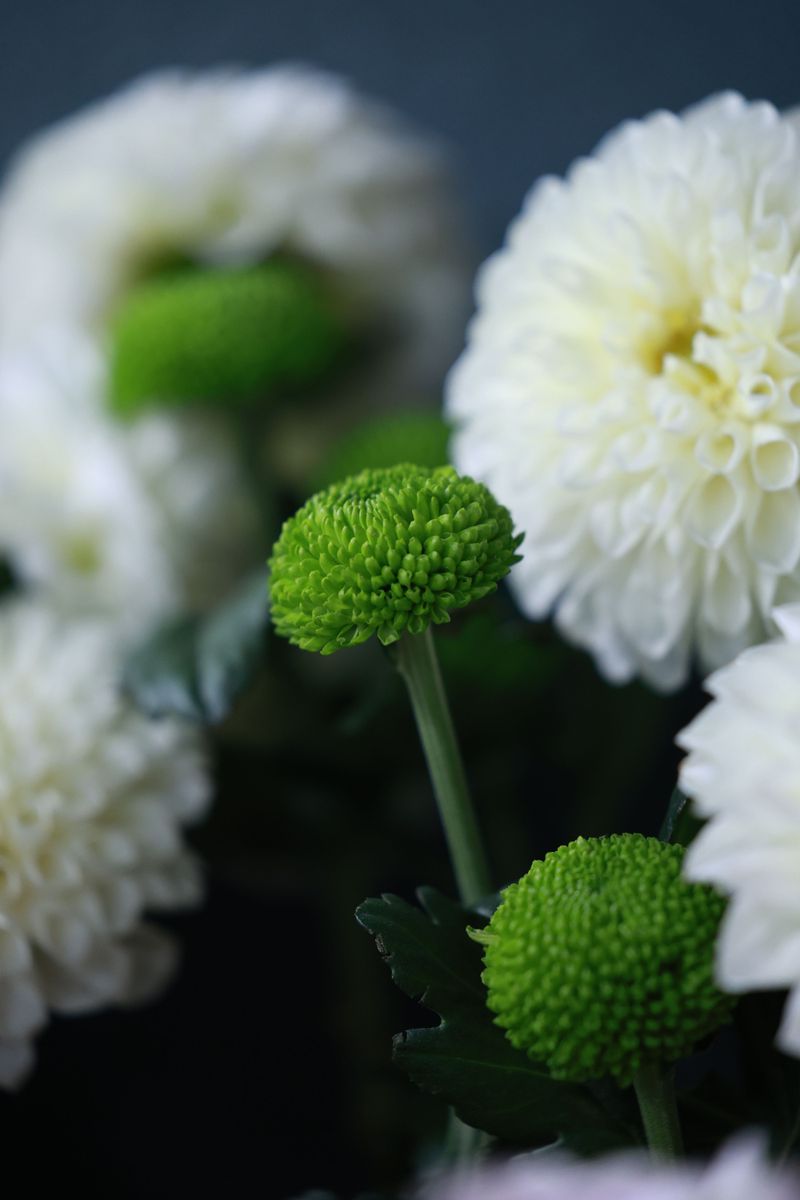
If you have ever seen a dinner plate dahlia the size of a salad bowl, disbudding is the secret behind it. This technique focuses the plant’s energy into fewer, larger blooms.
Each dahlia stem typically produces one central bud flanked by two smaller side buds. Removing those side buds forces all the plant’s energy into the central flower.
The result is one spectacular, oversized bloom instead of three average-sized ones. For cut flower growers and show gardeners, this makes a huge difference.
Pinch or snip side buds when they are still small, about the size of a pea. Removing them early causes less stress to the plant than waiting until they are larger.
Not every gardener needs to disbud. If you prefer a fuller, more natural-looking plant with lots of smaller blooms, simply leave all the buds in place.
But if you are growing dahlias for arrangements or want jaw-dropping focal blooms, disbudding is a game changer. August is prime time to start this practice.
Disbudding also improves air circulation around each stem. Better airflow reduces the chance of fungal disease settling in during humid New England summers.
Keep your hands or tools clean when disbudding. Transferring sap between plants can spread disease, so wipe tools with rubbing alcohol between cuts.
Track which plants you disbud and compare them to undisbudded ones by month’s end. The size difference will surprise even experienced gardeners. Many growers prefer one large bloom over several smaller ones.
7. Check For Pests And Disease
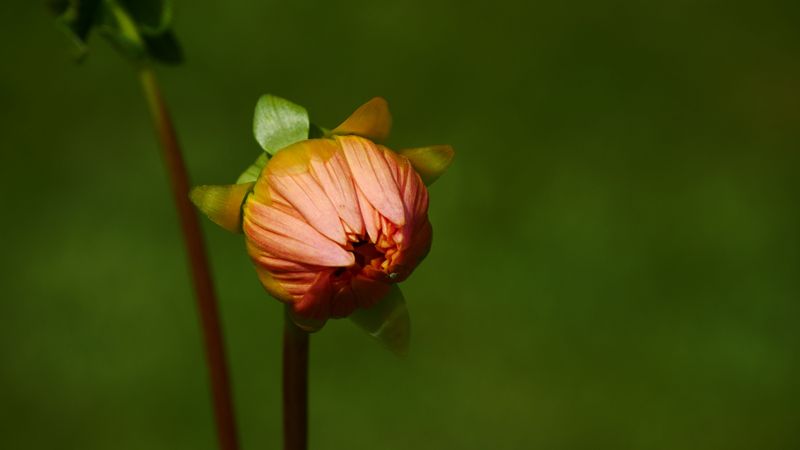
August heat and humidity create ideal conditions for dahlia pests and disease. Catching problems early is the difference between a minor fix and a major loss.
Aphids are among the most common summer visitors. These tiny insects cluster on new growth and undersides of leaves, sucking sap and weakening stems.
For heavier infestations, insecticidal soap spray is effective and carries lower risk to pollinators when applied in the evening, once bees are no longer active.
Thrips are another sneaky pest that causes streaked, distorted petals. Look for silver streaking on flowers or leaves as a telltale sign of their presence.
Powdery mildew is the most common fungal issue in late summer. It appears as a white, powdery coating on leaves and spreads fast in humid conditions.
Improve air circulation by removing crowded foliage and spacing plants properly. A diluted baking soda spray can help treat mild cases of powdery mildew naturally.
Earwigs love to hide in dahlia blooms overnight and chew petals. Check flowers in the early morning before they open fully to catch these pests in action.
Slug damage appears as ragged holes in lower leaves, especially after rainy periods. Diatomaceous earth sprinkled around the base of plants creates an effective barrier.
Walk your dahlia garden every few days with fresh eyes. Early detection keeps small problems from becoming major setbacks. Healthy dahlias start with a gardener who pays close attention.
8. Cut Often To Push New Growth
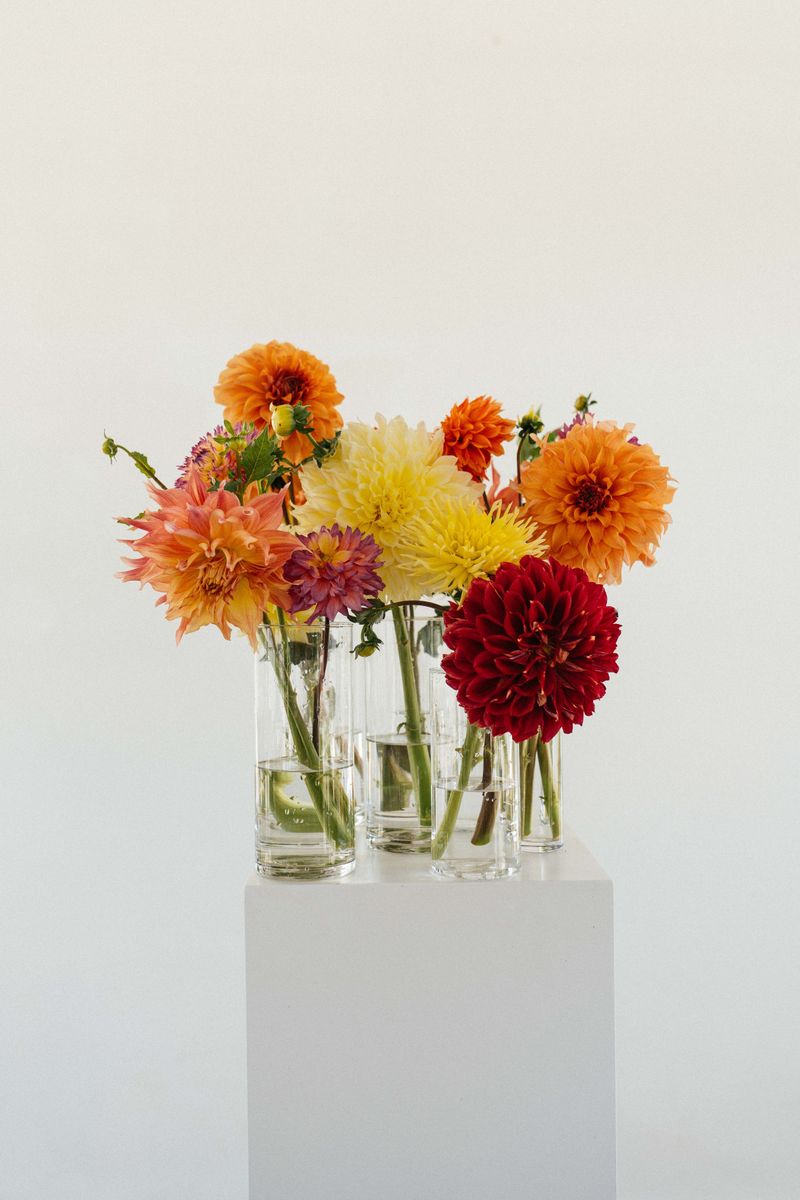
Cutting dahlias regularly is not just for enjoyment, it also encourages the plant to produce more blooms. Every stem you harvest triggers new growth nearby quickly.
Cut in the early morning when stems are full of water and less stressed by heat. Choose blooms that are fully open, since dahlias do not continue opening once fully cut.
Use sharp, clean shears and cut stems at an angle for better water absorption. Longer stems give you more flexibility for arranging later in the season, especially for taller show varieties.
Immediately place cut stems in a bucket of cool water right away. Dahlias wilt fast if left dry, even for just a few minutes in warm August air.
Strip lower leaves before arranging so they do not rot in the vase water. Change vase water every day or two to keep bacteria from shortening bloom life quickly.
Adding a splash of flower preservative can extend vase life by several days. Some growers use a drop of bleach as an alternative, though results can vary.
Recut stem ends every few days to keep water uptake strong and consistent. This simple habit alone can add extra days of freshness to every arrangement you bring indoors.
Regular cutting throughout August keeps plants productive and prevents blooms from aging and rotting on the stem. It also gives you a steady supply of flowers for your home all season long. The more you cut, the more your dahlias want to give.