Why Oregon Grapes Stay Sour (And What Gardeners Should Check First)
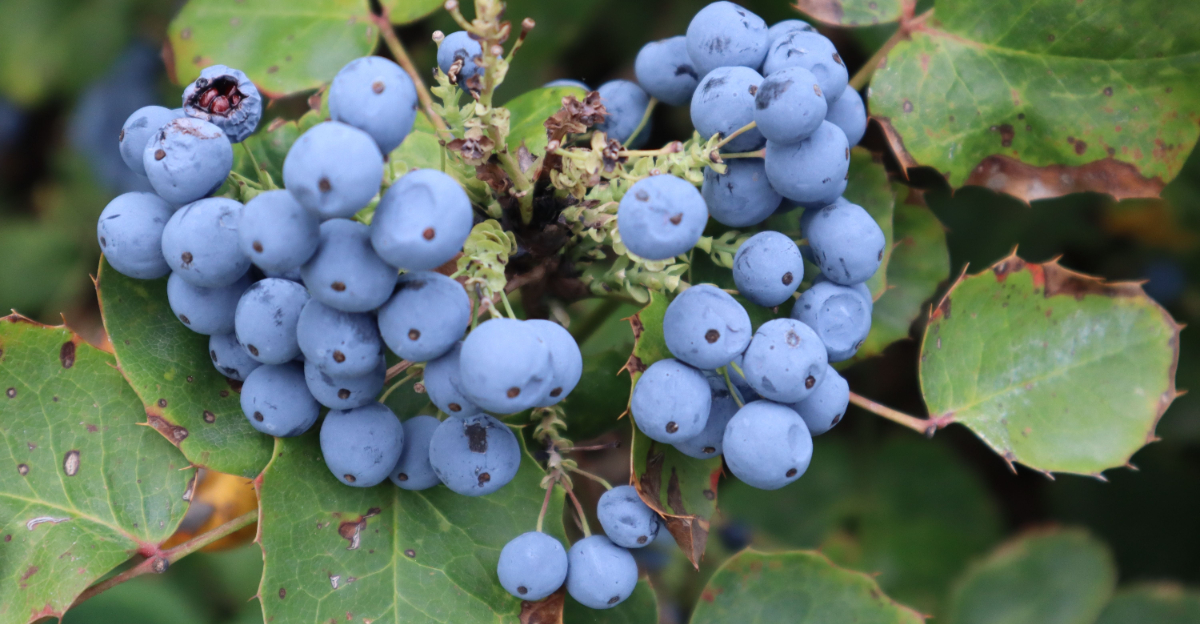
A grape can look ready long before it tastes ready.
In Oregon gardens, that is where the frustration begins. The clusters turn purple, red, gold, or dusky blue.
The vine looks loaded. September sun finally warms the fence line, and the first bite still lands sharp enough to make your jaw tighten.
Sour grapes usually have a reason.
Cool summers, too much shade, overloaded vines, uneven watering, hungry birds, and slow-ripening varieties can all keep sugar levels low.
Sometimes the vine did everything it could with the season it got. Other times, one small change in pruning, thinning, watering, or harvest timing can make next year’s fruit much sweeter.
The trick is finding the real culprit before blaming the whole vine.
So what should Oregon gardeners check first when grapes stay sour?
Start with heat, then move through harvest timing, crop load, canopy shade, water patterns, variety choice, bird pressure, and a better ripeness test before picking.
1. The Vine Needs More Heat
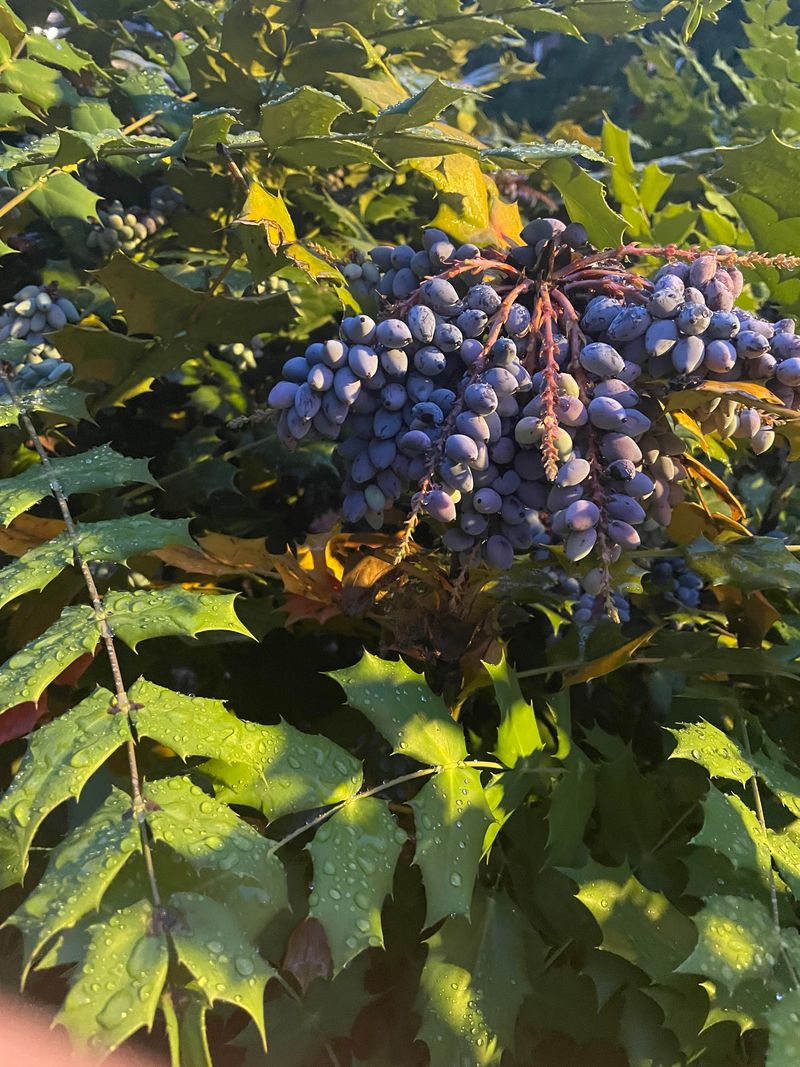
A colored cluster can still be short on sugar.
Grapes need accumulated warmth over the season to turn acids into balanced flavor and build sweetness in the berries.
In cooler Oregon gardens, especially near the coast or in mild Willamette Valley pockets, the vine may not get enough heat to finish the job.
The fruit may look mature anyway.
Color change is not the finish line. A grape can darken beautifully while still tasting sharp because the berries have not built enough sugar yet. Cool, cloudy stretches in midsummer can slow that process more than gardeners expect.
Microclimate matters.
A vine on a north-facing fence, shaded slope, or cool low spot may always lag behind a vine planted against a sunny south-facing wall. Reflected heat from siding, stone, gravel, or a warm fence can make a real difference.
Look at the season as a whole.
A mild July or foggy August can push ripening back by weeks. A grape that tasted sour in early September may have needed more time, not more fertilizer.
Move new vines with heat in mind.
South or southwest exposure, good air movement, and warm soil give table grapes a better chance in Oregon. Raised beds can also warm earlier and drain better than cold, heavy ground.
Existing vines may need canopy help.
More sunlight on clusters and fewer excess leaves can increase warmth around the fruit.
Some years simply run cool.
But giving the vine the warmest spot available improves the odds that next season’s clusters taste like grapes, not garden lemons.
2. Harvest Happened Too Early
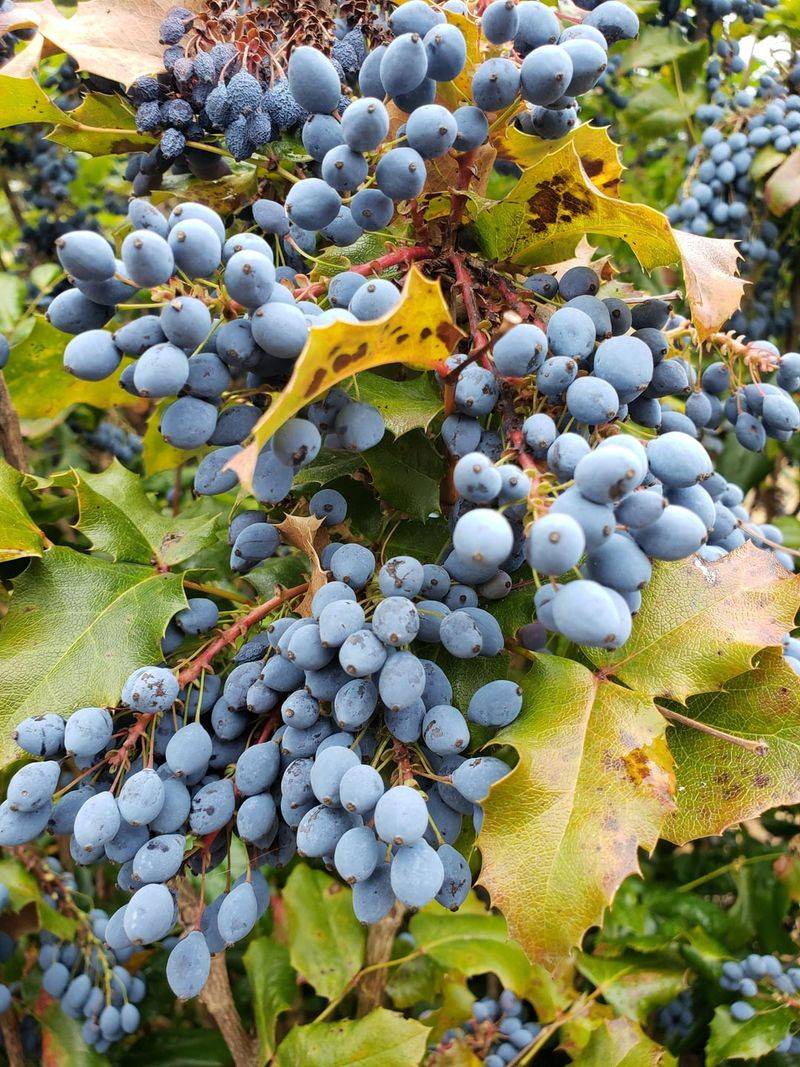
Grape color can trick even experienced gardeners.
Once clusters turn their mature color, the urge to pick gets strong. But color change, called veraison, only means ripening has started. The berries may still need several more weeks before flavor catches up.
Taste from different parts of the cluster.
A berry near the tip may ripen differently than one near the stem. Sample from the top, middle, and bottom before deciding the whole cluster is ready.
Your Oregon Garden Changes Every Week. Your Plan Should Too.
Gardening in Oregon changes quickly throughout the season. Every Friday you’ll receive a simple weekly plan showing exactly what to plant, prune, fertilize, harvest, and protect so you never miss the right timing.
Seeds tell a story too.
Green, bitter seeds usually mean the grape needs more time. Brown, firm seeds with a nutty taste are a much better sign that ripeness is close.
Texture changes near harvest.
Ripe grape skins often feel less tough, and the flesh separates more cleanly from the seed. Sour, clingy flesh usually points to unfinished ripening.
Do not harvest by calendar date.
Oregon weather shifts too much from year to year. The same vine may ripen earlier after a warm summer and much later after a cool one.
Check every few days near the end.
Once grapes look ready, sample often. Waiting one more week can turn a tart cluster into a good one, especially during a warm September stretch.
Bird pressure makes patience hard.
That is why protection matters before peak sweetness arrives.
The best harvest cue is not color.
It is flavor, seed color, texture, and sweetness all agreeing at the same time.
3. Clusters Are Carrying Too Much
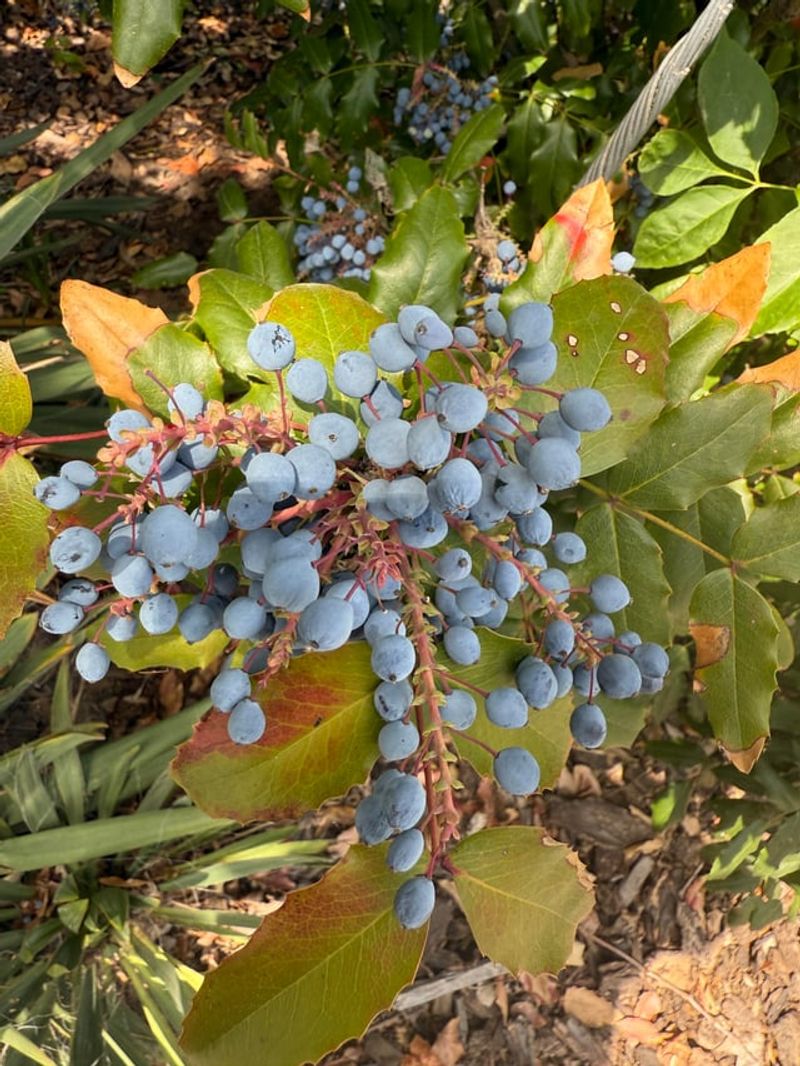
A vine loaded with fruit can still fail the taste test.
Too many clusters spread the plant’s energy too thin. The leaves can only make so much sugar, and every extra bunch asks for a share. When the vine carries more fruit than it can ripen, everything stays tart longer.
This is common in home gardens.
A heavy crop looks exciting in early summer, so thinning feels wrong. Nobody wants to remove grapes on purpose. But crowded vines often produce more fruit than they can finish well.
Fewer clusters can mean better flavor.
Removing some young clusters after fruit set sends more energy into the remaining grapes. Those bunches usually ripen more evenly and develop better sweetness.
Small vines need stricter limits.
A young or lightly trained backyard vine may not be able to ripen dozens of clusters, even when it sets them. Eight to twelve good clusters may taste better than a vine packed with sour ones.
Look at the leaves.
A vine needs enough healthy leaf area to support the crop. Sparse foliage plus heavy fruit is a recipe for slow ripening.
Thin early for best results.
Cluster thinning works best in late spring or early summer, before the vine has spent too much energy on fruit it cannot finish.
Do not wait until harvest to regret abundance.
A smaller crop of sweet grapes beats a huge crop that only looks good from the porch.
4. Leaves Are Shading The Fruit
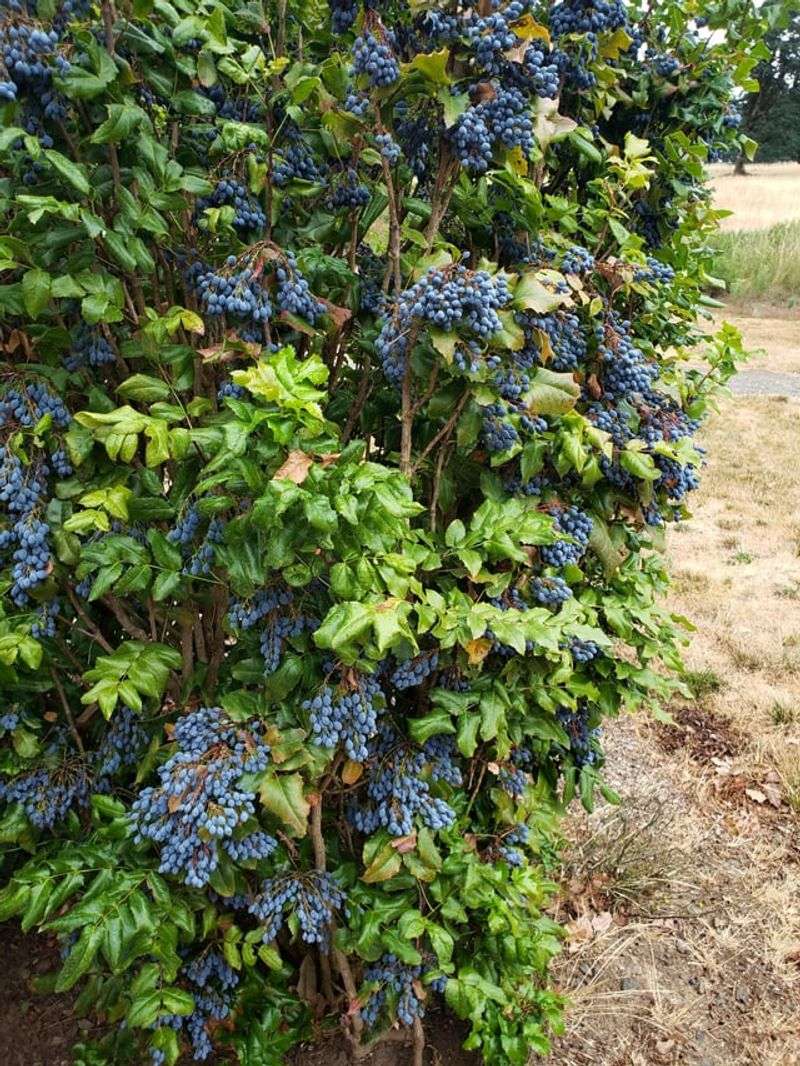
A lush vine can hide its own harvest from the sun.
Grapes need leaves for sugar production, but too much leafy growth around the clusters can slow ripening. Dense canopy shade keeps berries cooler, damper, and slower to develop flavor.
Oregon sunlight is precious.
A vine in California heat may tolerate a little more shade around fruit. In many Oregon gardens, every sunny hour matters. Clusters buried under layers of leaves often stay sharper than clusters with better light.
The fruit zone needs breathing room.
Remove some leaves around the clusters, especially on the morning-sun side of the vine. That lets light reach the fruit without exposing it to the harshest afternoon heat.
Do not strip the whole vine.
Leaves feed the fruit. The goal is selective opening, not bare stems. Keep enough canopy to support ripening while letting air and light move through.
Shoot positioning helps too.
Tie or train shoots upward and outward instead of letting them flop over the clusters. A neat canopy ripens more evenly than a tangled green curtain.
Better airflow reduces problems.
Open clusters dry faster after rain or morning dew, which also helps reduce disease pressure late in the season.
Check the inside of the vine.
Fruit tucked deep in shade often tastes behind the rest. That is your sign to adjust pruning and training next year.
A beautiful wall of leaves may impress the gardener.
The grapes underneath would rather have some sun.
5. Late Irrigation Fell Short
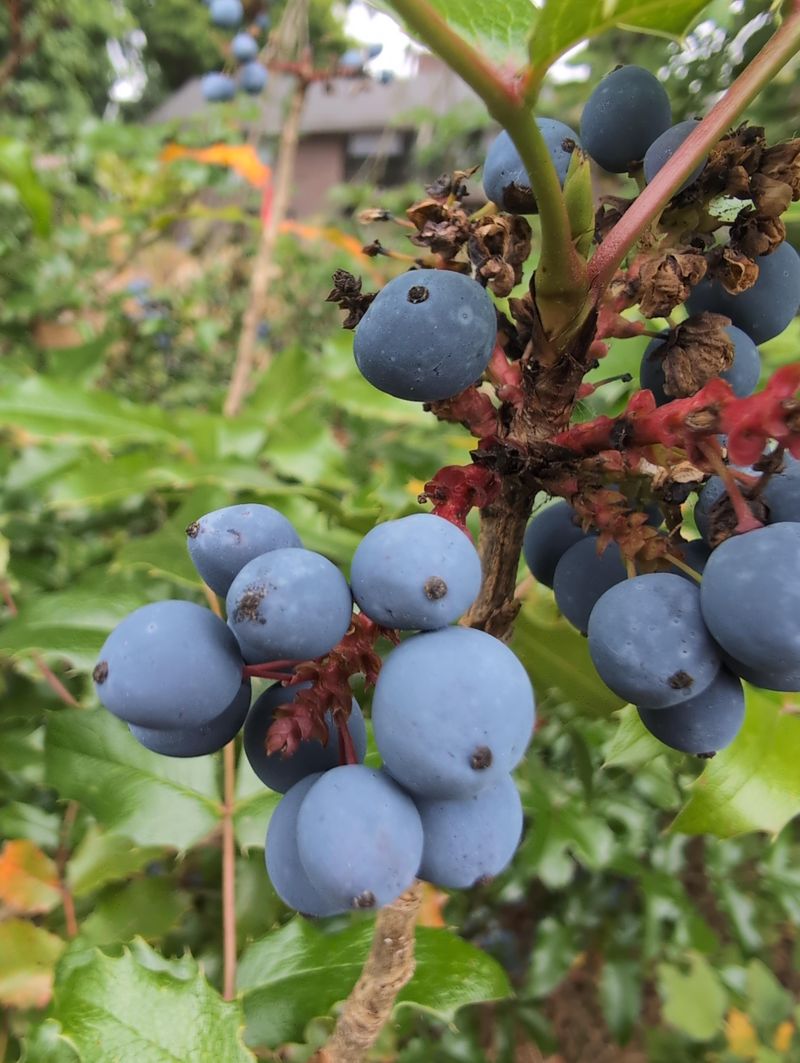
Dry roots near harvest can hold sweetness back.
Grapes do not need soggy soil, but sharp water stress during the final ripening stretch can slow sugar movement into the berries. In Oregon gardens with dry August weather, that stress can sneak up fast.
Surface soil can be misleading.
The top inch may look dry while deeper soil still has moisture, or the top may look damp after light rain while the root zone remains thirsty. Check several inches down before deciding.
Consistency matters most.
A vine that goes very dry, then gets soaked by rain or heavy irrigation, deals with a stressful swing. That uneven moisture can affect berry size, texture, cracking, and flavor.
Drip irrigation is useful.
It sends water to the root zone without wetting leaves or clusters. That matters late in the season when damp fruit can invite disease.
Moderate water supports ripening.
The goal is not pushing lush growth. The goal is keeping the vine steady enough to finish the fruit. Deep, occasional watering works better than frequent shallow splashes.
Mulch can help stabilize soil moisture.
A light organic mulch around the root zone keeps soil from drying too quickly during hot late-summer stretches. Keep it away from the trunk to avoid moisture sitting against the base.
Watch the final month closely.
The last four to six weeks before harvest can decide a lot about flavor.
Grapes like some discipline, but not neglect.
A vine that stays steady has a better shot at moving from tart to sweet before fall cools everything down.
6. The Variety Needs A Longer Season
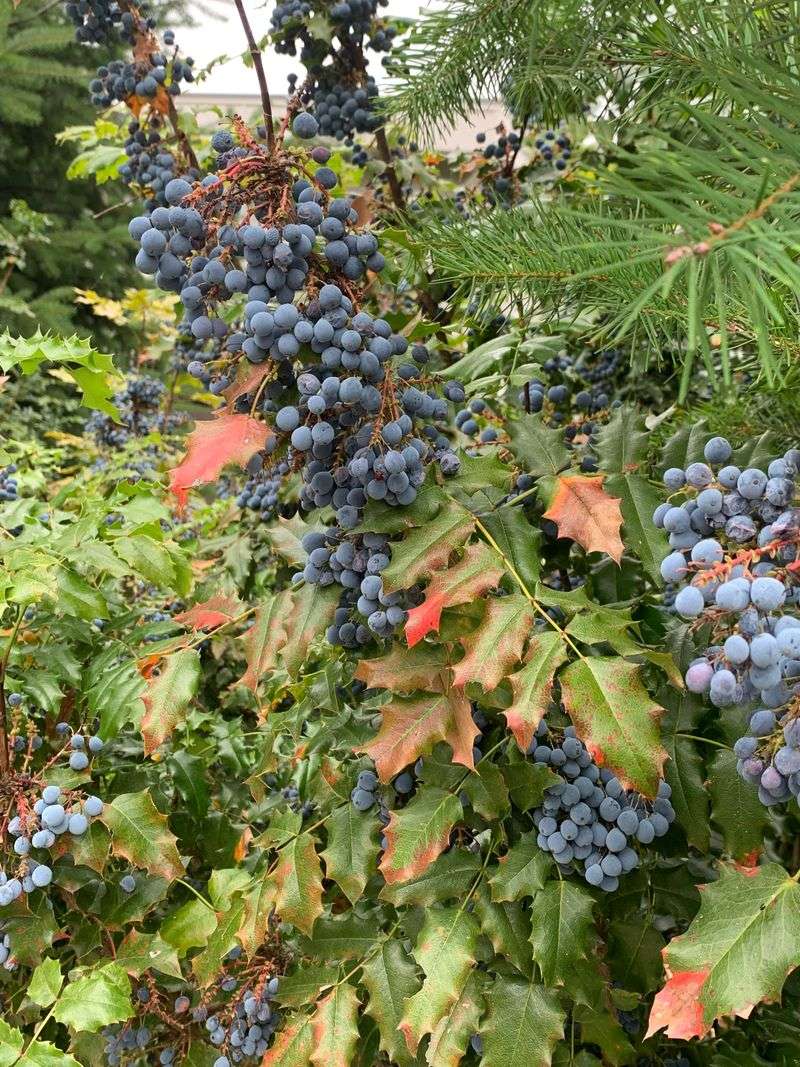
Some grapes are simply asking Oregon for more summer than it can give.
Variety choice is one of the biggest reasons homegrown grapes stay sour year after year. A cultivar bred for long, hot seasons may struggle in cooler Oregon regions no matter how carefully it is watered or pruned.
Ripening time matters.
Early-ripening table grapes are usually better suited to shorter, milder seasons. Later varieties may color up but fail to build enough sugar before cool nights and fall rain arrive.
Location changes the answer.
A grape that performs well in the Rogue Valley may disappoint near the coast. A vine that succeeds in a warm urban garden may struggle in a cooler rural pocket only a few miles away.
Check the variety name first.
Unknown vines are harder to troubleshoot. A “mystery grape” that never sweetens may be a long-season type planted in the wrong climate.
Early varieties are safer bets.
Gardeners in cooler Oregon areas often have better luck with grapes known for shorter ripening windows, especially seedless table types bred for northern gardens.
Ask nearby growers what works.
Local nurseries, farmers market growers, and county garden programs can point you toward varieties that actually ripen in your area, not just varieties that sound good in a catalog.
No care routine can fully overcome the wrong grape in the wrong place.
Sometimes the sweetest fix is planting a variety that can finish before Oregon closes the season.
7. Birds Beat The Sweet Window
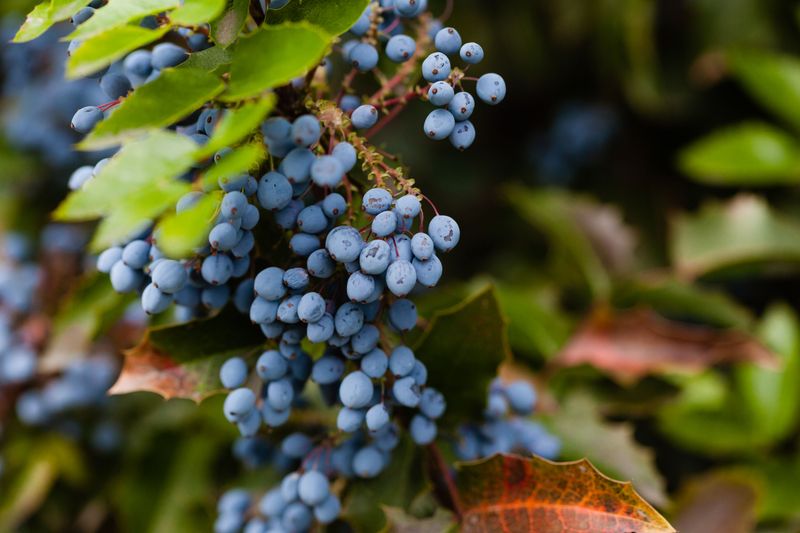
Birds often know the grapes are ready before you do.
Robins, starlings, finches, cedar waxwings, and other visitors can strip the sweetest fruit fast. A gardener may taste the remaining clusters and wonder why everything is still sour, while the best berries have already vanished.
Bird damage can be a ripeness clue.
Heavy feeding often begins right when sugars rise. The birds are responding to the same sweetness and aroma signals gardeners are waiting for.
The timing is brutal.
Wait a few days too long, and the best clusters may turn into stems, skins, and a few tart leftovers hidden under leaves. That can make the whole vine seem less ripe than it really was.
Net before the sweet stage.
Bird netting works best before color change is complete, not after damage starts. Once birds learn the vine is worth visiting, they become very persistent.
Secure the bottom edges.
Loose netting is not enough. Birds can walk underneath, reach through gaps, or get tangled in poorly placed material. Pull it tight and check it often.
Reflective tape and fake predators help only a little.
They may slow curious birds for a short time, but ripe grapes are powerful motivation. Physical exclusion is more reliable.
Harvest promptly once fruit passes the taste test.
Protection buys time, but it does not mean the fruit should sit forever.
Sometimes sour grapes are not the whole story.
The sweet ones may have flown off first.
8. Test Ripeness Before Picking
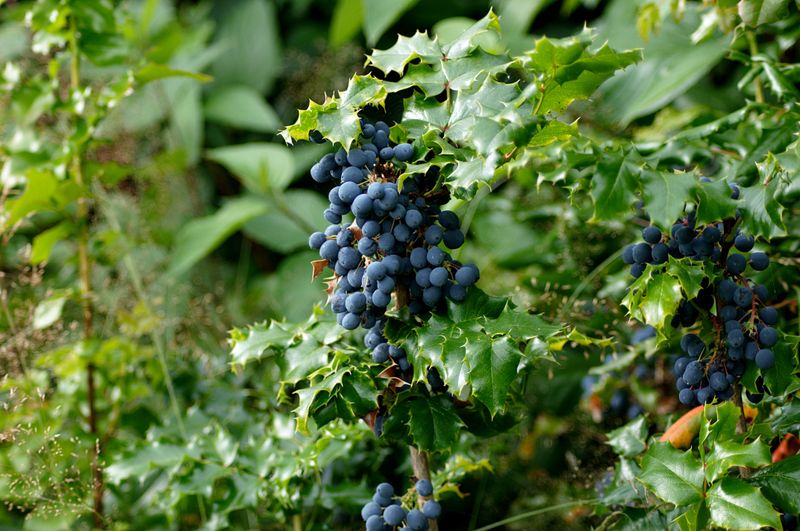
Guessing is the fastest way to pick too soon.
Grapes do not ripen by hope, color, or a date circled on the calendar. They ripen when heat, sunlight, crop load, water, and variety all line up well enough to build sugar and soften acidity.
Taste testing is step one.
Sample berries from several clusters and several parts of the vine. Grapes in full sun may be sweeter than shaded grapes. Low clusters may lag behind upper ones. One berry cannot speak for the whole plant.
Check the seeds.
Brown, hard seeds are a better sign than green, bitter ones. Seed color is not perfect, but it adds another clue.
Feel the skin.
Ripe berries often have a softer, less astringent skin. Sour grapes may feel firm, thick-skinned, and clingy around the seeds.
A refractometer removes guesswork.
This small tool measures Brix, or sugar percentage in the juice. Many table grapes taste good once they reach the mid-to-high teens, depending on variety and acidity.
Test every few days near harvest.
Crush one berry, read the sugar, taste another, and compare the changes. The pattern tells you more than one reading.
Use all the clues together.
Flavor, seed color, skin texture, berry softness, bird activity, and Brix should point in the same direction.
That is the harvest moment.
Not when the grapes look ready, but when they finally taste like the season was worth waiting for.