What It Really Means When Frogs Start Showing Up On Your North Carolina Porch During A Storm
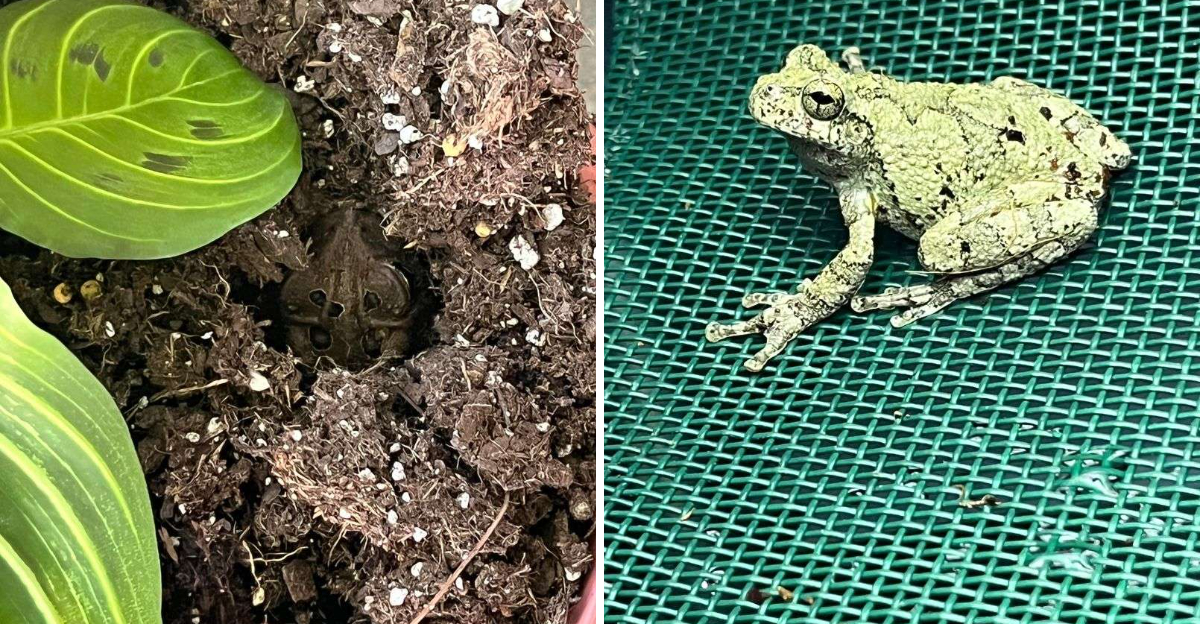
A rainy porch visit from a frog is not as random as it looks.
One minute, the storm is tapping on the roof. The next, a tiny tree frog is clinging to the railing, another is hopping near the welcome mat, and something suspiciously bumpy is blinking from behind a planter.
North Carolina frogs know exactly what rain can do.
Storms make travel safer, wake up insects, fill temporary puddles, and turn damp porch corners into perfect resting spots.
Add a glowing porch light and a nearby garden bed, and your front steps can become a surprisingly busy wildlife stop.
That does not mean your house has a frog problem.
Most of the time, it means your yard has moisture, shelter, food, and fewer hazards than the hard, dry places around it. For animals that depend on wet skin, hidden cover, and stormy breeding cues, that matters.
So what are frogs really telling you when they show up on your North Carolina porch during a storm?
Start with the rain, then look at the lights, water sources, shelter spots, sounds, gutters, chemicals, and the safest way to let them pass through.
1. Storms Made Travel Safer
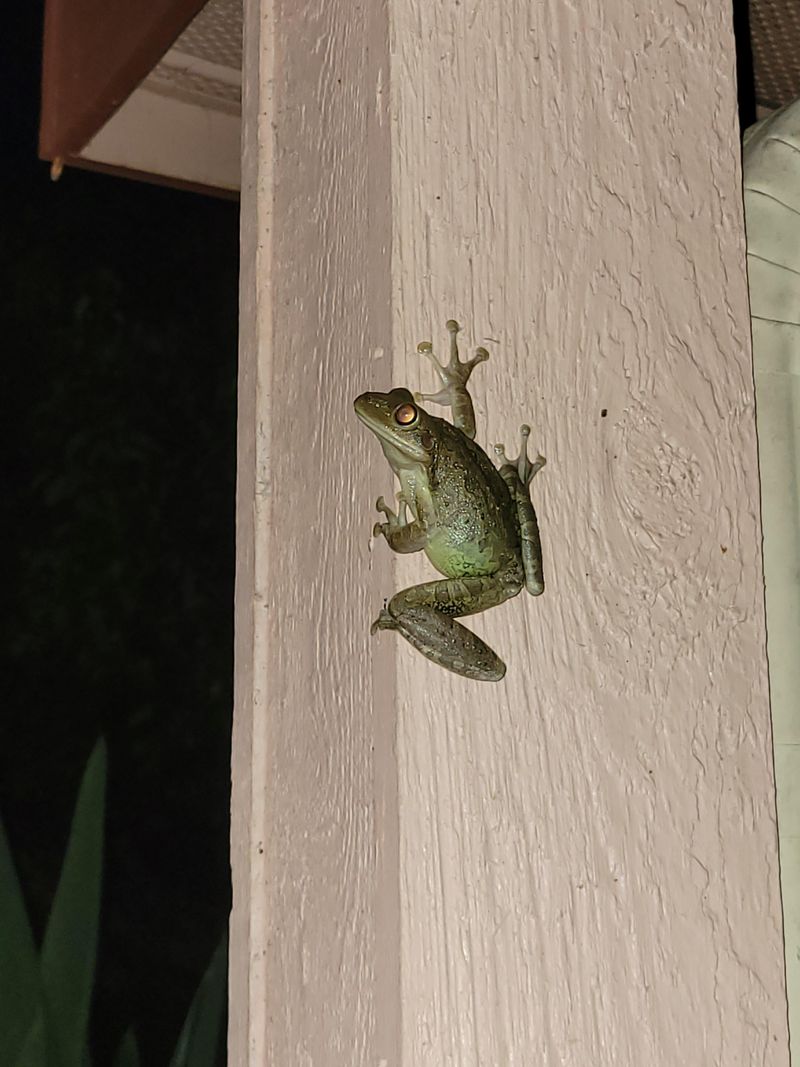
Rain turns the whole yard into a safer route.
Frogs and toads need moisture because their skin dries out easily. On a hot dry day, crossing pavement, steps, gravel, or open lawn can be risky. During a storm, those same surfaces become damp enough for movement.
That is why activity suddenly spikes.
A frog that stayed hidden through a hot afternoon may start traveling as soon as rain cools the ground. Wet grass, slick walkways, and shaded steps let it move toward food, shelter, or breeding water without losing moisture too fast.
Your porch may sit along the route.
Porches often connect garden beds, lawns, downspouts, planters, and protected corners. To a small amphibian moving through a storm, that edge can feel like a natural pause point.
Several frogs at once usually means good timing.
They are not lost. They are responding to the same weather cue at the same time. Rain opens the door, and they all take advantage while conditions are favorable.
North Carolina summers can be harsh between storms.
Dry spells make frogs stay hidden in cool, moist cover. Once rain returns, they move quickly because the safe window may not last long.
A frog crossing your wet porch is on a mission.
The storm gave it permission to travel, and your porch just happened to be part of the map.
2. Porch Lights Pulled In Insects
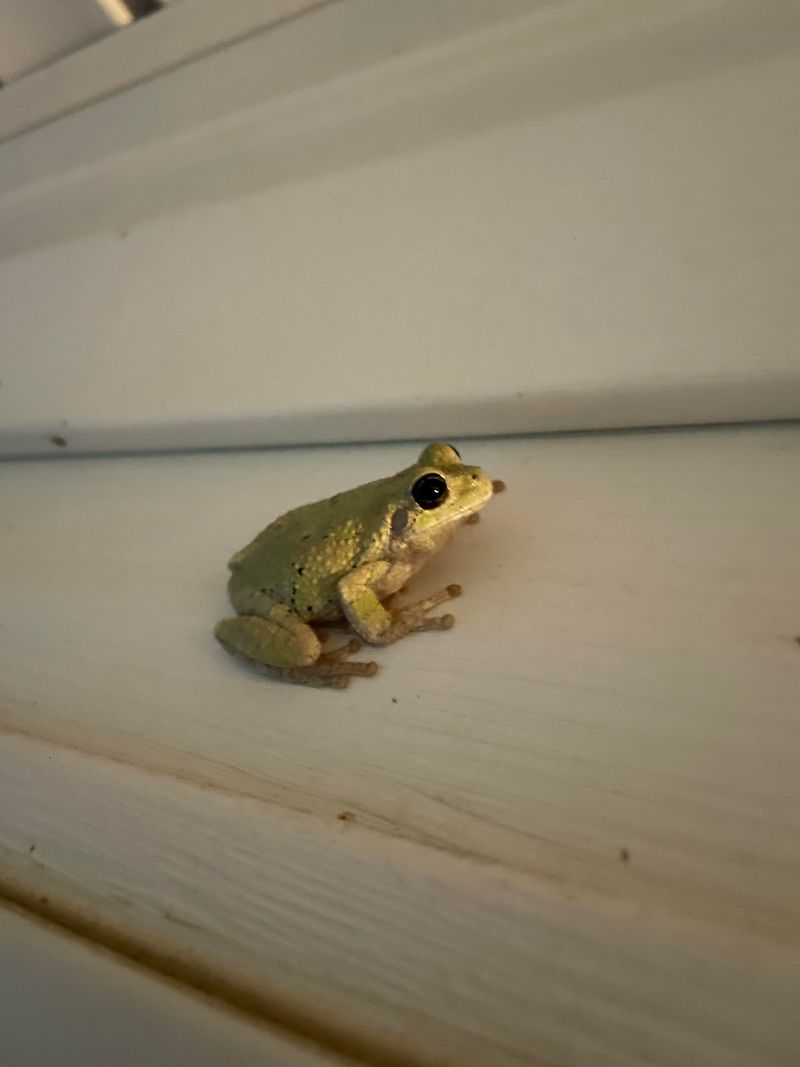
A bright porch light can turn into a frog buffet.
Moths, gnats, beetles, crane flies, and other small insects gather around outdoor lights, especially on humid stormy nights. Frogs notice that movement and follow the food.
The setup is perfect for ambush hunting.
A tree frog can cling to siding, railings, windows, or plant pots and wait for insects to come close. Then it strikes fast, often before the insect seems to know anything happened.
Your North Carolina Garden Changes Every Week. Your Plan Should Too.
Gardening in North Carolina changes quickly throughout the season. Every Friday you’ll receive a simple weekly plan showing exactly what to plant, prune, fertilize, harvest, and protect so you never miss the right timing.
Rain makes the effect stronger.
Storms push insects toward covered areas, and porch roofs give them shelter. The light keeps them circling, the roof keeps them nearby, and frogs get an easy feeding station.
Green tree frogs and gray tree frogs are especially good at this.
They can sit nearly motionless for long stretches, then grab prey with impressive speed. A porch wall under a light gives them height, cover, and a constant stream of snacks.
More bugs often means more frogs.
A porch that glows all night may attract enough insects to become a regular stop during wet weather. That does not mean the frogs live there permanently. They are following dinner.
Changing bulbs can reduce visits.
Yellow or amber outdoor bulbs usually attract fewer insects than bright white lights. Fewer insects often means fewer frogs near the door.
But a frog catching moths under a storm-lit porch is a pretty great show.
It is pest control with tiny sticky toes.
3. Nearby Water Is Calling
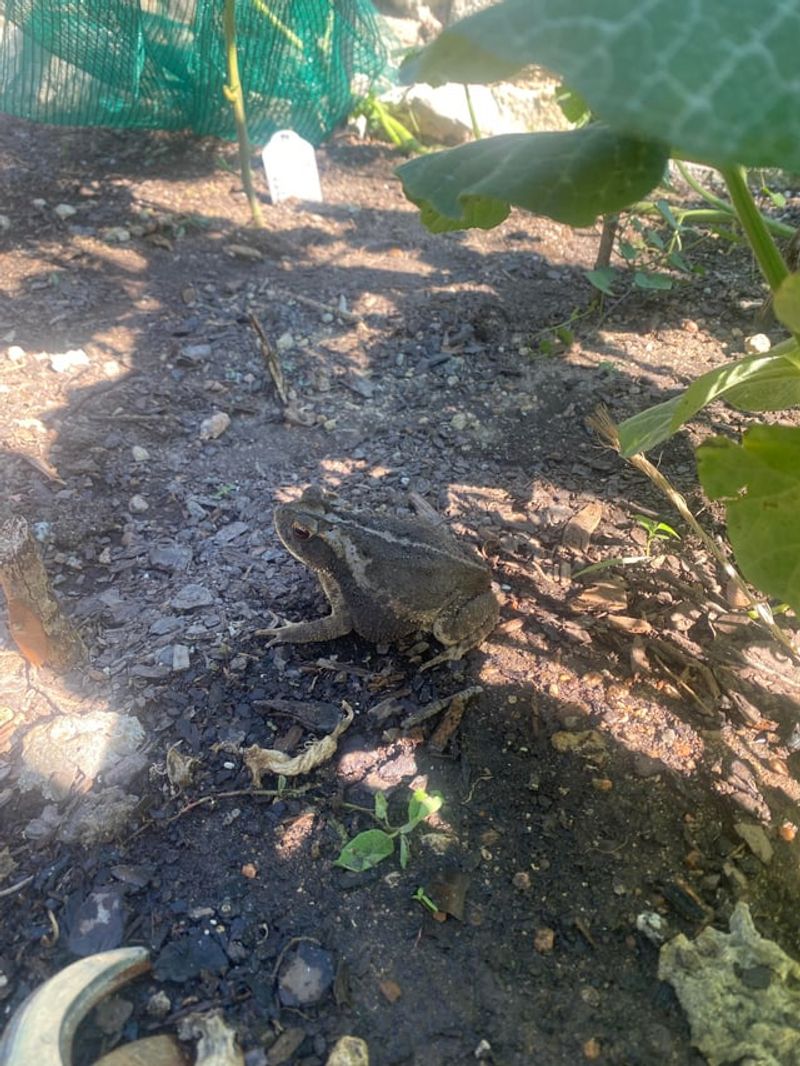
A frog on the porch may be headed toward water.
Rain fills low spots, ditches, puddles, rain gardens, roadside swales, and backyard ponds. For frogs and toads, those temporary wet places can become important travel targets during stormy weather.
Breeding instincts are powerful.
Many species become more active during and after rain because moisture signals a good time to move, call, mate, or lay eggs. A storm can turn a quiet yard into a busy amphibian corridor.
Your porch may be a rest stop.
A frog crossing the steps could be moving toward a ditch at the street, a puddle under shrubs, a neighbor’s pond, or a rain-filled depression near the fence.
Temporary water matters more than homeowners realize.
Some frogs use shallow seasonal pools or rain-filled low spots when conditions are right. Those places may not look like much to people, but they can be important for local wildlife.
Sound helps guide them too.
Calling frogs near water can draw others in. During a warm storm, the chorus may point traveling frogs toward a breeding site nearby.
A backyard pond or rain garden increases activity.
Native plants, shallow edges, and fish-free water can make a yard especially attractive to frogs. Even a damp drainage area can become part of the route.
The frog on your porch is probably not confused.
It may know exactly where the next wet stop is.
4. Damp Corners Became Shelter
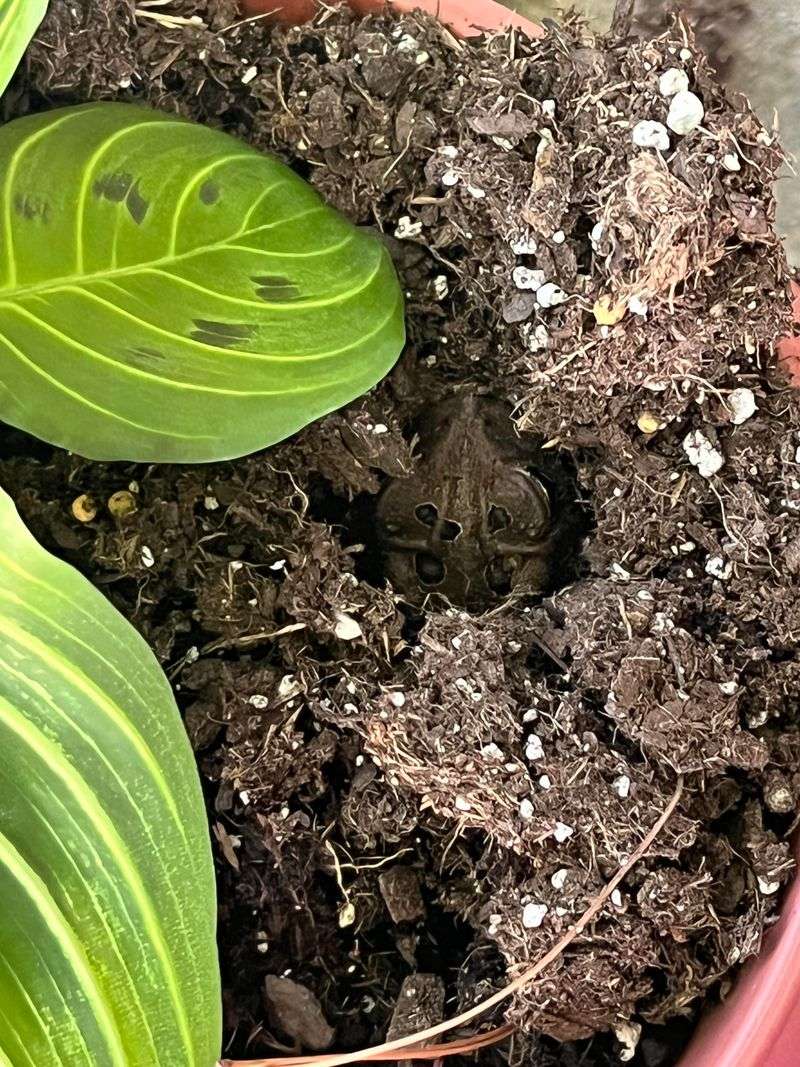
A porch corner can look ordinary to you and perfect to a frog.
Planters, stacked pots, damp mulch, leaf piles, porch steps, shaded ledges, and gaps behind décor all create cool hiding spots. During storms, those places become even more appealing.
Frogs need shelter between moves.
They may travel during rain, feed under the light, then tuck away somewhere damp to rest. A covered porch offers protection from heavy rain, wind, birds, and sudden temperature changes.
Toads especially like low cover.
American toads and Fowler’s toads often settle into mulch, leaf litter, or loose soil near porches and garden beds. Their coloring makes them easy to miss until they blink or hop.
Tree frogs use vertical spaces.
They may cling to railings, siding, windows, hanging baskets, or plant pots. A sheltered wall near moisture can be just as useful as a shrub.
Damp does not mean dirty.
A few leaves under a step or a moist planter corner can support insects and give amphibians a safe pause point. Totally bare, dry hardscape offers much less.
Move things carefully.
Lift pots slowly and check shaded corners before sweeping or rearranging after a storm. Hidden frogs may be resting where your hand is about to go.
A damp porch corner can become a tiny storm shelter.
The frog found it because, from its point of view, it works.
5. Breeding Calls May Be Close
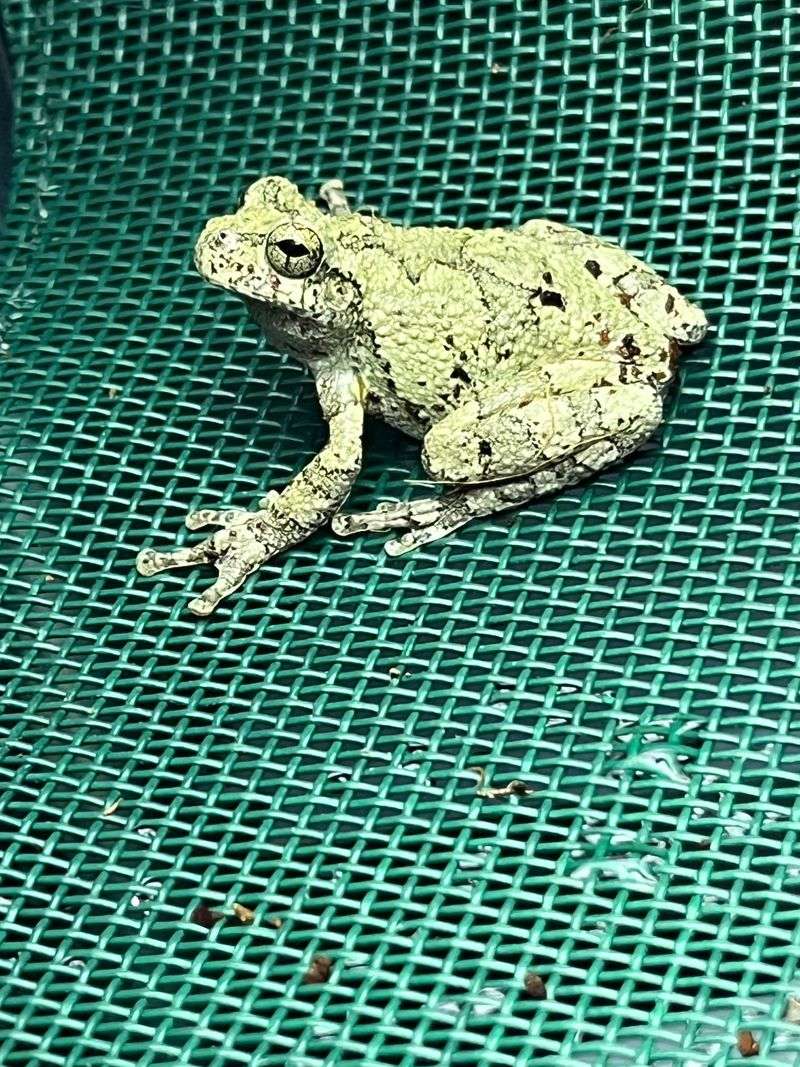
A loud rainy-night chorus means frogs are already on the move.
North Carolina frogs can become incredibly vocal during warm wet weather. Those trills, peeps, croaks, and buzzing calls are not background noise. They are breeding signals.
Rain sets the mood.
Moisture, humidity, and cooler storm air tell many frogs that conditions are right. Males call from ponds, ditches, puddles, wet woods, or low spots to attract females.
Your porch visitors may be traveling to that sound.
A frog sitting near your steps could be headed toward a calling area nearby or resting after leaving one. Yards often become movement corridors during active breeding nights.
Different species bring different sounds.
Spring peepers make high, sharp calls. Gray tree frogs produce trills. Green tree frogs and other local species add their own notes to the rainy chorus.
The porch can become a listening post.
You may spot frogs there because it offers a safe pause between the dry shelter of the yard and the wetter calling areas beyond.
Warm storms can bring sudden activity.
A quiet neighborhood may turn noisy within an hour of rain, especially after a dry stretch. Frogs respond fast when conditions finally line up.
Do not rush to quiet the chorus.
Those calls mean local amphibians are active, breeding, and using the habitat around you.
It is not just storm noise.
It is the yard waking up in frog language.
6. Gutters Created A Tiny Habitat
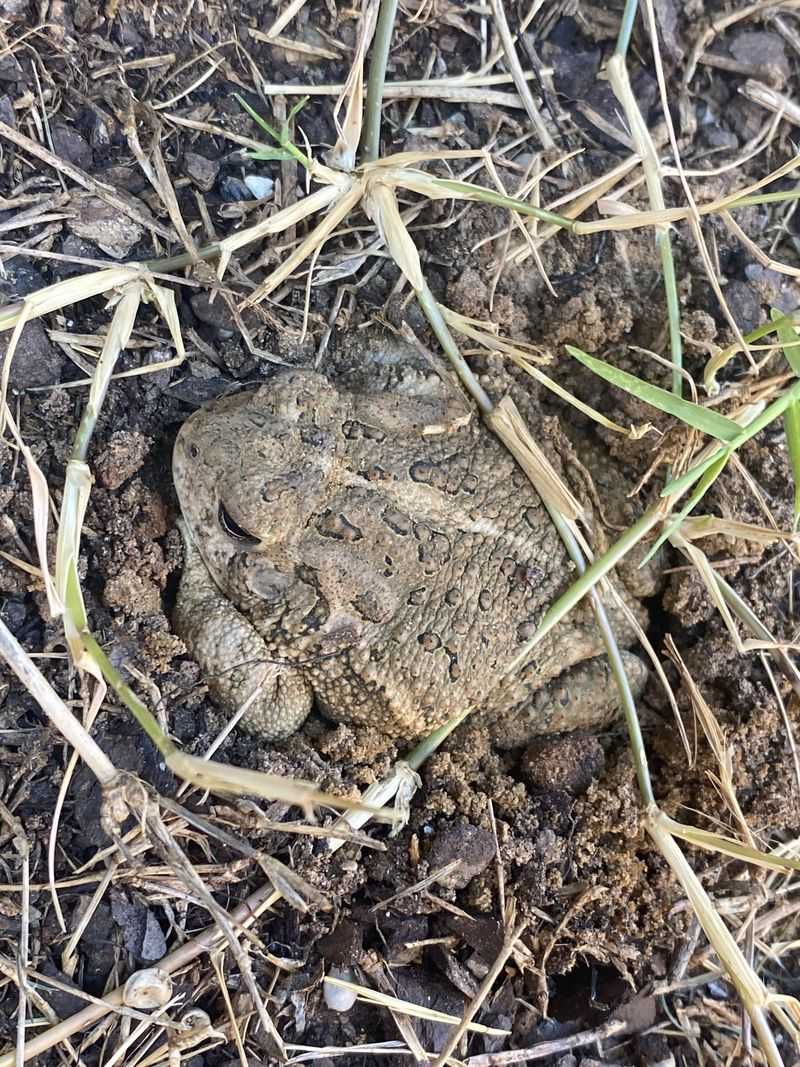
A dripping gutter can build a frog-friendly corner by accident.
When water spills beside a planter, garden bed, or porch step, it keeps the soil damp long after the storm moves through. Frogs and toads notice those little moisture pockets quickly.
Clogged gutters add more habitat.
Leaves and debris can hold standing water, which attracts mosquitoes and other insects. Those insects then attract frogs. What looks like a maintenance issue to you can look like food and moisture to them.
Downspout areas are especially attractive.
The base of a downspout may stay damp, soft, and insect-rich after rain. Add mulch or nearby shrubs, and the spot becomes even more appealing.
That does not mean clogged gutters should stay clogged.
Water pooling near the foundation can cause home problems, and standing water can increase mosquitoes. The better goal is managed moisture, not messy drainage.
Redirect water thoughtfully.
A rain barrel, rain garden, splash block, or extension can move runoff away from the house while still supporting a damp planted area farther out in the yard.
Check porch planters too.
Saucers that hold water can attract insects and bring frogs closer to the door. Emptying saucers after storms helps reduce mosquitoes while keeping the plants healthy.
Frogs love moisture, but your foundation does not.
Give water a better place to go, and the frogs will usually find that spot instead.
7. Chemicals May Push Them Around
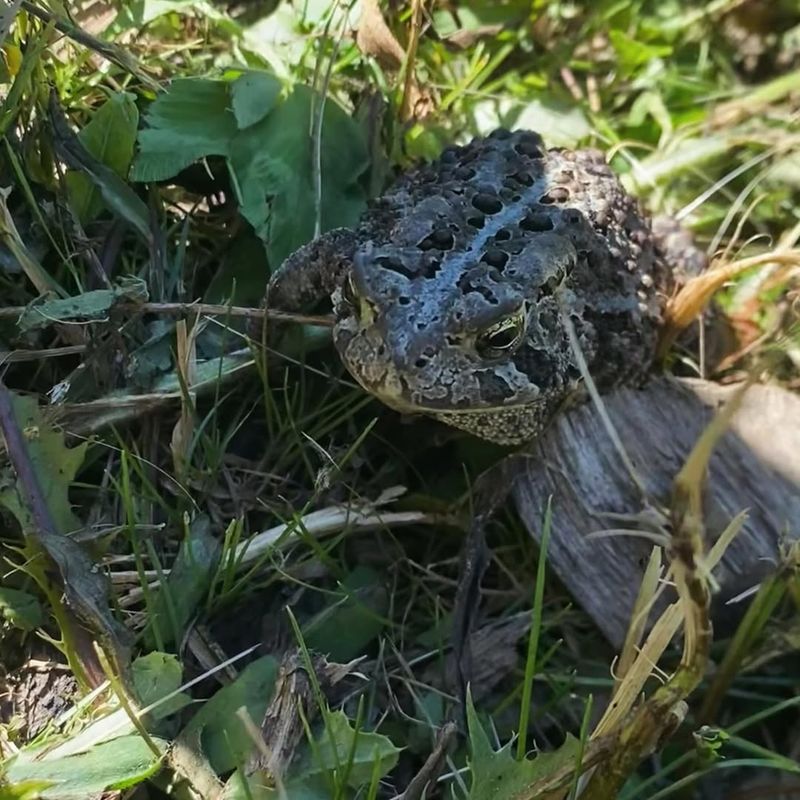
Frogs do not experience your yard the way you do.
Their skin is highly sensitive, and they absorb moisture and substances from the surfaces they touch. Lawn treatments, pesticides, herbicides, fertilizers, and cleaning products can all affect where frogs feel safe moving.
Storms can spread residues.
Rain may wash chemicals from lawns, patios, driveways, or treated beds into low spots and porch edges. Frogs crossing those areas can pick up residues through their skin.
They may avoid some places and gather in others.
A frog repeatedly appearing in an untreated mulch bed or porch corner may be choosing the safer route through the yard. Natural areas often become refuges when open lawn is less welcoming.
A frog-friendly yard uses fewer chemicals.
Native plants, leaf litter, mulch, reduced pesticide use, and natural pest control all support amphibians. Frogs showing up during storms can be a quiet sign that parts of your yard still feel usable to wildlife.
Cleaning products matter too.
Deck cleaners, bleach, strong soaps, and patio sprays can linger on surfaces. Rinse and use caution around areas where frogs commonly move, especially before rainy weather.
Follow labels carefully.
Use only what is needed, apply products under the right conditions, and keep pets and wildlife away from freshly treated zones when possible.
Frogs are small environmental truth-tellers.
When they choose your porch route, they may be telling you the safer path runs through your yard.
8. Give Them Space To Move
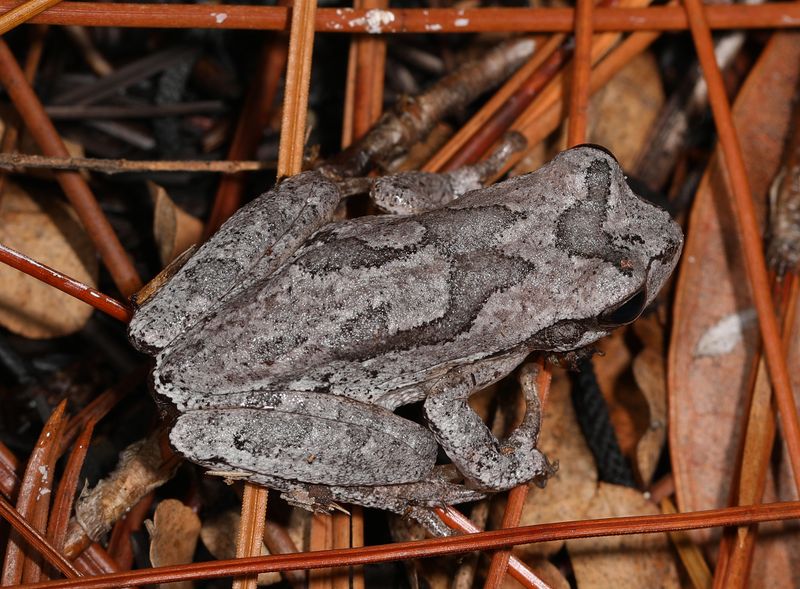
The best response to a porch frog is usually patience.
Frogs showing up during a storm are often traveling, feeding, resting, or following breeding cues. They do not need rescuing from the porch unless they are trapped somewhere dangerous.
Avoid picking them up.
Handling can stress frogs, and oils, lotions, soaps, or chemical residues on human hands can bother their sensitive skin. Watching from a short distance is much safer.
Keep pets back.
Dogs and cats may be curious, but even gentle pawing can injure a frog. During stormy nights with lots of amphibian movement, supervise pets or bring them inside.
Use soft light for watching.
A red-light flashlight or dim beam is less disruptive than a bright white light. It lets you enjoy the moment without sending every frog scrambling for cover.
Do not chase them for photos.
A frog burning energy to escape people has less energy for feeding, breeding, and travel. Let it move at its own pace.
Help only when necessary.
A frog stuck inside a screened porch, garage, or doorway can be guided out gently with a container and a piece of cardboard. Release it in a damp, shaded spot nearby.
By morning, most visitors will be gone.
They leave no damage, just a few damp footprints and a reminder that your yard is part of a much bigger nighttime world.
Give them room, and enjoy the storm show.