Tennessee Homeowners Fear Copperheads, But Overlook This Dangerous Shrub
Most Tennessee homeowners know to watch for copperheads hiding in the grass. Few realize a plant growing quietly nearby can send them to the emergency room just as fast.
It thrives in the same swampy, shaded corners where these snakes like to hide. Unlike a snake, though, it never moves and never warns you before it strikes.
This plant does not bite or sting. It works through touch, and sometimes through smoke if someone burns it nearby.
The reaction can spread across your skin within hours, leaving painful blisters that last for weeks. Doctors in the Southeast see new cases every summer, often from people who never saw what touched them.
This Shrub Hides In Plain Sight Near Tennessee Wetlands
You have probably walked right past it a dozen times. Poison sumac grows quietly along creek banks, pond edges, and boggy areas across the mid-South region.
Most people mistake it for a harmless native shrub. It blends in beautifully with other plants, which makes it genuinely tricky to spot.
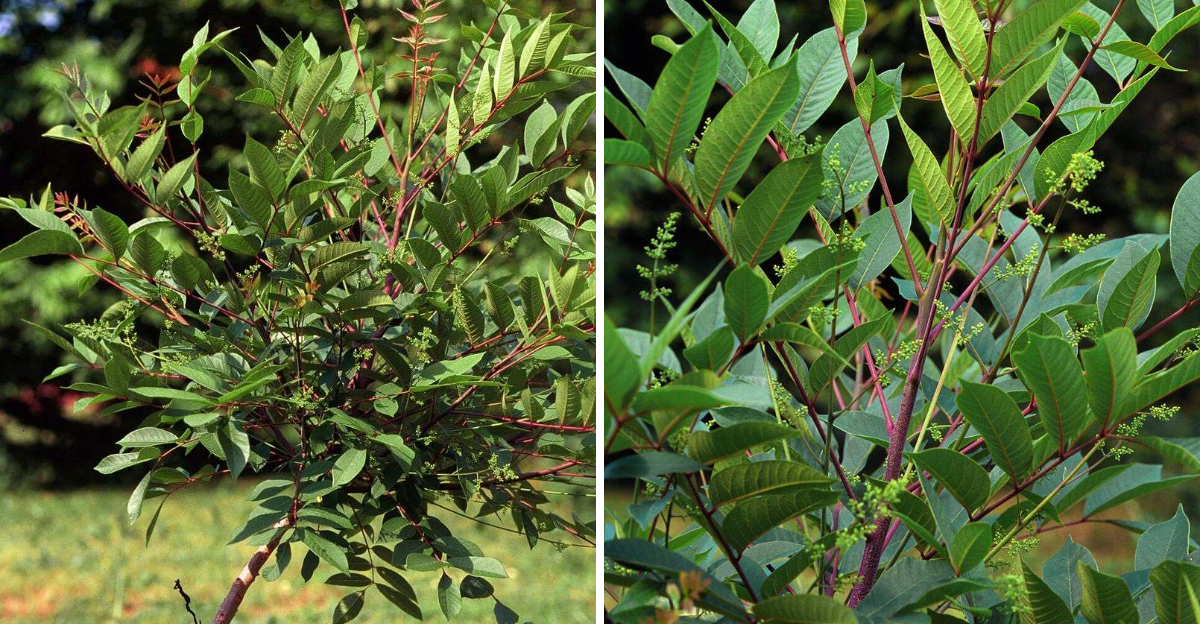
The plant typically grows between 5 and 20 feet tall. Its leaves are arranged in pairs along a central stem, with one lone leaf at the very tip.
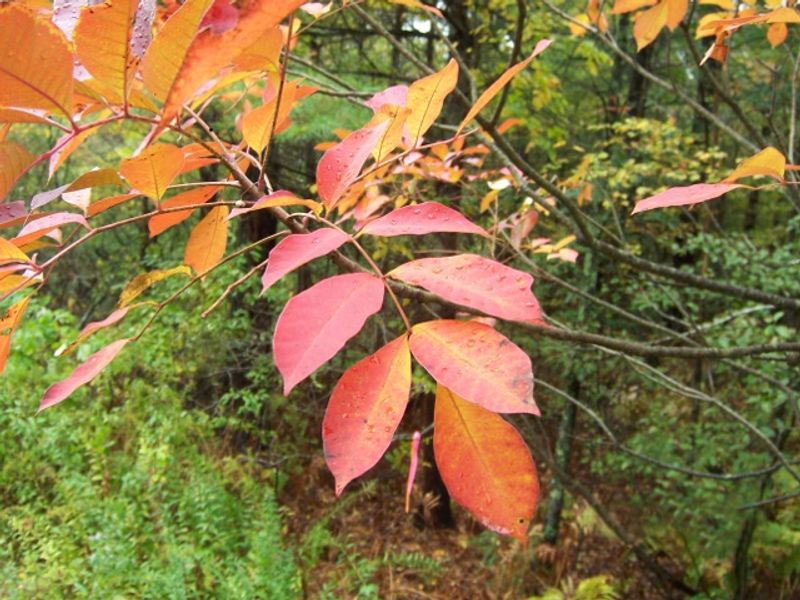
Each leaf is smooth-edged and oval-shaped, with a glossy green surface. In fall, those leaves turn a stunning red or orange, making the shrub look almost decorative.
The berries are small, round, and hang in loose clusters. Unlike red-berried sumac varieties, poison sumac produces pale yellow or grayish-white berries.
Those white berries are your biggest warning sign. If you spot a shrub near water with whitish berry clusters, step back and do not touch anything.
Tennessee homeowners who fear copperheads often spend zero time learning plant identification. That gap in knowledge is exactly how people end up with a painful, widespread rash.
The plant loves moist, low-lying ground that many yards in the state naturally provide. If your property has any wet spots, ditches, or drainage areas, you need to look closely.
Knowing where this shrub grows is your best tool for avoiding it. Spotting it early can save you a very painful experience.
The Real Danger Behind Poison Sumac
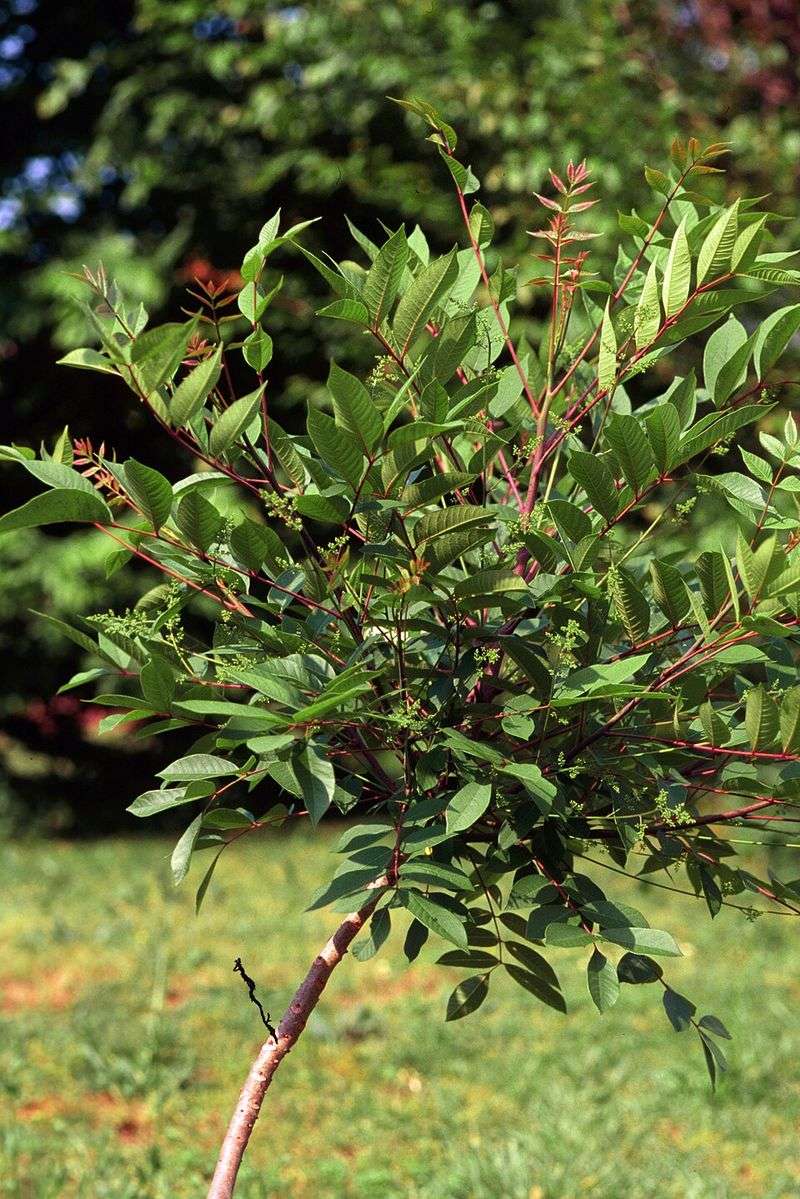
Poison sumac causes a far stronger reaction than poison ivy. Scientists consider it the most toxic plant in all of North America, and that is not an exaggeration.
The culprit is an oily chemical called urushiol. This same substance causes reactions from poison ivy and poison oak, but sumac contains far higher concentrations.
Urushiol bonds to your skin within minutes of contact. Once it bonds, washing it off becomes significantly harder, and the reaction clock has already started.
You do not need to rub your face in the leaves to get a reaction. Even brushing lightly against the stem or berries can transfer enough oil to cause a serious rash.
Burning the plant is especially dangerous and best avoided entirely. Inhaling smoke from burning sumac can cause urushiol to coat your airway and lungs from the inside.
Your Tennessee Garden Changes Every Week. Your Plan Should Too.
Gardening in Tennessee changes quickly throughout the season. Every Friday you’ll receive a simple weekly plan showing exactly what to plant, prune, fertilize, harvest, and protect so you never miss the right timing.
That scenario can escalate into a genuine medical emergency requiring hospitalization. No backyard bonfire is worth that kind of risk.
Tennessee homeowners who fear copperheads may not realize that plant exposure can be just as serious. A snakebite is obvious and immediate, but a plant reaction can sneak up slowly.
The oil can also transfer from tools, clothing, and pet fur. Your dog can run through a patch and bring urushiol straight to your hands when you pet them.
Understanding the chemistry behind this plant changes how seriously you take it. Respect it the same way you would any venomous creature in your yard.
Symptoms That Show Up After Contact With This Plant

The rash does not show up the moment you touch the plant. Most people notice the first signs anywhere from 12 to 72 hours after exposure.
That delay is part of what makes this plant so sneaky. You might not even remember brushing against something in the yard by the time symptoms appear.
The reaction usually starts as intense itching in a specific area. Soon after, red streaks or patches appear, followed by fluid-filled blisters that can weep and crust over.
The blisters themselves are not contagious. But scratching them can spread urushiol oil that is still on your skin to other body parts.
Swelling around the eyes, face, or throat is a serious warning sign. If your throat feels tight or breathing becomes difficult, go to the emergency room immediately.
For most people, the reaction stays on the skin and lasts one to three weeks. Antihistamines and calamine lotion can ease mild discomfort during that time.
Severe cases often require prescription steroids to calm the immune response. A doctor visit is strongly recommended if blisters cover a large area of skin.
Children and older adults tend to have stronger reactions than healthy young adults. Their immune systems respond more intensely to the urushiol protein.
Knowing these symptoms helps you act fast instead of waiting too long. The sooner you treat a reaction, the less miserable the next few weeks will be.
Signs You May Have Poison Sumac On Your Property
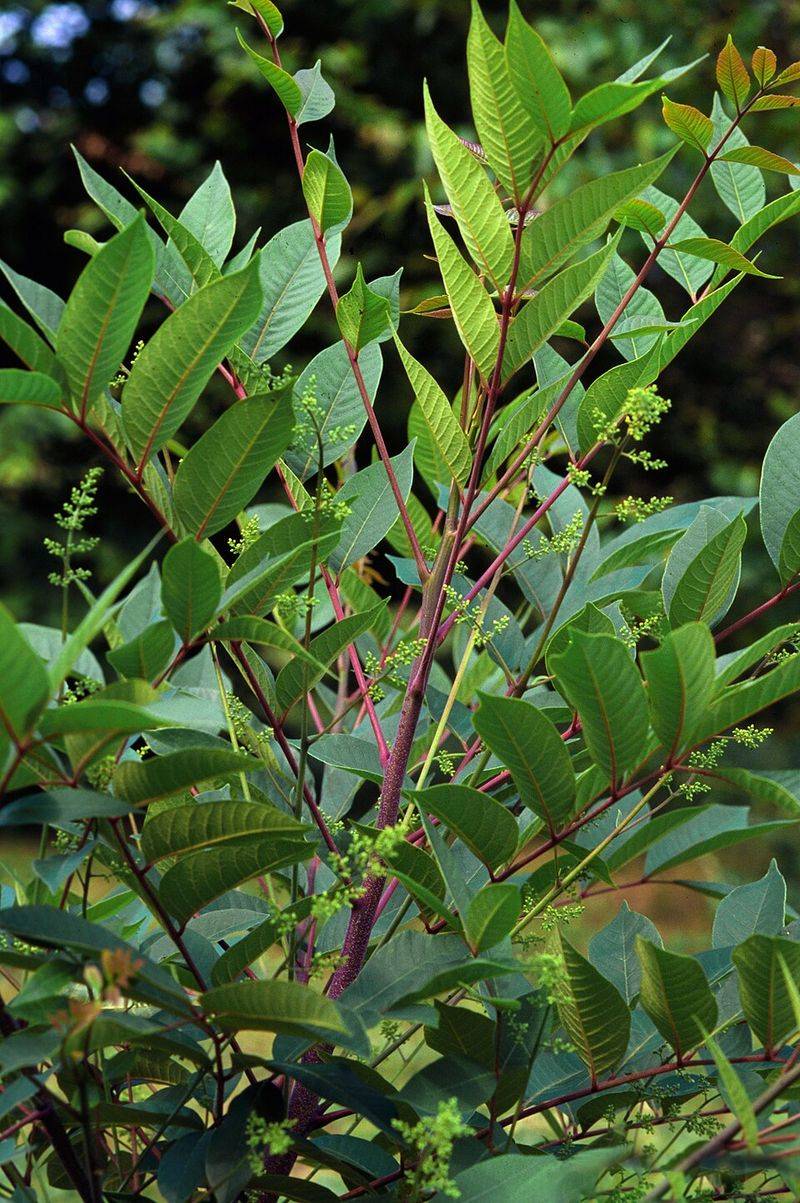
Checking your yard for this plant is easier than most people think. You just need to know what specific features to look for during your search.
Start near any wet or low-lying areas on your property. Poison sumac almost never grows on dry, elevated ground, so flat boggy spots are your priority zones.
Look for a woody shrub or small tree with compound leaves. Each leaf grouping will have 7 to 13 leaflets arranged in opposite pairs along a reddish central stem.
That reddish stem color is one of the most reliable visual clues. Most harmless look-alike plants have green or brown stems, not that distinctive reddish hue.
Check the berries carefully if the plant is fruiting. Clusters of pale, grayish-white berries hanging loosely from the branches are a strong indicator.
Compare what you find against a plant identification app like iNaturalist or PictureThis. These tools are free, accurate, and can confirm your suspicion within seconds.
Avoid the common mistake of assuming all sumac is safe. Staghorn sumac, which is harmless, has fuzzy red berry clusters and grows in dry upland areas.
The two plants are easy to tell apart once you know the berry color and habitat differences. Wet ground plus white berries is a strong warning sign.
Tennessee homeowners who fear copperheads should add this plant check to their regular yard inspections. A quick walk around your wet spots twice a year can make a big difference.
Safer Alternatives To Plant Instead
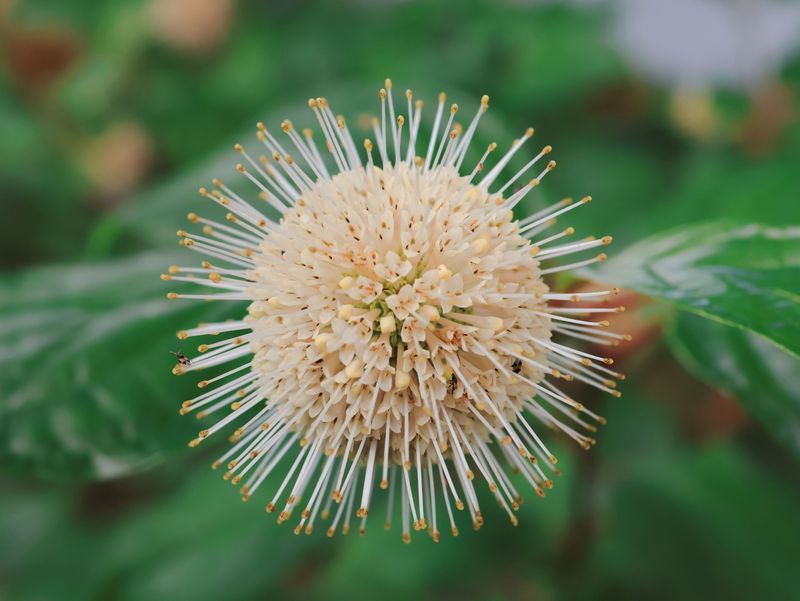
Ripping out a hazardous shrub leaves a gap in your landscape that something else will fill. Choosing the right replacement plants makes your yard both safer and more beautiful.
Inkberry holly is a fantastic native option for wet, shady spots. It produces small dark berries that birds love, and it grows happily in the same soggy conditions sumac prefers.
Buttonbush is another excellent choice for pond edges and drainage areas. Its round, spiky white flowers bloom in summer and attract butterflies, bees, and hummingbirds all season long.
Swamp rose is a native shrub that thrives in moist soil and produces gorgeous pink blooms. It offers seasonal beauty without any of the skin hazards associated with toxic plants.
Virginia sweetspire is low-maintenance and stunning in fall. Its leaves turn deep red and burgundy, giving you that autumn color without the toxic oil lurking in every stem.
Elderberry grows fast in wet conditions and produces edible berries that wildlife adores. Homeowners who enjoy foraging will find elderberry a genuinely rewarding addition to any wet corner of the yard.
Native plants also support local pollinators far better than non-native ornamentals. Swapping out a toxic shrub for a native alternative is a win for your family and the ecosystem.
Check with a local nursery or your county extension office for region-specific recommendations. They can point you toward plants that are proven performers in your specific soil and climate conditions.
Steps To Remove Poison Sumac Safely
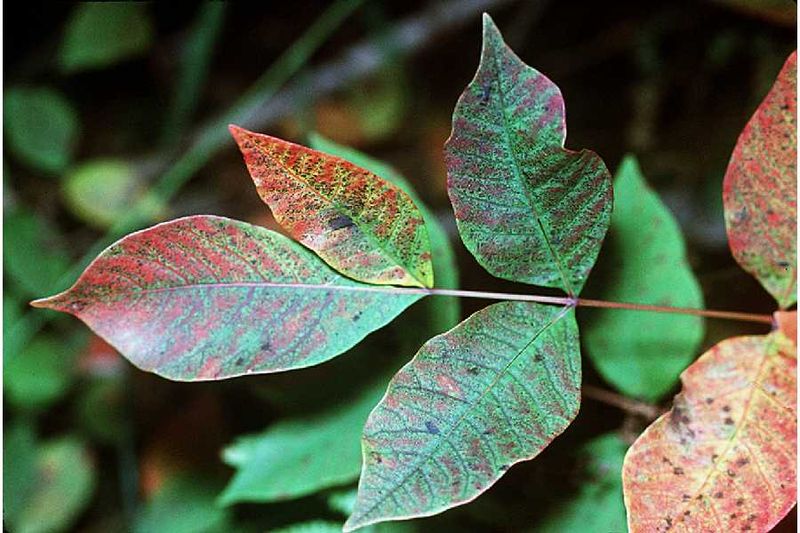
Removing this plant is not a weekend project you tackle in shorts and flip-flops. Proper protective gear is essential before you go anywhere near the shrub.
Wear long sleeves, long pants, and waterproof gloves rated for chemical protection. Nitrile gloves are a good choice because they resist urushiol far better than latex.
Add safety goggles and an N95 mask to your gear list. Your eyes and nasal passages are sensitive entry points for the oil, especially on a windy afternoon.
Cut the plant at the base using loppers or pruning shears. Bag every single piece immediately in heavy-duty plastic garbage bags before moving on to the next cut.
Do not compost any part of this plant. Urushiol remains active in decaying plant material for years, so composting spreads the problem instead of solving it.
Seal the bags tightly and place them in your regular trash for pickup. Avoid burning the cut material in a yard fire pit or chiminea.
After the job is done, wash all tools thoroughly with dish soap and warm water. Wash your clothing separately from the rest of your laundry using hot water and extra detergent.
Shower immediately and scrub your skin with soap for at least five minutes. Pay close attention to your wrists, neck, and any area where your clothing gaps might have exposed skin.
When in doubt, hire a licensed landscaper who handles hazardous plant removal. Tennessee homeowners who fear copperheads should treat this shrub with the exact same level of caution.