Why Ohio Tomatoes Crack After August Rain And How To Stop It
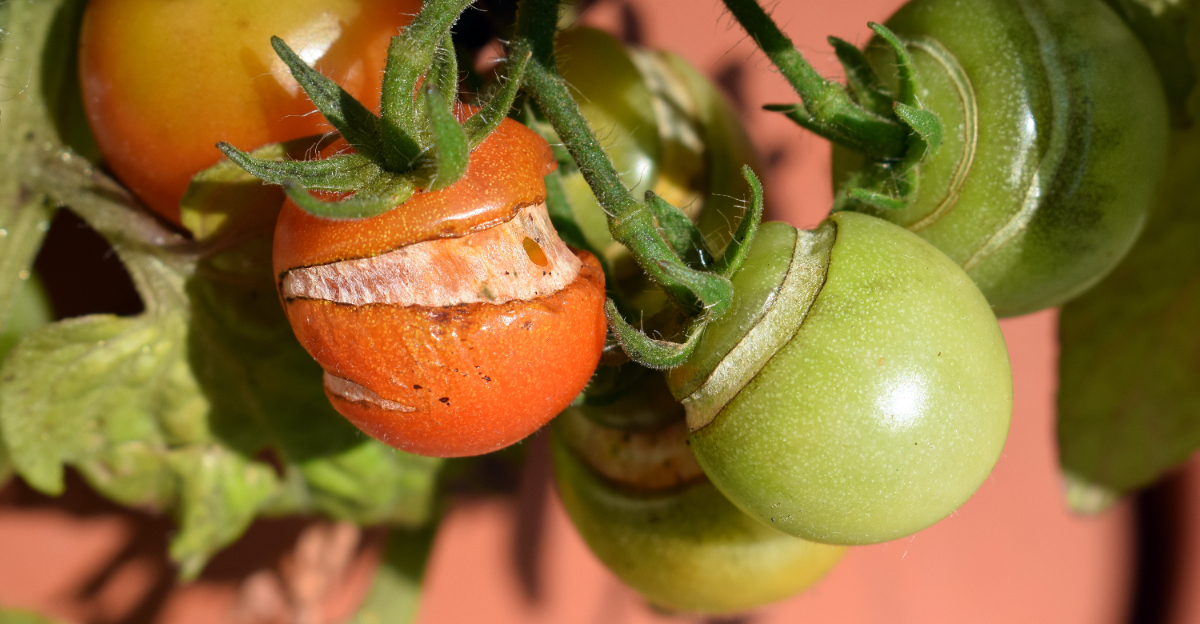
A tomato that made it through July heat, pest pressure, and an Ohio summer that tests everything in the garden has no business splitting open in August. And yet there it is.
A perfect fruit, cracked from stem to base, after nothing more dramatic than a good rain. The cracking is not random and it is not bad luck.
It is a specific physiological response to a moisture pattern that August rain creates in Ohio vegetable beds. Understanding what triggers it changes how the garden gets managed in the days before and after a summer storm.
The fix is not complicated. It does not require special products or significant effort.
It requires knowing what the tomato plant is responding to and staying one step ahead of the conditions that cause it. August rain is coming.
The tomatoes that crack and the ones that do not are separated by one thing.
This is what it is
1. Blame The Moisture Swing Before The Rain
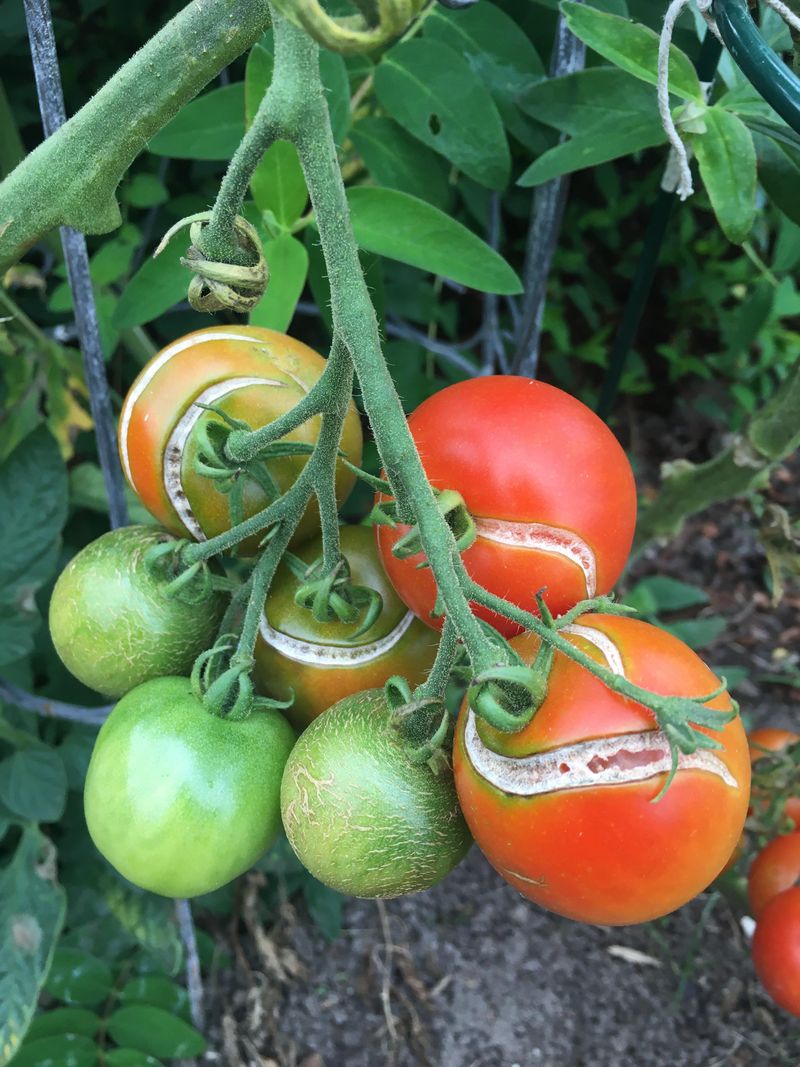
A split tomato after a summer storm is not really about the rain itself. The deeper problem starts days before the downpour, when dry soil causes the plant to slow its water uptake and the developing fruit begins to tighten its skin.
OSU Extension vegetable guidance explains that cracking often follows a period of dry weather when sudden moisture causes rapid fruit expansion.
When rain finally soaks the soil, the plant pulls water up quickly. The fruit swells faster than the outer skin can stretch, and the skin tears.
Radial cracks may run from the stem end down the side of the fruit. Concentric cracks may form rings around the stem end.
Both types are more likely when fruit is close to ripe and the skin has already become firm.
Thinking of cracking as a watering-pattern issue changes how you approach the problem. The rain is the last step in a process that began with uneven moisture.
Ohio gardeners who keep soil more consistently moist before storms often see far less splitting. No single fix stops every crack, but recognizing the moisture swing as the real trigger puts you in a much better position heading into August storm season.
2. Water Consistently Before Storms Hit
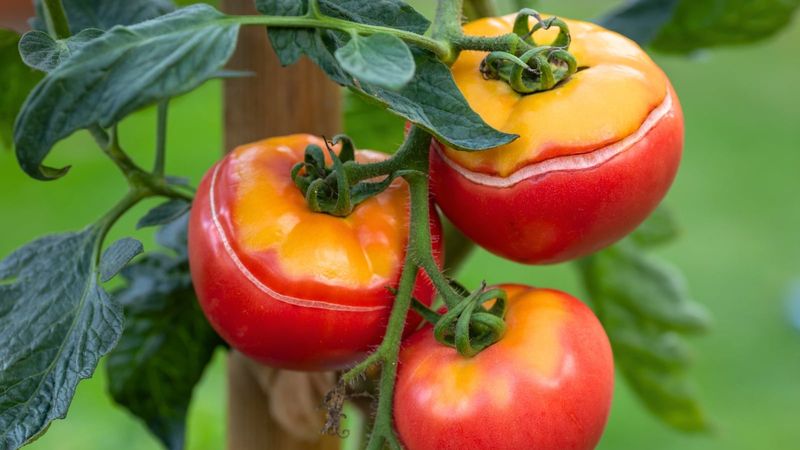
Steady watering before a storm can do more to protect your tomatoes than anything you do after the rain falls. When soil moisture stays relatively even from day to day, the fruit grows at a steadier pace and the skin has time to keep up.
University extension tomato guidance recommends watering deeply and less often. Avoid quick, shallow drinks that only wet the top few inches of soil.
Check soil moisture before you water. Push a finger two to three inches into the soil near the root zone.
If it still feels moist, skip watering that day. If it feels dry, water slowly and deeply so moisture reaches the full root area.
Avoid overhead sprinkling, which wets leaves without soaking the root zone well.
When rain is in the forecast, reduce or skip your next watering session if the soil is already holding moisture. Overwatering before a storm adds to the swing, not away from it.
Your Ohio Garden Changes Every Week. Your Plan Should Too.
Gardening in Ohio changes quickly throughout the season. Every Friday you’ll receive a simple weekly plan showing exactly what to plant, prune, fertilize, harvest, and protect so you never miss the right timing.
Weather-aware watering takes a little more attention, but it works far better than a rigid daily schedule. Paying attention to soil conditions and upcoming weather is one of the most practical habits a tomato grower can build before August arrives.
3. Mulch Roots So Soil Moisture Stays Steady
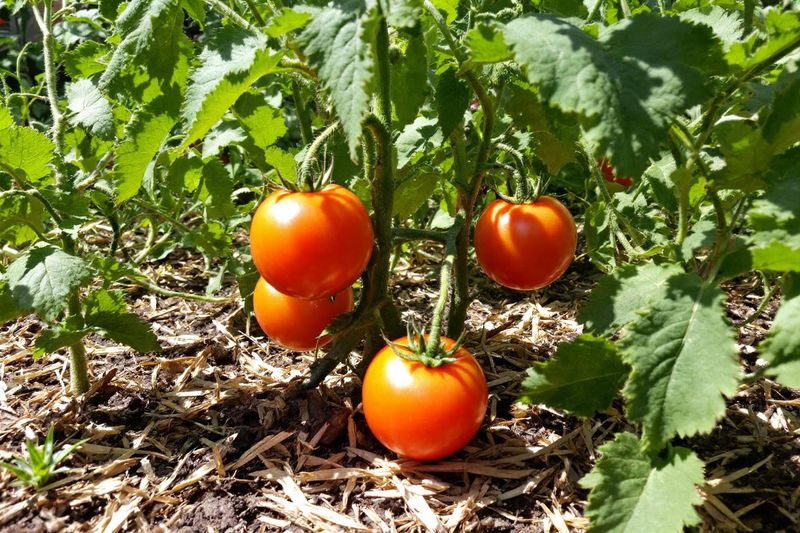
Dry soil between waterings is one of the biggest contributors to cracking, and mulch is one of the most practical ways to slow that drying down.
A layer of mulch around your tomato plants acts as a buffer, reducing evaporation and keeping the soil from swinging between wet and bone-dry as quickly.
OSU Extension vegetable guidance supports using organic mulches to help maintain more even soil moisture around vegetable crops.
Straw, shredded leaves, and grass clippings are commonly used options for tomato beds. Some Ohio gardeners use compost as a light mulch layer as well.
Apply mulch a few inches deep around the plant’s base. Keep it pulled back from the main stem to allow airflow and reduce the risk of rot near the crown.
Mulch will not prevent every moisture swing, especially after a heavy August downpour. However, it can slow the rate at which soil dries between rain events and reduce the severity of the swing.
In raised beds and traditional garden rows alike, mulched plants often hold soil moisture more steadily than unmulched ones. That steadiness is exactly what ripening tomatoes need when late-summer storms start moving through the region.
4. Pick Blushing Tomatoes Before Heavy Rain
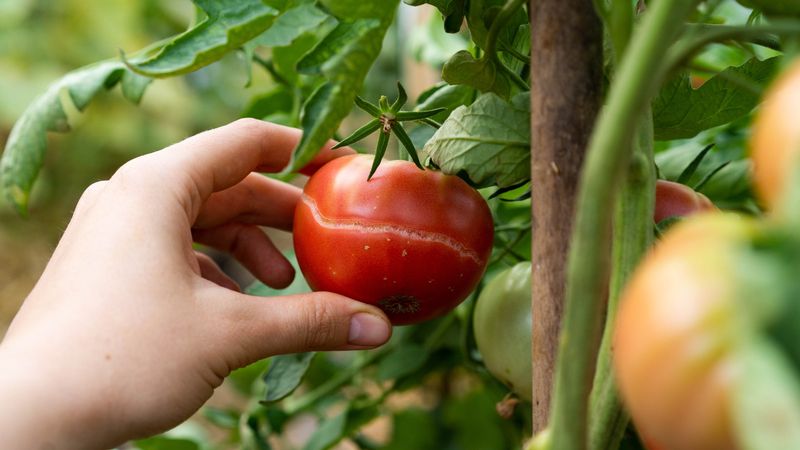
A blushing tomato sitting on the vine the night before a heavy storm is a tomato at risk. Once a tomato begins to show color, it has entered what plant-care guidance calls the breaker stage.
At this point, the fruit can often finish ripening off the vine without losing much quality. Harvesting at this stage before a downpour can reduce the chance of splitting on nearly ripe fruit.
Watch the weather forecast during peak harvest weeks in late July and August. If a heavy rain is expected within the next day or two, walk your garden and pick any tomato that has started to blush pink, orange, or red.
Bring those fruits inside and set them at room temperature away from direct sunlight. Check them daily and use them as they finish ripening over the next few days.
Food safety guidance advises against storing unripe tomatoes in the refrigerator, as cold temperatures can affect texture and flavor before the fruit is fully ripe. A countertop or cool indoor shelf works well for most varieties.
Pre-storm picking is not about harvesting too early; it is about giving your nearly ripe tomatoes a safer place to finish their job when August skies turn threatening.
5. Stop Letting Containers Dry Out Completely
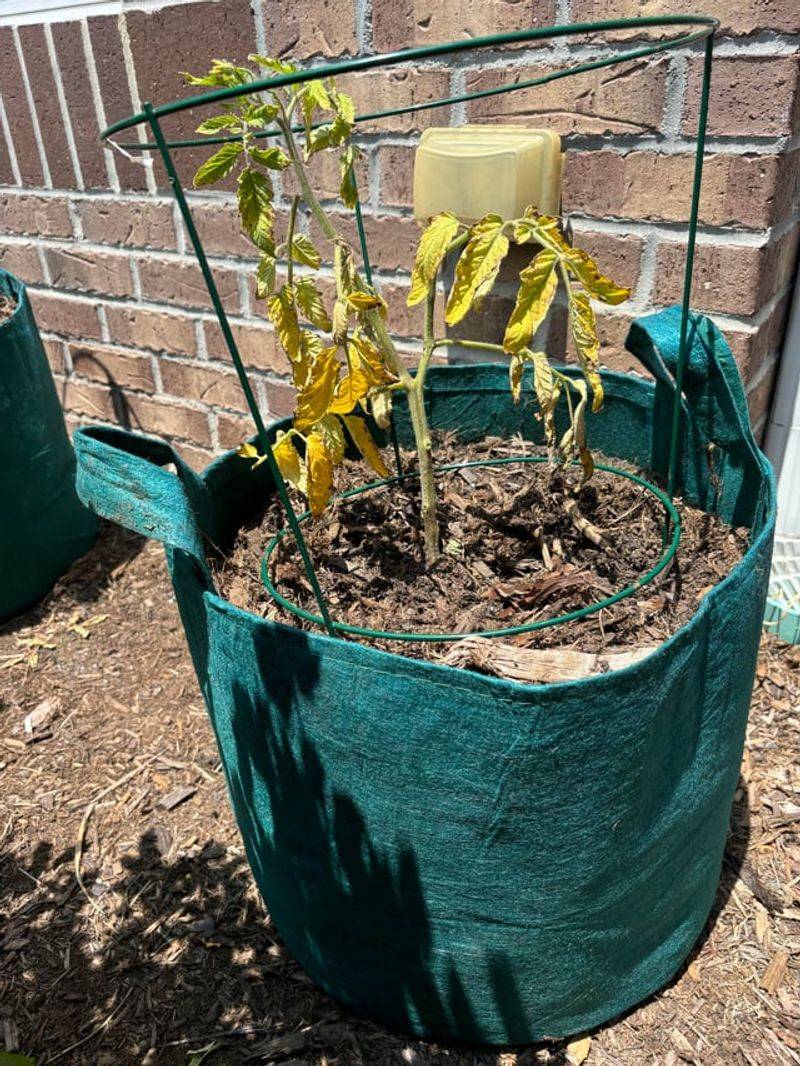
Container tomatoes live in a completely different moisture environment than in-ground plants. A pot sitting on a sunny patio can go from adequately moist to completely dry within a single hot August afternoon.
When rain or heavy watering follows that dry state, the root ball absorbs moisture rapidly. The fruit can swell and crack as quickly as it would in a parched garden bed.
Check your containers daily during hot weather. Lift the pot if it feels very light; that is often a sign the soil has dried through.
Water slowly until moisture drains freely from the bottom holes, which shows the root ball is getting evenly soaked. Avoid letting water pool and sit in a saucer beneath the pot, as soggy roots create a different set of problems.
Using a large enough container helps too. Smaller pots dry out faster and leave less buffer between dry and soaked.
Ohio horticulture resources suggest full-sized tomato varieties do best in containers holding at least five gallons of soil. Larger containers offer better moisture stability.
A thin layer of mulch on top of the container soil can also slow surface evaporation between waterings and help keep the root zone from swinging to extremes.
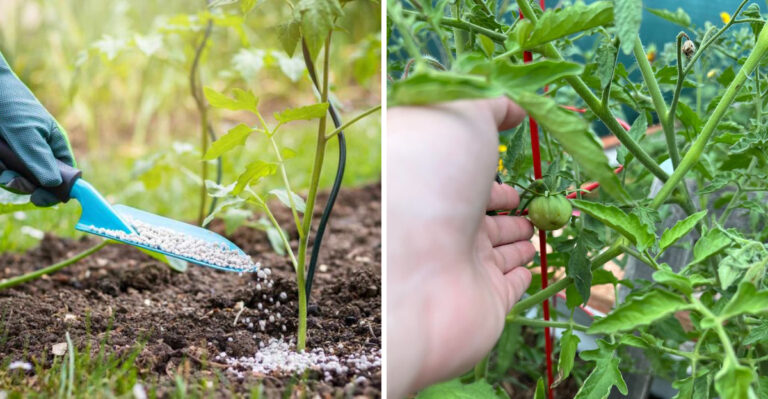
6. Avoid Big Nitrogen Pushes In August
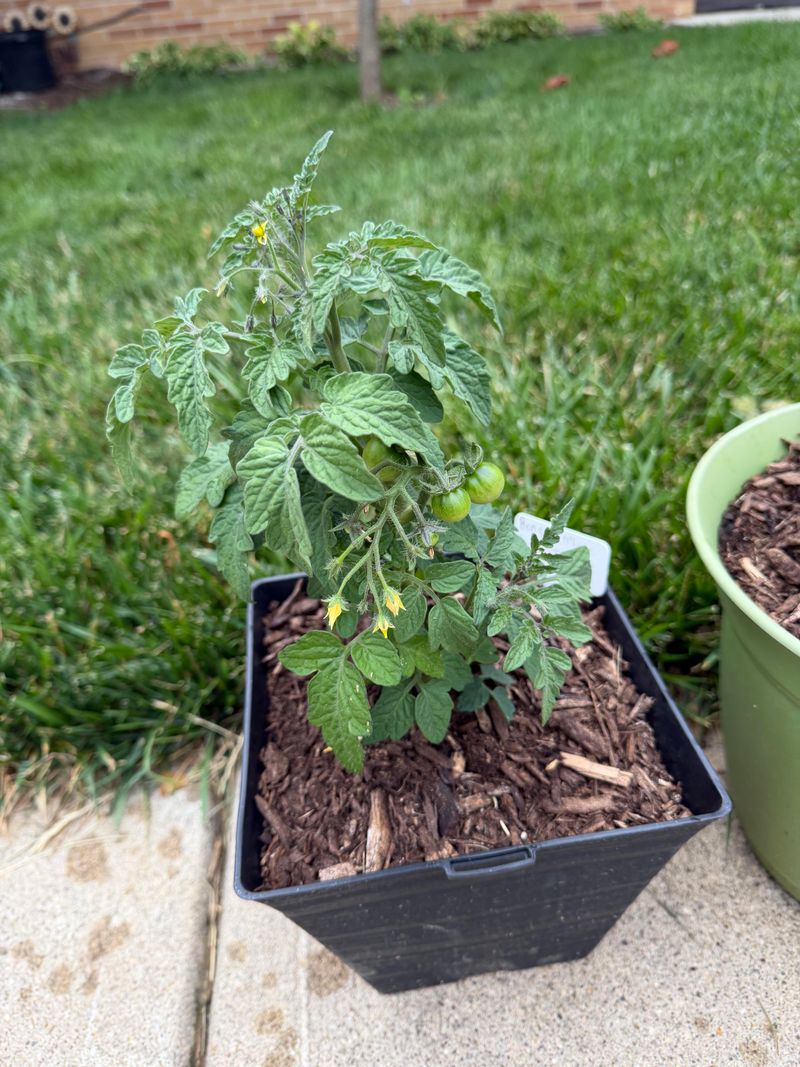
Reaching for a high-nitrogen fertilizer when you see cracked tomatoes is a natural reaction, but it is usually the wrong move in August.
Heavy nitrogen feeding late in the season encourages leafy, vigorous growth at a time when the plant should be focusing its energy on ripening fruit.
Vegetable gardening resources in Ohio note that nitrogen imbalances can add stress to plants already dealing with uneven moisture conditions.
Cracking is primarily a moisture issue, not a sign that your plants are starving for nutrients. Before adjusting your fertilizer routine, check your watering habits first.
OSU Extension recommends using a soil test to guide fertilizer decisions rather than applying products based on guesswork.
If your soil tested well before the season and you fed your plants appropriately in early summer, a late August nitrogen push is rarely necessary.
Balanced fertilizer use throughout the season supports steady plant health without pushing excessive growth at the wrong time.
If you do fertilize in late summer, use a product with lower nitrogen relative to phosphorus and potassium, and follow label directions carefully.
The goal in August is steady ripening, not new growth. Keeping water even and consistent will do more for your tomatoes right now than any fertilizer change.
7. Choose Crack Resistant Varieties Next Season
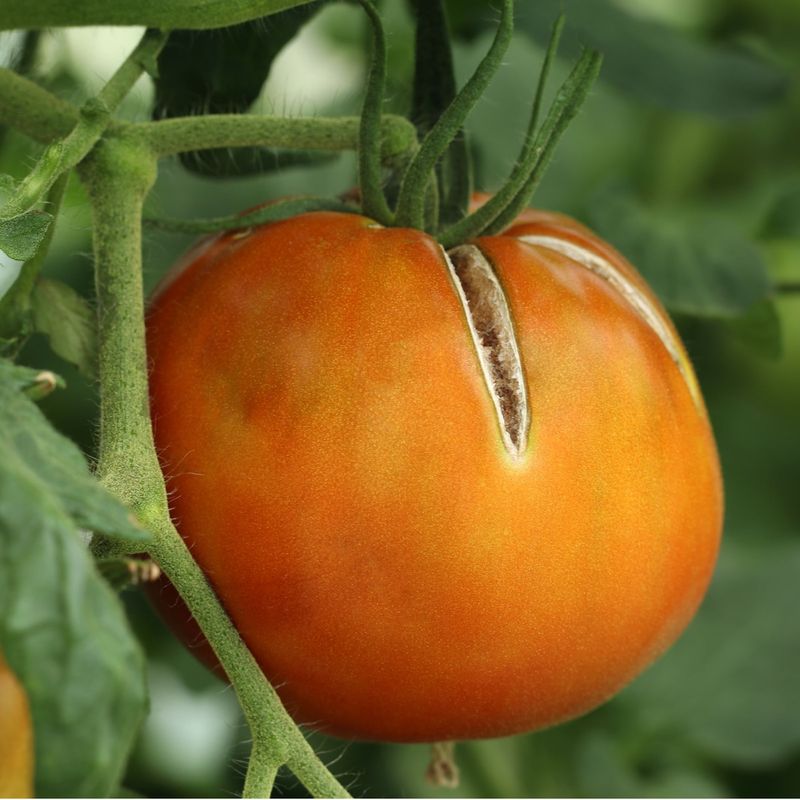
Seed packets often carry a small but meaningful note: “crack resistant.” That label does not mean the tomato is immune to splitting. It suggests the variety was selected for thicker or more flexible skin that handles moisture swings better.
University extension variety guidance and seed trial results can help gardeners in Ohio identify which varieties have performed well under local conditions.
No tomato variety is completely crack-proof. Large-fruited slicers and certain heirloom types tend to be more prone to splitting than smaller-fruited varieties.
Cherry tomatoes can also crack, especially after sudden rain, though the damage is often less dramatic. Reading seed descriptions carefully and looking for notes on crack tolerance is a practical starting point when planning next season.
Keeping a simple garden notebook helps too. Write down which varieties split most in your yard, which held up better after storms, and which ones you harvested successfully before rain.
That personal record, combined with extension variety trial information, gives you a more complete picture than any single source alone.
Growing a mix of varieties each season also spreads your risk, so a bad week for one type does not mean losing your entire harvest to cracking.
8. Save Split Fruit Before Rot Moves In
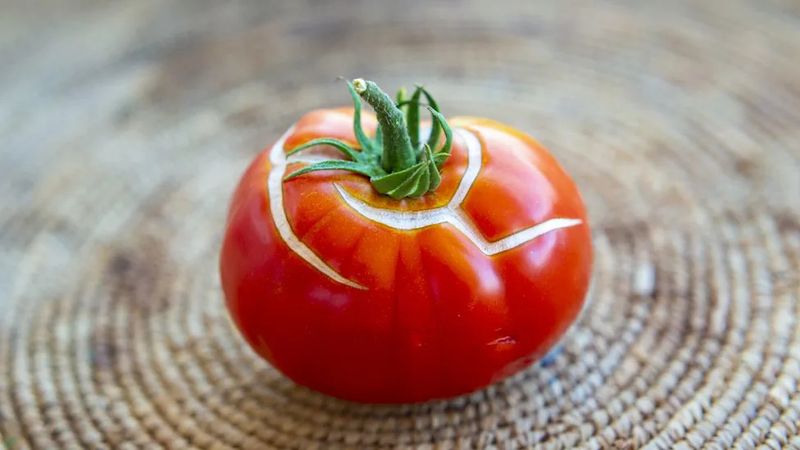
Finding a basket of split tomatoes after a storm does not have to mean throwing them all away. Shallow surface cracks that have not opened deeply into the fruit can often still be used right away.
The key is acting fast. Once a crack forms, the exposed flesh becomes a direct entry point for mold, insects, and bacteria, and the window for safe use closes quickly in warm August weather.
Food safety guidance advises harvesting cracked fruit as soon as you notice it. Bring the tomatoes inside and look each one over carefully.
Fruit with shallow cracks, firm flesh, no off smell, and no visible mold can be trimmed and used the same day in salads, sauces, or cooked dishes.
Discard any tomato that smells fermented or sour, feels mushy near the crack, or shows visible mold or insect damage.
Do not use cracked or damaged tomatoes for home canning. Food safety guidance is clear that tomatoes with rot, mold, or deep damage should not go into canned products.
Their quality and safety can be compromised. The best closing thought is this: August rain may open the split, but keeping soil moisture steady before the storm is what helps prevent the next one.