Florida Garden Tasks Worth Doing In The Two Weeks Before Hurricane Season Peaks
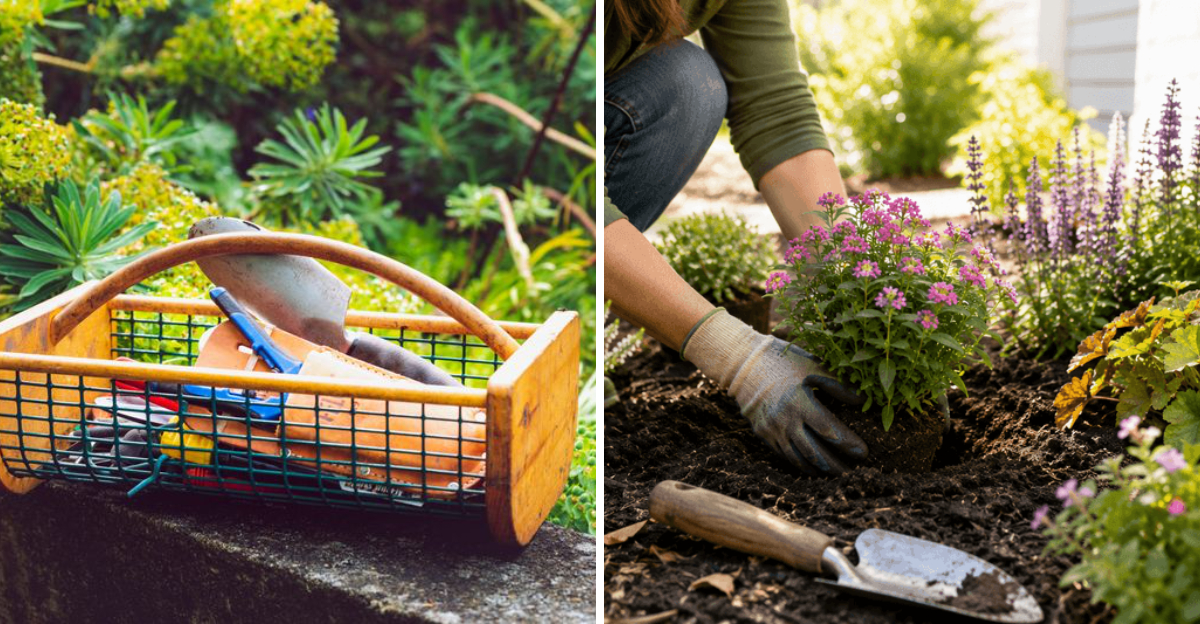
Florida yards can turn from beautiful to hazardous fast.
A clay pot on a pool ledge, a hanging basket under the porch, a palm full of loose fronds, a hose reel sitting in the open, and gutters packed with oak leaves all seem harmless on a quiet afternoon.
Add tropical wind and several inches of rain, and those little things start acting much bigger.
That is why the two weeks before hurricane season peaks matter.
This is not about making a yard storm-proof. Nothing does that. It is about removing the obvious risks before the forecast turns urgent and every hardware store parking lot starts looking like a survival documentary.
A focused garden walk now can reduce flying debris, flooding around beds, damaged trees, and frantic last-minute cleanup.
So what should Florida homeowners tackle before the season hits its most active stretch?
Start with the things that move, fall, clog, flood, or block access when the weather gets rough.
1. Walk Trees For Weak Limbs
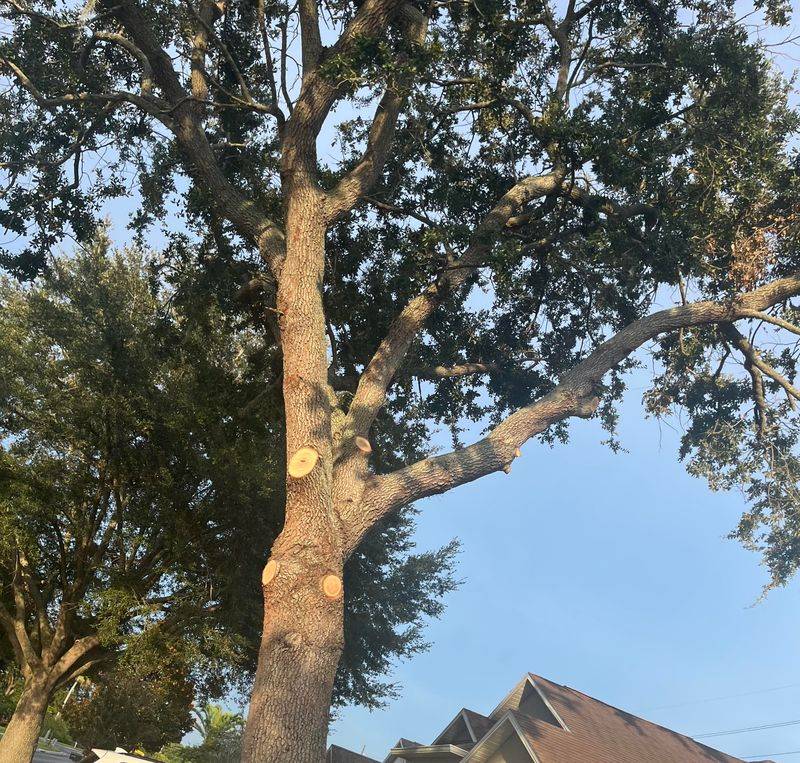
A slow walk under your trees can reveal problems the yard has been quietly hiding.
Look up from the base of each tree and scan the canopy carefully. Cracked limbs, hanging branches, rubbing wood, and heavy limbs leaning toward a roof, driveway, fence, or patio all deserve attention before storm winds arrive.
Do not look only for broken branches.
Watch for co-dominant stems, where two main trunks grow from the same point. These attachments can be weaker during high wind, especially on mature trees with heavy canopy weight.
Branches with included bark, old cracks, or sudden changes in angle also deserve a closer look.
Hanging wood matters.
A branch caught in the canopy may sit there calmly for weeks, then drop during the first strong gust. Removing that kind of debris before a storm is far easier than dealing with it on a roof afterward.
Leave big cuts to professionals.
Large limbs, high branches, and anything requiring climbing or chainsaw work should go to a certified arborist. Poor pruning can weaken a tree, create disease entry points, and make storm performance worse instead of better.
The goal is not stripping the tree.
Healthy structure protects both the tree and the property. Over-thinning can make wind move through the canopy in damaging ways and stress the plant during an already rough season.
Mark concerns and call early.
Waiting until a storm is named makes scheduling much harder. A calm inspection now gives you time to make good decisions instead of emergency ones.
A strong tree is an asset.
A compromised limb is a warning with bark on it.
2. Clear Gutters Before Storm Bands
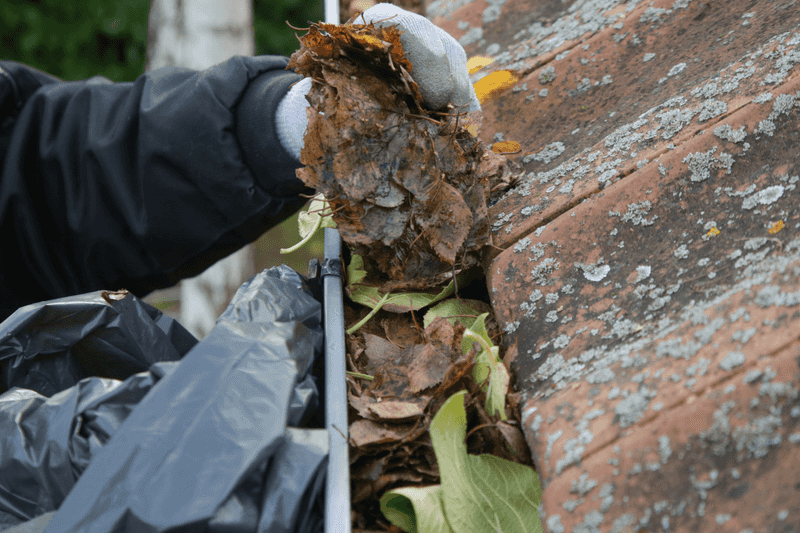
A clogged gutter can turn tropical rain into a foundation problem.
Florida storms drop water quickly, and gutters packed with oak leaves, pine needles, palm debris, or roof grit cannot move that water away from the house. Instead, overflow pours straight into beds, walkways, siding, and low spots near the foundation.
Clean by hand first.
Scooping debris out works better than blasting everything toward the downspout. A hose can push leaves into elbows and bends, where they pack tighter and block drainage right when the system needs to work hardest.
Your Florida Garden Changes Every Week. Your Plan Should Too.
Gardening in Florida changes quickly throughout the season. Every Friday you’ll receive a simple weekly plan showing exactly what to plant, prune, fertilize, harvest, and protect so you never miss the right timing.
Flush after clearing.
Run water from the far end of the gutter and watch the downspout. The flow should be strong and steady. Weak flow, bubbling, or backup near the top can mean debris is lodged deeper in the system.
Check the landing zone.
A downspout that dumps water beside a bed, fence post, patio edge, or foundation can create erosion and standing water during heavy rain. Add splash blocks or extensions that send water toward a swale, lawn, or drainage area.
Look for shifted mulch.
Mulch piled against the house can hold moisture during long rain events. Pull it back slightly where gutters or rooflines send extra water into beds.
Gutter cleaning is not glamorous.
That is why it gets delayed. But two hours of work now can prevent washed-out beds, flooded edges, stained walls, and water where water has no business lingering.
Rain will find every shortcut.
Clear gutters help make sure that shortcut is not through your garden bed.
3. Move Pots From Wind Paths
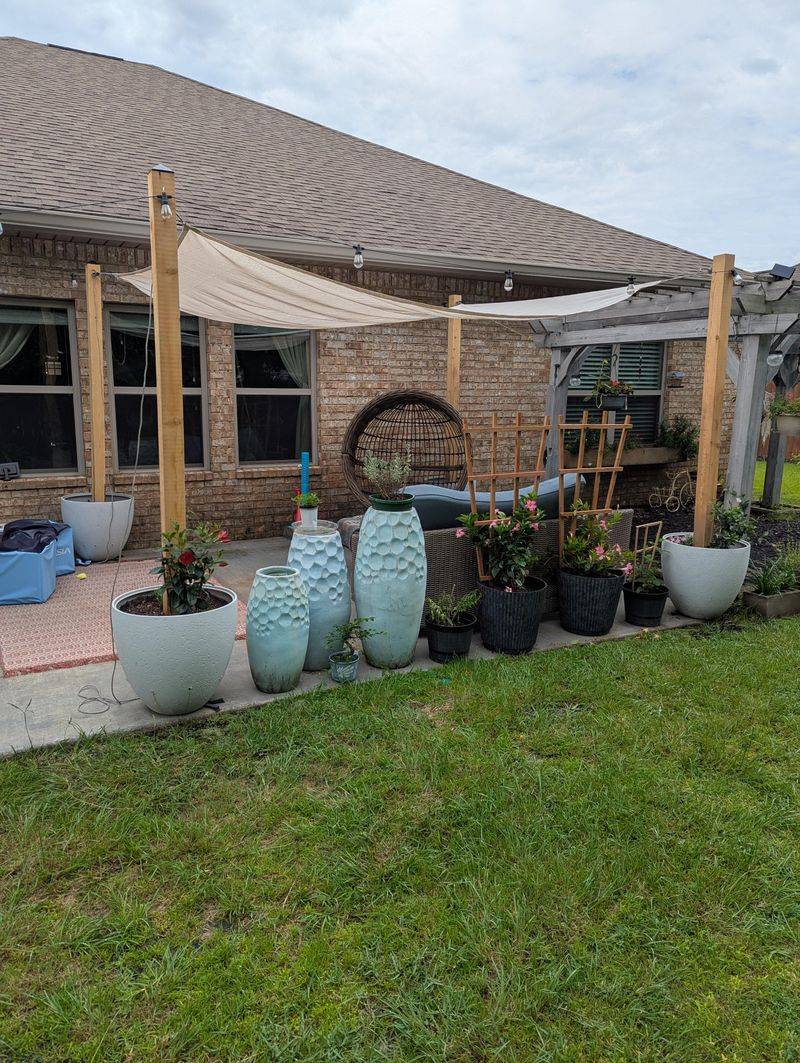
Container plants are charming until the wind gets a vote.
A pot on a balcony, pool deck, porch step, patio wall, or narrow breezeway can become a serious problem during tropical gusts. Even heavy containers can tip, roll, crack, or slide when wind channels between buildings and fences.
Start with a container count.
Walk the patio, porch, pool area, driveway, side yard, balcony, and entry. Note every pot, hanging basket, plant stand, and decorative container. Storm prep gets much easier once you know how many things need moving.
Sort by weight.
Some pots can be moved alone. Others need two people, a dolly, or a plan that does not involve hauling them across wet pavers at the last minute. Decide where the big containers will go before the forecast gets serious.
The safest place is fully sheltered.
Garages, sheds, enclosed porches, and protected interior areas are better than simply pushing pots closer to the wall. Hanging baskets should come down completely.
Group smaller pots early.
For minor squalls, a sheltered corner with heavier containers on the outside can help reduce movement. For a stronger storm, bring them inside instead of trusting a patio huddle.
Do not forget empty pots.
Light plastic nursery containers, saucers, decorative bowls, and plant caddies can move fast in wind. Empty does not mean harmless.
Florida gardeners love container color.
Storm prep means knowing when that color needs to leave the stage before the patio turns into a pinball table.
4. Tie Up Loose Garden Gear
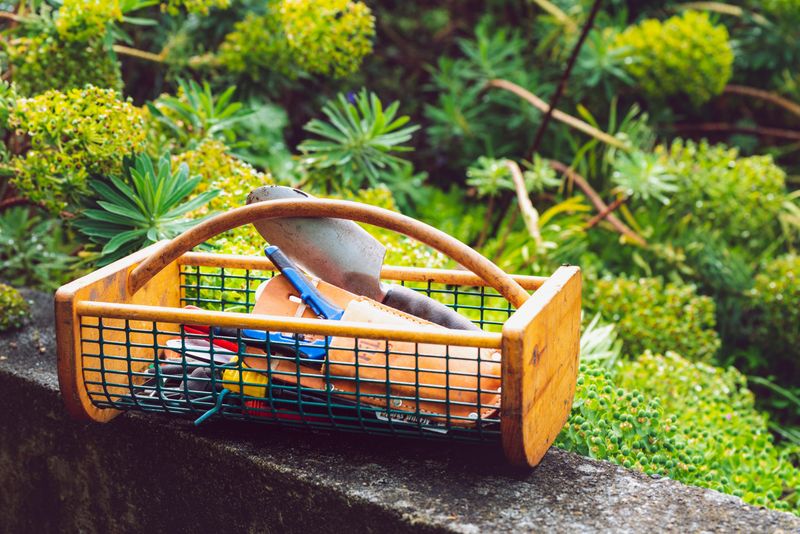
Wind notices every loose thing you forgot.
Tomato cages, bamboo stakes, shepherd hooks, birdbaths, trellises, hose reels, watering cans, garden signs, plant labels, and patio tools can all become trouble once gusts start moving through the yard.
Do a loose-item audit.
Walk the perimeter first, then move inward through beds, patios, side yards, and storage corners. Look for anything not anchored, weighted, tied, folded, or stored.
Trellises need honest inspection.
A trellis held to a raised bed with a few weak ties may look fine during normal weather but fail under sustained wind. Tighten connections now or remove the structure before a storm approaches.
Stakes and cages deserve a storage spot.
Designate a bin, shelf, shed corner, or garage wall for items that need to come inside quickly. Storm prep takes less time when everything already has a destination.
Birdbaths may need lowering.
A lightweight bath can tip or slide. A heavy one may be safer tipped gently onto its side in a protected spot rather than left upright as a wind target.
Hoses are easy to underestimate.
A hose reel left in the open can shift, tip, or unwind. Store the reel, or coil the hose low in a sheltered area where wind cannot grab it.
Check hooks and hangers too.
Basket hooks, lantern brackets, and wall-mounted décor should be secured into solid material, not flimsy trim or screen frames.
Loose gear creates unnecessary cleanup.
A tidy storage plan now keeps the yard from throwing its tools at itself later.
5. Check Drainage Around Beds
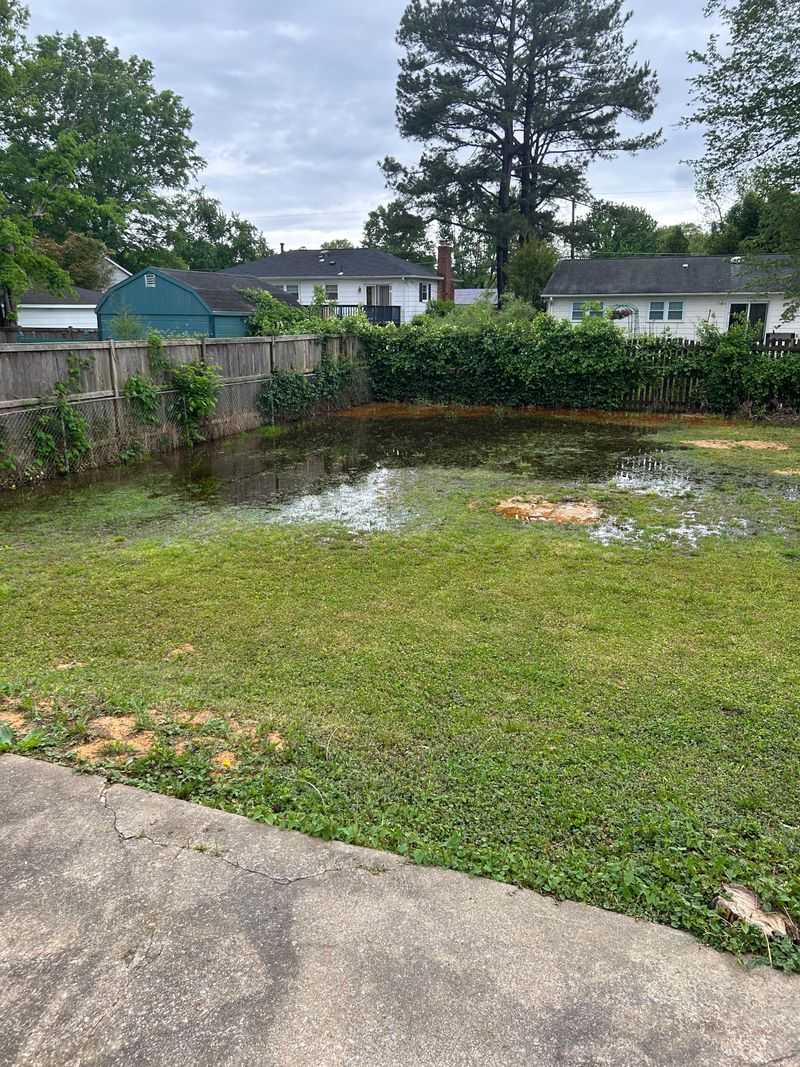
Standing water after a normal storm is a rehearsal.
A puddle that lingers beside a bed, fence, walkway, or foundation after an afternoon shower can become a much bigger problem during a tropical system. Two weeks before peak season is the right time to see where water actually goes.
Walk the yard after rain.
Look for pooling along bed edges, low lawn corners, downspout exits, patio seams, and spots where mulch floats or washes out. Those areas are showing you the weak points.
Swales need clear paths.
In many Florida neighborhoods, shallow grassy channels move water away from homes and toward drainage areas. Overgrown grass, mulch piles, edging stones, and landscape plants can block that flow.
Check downspouts at ground level.
A splash block may have shifted. An extension may be cracked. Mulch may be piled where water needs to move. Small changes can redirect stormwater toward the house instead of away from it.
Rake back soggy mulch.
Mulch pressed against siding, fences, or stems can hold too much moisture during multi-day rain. Pull it back slightly from structures and plant crowns so water can move and air can return.
Low spots may need a bigger fix.
A consistently soggy corner might benefit from a dry creek bed, French drain, rain garden adjustment, or regrading help from a local professional.
Drainage is not something to discover during a storm.
The yard already knows where water wants to go. Your job is to clear the route before the rain starts insisting.
6. Prune Palms With Restraint
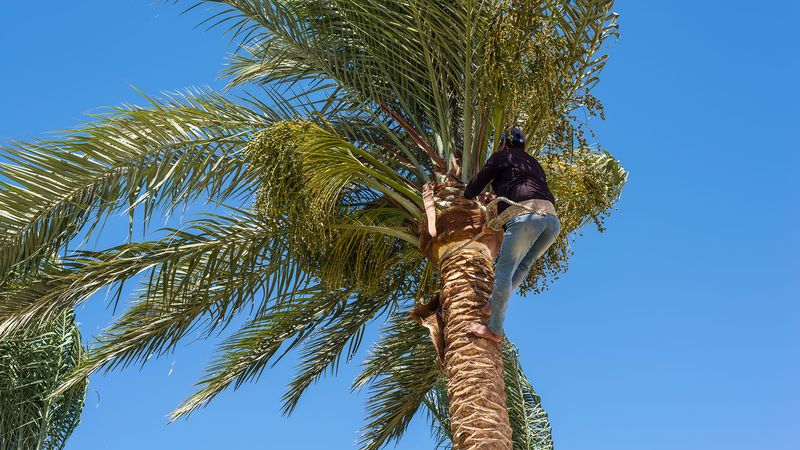
Palm prep is one place where less can be smarter.
Many Florida homeowners over-prune palms before hurricane season, removing green fronds in an attempt to reduce wind resistance. That kind of cutting can stress the palm and leave it weaker over time.
Green fronds belong on the tree.
They are still feeding the palm. Removing too many reduces the plant’s energy reserves and can create a thin, unnatural crown that does not help the tree handle storms better.
Focus on loose material.
Fully brown fronds, hanging fronds, detached fronds caught in the canopy, and dry pieces already breaking away are the real concerns. Those are the parts most likely to become debris.
Seed stalks and fruit clusters deserve attention.
Heavy clusters can drop with force or break loose in wind. Removing them before peak storm activity can reduce mess and risk around patios, driveways, and walkways.
Avoid the hurricane cut.
A palm shaved into a narrow upright tuft may look like storm prep, but it is not healthy pruning. A full, functioning canopy is part of how palms manage wind and recover afterward.
Tall palms need a crew.
Anything requiring ladders, climbing, or cutting near power lines should go to a licensed professional. Schedule early, since crews book quickly once storm activity increases.
Palms are built to flex.
Your job is not to turn them into feather dusters. Remove what is already loose, leave what is still green, and let the palm keep doing what palms are designed to do.
7. Photograph Plants Before Trouble
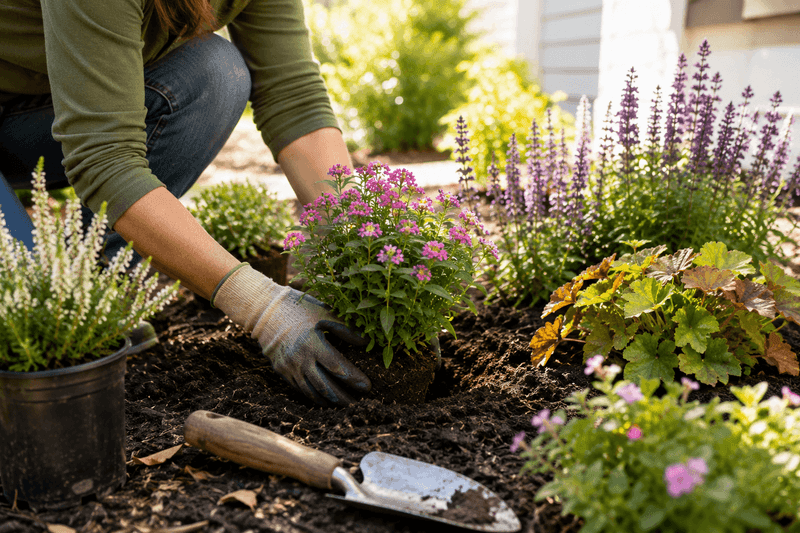
Your phone can do more than track the storm cone.
A quick photo record of the landscape gives you proof of what existed before any damage happened. That can help with insurance, repair planning, plant replacement, and conversations with tree or landscape professionals after a storm.
Walk the full property.
Photograph each bed, tree, fence line, patio, irrigation zone, drainage area, and special plant from more than one angle. Wide shots show placement. Close-ups show condition and size.
Capture valuable plants clearly.
Mature palms, fruit trees, specimen shrubs, large container plants, rare ornamentals, and established hedges can be costly to replace. Photograph them now while they are standing, healthy, and easy to identify.
Do not skip utilities.
Take pictures of irrigation controllers, valve boxes, visible lines, pump equipment, hose bibs, drainage grates, and lighting transformers. After debris or flooding, knowing where things were can save a lot of guessing.
Include vulnerable spots.
Low beds, exposed fences, leaning trees, paver edges, retaining walls, and areas that flood should all be documented. Those before photos can make storm recovery much easier.
Store images somewhere safe.
Cloud storage, email, or a shared folder keeps the record accessible even when a phone is lost, damaged, or out of battery.
This task costs nothing.
It also takes less time than most people spend hunting for patio cushions before a storm.
A photo record will not stop damage.
It can make the aftermath much less confusing.
8. Plan Water Shutoff Access
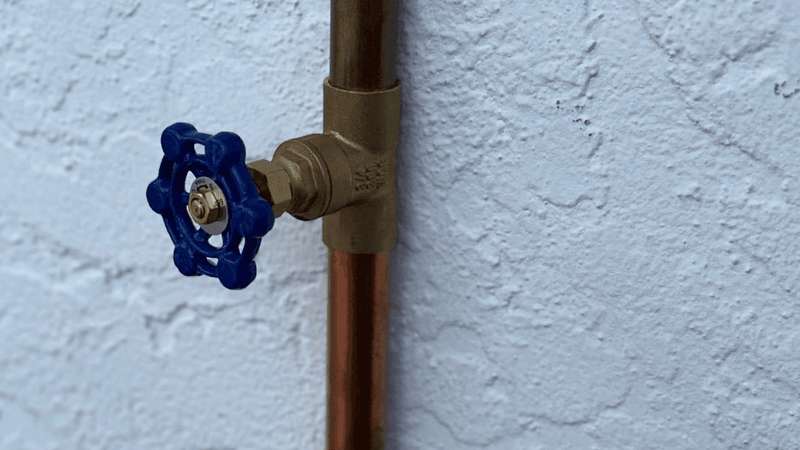
A broken irrigation line after a storm is not the time to start searching.
Falling branches, shifted soil, uprooted plants, and flying debris can damage outdoor plumbing. Knowing where the shutoffs are before trouble starts can prevent wasted water, erosion, and a flooded yard after the weather passes.
Find the main water shutoff.
In many Florida homes, it sits near the meter at the street, often inside a ground-level box. Make sure the lid opens and the area is not buried under mulch, grass, pots, or landscape edging.
Know the tool.
Some valves need a meter key, wrench, or pliers. Keep the right tool somewhere easy to reach, not buried in a garage drawer behind holiday bins.
Check the irrigation controller.
Know how to turn the whole system off and how to shut down individual zones. Label zones that are not already marked. A strip of tape and a marker are enough.
Map problem zones.
Note which irrigation areas run near large trees, low spots, fences, and beds that flood. Those zones may need to stay off after heavy rain or storm damage.
Photograph the settings.
Power outages can reset controllers. A photo of the current schedule and zone setup makes it easier to restore things later without guessing.
Clear access now.
Trim plants away from valve boxes, remove pots from meter lids, and make sure no loose garden gear blocks the path.
Storm prep is not only about wind.
Water can cause its own mess. Fast shutoff access gives you control when the yard is already dealing with enough.