What It Means When Your Pennsylvania Peppers Drop Their Blossoms In The Heat
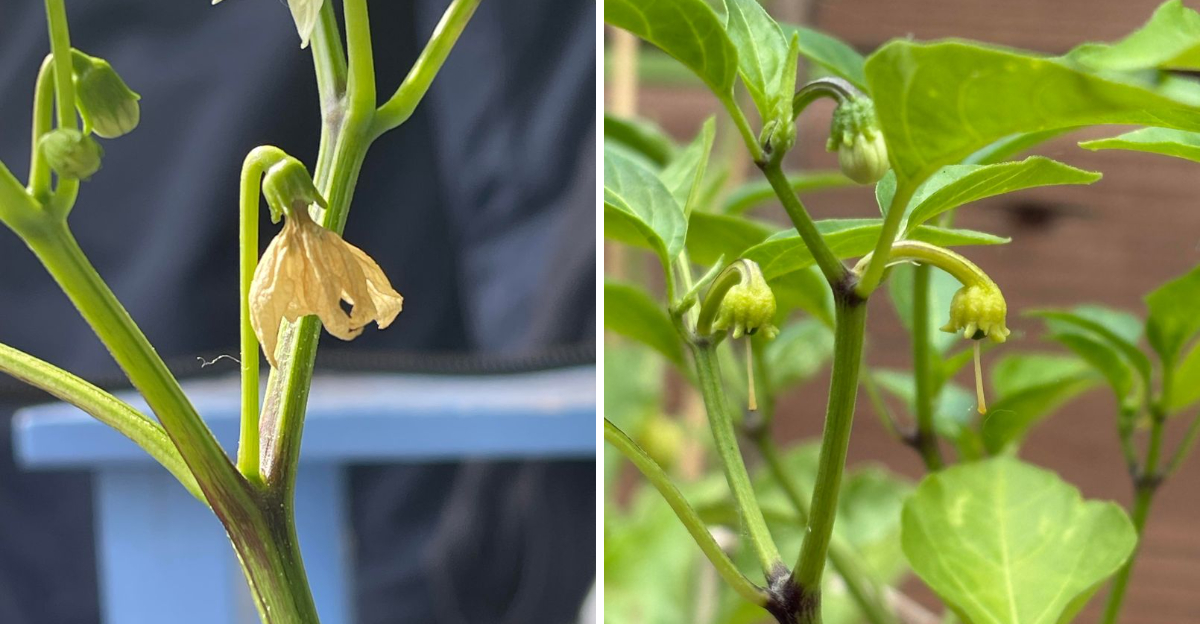
Pepper flowers on the soil can feel like a bad sign.
The plant looks healthy. The leaves are green. The stems are standing tall. Then a sticky Pennsylvania heat spell rolls through, and suddenly tiny yellow blossoms are scattered under the plant like the harvest just changed its mind.
Most of the time, the pepper is not giving up.
It is protecting itself. Heat, warm nights, weak pollen, dry soil, uneven watering, too much nitrogen, and intense afternoon sun can all push a pepper plant to release blossoms before fruit forms.
That does not mean the season is finished.
Once temperatures ease and care stays steady, many plants send out a fresh round of blooms and set late-summer peppers beautifully.
So what does blossom drop really mean in a Pennsylvania pepper patch?
Start with heat stress, then check nighttime temperatures, pollen conditions, soil moisture, fertilizer habits, and how much afternoon relief the plants are getting.
1. Heat Blocked Fruit Set
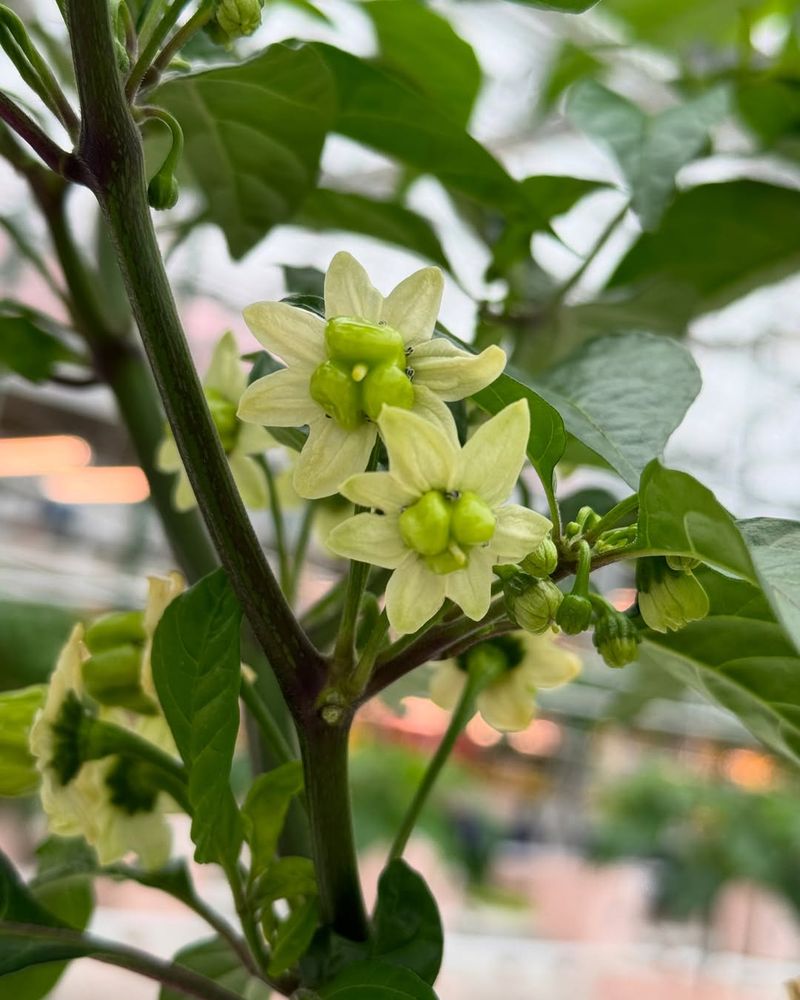
Blossoms on the ground often point straight to heat.
Peppers need the right temperature window for flowers to turn into fruit. When daytime highs climb too far, that process slows or stops, even on plants that otherwise look strong.
The flower may open normally.
From the outside, everything can look fine. But inside the flower, pollen and fruit-setting signals may already be struggling under heat stress.
Days above 90 degrees can cause trouble.
During hot Pennsylvania stretches, especially in July and early August, pepper plants may shed blooms instead of trying to carry fruit through extreme conditions.
That drop is a survival choice.
The plant saves water and energy by letting go of flowers it cannot support. It waits for better conditions rather than wasting resources.
Healthy leaves do not rule out heat stress.
A pepper can look green and upright while still refusing to set fruit. Flower drop is often the first clear signal.
Afternoon shade can help.
Light shade during the hottest part of the day reduces leaf and flower stress without blocking the morning sun peppers need.
Steady moisture matters too.
A well-watered plant handles heat better than one already running short.
Heat can pause fruit set, but it does not have to end the crop. Cooler weather can bring the next round of blooms back into action.
2. Nights Stayed Too Warm
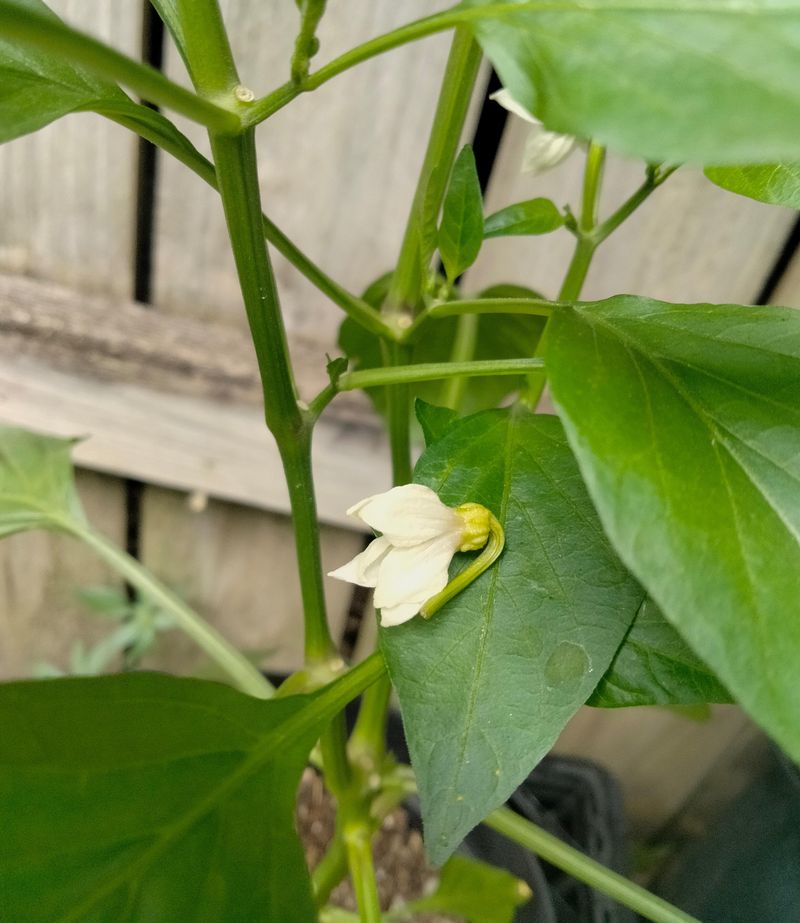
Hot nights can be just as frustrating as hot afternoons.
Gardeners often watch the daytime forecast, but peppers also need nighttime relief. When Pennsylvania nights stay warm and humid, plants do not get much chance to recover.
That recovery window matters.
Cooler nights help the plant move sugars, rebuild energy, and support developing flowers. Warm nights keep the plant working hard just to maintain itself.
Blossoms can lose priority.
When the plant spends too much energy managing heat overnight, flowers may not get enough support to stay attached.
This shows up during muggy spells.
Southeastern Pennsylvania, river valleys, and urban gardens can hold heat late into the night, and urban gardens can. Dense plantings and still air can make the canopy feel even warmer.
Your Pennsylvania Garden Changes Every Week. Your Plan Should Too.
Gardening in Pennsylvania changes quickly throughout the season. Every Friday you’ll receive a simple weekly plan showing exactly what to plant, prune, fertilize, harvest, and protect so you never miss the right timing.
Airflow helps more than people expect.
Space plants well, prune only lightly where needed, and keep weeds from crowding the base. Moving air helps heat escape around the leaves and blooms.
Avoid heavy feeding during hot nights.
Extra nitrogen can push leafy growth at a time when the plant is already under pressure. Wait for a cooler stretch before feeding heavily.
Patience is part of the fix.
A few nights in the 60s can change the plant’s behavior quickly.
Warm nights may make blossoms drop now, but they rarely keep peppers from trying again once the weather breaks.
3. Pollen Lost Strength
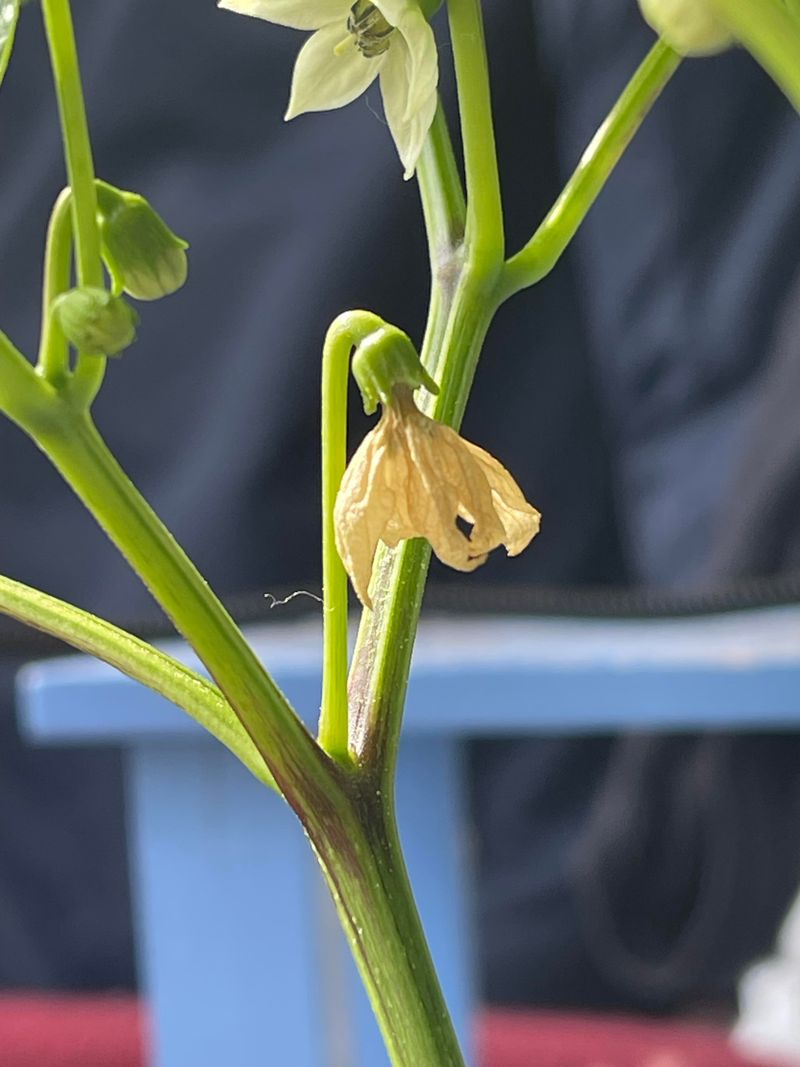
A pepper flower can fail before fruit ever starts.
Heat can weaken pollen or stop it from releasing properly. When pollen does not do its job, the flower has no reason to stay on the plant.
That is why blooms may fall cleanly.
The blossom opens, pollination fails, and the plant releases it within a short time. Nothing looks dramatic until the flowers start showing up on the soil.
Pollen is most useful early in the day.
Morning hours are cooler, and the flower is under less stress. By afternoon, heat can make pollen less effective, especially during a heat wave.
Vibration helps transfer pollen.
Wind, bees, and gentle movement can shake pollen loose inside pepper flowers. But weak pollen still limits fruit set, no matter how many flowers appear.
Morning hand-pollination may help.
Tap flower clusters gently or use a small brush during the cool part of the day. This works best before the sun has heated the plants.
Pollinator plants nearby support the process.
Small flowers that attract bees and other beneficial insects can increase morning visits around the pepper patch.
Do not judge the plant by one bad week.
Heat-damaged pollen is temporary. New flowers formed during cooler weather often behave much better.
The plant may be full of blooms.
The real question is whether those blooms can complete the handoff before heat gets in the way.
4. Dry Soil Raised Stress
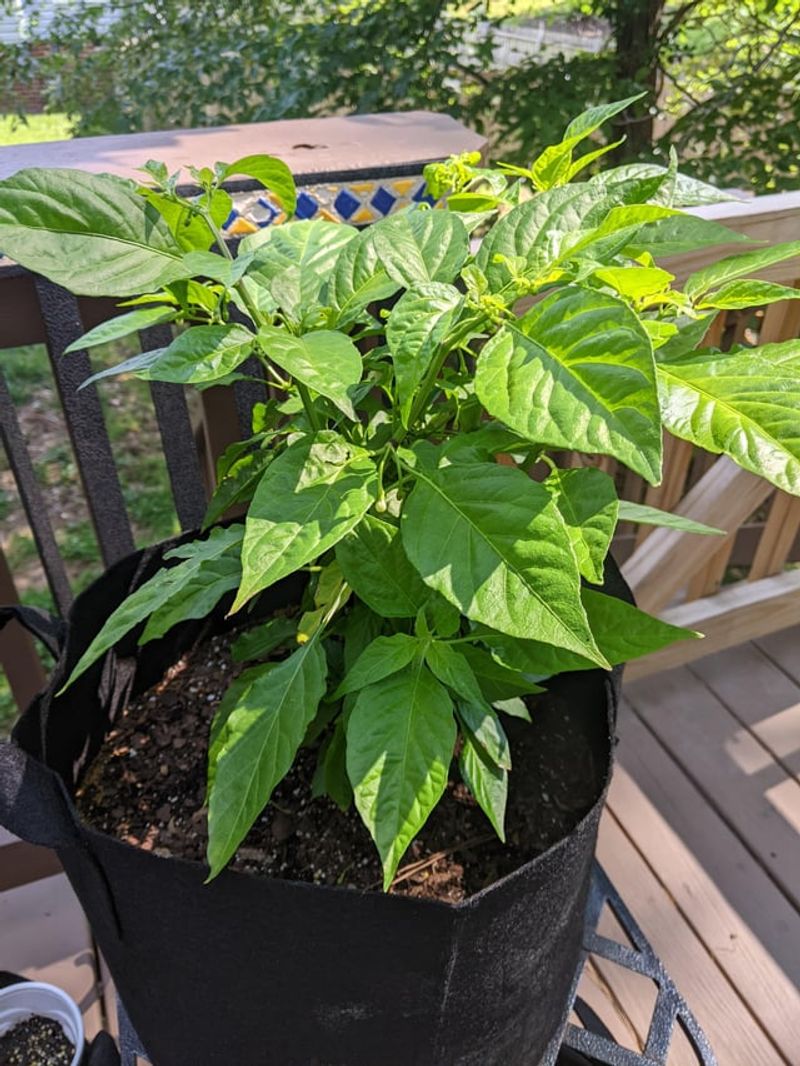
Dry roots make flowers easier to drop.
Pepper plants need steady moisture while they bloom. When the soil dries too far, the plant shifts away from reproduction and focuses on protecting itself.
Blossoms are expendable during stress.
Leaves, stems, and roots matter more to the plant’s survival than flowers. That makes blooms one of the first things to go when water runs short.
Pennsylvania heat can dry beds quickly.
Raised beds, sandy patches, containers, and exposed garden rows can lose moisture fast during July heat. A bed may look fine in the morning and feel dry by evening.
Check below the surface.
Push a finger two to three inches into the soil near the plant. Dry soil at that depth means the root zone needs water, even when the top looks only slightly dusty.
Water deeply.
A slow soak every few days during hot weather is usually better than a quick sprinkle each morning. Deep water encourages roots to reach cooler soil.
Mulch protects the root zone.
Straw, shredded leaves, or fine wood chips help slow evaporation and keep soil temperatures steadier. Keep mulch a little away from the stem.
Containers need extra attention.
Potted peppers dry faster than in-ground plants and may need daily checks during heat.
A thirsty pepper plant will save itself before it saves its flowers. Fix the moisture, and future blooms have a better chance.
5. Water Swings Broke The Rhythm
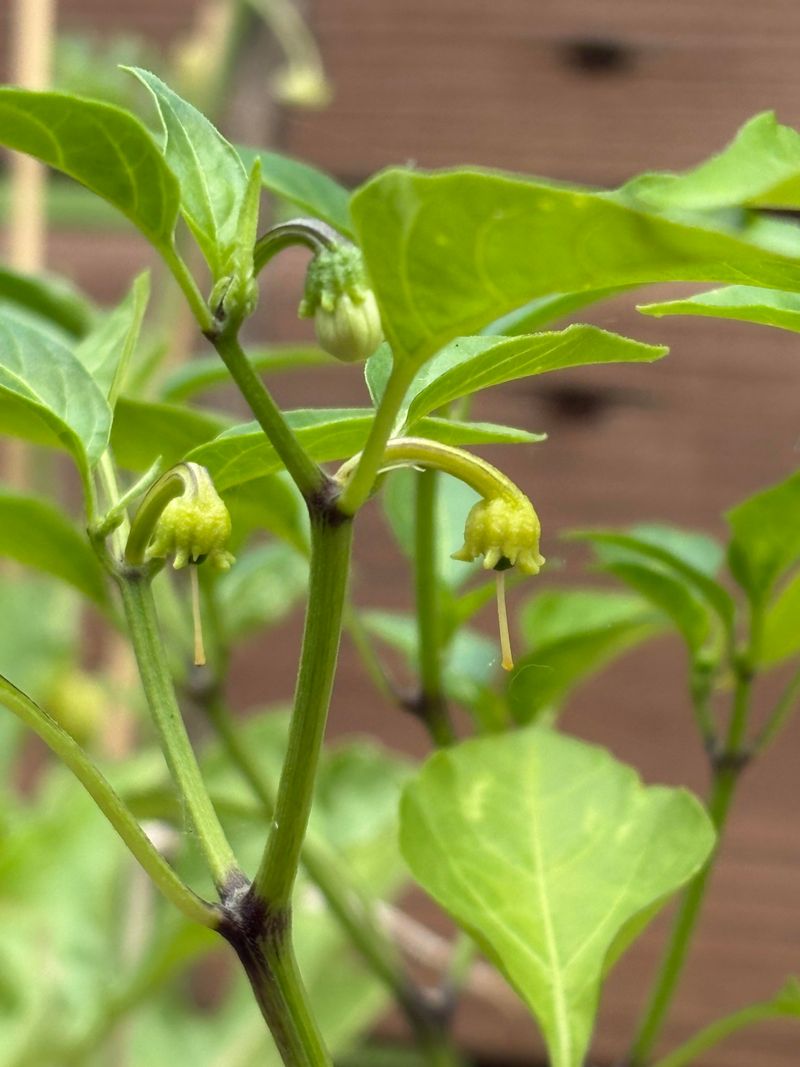
Peppers dislike the dry-soak-dry roller coaster.
Pennsylvania summer weather can deliver exactly that pattern. A week of dry heat stresses the plant, then a sudden thunderstorm drenches the bed, and the cycle starts again.
That swing confuses the plant.
During the dry stretch, flowers may weaken or detach. After a heavy soak, the plant has to adjust quickly to a sudden moisture change.
Consistency is the goal.
Peppers set flowers best when soil moisture stays fairly even. They do not need soggy soil, but they do need a dependable root zone.
Mulch smooths the extremes.
A three-inch layer of straw, shredded leaves, or wood chips slows drying between waterings and softens the impact of hard rain on bare soil.
Drip irrigation makes it easier.
A drip line or soaker hose delivers water slowly at the soil level. That keeps moisture steadier than quick overhead watering.
Timers help during heat waves.
Even a simple mechanical timer can prevent missed watering days when the weather is punishing and the plants are blooming hard.
Watch after storms too.
Rain may wet the surface without soaking deeply, especially in crusted or compacted soil. Check before skipping irrigation.
Blossom drop often shows up after moisture chaos.
A steadier rhythm gives the next flower flush a much better chance to hold.
6. Nitrogen Pushed Leaves
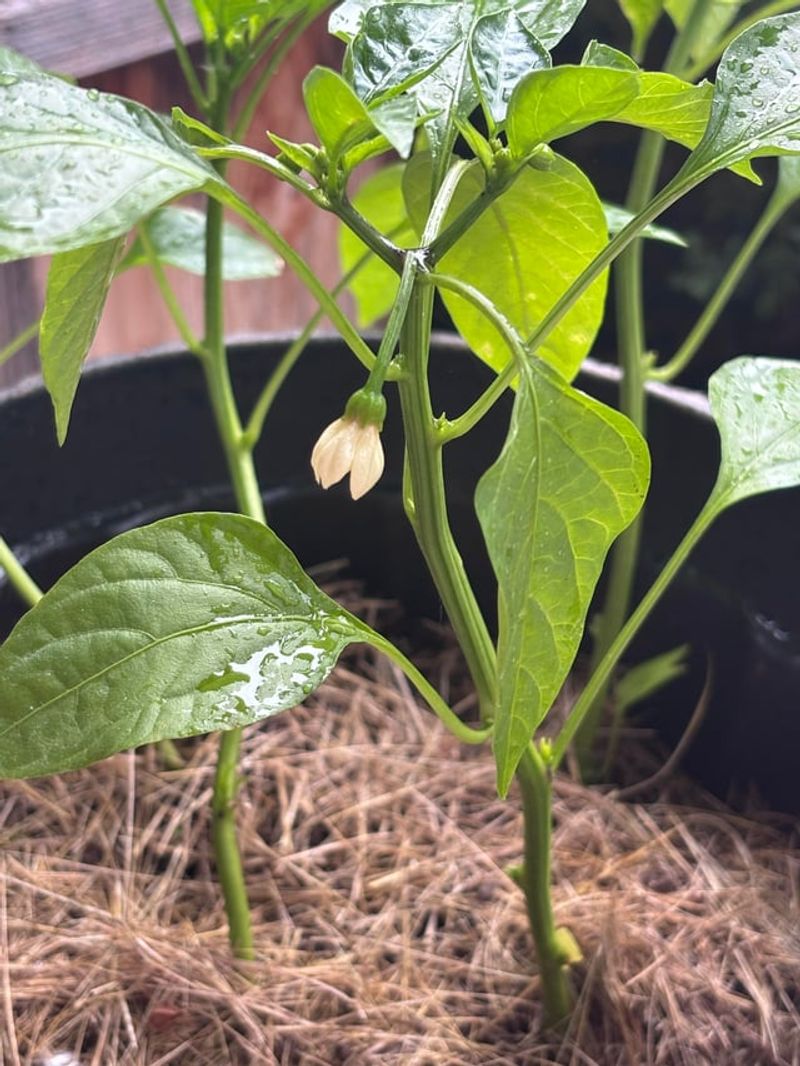
A giant leafy pepper plant can still disappoint.
Too much nitrogen encourages stems and leaves at the expense of flowers and fruit. The plant looks impressive, but it may keep dropping blossoms instead of holding them.
Dark green growth is the clue.
Huge leaves, thick stems, and lots of lush top growth with few peppers can point toward overfeeding, especially with high-nitrogen fertilizer.
Nitrogen is not bad.
Peppers need it early while they build the plant. The problem starts when heavy nitrogen continues after buds and flowers appear.
Flowers need a different balance.
Once plants are established, they benefit from steadier nutrition that supports roots, blooms, and fruit rather than nonstop leafy growth.
Check the fertilizer label.
The first number in the N-P-K ratio represents nitrogen. A very high first number may be better for leafy crops than fruiting peppers.
Compost can be rich too.
Fresh manure or very heavy compost additions can push leafy growth more than expected. Gentle feeding usually works better in midsummer.
Back off during heat.
A plant already stressed by high temperatures does not need a strong growth push. Let it stabilize first.
Lush leaves are not the final goal.
A slightly less pampered pepper plant may hold flowers better and produce more fruit by late summer.
7. Plants Need Afternoon Relief
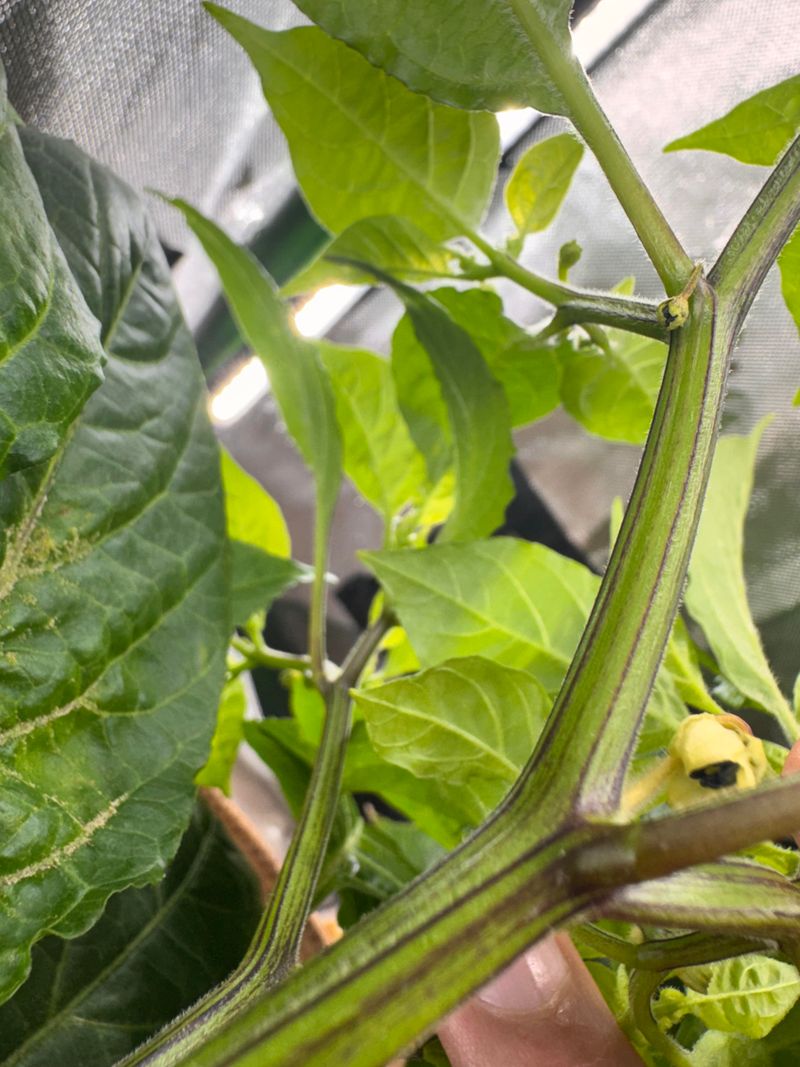
The hottest hours can decide whether blooms stay.
Pennsylvania afternoon sun, especially during a heat wave, can push leaves, flowers, and soil past the comfort zone. Peppers like warmth, but extreme heat during bloom is different.
Morning sun is useful.
It fuels growth without the same harsh heat load. Plants can photosynthesize, dry off dew, and build energy before stress peaks.
Afternoon shade gives relief.
A 30 to 40 percent shade cloth over pepper beds during the hottest hours can reduce stress without leaving plants too dim.
Do not block all light.
Peppers still need plenty of sun to grow and set fruit. The goal is softening the brutal part of the day, not turning the bed into deep shade.
A simple frame works.
PVC hoops, stakes, tomato cages, or bamboo poles can hold shade cloth above the canopy. Keep space between the cloth and leaves so air can move.
Tall crops can help.
Tomatoes, corn, or trellised beans on the west side of a pepper bed may offer natural afternoon protection when placed thoughtfully.
Mulch pairs well with shade.
Cooler soil helps roots keep supplying moisture while the leaves handle heat above ground.
A little afternoon relief can be enough.
Sometimes blossoms need only a few degrees less stress to stay attached.
8. New Blooms May Return
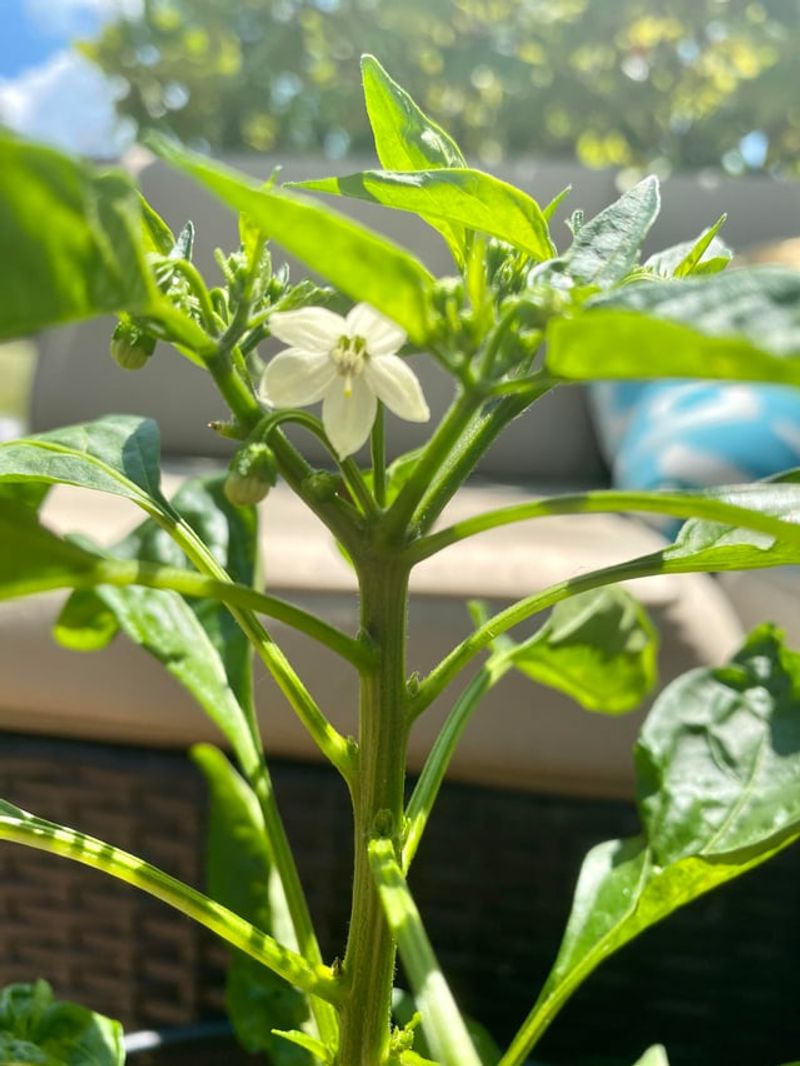
Dropped blossoms are not the final verdict.
Pepper plants often start flowering again once the heat eases, nights cool slightly, and moisture steadies. A plant that looked unproductive in July can turn generous in late August or September.
Watch for fresh buds.
New flower clusters at stem tips or branch joints mean the plant is ready to try again. That is your signal to keep care consistent.
Recovery depends on support.
Plants that stayed watered, mulched, and lightly shaded through the worst stretch usually bounce back faster than plants that struggled without help.
Cooler nights make a big difference.
Once nights dip back into a more comfortable range, flowers are more likely to hold and fruit set improves.
Keep nitrogen modest.
Do not push the plant into another flush of leaves right when it is ready to fruit. Use gentle feeding only when the plant truly needs it.
Harvest existing peppers promptly.
Picking mature fruit encourages the plant to keep producing. Leaving ripe peppers on the plant too long can slow new fruit set.
Protect the late crop.
Pennsylvania peppers can produce beautifully before frost when plants recover well from midsummer heat. Row cover may help near the end of the season.
Blossom drop feels discouraging.
But peppers are persistent, and one cooler stretch can turn a flower-dropping plant back into a harvest machine.