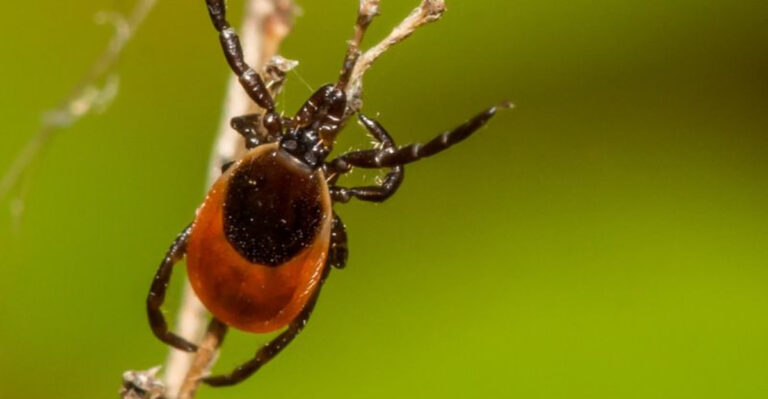
One Simple Herb Makes Your Indiana Yard Less Appealing to Flies
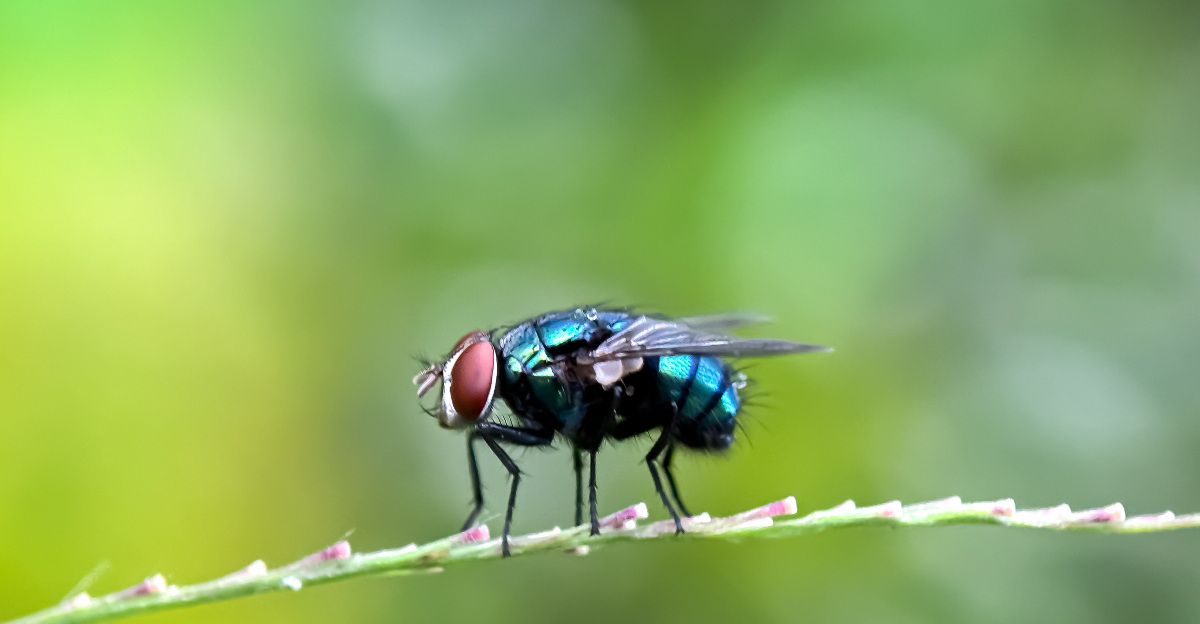
Your evening on the patio should not come with a soundtrack of buzzing wings and swatting hands. Flies seem to appear the moment the sun goes down, circling plates and landing where they are least welcome.
One small plant sitting quietly in a pot might be the fix nobody talks about. This fragrant herb carries a scent that feels pleasant to us but works like an alarm bell for flies.
Something about its aromatic oils sends them looking for a different yard to bother. Homeowners across Indiana have noticed the difference after tucking a few pots near their favorite outdoor spots.
This is not a complicated fix requiring special tools or a weekend of work. A handful of pots near your door or seating area can shift the mood of your entire backyard.
This Herb Does More Than Season Your Kitchen
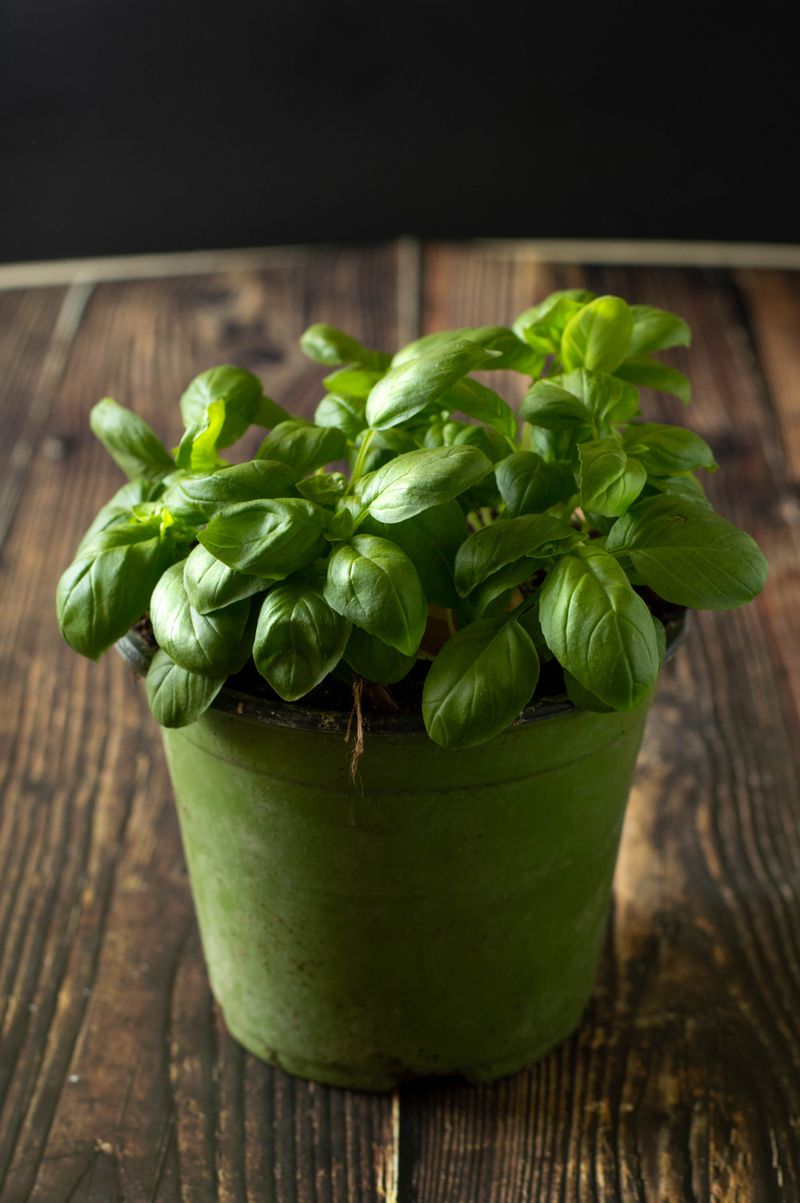
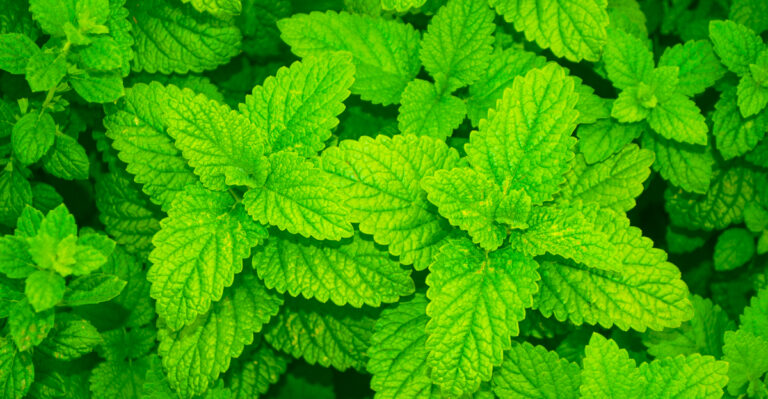
Basil smells incredible to us, but flies want nothing to do with it. That sharp, sweet scent comes from volatile oils packed inside every leaf.
Those oils, especially linalool and eugenol, interfere with how flies sense their environment. Flies rely on smell to find food and breeding spots.
When basil is nearby, it scrambles those signals and sends flies searching elsewhere. That is why this herb does double duty in your home and yard.
Most people grow basil purely for cooking, and that makes total sense. Fresh basil on pizza or pasta is hard to beat.
But once you learn it also works as a natural pest barrier, it becomes one of the hardest-working plants in your garden. You get dinner ingredients and a fly-free porch at the same time.
Sweet basil is the most common type and works well for both uses. Thai basil and lemon basil also carry strong scents that deter flies effectively.
The key is keeping the plant healthy and full, because wilted or dry basil loses much of its repelling power. A thriving plant releases more oil into the surrounding air.
Gently brushing the leaves with your hand releases an extra burst of that scent. Do this a few times a day near your outdoor seating area for a stronger effect.
One simple herb makes your Indiana yard less appealing to flies, and it starts right here in your kitchen garden. Basil earns its spot every single summer.
The Scent That Sends Flies Elsewhere
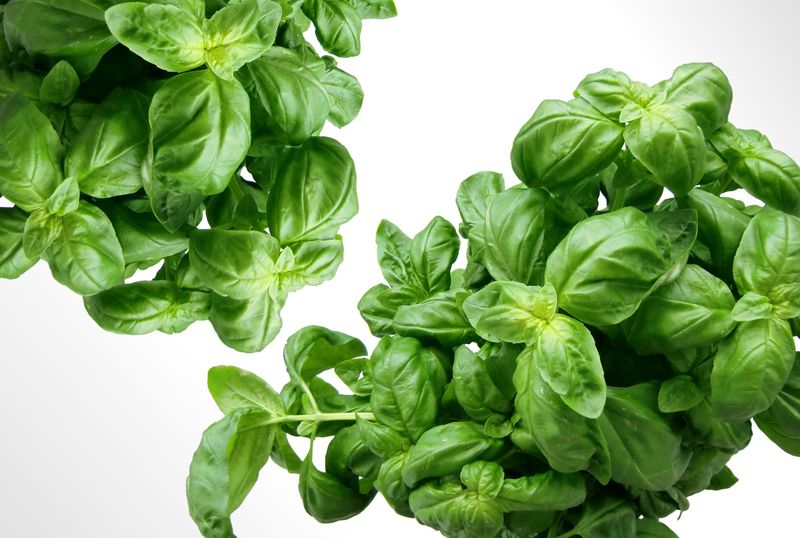
Flies have one of the most sensitive smell receptors in the insect world. They can detect the faintest trace of rotting food or standing water from impressive distances.
That same sensitivity makes them extremely vulnerable to strong plant-based scents. Basil essentially overwhelms their olfactory system.
The plant produces essential oils as a natural defense against insects and bacteria. Those oils were never meant to make pasta taste better, even if that is a happy bonus.
Linalool is one of the main compounds responsible for basil’s fly-repelling power. Studies have shown it disrupts insect behavior at a chemical level.
Eugenol is another active compound found heavily in clove basil varieties. Both oils make the air around basil plants genuinely unpleasant for flies.
Your Indiana Garden Changes Every Week. Your Plan Should Too.
Gardening in Indiana changes quickly throughout the season. Every Friday you’ll receive a simple weekly plan showing exactly what to plant, prune, fertilize, harvest, and protect so you never miss the right timing.
What is fascinating is that the scent does not harm flies directly. It simply makes your yard feel like a bad neighborhood to them.
They move on to find easier, less fragrant spots. Your neighbor’s porch without basil suddenly looks a lot more appealing to them.
The effect works best in a contained outdoor area like a porch, patio, or screened sitting space. Open fields with constant wind make it harder for the scent to concentrate.
Placing multiple basil plants together amplifies the smell significantly. Think of it as turning up the volume on a signal flies cannot stand. Flies tend to avoid a well-placed basil setup altogether.
Best Spots To Place Basil Around Your Porch
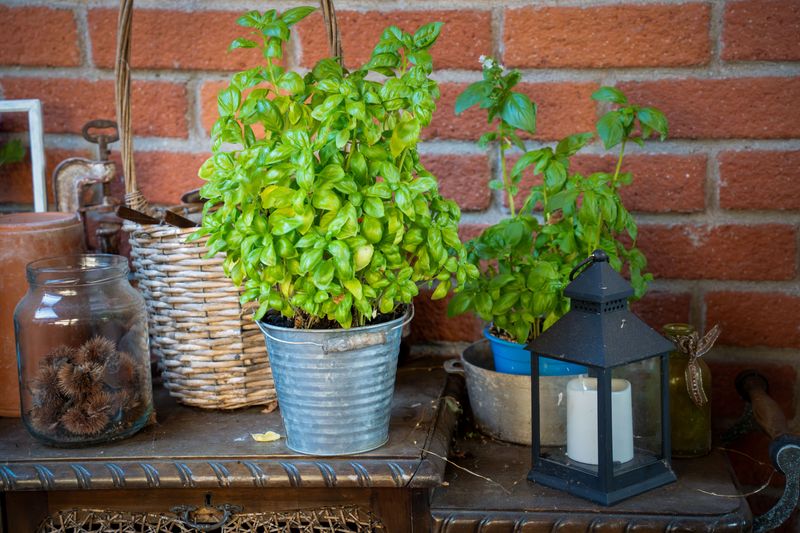
Location matters more than most gardeners realize when using basil as a fly barrier. Placing pots randomly around the yard will not give you the same results as strategic placement.
Start by identifying where flies bother you most. For most Indiana homeowners, that is near the back door, outdoor dining tables, and trash can areas.
Doorways are prime real estate for basil pots. Flies often sneak inside the moment a door opens, so flanking the entrance with two pots creates a scent wall they resist crossing.
Place one pot on each side of the door at roughly knee height. That height keeps the scent at the level where flies tend to hover and land.
Outdoor dining tables benefit from a small basil plant placed directly on the surface. It doubles as a centerpiece and a pest shield during summer cookouts.
Trash cans are another key spot to cover because they attract flies with strong food odors. Setting a pot of basil within two feet of the can helps mask those smells.
Window ledges work well too, especially for windows that stay open during warm months. The breeze carries the scent outward and creates a scent barrier around the opening.
Avoid placing basil in deep shade since the plant needs at least six hours of direct sun each day. A struggling plant in a dark corner will not produce enough oil to matter.
Think of your porch as a space you are gradually reclaiming. Basil placed at key entry points gives flies fewer reasons to hang around.
Simple Care Tips For Container-Grown Basil
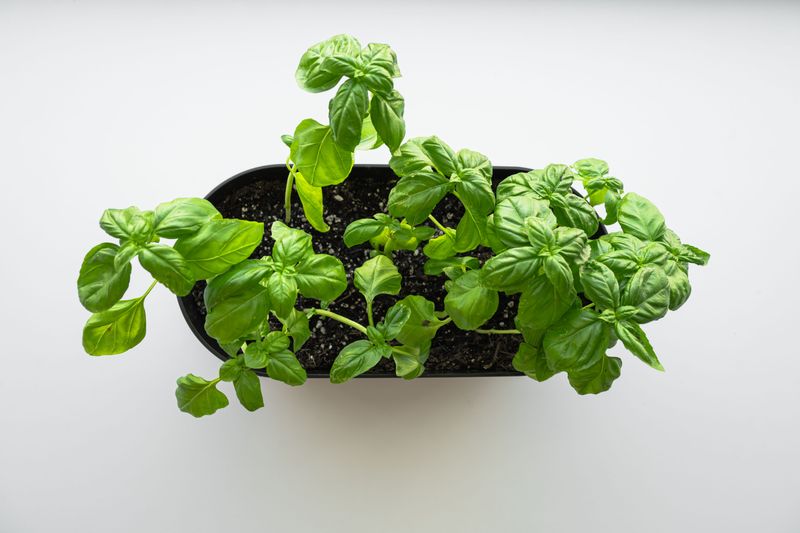
Growing basil in containers is one of the easiest gardening projects you can take on this summer. The plant is forgiving, fast-growing, and thrives in the kind of heat Indiana summers deliver.
Choose a pot that is at least six inches deep with drainage holes at the bottom. Basil roots need room to spread, and soggy soil will rot them quickly.
A good potting mix with some compost blended in gives basil the nutrients it craves. Avoid heavy garden soil in containers since it compacts and blocks drainage.
Water your basil when the top inch of soil feels dry to the touch. Overwatering is actually the most common mistake people make with this herb.
Morning watering works best because it gives the leaves time to dry before evening. Wet leaves overnight invite fungal problems that weaken the plant.
Basil loves full sun, so pick your sunniest porch or patio spot. At least six hours of direct light each day keeps the plant producing those powerful oils.
Fertilize lightly every two to three weeks with a balanced liquid fertilizer. Too much fertilizer pushes leafy growth but dilutes the essential oil content.
Pinch off any flower buds as soon as you spot them. Once basil flowers, it shifts energy away from leaf production and the scent weakens noticeably.
Keeping basil bushy and full requires regular harvesting from the top down. The more you pick, the more the plant branches out and stays productive all season.
Pairing Basil With Other Fly-Repelling Herbs
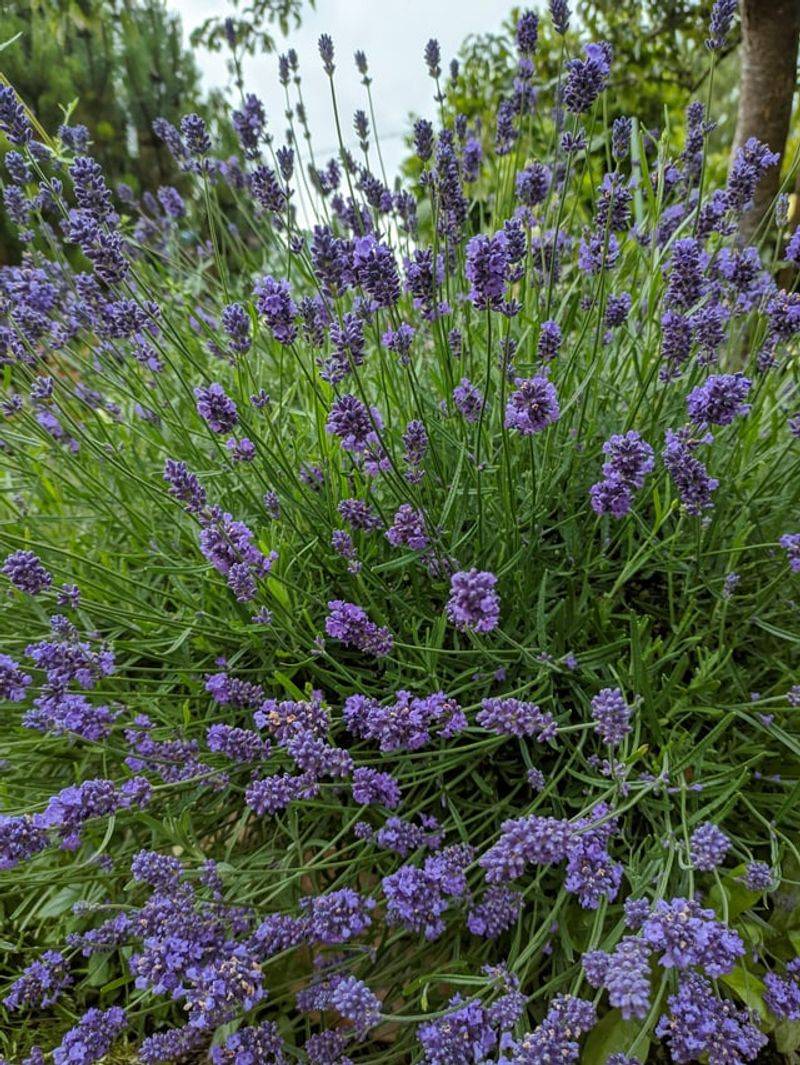
Basil works hard on its own, but pairing it with other aromatic herbs creates a layered scent barrier that is even harder for flies to ignore. Think of it as building a team of natural repellents.
Lavender is one of the best companions for basil in this setup. Its floral yet sharp scent adds a different chemical signal that disrupts flies from a second angle.
Mint is another powerhouse that flies strongly dislike. It spreads aggressively, so keeping it in its own container prevents it from crowding out neighboring plants.
Rosemary has a woody, resinous scent that works particularly well near grills and outdoor kitchens. Grilling nearby may help carry rosemary’s oils further into the surrounding air.
Lemon thyme releases a citrusy fragrance that flies find off-putting. Planted alongside basil, the two herbs create a scent combination that covers a wider sensory range.
Marigolds are not herbs, but they earn a mention here because they contain natural compounds that act as an insect deterrent. Tucking a few marigold plants between your herb pots strengthens the whole barrier.
When arranging a multi-herb planter, place the tallest plants like rosemary at the back. Shorter herbs like thyme and basil work well at the front where airflow hits them first.
Rotating which herbs you brush with your hands each day keeps the combined scent fresh and strong. Flies have no loyalty to any one spot when every option smells terrible to them.
Keeping Basil Productive Through The Indiana Summer
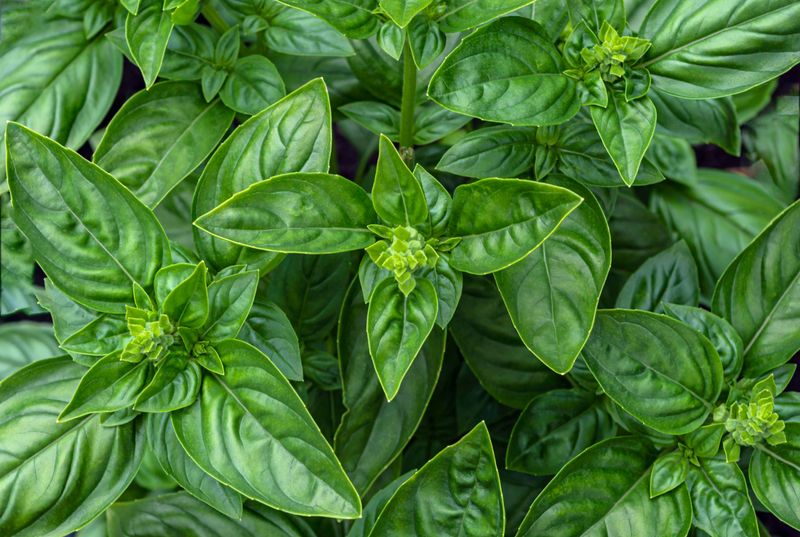
Indiana summers are hot, humid, and long, which is actually great news for basil. This herb is native to tropical climates and genuinely thrives when the temperature climbs.
The challenge is not the heat itself but managing the plant so it stays leafy and fragrant all the way through August. Left alone, basil will bolt and lose its potency fast.
Bolting happens when the plant shifts into flowering mode to produce seeds. Once that happens, the leaves become smaller, tougher, and less aromatic.
Pinching off flower stalks every few days prevents bolting and keeps the plant in leaf-production mode. It takes about thirty seconds and makes a huge difference in how long the plant stays effective.
During heat waves above ninety degrees, basil may wilt slightly in the afternoon. Moving pots to a spot with afternoon shade during extreme heat prevents stress without sacrificing morning sun.
Mulching around the base of outdoor-planted basil helps retain soil moisture during dry stretches. A thin layer of straw or wood chips keeps roots cooler and reduces how often you need to water.
Watch for aphids and Japanese beetles, which both enjoy basil leaves during mid-summer. A quick spray of diluted neem oil handles most pest problems without harming the plant’s scent output.
Harvesting regularly from late June through early September keeps plants compact and vigorous. One simple herb makes your Indiana yard less appealing to flies when you keep it thriving all season long.