The One Part Of Your Pennsylvania Yard Where Ticks Are Most Likely To Be Waiting
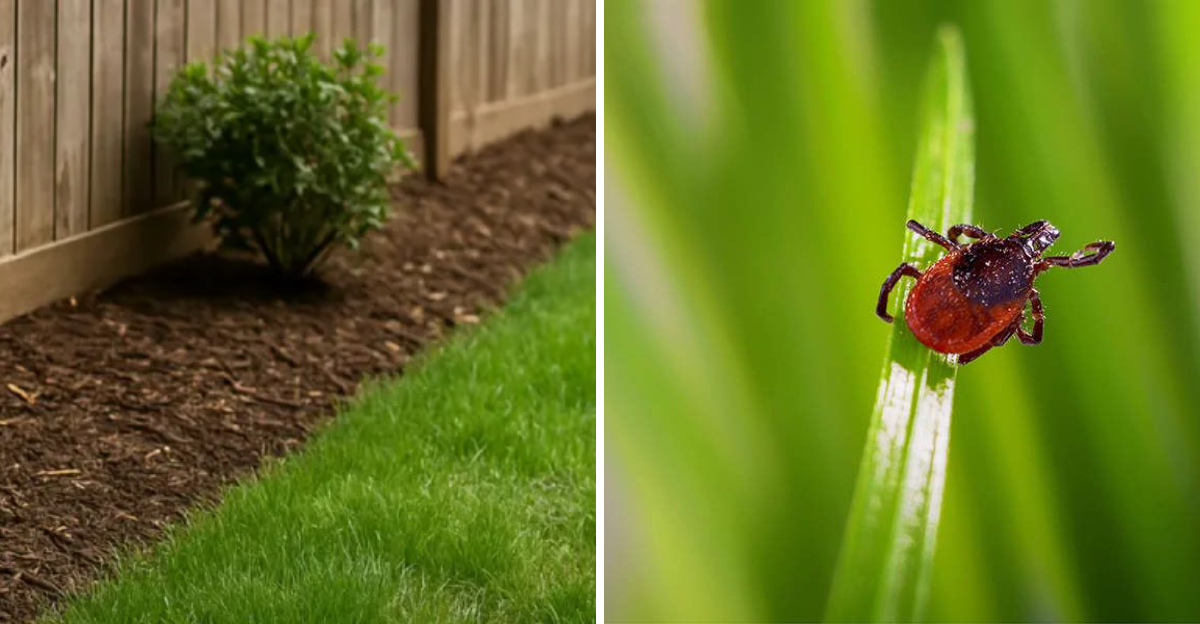
Most people think about ticks in terms of tall grass and wooded trails, and those are real risk zones. But the tick encounter that catches most Pennsylvania homeowners completely off guard happens much closer to home than a hiking trail.
It happens in their own yard, in one specific area that creates ideal tick conditions that most people never think to treat, check, or manage. This part of your yard is where ticks are most likely to be waiting right now.
Ticks don’t move around much. They find a favorable spot and they wait, positioned to catch passing hosts with a patience that is genuinely impressive for an animal with a brain the size of a grain of sand.
The right combination of moisture, shade, organic material, and low disturbance can turn a small area of your yard into one of the highest tick density zones you’ll encounter anywhere, including the woods.
Knowing where that zone is in your yard gives you a real and practical advantage in reducing the tick encounters that happen closest to home.
It Is The Shaded Edge Where Your Lawn Meets Woods Or Brush
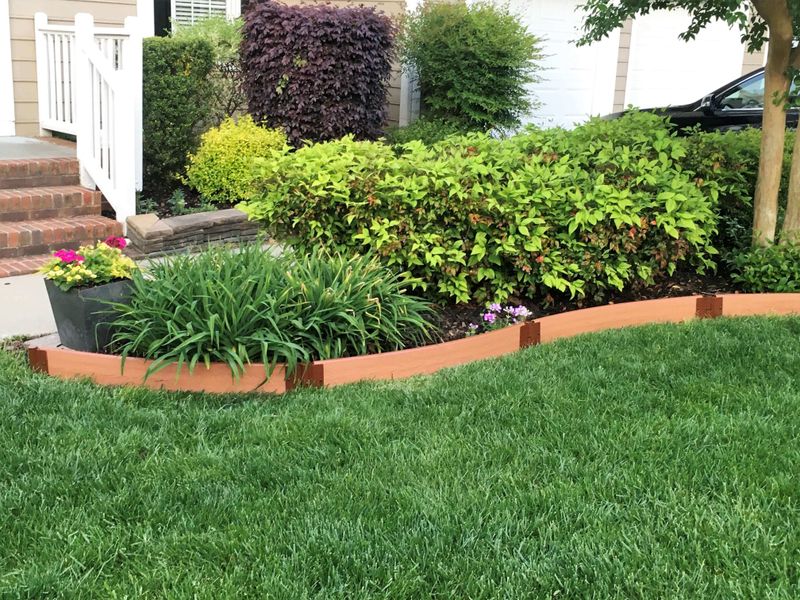
Most Pennsylvanians spend time worrying about ticks in the middle of the yard, but that is not where the real danger hides. The biggest risk zone is actually the edge where your mowed lawn ends and the woods, shrubs, or tall grass begins.
Scientists and pest experts call this the “transition zone,” and it is where ticks gather in the highest numbers.
Ticks cannot survive in hot, dry, sunny conditions for very long. Open lawn that gets full sunlight dries out quickly, and blacklegged ticks, the kind that spread Lyme disease, struggle to stay hydrated there.
The shaded edge of your yard is a completely different story. Tall trees, dense shrubs, and overgrown brush create a cool, damp environment that ticks absolutely love.
Humidity is everything to a tick. Without enough moisture in the air and soil, ticks dry out and cannot function.
The shaded border between your lawn and the woods traps moisture and blocks wind, giving ticks the exact conditions they need to survive and wait for a passing host.
Ticks do not chase you down. Instead, they practice a behavior called “questing,” where they climb to the tip of a blade of grass or a low leaf and hold their front legs out, waiting for a warm body to brush past.
The lawn-to-woods edge is their favorite questing spot because animals like deer and mice travel through those corridors regularly.
Keeping a clear, sunny buffer between your lawn and any wooded area is one of the most effective things you can do to reduce tick contact around your home.
Leaf Litter Creates Ideal Tick Shelter

Picture a thick pile of damp, rotting leaves sitting under a bush in your backyard. It might look harmless, but that pile is basically a five-star resort for ticks.
Leaf litter is one of the most tick-friendly environments you can have near your home, and many homeowners never think twice about it.
Your Pennsylvania Garden Changes Every Week. Your Plan Should Too.
Gardening in Pennsylvania changes quickly throughout the season. Every Friday you’ll receive a simple weekly plan showing exactly what to plant, prune, fertilize, harvest, and protect so you never miss the right timing.
Blacklegged ticks spend a huge portion of their lives close to the ground. They hide in leaves and other organic debris to stay protected from direct sunlight and dry air.
A layer of fallen leaves holds moisture like a sponge, keeping the humidity high enough for ticks to survive even during dry stretches of weather.
What makes leaf litter especially sneaky is that it can stay risky even when the rest of your lawn looks perfectly tidy.
You might mow your grass every week and still have a tick problem if you have damp leaves piling up under shrubs, along fences, or near woodland plants at the edge of your property.
Raking and removing leaves regularly is a straightforward way to reduce tick habitat. Do not just push them to the side of the yard either.
Ticks can easily move back from leaf piles into areas where your family plays or relaxes. Bagging and disposing of leaves properly makes a real difference.
Pay special attention to shaded spots where leaves collect and stay wet for days after rain. Areas beneath dense shrubs, near stone walls, and along the base of fences are common trouble spots.
Keeping those areas clean and dry throughout the season can meaningfully reduce tick numbers close to your Pennsylvania home.
Mice And Deer Make Yard Edges Even More Attractive
Here is something that surprises a lot of Pennsylvania homeowners: ticks do not just appear out of nowhere.
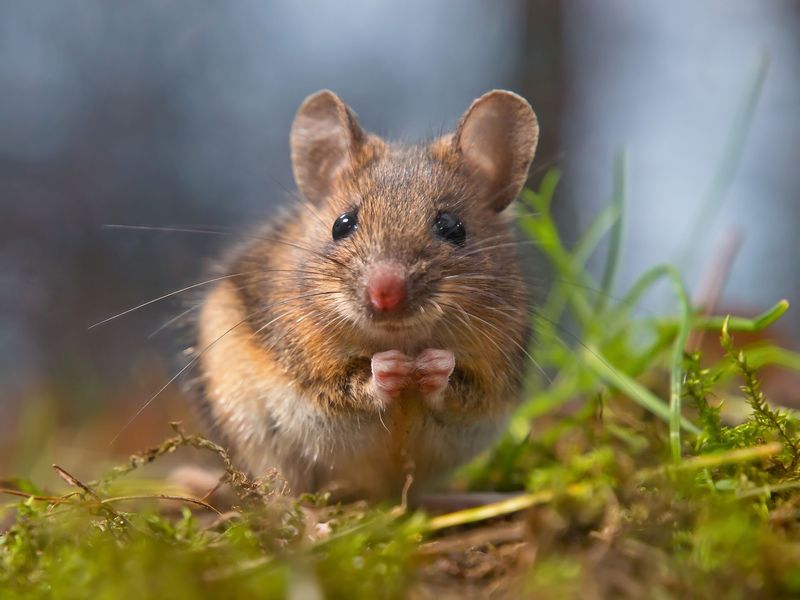
They are carried onto your property by animals, and the most common culprits are white-tailed deer and white-footed mice. Where these animals go, ticks follow.
Deer are large and wide-ranging, which means a single deer can carry dozens or even hundreds of ticks across a wide area in just one day. Woodland borders along your yard give deer a natural travel corridor, and they often follow the same paths repeatedly.
Every time a deer walks along the edge of your property, it may be dropping tick larvae and nymphs into the vegetation nearby.
Mice play an equally important role, especially when it comes to young ticks. Tick larvae and nymphs feed on mice frequently, and mice are actually one of the main reasons Lyme disease spreads so efficiently.
Stone walls, woodpiles, and dense low vegetation near your home can shelter mouse populations right next to where your family spends time outdoors.
Ticks do not jump or fly, so they depend entirely on animals and people brushing past them. The more wildlife traffic along your yard edges, the more ticks end up waiting in those zones.
Reducing things that attract deer and rodents, like fallen fruit, bird seed on the ground, and accessible garbage, can help lower the wildlife traffic in your yard.
Removing woodpiles stored directly against the house and sealing gaps in stone walls can also discourage rodents from nesting close to your living spaces, which in turn limits tick activity near your home.
Tall Grass And Overgrown Shrubs Expand The Risk Zone
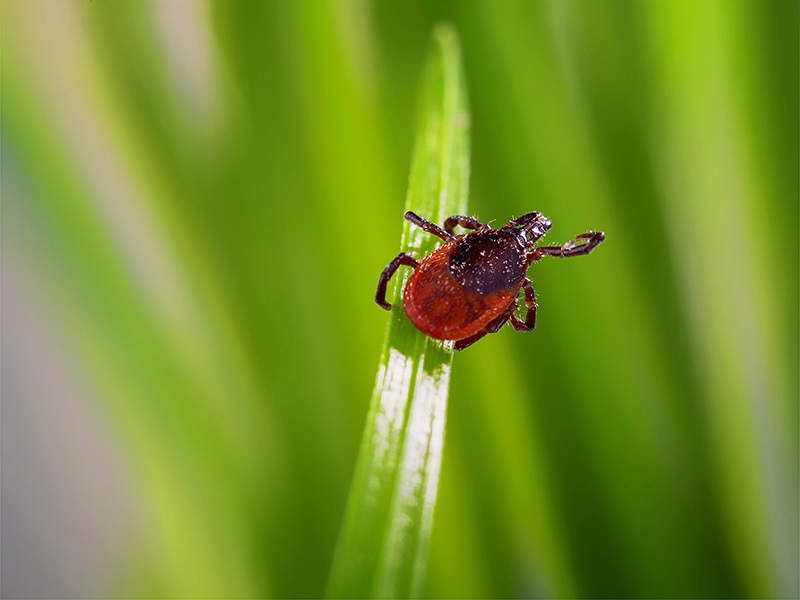
Letting grass grow tall or shrubs go untrimmed for even a few weeks can quietly expand the area of your yard where ticks feel comfortable.
When vegetation gets thick and overgrown, it creates shade, traps moisture, and gives ticks more surface area to quest from.
What starts as a narrow strip along the woods can creep closer to your patio, play set, or garden path.
Unmowed grass and weeds are especially problematic because they mimic the conditions of the woodland edge. Tall blades of grass stay damp longer after morning dew or rain, and dense weeds block the airflow that would otherwise dry things out.
Ticks can move into these areas and wait at grass tips for a passing host, whether that is a dog, a child, or an adult doing yard work.
Dense ground covers like ivy, pachysandra, and creeping juniper are also worth watching. These low-growing plants hold moisture close to the ground and rarely dry out completely, making them excellent tick hideouts.
Planting them far from high-traffic areas is a smarter choice if you live near woods. Trimming shrubs so that air and sunlight can reach their bases makes a real difference. Sunlight drying out the soil and lower branches removes the humid microclimate that ticks depend on.
Clearing a path of at least three feet between any dense vegetation and your lawn edges, patios, or play equipment gives you a meaningful buffer.
Staying on top of mowing and pruning throughout the warm season is not just about appearances. It is an active way to shrink tick habitat and push the risk zone further from the spaces your family uses most.
Create A Dry Barrier Between The Lawn And Woods
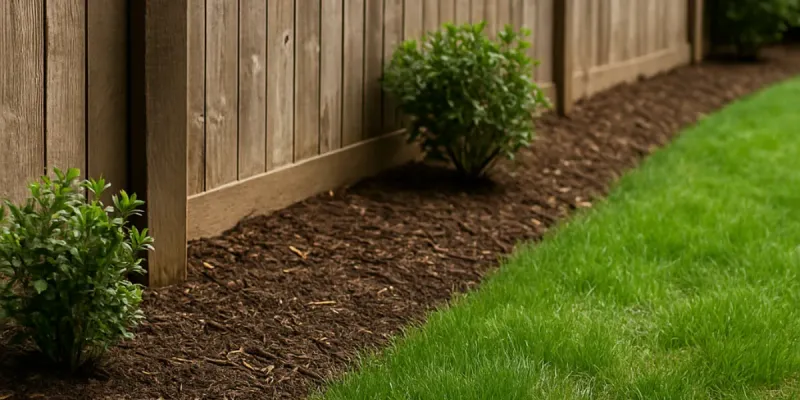
One of the most practical steps you can take to reduce tick contact around your yard is creating a physical barrier between your lawn and any wooded or brushy areas.
Penn State Extension recommends placing a border of wood chips or gravel along woodland edges and around stone walls. This simple step can make a meaningful difference in how many ticks end up near your home.
A dry barrier works because ticks are reluctant to cross open, dry, sun-exposed surfaces. A strip of wood chips or gravel that is at least three feet wide disrupts the moist, shaded pathway that ticks would otherwise use to move from the woods into your lawn.
It acts as a kind of checkpoint that ticks tend to avoid. Removing accumulated leaf litter and brush from the perimeter of your lawn is just as important as adding the barrier itself.
Leaves and debris that pile up along the edge of your property cancel out the benefit of any dry barrier you put in place.
Clearing that material regularly keeps the zone between your lawn and the woods as open and dry as possible.
Placing seating, play equipment, and garden areas away from the forest edge is another smart move. Even a few extra feet of distance from the woodland border can reduce how often people and pets come into contact with ticks.
When space allows, positioning outdoor furniture and swing sets toward the center of the yard is a low-effort way to lower risk.
These landscape changes do not require a big budget or professional help. A weekend of yard work and a few bags of wood chips can genuinely change the tick situation around your home.
Protect Yourself Even After Improving The Landscape
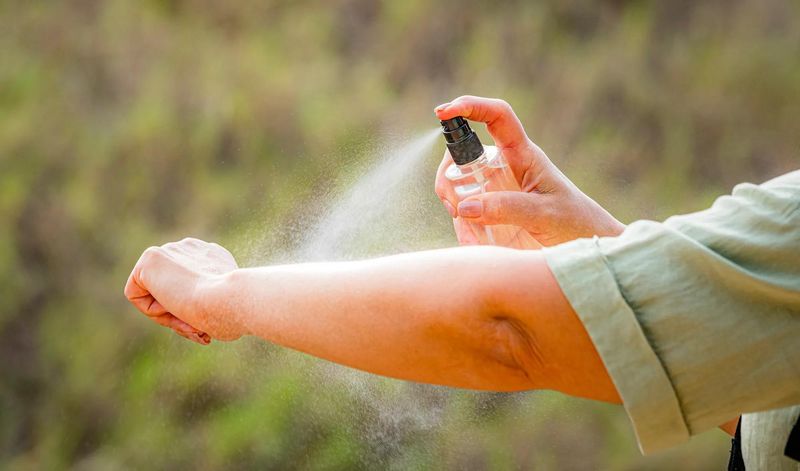
Improving your yard is a great start, but no amount of landscaping can make your property completely tick-free. Ticks can travel in on wildlife, blow in on the wind as tiny larvae, or hitch a ride on a visiting pet.
Staying personally protected every time you go outside is still a must, especially during tick season from spring through fall.
Wearing the right clothing makes a big difference. Long pants tucked into socks, long sleeves, and light-colored clothing help keep ticks off your skin and make them easier to spot before they attach.
It might feel warm on a summer day, but a few extra layers go a long way when you are working near brush, leaf piles, or wooded edges.
Using an EPA-registered repellent adds another layer of protection. Products containing DEET, picaridin, or IR3535 work well on skin, while permethrin is designed to be applied to clothing and gear.
Following label directions carefully ensures you get the full benefit without misuse. Checking yourself, your kids, and your pets after any time spent outdoors is one of the most effective habits you can build.
Ticks often crawl for hours before settling in a spot to feed, so a quick full-body check after coming inside can catch them before they attach.
Pay close attention to the scalp, behind the ears, under the arms, behind the knees, and around the waistband.
Tossing clothes in a hot dryer for ten minutes after outdoor activities can also remove any ticks that are clinging to fabric. Staying consistent with these habits throughout the season keeps your whole household safer, no matter how much yard work you have already done.