The Watering Mistakes Destroying Tomatoes During 90-Degree Weekends
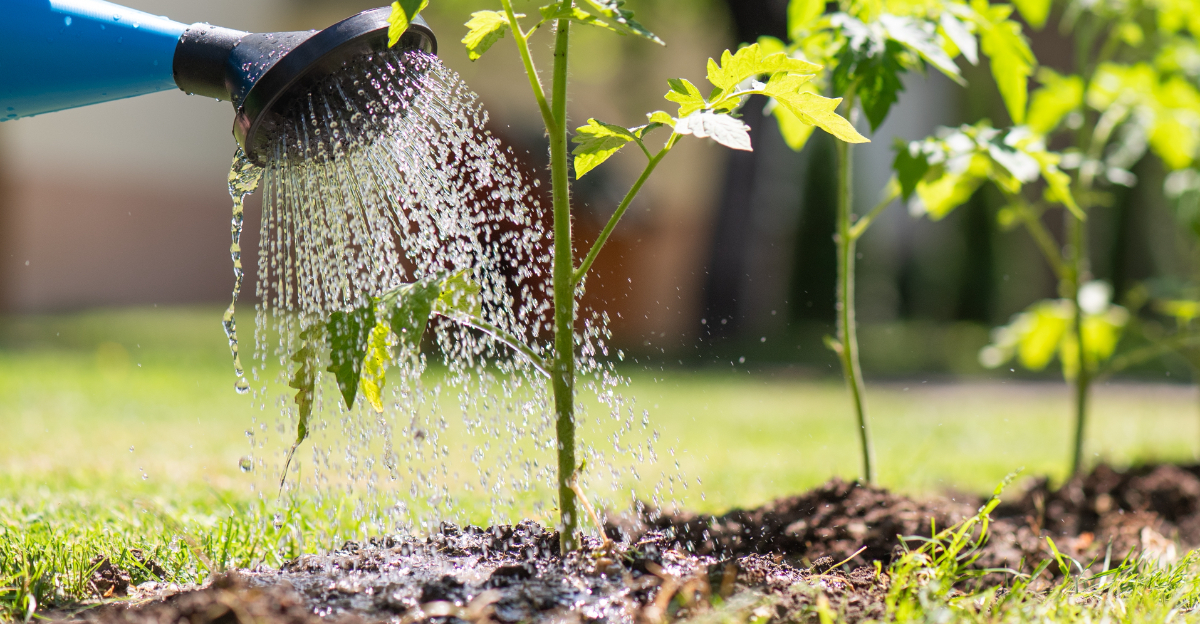
A 90-degree Ohio weekend and a tomato garden is a combination that separates good watering instincts from damaging ones fast. The heat feels urgent.
The plants look stressed. Every impulse says water more, water now, water heavily.
Most of those impulses are wrong. Tomatoes during extreme heat are not always asking for more water.
Sometimes they are dealing with root zone temperatures, soil conditions, or stress responses that extra water compounds rather than fixes. The plant wilts.
The gardener waters. The roots suffer more than the heat ever caused on its own. 90-degree weekends in Ohio create a specific set of conditions that reward one watering approach and punish several others.
The gardeners who lose tomatoes to summer heat are often losing them to the response, not the temperature. What the tomato actually needs during an Ohio heat spike is specific.
And it is not always what the wilting suggests.
1. Waiting Until Tomato Plants Wilt Hard
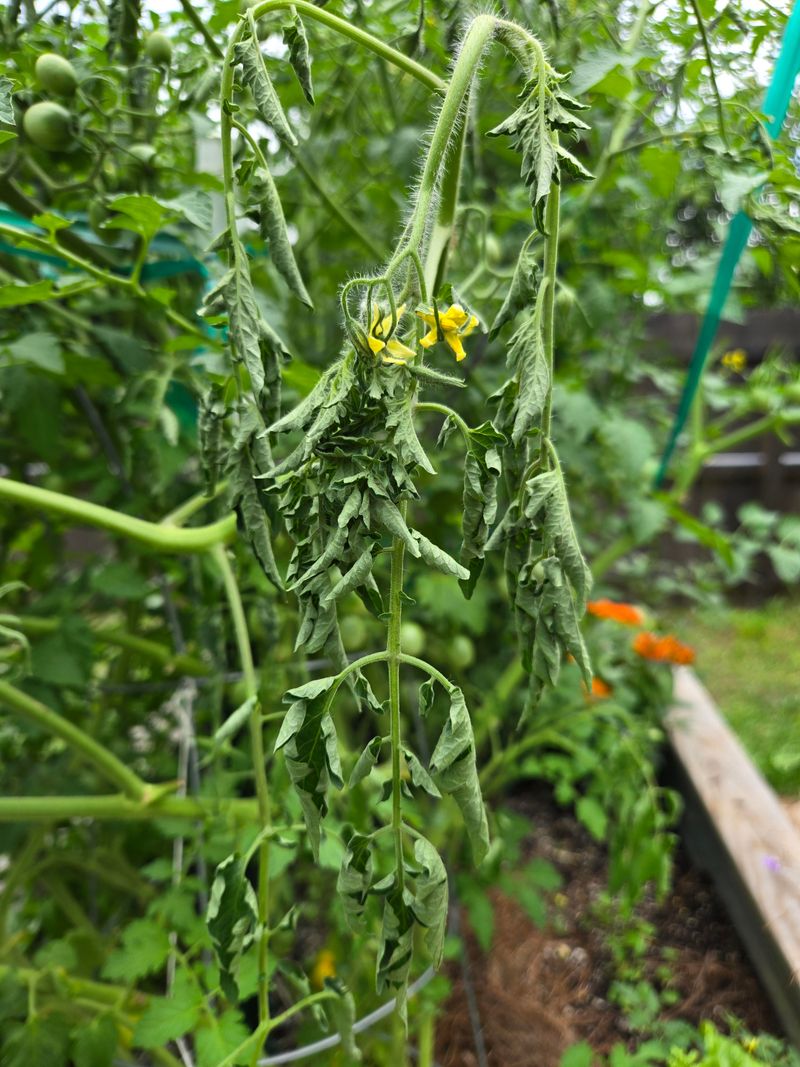
A limp tomato plant slumping in the afternoon sun is one of the most alarming sights in a summer garden. Many Ohio gardeners grab the hose the moment they see drooping leaves, but that reaction can actually make things worse if the soil is not truly dry.
Slight afternoon wilting can happen during extreme heat even when soil moisture is adequate.
Plant physiology resources explain that tomatoes may wilt temporarily as a response to high transpiration rates during peak heat, not always as a sign of drought stress.
The key is to check the soil before reaching for the hose.
Push your finger or a trowel several inches into the soil near the root zone. If the soil feels moist a few inches down, the plant may recover on its own once temperatures drop in the evening.
OSU Extension tomato guidance notes that morning recovery is one of the most reliable signals. If a plant perks back up by early morning, it likely had enough moisture the day before.
Waiting until tomatoes wilt hard and then flooding the root zone is the main mistake this article is built around. Severe wilting means roots have already been stressed for too long.
Watering deeply before stress reaches that point, based on soil checks rather than leaf appearance alone, keeps plants steadier through the worst heat. Morning is the best time to assess and act.
2. Sprinkling The Surface Instead Of Soaking Roots
A quick pass with the hose might look like watering, but it often does very little for tomato roots. Surface sprinkling wets only the top inch or two of soil.
Under 90-degree heat, it evaporates before reaching the deeper root zone where tomatoes actually drink.
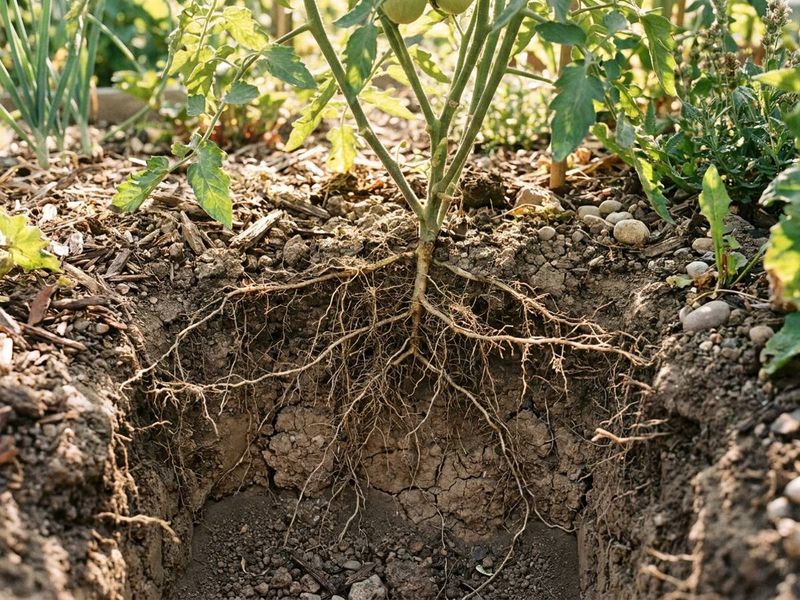
University extension vegetable guidance in Ohio explains that tomato roots can extend several inches to over a foot deep in well-prepared garden beds.
Frequent light sprinkles can actually encourage shallow root growth, leaving plants more vulnerable during heat waves. The goal is to get water down to where the roots are, not just to darken the soil surface.
Your Ohio Garden Changes Every Week. Your Plan Should Too.
Gardening in Ohio changes quickly throughout the season. Every Friday you’ll receive a simple weekly plan showing exactly what to plant, prune, fertilize, harvest, and protect so you never miss the right timing.
Soaker hoses and drip lines are two of the most practical tools for deep root-zone watering. They deliver water slowly at the base of the plant, giving soil time to absorb moisture rather than letting it run off or evaporate.
If you use a regular hose, water slowly at the base and let it soak in before moving on.
After watering, wait a few minutes and then push a trowel or your finger down four to six inches. The soil at that depth should feel moist, not just cool on the surface.
If it is still dry, water more slowly and longer next time. Deep, thorough watering done less often works better than daily shallow sprinkling during a heat wave.
3. Watering Leaves During The Hottest Part Of Day
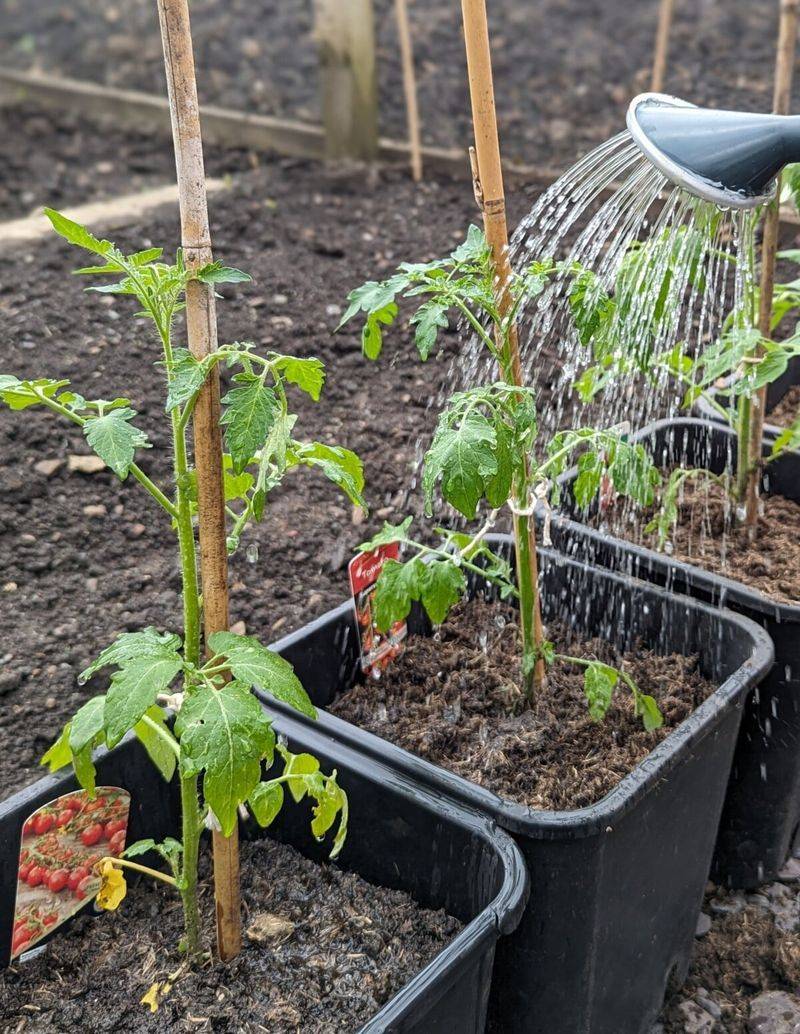
Misting tomato leaves with a hose during the hottest part of a summer afternoon might feel helpful, but it often wastes water and does little to hydrate the plant.
Most of that spray evaporates before it reaches the soil, and wet foliage left sitting in warm, humid conditions can invite fungal disease pressure.
Extension plant-care guidance in Ohio warns that overhead watering in the heat of the day is one of the less efficient ways to water vegetables. The goal of watering is to hydrate the root zone, not to cool the leaves or rinse off dust.
Roots pull water up through the plant, so that is where moisture needs to go.
Watering early in the morning is widely recommended by vegetable gardening guidance because it gives the root zone time to absorb moisture before peak heat arrives.
It also allows any water that does splash on leaves to dry before nightfall, reducing the conditions that favor fungal problems like early blight.
If your only option is to water during the afternoon, direct the flow at the base of the plant and keep it off the foliage as much as possible. Overhead watering is not always avoidable, and a few drops on leaves will not instantly ruin a plant.
The real issue is making it a habit during peak heat when evaporation is highest and disease pressure is more likely. Root-zone watering is almost always the better choice.
4. Letting Containers Swing From Dry To Flooded
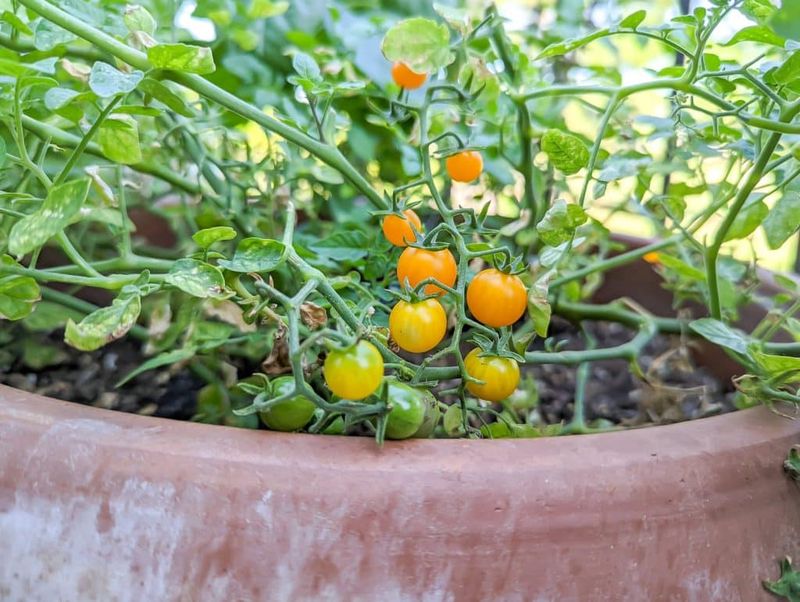
That hot black nursery pot sitting on a sunny patio can become an oven during a 90-degree weekend. Ohio container tomatoes dry out far faster than in-ground plants, and small pots can go from moist to bone dry in a single afternoon of full sun and high heat.
The problem gets worse when gardeners notice the dry pot and overcorrect. Flooding a container that has dried completely can push out oxygen from the root zone and stress roots in the opposite direction.
Vegetable gardening guidance notes that tomato roots need both water and oxygen. Waterlogged containers with poor drainage remove that balance quickly.
Check containers daily during heat waves, and more than once a day if temperatures are extreme. Water slowly until you see excess drain from the bottom holes, which confirms moisture has moved through the full root zone.
Never let water pool in saucers for more than an hour, as standing water can keep roots too wet and reduce oxygen flow.
Larger containers hold moisture longer and are generally more forgiving during heat. A container with at least five gallons of growing mix will swing less dramatically than a small pot.
Adding a thin layer of straw or shredded leaves to the top of the container can slow evaporation between waterings. Mulching the pot surface is a simple step that makes a real difference when temperatures climb and stay high through the weekend.
5. Skipping Mulch Before Soil Bakes
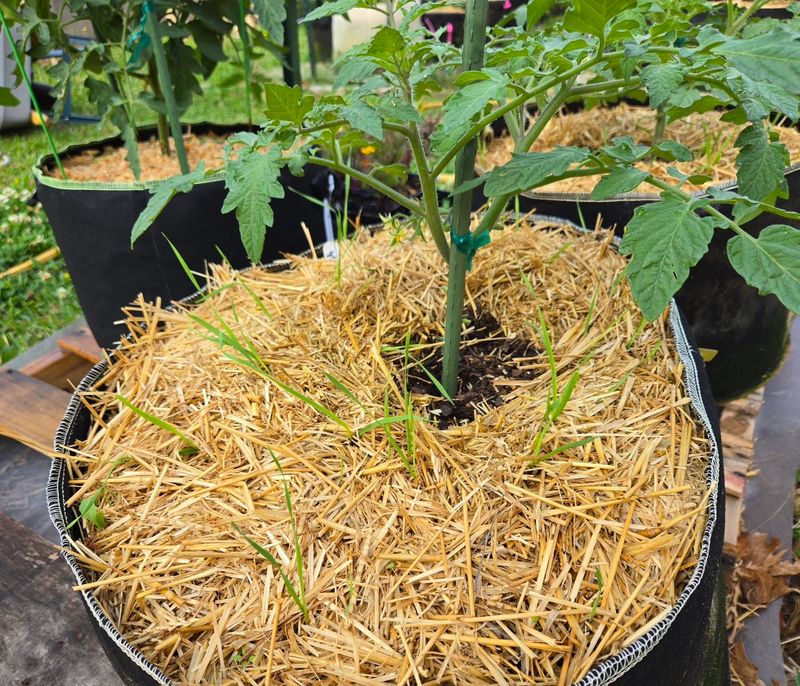
Bare soil in a tomato bed during a heat wave is not just dry, it can become almost hostile to roots. Without any cover, soil surface temperatures can climb well above air temperature in direct sun, accelerating moisture loss and stressing the root zone from the top down.
OSU Extension vegetable guidance recommends mulching around tomatoes to help conserve soil moisture and moderate soil temperature. Straw, shredded leaves, untreated grass clippings, and compost are common organic mulches.
They reduce evaporation and keep the root zone cooler between waterings.
Apply mulch two to three inches deep around the base of the plant, but keep it a few inches away from the main stem. Mulch piled against the stem can hold moisture against the bark and create conditions that favor rot or disease.
The goal is to cover the soil, not to bury the plant.
Mulch does not replace watering. During extreme heat, even well-mulched beds will need regular deep watering to keep roots supplied.
But mulch buys time between waterings and makes each watering session more effective by slowing evaporation.
Plastic mulch is another option used in some vegetable operations for similar reasons, though organic mulches are easier for most home gardeners to apply and remove.
Laying mulch before a heat wave arrives is far more effective than trying to add it after the soil has already baked dry for two days.
6. Ignoring Morning Soil Checks Before A Heat Wave
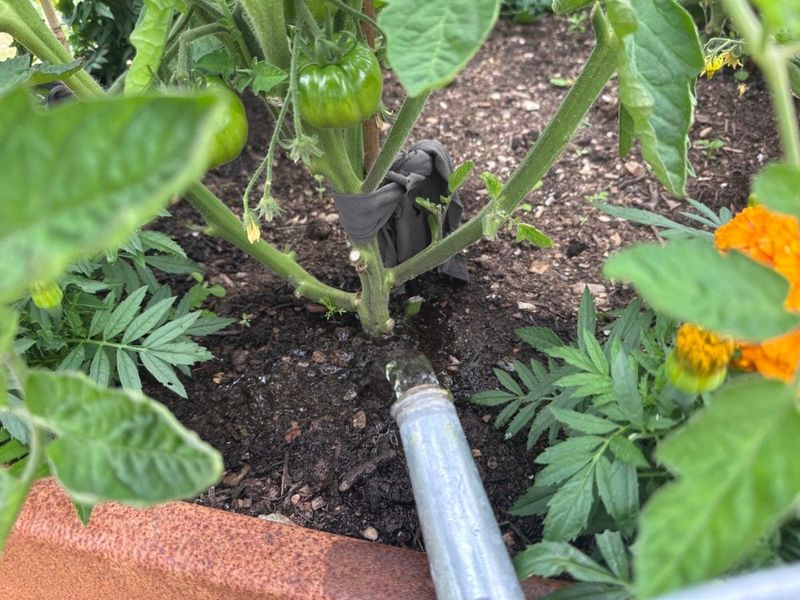
Early morning is when the smartest watering decisions get made in a summer garden. By the time the afternoon sun is hammering plants at 90 degrees, the window for easy correction has already passed.
Soil that goes into a heat wave dry is far more likely to stress roots than soil that started the day with adequate moisture.
Checking soil moisture in the morning takes about thirty seconds. Push a finger or a narrow trowel four to six inches into the soil near the root zone.
If it feels dry at that depth and hot weather is forecast, watering deeply before the heat peaks gives roots a better buffer. If the soil still feels moist several inches down, it may not need water yet, even if the forecast looks rough.
Extension vegetable guidance also recommends watching the forecast a day or two ahead during summer. If 90-degree days are coming and recent rain has been light, water deeply before the heat arrives.
That can make a meaningful difference in how well plants hold up. Adjusting for recent rainfall matters too.
Do not water soil that is already wet just because hot weather is on the way.
Panic watering after leaves wilt in the afternoon is a reactive habit that often leads to uneven moisture. Morning soil checks turn watering into a planned, practical decision rather than a frantic response.
That shift alone can reduce a lot of the stress that builds up in tomato plants over a long, hot weekend.
7. Overwatering Clay Soil After One Hot Afternoon
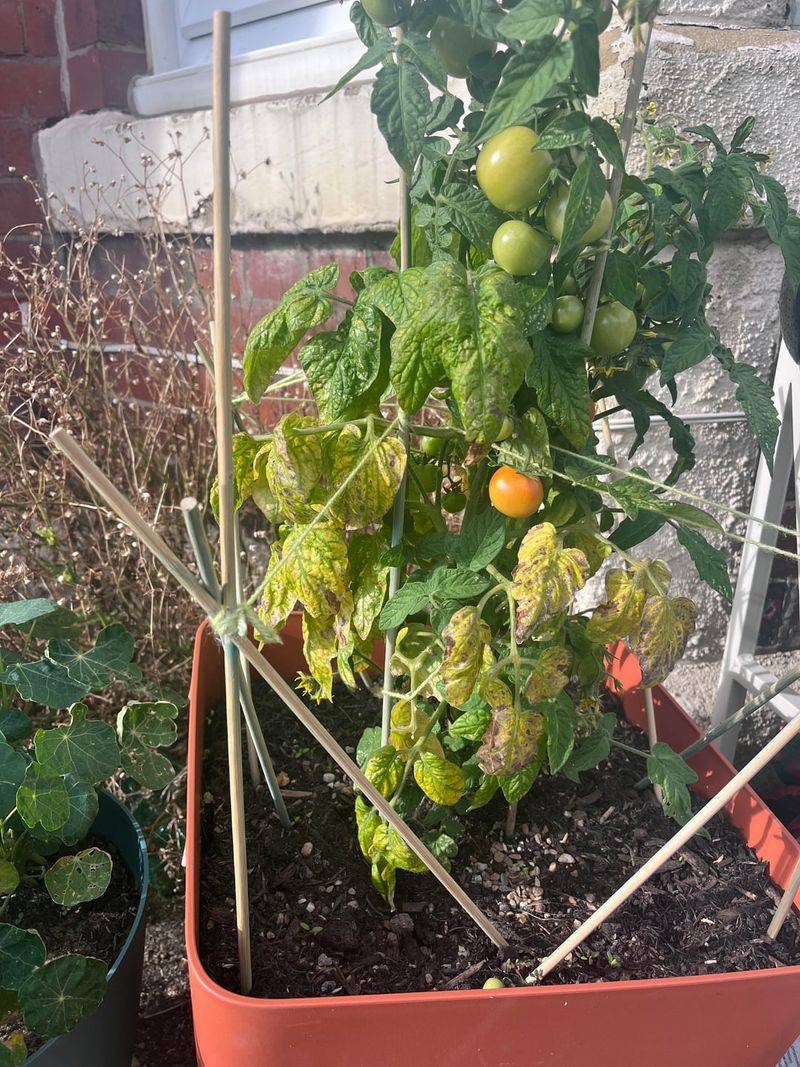
Clay soil still feeling damp below the surface after a hot afternoon is easy to misread. The top inch may look dry and cracked while the root zone several inches down is holding plenty of moisture.
Flooding a clay bed in that condition can push roots into soggy, low-oxygen soil that stresses plants just as much as drought does.
Extension soil guidance explains that clay soils have smaller pore spaces and drain more slowly than sandy soils or container mixes. Water applied too quickly or in too large a quantity can pool on the surface or saturate the root zone for extended periods.
Tomato roots need oxygen as well as water, and repeated flooding of heavy clay can deprive roots of both airflow and drainage.
Before watering any clay bed after a hot afternoon, check the soil at least four to six inches deep. If it still feels cool and moist at that depth, wait.
Surface dryness alone is not enough reason to add more water to a clay bed. Shallow watering that puddles on top without soaking in is also a warning sign that the soil may already be at capacity.
Over time, adding compost and organic matter to clay beds improves drainage and makes moisture easier to manage. That kind of long-term soil improvement is one of the most useful steps a tomato gardener can take.
For now, during a heat wave, let the soil at root depth guide your decisions rather than surface appearance alone.
8. Forgetting Heat Stress Can Stop Fruit Set
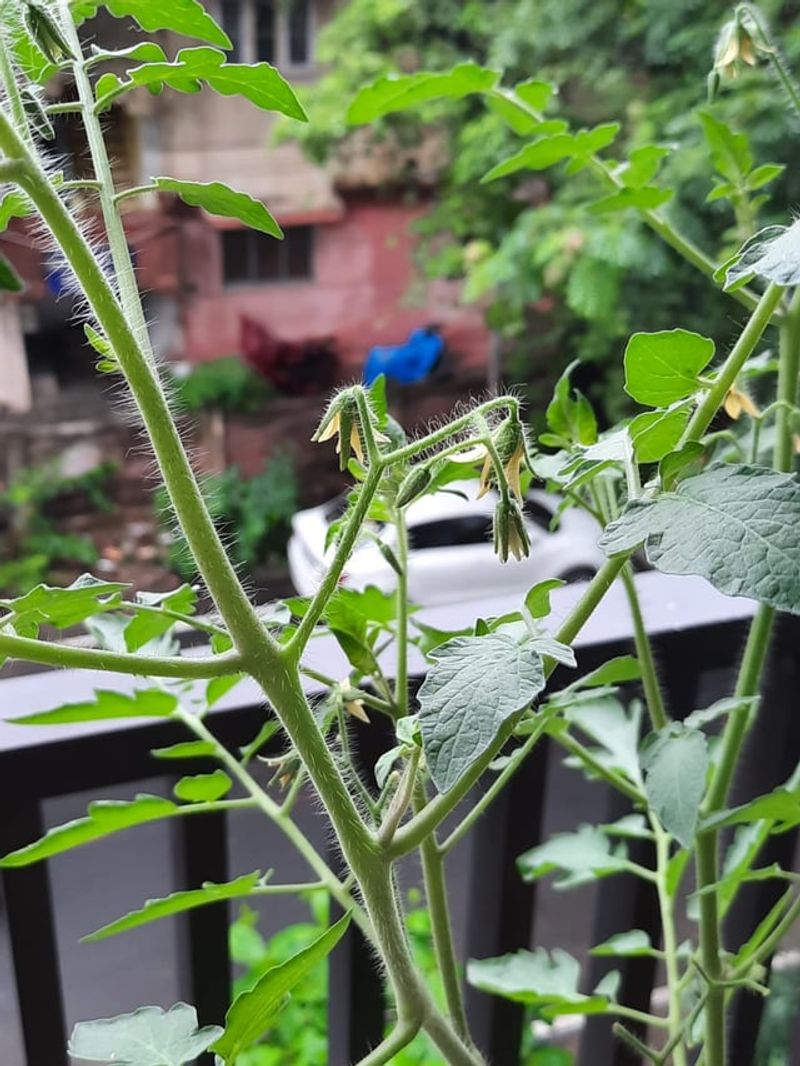
Blossom drop during a heat wave can feel discouraging, especially when a plant looks otherwise healthy. Tomatoes are sensitive to high temperatures around flower set.
University extension research notes that pollen viability and fruit set can drop when days exceed 90 degrees and nights stay warm.
Even with perfect watering, some blossom drop during extreme heat is likely. That is not a failure of care.
It is a response to temperature stress that goes beyond what water management alone can fix. Keeping moisture steady, reducing other stressors, and waiting for conditions to improve are the most realistic strategies during a serious heat stretch.
Harvesting ripe and nearly ripe fruit promptly during heat waves reduces the energy load on the plant and may help it direct resources toward recovery. Avoiding heavy fertilizer applications during heat stress is also important.
Pushing a heat-stressed plant with nitrogen can worsen the problem rather than help it. Watering and stress reduction come first.
When nights begin to cool and temperatures drop back into a more comfortable range, tomato plants often resume flowering and setting fruit. Mulch, steady moisture, and a little patience are the best tools available during and after a rough heat stretch.
Good watering will not override the weather, but it can keep plants stable enough to recover when conditions improve. That recovery window is exactly where consistent, smart watering pays off most.