The Meaning Behind Growing Rosemary In Your Florida Summer Garden
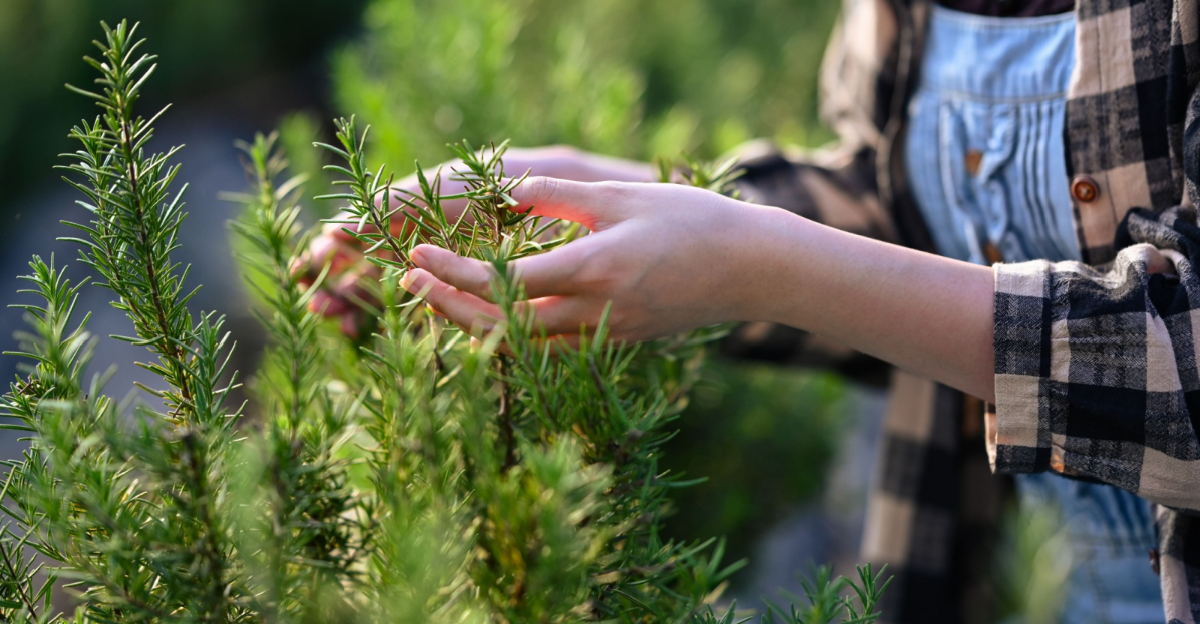
Rosemary is one of those herbs that does more than just smell amazing, although that part is pretty hard to argue with.
For centuries, cultures across the world have connected this plant to remembrance and fidelity, giving it a depth of meaning that most garden herbs simply cannot claim.
Growing it in your own backyard brings that long-standing tradition right into your daily routine, and the fact that it also happens to be one of the most useful culinary herbs around makes the whole thing even better.
Florida summers do throw some real challenges at rosemary growers though.
Heavy rainfall, high humidity, and intense heat are a tough combination for a Mediterranean herb that prefers things on the drier side.
The good news is that with the right setup, rosemary can thrive here and reward you with fragrance, flavor, and a little living history all at once.
1. Rosemary Carries A Traditional Meaning Of Remembrance
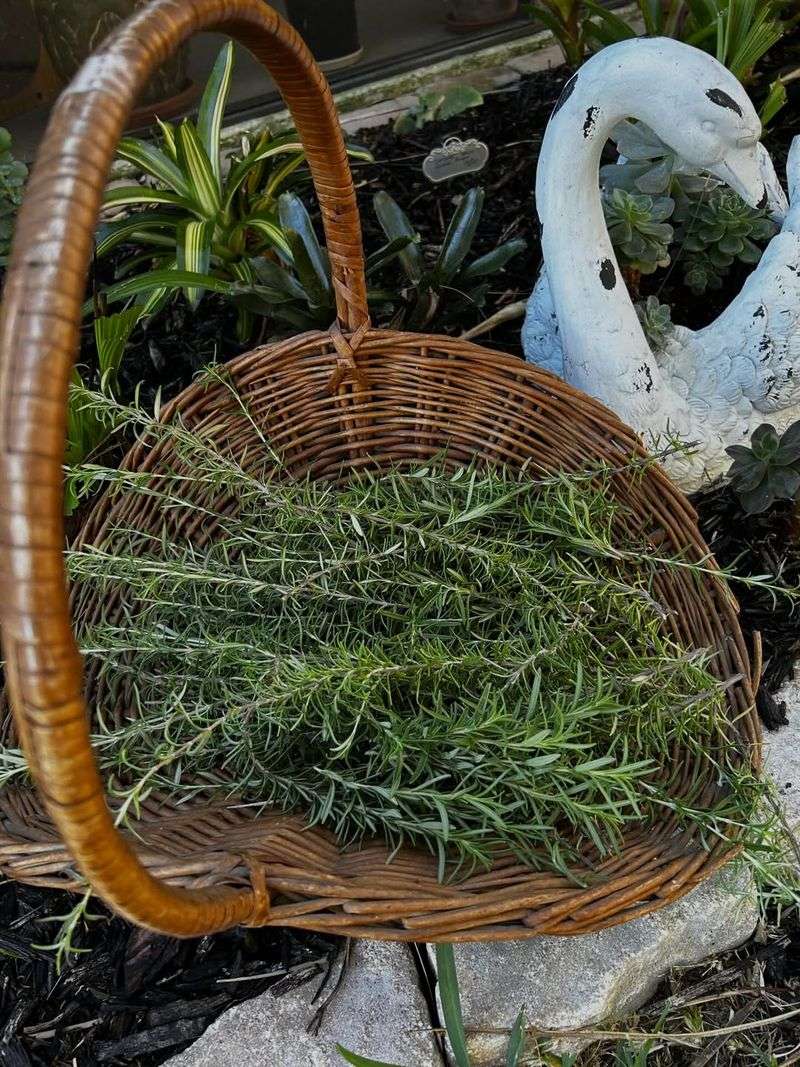
Few plants have stayed as closely connected to the idea of memory as rosemary has over the centuries. Long before modern herb gardens existed, rosemary appeared at ceremonies, gatherings, and memorials as a token of remembrance.
People placed sprigs on coffins, carried them at weddings, and tucked them into keepsakes as a way of saying that someone or something would not be forgotten.
That tradition still resonates today. A Florida gardener might choose to grow rosemary as a quiet personal tribute to a grandparent who cooked with it, a hometown left behind, or a season of life worth remembering.
The plant itself does not produce memory, but it can serve as a living symbol of one. Every time you brush past it or harvest a sprig, the connection to that person or moment comes back naturally.
What makes this especially meaningful in a Florida summer garden is that rosemary takes real effort to maintain. The humidity, the afternoon storms, and the heat all test the plant regularly.
Choosing to grow it anyway, partly for its symbolic weight, adds a layer of intention to the garden that most ornamental plants simply do not carry.
Rosemary grown with purpose feels different from rosemary grown by habit, and that difference is worth acknowledging when you tend it each week.
2. Rosemary Has Long Represented Fidelity
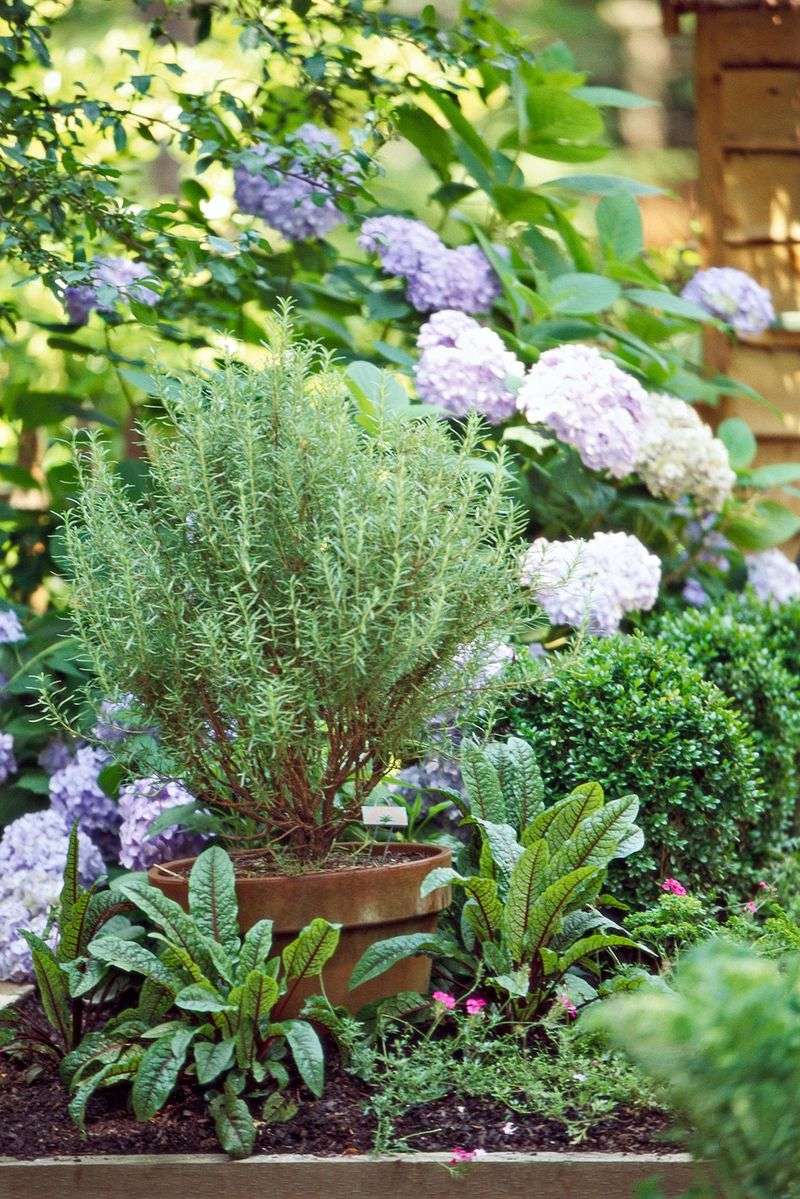
Loyalty and faithfulness are not qualities most people expect to find growing in a garden bed, but rosemary has carried those associations for a very long time.
Historical records and folk customs from Europe show rosemary woven into wedding garlands, exchanged between partners, and used in ceremonies meant to honor enduring bonds.
The plant’s sturdy, persistent growth likely contributed to that reputation over time.
Rosemary does not make relationships stronger or guarantee loyalty in any literal sense. The connection is cultural, rooted in documented tradition rather than in anything the plant actually does to the people near it.
Still, choosing to grow it with that symbolism in mind gives the garden a kind of quiet meaning that goes beyond aesthetics or culinary convenience.
Your Florida Garden Changes Every Week. Your Plan Should Too.
Gardening in Florida changes quickly throughout the season. Every Friday you’ll receive a simple weekly plan showing exactly what to plant, prune, fertilize, harvest, and protect so you never miss the right timing.
In Florida, where summer heat and heavy rain can stress many herbs, rosemary’s ability to hold on through difficult conditions adds a practical layer to that symbolic association.
A well-placed plant in a spot with good drainage and full sun can survive summers with reasonable care.
That endurance feels fitting for an herb historically linked to steadfast affection.
Whether you grow it for a partner, a friendship, or simply to honor the tradition itself, rosemary brings a grounded and historically documented sense of faithfulness to any Florida herb garden that few other plants can match in quite the same way.
3. A Living Plant Can Hold Personal Memories
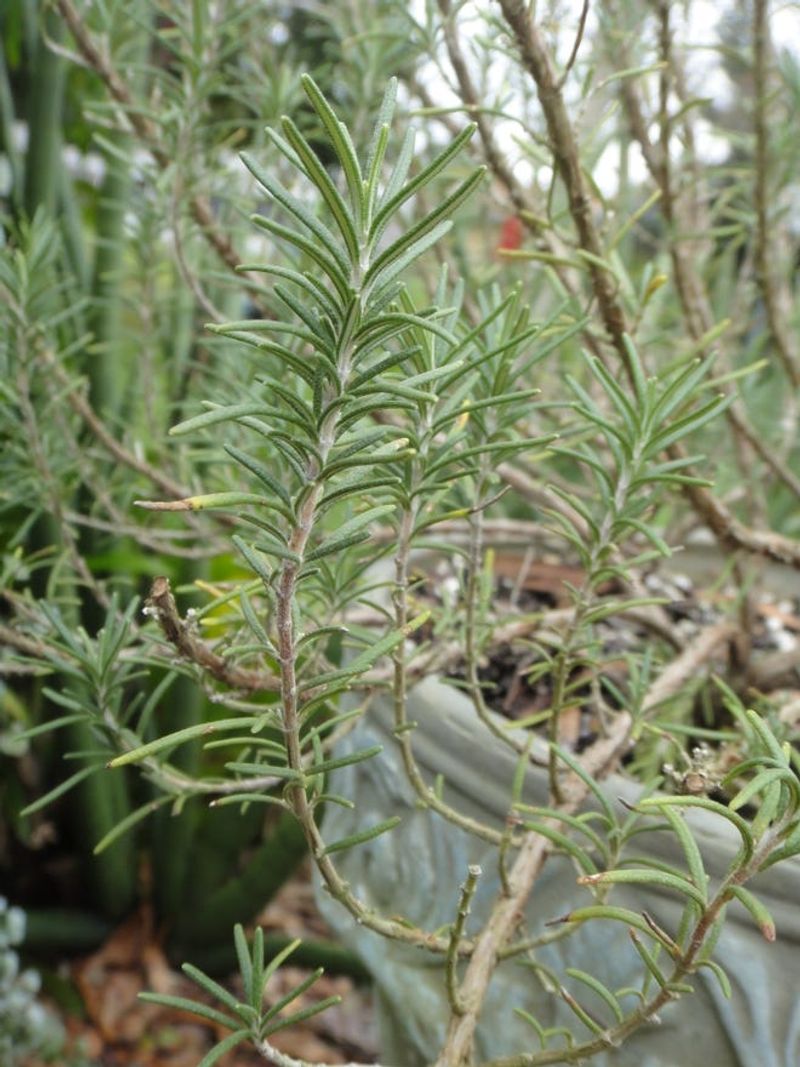
Scent has a remarkable ability to pull people back to a specific moment, a kitchen, a season, or a person.
Rosemary’s sharp, piney fragrance is one of the most recognizable herb scents in any garden, and for many people it connects directly to a meal cooked by a parent, a grandmother’s kitchen, or a holiday recipe that has been passed down through generations.
That kind of connection is personal and real, even if it cannot be measured.
Growing rosemary in a Florida garden can keep that connection alive in a tangible way. When you harvest a few sprigs for dinner or simply run your hand along the foliage while watering nearby plants, the scent rises immediately.
For someone who inherited a love of cooking from a family member who used rosemary regularly, that moment can feel like a small, meaningful reunion with the past.
Gardeners sometimes choose plants for reasons that have nothing to do with appearance or yield. A rosemary plant started from a cutting taken from a relative’s garden carries a kind of history that a store-bought plant cannot quite replicate.
Tending it through Florida’s summer challenges, managing the rain, watching the drainage, trimming it back after a rough stretch of weather, becomes part of the story too.
Over time the plant itself becomes a record of care, continuity, and the kind of quiet devotion that family traditions tend to carry forward.
4. Fragrant Leaves Connect The Garden To The Kitchen
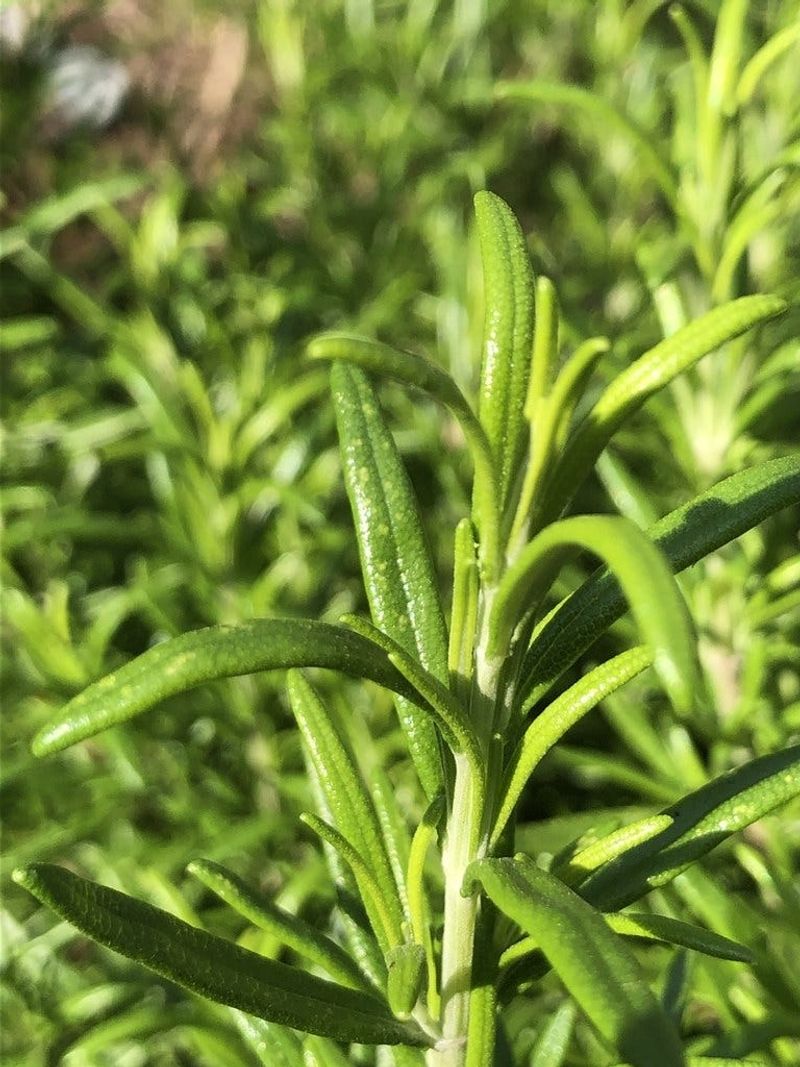
Walking through a Florida herb garden on a warm morning and catching the scent of rosemary is one of those simple pleasures that makes growing your own food feel genuinely worthwhile.
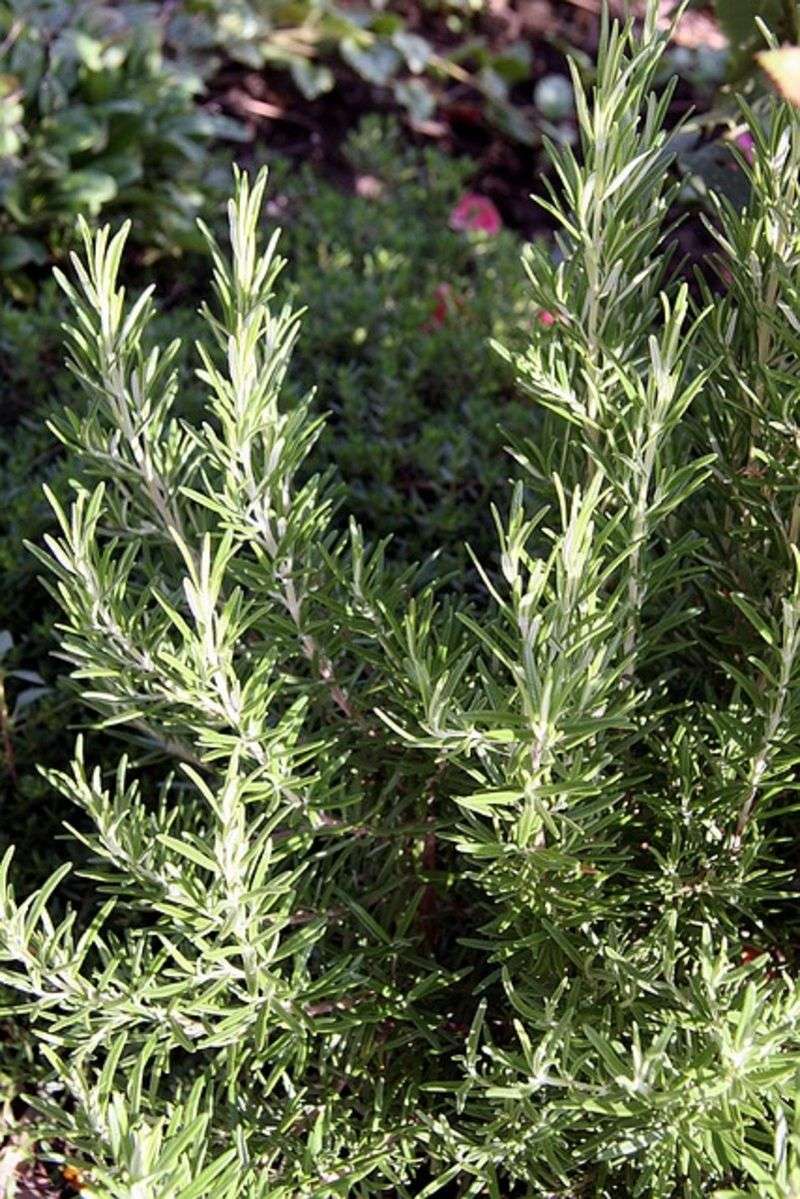
The leaves are narrow, slightly waxy, and intensely aromatic, releasing their fragrance whenever they are touched or brushed.
That same fragrance is exactly what makes rosemary one of the most useful herbs in the kitchen.
Rosemary works well with roasted vegetables, grilled meats, breads, and savory sauces. Fresh sprigs can be added directly to dishes during cooking or stripped of their leaves and chopped finely for marinades and rubs.
Dried rosemary holds its flavor well and can be stored in an airtight container for months after a good harvest. Either way, the herb moves easily from garden to table without much processing required.
When harvesting from a plant in a Florida summer garden, it helps to take modest amounts at a time from healthy, established plants rather than cutting back too aggressively during the hottest months.
Rinse harvested sprigs with clean water before using them in food.
Avoid using any rosemary that has been treated with a product not labeled for edible plants. Keeping the harvest light during summer stress periods allows the plant to recover between cuttings and stay productive well into the cooler months ahead.
The connection between garden and kitchen is one rosemary makes especially easy to maintain.
5. Evergreen Growth Suggests Continuity Through The Seasons
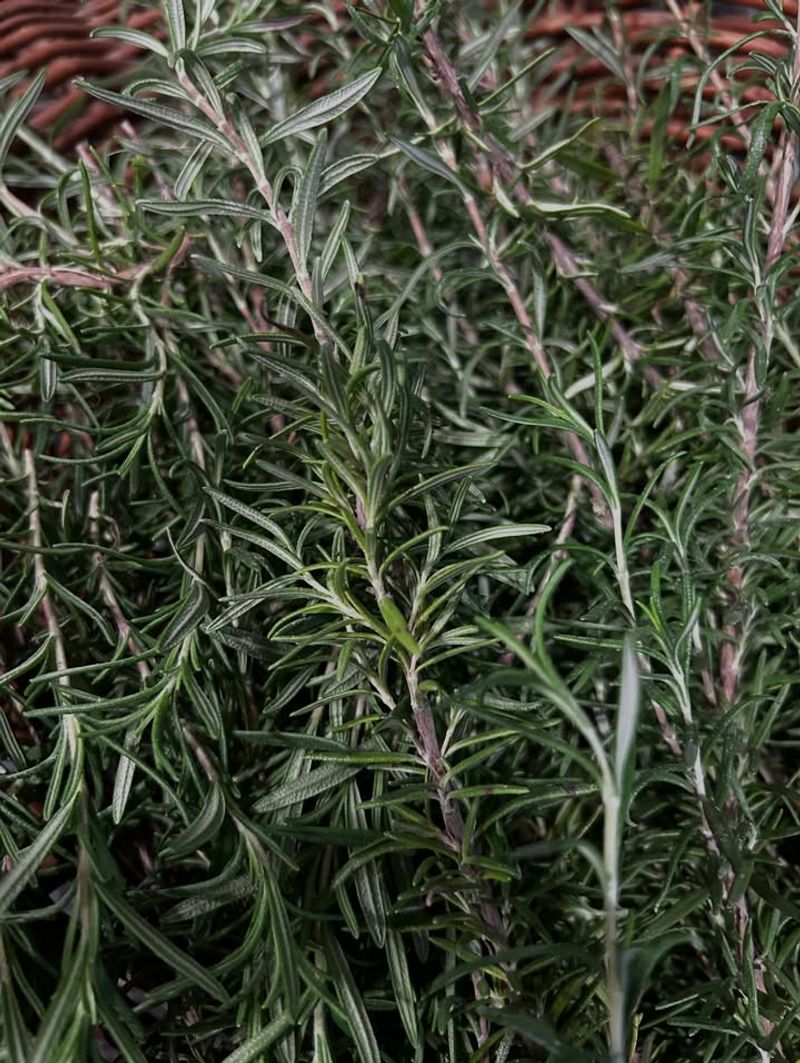
One of rosemary’s most distinctive qualities is that it holds its foliage through changing seasons, making it an evergreen woody herb in suitable growing conditions.
In Florida, where winters are mild and summers are long, rosemary can maintain its green, needle-like leaves for much of the year when it receives enough sun, warmth, and drainage.
That persistent foliage is part of what has made rosemary a symbol of continuity in various cultural traditions.
The idea of continuity fits naturally with an evergreen plant. While many garden herbs fade, go dormant, or lose their form after flowering, rosemary tends to hold its structure and color through seasonal transitions.
For Florida gardeners, that reliability can feel especially reassuring in a climate where summer storms, humidity, and heat regularly challenge even well-established plants.
That said, rosemary is not immune to change. Heavy pruning, periods of drought, root problems from poor drainage, or extended wet conditions can all affect the plant’s appearance and overall health.
Continuity is a reasonable interpretation of rosemary’s evergreen character rather than a guaranteed outcome.
Gardeners who trim their rosemary regularly, keep it in a well-drained spot, and give it consistent sunlight are more likely to see that steady green presence hold through the year.
When it does, the plant brings a sense of quiet permanence to the garden that feels meaningful alongside its more showy seasonal neighbors.
6. Strong Drainage Matters During Florida Summer Rain
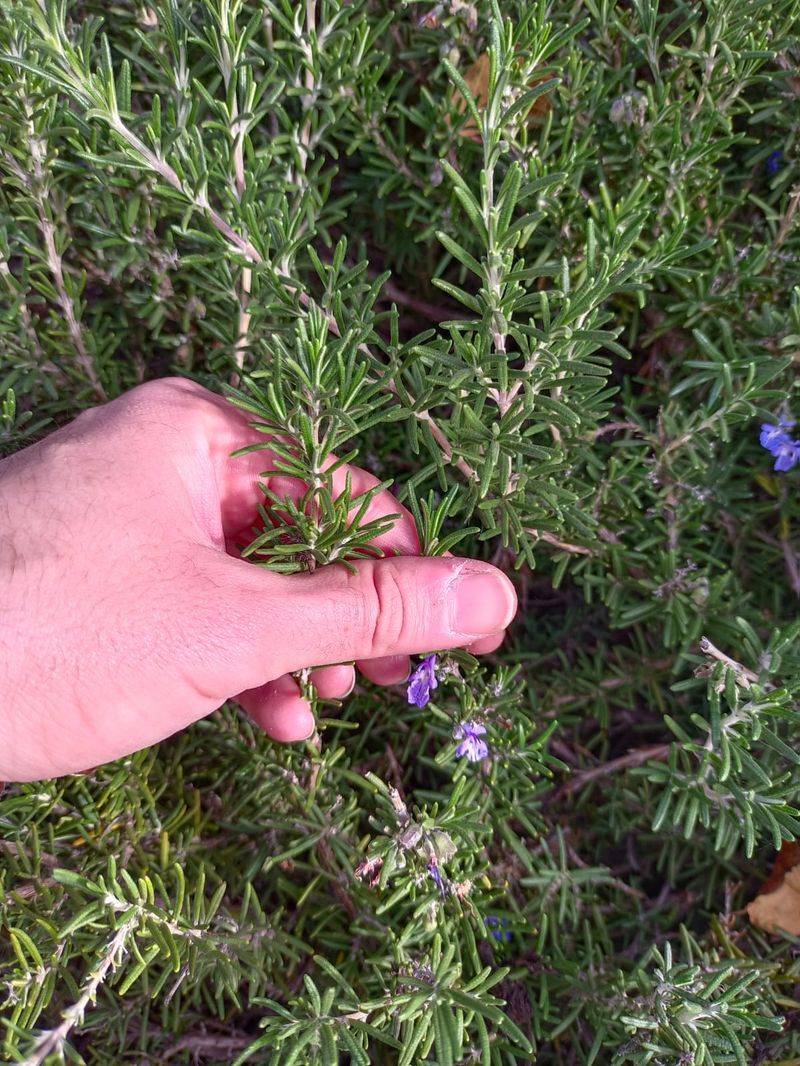
Florida summers bring afternoon thunderstorms that can drop heavy rain in short bursts, sometimes several days in a row. For most garden plants that kind of moisture is welcome, but rosemary is different.
Its roots need soil that drains quickly and does not stay saturated for long. When water sits around the roots for extended periods, root rot can develop and the plant declines rapidly.
Choosing the right location makes a significant difference. A spot that gets full sun and sits slightly elevated in the landscape will shed water more effectively than a low-lying area that collects runoff.
Raised beds filled with a gritty, well-draining mix offer good control over moisture levels. Containers are another practical option for gardeners, as long as those containers have adequate drainage holes and are not left sitting in saucers that collect standing water.
Sandy soil, which is common across much of Florida, actually suits rosemary reasonably well because it drains freely. Heavier clay-type soils hold moisture longer and may need amendment before rosemary will thrive.
Airflow around the plant also matters during humid summer months, since poor circulation can encourage fungal issues on the foliage. Spacing rosemary away from dense plantings and walls helps air move around it freely.
A watering routine based on observation rather than a fixed schedule works better because rainfall amounts, sun exposure, container size, and plant maturity all influence how quickly the soil dries out.
7. Aromatic Foliage Adds Structure And Fragrance
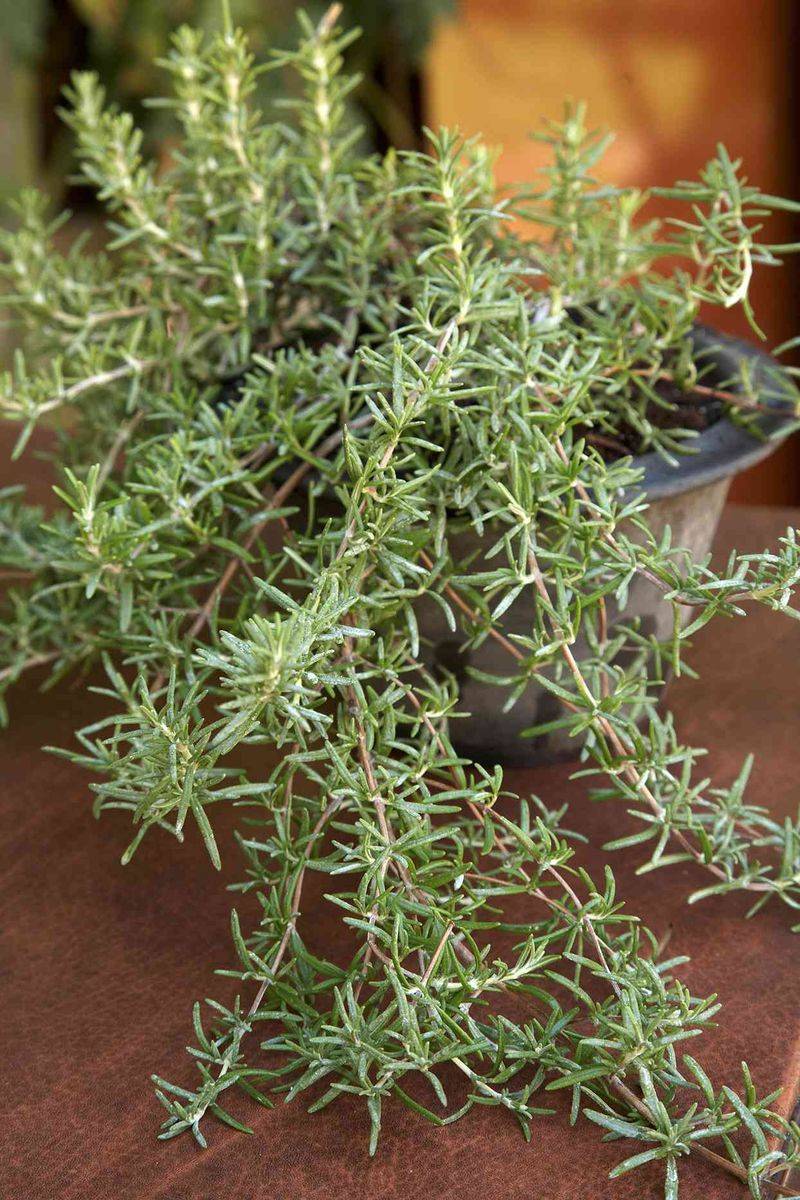
Brushing a hand against a rosemary plant in a Florida garden releases one of the most satisfying scents in any herb collection.
The narrow, silvery-green leaves are densely packed along woody stems, giving the plant a structured, almost architectural look that works well alongside softer, leafier herbs.
That combination of visual texture and fragrance makes rosemary a genuinely versatile addition to containers, raised beds, and mixed landscape plantings.
Rosemary comes in upright and trailing forms, and the two behave quite differently in the garden. Upright cultivars can grow into substantial shrubs over time, while trailing types spread outward and work well spilling over the edges of containers or low walls.
Because cultivar size and growth habit vary considerably, checking the plant label before purchasing helps ensure the form selected suits the available space.
A compact cultivar chosen for a small container will serve the garden better than an upright variety that quickly outgrows its pot.
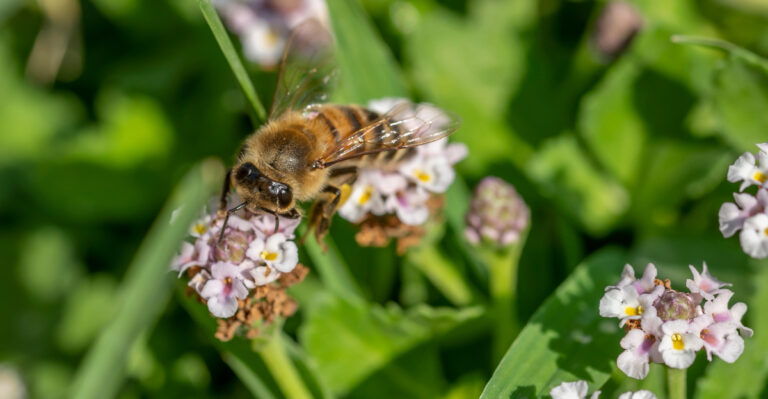
When rosemary flowers, the small blooms, typically in shades of blue, lavender, or white depending on the cultivar, can attract bees and other pollinators to the garden.
Flowering timing varies with cultivar choice, plant age, pruning history, and local growing conditions, so it is not something to count on during a specific window.
Still, when it happens, it adds another layer of value to a plant already contributing fragrance, structure, and culinary usefulness to a sunny Florida garden space.
8. Rosemary Blends History With Everyday Garden Use
Growing rosemary in a summer garden brings together several layers of meaning and usefulness that few other herbs can match.
Its documented associations with remembrance and fidelity stretch back centuries across European and Mediterranean cultures.
Those meanings did not originate in Florida, but they travel easily into any garden where someone chooses to grow this herb with intention and awareness of its history.
On a practical level, rosemary earns its place in the Florida garden through culinary value, structural appeal, and reasonably good heat tolerance when drainage and sunlight are managed well.
Harvesting fresh sprigs for cooking, enjoying the fragrance on a warm evening, watching pollinators visit the flowers when they appear – these are everyday rewards that require no special knowledge of the plant’s cultural history to appreciate.
Bringing both layers together is what makes rosemary a genuinely interesting garden plant rather than just a functional one.
Tending it through Florida’s summer challenges, adjusting watering based on rainfall, keeping roots from sitting in wet soil, trimming back overgrown stems, connects the grower to the plant in a hands-on, ongoing way.
Over time that care builds a relationship with the herb that feels personal.
Whether rosemary is grown for a meal, a memory, a tradition, or simply because it thrives in a sunny spot with good drainage, it rewards consistent attention with fragrance, flavor, structure, and a quiet sense of continuity that makes the summer garden feel more complete.