The Tomato Pruning Trick Arizona Gardeners Use For A Better Fall Harvest
You could be giving up on your tomato plants far too soon. They may look tired today, but that does not always mean the season is over.
Before you pull them out or let them struggle through the heat, there is one pruning method worth knowing. It has helped many growers get a fresh round of tomatoes when cooler weather returns.
Arizona gardeners have relied on this approach for years because it gives worn-out plants another chance to grow. The timing is just as important as the pruning itself.
Make a few smart cuts instead of giving up on the plant. You could end up picking fresh tomatoes long after you thought the harvest was finished.
Sometimes the best fall crop starts with one bold decision in the middle of summer.
1. Cut Tomato Plants Back By About Two Thirds
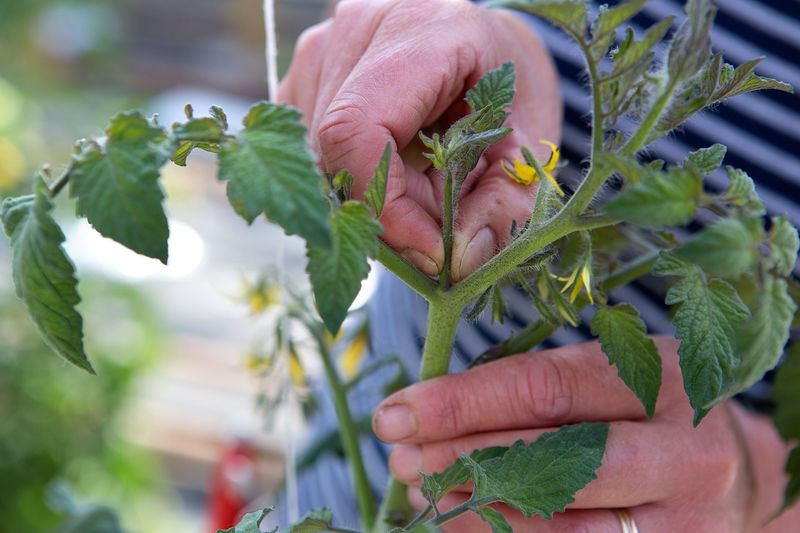
Pruning hard feels risky, but pulling back two thirds of a spent tomato plant is one of the most effective moves you can make heading into fall.
Overgrown summer plants tend to be leggy, stressed, and mostly focused on surviving heat rather than producing fruit.
Sharp, clean pruners work best here. Cut back main stems to leave a shorter, more manageable framework that the plant can actually support.
Focus on removing long, unproductive branches first.
Leave a few strong stems with healthy leaf nodes. Those nodes are where new shoots will emerge over the next couple of weeks.
A shorter plant also loses less moisture through its leaves, which matters a lot in dry climates.
Timing is key. Aim to do this pruning in late July or early August, depending on your elevation and local conditions.
Cutting too late in the season leaves the plant with less time to recover and set new fruit before cold nights arrive.
Expect the plant to look rough right after cutting. That is normal.
Within about a week or two under decent care, you should start seeing new green growth pushing out from the remaining stems.
Patience pays off here more than most gardeners expect.
2. Remove Fruit That Will Not Ripen
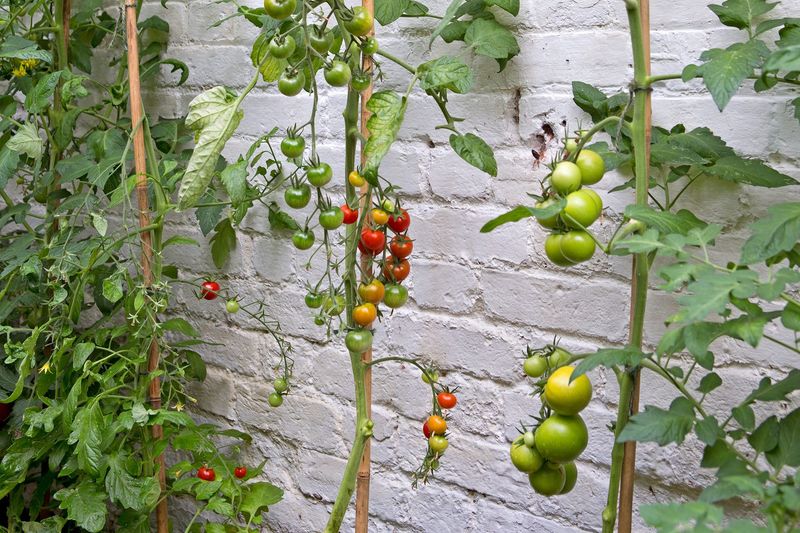
Small green tomatoes clinging to a stressed plant are quietly draining energy that could go somewhere more useful. After a hard summer, a lot of that fruit simply will not ripen before conditions shift again.
Pull off any tomatoes that are undersized, blemished, or stuck at a stage they have not moved past in weeks. Fruit that has stopped progressing is not going to suddenly take off on its own.
Clearing out unproductive fruit redirects the plant’s energy toward root recovery and new shoot development. That shift matters more than most people realize when you are trying to push a second harvest.
Leaving too much fruit on a pruned plant splits its focus. You want the plant putting resources into fresh growth, not trying to ripen tomatoes that were struggling before the cut was even made.
Check for any fruit showing signs of disease or cracking while you are at it. Removing those quickly reduces the chance of problems spreading to new growth.
Your Arizona Garden Changes Every Week. Your Plan Should Too.
Gardening in Arizona changes quickly throughout the season. Every Friday you’ll receive a simple weekly plan showing exactly what to plant, prune, fertilize, harvest, and protect so you never miss the right timing.
A cleaner plant going into fall recovery tends to respond better overall.
Keep only tomatoes that are already showing good color development and are clearly on track to ripen within a week or two.
3. Soak The Root Zone After Pruning
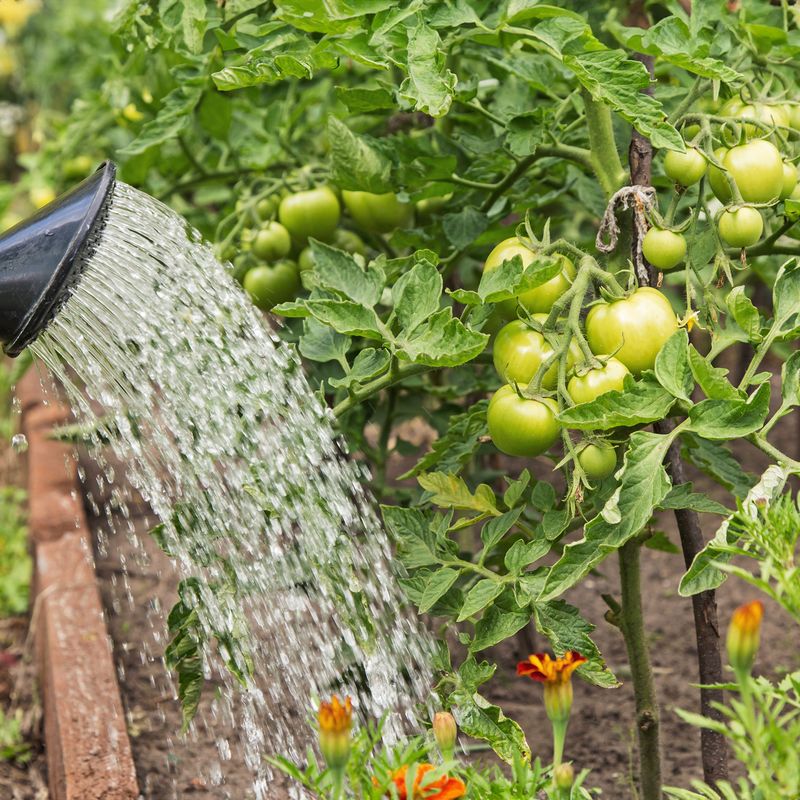
Right after a major pruning session, the root zone needs a good, deep soak. Roots are still active underground even when the plant above looks cut down and bare.
Watering deeply right after pruning helps the plant shift focus from stress management to recovery. Shallow watering will not cut it here.
You want moisture moving down several inches into the soil where the roots can actually reach it.
In hot, dry conditions, water evaporates quickly from the surface. A slow, steady soak for several minutes around the base of the plant gives the water time to penetrate instead of running off.
Drip irrigation works well for this if you have it set up.
Avoid wetting the cut stems or leaves during this first watering. Keeping moisture off fresh cuts reduces the chance of fungal issues taking hold while the plant is in a vulnerable state.
Mulching around the base right after watering helps hold that moisture in longer. A few inches of straw or wood chips around the root zone can noticeably reduce how fast the soil dries out between watering sessions.
Plan to check soil moisture every day or two during the first week after pruning. Recovery depends heavily on consistent hydration.
A plant that dries out too quickly right after a hard cut will struggle to push new growth effectively.
4. Feed Plants Once New Growth Starts
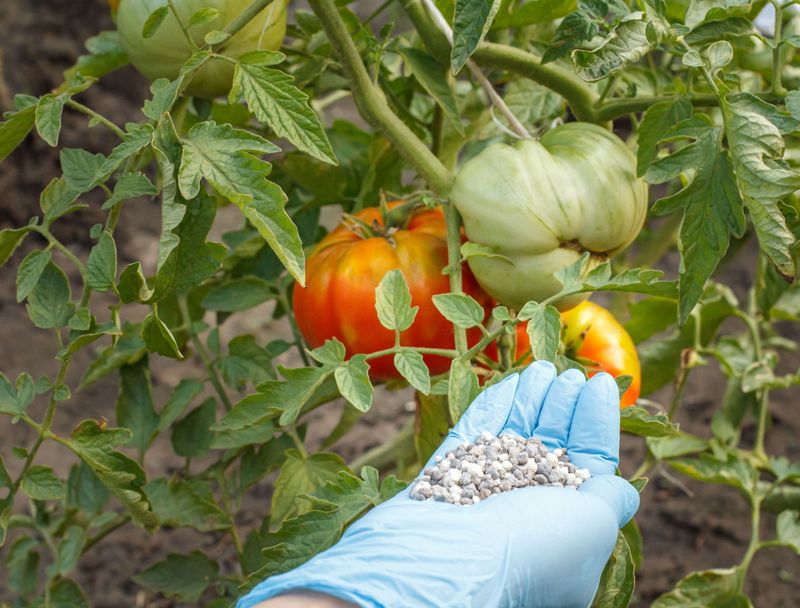
Hold off on fertilizing right after pruning. Feeding a plant that has just been cut back heavily can push it in the wrong direction before it is ready to use those nutrients well.
Watch for new shoots pushing out from the remaining stems. Once you see that fresh green growth appearing, that is the signal that the plant has shifted into recovery mode and is ready for a nutrient boost.
A balanced fertilizer with a moderate amount of phosphorus works well at this stage. Phosphorus supports root development and flower production, both of which matter a lot heading into the fall fruiting window.
Avoid going heavy on nitrogen, which tends to push leafy growth over fruit.
Granular fertilizers scratched lightly into the soil around the base work fine. Liquid fertilizers can also be effective and tend to reach roots faster.
Either option works as long as you follow the label rates and do not overdo it.
In Arizona, fall growing conditions can be unpredictable depending on elevation and microclimate. Start with a conservative feeding and see how the plant responds before adding more.
Feeding too aggressively can stress a recovering plant just as much as not feeding at all.
5. Give New Shoots Time To Grow
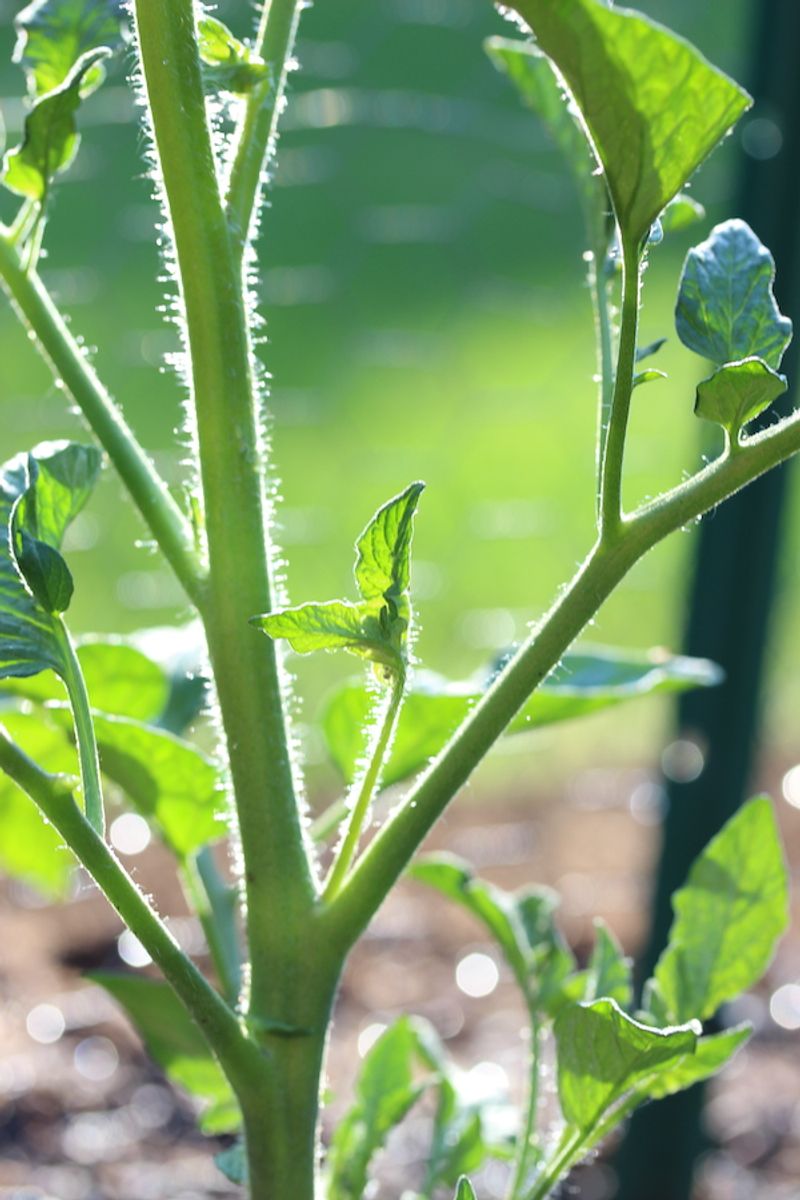
Patience is genuinely one of the harder parts of this whole process. After pruning and watering and feeding, the temptation to intervene again can be strong, but the plant needs uninterrupted time to do its thing.
New shoots typically start showing up within one to two weeks after a hard cut, though timing can vary based on plant health, soil conditions, and temperature. Cooler mornings help speed up the recovery noticeably.
Resist the urge to prune again too soon. Let those new shoots develop a few sets of leaves before making any additional cuts or adjustments.
Interrupting early growth repeatedly slows the whole process down.
Tomato plants recovering from a hard pruning tend to grow with surprising energy once conditions support them. You might notice the new growth looking darker green and more vigorous than what was on the plant before the cut.
Keep an eye out for pests during this stage. Fresh, tender new growth attracts aphids and whiteflies, which are common in warm desert gardens.
Catching an infestation early keeps it from setting back a plant that is already working hard to recover.
Support any new stems that start to flop with a gentle tie to your existing cage or stake. New growth can be brittle at first.
6. Cooler Nights Help Flowers Set Fruit
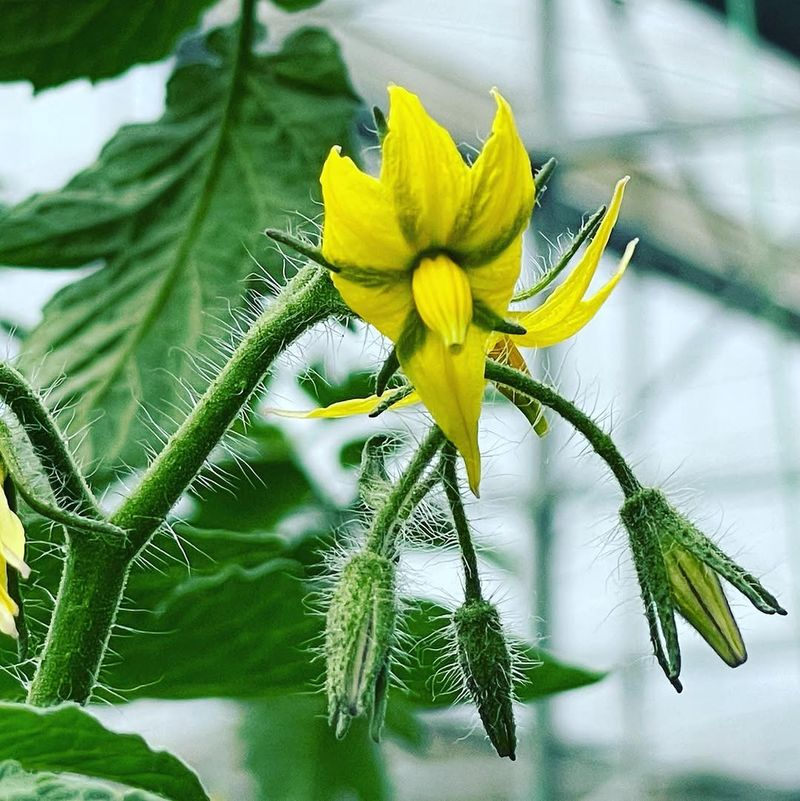
Tomato flowers are picky about temperature. When nighttime temps stay above around 75 degrees Fahrenheit, pollen viability drops and fruit set becomes unreliable.
That is one of the main reasons summer tomato production stalls out in hot desert climates.
As fall approaches and nights start cooling down into the 60s and low 70s, the conditions shift in your favor.
Flowers that open during this window have a much better chance of setting into actual fruit compared to those that opened during peak summer heat.
Watch your plants closely once daytime highs start dropping below 100 degrees. That transition period is when you want your newly pruned plant to have flowers ready to open.
Timing the pruning to line up with this natural cooling window is part of what makes the technique work.
Gentle shaking of the main stem on calm mornings can help move pollen around when there is not much wind or bee activity. It is a simple step that some gardeners swear by during the early fall flower flush.
Nighttime temps in the low 60s are close to ideal for tomato fruit set. If your area still sees warm nights well into September, consider varieties known to set fruit in higher temperatures.
Some modern varieties handle heat better than older types.
7. Keep Watering Until New Fruit Develops
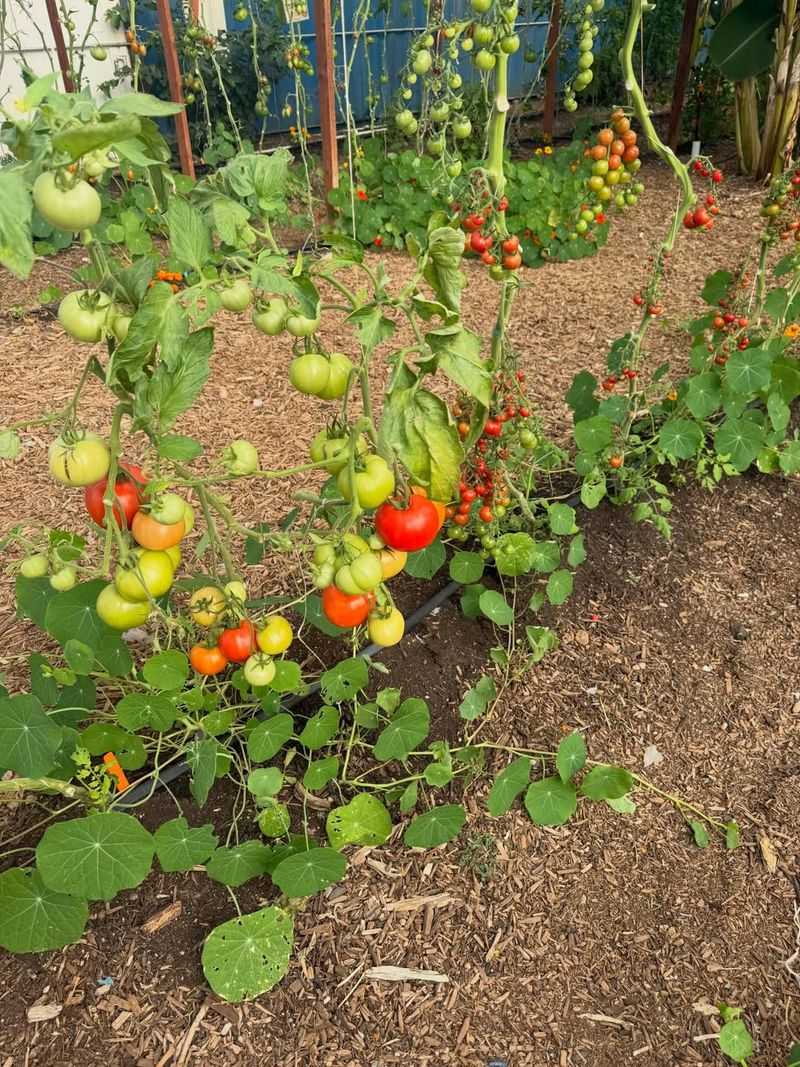
Consistent watering does not stop being important just because the temperatures have dropped a bit. A recovering tomato plant still needs reliable moisture to push new fruit through to a harvestable size.
Dry spells between waterings cause stress that can lead to issues like blossom drop and fruit cracking. Both problems are frustrating when you have already put in the work of pruning and waiting for recovery.
Drip irrigation set on a regular schedule works well during this phase. Consistent soil moisture is more beneficial than large, infrequent soaks once the plant has new fruit developing.
Steady hydration keeps the fruit sizing up evenly.
Check soil moisture at least every couple of days. Stick a finger a few inches into the soil near the base of the plant.
If it feels dry at that depth, it is time to water. Surface dryness alone is not a reliable indicator in desert conditions.
In Arizona, even fall days can be warm enough to pull moisture out of the soil faster than expected. Do not assume that cooler weather means you can stretch out your watering intervals significantly without monitoring.
Keep watering consistently until you are actively harvesting ripe tomatoes from the plant. Pulling back on water too early during fruit development can reduce both the size and quality of your final harvest.