The Extreme Heat Mistake That Leaves Arizona Citrus Covered In Split Fruit
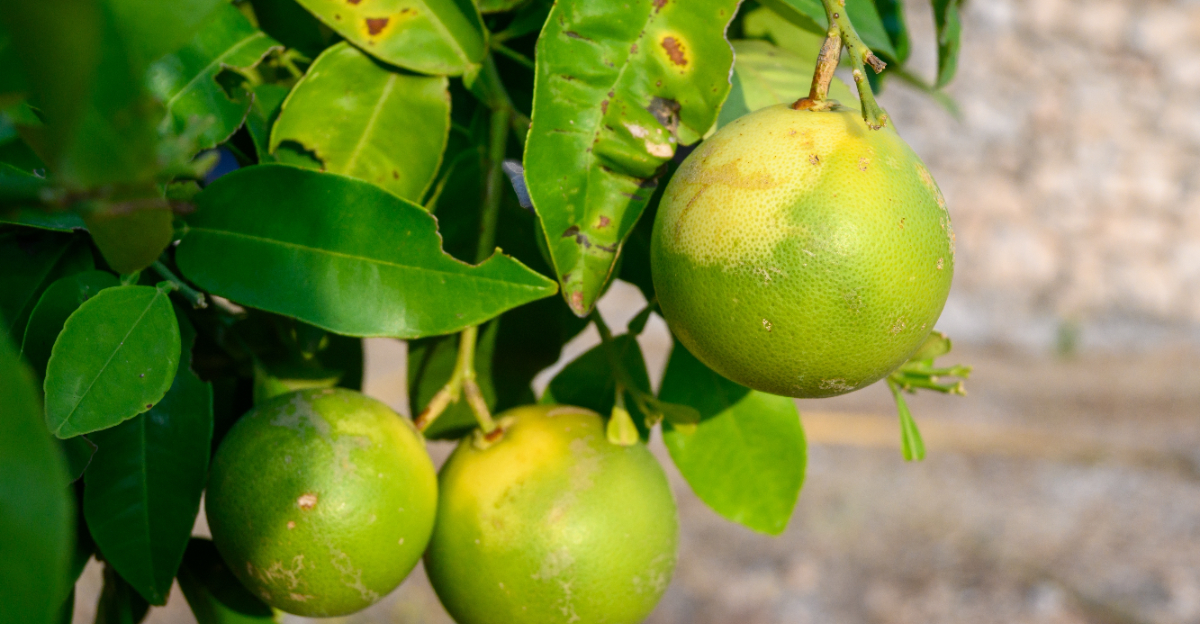
Extreme heat can make citrus look healthy one week and disappointing the next. If your oranges, lemons, or grapefruits are suddenly splitting open, do not blame the tree right away.
One common summer mistake often starts the problem long before the fruit cracks.
Arizona gardeners usually focus on watering, but consistency matters more than many realize. Small changes in soil moisture during extreme heat can leave fruit under extra stress.
Before you lose more of your harvest, make sure your routine is helping, not hurting. A few simple adjustments can keep developing fruit in much better shape through the hottest part of the season.
Your citrus still has plenty of potential if you catch the real cause before more fruit splits apart this summer again and act before temperatures climb.
1. Watering Inconsistently During Heat Waves
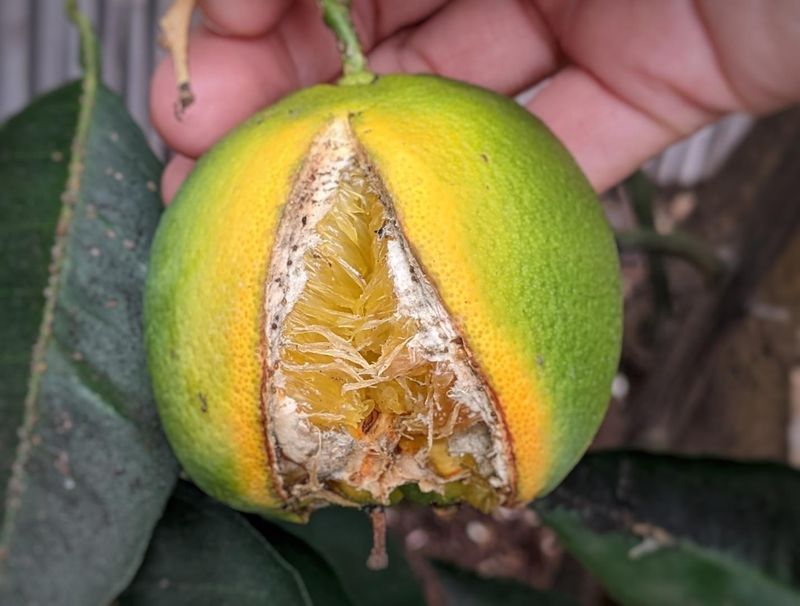
Skipping watering days during a heat wave is one of the fastest ways to end up with split fruit. Citrus trees under heat stress pull water from wherever they can find it, including the fruit itself.
When moisture finally returns after a dry stretch, the fruit absorbs it too fast and the skin cracks under pressure.
Inconsistent watering creates a cycle of stress and recovery that the fruit cannot handle well. One dry week followed by a heavy soak sends a surge of water into fruit that has already started to tighten and shrink.
The skin simply cannot stretch fast enough to keep up with the sudden expansion of the pulp inside.
Keeping a steady watering schedule is more important than watering heavily. Citrus roots in sandy desert soils drain quickly, so the tree can go from adequately watered to stressed faster than you might think.
During peak summer heat, checking soil moisture every two to three days is a reasonable habit. A consistent schedule does not mean a rigid one.
Adjust based on temperature spikes and recent rainfall. Small, predictable changes are far easier for the tree to handle than dramatic swings between dry and soaked.
2. Dry Soil Followed By Heavy Watering Splits The Fruit
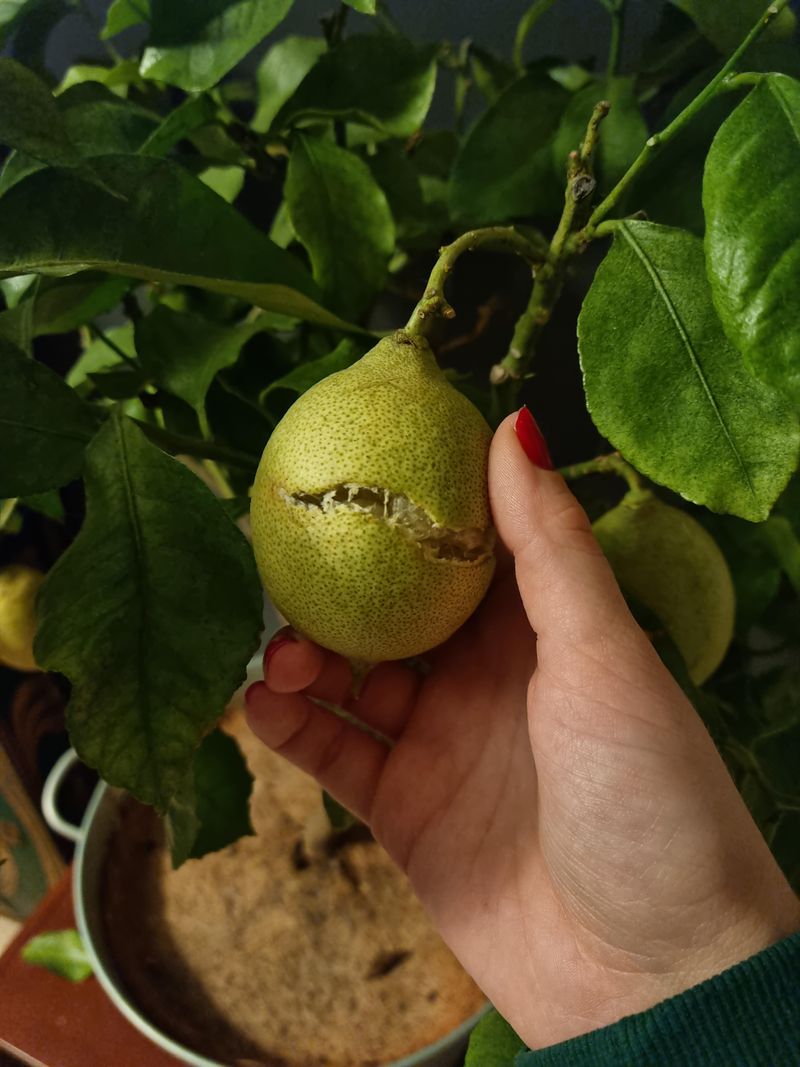
Nothing splits citrus faster than letting the soil go bone dry and then flooding it. That sudden shift triggers a rapid uptake of water through the roots, and the fruit cannot expand slowly enough to avoid cracking.
It is a mechanical problem as much as a biological one.
When soil dries out completely, the tree enters a mild stress state. Fruit development slows, and the skin begins to firm up and lose flexibility.
Then a heavy watering arrives, and the pulp swells quickly while the toughened skin resists stretching. Something has to give, and it is usually the fruit.
Preventing this pattern starts with checking soil depth before watering. Stick a screwdriver or moisture probe about six inches into the ground near the drip line.
If it comes out dry, the tree likely needs water soon. If it slides in with slight resistance and feels cool, you may have a day or two before watering is needed.
Your Arizona Garden Changes Every Week. Your Plan Should Too.
Gardening in Arizona changes quickly throughout the season. Every Friday you’ll receive a simple weekly plan showing exactly what to plant, prune, fertilize, harvest, and protect so you never miss the right timing.
Watering slowly and deeply over a longer period helps moisture move into the root zone gradually rather than pooling on the surface. Gradual rehydration after a dry spell is gentler on the fruit than a single heavy flood.
3. Mulch Helps Keep Soil Moisture More Stable
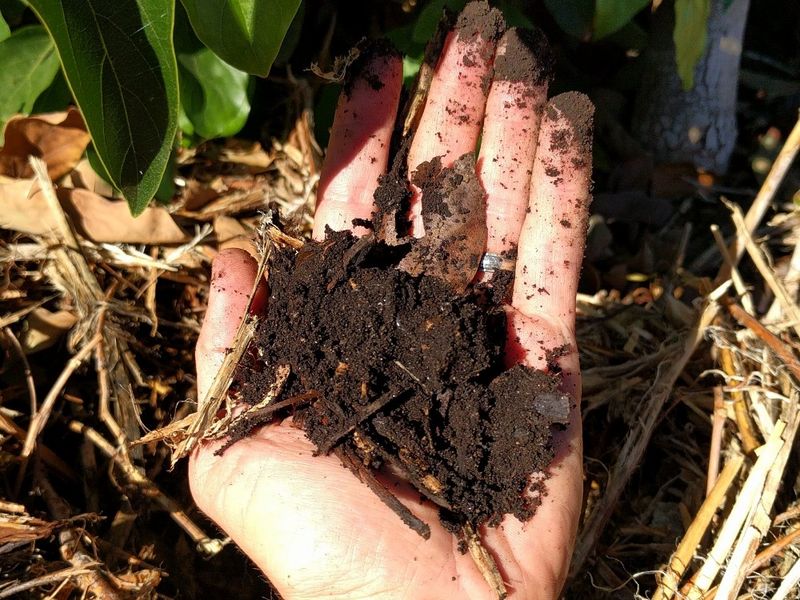
Bare soil under a citrus tree in summer heat can reach temperatures that drive moisture out of the ground quickly. Mulch acts as a buffer between the sun and the soil, slowing evaporation and keeping root-zone temperatures more manageable.
Even a three-inch layer can make a noticeable difference in how long the soil holds moisture between waterings.
Wood chips, straw, and shredded bark are all reasonable mulch options for citrus. Avoid piling mulch directly against the trunk, as that can trap moisture against the bark and create other problems.
Keep a few inches of clearance around the base and spread the mulch out toward the drip line where most feeder roots are located.
Stable soil moisture means the tree is not swinging between dry and wet extremes. Fruit that develops under steadier moisture conditions tends to have more flexible skin and a lower risk of splitting.
Mulch alone will not fix a poor watering schedule, but it supports one.
In desert climates where surface soil can dry out within a day or two during a heat wave, mulch gives you a small but useful window of extra time before the roots start feeling stressed.
Reapply mulch as it breaks down, since decomposed material loses its insulating ability over time.
4. Longer Watering Sessions Beat Frequent Light Watering
Short, frequent waterings tend to wet only the top few inches of soil. Citrus roots run deeper than that, especially in established trees.
Shallow watering encourages roots to stay near the surface, where heat and rapid drying create more stress. That stress pattern feeds directly into the conditions that cause fruit to split.
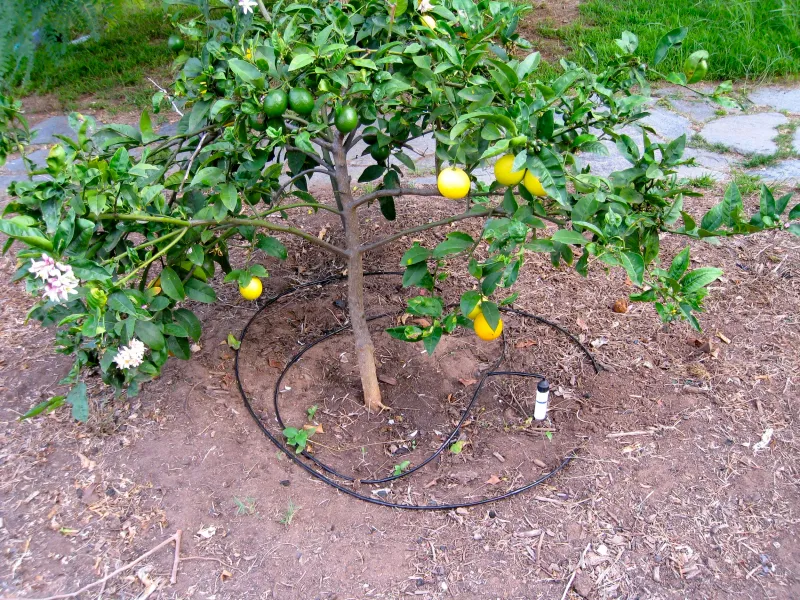
A longer, slower watering session pushes moisture down into the root zone where it can actually be used. Drip systems set to run for a few hours rather than a few minutes tend to do a better job of reaching deeper soil layers.
Letting water move slowly through the soil also reduces runoff, which is a common issue in compacted or clay-heavy ground.
Switching from quick daily waterings to deeper sessions every few days can shift the tree into a more stable moisture cycle. The exact frequency depends on soil type, tree size, and current temperatures.
Sandy soils drain faster and may need more frequent deep waterings than clay-based ground. Checking moisture at six to eight inches below the surface gives a more accurate picture than looking at the top layer alone.
Fruit that develops in consistently moist but not waterlogged soil tends to stay intact longer during heat spikes.
5. Trees Loaded With Fruit Split More Easily
A tree carrying a heavy crop has more demand on its water supply than one with fewer fruit. Every piece of fruit is competing for moisture and nutrients.
When water becomes inconsistent, that competition gets harder to manage, and the fruit under the most internal pressure tends to crack first.
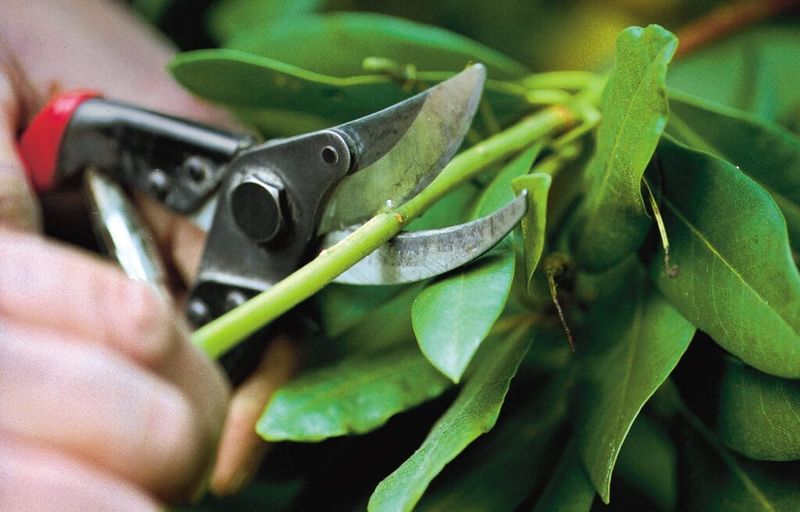
Thinning fruit early in the season is something many growers skip because it feels counterproductive. Removing some fruit when it is small can actually improve the quality and size of what remains.
Trees that carry a moderate load tend to handle heat stress better than those packed with fruit from branch to branch.
Varieties that naturally set heavy crops may need more attention to thinning and watering during peak heat months.
Navel oranges, for example, can set a lot of fruit in a good year, and a bumper crop combined with an inconsistent watering schedule is a reliable recipe for splitting.
Keeping the crop load reasonable gives each fruit more access to available moisture. It also reduces physical stress on the branches, which is a secondary benefit.
When a tree is overloaded and a heat wave hits, the system gets pushed past what it can manage smoothly. Thinning is not a guarantee against splitting, but it shifts the odds in your favor.
6. Heat Stress Makes Fruit More Likely To Split
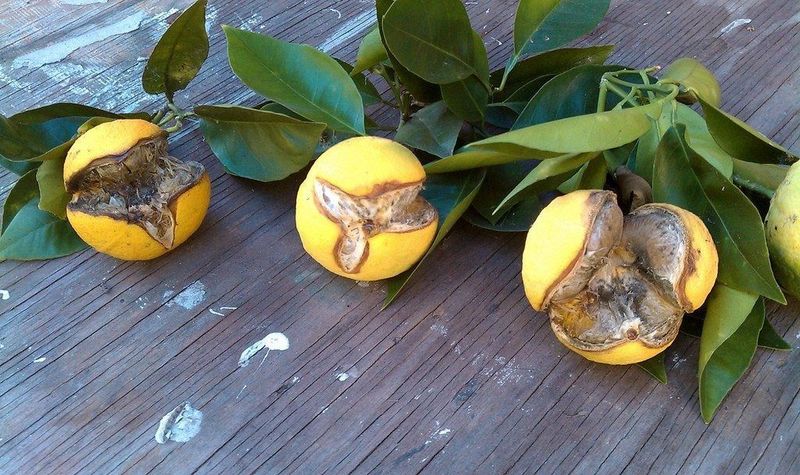
Extreme heat does more than just dry out the soil. It puts the tree itself under physiological stress, affecting how it moves water and nutrients through its system.
Fruit developing during a prolonged heat wave is more vulnerable to splitting because the tree is already working hard just to maintain basic functions.
When temperatures stay above 105 degrees for several days, the tree may reduce water movement to conserve resources. Fruit that was developing steadily can stall.
Then when temperatures drop slightly or a good watering arrives, growth resumes quickly. That sudden restart after a pause is a common trigger for cracking.
Providing some afternoon shade during the most intense heat periods can help reduce stress on both the tree and the fruit.
Shade cloth rated at around thirty to forty percent light reduction is sometimes used in commercial citrus operations in the Southwest for this reason. For backyard growers, positioning matters too.
Trees planted on the west side of a structure may get more intense late-day sun than those with some natural afternoon protection.
Heat stress is not something you can prevent entirely in a desert climate, but managing it with smart placement, consistent moisture, and occasional shade can meaningfully reduce how often fruit splits.
7. Harvest Mature Fruit Before It Splits
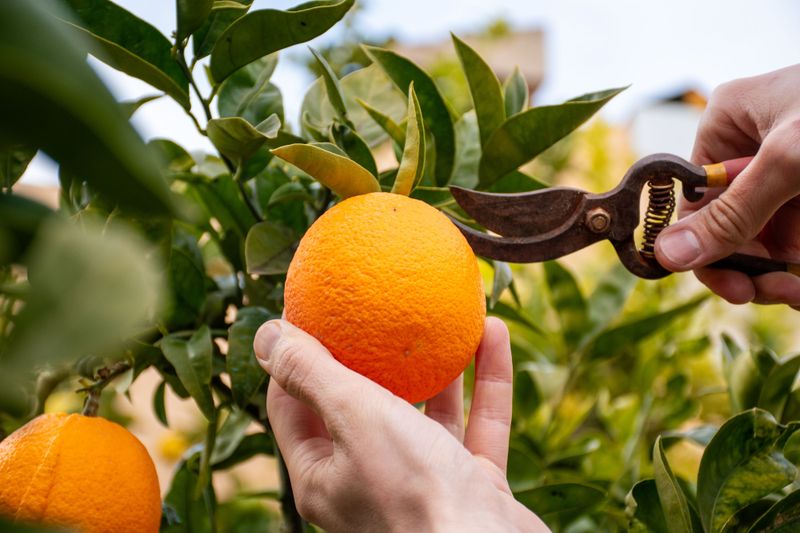
Fruit left on the tree past peak ripeness becomes more prone to splitting even under normal watering conditions. The skin loses elasticity as the fruit ages, and any fluctuation in moisture can push it past the breaking point.
Picking fruit at the right time is one of the simplest ways to avoid splitting losses.
Citrus does not ripen after it is picked the way some other fruits do, so timing matters. Tasting a piece of fruit is a more reliable indicator of readiness than color alone, since heat can cause color changes before the fruit is actually ripe.
Navel oranges, for instance, can turn orange on the outside while still being tart inside, especially early in the season.
Keeping track of when your tree typically produces ripe fruit helps you plan ahead. Most Arizona citrus varieties mature between late fall and early spring, well outside peak heat season.
But some late-season or off-cycle fruit can hang on the tree into warmer months.
Fruit that sits through a second summer on the tree is at high risk of splitting when monsoon moisture arrives after a dry stretch. Picking regularly and not leaving mature fruit on the tree longer than necessary reduces that risk.
Check the tree every week or two during harvest season.