More Geckos Around Your Georgia Porch Means Fewer Roaches (Here’s How To Attract Them)
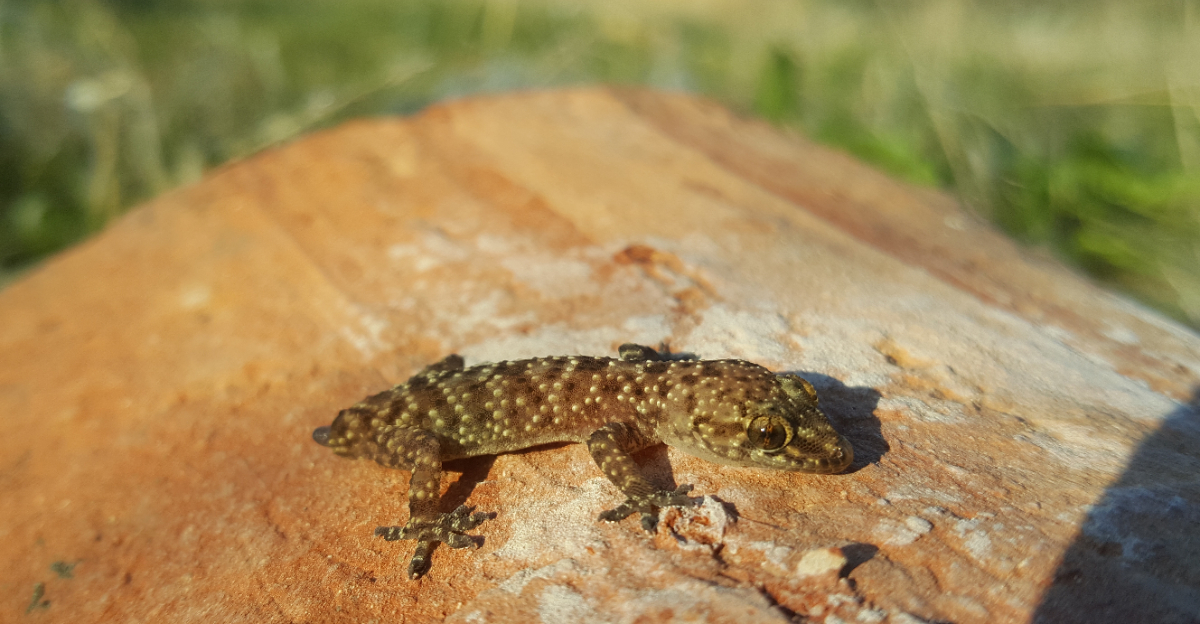
Roaches have a way of making themselves at home when you least expect it. What many homeowners never notice is who quietly shows up to hunt them after the sun goes down.
If more geckos have started appearing around your porch, they are probably finding something worth sticking around for.
That is good news, but only if you know how to keep those helpful visitors nearby. Georgia yards often provide everything geckos need without homeowners even realizing it.
A few overlooked details can make your outdoor space far more inviting to them while giving roaches fewer chances to take over.
Before you chase another gecko away, it is worth understanding why these little hunters may be some of the hardest-working guests your yard has all summer long.
1. Install Warm White Outdoor Lighting
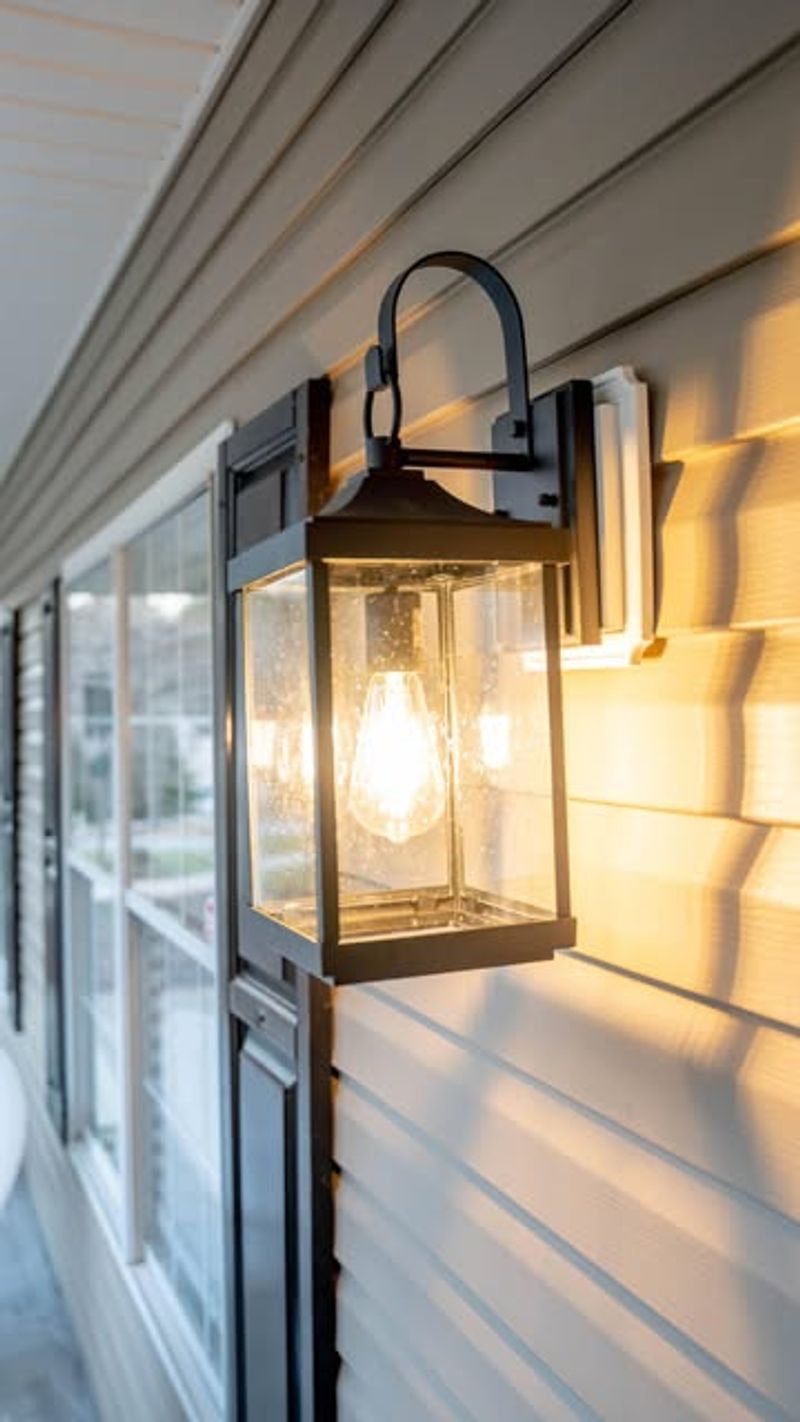
Lighting is one of the fastest ways to bring geckos to your porch. Warm white bulbs, especially around 2700K color temperature, attract moths, gnats, and small flies.
Geckos figure this out quickly and start showing up to feed.
Standard cool white or blue-tinted lights draw fewer insects and offer less benefit. Swapping to warm white bulbs in your porch fixtures is a low-effort change that pays off fast.
Bug-zapper style lights are not ideal here since they reduce the insect population geckos depend on.
String lights work especially well. Hang them low along railings or near the ceiling edge of your porch.
Geckos like hunting close to a surface, so lighting near walls or posts gives them a comfortable spot to wait and watch.
Solar-powered warm white path lights near your porch steps can also pull insects in from the yard. That draws geckos out from nearby shrubs.
Position lights near vertical surfaces whenever possible since geckos prefer climbing walls to flat ground while hunting. Avoid placing lights in completely open areas with no cover nearby.
2. Plant Dense Native Shrubs Nearby
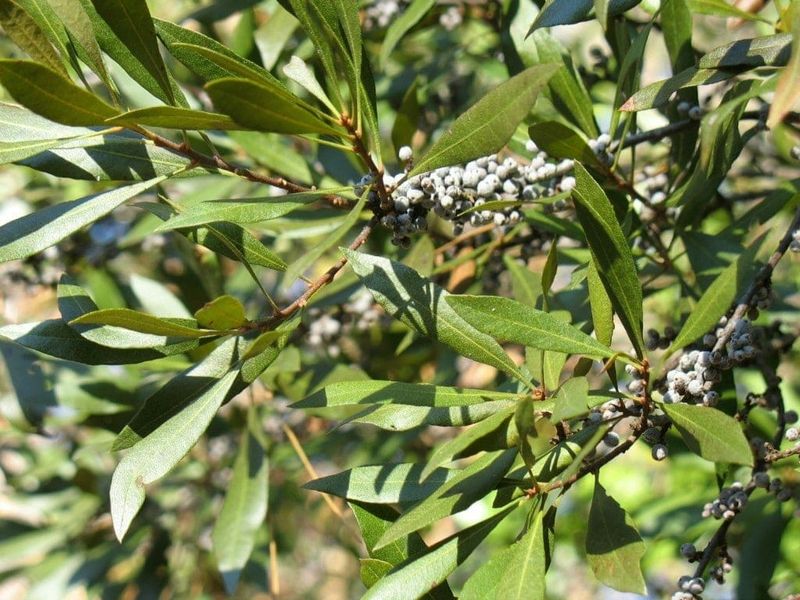
Geckos need more than just food. They need a place to feel safe, and dense shrubs give them exactly that.
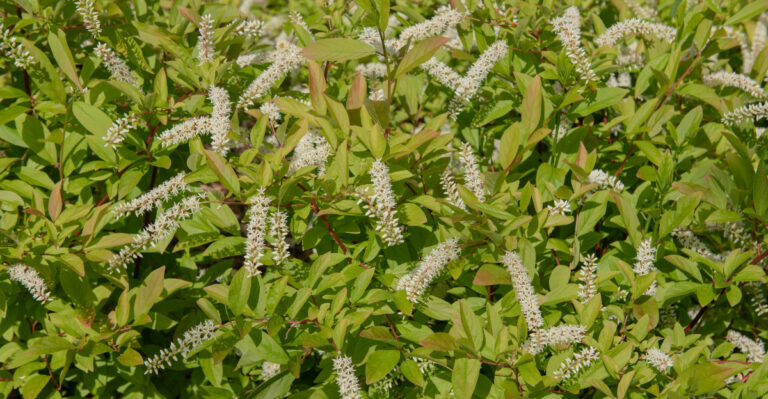
Native plants like wax myrtle, beautyberry, and yaupon holly grow well in the Southeast and provide thick cover that geckos actively use for shelter and hunting.
Plant shrubs within a few feet of your porch rather than far out in the yard. Proximity matters.
Geckos are small and cautious, so they tend to stay close to cover. A shrub right next to your porch railing gives them a natural bridge between the yard and your porch wall.
Dense plantings also support the insects geckos eat. Native shrubs host native insects, which is a real advantage.
Non-native ornamental plants tend to support fewer insects overall, so sticking with regional species helps the whole food chain work in your favor.
Shrubs with layered growth, meaning plants that have both low branches and taller upper sections, give geckos more vertical space to use.
Geckos in Georgia tend to move up and down plant stems throughout the day depending on temperature and light.
A shrub with multiple height levels gives them more options and keeps them returning to the same spot.
Your Georgia Garden Changes Every Week. Your Plan Should Too.
Gardening in Georgia changes quickly throughout the season. Every Friday you’ll receive a simple weekly plan showing exactly what to plant, prune, fertilize, harvest, and protect so you never miss the right timing.
3. Build Rock Piles For Daytime Shelter
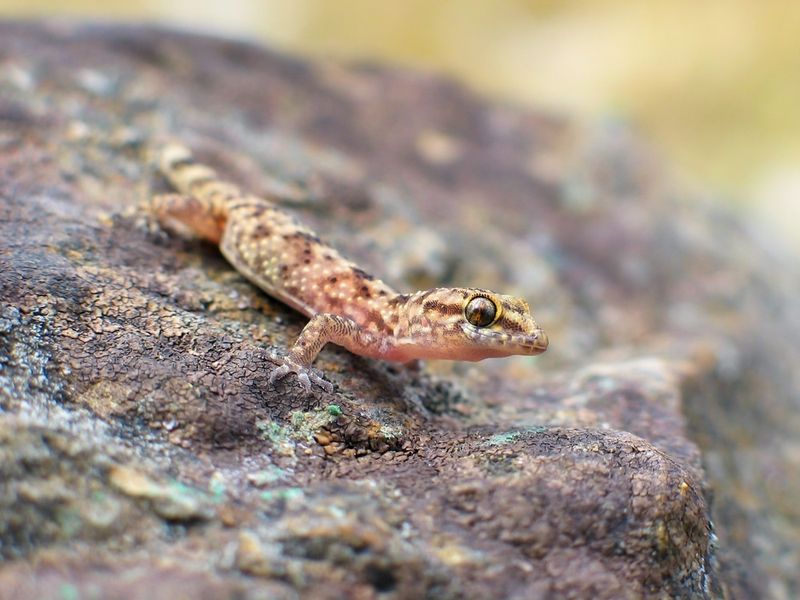
Rocks hold heat. Geckos are cold-blooded, so warm surfaces are not optional for them.
A simple pile of flat rocks near your porch gives geckos a place to warm up in the morning and cool down in the shade during peak afternoon heat.
Stack rocks loosely so there are gaps and crevices between them. Tight, solid stacks do not help much.
Geckos need space to wedge themselves inside, especially at night or during cooler weather. Even a small pile using five to ten flat stones can make a noticeable difference.
Position rock piles in a spot that gets morning sun but has some afternoon shade. South or east-facing spots near the porch foundation work well.
Geckos in the Southeast are active from late spring through early fall, and they rely on thermal regulation throughout that entire season.
Avoid using treated or painted stones since some coatings may off-gas chemicals that irritate small reptiles. Natural fieldstone, slate, or flagstone are solid choices.
You can find these at most local landscape supply stores. Over time, the rocks may also attract beetles and other insects that geckos eat, making the pile even more useful as a feeding zone as well as a shelter.
4. Add A Shallow Water Source

Water is easy to overlook, but geckos need it regularly. A shallow dish or saucer filled with clean water placed near your porch can make a real difference, especially during dry summer stretches common across the Southeast.
Keep the water shallow, no deeper than half an inch. Geckos do not swim well, and anything too deep becomes a hazard rather than a resource.
Adding a few small pebbles inside the dish gives them something to grip when they lean in to drink. Change the water every two to three days to keep it fresh and reduce mosquito breeding.
Place the dish near your rock pile or shrubs rather than out in the open. Geckos prefer drinking from spots where they feel covered.
An exposed dish in the middle of the yard is less likely to get used. Tucking it near a planter or along the porch base tends to work better.
A dripping hose or slow-drip emitter near the porch edge can also attract geckos since moving water seems to catch their attention more than still water in some cases. That said, even a simple saucer works fine if positioned thoughtfully.
Consistency matters more than complexity when setting up a water source for small reptiles like these.
5. Spread Natural Mulch Beneath Shrubs
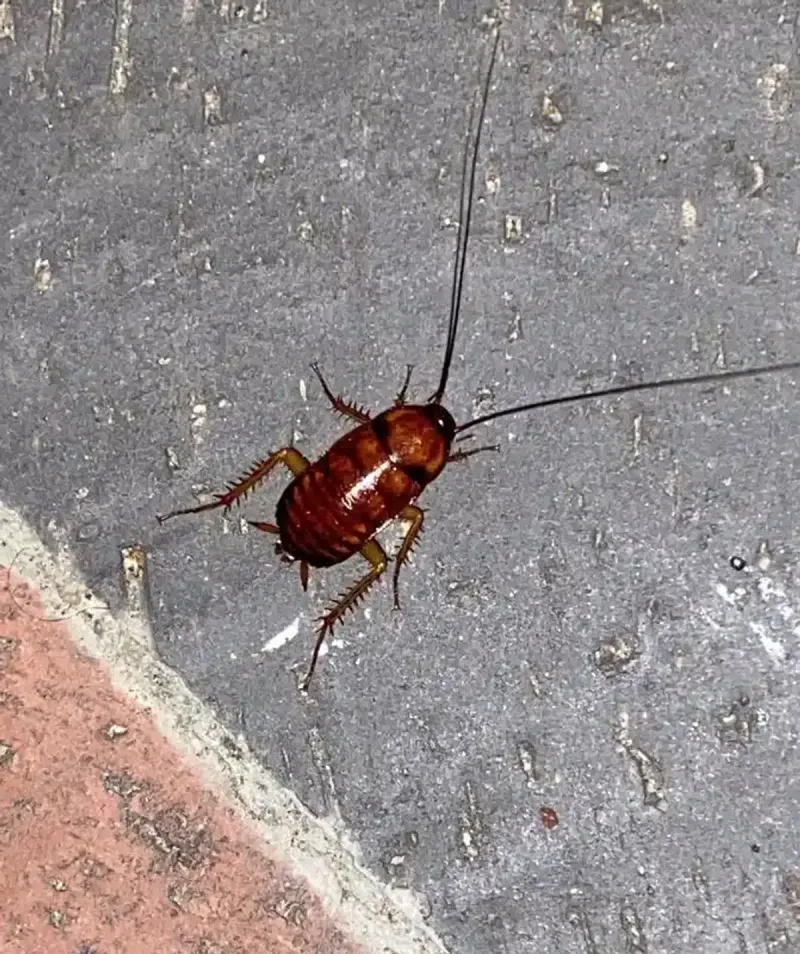
Mulch does more than hold moisture in garden beds. Beneath a layer of bark or pine straw, a whole community of small insects lives and moves around.
Roaches, crickets, beetles, and earwigs are all common in mulched areas, and geckos are well aware of that.
Pine straw mulch is especially popular in Georgia and works well for this purpose. It breaks down slowly, stays loose enough for insects to move through, and does not compact the way some wood chip mulches can.
A two to three inch layer is usually enough to support good insect activity without smothering plant roots.
Keep mulched areas close to your porch rather than only in back garden beds. Geckos will follow the food supply.
A mulched strip running along the porch foundation creates a natural feeding corridor that geckos can patrol at dusk and into the evening hours.
Avoid rubber or synthetic mulch products since they do not support insect life the same way organic materials do. Natural mulch also improves soil health over time, which benefits your plants as well.
Refresh the mulch layer once or twice a year to maintain its depth and effectiveness. Geckos tend to return to reliable feeding spots, so consistency in your mulch setup helps keep them around long term.
6. Create Small Crevices With Natural Stone
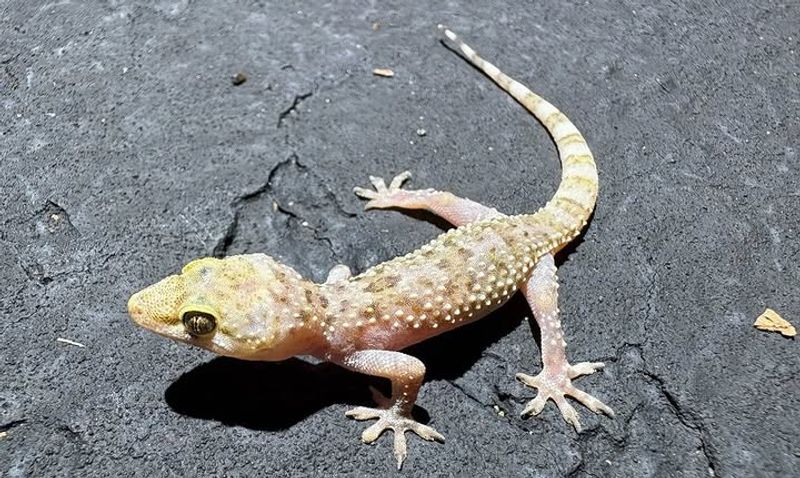
Crevices are prime real estate for geckos. Small gaps between stones give them a place to rest, regulate temperature, and escape from larger animals.
Without spots like this near your porch, geckos have fewer reasons to stick around after dark.
You do not need a full stone wall. A simple stacked stone border along your garden bed or porch edge works just as well.
Stack flat stones with slight offsets so natural gaps form between layers. Geckos will find these spaces on their own, often within a few weeks of installation.
Natural stone retains warmth from the sun, which is a bonus. On cooler evenings in spring or fall, geckos will press against warm stone surfaces to stay active longer.
That extends their feeding window, which means more insects caught near your porch during those transitional months.
Avoid filling gaps with mortar or grout if your goal is gecko-friendly habitat. Sealed stone structures look tidy but offer no shelter value for small reptiles.
Leave the crevices open and natural. Fieldstone, limestone, and granite all work well in Southeast garden settings.
Local landscape suppliers often carry regional stone options that blend naturally with the surroundings and hold up well through humid Southern summers without crumbling or shifting significantly over time.
7. Grow Vining Plants Around The Porch
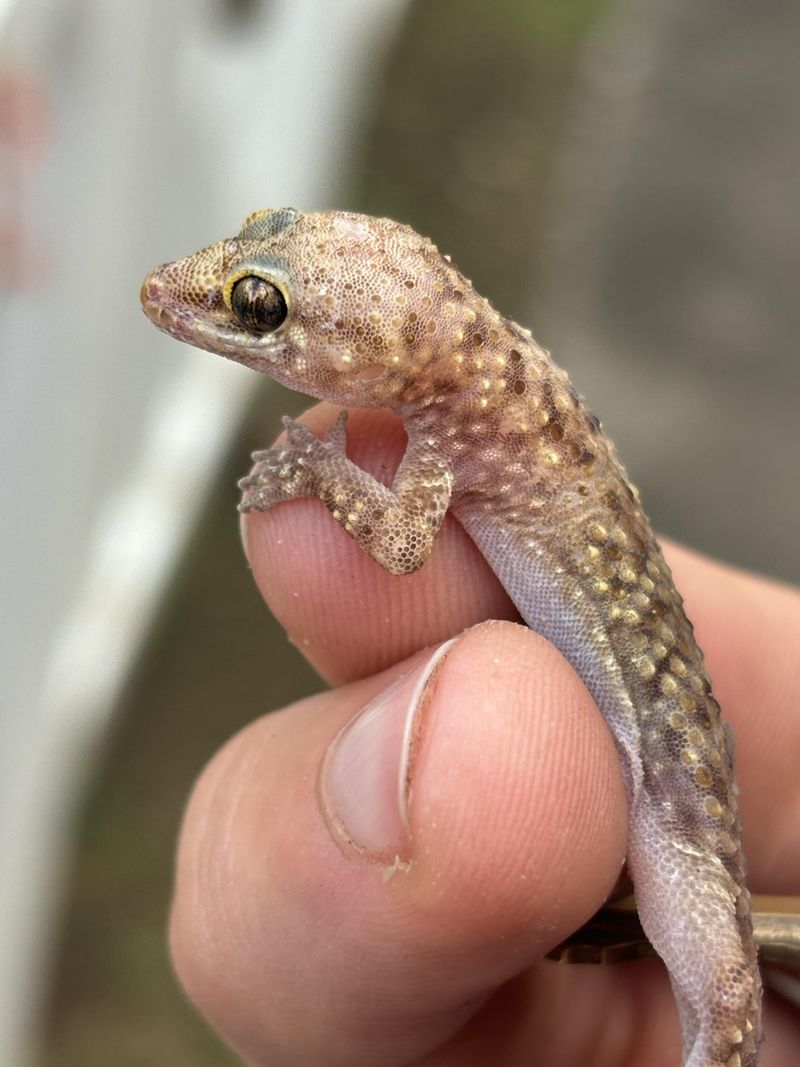
Vines turn your porch into a vertical ecosystem. Native options like coral honeysuckle or passionflower grow quickly, attract insects, and give geckos a network of stems and leaves to move through freely.
That kind of layered coverage is something geckos actively seek out.
Train vines up porch posts or along railings using simple clips or garden wire. Geckos use these pathways to move between the ground and higher porch surfaces without exposing themselves in open space.
Cover matters as much as food when you are a small reptile trying to stay out of sight.
Flowering vines also attract moths and other night-flying insects, especially during summer evenings. Geckos are most active at night in Georgia, so having a vine loaded with insects right on your porch structure puts food directly in their hunting zone.
That combination of cover and food in one spot is hard to beat.
Avoid invasive vine species like English ivy or Chinese wisteria. Both spread aggressively and support fewer native insects than regional plants do.
Stick with vines native to the Southeast for the best ecological payoff.
Coral honeysuckle, in particular, is low maintenance, hummingbird-friendly, and well-suited to porch structures throughout the region.