Why North Carolina Gardeners Start Broccoli In July And August For Heads That Actually Fill Out
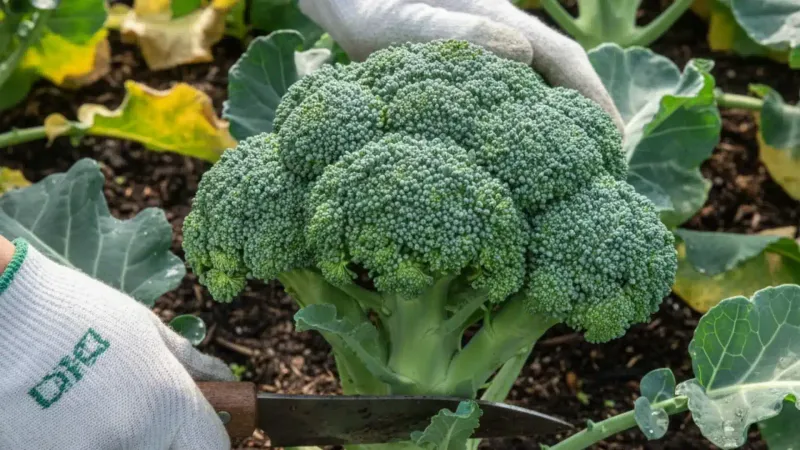
Broccoli is one of those vegetables that rewards gardeners who plan ahead, especially in North Carolina, where summer lingers long and fall arrives on its own schedule. The secret most gardeners learn the hard way is that a broccoli plant started too late never gets the cool weather it needs to build a tight, full crown. Starting seeds in July and moving transplants out in August gives fall broccoli a better shot at forming a real head before winter shuts things down.
Cool Weather Builds The Crown
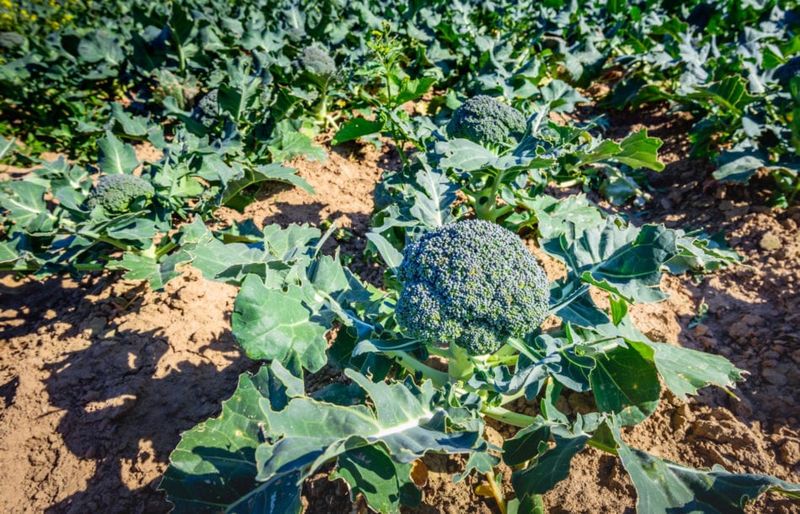
Broccoli (Brassica oleracea Italica Group) can grow plenty of leaves in the heat of summer, but leafy growth and head formation are two completely different jobs. A plant can look lush and healthy in August and still fail to produce anything worth eating if it never gets the conditions it needs to form a crown. That gap between “growing” and “heading” is the whole reason timing matters so much in North Carolina.
The buds that make up a broccoli head develop best when temperatures settle into a range of roughly 54 to 68 degrees Fahrenheit. NC State Extension’s broccoli production guidance identifies that window as optimal for tight head development and notes that higher temperatures can cause poor or deformed heads. Growth slows noticeably below about 41 degrees, so the plant needs a stretch of genuinely moderate fall weather, not just a brief cool snap.
Summer heat during the early leafy stage is more tolerable than heat during crown formation, but that does not mean young plants sail through August without a care. University of Minnesota Extension confirms that heat harms developing heads while the vegetative stage handles warmth somewhat better. Still, even seedlings face real stress from heat, drought, and afternoon storms.
Starting in July and transplanting in August is a way to line up crown development with the cooler days that arrive in October and November across much of the Piedmont and eastern North Carolina. The schedule improves the odds of a marketable head, but it does not guarantee one. Temperature is one piece of the puzzle, not the whole answer.
July Starts Seeds; August Moves Plants
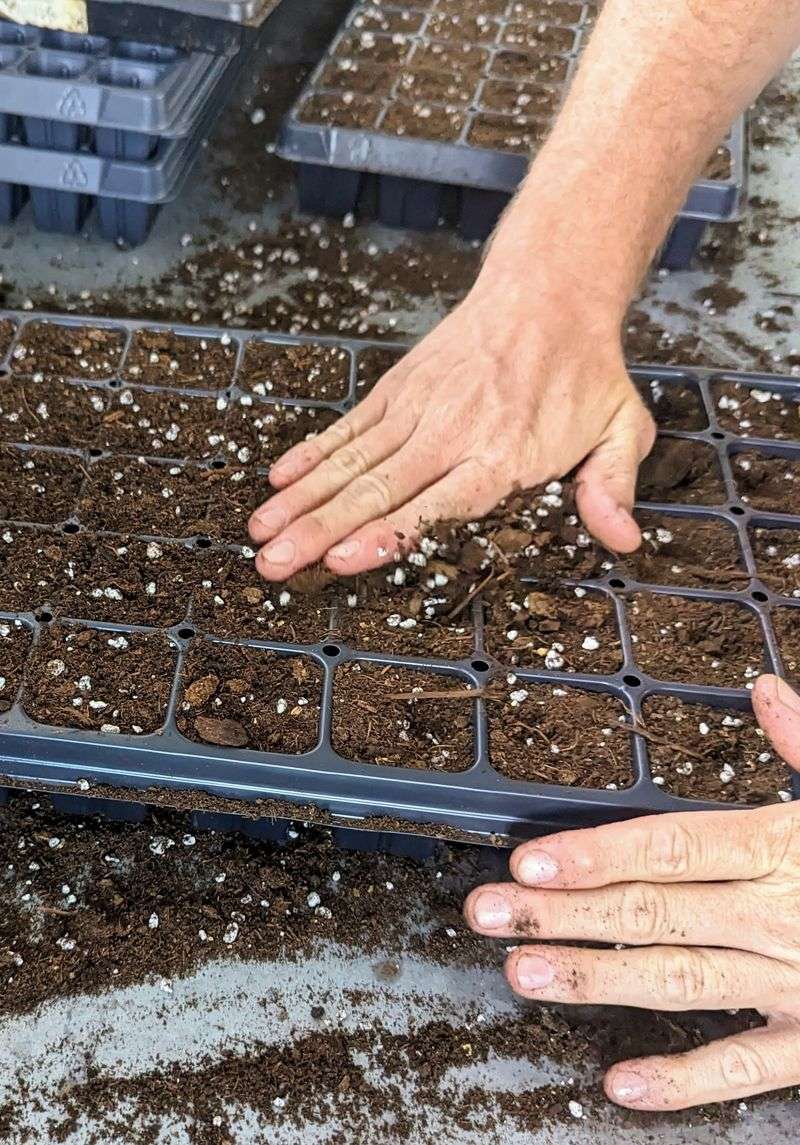
When someone says “start broccoli in July,” they usually mean sow seed indoors or in a protected nursery area during July, not drop seed directly into a garden bed baking in 90-degree heat. When someone says “plant broccoli in August,” they usually mean set out transplants that have been growing for several weeks. Those two dates describe different actions, and mixing them up is one of the most common planning mistakes Piedmont gardeners make.
NC State Extension notes that broccoli transplants are generally ready about 4 to 5 weeks after seeding. So a seed sown in early July is typically ready to move into the garden by early to mid-August. That 4-to-5-week seed-to-transplant lead time is not a transplanting window in itself. It is simply how long the plant needs before it is sturdy enough to go in the ground.
Established transplants handle summer stress better than freshly germinated outdoor seedlings for a practical reason. A transplant already has a small but developed root system and several true leaves. A seed direct-sown into hot, dry, or crusted garden soil is racing against heat, pests, and moisture loss from the moment it sprouts. For fall broccoli in North Carolina, transplants are generally the safer route.
Your North Carolina Garden Changes Every Week. Your Plan Should Too.
Gardening in North Carolina changes quickly throughout the season. Every Friday you’ll receive a simple weekly plan showing exactly what to plant, prune, fertilize, harvest, and protect so you never miss the right timing.
The NC State Extension Gardener Handbook advises adjusting planting dates by local frost timing, region, and cultivar maturity rather than following a single statewide calendar. Count back about 4 to 5 weeks from your intended transplant date to land on a realistic seed-starting window, then check that target against your local frost date and the days-to-maturity listed on your seed packet.
North Carolina Regions Set The Schedule
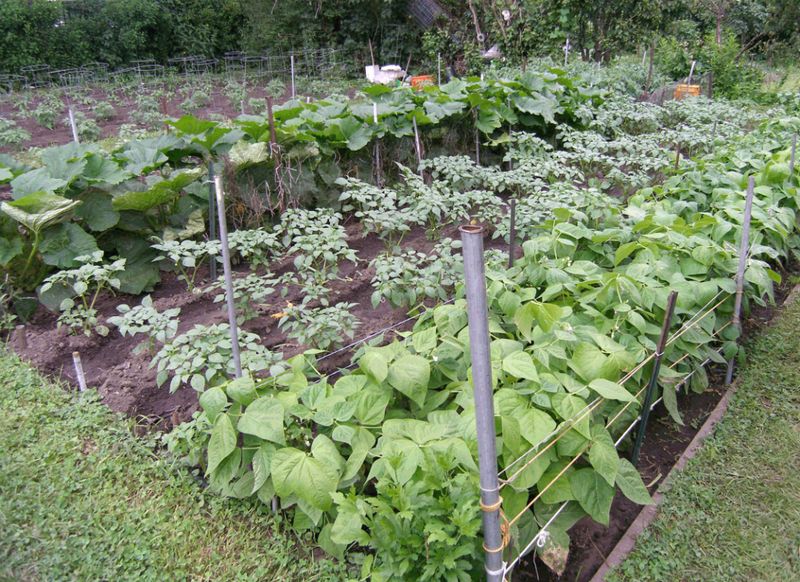
North Carolina stretches from the Atlantic coast to peaks above 6,000 feet, and those regions do not share the same fall growing window. Treating July and August as a universal statewide prescription will leave mountain gardeners short on time and coastal gardeners second-guessing dates that do not quite fit their conditions.
For eastern North Carolina, NC State Extension’s broccoli production guidance recommends a fall planting window of approximately August 1 through September 15. That range applies to transplanting, not direct seeding, so gardeners in that region who are starting from seed should be sowing in July to have transplants ready by early August. The Coastal Plain may allow slightly later planting because frost arrives later near the coast, but sandy soil dries out fast and demands closer attention to irrigation throughout the season.
Piedmont gardeners generally aim to have transplants in the ground by early August for varieties with a 60-to-80-day maturity period. Count backward from your expected first frost date, add the cultivar’s days to maturity, and then subtract 4 to 5 weeks for seed starting. That math gives you a more honest target than any printed calendar can.
Western North Carolina is a different story. Frost can arrive substantially earlier at higher elevations, and NC State’s commercial production guidance does not recommend fall broccoli planting in western North Carolina. Mountain gardeners who want to try should use the fastest-maturing cultivars available, purchase transplants rather than starting from seed, and accept that a reliable fall head crop is not a sure thing at elevation. Regional honesty about that limit saves a lot of late-season disappointment.
Prepare A Bed That Holds Steady
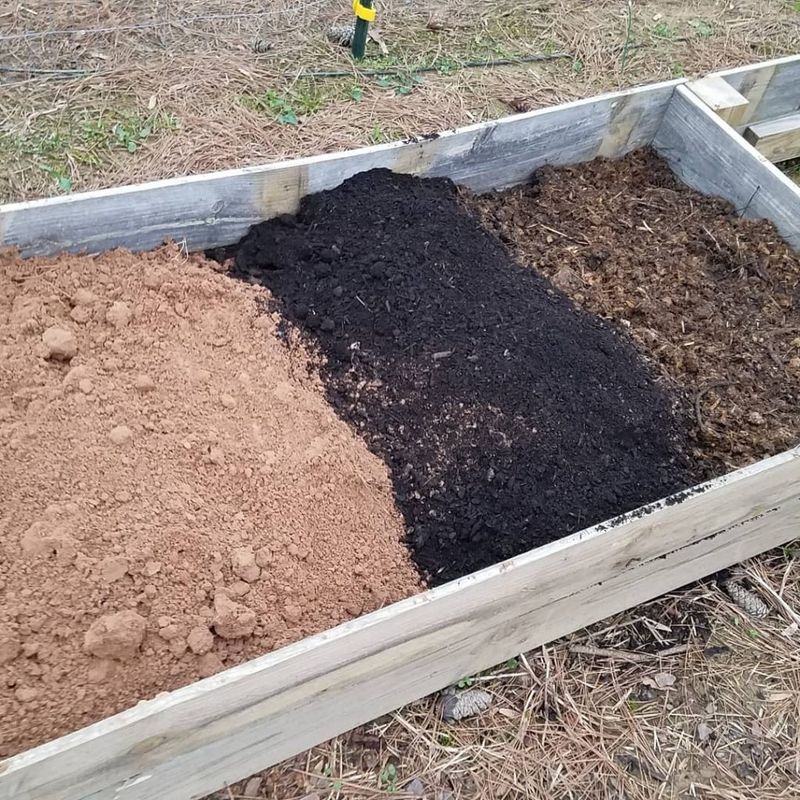
Getting the calendar right only matters if the bed is ready to back it up. Broccoli is not a plant that forgives poor soil preparation, and a transplant dropped into hard Piedmont clay or nutrient-depleted ground will struggle no matter how well-timed the planting date is.
Full sun is the starting point. Broccoli needs at least 6 to 8 hours of direct light each day, and a shaded bed will produce weak, leggy plants that never head properly. Well-drained soil matters just as much. Roots sitting in standing water after one of those afternoon thunderstorms common across North Carolina in August will rot quickly and end the season before it starts.
NC State Extension identifies a preferred soil pH of around 6.0 to 6.5 for broccoli production. A soil test is worth doing before adding any amendments, especially in Piedmont red clay or heavily worked beds where pH and nutrient levels can vary widely. Guessing at lime or fertilizer rates can throw off the balance you are trying to create.
For spacing, NC State’s cool-season vegetable guidance commonly uses about 18 inches between transplants. A range of 15 to 18 inches between plants works well for large central heads in a home garden, giving each plant enough room for air movement and leaf spread.
Once transplants are in the ground, consistent moisture is the next job. University of Minnesota Extension recommends about 1 inch of water per week when rainfall is insufficient. A 3-to-4-inch layer of herbicide-free mulch around each plant slows evaporation and keeps weeds down, but keep mulch pulled back from the stem to avoid rot at the crown.
Protect Transplants Through Summer Stress
You get the timing right, you get the bed ready, and then August arrives with 95-degree afternoons, a week without rain, and a cloud of cabbage moths circling your freshly planted transplants. Summer in North Carolina does not ease up just because you put something in the ground.
Even moisture is the single most important thing you can give a new transplant during this stretch. University of Minnesota Extension suggests about 1 inch of water per week when rainfall falls short, and sandy Coastal Plain soil may need more frequent checks because it drains so quickly. Water stress during establishment can produce small, disappointing heads later in the season, so do not let the soil dry out completely between waterings.
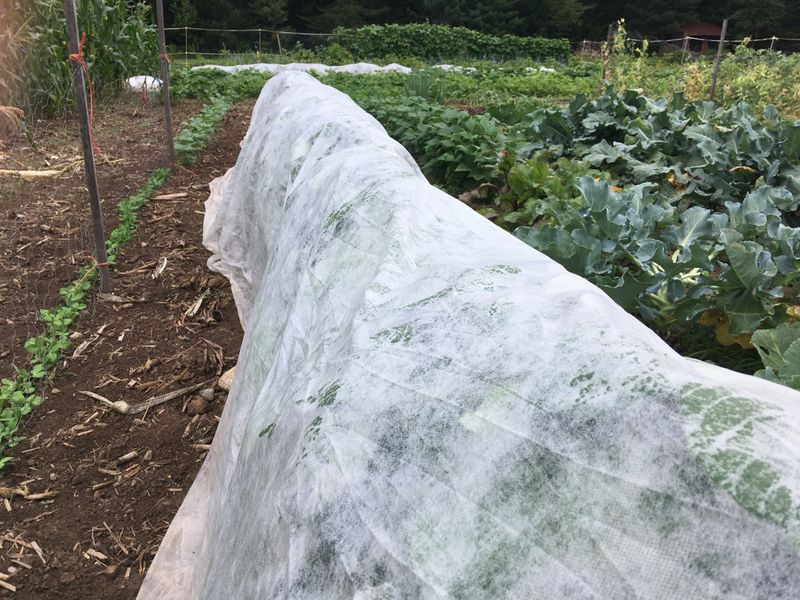
Lightweight row cover is a genuinely useful tool for the first few weeks after transplanting. It can reduce insect access, cut wind stress on tender leaves, and buy the plant a little buffer during the roughest weather. NC State Extension identifies row covers as a physical pest-management method for crucifer crops, and Minnesota Extension notes that a loose cover can damage plants in strong wind, so anchor it securely at the edges.
Row cover is one layer of protection, not a complete solution. It does not prevent soilborne disease, heat stress, poor watering, or every insect that can find a gap. Monitor the temperature under the fabric on hot days, because trapped heat can actually make stress worse. NC State’s production guidance lists heat stress, rapid temperature swings, and humid-period disease pressure as significant North Carolina risks even when timing and establishment go well.
Staying attentive through August is part of the job.
Match The Cultivar To The Window
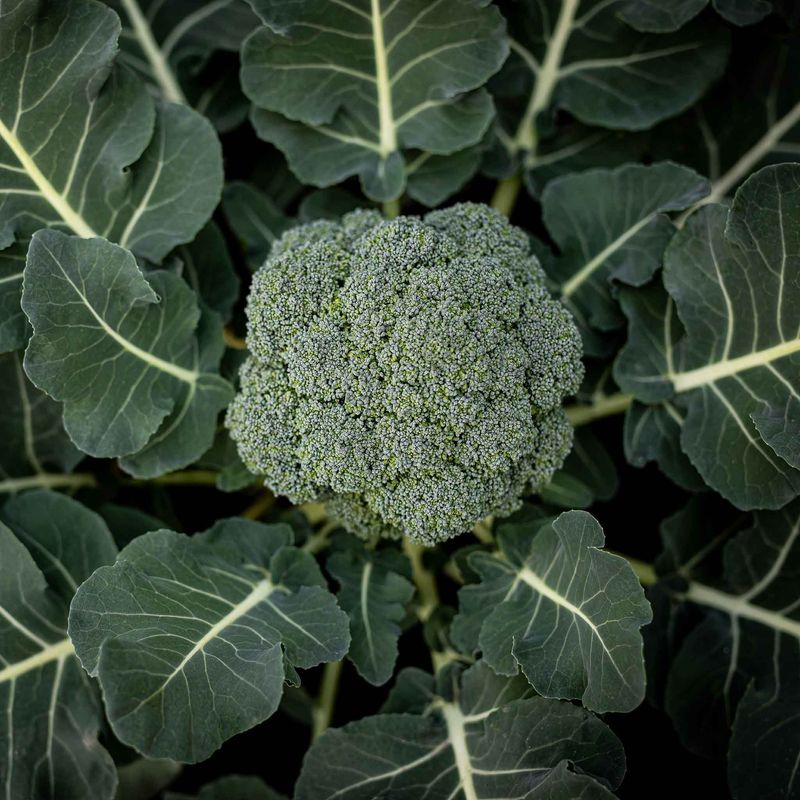
Here is where a lot of otherwise careful plans fall apart. A gardener who nails the timing, prepares the bed, waters faithfully, and uses row cover can still end up with a loose, leafy plant that never forms a tight crown, and the culprit is often the cultivar itself. Not every variety sold under the broccoli label behaves the same way.
Heading or Calabrese broccoli is the type most home gardeners picture when they imagine a supermarket-style crown. It is bred to produce one substantial central head, and it is the right choice when that is your goal. Sprouting broccoli is a different plant, emphasizing multiple smaller shoots over a single large crown. Both are worth growing, but mixing up the two leads to mismatched expectations.
Check the seed packet or catalog description before you commit to a variety.
Heat tolerance and days to maturity are the two numbers that matter most for fall timing in North Carolina. NC State Extension’s cultivar selection guidance for North Carolina addresses how variety choice affects performance across the state’s different regions and conditions. A cultivar with a 90-day maturity period planted in late August in the Piedmont may simply run out of growing season before a proper head can form.
Poor head formation can follow a long list of problems beyond timing: nutrient deficiency, low moisture, transplant shock, crowding, disease, insect damage, or a cultivar that does not fit the local window. NC State’s pest guidance for crucifer crops names cabbageworms, loopers, flea beetles, aphids, and cabbage maggots as real threats. Identify the pest before reaching for any product, follow the label, and observe preharvest intervals. Minnesota Extension and NC State’s production guide both point toward soil testing and integrated pest management rather than heavy fertilizer applications or casual pesticide use.
The plant rewards a measured, attentive approach more than an aggressive one.
Harvest Before The Buds Open
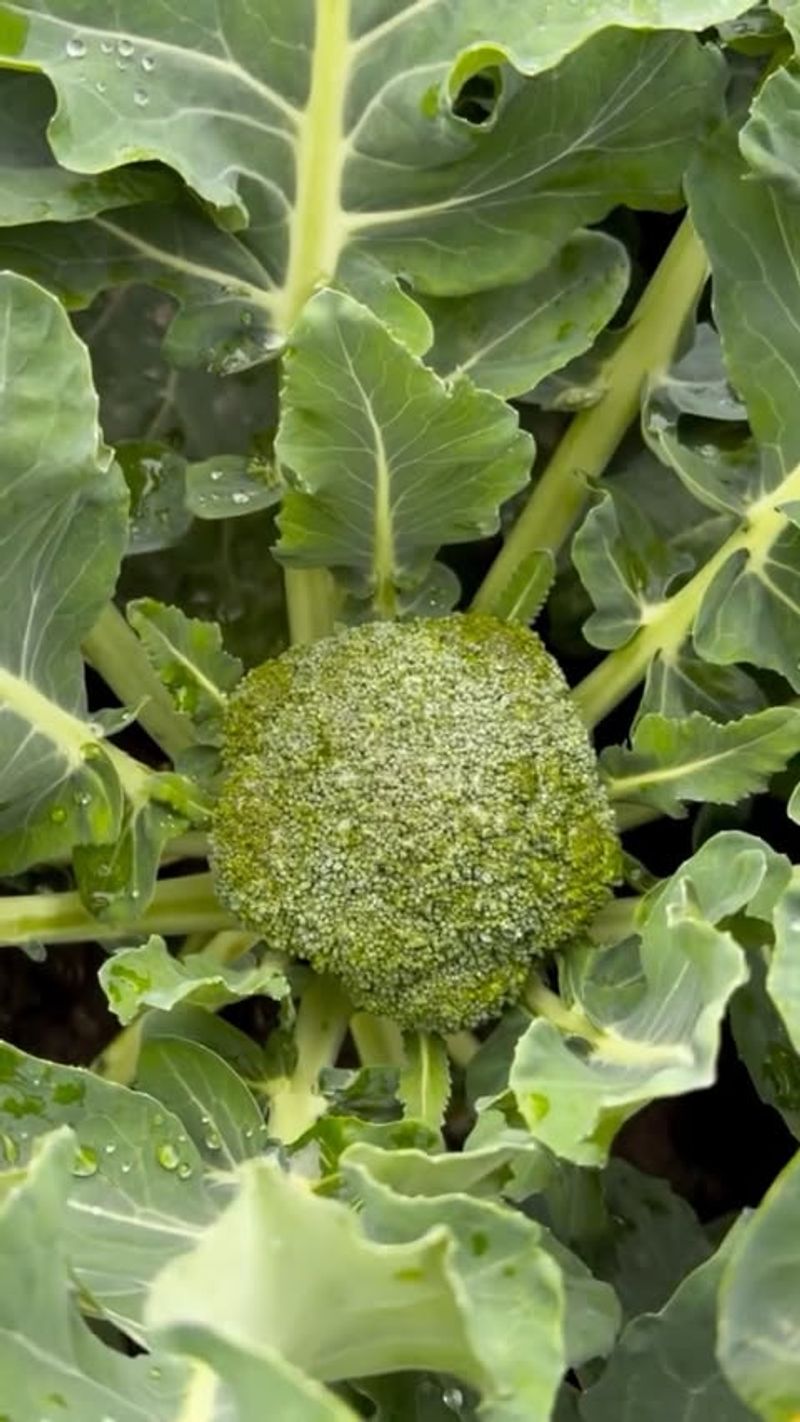
All that work from July through October comes down to one moment, and it is easy to miss. Broccoli heads do not hold for long once they reach maturity, and a crown that looked perfect on Monday can be opening into yellow flowers by Thursday if the weather warms up or the plant decides it is time to bolt.
Cut the central head while its buds are still tight, compact, and dark green, before any yellow shows. Leave about 6 inches of stem attached, and leave the plant in the ground. Side shoots will follow over the next several weeks, giving you smaller but still useful harvests long after the main crown is gone. University of Minnesota Extension confirms that cutting the central head and leaving the plant in place encourages side shoot production.
Broccoli can tolerate a light frost, and many Piedmont and eastern North Carolina gardeners will see their plants survive into November without serious damage. But cold slows growth, and surviving frost is not the same as having enough time to fill a marketable crown. NC State Extension notes that growth slows below about 41 degrees Fahrenheit. A late planting can stay alive in the garden through December and still never produce a head worth cutting, because the plant spent its best growing days just trying to establish rather than forming a crown.
The whole point of starting in July is to give head formation a chance to meet the moderate temperatures of October and early November in North Carolina, then to harvest promptly when that window arrives. The plant does its job quietly over several months. Your job at the end is simply to catch it at the right moment.