What Florida Nursery Staff Actually Recommend When No One Is Watching
Step inside any Florida garden center and the same five plants greet you at the entrance every time. Bougainvillea climbs the trellis, birds of paradise crowd the checkout line, hibiscus blooms in every color the pot allows.
Corner one of the workers on their lunch break, though, and the conversation shifts. They start naming plants you’ve never seen on a single shelf tag, the ones tucked behind the greenhouse or growing wild along their own fence line.
These aren’t showroom plants. They’re survivors that shrug off a August downpour, shrug off a dry spell right after, and keep pushing out new growth without anyone babying them.
Ask enough staff the same question and a pattern emerges: the plants that actually earn a spot in their personal yards rarely match what sells best up front. Here’s what they’re planting instead, and why.
1. Oakleaf Hydrangea Thrives In Shade Everyone Skips
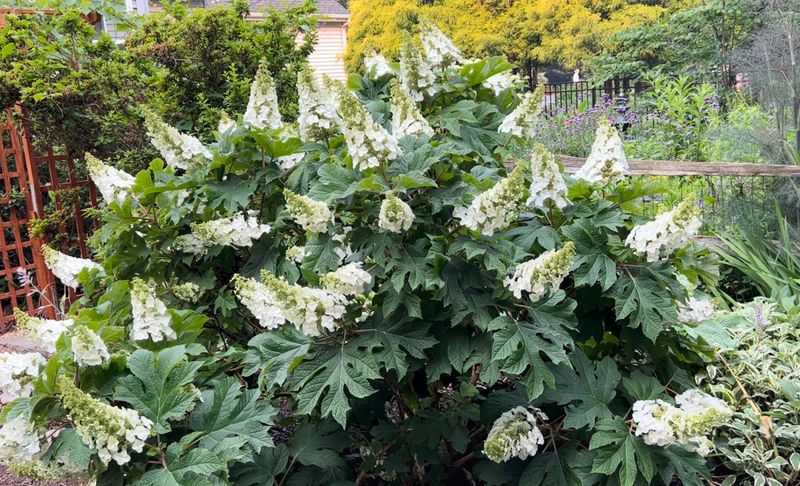
Forget everything you think you know about hydrangeas needing constant babysitting. Oakleaf hydrangea is the one Florida nursery staff quietly plant in their own backyards, especially under oak canopies where nothing else wants to grow.
This shrub produces massive white blooms shaped like cones. They age into a papery tan that looks gorgeous even when the flowers fade.
Unlike blue or pink hydrangeas, oakleaf doesn’t need pH-adjusted soil or weekly watering. It handles drought once established, which is a big deal in a state that flips between downpour and dry spell without warning.
The leaves are the secret bonus feature. They turn burgundy and copper in fall, giving you seasonal color most people assume isn’t possible in a subtropical yard.
Planting is straightforward. Find a spot with morning sun and afternoon shade, dig a wide hole, and mulch generously around the base. That’s genuinely about all the effort required.
It grows six to eight feet tall and wide, so give it room. Don’t crowd it against a fence or it’ll sulk and produce fewer blooms.
Nursery staff love recommending this plant because it rewards low-maintenance gardeners. You don’t need a green thumb to make it work. You just need the right shady corner and a little patience for that first season of establishment.
Once it settles in, oakleaf hydrangea becomes one of those plants that makes visitors stop and ask what it is. That reaction never gets old.
2. Louisiana Iris Was Built For These Exact Conditions
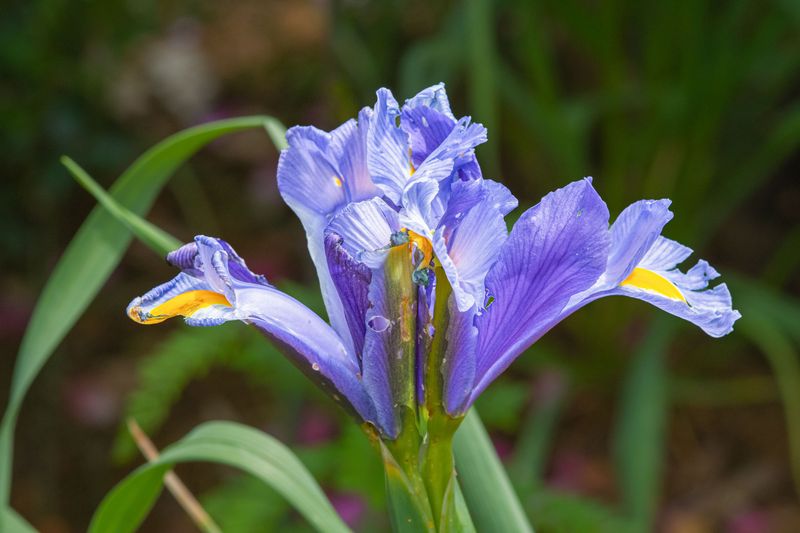
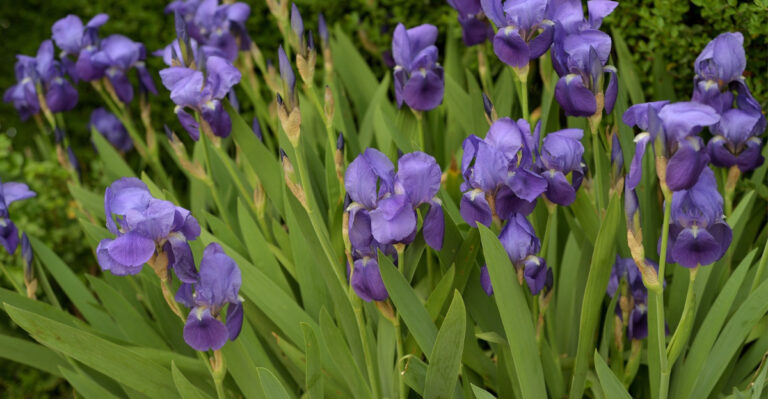
Most irises throw a fit the moment Florida’s wet season arrives. Louisiana iris, on the other hand, practically throws a party when the water rises.
This native-bred species handles the boggy, humid, unpredictable conditions that define a Florida summer better than most. It doesn’t just survive wet feet. It grows stronger because of them.
Nursery workers who garden near retention ponds or low-lying areas swear by this plant. It fills soggy spots that would otherwise stay bare and sad-looking all season long.
The blooms come in deep purples, rich blues, warm reds, and creamy whites. Some varieties have intricate veining that looks almost hand-painted. Few plants offer that kind of visual payoff for so little effort.
Your Florida Garden Changes Every Week. Your Plan Should Too.
Gardening in Florida changes quickly throughout the season. Every Friday you’ll receive a simple weekly plan showing exactly what to plant, prune, fertilize, harvest, and protect so you never miss the right timing.
Plant rhizomes just at or slightly below the soil surface near a water feature or in consistently moist ground. They multiply steadily and form dense clumps over time.
One thing to know: Louisiana iris blooms in spring, then goes quiet. Don’t mistake that dormancy for failure. Pair it with summer-blooming neighbors to keep the spot looking full and lively.
Staff members who grow these at home often cut the blooms for indoor arrangements. A single stem in a glass vase makes the whole kitchen feel like a botanical garden.
What Florida nursery staff actually recommend when no one is watching often includes this iris. It’s a workhorse plant dressed in runway-worthy flowers, and that combination is hard to beat.
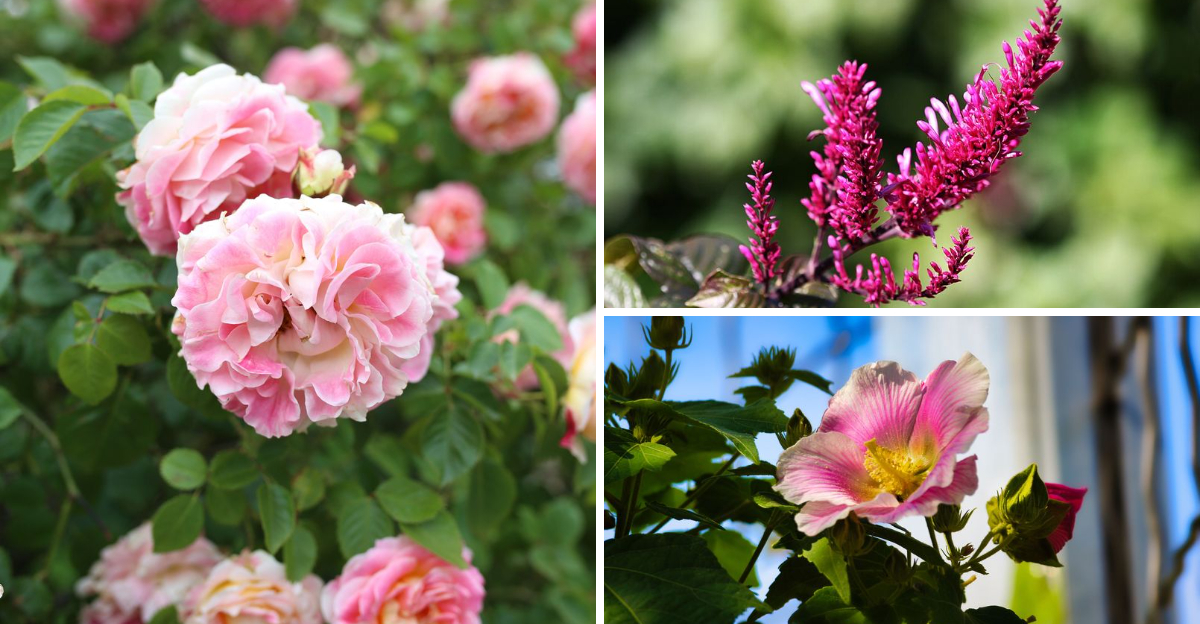
3. Confederate Rose Has A Cold Climate Name And A Southern Secret
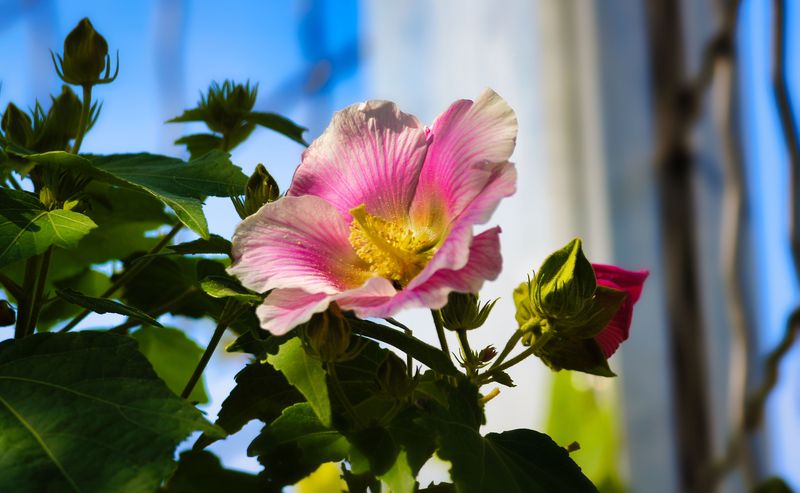
The name sounds like it belongs in a history book, but this plant belongs in your yard. Confederate rose is actually a hibiscus relative, and it pulls off something almost magical every single day.
Blooms open white in the morning. By afternoon, they shift to pink. By evening, they’ve deepened to nearly red. One plant, one bloom, three colors in a single day.
Florida nursery staff love dropping that fact on customers who’ve never heard of it. Watching someone’s face light up when they realize what they’re looking at never gets tired.
The shrub grows fast, often reaching ten to fifteen feet within just a couple of seasons if conditions are right. That kind of growth makes it useful as a privacy screen or a bold focal point in a large yard.
It handles Florida heat with ease. Full sun, sandy soil, and occasional watering are enough to keep it happy. It’s not fussy about fertilizer, though a light feeding in spring doesn’t hurt.
Confederate rose is technically a perennial in the warmest parts of the state. In Central Florida and north, it may freeze back in winter but usually rebounds from the roots in spring.
Propagation is refreshingly simple. Stick a cutting in moist soil and it’ll root within a few weeks. Nursery staff often share cuttings with friends instead of buying new plants each year.
Few plants deliver this much drama and conversation for this little investment. That’s exactly why it earns a quiet but enthusiastic recommendation from people who really know their plants.
4. Firespike Draws Pollinators Nobody Expects To See
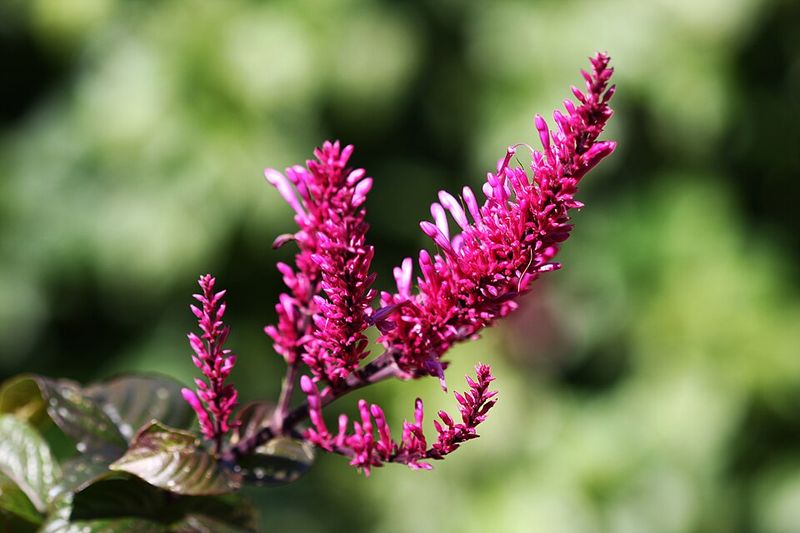
Plant firespike once and your yard becomes a wildlife corridor. Hummingbirds show up within days. Butterflies follow. Then come the insects you never expected, including sphinx moths the size of a thumb hovering like tiny helicopters.
Nursery staff who are also bird watchers treat firespike like a secret weapon. It blooms heavily in fall and winter, exactly when most nectar sources disappear and migrating hummingbirds need fuel.
The flowers are long, tubular, and electric red. They shoot up on tall spikes above glossy dark green leaves. The contrast is bold enough to stop foot traffic in any garden.
Firespike handles partial shade better than most flowering shrubs. That makes it incredibly useful under tree canopies where color is hard to come by. It also tolerates brief flooding without complaint.
Growth is fast. Expect four to six feet in the first year with decent moisture and a little fertilizer. In frost-free areas, it stays evergreen and blooms almost year-round.
In areas that get occasional freezes, firespike goes dormant but returns reliably from established roots. Cut the spent stems back after a freeze and wait. New growth appears quickly once temperatures rise.
Spacing matters. Give each plant three to four feet of room so air can circulate and the full spike shape can develop properly. Crowded plants get leggy and bloom less.
Ask any nursery employee what they personally grow for wildlife and firespike comes up fast. It’s the rare plant that gives back more than you put in, every single season.
5. Walking Iris Delivers Big Results With Almost No Effort
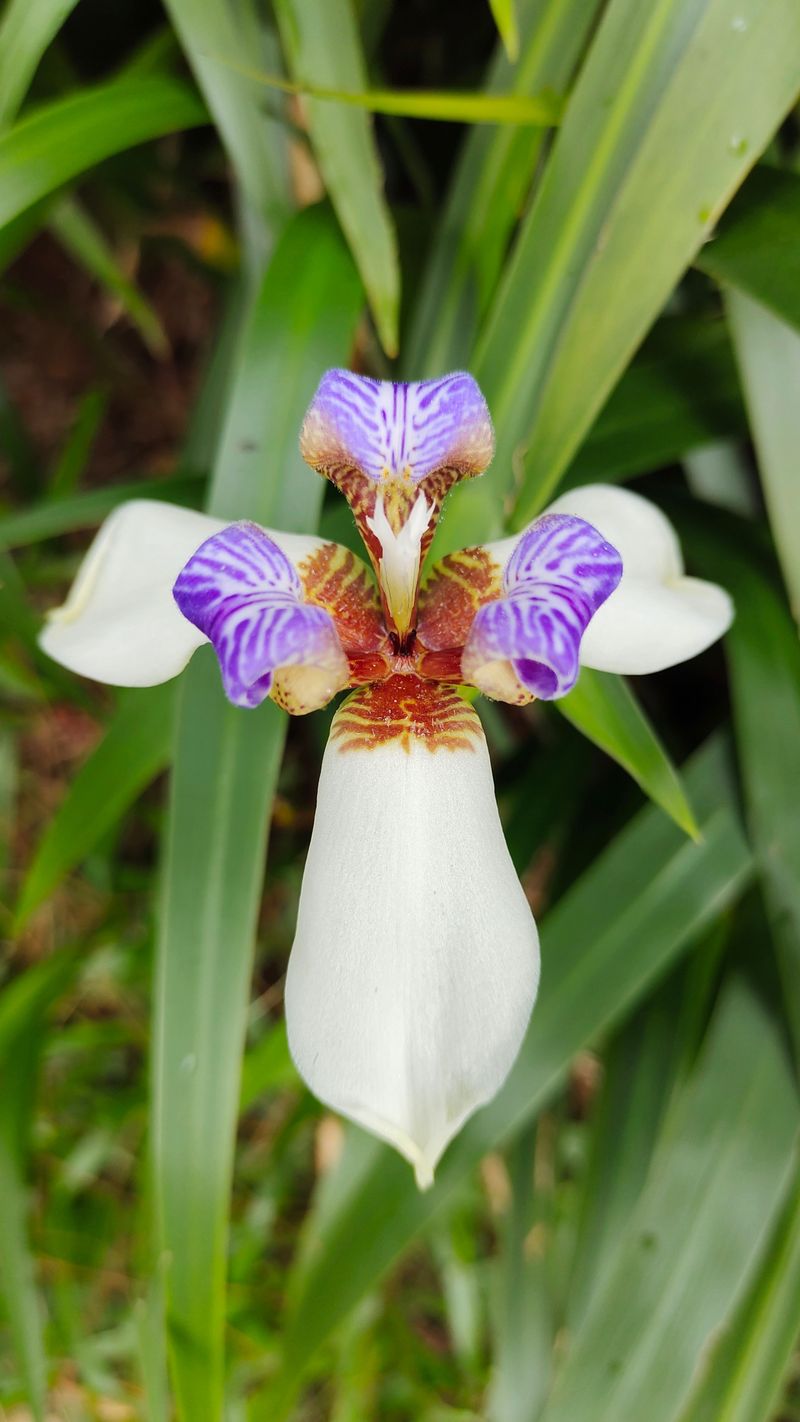
Walking iris gets its name from the way it moves. Flower stalks arch out, touch the ground, and root themselves. Then they do it again. Before long, one plant becomes a spreading colony without any help from you.
That self-spreading habit is exactly why Florida nursery staff quietly love it. Plant it once in a shaded bed and it fills the space on its own schedule, no division or replanting required.
The blooms are stunning up close, with white petals accented by purple and yellow, almost orchid-like. They open in the morning and close by afternoon, but new blooms appear daily throughout the season.
Walking iris handles deep shade better than almost any flowering plant in its category. Under dense trees where most plants refuse to perform, this one just keeps growing and blooming with quiet determination.
Watering needs are low once established. The plant stores moisture in its thick roots and tolerates periods of neglect that would stress more demanding species. That resilience is a huge selling point in Florida’s unpredictable climate.
It’s also deer resistant, which matters in suburban neighborhoods where hungry wildlife treats gardens like a buffet. Nursery staff mention that detail frequently because customers rarely ask about it until it’s too late.
Pair walking iris with ferns or caladiums for a layered shade garden that practically maintains itself. The combination looks intentional and lush with minimal ongoing work from the gardener.
Few plants make new gardeners feel like experts faster. That quiet confidence is exactly what makes this one worth recommending every time.
6. Coontie Is A Native Plant Hiding In Plain Sight
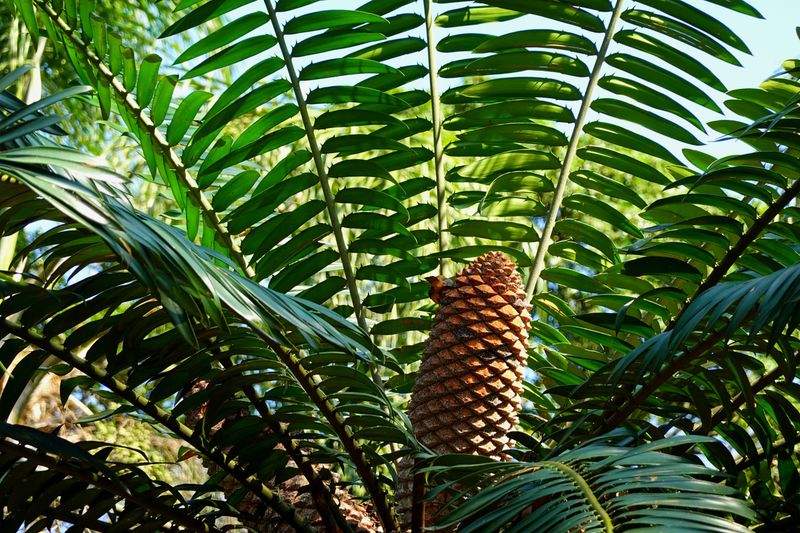
Coontie looks like a small palm and acts like a tank. This Florida native has been growing here for thousands of years, long before anyone was planting gardens or writing plant tags.
It’s a cycad, not a true palm, and that distinction matters. Cycads are among the oldest plant families on Earth, predating the dinosaurs. Your Florida summer is not going to rattle it.
Nursery staff recommend coontie to anyone who asks for a low-maintenance, drought-tolerant native. It checks every box. Full sun to full shade, sandy soil, salty air, poor drainage. Coontie handles all of it without complaint.
There’s also a wildlife bonus most people don’t expect. Coontie is the only larval host plant for the atala butterfly, a stunning species that saw sharp population declines when coontie disappeared from the landscape.
Planting it helps bring the atala back. Growth is slow but steady. Expect six to eight inches of spread per year. That patience pays off with a dense, architectural clump that looks polished without any pruning or shaping.
The plant produces bright red seeds in a central cone structure that adds another layer of visual interest. Birds occasionally eat the seeds, making coontie a quiet but meaningful wildlife resource in any yard.
No fertilizer is needed once established. Excess nitrogen actually causes problems, pushing soft growth that attracts pests. Leave it alone and it rewards you with consistent, trouble-free performance year after year.
What Florida nursery staff actually recommend when no one is watching often starts with coontie. It’s proof that native plants aren’t a compromise. They’re the smart choice.
7. Spanish Lavender Is The Variety That Handles Florida Best
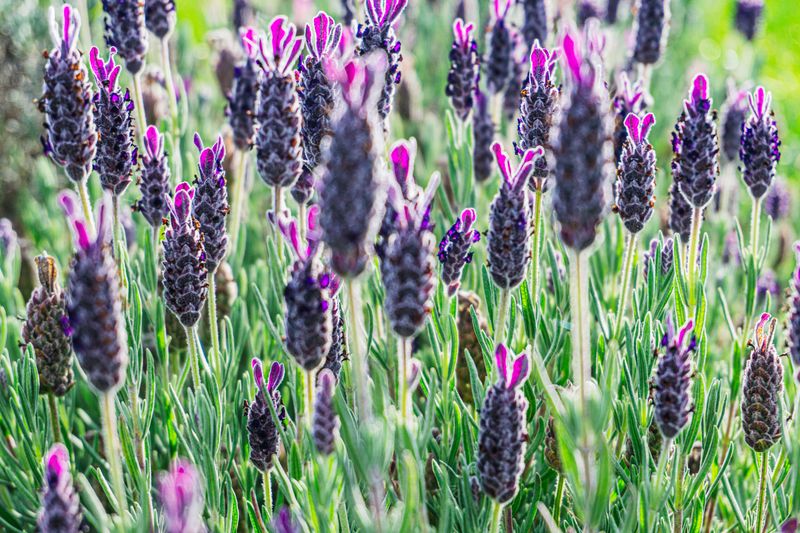
Lavender and Florida have a complicated relationship, since most varieties sulk in the humidity and rot at the roots before midsummer. Spanish lavender broke that pattern and earned a permanent spot in nursery staff recommendations.
The secret is in the structure. Spanish lavender has those distinctive rabbit-ear bracts on top of each flower spike. They look almost whimsical. More importantly, this variety tolerates heat and humidity far better than English or French types.
Drainage is the non-negotiable requirement. Plant it in raised beds, on slopes, or in containers with excellent drainage mix. Soggy roots are the fastest way to lose this plant, no matter how tough the variety.
Once sited correctly, Spanish lavender blooms spring through summer and often again in fall. The fragrance is strong and clean, somewhere between herbal and floral. Brush against it while walking by and the scent lingers on your skin for minutes.
Pollinators go absolutely wild for it. Bees treat Spanish lavender like a destination, not a quick stop. Planting several together creates a buzzing, fragrant border that looks intentional and feels alive.
Pruning after each bloom cycle keeps the plant compact and encourages repeat flowering. Cut back by about one-third after the blooms fade. Don’t cut into woody stems or the plant may struggle to recover.
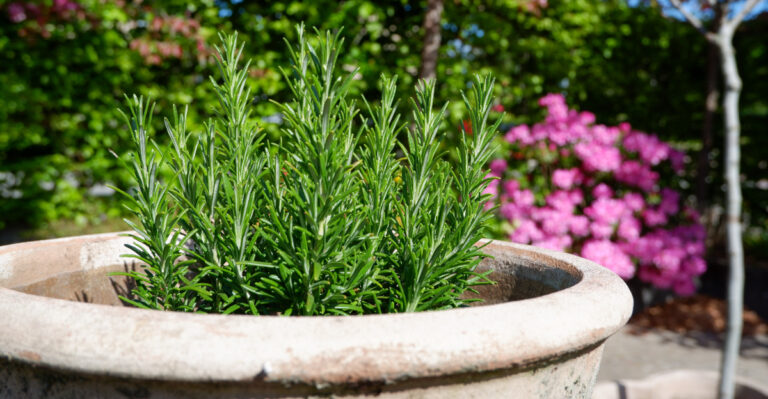
Nursery staff who grow herbs at home almost always have Spanish lavender in a container on their patio. It’s functional, fragrant, and forgiving enough to make anyone feel like they know what they’re doing.
In a state where lavender usually fails, finding one that thrives feels like discovering a cheat code for the garden.
8. Antique Roses Bring Old Varieties Back For A New Reason
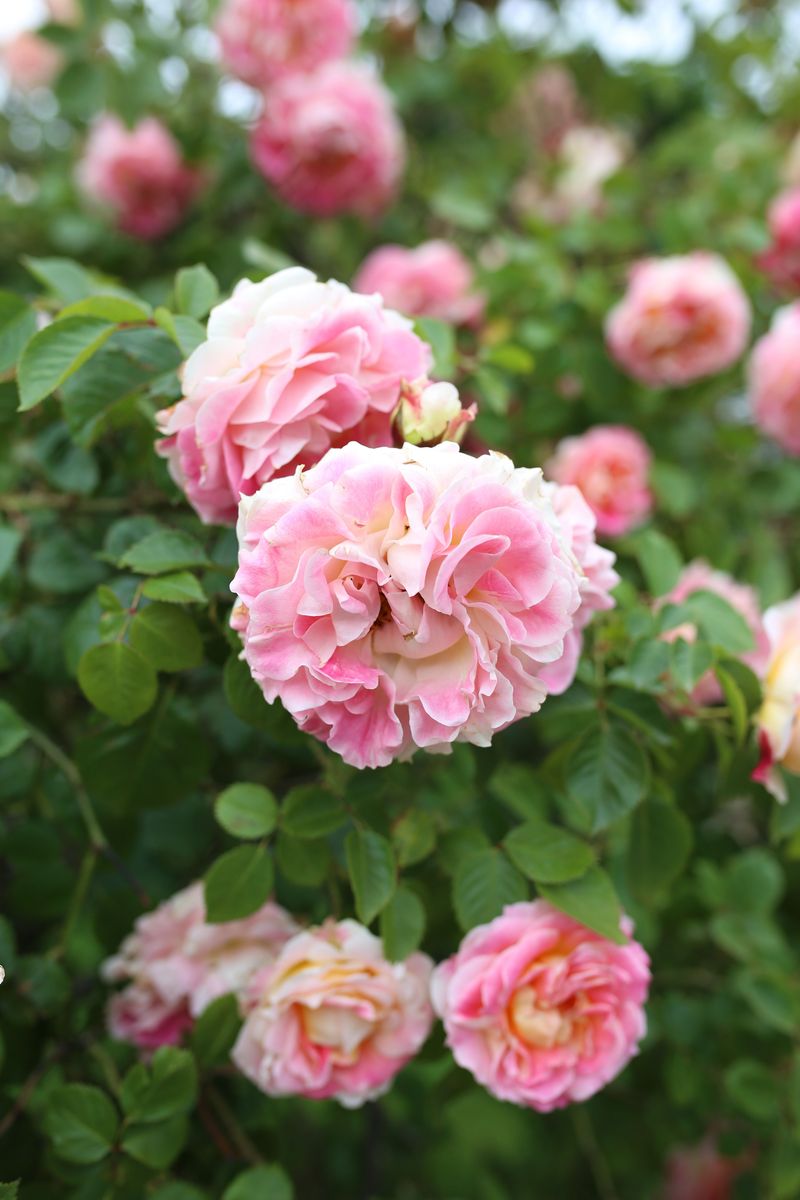
Modern roses are beautiful and frustrating in equal measure. They demand sprays, special soils, and constant monitoring. Antique roses, the ones bred before 1867, mostly just want sun and a little water. That difference changes everything.
Florida nursery staff who grow roses at home almost never grow modern hybrids, favoring old garden roses like Mutabilis, Louis Philippe, and Archduke Charles. These varieties were bred to survive, not just to look pretty in a catalog photo.
Heat resistance is the big advantage, since old roses adapted to tough outdoor conditions long before air conditioning or irrigation existed. Florida summers don’t shock them the way they shock modern cultivars.
Disease resistance is the other major selling point, as black spot and powdery mildew devastate modern roses in humid climates. Many antique varieties shrug those problems off without a single spray application.
Bloom cycles vary by variety. Some flower once a year in a spectacular flush. Others repeat throughout the warm season with consistent, reliable color. Ask nursery staff which habit fits your expectations before choosing a variety.
Fragrance is often richer in antique types. The old-fashioned scent that most people associate with roses comes from these heritage varieties, not from modern hybrids bred primarily for color and form.
Antique roses also root easily from cuttings, which means one plant can eventually fill a whole fence line. That kind of generosity from a plant feels rare and worth celebrating.
What Florida nursery staff actually recommend when no one is watching often ends here, with a rose that’s survived centuries and still has something beautiful left to offer.