Why Floridians Should Grow Rosemary Along Their Porch This August
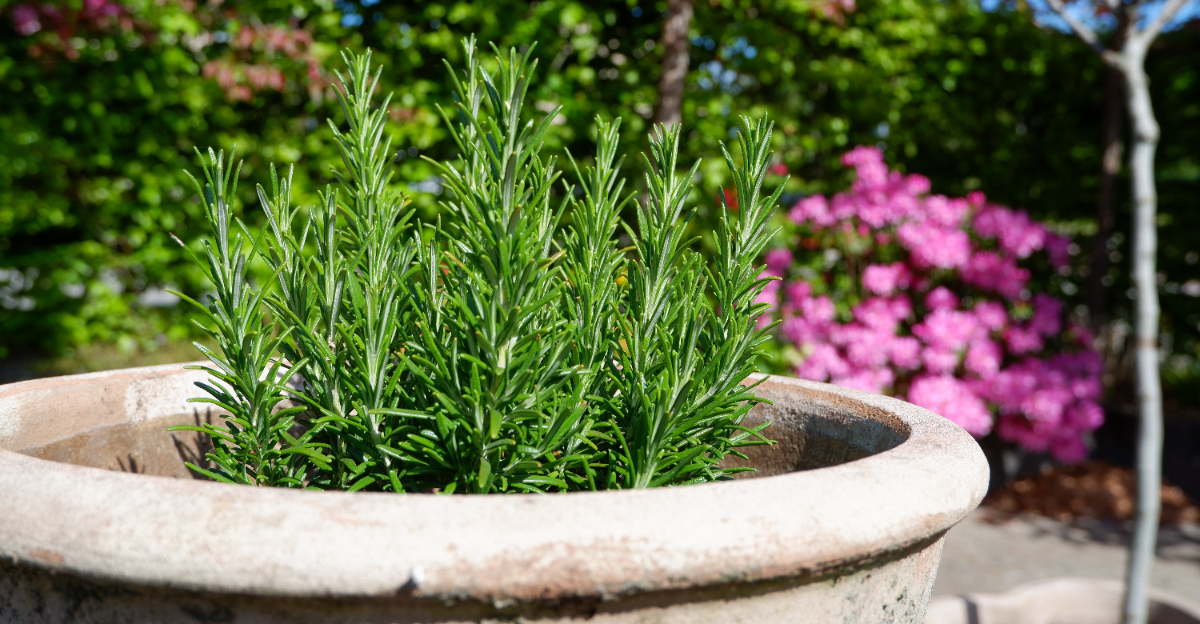
August is not the month most Florida gardeners think about adding anything to the porch. The heat is serious, the motivation is low, and the idea of planting something new feels like a project better saved for October when conditions become cooperative again.
Rosemary disagrees with that logic entirely. August is actually one of the better months to establish rosemary along a Florida porch.
The heat that discourages most plants is exactly what rosemary was built for. It roots fast in warm soil, establishes before the mild season arrives, and shows up to fall already settled and productive rather than still finding its footing.
What rosemary does for a Florida porch once it is established goes well beyond how it looks in a container. The scent alone changes the experience of being outside.
What it does to the insects that make that experience less enjoyable is worth knowing before October arrives and the planting window everyone is waiting for opens up.
1. Give Rosemary The Drainage It Craves
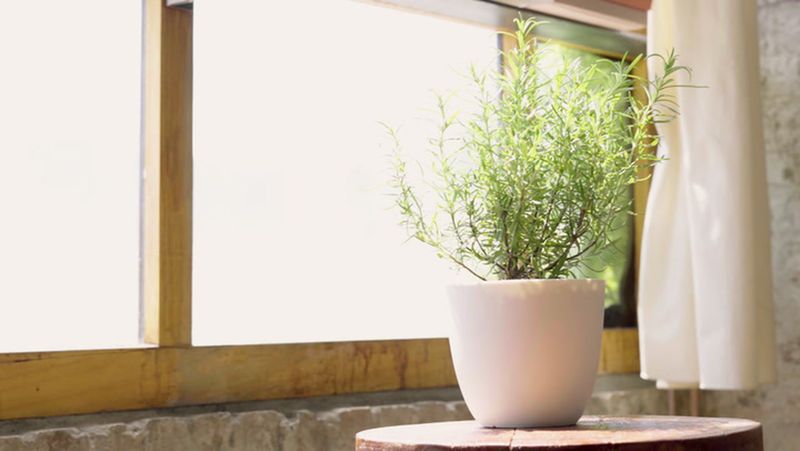
Water drains cleanly from a well-prepared pot after a heavy shower. That small detail matters more than almost anything else when growing rosemary through a rainy August.
The plant, known botanically as Salvia rosmarinus, performs best in a growing medium that releases excess moisture quickly. Saturated soil around the roots and crown can create conditions that weaken the stem base and cause foliage to yellow and drop.
A Florida porch edge, raised planter, or container on an elevated surface may offer better moisture control than a low garden bed that collects runoff. Even so, a covered location is not automatically safe.
Wind-driven rain can soak a container sitting near an open porch side, and roof runoff can drench one corner far more than expected.
Watch for these visible warning signs: water sitting in the saucer for several hours after a storm or a constantly damp potting mix. Also watch for soft or discolored tissue near the soil line, or foliage that turns pale and limp without obvious cause.
Each of these signs may have more than one explanation, but poor drainage is often a contributing factor.
Use a container with open drainage holes at the base, and choose a potting mix formulated for container herbs rather than dense garden soil. Avoid placing gravel at the bottom of the pot as a drainage substitute, since research does not support that practice.
Empty decorative outer pots after every rain so water cannot pool around the base unseen.
2. Keep Fragrant Sprigs Close To The Kitchen
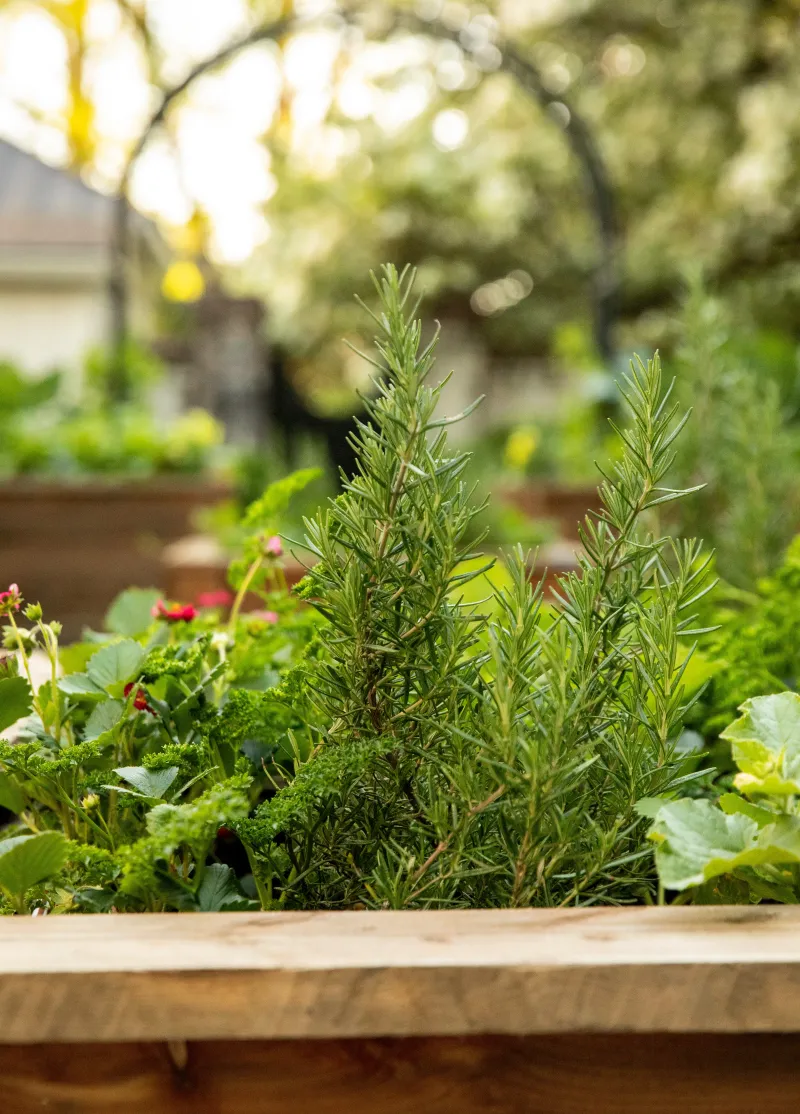
Reaching outside for a fresh sprig while a pan of roasted vegetables waits on the stove is deeply satisfying. It’s one of the best parts of keeping an edible herb near the kitchen door.
Proximity matters in a very practical way. When the walk to the garden is short, you are far more likely to take a small cutting regularly rather than harvesting a large bundle all at once.
Frequent, modest harvesting suits rosemary well and tends to keep the plant more productive than occasional heavy cutting. Common uses around the kitchen include seasoning roasted vegetables and flavoring breads and focaccia.
Your Florida Garden Changes Every Week. Your Plan Should Too.
Gardening in Florida changes quickly throughout the season. Every Friday you’ll receive a simple weekly plan showing exactly what to plant, prune, fertilize, harvest, and protect so you never miss the right timing.
It’s also great for building marinades for grilled meats and stirring chopped leaves into sauces. Keep the examples in mind, but do not feel limited to them; the herb pairs with many everyday dishes.
Before using any harvested sprig, confirm that the plant has not been treated with pesticides or other products that are not labeled for edible crops. Rinse each cutting under cool water before bringing it to the cutting board.
That step takes only seconds and removes dust, debris, and any surface residue.
Convenient placement also puts you in a position to notice problems early. A quick glance while grabbing a sprig can reveal dry soil, a cluster of insects on new growth, a broken stem, or standing water in a saucer.
Convenience should never override sunlight and airflow requirements, though; a shaded kitchen-door location that lacks direct light is not a suitable trade-off.
3. Let The Porch Shield It From Summer Downpours
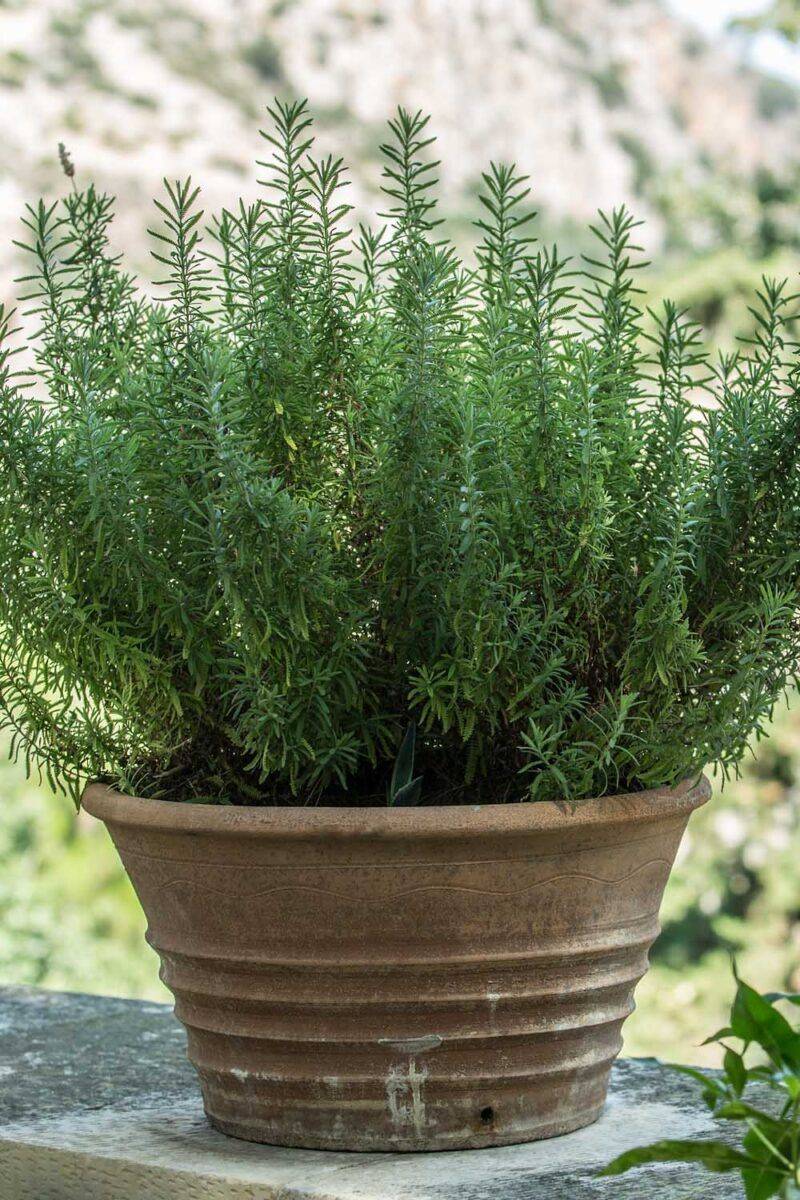
Rain hammering the edge of a Florida porch roof and spilling from a clogged gutter can soak a container sitting just a few inches in the wrong direction.
Partial shelter from a roof overhang may reduce how often your rosemary receives a thorough drenching during periods of intense summer rain.
That protection can be genuinely useful for a plant that prefers fast-draining conditions.
The goal is not to keep the soil completely dry. A sheltered position still needs regular attention because the potting mix will dry out between storms, especially on a warm, breezy day.
Check the mix by pressing a finger about an inch into the surface rather than watering on a fixed schedule. Water only when the top layer feels dry to the touch.
Observe your specific porch during an actual storm before committing to a spot. Roof runoff, overflowing gutters, and water dripping from a low awning can drench one corner of a porch far more than the rest.
A location that looks sheltered on a dry afternoon may behave very differently during a heavy downpour.
Airflow also matters in humid conditions. An enclosed porch with little air movement can trap damp air around the foliage for hours after rain, which may create stress over time.
A spot with open sides or consistent cross-ventilation is preferable. A sheltered porch with deep shade is not a suitable choice, even if it stays dry.
Insufficient light will weaken the plant regardless of how well the drainage performs.
4. Turn Brushing Past It Into An Aromatic Ritual
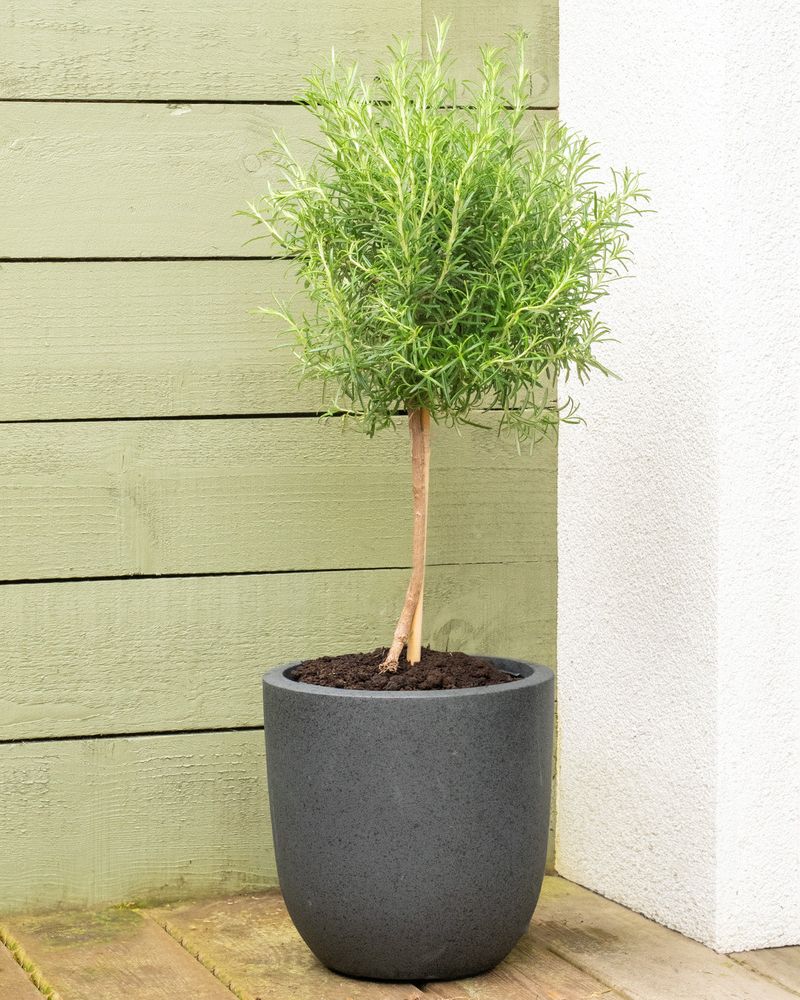
A sleeve or hand grazing the foliage as someone steps onto the porch releases a sharp, resinous scent that is hard to ignore.
Placing rosemary beside a Florida walkway, porch step, or seating area puts that sensory moment into a daily routine without requiring any extra effort.
Strategic positioning turns an ordinary trip outside into something noticeably pleasant.
Keep the language of expectation grounded, though. The intensity of the scent varies depending on cultivar, weather conditions, how much foliage is touched, and the overall health of the plant.
A stressed or waterlogged specimen may release far less fragrance than a vigorous, well-maintained one growing in a sunny, open spot.
Do not place the container where it blocks foot traffic or receives constant rough contact. Repeated breakage from people brushing too forcefully can leave stems uneven, stripped, or structurally weakened over time.
Position the pot close enough to brush lightly when passing but far enough from the main path that it does not become an obstacle.
Think through practical details before choosing the final spot. Pets may chew at low foliage, children may grab at stems, and narrow entrances may not leave enough clearance for a full-sized container.
Anyone with limited mobility should have an unobstructed path. The scent is a genuine pleasure, but it works best when the placement also makes physical sense for everyone who uses that entrance regularly.
5. Add Evergreen Texture Without Crowding The Entry
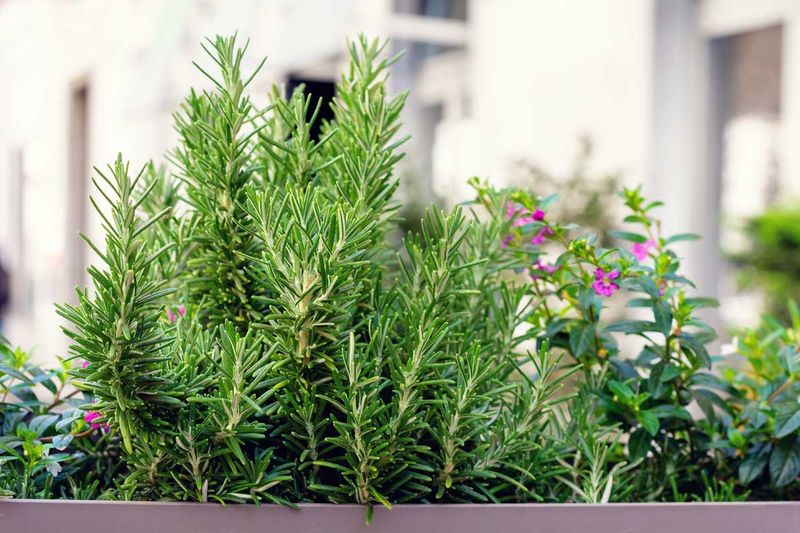
Narrow, needle-like foliage standing upright beside a porch entrance creates a clean visual contrast against painted wood, stucco, or brick. It does this without requiring the maintenance that flowering annuals demand.
Rosemary holds its foliage year-round in most parts of Florida. This means it contributes texture to the entry even during months when other plants have slowed or faded.
Growth habit varies meaningfully between cultivars. Upright types, such as those that grow tall and columnar, tend to suit a narrow space beside a doorway.
Trailing or prostrate forms spread outward and downward, making them a better match for a raised ledge, wide planter, or low wall where horizontal spread is welcome.
Check the expected mature size of any cultivar before buying, since some upright types can eventually reach four feet or more in height and spread.
Allow enough room around the container for air to move freely and for you to access the plant easily for watering and light trimming.
A pot that crowds a railing, narrows a step, blocks a screen door, or sits directly in a walking path becomes a hazard rather than an asset.
Safety and function should come before symmetry.
Pair the container with a pot color or material that makes the dark foliage easy to see. Light-colored terracotta or pale stone-finish resin can make the green stand out clearly.
Do not expect the plant to hold a tidy shape without occasional light pruning, since natural growth will eventually become uneven without any attention.
6. Choose Containers That Handle August Humidity
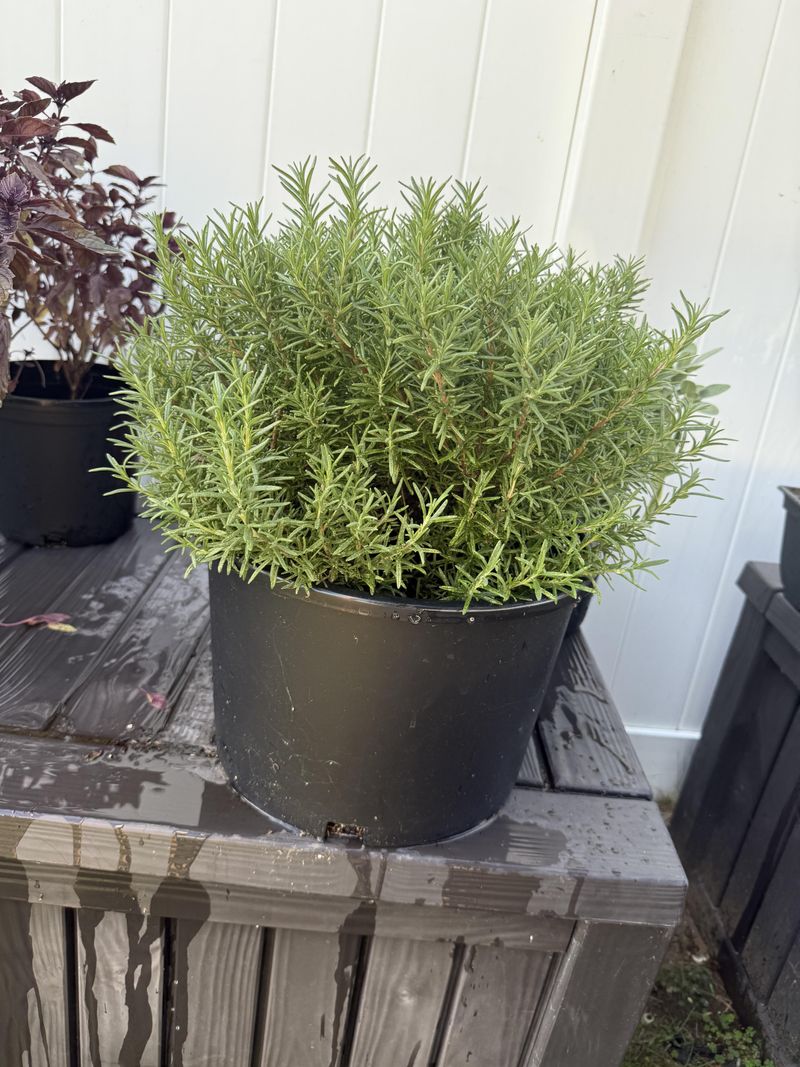
Set a terracotta pot and a dark plastic pot side by side after a humid, rainy week and you will notice a clear difference in how each one feels.
The terracotta may show dried salt deposits on the outside and feel lighter when lifted, while the plastic pot may still feel heavy with retained moisture.
Neither material is universally better; each behaves differently depending on weather, porch exposure, and how often you check the soil.
Drainage holes are non-negotiable. A container without working openings at the base will hold water around the roots no matter how well the potting mix was chosen.
If a decorative pot lacks holes, use it only as a sleeve around a plain nursery pot that does drain. Remove the inner pot after watering so it does not sit in collected water.
Pot size affects more than just aesthetics. A very small container dries out quickly in August heat, which may require daily watering checks.
An oversized pot holds more moisture and may stay wet longer than the plant prefers, particularly during a stretch of frequent rain. Choose a size that fits the plant’s current root system with moderate room to grow.
Consider the weight of the filled container and the strength of your porch surface before settling on a large, heavy option. Wind can tip lightweight pots on an exposed porch, so low, wide shapes or heavier materials may offer more stability.
Always use a high-quality, well-draining container mix rather than yard soil, which compacts in pots and drains poorly.
7. Harvest New Growth Without Stripping The Plant
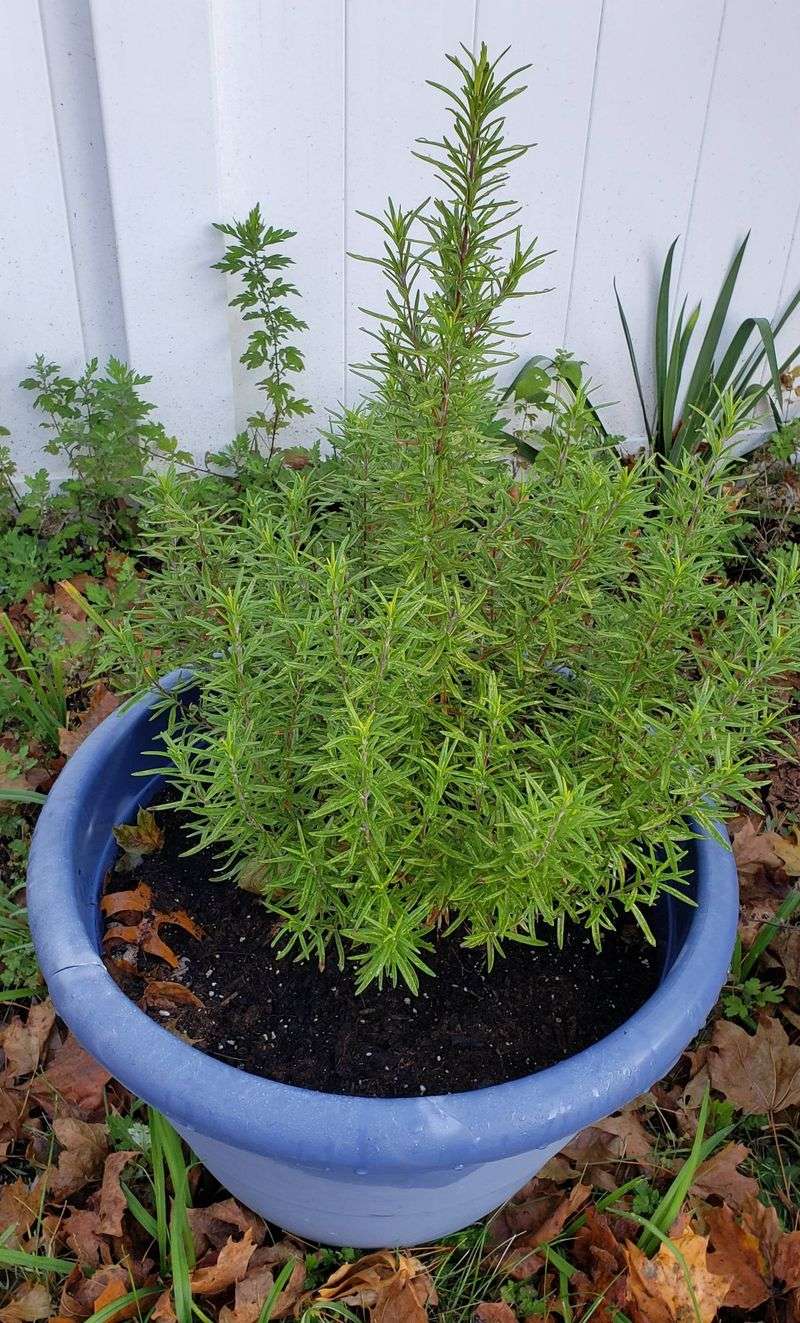
Clean scissors approaching a fresh stem tip is the right image to hold in mind when harvesting rosemary. Sharp, clean cutting tools make a smoother cut than dull blades, which can crush tissue and leave ragged edges that take longer to recover.
Wipe blades with a clean cloth before moving between plants to avoid transferring any residue.
Take small sprigs from the tips of actively growing stems rather than cutting deep into older, woody sections. New growth near the top and outer edges of the plant is the most productive area to target.
Cutting back into bare, woody stems may not produce the same regrowth response as trimming younger, leafy growth. That’s according to established horticultural guidance on woody herbs.
Spread your cuts around the whole plant rather than taking everything from one side. Removing foliage unevenly can leave the plant lopsided and may expose inner stems to more direct sun or rain than they previously received.
A balanced approach keeps the shape more uniform and reduces stress on any single section.
Avoid heavy harvesting when the plant is newly potted, visibly stressed, waterlogged, or showing weak growth. A struggling specimen needs its foliage to recover, not lose more.
Flowering stems are generally still usable in cooking, though personal preference and the recipe at hand will guide that choice.
Do not harvest heavily during periods of extreme heat, and keep each session light so the plant retains enough foliage to continue growing steadily.
8. Carry Healthy Rosemary Into The Cooler Season
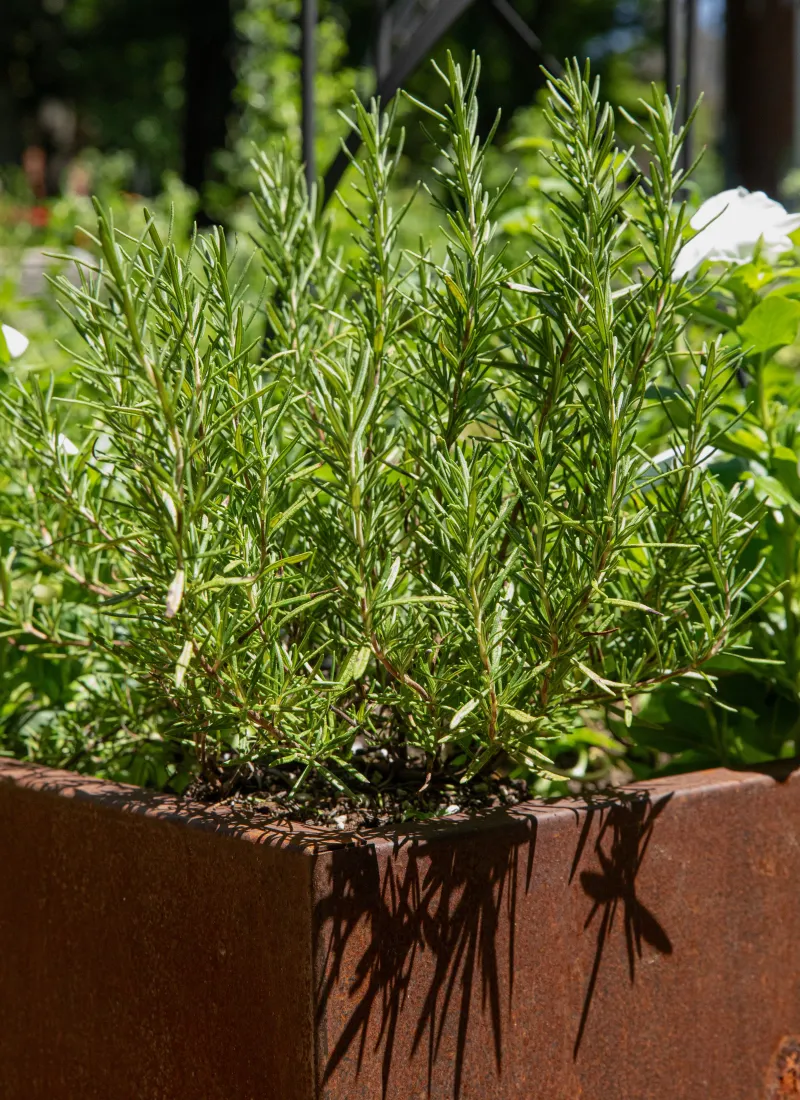
A subtle shift in the air near the end of August, a morning that feels a few degrees cooler than the weeks before, is worth noticing. It signals a good moment to assess how your rosemary has handled the season.
Late summer is a practical time to check drainage performance, root space, overall plant shape, and whether the potting mix still releases water freely. Address small problems now rather than carrying them into fall.
Watering decisions should follow soil moisture rather than the calendar. As rainfall patterns shift and temperatures gradually ease, the mix may stay moist longer between events.
Pressing a finger into the top inch of the mix before reaching for the watering can remains the most reliable method throughout the year.
Fertilizer needs for rosemary are generally modest. Excessive feeding can encourage soft, weak growth that struggles under stress.
If you choose to feed, follow guidance suited to container herbs rather than applying a general schedule without context.
Winter temperatures vary considerably across the state. In northern areas, an unusually cold night can stress or damage rosemary that has been growing in a container on an exposed porch.
Moving the pot to a sheltered spot during a cold event is a reasonable precaution when local forecasts call for temperatures that drop well below freezing. In-ground plants and container-grown specimens respond differently to cold, so treat them accordingly.
Before cooler weather settles in, inspect for root crowding, damaged stems, insect activity, and any drainage issues that developed over the summer.
A porch location earns its place only when the conditions genuinely suit the plant, not simply because the spot looks attractive from the street.