Why Michigan Apple Leaves Drop Early In Late Summer Even When The Tree Still Has Fruit
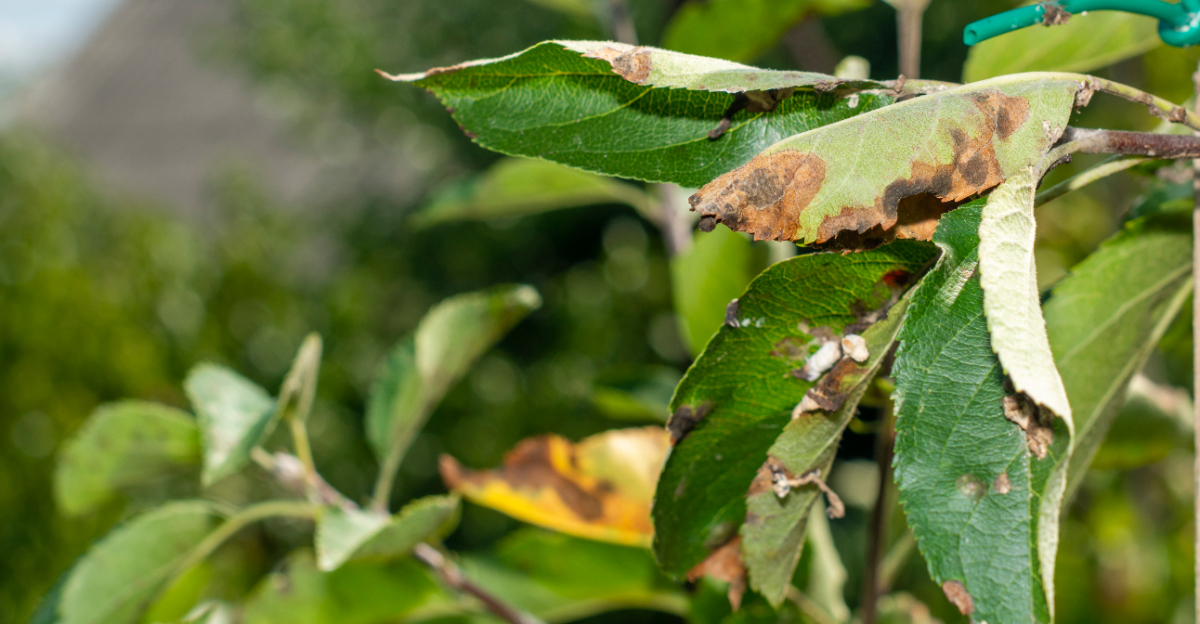
Apple trees dropping leaves early in late summer often confuses Michigan gardeners, especially when fruit is still visibly present and developing.
This response is frequently the tree’s way of conserving energy, redirecting resources toward ripening fruit rather than maintaining a full canopy.
Fungal diseases like apple scab can also cause premature leaf drop, often starting with spotted or discolored leaves before they fall. Drought stress earlier in the season sometimes triggers this response later, even after conditions improve.
Checking fallen leaves for spots, holes, or unusual discoloration helps determine whether disease is playing a role. Removing dropped leaves promptly reduces the chance of fungal spores lingering in the soil through winter.
Consistent watering during dry stretches supports overall tree health throughout the rest of the season. In many cases, this early drop is simply the tree prioritizing its fruit.
1. Apple Scab Is The Most Common Explanation
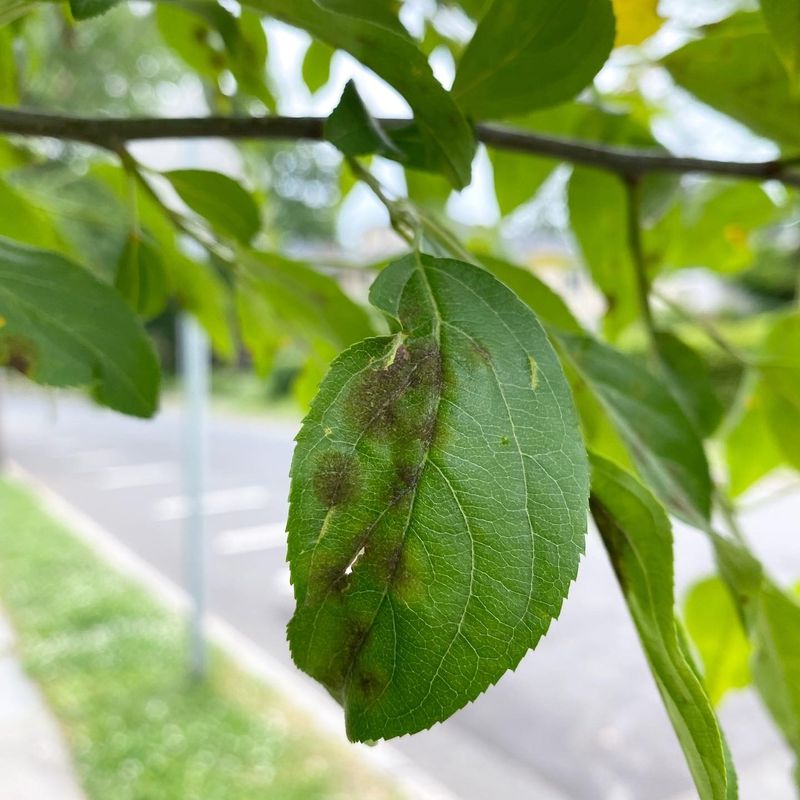
Few things catch a Michigan gardener off guard quite like a tree full of fruit sitting above a carpet of fallen leaves. Apple scab, caused by the fungus Venturia inaequalis, is the single most common reason this happens during July and August.
It targets the leaves aggressively while the apples may show only mild symptoms or none at all, which makes the situation confusing at first glance.
Heavily infected leaves go through a noticeable progression. They begin showing spots, then turn yellow, curl inward, shrivel up, and eventually fall from the tree well before autumn arrives.
The fungus works through the leaf tissue in a way that disrupts normal function, causing the tree to shed foliage it can no longer support.
What throws many people off is the assumption that healthy-looking fruit means the tree is fine overall. That is not always accurate.
Leaves and individual apples can experience very different levels of infection depending on their position in the canopy, their age, and how much moisture they were exposed to during key infection windows.
Apple scab does not always make fruit fall early, which is exactly why you might see a tree that looks bare from the middle down but still holds a decent crop up top.
Recognizing apple scab as the likely culprit is the first step toward managing it properly in future seasons. Knowing what to look for on the leaves themselves is where the identification process really begins.
2. Olive Green Leaf Spots Often Appear Before The Leaves Fall
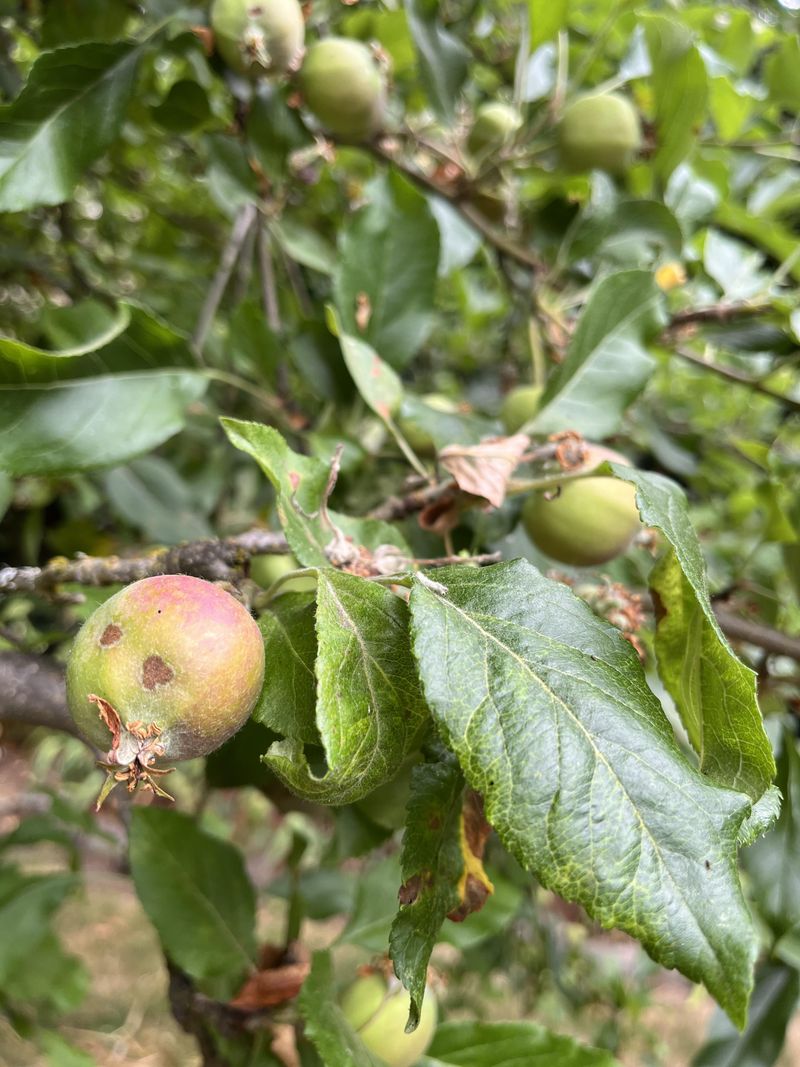
Before a leaf actually falls, it usually tells a story. With apple scab, that story starts with soft-looking spots in shades of olive green or murky brown, often with edges that look feathery or uneven rather than sharply defined.
These spots are easy to overlook early on, especially when you are not specifically checking for them.
As the infection moves forward, those spots darken and grow larger. Over time, neighboring spots can merge together, covering a significant portion of the leaf surface.
At that stage, the leaf is struggling to photosynthesize effectively, and the tree begins the process of cutting it loose.
Your Michigan Garden Changes Every Week. Your Plan Should Too.
Gardening in Michigan changes quickly throughout the season. Every Friday you’ll receive a simple weekly plan showing exactly what to plant, prune, fertilize, harvest, and protect so you never miss the right timing.
One helpful clue that separates apple scab from normal seasonal aging is the yellowing that typically surrounds the spots before the leaf drops.
Ordinary fall color change tends to progress more evenly across the whole leaf, while scab-related yellowing often starts around the infected patches and spreads outward from there. That yellow halo effect is worth paying attention to.
Catching these signs early in the season gives you the best shot at slowing the spread before too many leaves are affected.
By the time midsummer rolls around and leaves are already on the ground, the infection has usually been active for weeks.
Training yourself to check the undersides and surfaces of leaves during late spring and early summer can make a real difference in how you manage the situation going forward each year.
3. Wet Spring Weather Can Start A Late Summer Problem
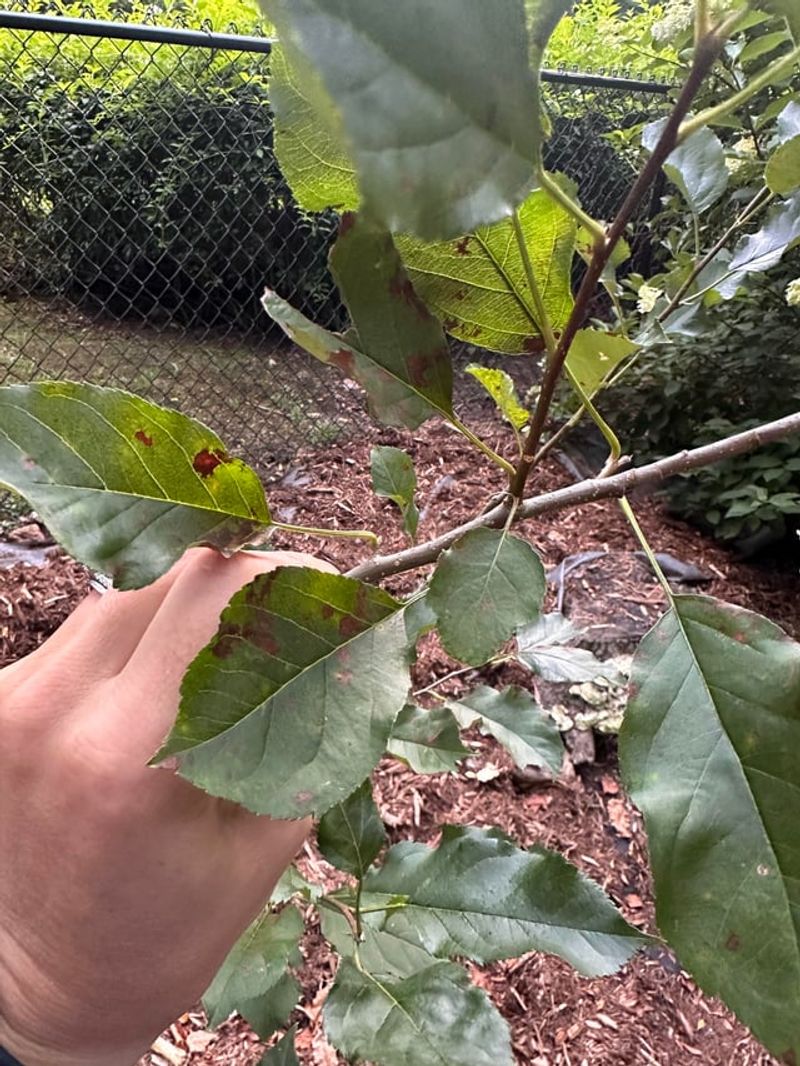
It might seem strange that something happening in April or May could show up as a big leaf drop problem in August, but that is exactly how apple scab tends to work.
The infection cycle begins in spring, when spores from infected leaves that fell the previous year get released and travel to newly opening foliage, flowers, and young fruit.
All it takes is several consecutive hours of wet leaf surfaces for the fungus to gain a foothold. Michigan springs are notoriously wet and unpredictable, which makes the state a particularly challenging environment for apple trees.
A stretch of rainy days right when buds are breaking open creates nearly perfect conditions for early infection.
The spores land, the moisture keeps the leaf surface wet long enough, and the infection quietly begins.
Here is the part that surprises many people: the damage from that spring infection does not always become visible right away. The fungus can develop slowly inside the leaf tissue for weeks before symptoms appear on the surface.
By the time you notice olive green spots or early leaf drop in July or August, the original infection may have occurred two or three months earlier.
This delayed timeline is one of the main reasons apple scab catches gardeners off guard in late summer. There is no visible problem in spring, so nothing seems wrong until the leaves start falling mid-season.
Understanding this timing is essential for putting together an effective prevention plan before the next growing season begins.
4. Summer Rain Can Continue Spreading Apple Scab
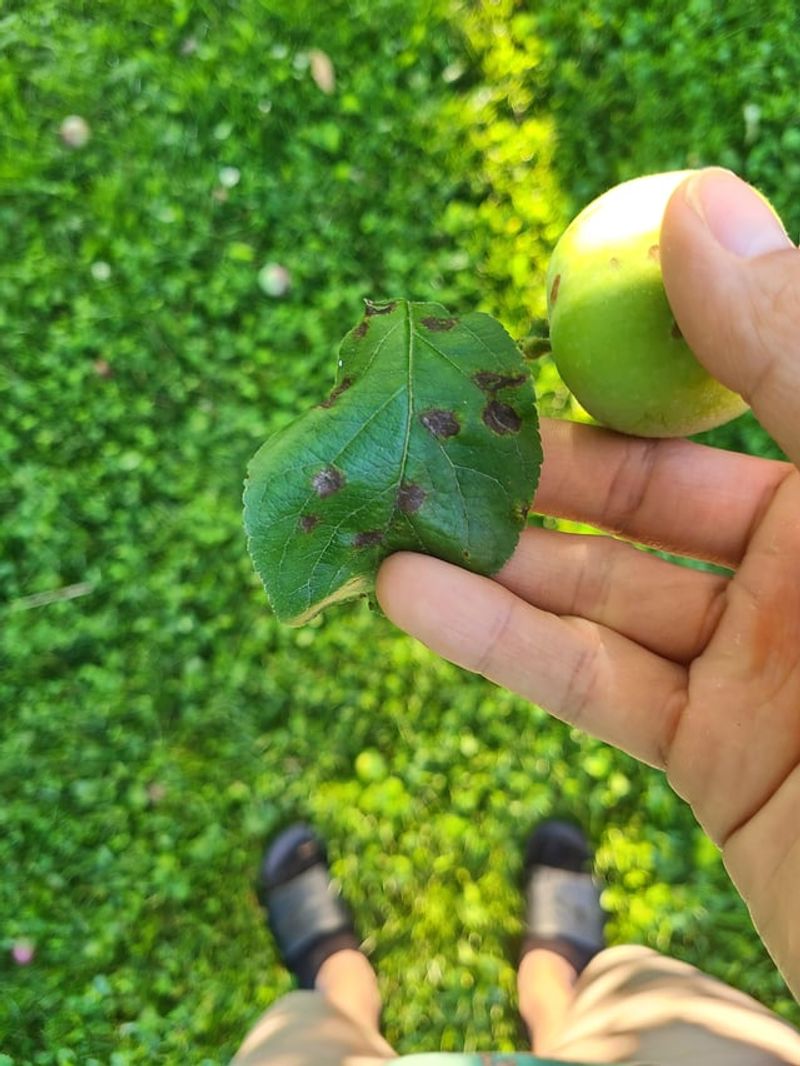
Spring might be where apple scab gets its start, but summer rain keeps the problem alive and growing.
Once a tree has active scab lesions on its leaves, those spots are capable of producing a second type of spore that spreads through splashing water, wind-driven moisture, and even overhead irrigation.
Every rainy period becomes another opportunity for the fungus to move to new leaves.
Michigan summers can bring stretches of warm, humid weather with frequent afternoon storms, and that pattern creates multiple infection cycles within a single growing season.
Each new cycle adds more infected leaves, and as more leaves drop, the tree loses more of its ability to produce energy through photosynthesis.
A tree that started summer with a minor infection can look quite bare by late August if conditions stay favorable for the fungus.
Trees with thick, dense canopies face an extra challenge because the leaves dry out much more slowly after rain. Moisture lingers in shaded interior sections, giving the fungus a longer window to infect new tissue.
The same problem occurs when sprinklers regularly wet the foliage rather than watering at the base of the tree.
Paying attention to canopy density and irrigation habits can make a measurable difference. Thinning out crowded branches during the appropriate dormant period improves airflow and helps leaves dry faster after wet weather.
Switching to drip irrigation or watering at ground level rather than overhead also reduces how long leaves stay wet, which directly limits how many infection cycles the fungus can complete during the season.
5. Apples Can Remain Attached After Infected Leaves Fall
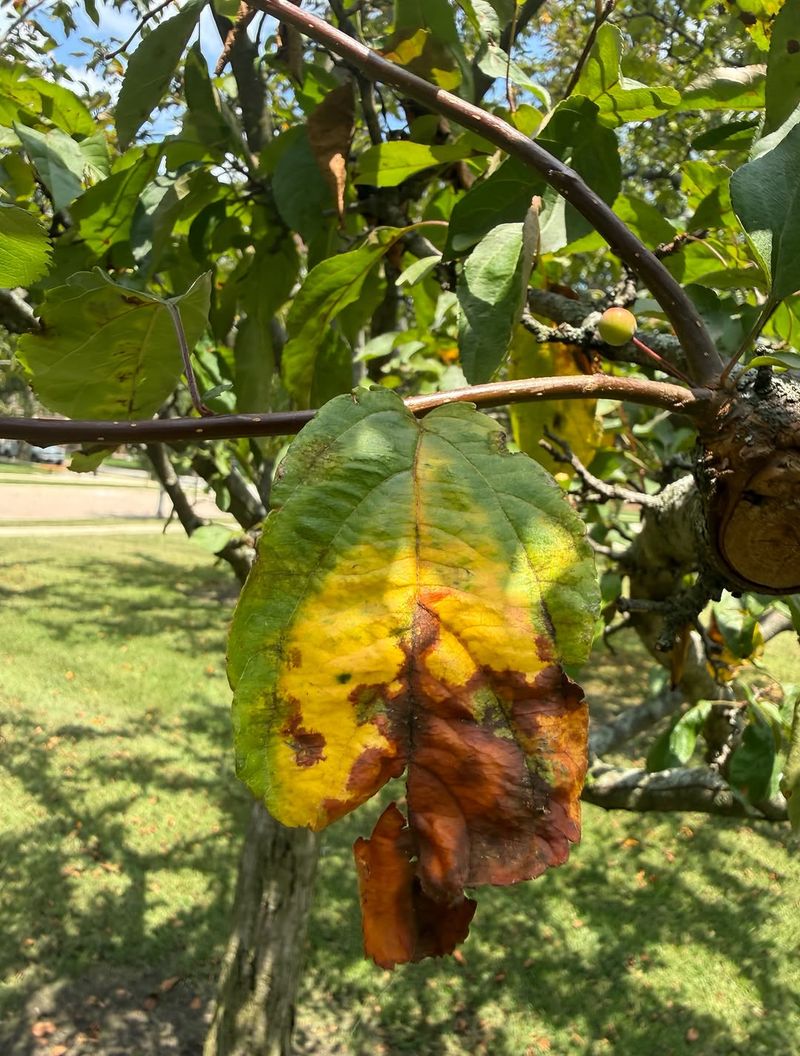
Watching leaves pile up beneath a tree that still holds a full crop of apples is one of the more puzzling sights in a Michigan backyard orchard. The reason this happens comes down to how apple scab affects different parts of the tree.
Leaves and fruit are separate targets, and the fungus does not always hit both with equal intensity at the same time.
A tree can shed most of its foliage due to heavy leaf infection while the apples hang on with only minor visible symptoms or none at all. This does not mean the fruit is problem-free.
Take a close look at the skin of the apples and watch for dark olive-colored spots, rough or corky patches on the surface, cracking along those areas, or uneven development where one side looks different from the other.
Fruit that shows scab symptoms early in the season tends to develop more noticeable surface damage by harvest time.
The corky patches form as the apple tissue responds to the fungal infection, and while the fruit may still be edible in many cases, the quality and appearance are affected. Cracking can also allow secondary issues to enter through the damaged skin.
Never assume the apples are perfectly healthy simply because they stayed on the tree. Inspecting the fruit carefully and honestly gives you a much clearer picture of what you are working with.
Understanding the full scope of the infection, both on the leaves and on the fruit, helps you make smarter decisions about the crop and about how to approach next season.
6. Michigan Drought Stress Can Produce Similar Leaf Loss
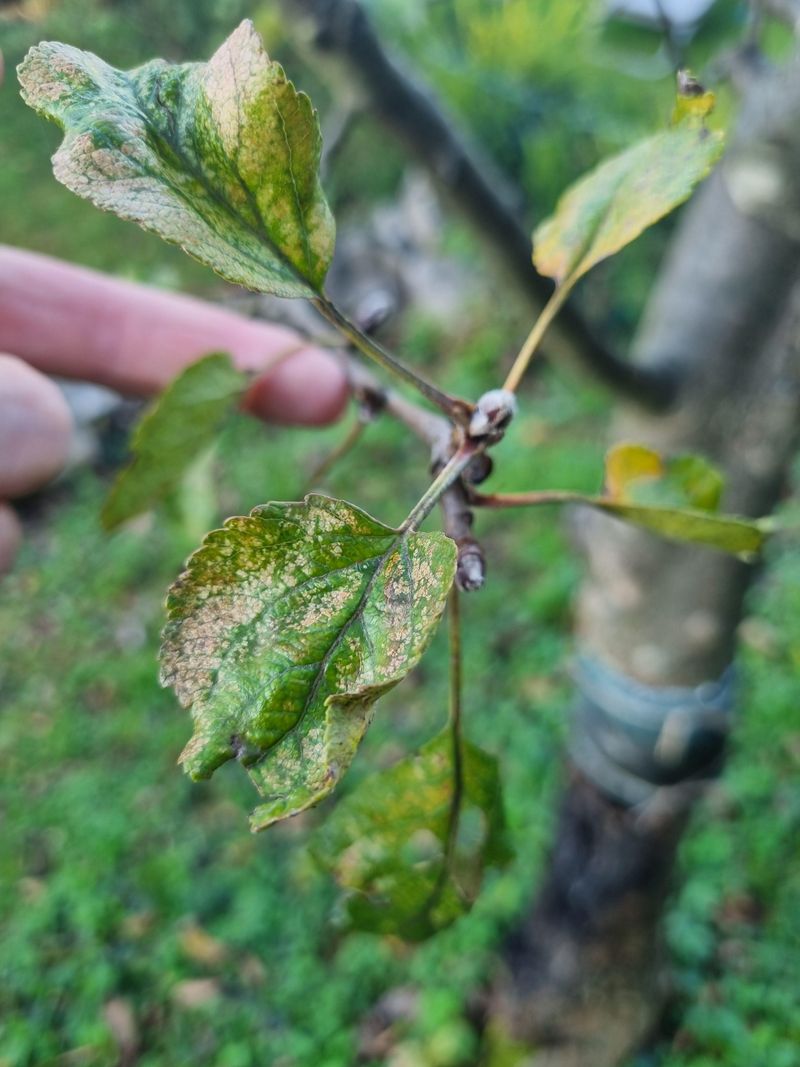
Not every early leaf drop on a Michigan apple tree traces back to a fungal infection. During hot, dry stretches of summer, heat and limited soil moisture can push a tree to shed leaves as a survival response.
The tree essentially reduces its surface area to slow down water loss, and leaves are the first thing to go. Drought stress looks a little different from apple scab once you know what to check.
Instead of olive green or brown fungal spots, drought-stressed leaves tend to curl inward, develop browning along the edges, and sometimes shift color earlier than expected.
The leaf drop that follows does not come with the characteristic spotting pattern that scab produces, which makes the cause easier to separate if you examine the fallen leaves carefully.
Certain trees are more vulnerable to moisture stress than others. Recently planted trees that have not yet developed deep root systems struggle most during dry periods because their roots cannot reach moisture stored deeper in the soil.
Trees growing in sandy Michigan soils face the same problem since sandy ground drains quickly and holds less water overall.
Trees carrying a heavy fruit load also experience greater stress because producing and sizing fruit demands a lot of water.
Consistent, deep watering during dry spells goes a long way toward preventing stress-related leaf drop. Watering slowly at the base of the tree, allowing moisture to soak down rather than run off, encourages roots to grow deeper over time.
A layer of mulch around the base of the tree also helps the soil hold onto moisture between watering sessions.
7. Orange Spots May Point To Cedar Apple Rust
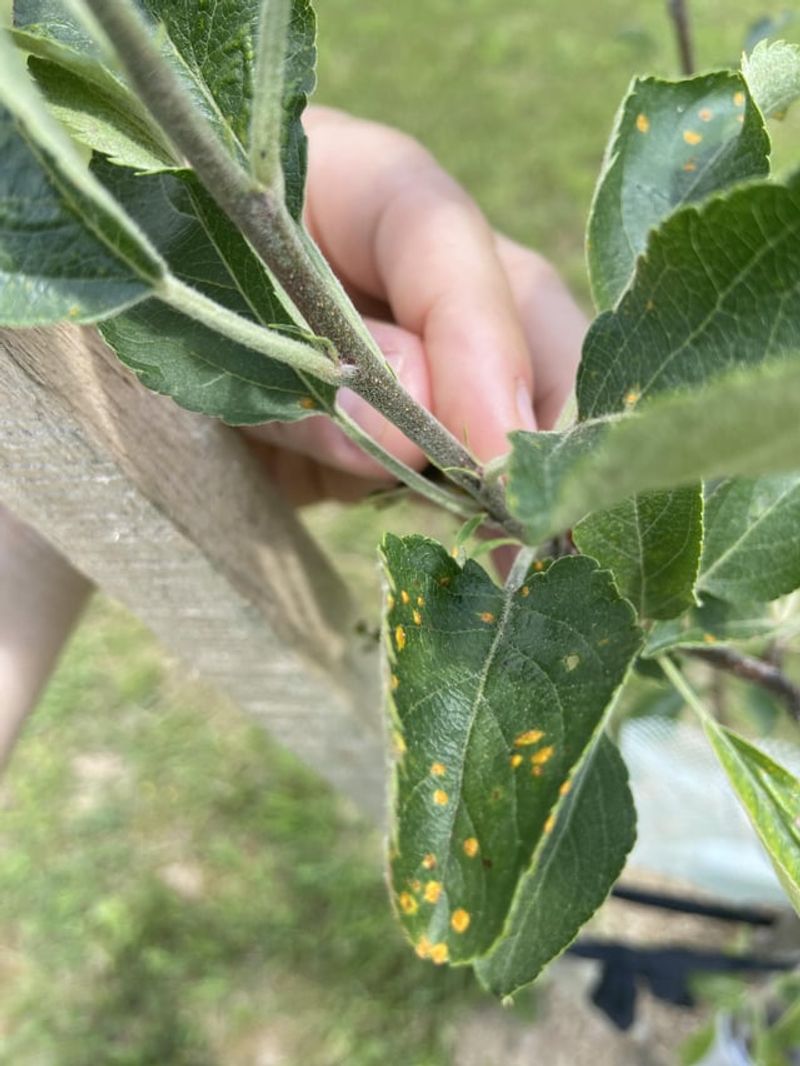
Bright yellow or orange spots on apple leaves grab attention fast, and they should, because they usually point to a different fungal problem than apple scab.
Cedar apple rust, caused by Gymnosporangium juniperi-virginianae, creates vivid yellow-orange circular spots on the upper surface of apple leaves, sometimes with small tube-like structures forming on the underside as the infection matures.
What makes cedar apple rust genuinely fascinating from a biology standpoint is that it requires two completely different host plants to complete its life cycle.
The fungus spends part of its cycle on apple or crabapple trees and the other part on junipers or Eastern red cedars.
If you have both types of plants growing near each other, the conditions for infection are already in place. The rust-colored galls that form on junipers in early spring release spores that travel to nearby apple trees.
Severe infections can cause premature leaf drop, particularly on young or heavily infected trees. The spots weaken the leaf tissue over time, and heavily affected leaves may fall before the season ends.
However, cedar apple rust is generally less likely than apple scab to cause the widespread midsummer leaf loss that Michigan growers commonly see.
When you spot orange rather than olive green lesions, the likely cause shifts from scab to rust.
Both problems benefit from similar preventive strategies, including good airflow, appropriate fungicide timing in spring, and choosing resistant apple varieties.
Accurately identifying which fungus you are dealing with helps you select the most relevant management approach for the following season.
8. Current Leaf Loss Is Managed Mainly Through Future Prevention
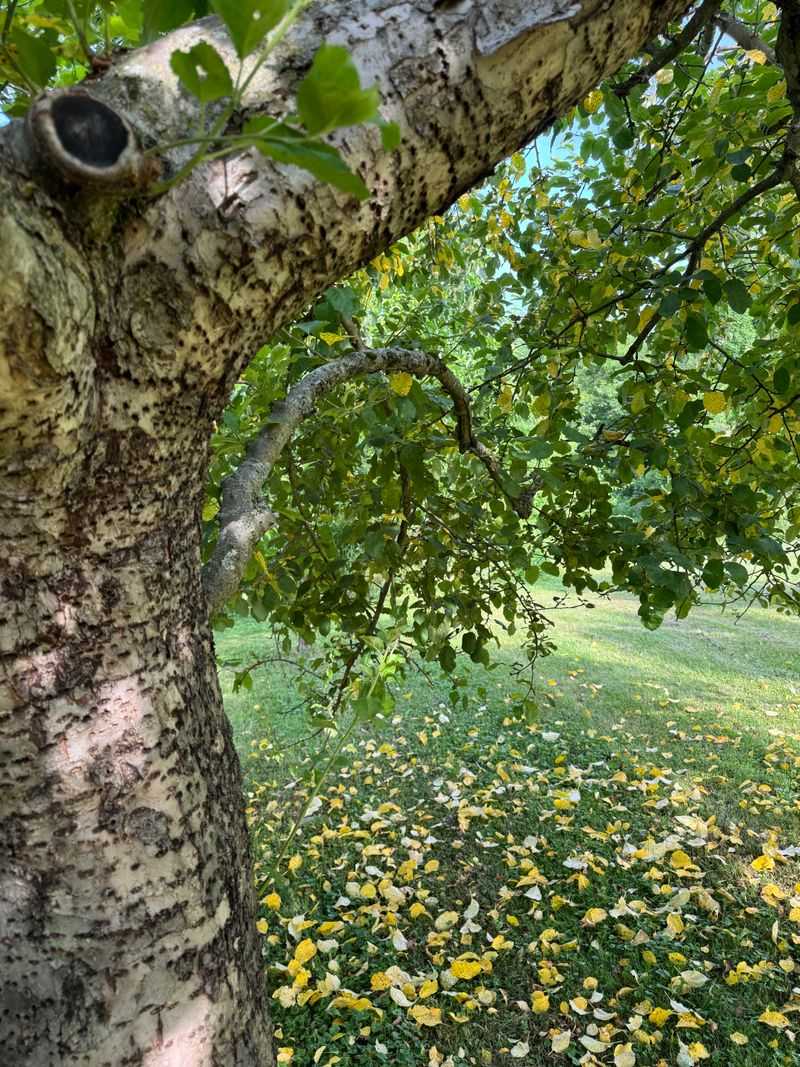
Once the leaves are on the ground and midsummer has passed, the realistic focus shifts away from fixing what already happened and toward building a better outcome for next year.
Fungicide treatments applied after significant leaf drop and visible scab symptoms appear cannot bring back the foliage that already fell. The window for protective sprays is in the spring, not in August.
One of the most effective things you can do right now is manage the fallen leaves. Raking them up and removing them from the area reduces the amount of fungal material that can overwinter and release spores next spring.
If full removal is not practical, chopping the leaves finely with a mower can speed up decomposition and reduce the number of viable spores that survive through winter.
Pruning during the appropriate dormant period, typically late winter before new growth begins, improves airflow through the canopy.
Better air circulation means leaves dry faster after rain, which shortens the infection window for apple scab spores.
Thinning crowded branches also allows sunlight to reach interior foliage, which further reduces the damp conditions the fungus favors.
For gardeners who want to use a protective product, timing is everything. Preventive fungicide applications need to begin around the time buds start opening in spring, not after symptoms appear months later.
Any product applied to an edible apple tree must specifically list apples on the label. Choosing apple varieties bred with stronger scab resistance is another long-term strategy worth exploring when you are ready to plant new trees or replace older ones.