The One Thing Michigan Rhododendrons Need In September Or They Won’t Bloom Next Spring
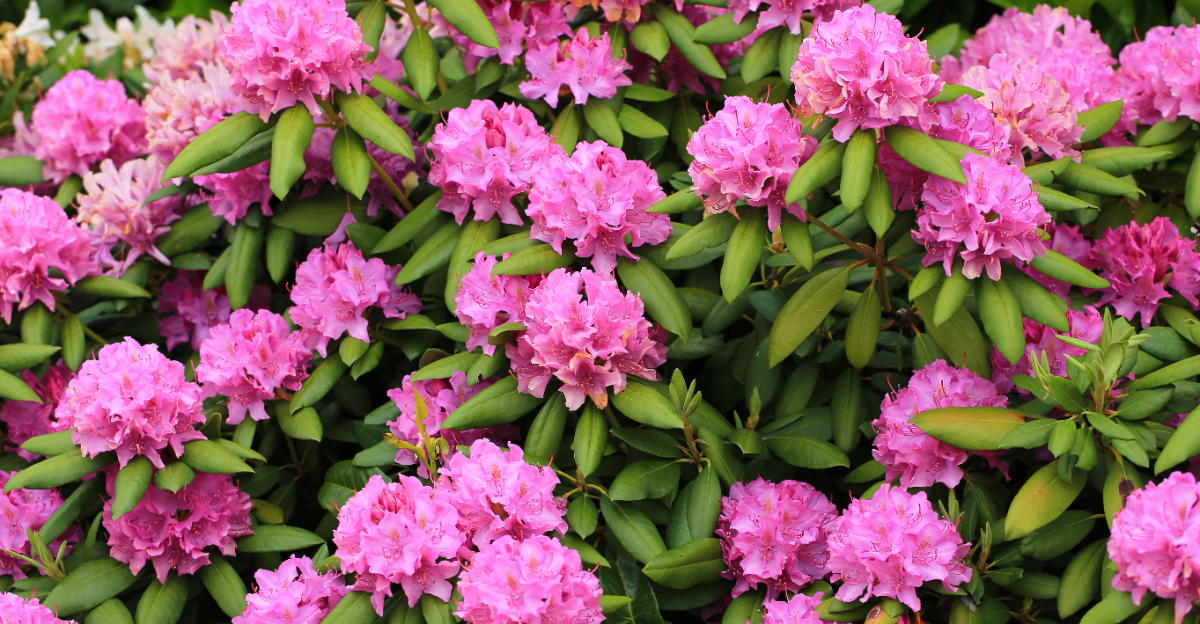
Rhododendrons often get left alone once summer winds down, with most gardeners assuming there’s nothing left to do until spring rolls back around.
But skipping one specific task in September could mean a noticeably disappointing bloom the following year, even on an otherwise healthy looking shrub.
This step has nothing to do with fertilizer or pruning, and everything to do with something most people simply forget to check. Understanding what rhododendrons actually need this time of year changes how you approach the rest of your fall garden routine.
Many gardeners only discover this requirement after a spring with far fewer blooms than expected. Once you know what to look for, this task takes only a few minutes to complete.
Getting this right now could be the difference between a rhododendron covered in flowers and one that barely blooms next spring.
1. Give Them Deep Water
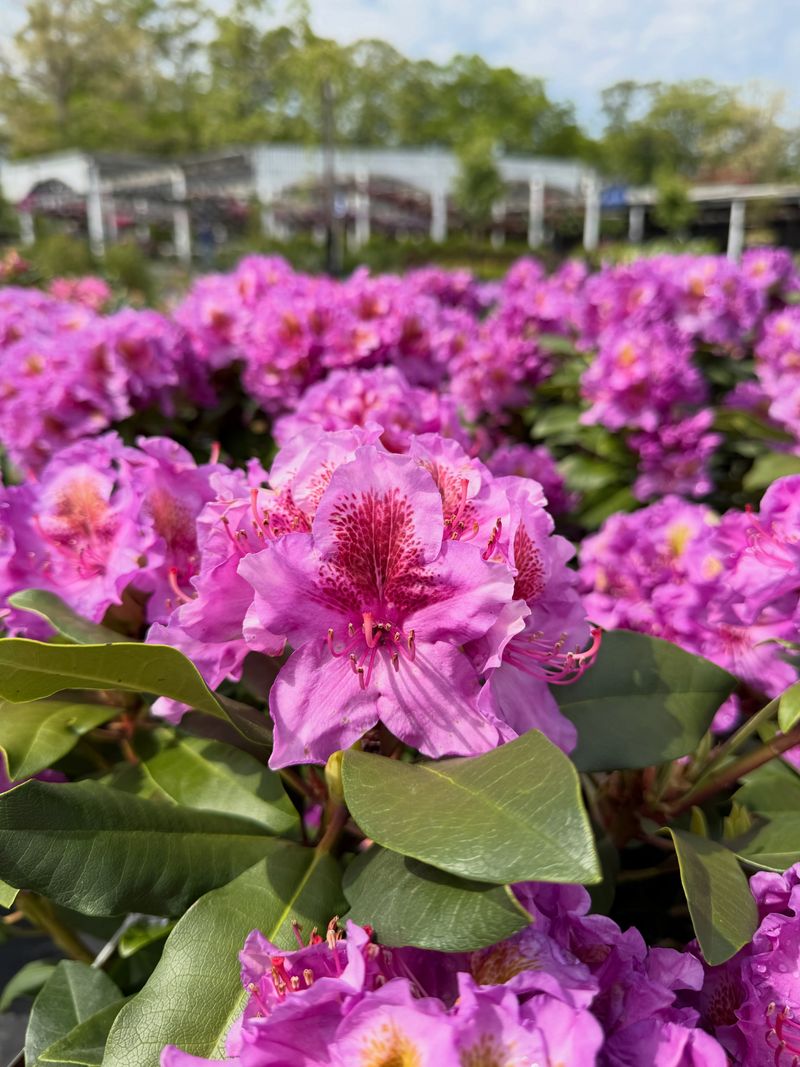
Water is the secret weapon for rhododendrons in September, and most people underestimate just how thirsty these shrubs really are. Their roots sit close to the surface, so they lose moisture fast when the weather stays dry.
A deep soaking once or twice a week works far better than a quick sprinkle. Slow watering lets moisture sink down into the soil where the roots can actually reach it.
Aim to keep the ground damp but never soggy, since standing water can harm those shallow roots.
Here is why this matters so much. During fall, rhododendrons are quietly building the flower buds that will open next spring.
A plant that stays hydrated has the energy to finish that job. A thirsty plant may drop buds or form weak ones that never bloom.
You can check the soil with your finger. If the top couple of inches feel dry, it is time to water again. Early morning is the best time, giving leaves a chance to dry before evening.
Rainfall in September can be unpredictable across Michigan, so do not count on the sky to do all the work. A rain gauge helps you know if your plants got enough or need a boost.
Think of September watering as filling up the tank before a long trip. The better hydrated your rhododendron goes into fall, the stronger it will be when winter arrives.
That extra effort now pays off with a colorful, healthy display when spring finally returns.
2. Check Soil Before Winter
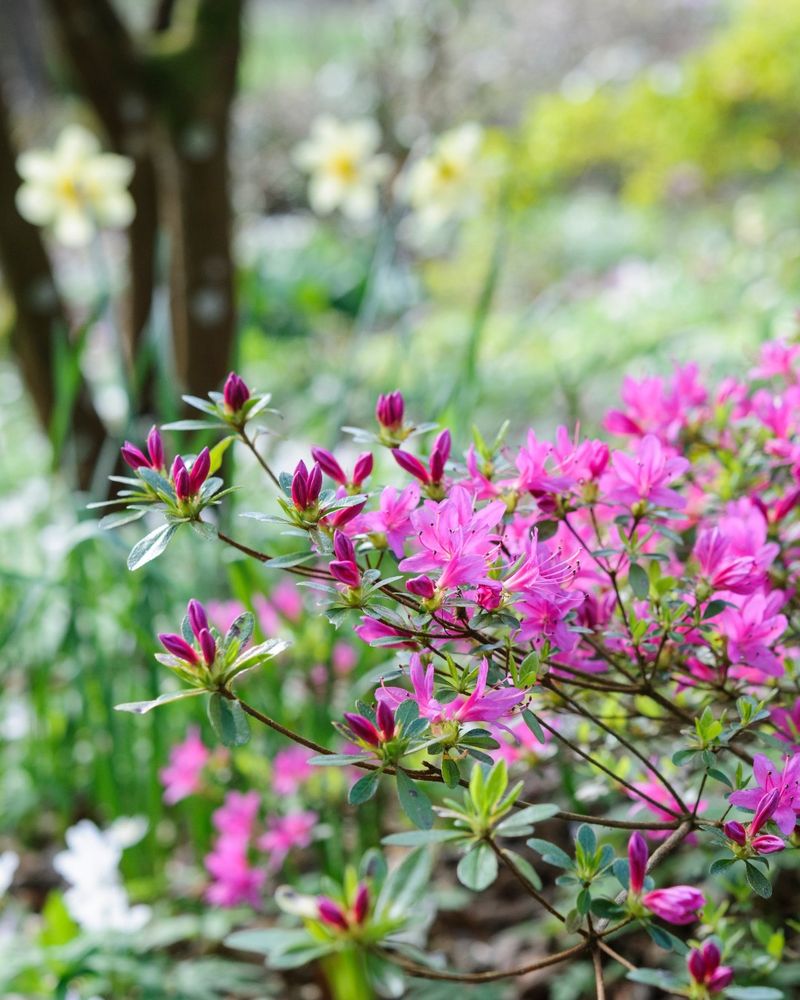
Before the ground freezes solid, take a few minutes to see what is happening beneath your rhododendron. The soil tells a story, and reading it early can save your plant a rough winter.
Michigan winters can be harsh, and dry roots going into the cold season are a real problem. When the ground freezes, roots can no longer pull up water, so whatever moisture they have stored has to last.
A well-watered root zone gives your shrub a much better chance.
Start by pushing your finger or a small trowel a few inches into the soil near the base. If it feels crumbly and dry, your plant needs a good drink before the freeze sets in.
Your Michigan Garden Changes Every Week. Your Plan Should Too.
Gardening in Michigan changes quickly throughout the season. Every Friday you’ll receive a simple weekly plan showing exactly what to plant, prune, fertilize, harvest, and protect so you never miss the right timing.
If it feels cool and slightly damp, you are in great shape. Pay attention to soil that drains too fast, like sandy spots. Those areas dry out quicker and may need extra checking through the fall.
Heavy clay holds water longer, but it can also stay too wet, so balance is key. Fall rains help, yet they are not always reliable. Doing a quick moisture check every week keeps you from guessing and gives you time to act.
Once the deep freeze arrives, your options shrink fast. That is why the weeks before winter are your window to prepare.
A little attention now means your rhododendron enters the cold season with everything it needs. Come spring, you will be rewarded with the strong buds and bright flowers that make these shrubs so beloved.
3. Protect The Flower Buds
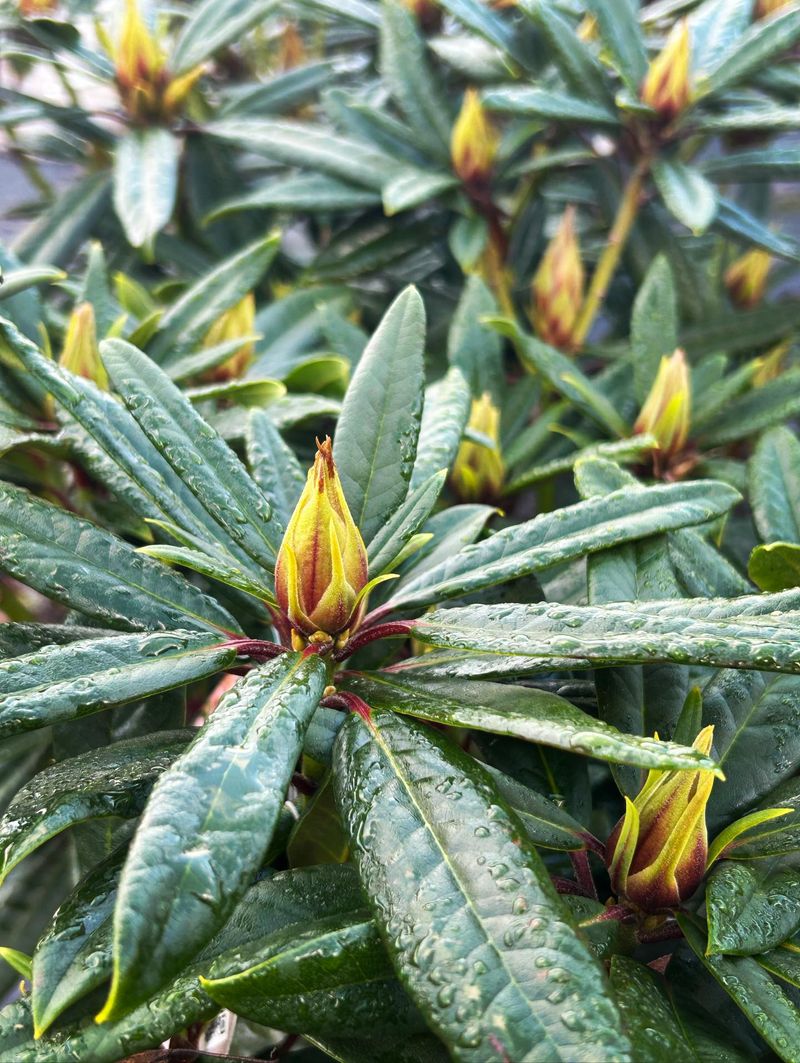
Here is something amazing that happens right under your nose. By late summer and into fall, your rhododendron is already forming the buds that will become next spring’s flowers.
Those round, plump tips at the ends of branches hold all the promise of color.
Because these buds form so early, anything that stresses the plant in fall can hurt the show later. A shrub that struggles now may put its energy into survival instead of blooms.
Watch for signs of trouble like wilting leaves, curling foliage, or buds that look shriveled. Dry soil, extreme heat, or poor drainage can all cause stress at this important stage.
Keeping conditions steady helps the plant hold onto every bud. Gentle care goes a long way. Avoid disturbing the roots, moving the plant, or letting it go thirsty during warm spells.
Each of these small stresses can add up and cost you flowers. It also helps to protect buds from hungry wildlife. Deer love rhododendron buds, so a simple barrier or repellent may be worth it in areas where they roam.
Think of fall as the setup for the big spring event. The buds are already there, waiting patiently through the cold months. Your job is simply to keep the plant comfortable so those buds stay healthy.
When you treat fall care as bud protection, everything else falls into place. Come April and May, all that quiet effort transforms into a stunning wall of pink, purple, or white blossoms.
4. Do Not Prune In Fall
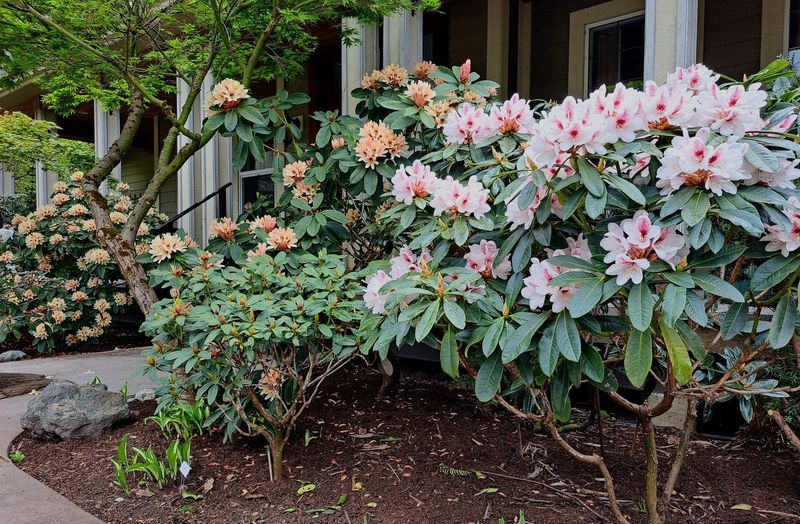
Put down those pruning shears in September, because this is one habit that can cost you a whole season of flowers. It feels tidy to trim shrubs before winter, but rhododendrons play by different rules.
Remember those flower buds forming at the branch tips? When you snip branches in fall, you often cut off the exact buds that would have opened next spring. One quick trim can accidentally erase your entire bloom.
The plant also does not have time to recover from cuts before the cold arrives. Fresh wounds can invite trouble and leave the shrub weaker heading into winter. That is the opposite of what you want.
If your rhododendron needs shaping, the best time is right after it finishes blooming in late spring or early summer. At that point, you can trim without touching next year’s buds, since new ones have not formed yet.
There is one exception worth knowing. If you spot a branch that is clearly damaged or diseased, it is fine to remove just that piece anytime. Otherwise, leave the healthy growth alone during autumn.
It can be tough to resist the urge to tidy up, especially when everything else in the yard gets cleaned before winter. Rhododendrons simply prefer to be left in peace this time of year.
By skipping fall pruning, you protect every bit of that hidden flower power. When spring rolls around, you will be glad you kept your scissors in the shed and let those buds do their thing.
5. Mulch The Root Zone
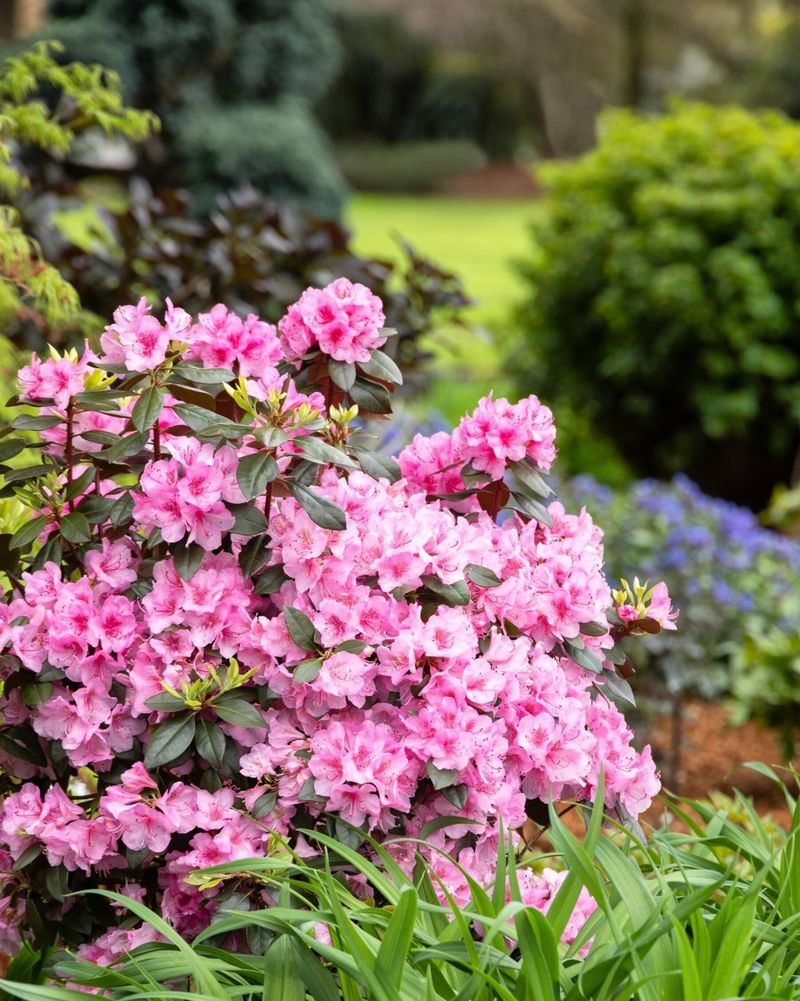
A cozy blanket of mulch might be the kindest gift you can give your rhododendron before winter. Spread around the base, it works quietly to protect those shallow roots from all sorts of stress.
Organic mulch like shredded bark, pine needles, or leaf mold helps the soil hold moisture longer. That means fewer dry spells for your plant and steadier conditions through the changing weather.
It also breaks down slowly, feeding the soil over time. Temperature swings are another problem mulch solves. Michigan can bounce between warm afternoons and freezing nights, which stresses roots.
A good mulch layer acts like insulation, keeping the ground more even and comfortable.
Aim for a layer about two to three inches deep, spread out to match the reach of the branches. Keep the mulch a few inches away from the main stem, since piling it against the trunk can trap too much moisture there.
Fall is a perfect time to refresh mulch that has thinned out over the summer. A new layer going into winter gives extra protection when the plant needs it most.
Beyond moisture and temperature, mulch also blocks weeds that would compete for water and nutrients. Fewer weeds means more resources for your rhododendron.
Applying mulch takes only a few minutes, yet the payoff lasts for months. Your roots stay cool, damp, and shielded through the harshest weather.
When spring arrives and the flowers open, you will have that simple layer of mulch to thank for part of the show.
6. Keep Roots Cool
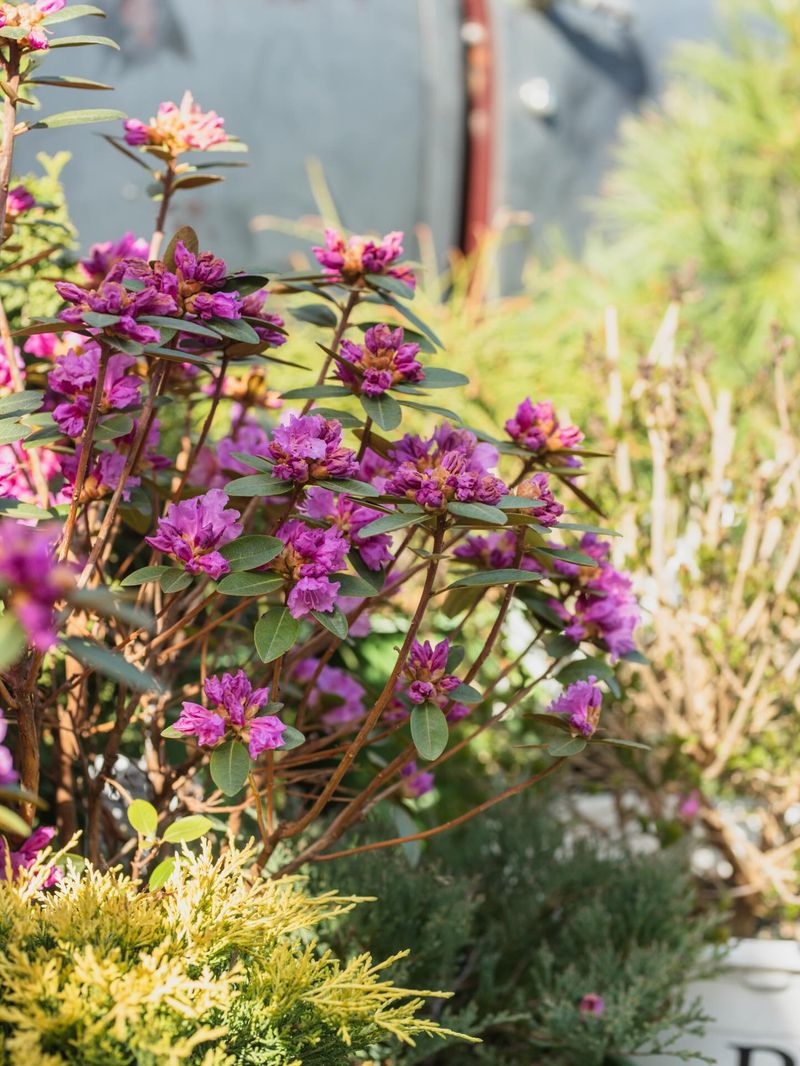
Rhododendrons have a clear preference, and it is all about their roots staying cool and comfortable. Hot, dry soil makes them unhappy, while cool and evenly moist ground keeps them thriving.
In the wild, these shrubs often grow at the edge of woods, tucked under taller trees. That dappled shade keeps the soil from baking in the sun.
You can copy nature by planting yours where it gets some afternoon shade.
Their roots sit near the surface, so they heat up quickly in bright, exposed spots. When the ground gets too warm, the plant struggles to take up water and can drop those precious buds.
Cooler roots keep everything running smoothly. September is a good time to notice how much sun your shrub gets as the light shifts. If it seems to bake all afternoon, planning a bit of shade or extra mulch can help going forward.
Even moisture matters just as much as coolness. Soil that swings from soaking wet to bone dry stresses the roots. Steady dampness, not flooding, is the goal.
Companion plants like ferns or low ground covers can shade the soil surface naturally. They add beauty while helping keep the root zone cool and moist.
Think of your rhododendron as a shade lover at heart. The more you match its natural home, with cool roots and gentle light, the happier it stays.
That comfort in fall sets the stage for a burst of healthy blooms when spring finally arrives.
7. Avoid Late Fertilizer
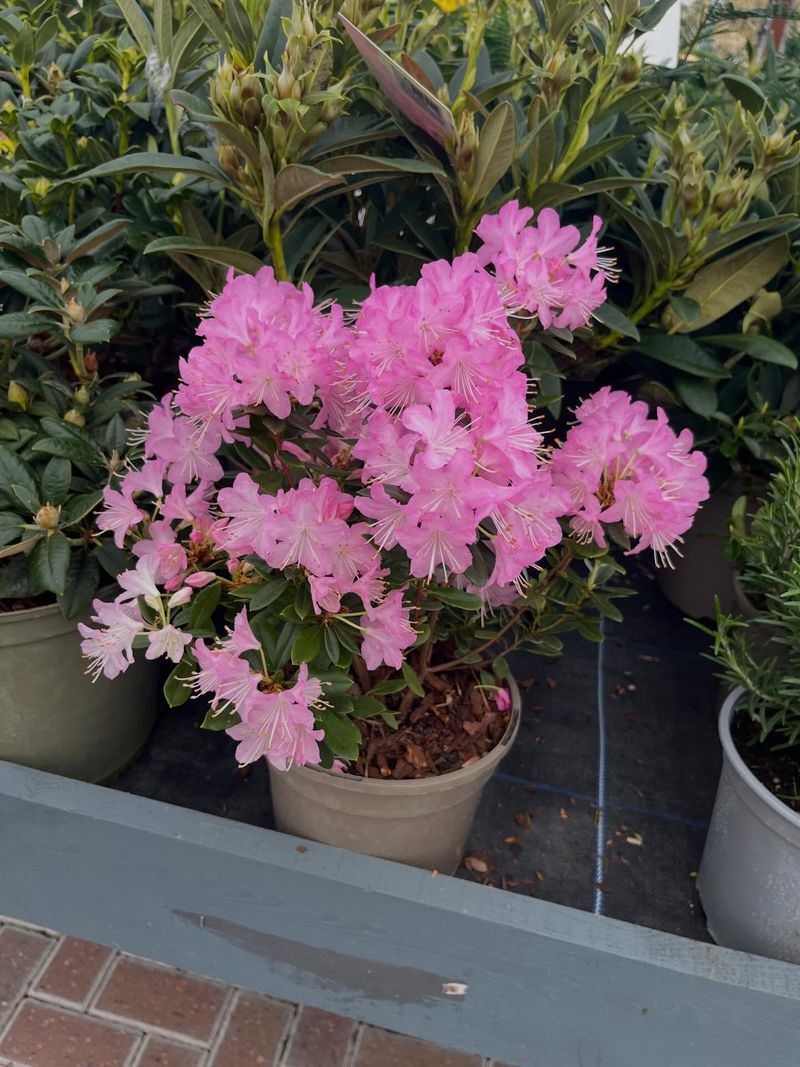
Feeding your plants feels helpful, but late season fertilizer can backfire on rhododendrons in a big way. Timing makes all the difference here, and September is the wrong moment for a heavy meal.
When you fertilize late in the year, you push the plant to grow fresh, tender shoots. That new growth is soft and delicate, exactly the kind of tissue that cannot handle a Michigan freeze.
Instead of helping, you leave the shrub vulnerable. Rhododendrons should be slowing down in fall, not speeding up. They need to shift their energy toward hardening off and getting ready for the cold.
A late feeding sends the opposite message and confuses the plant’s natural rhythm.
The best time to fertilize is in early spring, right as new growth begins, and sometimes again after blooming. That gives the plant a boost when it can actually use the energy safely.
If you feel your shrub needs nutrients, a soil test can tell you the truth. Many rhododendron problems come from the wrong soil pH rather than a lack of feeding. These plants love slightly acidic soil.
Skipping fall fertilizer is one of the easiest ways to protect your plant, since it means doing less, not more. Nature already knows how to prepare the shrub for winter.
By holding off until spring, you let your rhododendron toughen up properly. Strong, hardened growth survives the cold far better than soft new shoots.
That patience helps your plant reach spring healthy and ready to flower.
8. Prepare For Michigan Winter
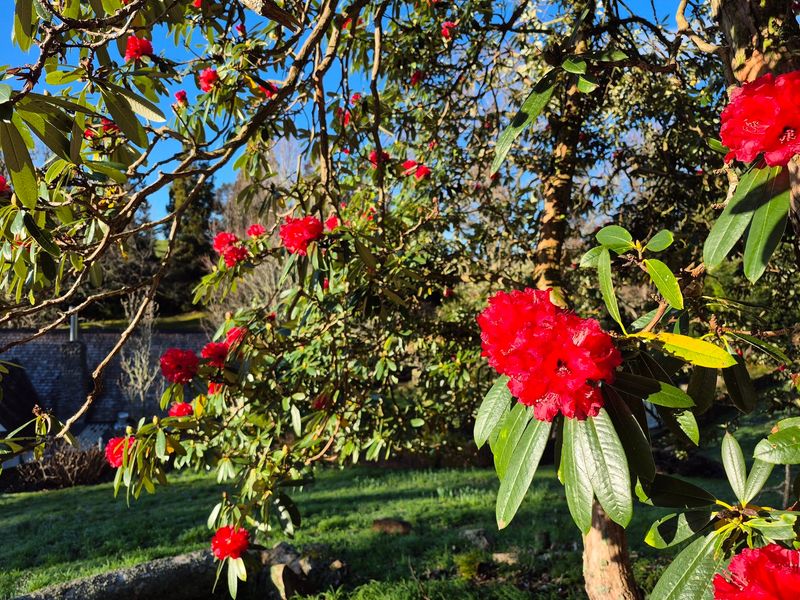
All the fall steps come together with one goal in mind: helping your rhododendron enter winter as strong as possible. When you combine smart watering, good mulch, and the right spot, you give your shrub every advantage.
Deep watering fills the roots with moisture before the ground freezes. A solid mulch layer holds that moisture in and keeps the soil temperature steady.
Together they form a protective team against the harshest cold. Placement matters too. A shrub tucked out of harsh winter wind and blazing winter sun stays healthier.
Cold winds can dry out leaves, so a sheltered spot or a simple burlap screen can make a real difference in exposed areas.
Michigan winters bring heavy snow, which actually acts as natural insulation. Gently brush off ice that weighs down branches, but let light snow rest and protect the plant.
Broadleaf evergreens like rhododendrons keep their leaves all winter, so they still lose water on sunny, windy days. That is why going in well hydrated matters so much.
An anti-desiccant spray can add extra protection in tough spots. Everything you do in September and October builds toward a healthy spring. A well-prepared shrub holds onto its buds and greets warm weather with energy to spare.
When the snow finally melts and the days grow longer, your effort shows itself in bright, full blooms. Preparing for winter is really preparing for spring, and your rhododendron will reward that care with a display worth waiting for all year long.