The Native Porch Plants Outperforming Petunias During Oregon Heatwaves
Petunias can look perfect in May and exhausted by July. On an Oregon porch, that shift can happen fast.
A container that started bright and cheerful may start drooping by noon once heat reflects off decking, siding, concrete, and railings.
Add a few dry windy days, and those shallow roots suddenly need more help than the gardener expected.
Native and regionally adapted plants bring a different skill set.
Many evolved with dry summers, lean soil, rocky slopes, and seasonal swings. That does not mean every native plant belongs in every porch pot, but the right ones can handle heat with more grace than many thirsty annuals.
They still need thoughtful containers.
Drainage, pot size, soil mix, sun exposure, and watering habits matter even more during heatwaves. A drought-wise plant can still struggle in a tiny black pot on hot concrete.
So which native porch plants can outperform petunias during Oregon heatwaves?
Start with tough, sun-loving species that use silver foliage, deep roots, low growth, and lean soil tolerance to keep going when summer gets serious.
1. Oregon Sunshine
Silver foliage is the first clue that this plant knows heat.
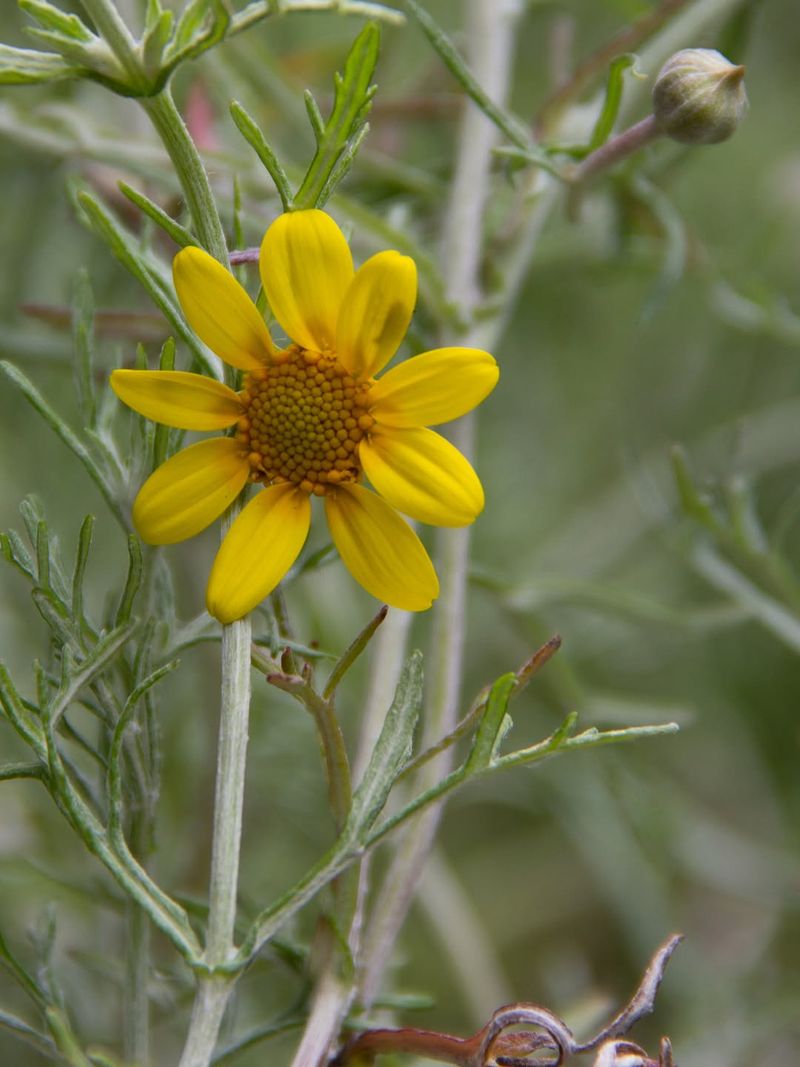
Oregon sunshine has woolly gray leaves that reflect strong sun and help reduce moisture loss. On a hot porch, that built-in protection gives it an edge over softer, thirstier annuals.
The flowers bring real brightness. Yellow daisy-like blooms appear from late spring into summer, adding a clear sunny color without needing constant pampering. Native bees visit them steadily when the plant is in bloom.
Full sun is essential. This plant loses its compact shape and flowers less when it sits in too much shade.
Drainage matters even more. A soggy pot can stress the crown quickly, so use a container with generous drainage holes and a lean, gritty mix.
Choose a pot with enough room. A container at least 10 to 12 inches wide gives roots space while still matching the plant’s low, tidy habit.
Avoid rich, compost-heavy soil. Too much fertility can push soft growth that handles heat poorly. Oregon sunshine prefers a mix that drains fast and stays on the lean side.
Water by touch, not habit. During peak heat, check the soil before watering. Once established, the plant usually prefers a dry stretch over constantly damp roots.
This is not the porch plant for gardeners who love fussing. It is the one for a sunny container that needs to look alive after the petunias have started pleading for shade.
2. Common Yarrow
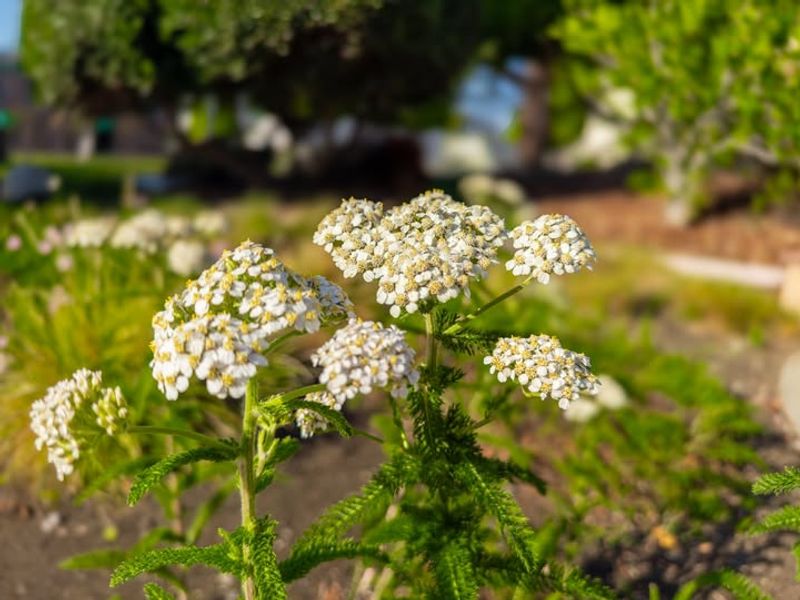
Flat flower clusters turn a porch pot into a pollinator stop.
Common yarrow brings small clustered blooms, ferny foliage, and excellent heat tolerance once it settles in. White and soft yellow forms fit easily into containers without clashing with everything around them.
Pollinators find it quickly.
Native bees, hoverflies, small butterflies, and other beneficial insects use the flowers through much of the warm season.
Ask for regional stock when possible.
Yarrow has native forms and many ornamental cultivars in the nursery trade. Plants sourced from Oregon or Pacific Northwest native populations are the better fit for a native-focused porch planting.
Your Oregon Garden Changes Every Week. Your Plan Should Too.
Gardening in Oregon changes quickly throughout the season. Every Friday you’ll receive a simple weekly plan showing exactly what to plant, prune, fertilize, harvest, and protect so you never miss the right timing.
Give the roots some room.
A 12 to 14 inch pot helps yarrow spread without becoming cramped in one season. It grows by rhizomes, so a tiny container can get crowded quickly.
Use well-drained soil.
Yarrow does not need a rich, wet mix. Leaner soil helps keep stems stronger and the plant more heat-ready.
Deadheading keeps it tidy.
Snip spent flower clusters to encourage rebloom and prevent the container from looking tired during late summer.
Watch wind exposure. Open porches can dry pots faster than expected, even with drought-tolerant plants.
Water deeply, then let the soil start to dry.
Container yarrow still needs attention during extreme heat, but it usually handles dry intervals better than petunias.
Yarrow is not flashy in a delicate way.
It is steady, useful, fragrant, and much tougher than it looks.
3. Pearly Everlasting
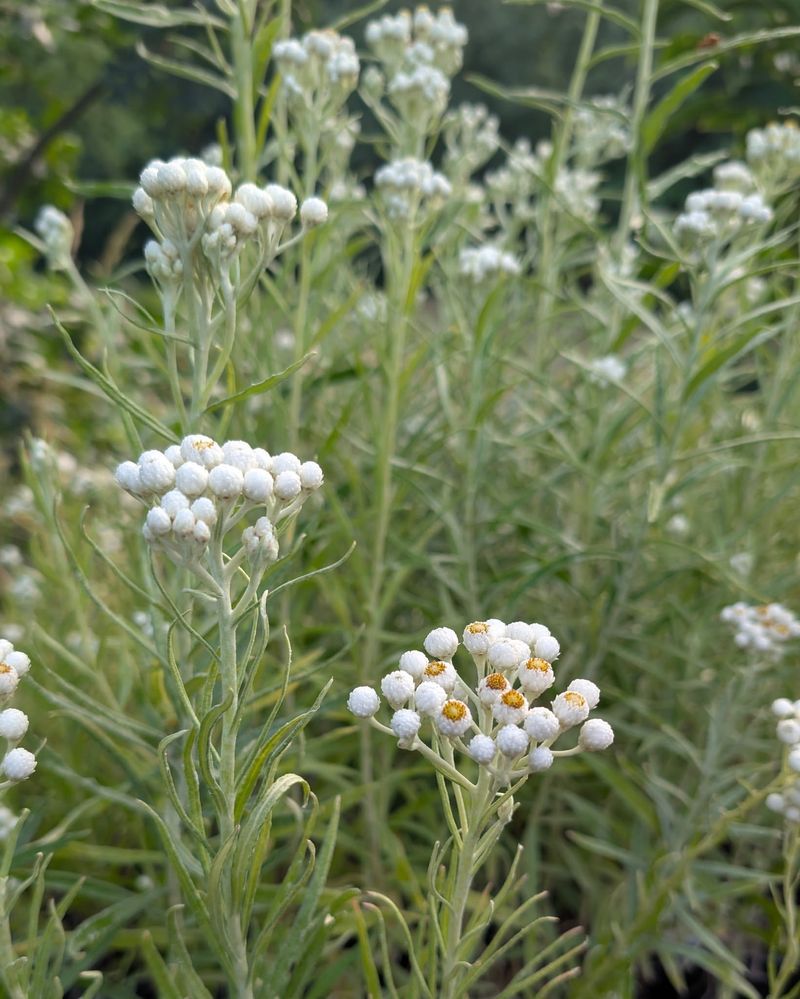
Papery white flowers give this plant quiet staying power.
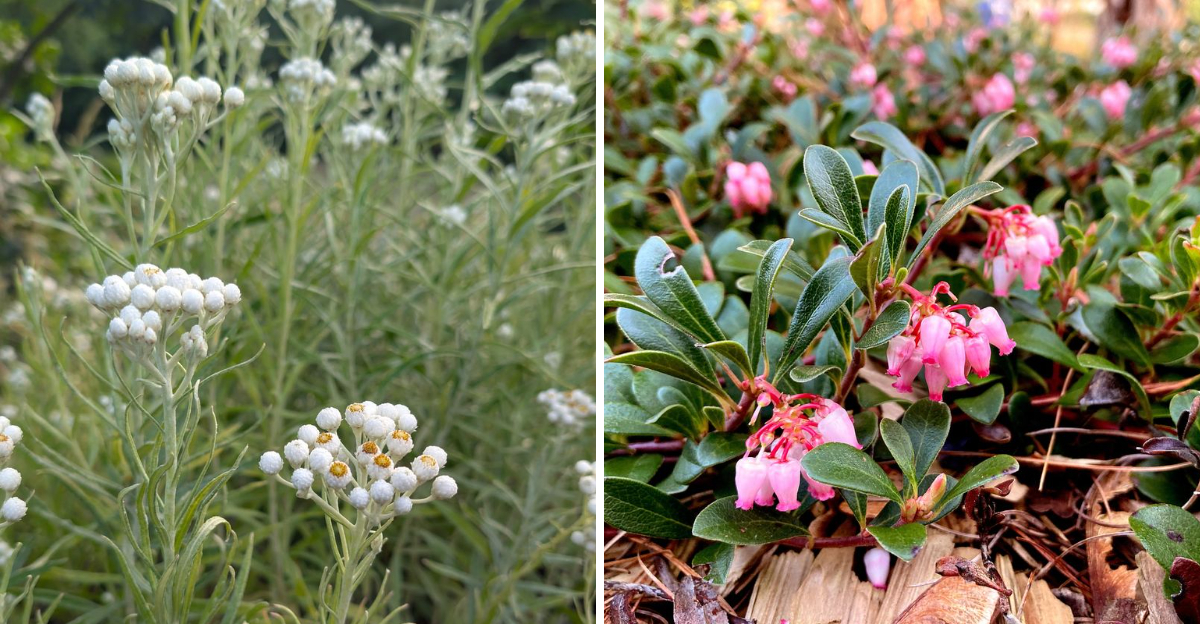
Pearly everlasting does not collapse the moment summer turns sharp. Its woolly silver-white foliage helps it conserve moisture, while the small white flower heads hold their shape long after many blooms would fade.
Butterflies give it extra value.
Painted lady caterpillars use the plant as a host, which makes it more than porch decoration. It can support a full life cycle, not just adult nectar visits.
Sun brings the best flowering.
Full sun works well, though a little part sun can be tolerated. At least six hours of direct light gives the plant its strongest bloom and form.
Container size should not be too small.
A pot at least 14 to 16 inches wide gives the spreading roots enough room to establish. Cramped plants can lose vigor and flower less.
Drainage must be sharp.
A gritty, free-draining mix suits it better than a rich potting soil that stays wet. This plant dislikes sitting in soggy media.
Water deeply but infrequently.
Let the top inch or two dry before watering again. During heatwaves, check every couple of days because porch containers can dry unevenly.
Sourcing may take planning.
This is not always as easy to find as common annuals. Native plant nurseries are often the best place to look before spring inventory disappears.
Pearly everlasting has a soft look and a tough attitude.
That combination makes it especially useful for hot porch containers that need something more resilient than another tray of annuals.
4. Douglas Aster
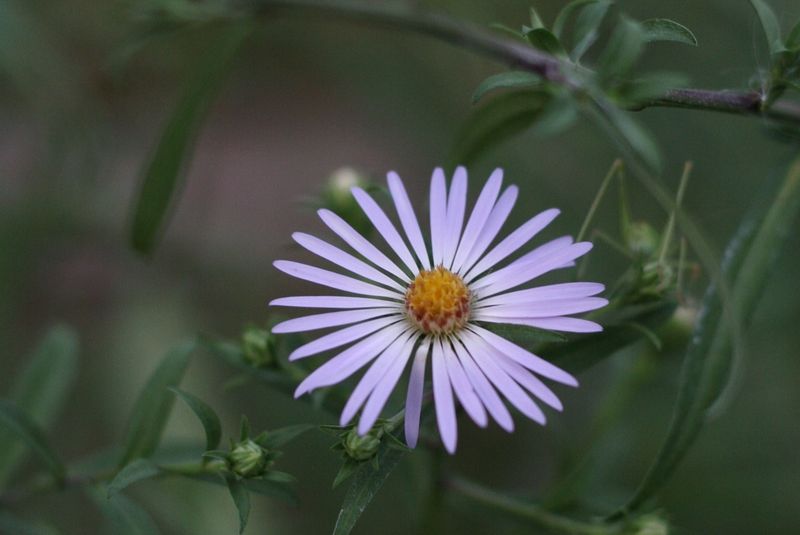
Late-season color can carry a porch into fall.
Douglas aster waits until many summer flowers are fading, then opens purple blooms from late summer into autumn. That timing makes it valuable for pollinators and for gardeners tired of containers that peak too early.
The plant can get tall.
Left alone, it may reach two to four feet, which can overwhelm a small porch pot. Pinching makes all the difference.
Cut it back in early summer.
Pinch or trim stems by about one-third to encourage a bushier shape. Stop by mid-July so the plant has time to set buds for fall bloom.
Use a roomy container.
A 14 to 16 inch pot gives the roots enough space and helps prevent rapid drying during heat. Small pots can stress quickly once the plant gains size.
Keep moisture consistent while it establishes.
Douglas aster can tolerate some dry stretches later, but young container plants need steadier care through their first hot season.
Full sun gives the most flowers.
Part sun can work, but bloom may be lighter and stems may lean more.
Airflow helps.
A crowded porch corner can trap heat and humidity around taller stems. Place the pot where air can move around it.
The payoff comes late.
Douglas aster may look ordinary in midsummer, then suddenly become one of the most important plants on the porch when pollinators need it most.
5. Sulphur Buckwheat
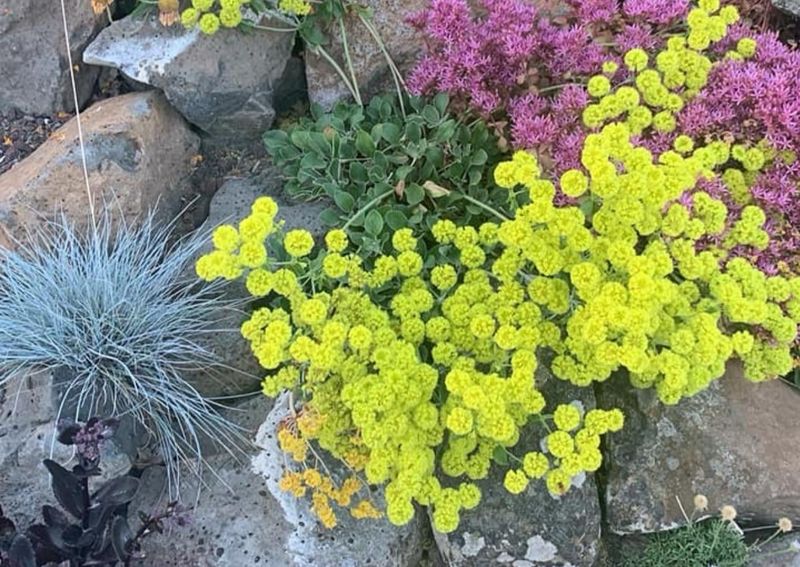
A dry sunny corner is exactly where this plant starts to shine.
Sulphur buckwheat forms a low mound of small leaves topped with cheerful yellow flower clusters. As the blooms age, they often shift toward rusty orange, giving the container a second color phase without any extra work.
This is a plant for lean conditions.
It naturally suits rocky, open, well-drained places, so porch pots should copy that as closely as possible.
Use a gritty mix.
Add perlite, pumice, coarse sand, or fine gravel to improve drainage. Standard moisture-heavy potting soil can hold too much water around the roots.
A shallow wide pot works well.
A 10 to 12 inch container suits the mounded habit and gives the plant enough space without overpotting.
Pollinators appreciate the flowers.
Native bees, butterflies, and small insects visit during bloom, making this little plant far busier than it first appears.
Overwatering is the main risk.
During a heatwave, it is tempting to water everything daily. Sulphur buckwheat needs the soil checked first, not automatic soaking.
Keep it out of standing water.
No saucers that stay full, no soggy corners, and no heavy mix that remains wet for days.
This is the porch plant for gardeners who want color without constant rescue.
Give it sun, drainage, and restraint, and it handles heat beautifully.
6. California Poppy
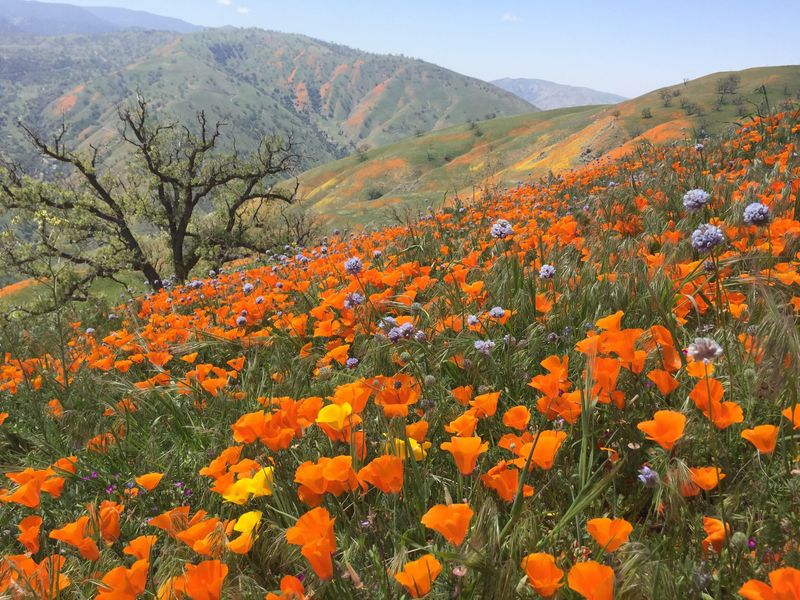
Bright orange blooms can make a porch feel instantly cooler and happier.
California poppy has strong regional ties to southwestern Oregon, though it is not equally native across every part of the state. In containers, it still earns attention because it handles dry summer conditions with impressive ease.
Direct sowing works best.
This plant has a taproot and dislikes being moved. Sprinkle seed directly into the final container rather than transplanting nursery starts when possible.
Give the root some depth.
A pot at least 8 to 10 inches deep lets the taproot develop. Shallow decorative bowls may dry too fast and limit growth.
Full sun is non-negotiable.
Shade leads to weak stems, fewer blooms, and plants that lean toward the light.
Use a sandy, fast-draining mix.
Rich soil is not needed. Too much moisture or fertility can make the plant soft and less heat-ready.
Summer dormancy is normal.
Once heat peaks and seed pods form, foliage may brown and fade. That is part of the plant’s natural rhythm, not automatic failure.
Let some seed fall.
Spent plants may reseed and return in a later season when conditions suit them.
Water lightly once established.
Overwatering is more dangerous than a short dry spell. Let the pot dry down before giving it another drink.
California poppy is not a perfect native for every Oregon porch, but it is a brilliant drought-wise choice where its regional fit makes sense.
7. Kinnikinnick
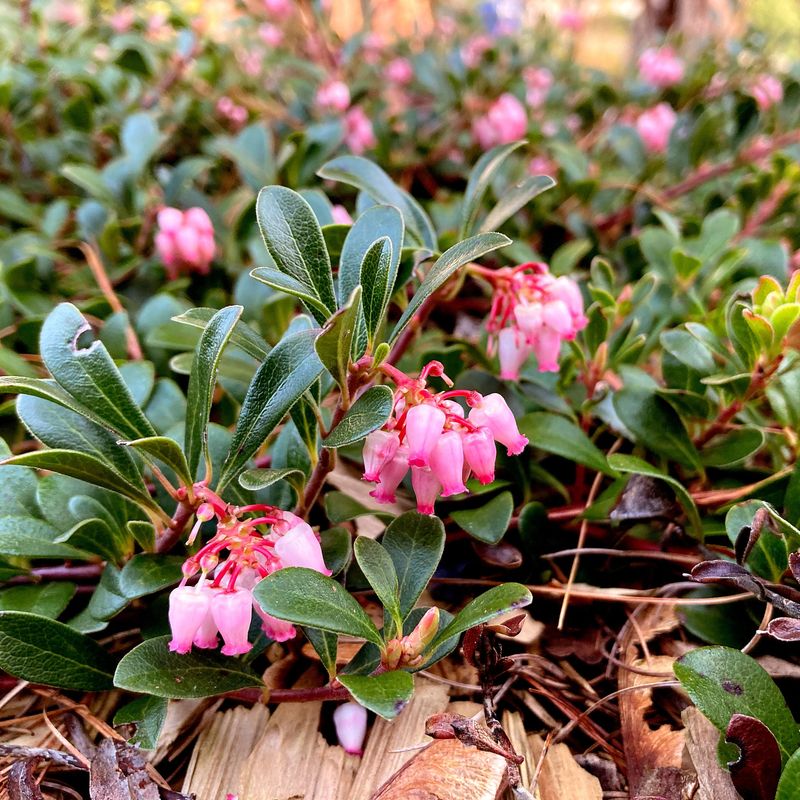
Evergreen trailing growth brings a different kind of porch beauty.
Kinnikinnick does not act like a fast annual. It grows slowly, spills gently, and holds glossy green leaves through heat, dry spells, and mild cold.
That steady presence is the appeal.
Small pink urn-shaped flowers appear in spring, followed by red berries that birds may use later in the season. The plant looks good even when it is not blooming.
Use a large enough container.
A 14 to 16 inch pot helps buffer root temperature and gives the trailing stems room to spread. Tiny pots heat and dry too quickly.
Root temperature needs attention.
Hot concrete, dark pavers, and west-facing walls can overheat containers. Pot feet, light-colored containers, or a more sheltered placement can help.
Drainage must be excellent.
Kinnikinnick dislikes wet feet. Use a lean, acidic, well-drained mix rather than a heavy standard potting blend.
Avoid standing saucers.
Water trapped under the pot can keep the root zone too wet, especially after summer rain or repeated watering.
Water deeply, then wait.
Let the mix begin drying before watering again. The plant prefers a careful soak-and-dry rhythm over constant moisture.
Pair it thoughtfully.
Because it fills slowly, combine it with a taller native companion or use it along the pot edge where trailing stems can show.
Kinnikinnick is not instant gratification.
It is long-lasting porch structure for gardeners who want something tougher and more permanent than a seasonal annual.
8. Broadleaf Stonecrop
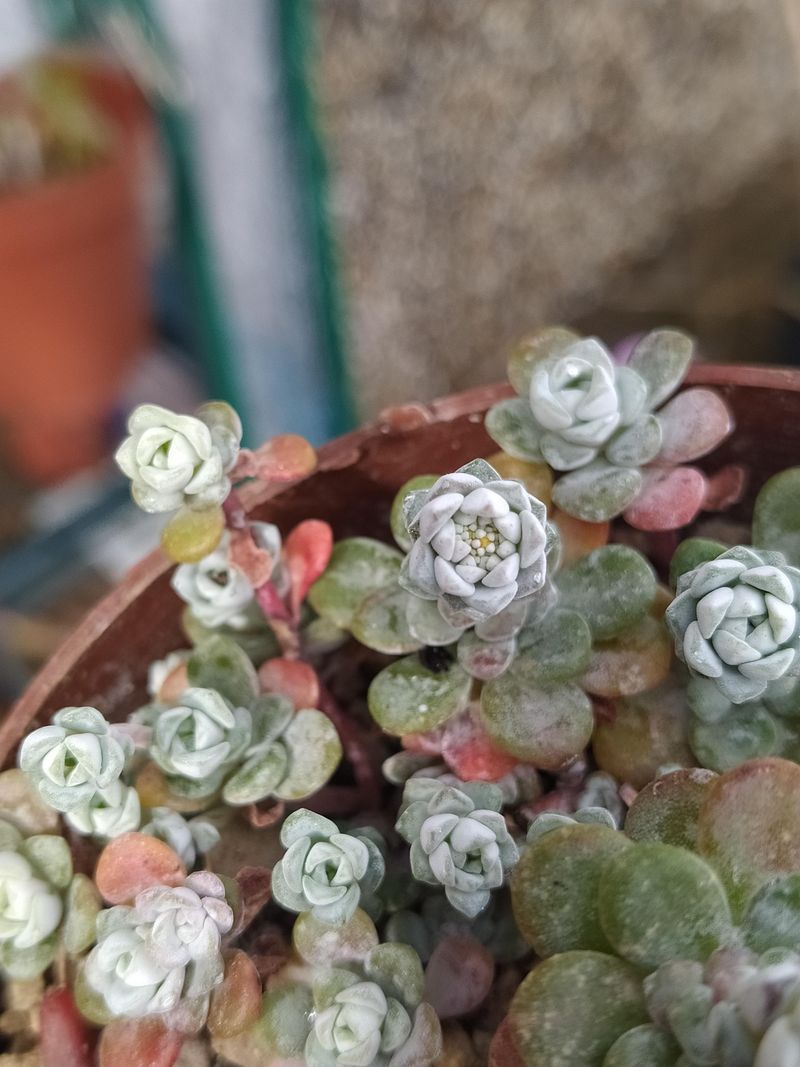
A shallow hot pot is not a problem for this native succulent.
Broadleaf stonecrop forms tight rosettes of thick leaves that store moisture and handle dry conditions well. It looks made for porches that get forgotten for a few days during summer heat.
The foliage changes with stress.
Leaves may shift from gray-green to purple-red in strong sun, adding color even after the flowers finish.
Yellow blooms arrive in late spring or early summer.
Native bees visit the small flower clusters during their short display, giving this tough little plant pollinator value too.
Use a wide, shallow container. An 8 to 10 inch deep pot is usually enough, as long as drainage is excellent. The roots spread more horizontally than deeply.
The soil should be gritty. Mix in pumice, perlite, coarse sand, or fine gravel. Standard potting mix alone usually stays too wet for this plant.
Water only after the soil dries. During heatwaves, established stonecrop may need water every 10 to 14 days, depending on pot size and exposure. Check first rather than guessing.
Avoid overhead soaking. Water sitting in the rosette center can cause problems. Aim for the soil and let the pot drain freely.
Ask for true native stock. Many ornamental sedums are sold under similar-looking names. A native plant nursery can help you find the right species from regional sources.
Broadleaf stonecrop is small but not delicate.
It is one of the best porch plants for heat, neglect, shallow soil, and containers that would leave petunias gasping.