The Biggest Mistakes California Gardeners Make With Tomatoes In Late Summer
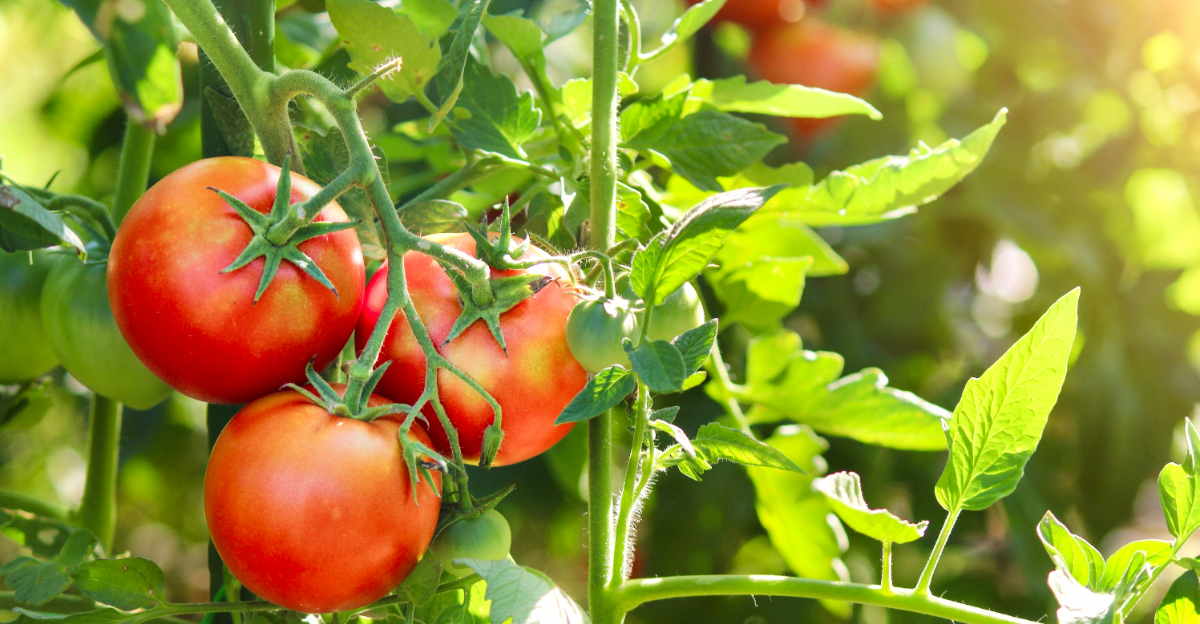
Late summer in California turns tomato patches into a test of nerves. Heat presses down, soil turns to concrete, and vines that looked thriving in June start whispering warnings most gardeners miss entirely.
Cracked skins, watery flavor, leaves curling like they’re flinching from the sun. These aren’t random glitches. They’re your plants translating stress into a language you can actually read, if you know what to look for.
Most home growers blame the weather and stop there. But heat is only the trigger, not the root cause, and a few small habits are usually doing the real damage underneath.
Spot the pattern behind the problem, and your tomatoes stop struggling through August. They start thriving in it.
1. Overwatering Increases As Gardeners Panic About Late Summer Heat
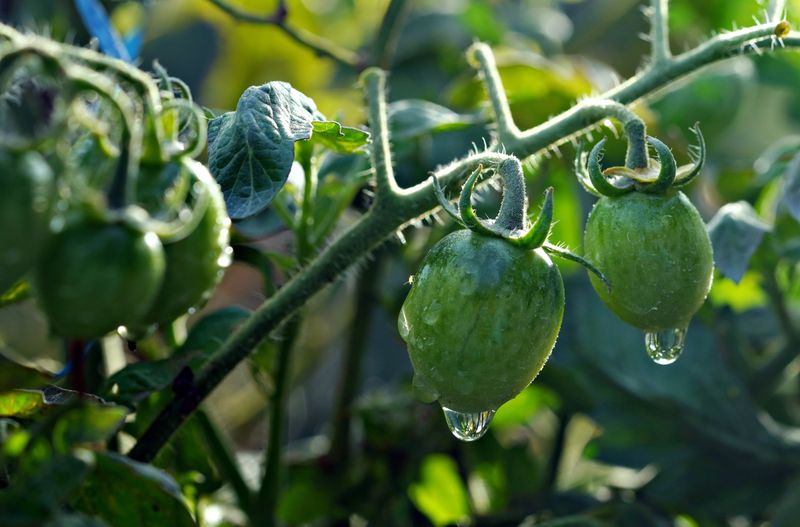
Hot days make gardeners nervous, and nervous gardeners water too much. When temperatures climb past 95 degrees, it feels instinctive to grab the hose more often.
But soggy soil is actually more dangerous than dry soil for tomatoes. Roots need oxygen, and waterlogged ground suffocates them fast.
Overwatered tomato plants look wilted even when the soil is soaked. That drooping fools gardeners into adding even more water, making the problem worse.
This exact panic response is usually where root rot quietly begins. Good intentions lead to root rot before anyone realizes what happened.
A simple finger test saves plants every time. Push your finger two inches into the soil near the base of the plant and feel for moisture.
If it still feels damp, skip watering that day entirely. Tomatoes in established beds generally need deep watering two to three times per week, not daily flooding.
Mulching heavily around the base helps soil hold moisture longer between sessions. A three-inch layer of straw or wood chips cuts evaporation significantly on hot afternoons.
Drip irrigation on a timer removes most of the guesswork. Consistent, measured water delivery keeps roots happy without the emotional panic that leads to overwatering.
Trust the soil, not the thermometer, when deciding whether to water. Your tomatoes will reward that patience with stronger roots and better fruit all the way through harvest season.
2. Heavy Nitrogen Fertilizer Keeps Plants Leafy Instead Of Productive
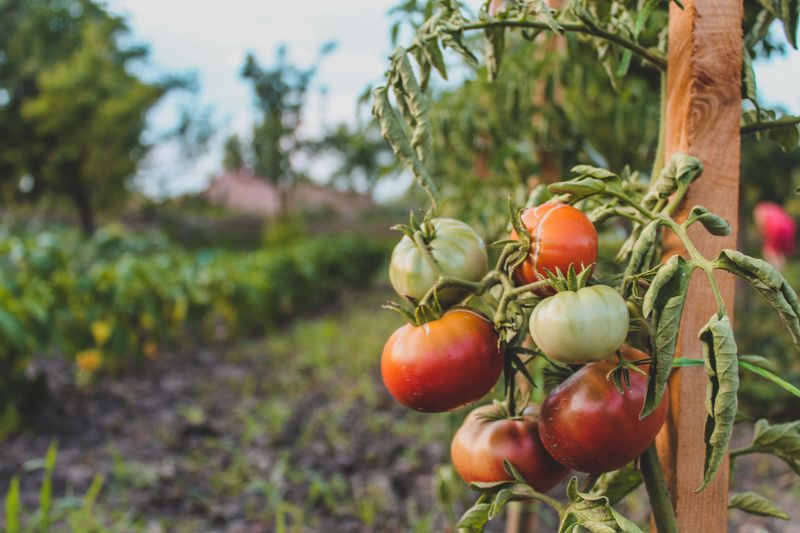
Gorgeous, dark green tomato plants feel like a win. They look healthy, they grow tall, and neighbors stop to admire them.
But if your plants are all leaves and almost no fruit by late summer, nitrogen is likely the culprit. Too much of it pushes green growth at the expense of flowering.
Tomatoes shift priorities as the season advances. By August, they want to set fruit and ripen what they have, not keep sprouting new branches.
Feeding them high-nitrogen fertilizer at this stage is like giving a sprinter a heavy backpack right before the finish line. The plant wastes energy on foliage instead of flavor.
Switch to a low-nitrogen, high-phosphorus fertilizer by mid-July at the latest. Products labeled for tomatoes or fruiting vegetables are formulated to support ripening rather than leafing out.
Your California Garden Changes Every Week. Your Plan Should Too.
Gardening in California changes quickly throughout the season. Every Friday you’ll receive a simple weekly plan showing exactly what to plant, prune, fertilize, harvest, and protect so you never miss the right timing.
Bone meal and kelp meal are gentler options that support fruit development without pushing excessive green growth. They release nutrients slowly, which matches the plant’s late-season pace.
Reading fertilizer labels matters more than most gardeners realize. The three numbers on the bag represent nitrogen, phosphorus, and potassium in that order.
For late summer feeding, look for a lower first number and a higher middle number. That ratio tells your plants to focus on the tomatoes hanging from their branches.
Lush foliage is pretty, but it does not end up on your dinner plate. Redirect that plant energy toward fruit and watch your harvest actually improve.
3. Skipping Afternoon Shade Leads To Sunscald On Ripening Fruit
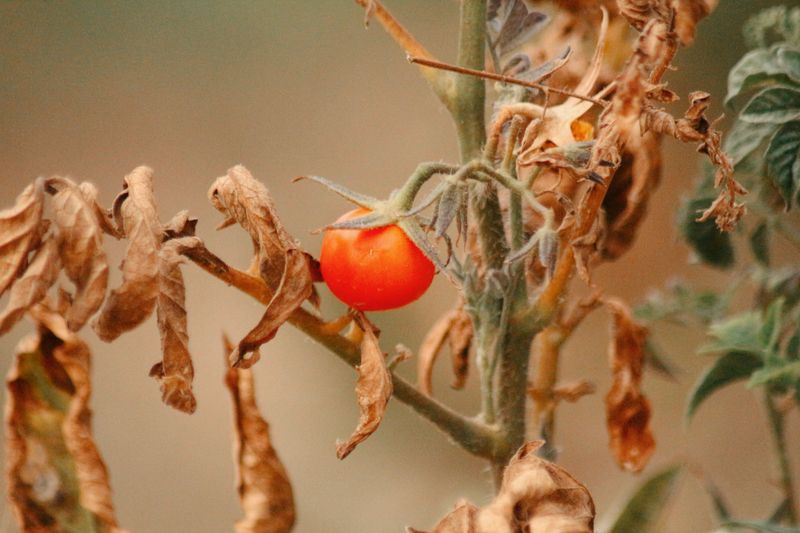
Sunscald looks like a pale, papery patch burned right into the skin. White or pale yellow patches appear on the side of the fruit facing the afternoon sun.
Many gardeners assume the damage is a disease and start treating for fungus or bacteria. But no spray fixes sunscald because it is purely a heat injury, not an infection.
California afternoons in August can push surface temperatures on exposed fruit above 105 degrees. Tomato skin simply cannot handle that kind of direct, sustained heat exposure.
The problem gets worse after aggressive pruning removes the leaves that normally shade developing fruit. Suddenly, tomatoes that were protected are fully exposed to intense western sun.
Shade cloth is one of the most underused tools in warm-climate gardens. A thirty to forty percent shade cloth draped over a simple frame cuts heat on fruit significantly.
Even a strategically placed patio umbrella on the western side of your garden provides meaningful afternoon relief. Temporary solutions count just as much as permanent ones when fruit is actively ripening.
Keeping foliage intact on the south and west sides of the plant also helps enormously. Leaves act as natural sunscreen for the fruit hiding beneath them.
Sunscalded tomatoes are still edible if you cut away the damaged area. But preventing the damage saves flavor, texture, and a lot of frustration.
A little afternoon shade is not babying your plants. It is working smarter in a climate that was never exactly gentle on tender fruit.
4. Pruning Too Aggressively Removes Leaves Tomatoes Need For Protection
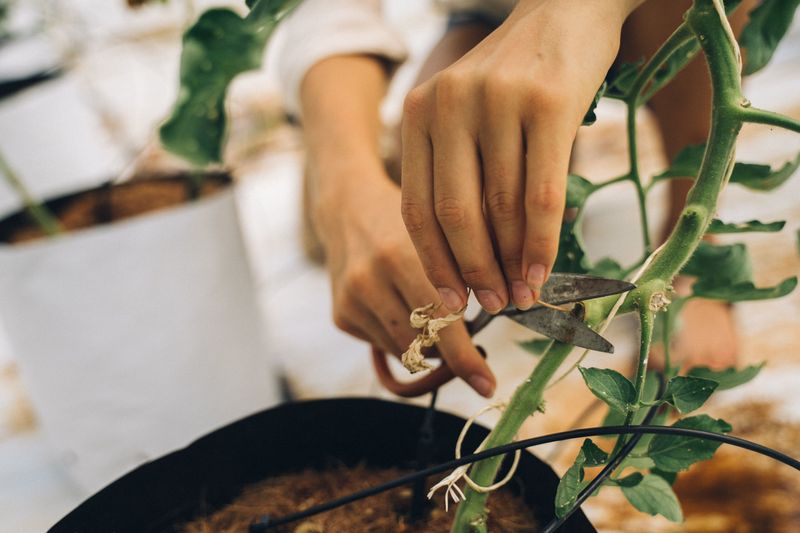
Pruning tomatoes feels productive. Snipping suckers and clearing branches gives gardeners a sense of control over sprawling plants.
But late summer is exactly the wrong time to go overboard with the pruning shears. Stripping too many leaves exposes fruit to sun damage and strips the plant of its cooling system.
Leaves do more than just look green. They shade developing tomatoes, regulate internal plant temperature, and continue converting sunlight into the sugars that make fruit taste good.
Removing large portions of foliage in August stresses the plant at a time when it is already working hard to ripen its load. Stress slows ripening and reduces flavor.
A light touch is the right approach for late-season pruning. Focus on removing dry or yellowing leaves at the bottom of the plant where airflow is restricted.
Leave healthy green foliage on the upper two-thirds of the plant untouched. That canopy is doing important work protecting both the fruit and the plant itself.
If you must remove suckers, choose small ones below the first flower cluster. Larger suckers removed late in the season create big open wounds that invite disease.
Many experienced growers stop pruning altogether by late July. They let the plant find its own balance as it moves into final ripening mode.
Put down the pruning shears and step back. Sometimes the best gardening move is trusting the plant to manage itself through the final stretch of the season.
5. Ignoring Blossom End Rot Signals Lets The Problem Spread
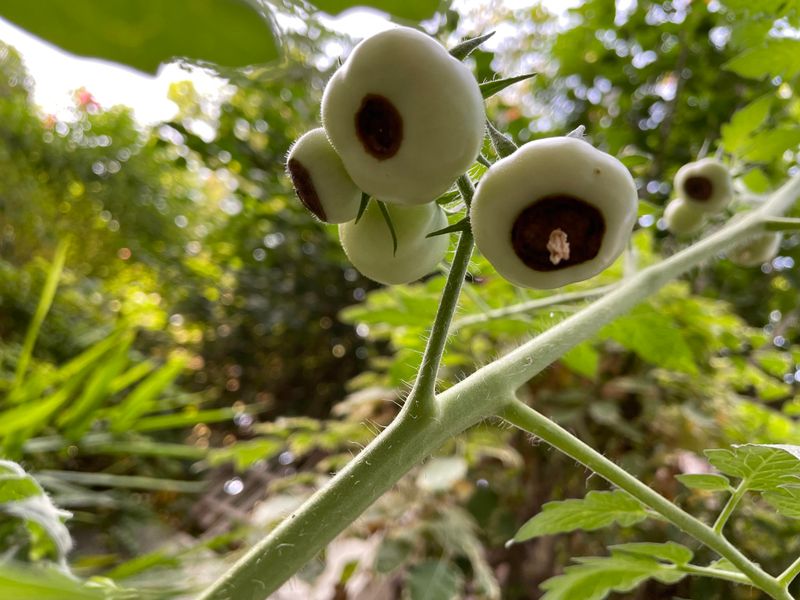
That dark, sunken patch on the bottom of your tomato is not a bug bite or a bruise. Blossom end rot is one of the most common and most misunderstood tomato problems in warm climates.
Most gardeners assume it means the soil lacks calcium. While calcium deficiency plays a role, the real issue is usually inconsistent watering disrupting calcium uptake.
When soil moisture swings wildly between soaking wet and bone dry, roots struggle to absorb nutrients steadily. Calcium gets locked out even when plenty of it sits in the soil.
Ignoring these early warning signs is usually how the problem quietly spreads. One or two affected fruits signal a pattern that will keep spreading without intervention.
Consistent watering is the most effective fix available. Keeping soil evenly moist, not wet and not dry, restores normal calcium movement through the plant quickly.
Adding calcium to the soil without fixing the watering schedule rarely solves anything. The nutrient has to be available and absorbable at the same time.
Foliar calcium sprays offer a faster temporary boost when fruit is actively developing. Spray early in the morning so leaves can absorb the solution before afternoon heat arrives.
Remove affected fruit immediately so the plant stops directing energy toward damaged tomatoes. That redirected energy goes toward healthy fruit still on the vine.
Catching this problem early makes a real difference in how many tomatoes you actually harvest. One bad tomato does not have to mean a bad season.
6. Letting Soil Dry Out Between Waterings Causes Fruit To Crack
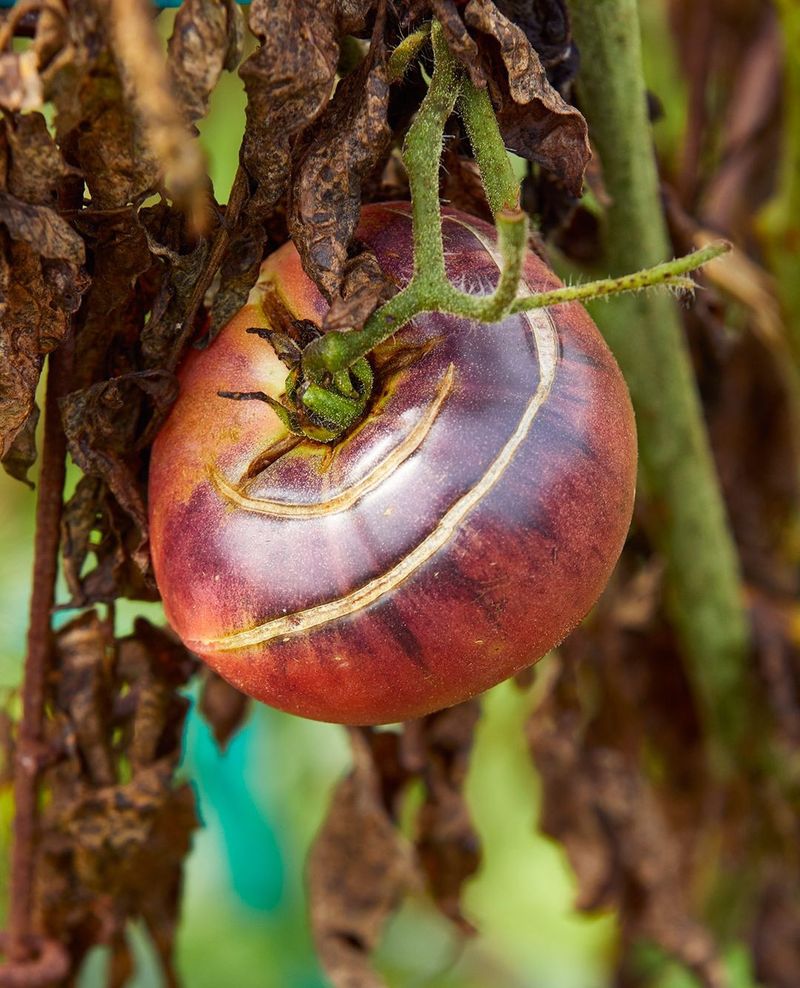
Cracked tomatoes are frustrating to find. You wait all season for a perfect ripe fruit, and then it splits open right before you pick it.
Cracking happens when plants receive a sudden surge of water after a dry spell. The fruit swells faster than the skin can stretch, and the skin breaks under the pressure.
Late summer in California creates the perfect conditions for this problem. Hot, dry spells are followed by deep watering sessions that shock the plant’s system.
Irregular watering is the root cause every time. A tomato plant that goes thirsty for two days and then gets flooded cannot regulate fruit growth smoothly.
Setting a consistent watering schedule removes the feast-and-famine cycle that causes splitting. Drip irrigation on a timer is the most reliable way to maintain that consistency.
Mulching adds another layer of protection by slowing evaporation between watering sessions. A thick layer of straw around the base keeps soil temperature and moisture more stable.
Choosing crack-resistant tomato varieties helps too, especially for gardeners in areas with extreme temperature swings. Sungold, Celebrity, and Jet Star are known for handling inconsistent moisture better than most.
Harvest tomatoes slightly early if you know a heat wave followed by irrigation is coming. A tomato picked at the breaker stage will finish ripening indoors without splitting.
Cracked fruit is still edible if used immediately, but it invites mold and pests fast. Preventing the crack is always easier than dealing with the aftermath.
7. Harvesting Too Early Sacrifices Flavor That Develops On The Vine
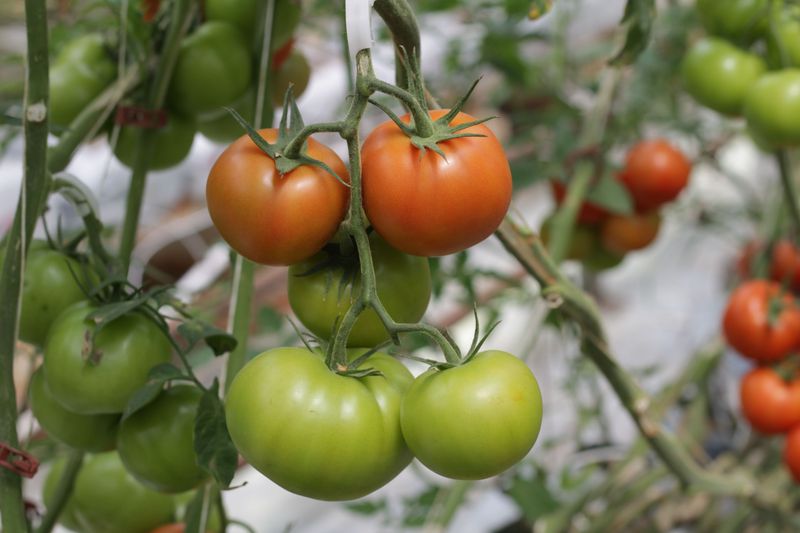
Picking tomatoes too soon is one of the most common and most forgivable mistakes in the garden. It happens because gardeners get excited, or nervous about pests, or just impatient.
But flavor does not finish developing until the very last stages of ripening on the vine. Picking early means picking before the sugars, acids, and aromas reach their peak.
A tomato pulled green or barely blushed will continue to change color on your counter. What it will not do is develop the full, complex taste of a vine-ripened fruit.
The ethylene gas a tomato produces on the vine is part of a complex ripening process. Cutting that process short cuts the flavor short too.
Watch for the color break, which is the point where the fruit shifts from green to its first blush of yellow, orange, or red. At that stage, the tomato can finish ripening indoors if needed.
Gently squeeze the fruit to check for slight give. A tomato that still feels rock hard is not ready, no matter how good the color looks from a distance.
Smell the stem end for a sweet, earthy tomato scent. That fragrance is one of the best signals that the fruit has developed proper flavor compounds.
If birds or squirrels are a problem, pick at the color break stage and ripen indoors on the counter. Avoid storing unripe tomatoes in the refrigerator, since cold temperatures affect texture and taste.
Patience pays off with every bite of a properly ripened tomato. Rushing the harvest is the fastest way to waste a whole season of hard work.
8. Crowded Plants Trap Humidity And Invite Fungal Disease
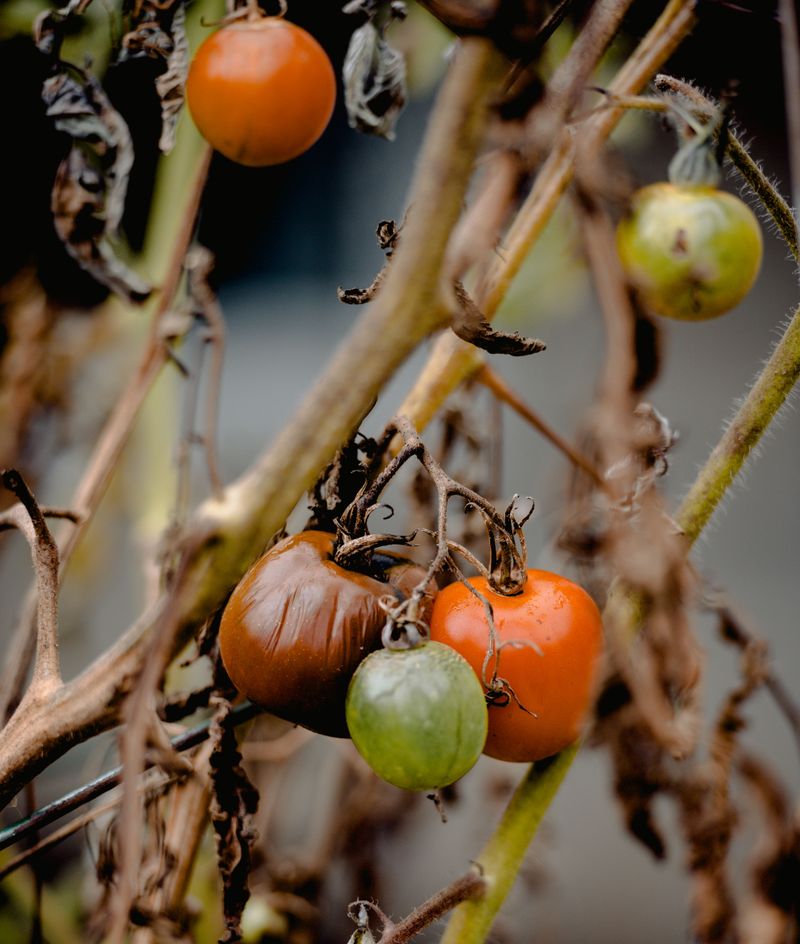
Tomatoes planted too close together create their own little microclimate. Leaves overlap, airflow drops, and moisture lingers on foliage long after it should have dried.
That trapped humidity is a perfect breeding ground for fungal diseases like early blight, powdery mildew, and septoria leaf spot. All three thrive when air cannot move freely through the canopy.
California summers feel dry, but garden beds packed with dense foliage hold surprising amounts of moisture. Irrigation water splashes up onto leaves and stays there when plants are crowded.
Standard spacing recommendations exist for a reason. Most indeterminate tomato varieties need at least twenty-four to thirty-six inches between plants to maintain healthy airflow.
Staking and caging plants upright also improves the situation dramatically. Vertical growth allows air to circulate through the canopy instead of pooling in a dense, horizontal thicket.
Watering at the base rather than overhead reduces how much moisture ends up on leaves. Soaker hoses and drip lines deliver water directly to roots without wetting foliage at all.
Removing lower leaves that touch the soil also cuts disease transmission significantly. Soil-borne fungal spores splash up onto leaves during watering, and removing those bottom leaves breaks the cycle.
Fungicide sprays help manage existing infections but work best as prevention rather than cure. Starting a spray program before symptoms appear keeps plants cleaner through the rest of the season.
This kind of damage often stays hidden until it’s already spread through the whole bed. Give your plants room to breathe and the whole garden benefits.