Stop Pruning Georgia Azaleas Right Now: Do This Instead To Save Next Spring’s Blooms
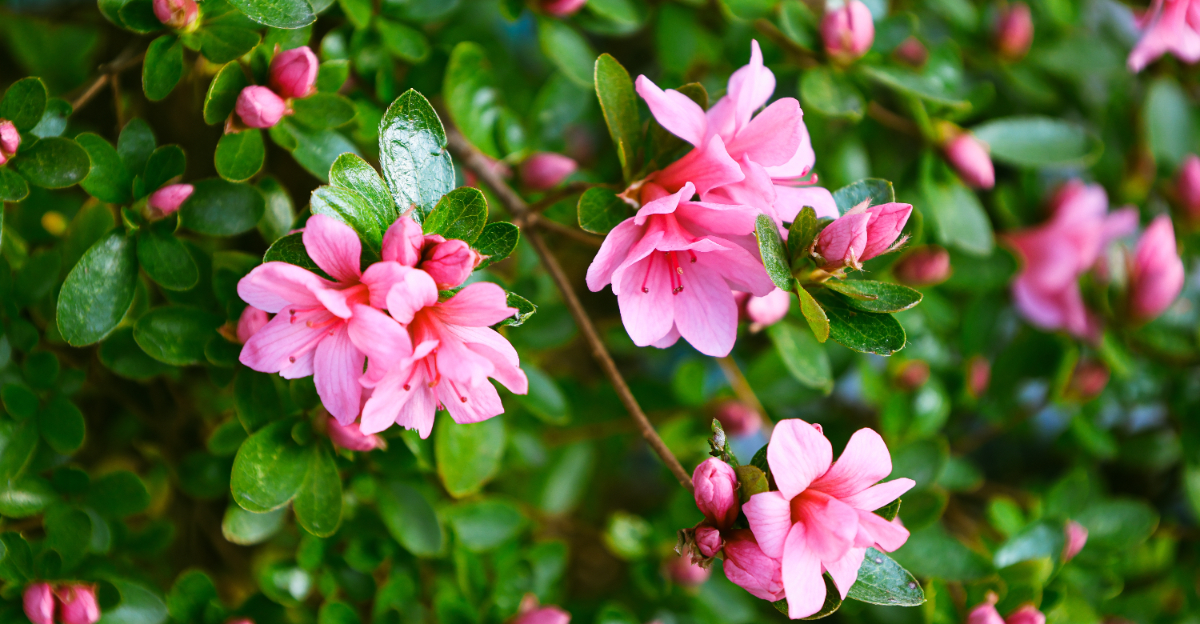
Your clippers are sharp and your azaleas look overdue for a trim. Before you make a single cut, stop and check the calendar, because timing decides whether next spring bursts with color or stays disappointingly bare.
Georgia azaleas set their flower buds shortly after they finish blooming, tucking next year’s show into wood that forms over summer. Cut into that wood too late in the season and you’re removing the very buds you were hoping to see bloom.
The fix is simple: prune within a few weeks after flowering ends, before new buds start forming. Wait until fall or winter instead, and you’ll trim away the flowers you were counting on.
Get the timing right, though, and your azaleas reward you with fuller branches and a bloom display that outshines last year’s.
The Real Reason Late Pruning Cuts Off Next Year’s Flowers
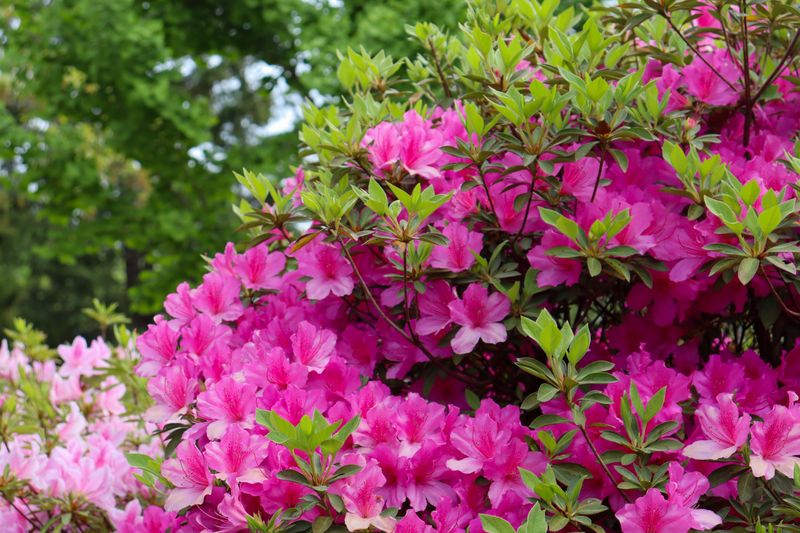
Azaleas are sneaky planners. They start setting next year’s flower buds just weeks after this spring’s blooms fade away.
Most Georgia azaleas finish blooming by late April or May. By July, those tiny buds for next spring are already forming along the stems.
When you prune in late summer or fall, you are literally cutting off next year’s flowers. It feels like trimming, but it is actually removing months of the plant’s bud development.
The buds are small and easy to miss. They look like little green bumps tucked right where leaves meet the branch.
Many gardeners prune azaleas the same way they trim hedges, whenever it looks messy. That habit works fine for boxwoods, but it does not work the same way for azaleas.
Azaleas bloom on old wood, meaning last year’s growth carries this year’s flowers. Cut that old wood away too late, and you have cut the bloom cycle clean in half.
Understanding this one biological fact changes everything. Once you know the buds are already there, hiding in plain sight, you will think twice before reaching for the clippers in August.
The window for safe pruning is actually very short. You have about four to six weeks right after blooming ends to trim without sacrificing next spring’s Georgia azalea display.
Feeding And Watering Instead Of Cutting Back
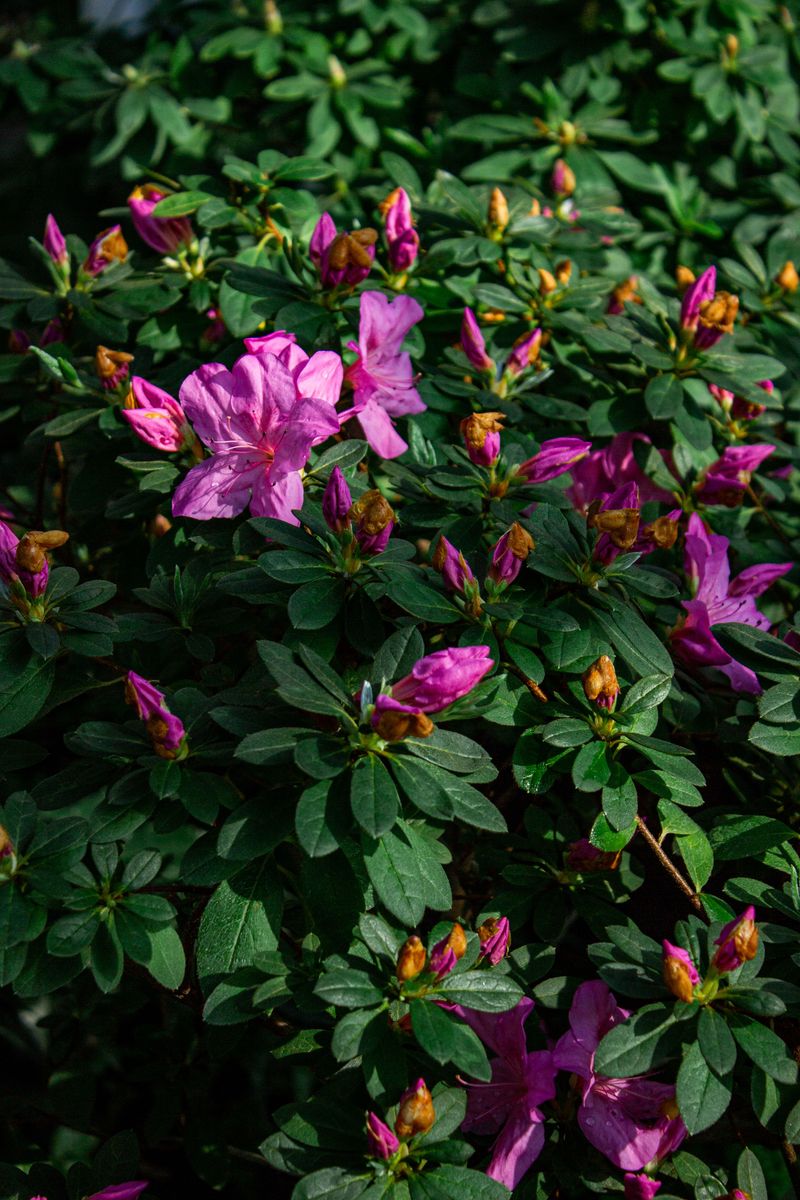
Here is a better idea than grabbing the pruning shears. Feed your azaleas right after they bloom and watch them reward you next season.
A slow-release, acid-forming fertilizer works best for azaleas. Look for blends made specifically for azaleas, camellias, or rhododendrons at your local garden center.
Apply fertilizer once in spring right after blooming, then once more in early summer. Stop all feeding by July so the plant can harden off before cooler weather arrives.
Watering matters just as much as feeding. Azaleas have shallow roots that dry out fast, especially during Georgia’s hot summer months.
Aim to give your plants about one inch of water per week. Deep, slow watering beats frequent shallow sprinkles every single time.
Your Georgia Garden Changes Every Week. Your Plan Should Too.
Gardening in Georgia changes quickly throughout the season. Every Friday you’ll receive a simple weekly plan showing exactly what to plant, prune, fertilize, harvest, and protect so you never miss the right timing.
Mulching around the base of each shrub helps lock in moisture. A two-to-three-inch layer of pine straw or shredded bark keeps roots cool and happy.
Avoid piling mulch directly against the main stems. That traps moisture against the bark and invites rot and disease over time.
When you feed and water well instead of cutting back, you are building a stronger plant from the roots up. Strong roots mean more flowers, denser foliage, and a shrub that bounces back faster from summer heat stress.
Think of it as investing in next spring’s bloom instead of just managing this summer’s shape.
Signs Your Azalea Has Already Been Pruned Too Late
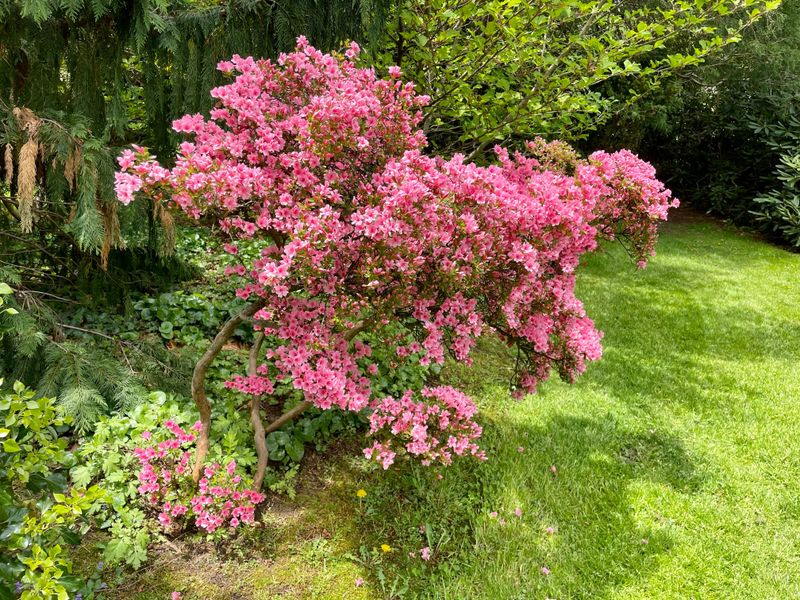
Sometimes you only realize the mistake after it is already made. Knowing the warning signs helps you plan smarter for next year.
The clearest sign is a spring with almost no flowers. If your azalea leafed out beautifully but barely bloomed, late pruning is often the culprit.
Another clue is lots of fresh green growth in fall. New growth after summer pruning looks healthy, but it means the plant is pushing energy into stems instead of buds.
That tender new growth also makes the shrub more vulnerable to frost damage. A cold snap in November can damage all that fresh tissue in one night.
Check your stems closely in late summer. If you see no small, rounded bumps forming near the leaf joints, the buds were likely already removed.
You might also notice an uneven shape with some sections blooming and others staying bare. That pattern usually means some branches were pruned late while others were left alone.
Do not panic if this happened to your plants. One missed bloom season is frustrating, but it will not permanently harm a healthy, established azalea.
Use this season as a reset. Let the plant grow freely, skip the clippers, and focus on feeding and moisture management instead.
By next spring, your azalea will likely bounce back with a full flush of color. Patience turns out to be one of the most useful tools in any Southern garden shed.
The Best Pruning Window For Your Zone
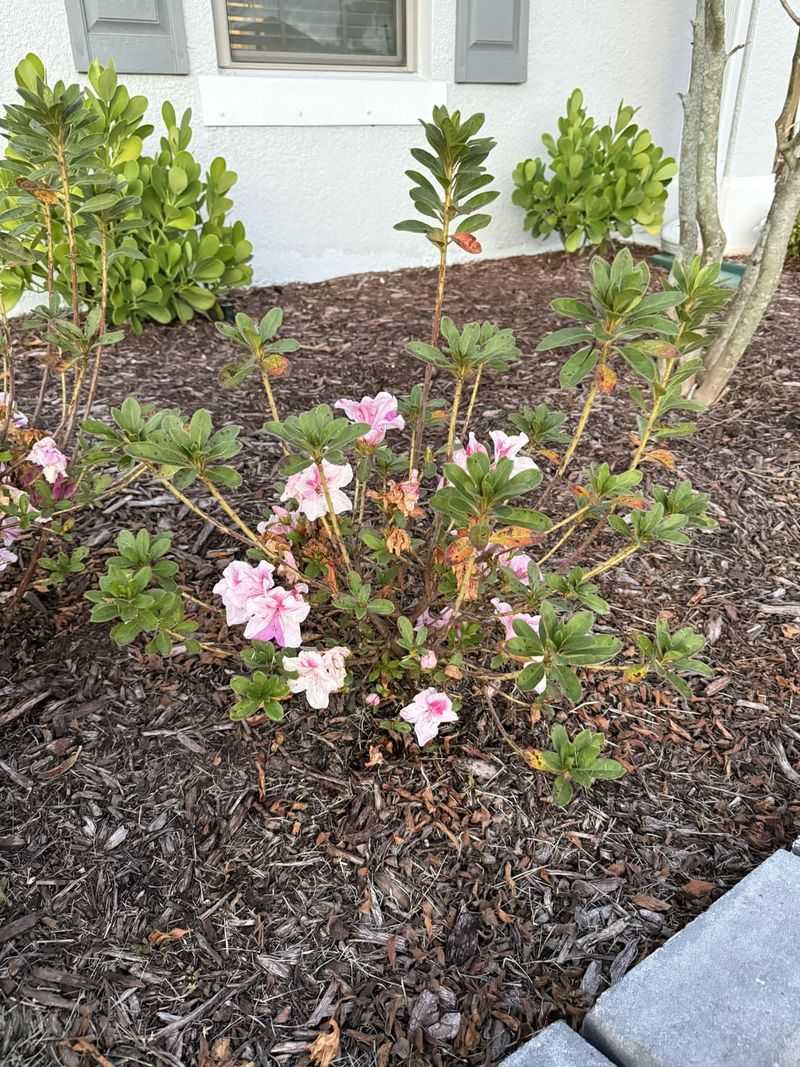
Timing is everything with azaleas. Prune at the right moment and your plant will barely notice the trim.
For most of Georgia, the ideal pruning window opens right after the last blooms drop. That typically falls between mid-April and early June depending on your location.
North Georgia gardeners in cooler zones may see blooms linger into May. In the warmer southern parts of the state, blooms can fade as early as late March.
The rule is simple: prune within four to six weeks of bloom drop. After that window closes, the new buds are already forming and any cut risks removing them.
Use clean, sharp bypass pruners for any cuts you make. Dull blades crush stems instead of cutting cleanly, and that invites disease into the wound.
Avoid removing more than one-third of the shrub at one time. Heavy cutting stresses the plant and slows its recovery heading into summer heat.
For overgrown azaleas, spread the work over two or three seasons. Gradual shaping is far kinder than a drastic single-season cutback.
If you missed this year’s window, mark your calendar right now for next spring. Set a reminder for two weeks after you first notice blooms opening.
That small habit change will help protect future bloom cycles. Consistent timing is one of the biggest factors in keeping Georgia azaleas flowering strong year after year.
Better Alternatives To Pruning Right Now
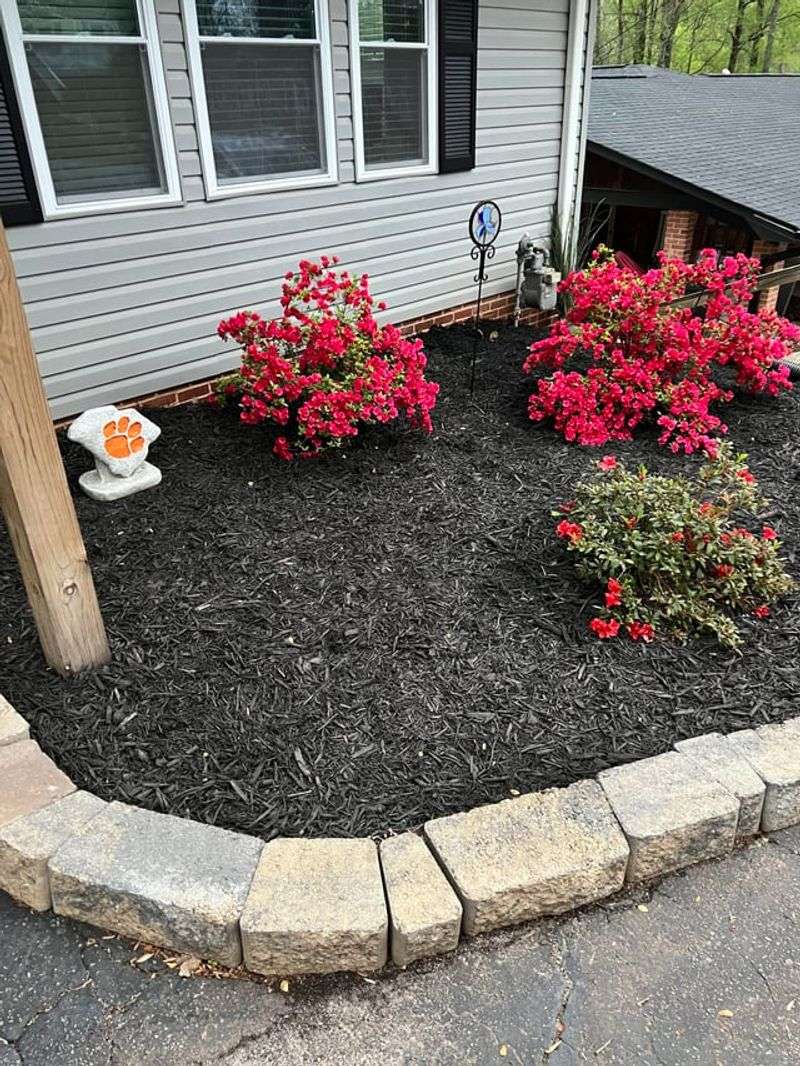
Putting the clippers away does not mean doing nothing. There are smart, plant-friendly tasks you can tackle right now instead.
Start by cleaning up around the base of the shrub. Remove fallen leaves, old mulch, and any debris that could harbor fungal spores or insects.
Refresh the mulch layer with fresh pine straw. Azaleas thrive under pine straw because it breaks down slowly and keeps the soil slightly acidic.
Check the soil pH while you are out there. Azaleas prefer a pH between 4.5 and 6.0, and Georgia clay soils can drift too alkaline over time.
If the pH is off, add sulfur-based soil acidifier according to the package directions. Correcting pH helps the plant absorb nutrients it may have been missing all along.
Look over the leaves for signs of lace bugs, which are a common azalea pest in the South. Stippled, grayish leaves with tiny black dots underneath are a telltale sign of an infestation.
Treat lace bugs early with insecticidal soap or neem oil for best results. Catching the problem in summer prevents a much bigger headache by fall.
You can also remove any damaged or crossing branches by hand without touching live, bud-bearing growth. That light cleanup improves airflow without putting next spring’s Georgia azalea blooms at risk.
These small steps add up, giving your azaleas a stronger start each season.
A Simple Care Calendar For Georgia Azaleas
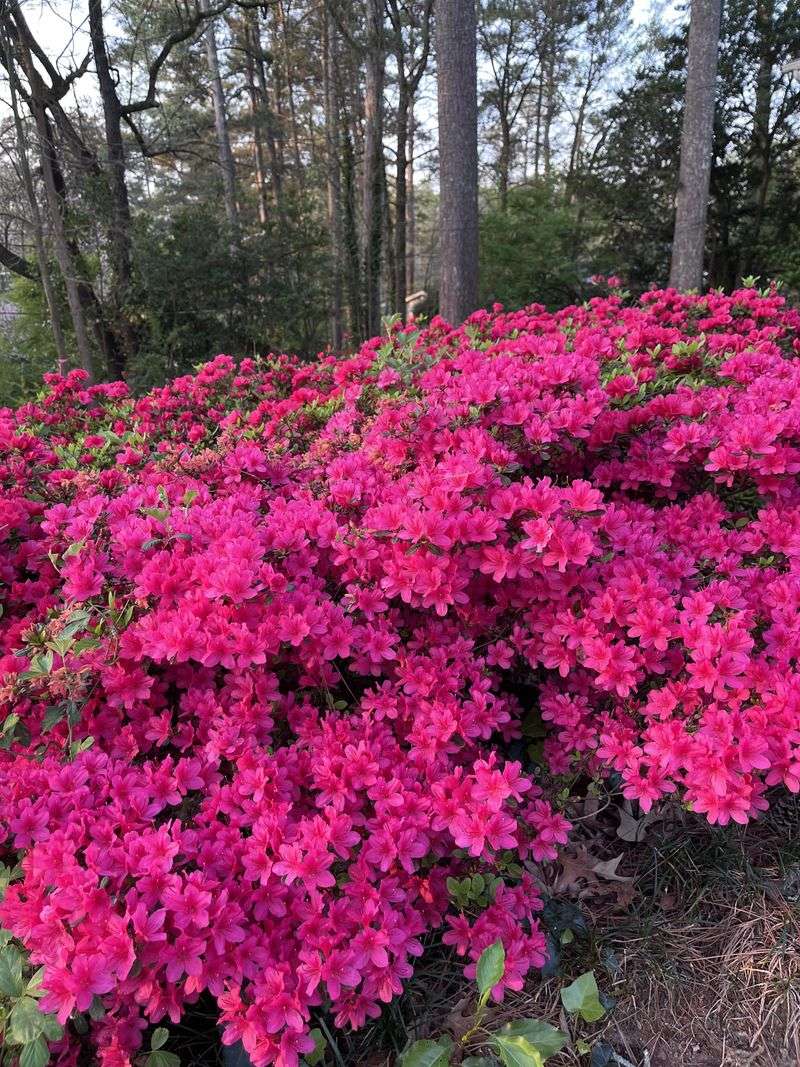
Keeping azaleas happy year-round is easier when you break it into monthly steps. A simple rhythm beats trying to remember everything at once.
March through April is bloom time. Enjoy the show, and do not touch the clippers until the last flower drops.
May is your pruning window. Shape lightly, remove any damaged wood, and stop cutting by the end of the month at the latest.
June calls for fertilizing. Apply an acid-forming, slow-release blend and water it in well after application.
July means deep watering. Heat stress hits hard this month, so keep roots cool with consistent moisture and a fresh layer of mulch.
August is hands-off time. The plant is quietly setting buds for next spring, so resist any urge to trim or cut back now.
September and October are for observation. Check for pests, inspect soil pH, and note any areas that need attention next spring.
November brings the first cold snaps. Make sure mulch is in place to protect shallow roots from sudden temperature swings.
December through February is the dormant season. Leave the plant alone and let it rest, which is exactly what it needs before the next bloom cycle.
Follow this calendar for even one full year, and you will likely notice a real difference in your Georgia azalea performance next spring.