When Michigan Potato Plants Look Bad But Are Actually Almost Ready To Harvest
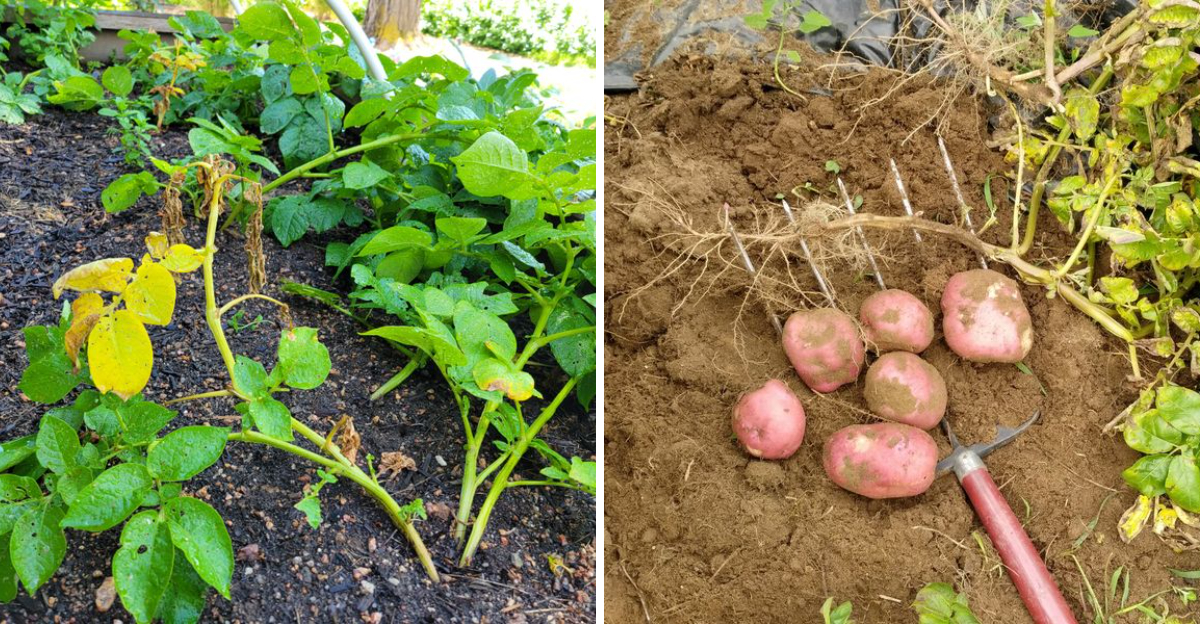
A tired potato patch is not always bad news.
By late July or August in Michigan, the plants that looked lush and strong a few weeks ago may start turning yellow, leaning over, and looking worn out.
That can make any gardener wonder whether something went wrong underground.
But potatoes have their own way of announcing harvest time.
As the crop matures, the plant begins shifting energy away from leaves and stems and toward the tubers below the soil. The top growth fades because its job is nearly finished.
That change can look dramatic.
The key is knowing the difference between normal seasonal fading and a real problem that needs attention.
So when do Michigan potato plants look bad because they are actually almost ready to harvest?
Start with the color, the vines, the lower leaves, the timing after bloom, the skin texture, and the weather forecast before reaching for the garden fork.
1. Yellowing Tops Can Be Normal
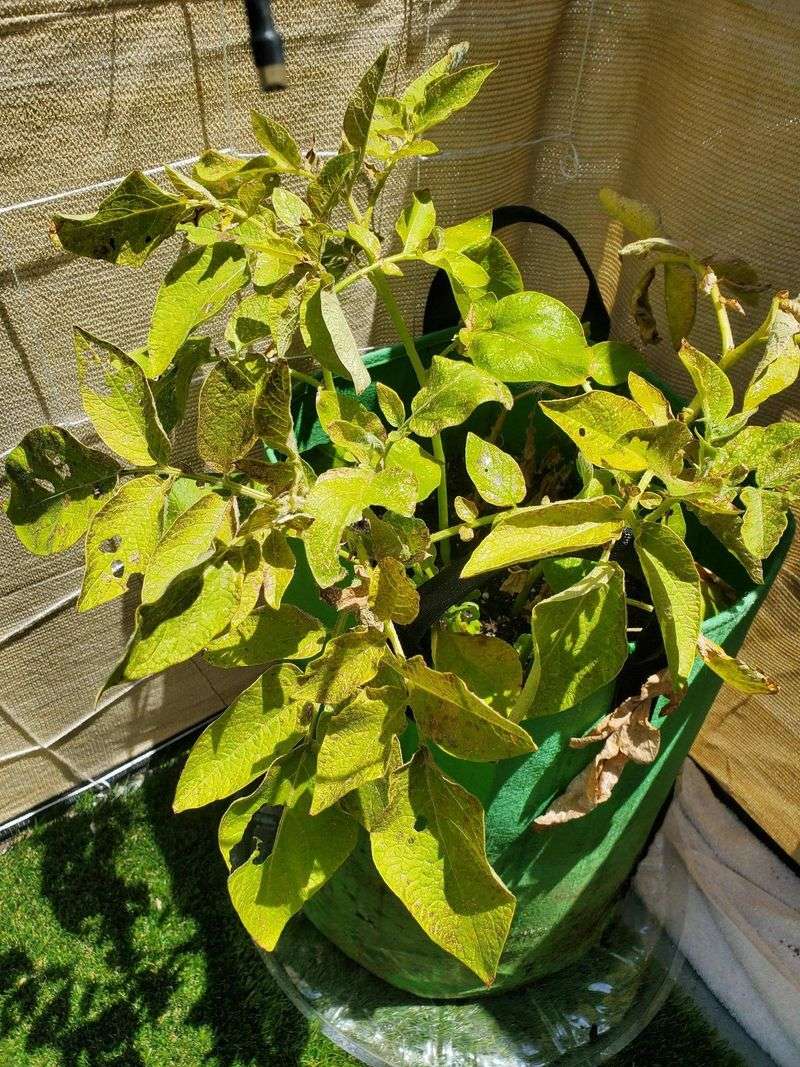
Yellow potato tops can mean the crop is right on schedule.
In late summer, Michigan potato plants often begin to fade as the tubers finish sizing up underground. The leaves may turn pale, yellow, or dull green while the stems lose their earlier strength.
Even yellowing is the reassuring sign. When several plants across the row fade gradually at the same pace, that usually points to natural maturity rather than trouble.
The plant is redirecting energy. Instead of pushing fresh top growth, it is sending resources into the potatoes below the soil.
Variety timing matters. Early potatoes such as Yukon Gold often fade sooner than longer-season types such as russets.
Planting dates help make sense of the change. A row planted early in spring should naturally look older by late July or August than one planted later.
Watch for uneven patterns. One plant failing suddenly while the rest stay green deserves a closer look.
Dark spots, soft stems, slimy crowns, or fast collapse are different clues. Those patterns may point to disease or root trouble rather than normal maturity.
Gradual yellowing across the row is not a reason to panic.
It may be your potato plants quietly saying the harvest is getting close.
2. Flowering Came Weeks Earlier
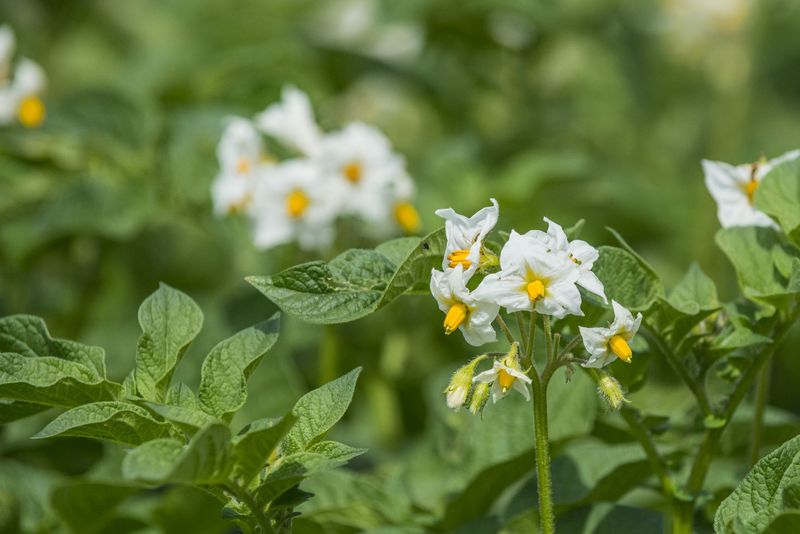
Potato flowers are a useful harvest clue.
Those small white, pink, or purple blooms that appeared weeks ago were not just pretty. They usually showed that tuber formation was well underway below the surface.
Bloom is not a perfect timer. Some potato varieties flower heavily, some bloom briefly, and some barely flower at all in certain weather.
Still, the timing helps. For many Michigan gardens, the weeks after bloom are when tubers begin putting on serious size.
Count from the planting date. Early varieties may be ready in roughly 70 to 90 days, while midseason and late types often need longer.
Use bloom as a checkpoint. Flowering tells you the plant reached an important stage, but the planting date tells you more about maturity.
Weather can shift the schedule. Cool springs, heat waves, drought stress, and heavy rain can all change how quickly the plants move through the season.
Your Michigan Garden Changes Every Week. Your Plan Should Too.
Gardening in Michigan changes quickly throughout the season. Every Friday you’ll receive a simple weekly plan showing exactly what to plant, prune, fertilize, harvest, and protect so you never miss the right timing.
Keep notes next year. Writing down planting dates, varieties, bloom time, and harvest time makes future digging much easier to judge.
A flower from six weeks ago may not seem important now.
But it was one of the first hints that potatoes were already forming underground.
3. Vines Are Losing Strength
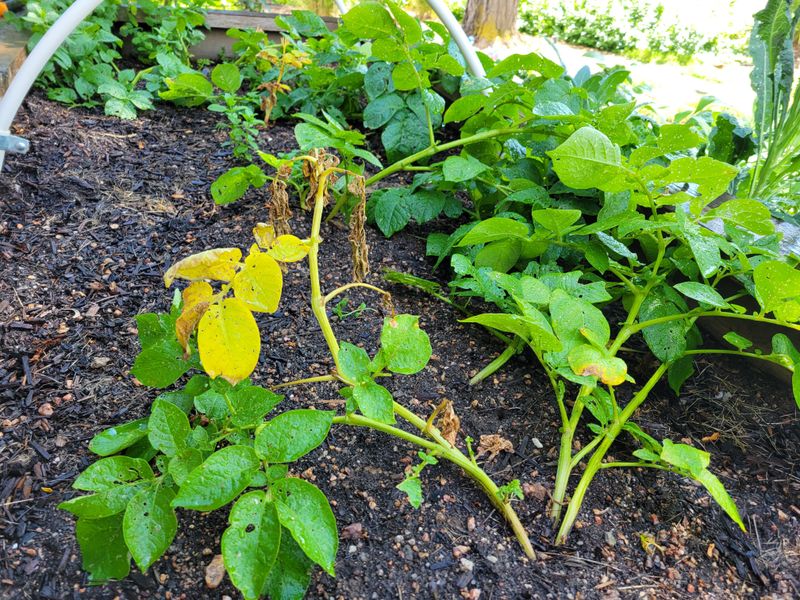
Flopping vines can be a harvest signal.
Potato stems that once stood tall may start leaning, drying at the tips, or collapsing slowly across the row. That change can look discouraging, but it often means the plant is completing its season.
The decline should be gradual. A slow loss of strength over one to three weeks is much more reassuring than one plant suddenly falling apart overnight.
The leaves may thin and fade. That is normal as the plant shifts focus away from top growth and into tuber maturity.
Reduce heavy watering. Once vines are fading, the crop usually needs less moisture than it did during active growth.
Check soil before irrigating. Damp soil near harvest does not need another soak, especially with rain in the forecast.
Too much water makes digging harder. Wet soil clings to tubers and raises the chance of bruising or soft spots after harvest.
Look for dry, papery stems. That texture fits normal maturity better than stems that feel mushy or dark near the base.
A whole row fading together is usually good news.
The vines may look tired because the potatoes underneath are nearly ready.
4. Lower Leaves Look Tired First
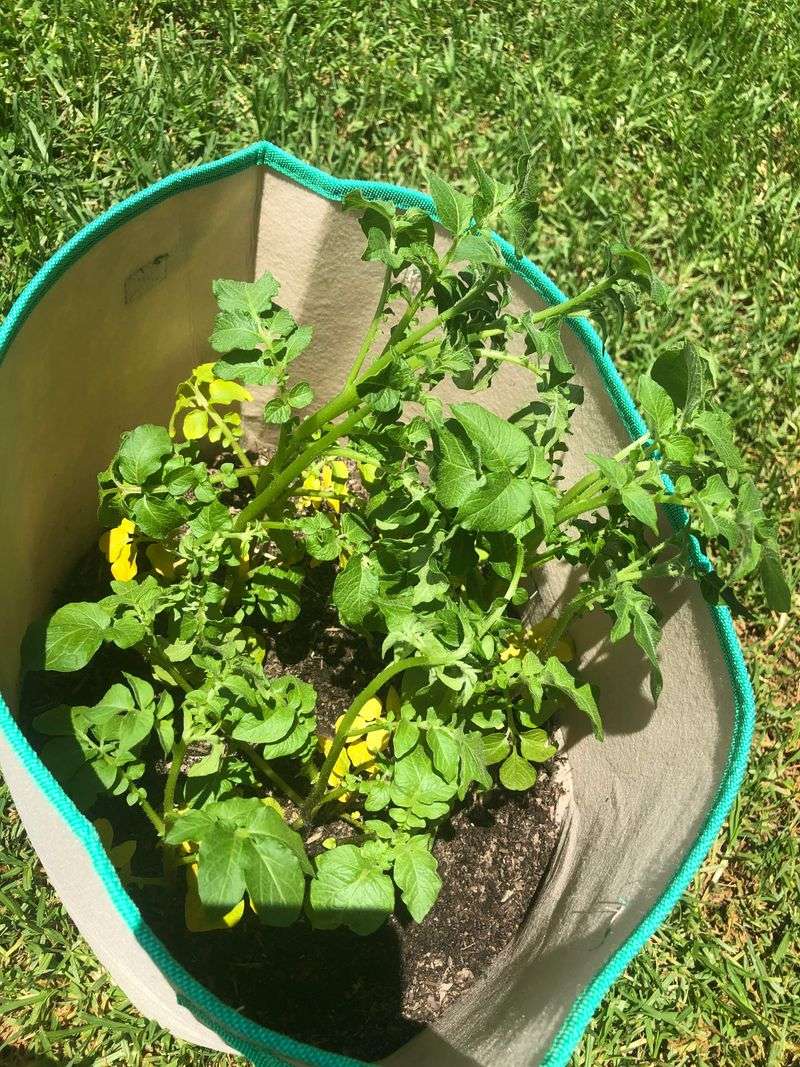
Older leaves often fade before the rest of the plant.
The lower foliage has been working since early in the season, so it is usually the first part to yellow, spot, brown at the edges, or drop away.
That bottom-up pattern can be normal. The plant pulls mobile nutrients from older leaves and sends them toward new growth and tubers.
The change should move slowly. Natural fading usually takes place over a few weeks, not overnight.
Check the undersides of leaves. Tiny moving specks, sticky residue, webbing, or heavy stippling may point toward pests rather than maturity.
Leafhoppers can confuse the picture. Their feeding may cause yellowing or browning that looks different from normal aging.
Compare several plants. A shared, gradual pattern across the row is more reassuring than random damage on one or two plants.
Do not rush to fertilize. Late-season yellowing is not always a nutrient shortage, and extra feeding near maturity may not help the crop.
The lower leaves are allowed to look worn.
They have done most of their work, and the tubers are taking over the story.
5. New Potatoes Are Ready Early
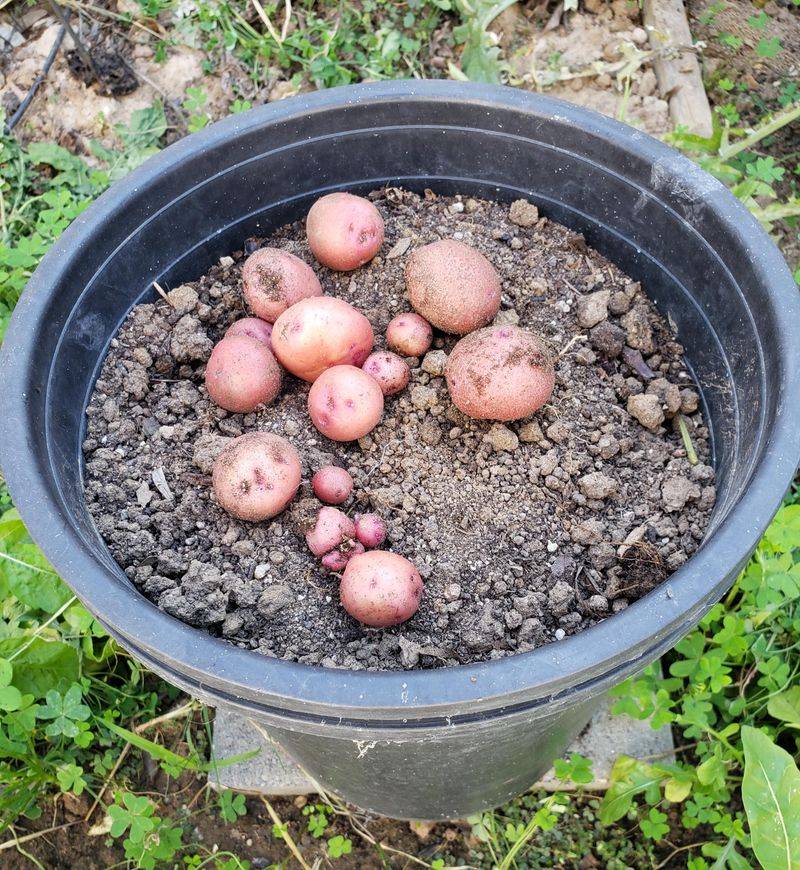
Small potatoes can be harvested before the crop fully matures.
New potatoes are the tender, thin-skinned tubers gardeners sneak from the soil while the plants still have some green growth. They are creamy, delicate, and best eaten soon after digging.
Wait until after bloom. That gives the plant time to form tubers large enough to be worth taking.
Use a gentle test dig. Slide a garden fork into the soil several inches from the stem and lift carefully to avoid spearing the potatoes.
Look for golf-ball size. New potatoes are usually small, with skins thin enough to rub easily with a thumb.
Take only a few. Removing part of the crop lets the remaining tubers keep sizing up for a later main harvest.
Use them quickly. New potatoes do not store well because their skins are too delicate.
Handle them gently. Thin skins bruise easily, so place them in a basket rather than dropping them into a bucket.
Leave the plant as intact as possible. The less you disturb the root area, the more the remaining crop can continue developing.
New potatoes are the early reward.
The full storage harvest needs more patience.
6. Storage Tubers Need More Time
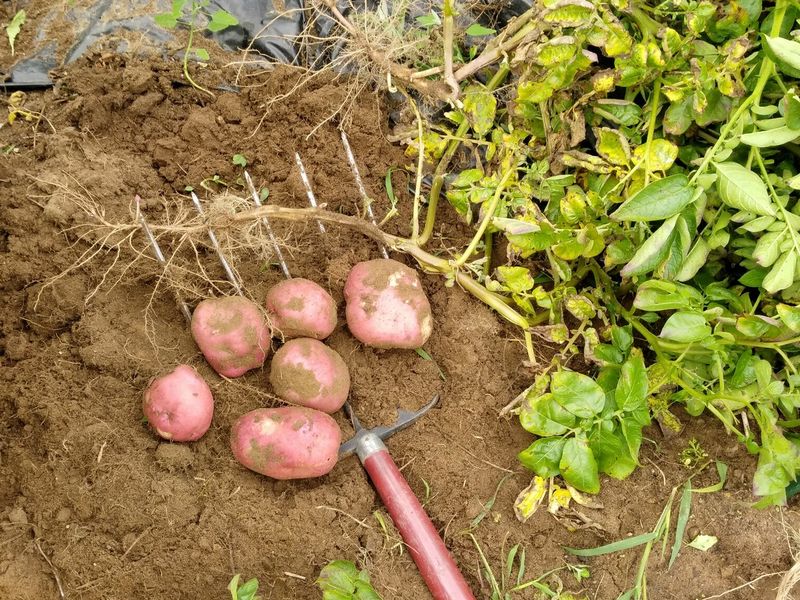
Storage potatoes should not be rushed.
A potato meant for fall and winter use needs firmer skin than a new potato. Pulling the crop too early can lead to shriveling, bruising, or poor storage quality later.
Wait for the vines to fully fade. Once the top growth has finished, the tubers can spend extra time in the soil while their skins firm up.
Give them about two more weeks when conditions allow. That resting window helps the outer skin become tougher and better suited for storage.
Weather still matters. Warm, wet soil can work against quality, while a hard cold snap can damage shallow tubers.
Watch the forecast closely. Michigan fall can change quickly, so harvest timing should balance maturity with weather risk.
Soil should be workable. Digging in sticky, wet soil makes tubers harder to clean and easier to bruise.
Different varieties mature differently. Long-season potatoes may need more time than early types, so match your expectations to what you planted.
Patience pays off in the cellar.
A few extra days can make the difference between potatoes that store well and potatoes that fade too quickly.
7. Skins Should Firm Up
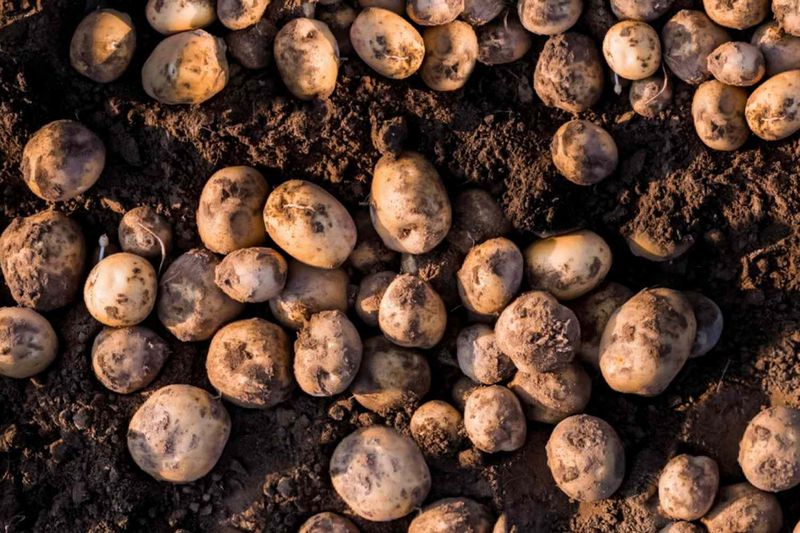
The thumb test tells you a lot.
Rub the skin of a freshly dug potato firmly with your thumb. A potato ready for storage should resist that pressure instead of peeling or slipping easily.
Loose skin means wait. Thin or slipping skin is fine for new potatoes, but not ideal for long-term storage.
Firm skin protects the tuber. It reduces moisture loss, bruising, and soft spots after harvest.
Test a few potatoes first. Digging one plant or a small section helps you judge readiness before lifting the whole row.
Do not wash storage potatoes. Brush off loose soil after they dry slightly, but keep water away before curing and storage.
Handle every tuber carefully. Bruises may not show right away, but they can create problems weeks later.
Sort as you harvest. Potatoes with cuts, deep fork marks, or soft areas should be used first rather than stored with the best ones.
Cure before long storage. A short curing period in a dark, humid, well-ventilated place helps skins finish setting.
A potato can look big enough before it is ready to keep.
The skin tells you whether it is truly prepared for storage.
8. Frost Moves Harvest Forward
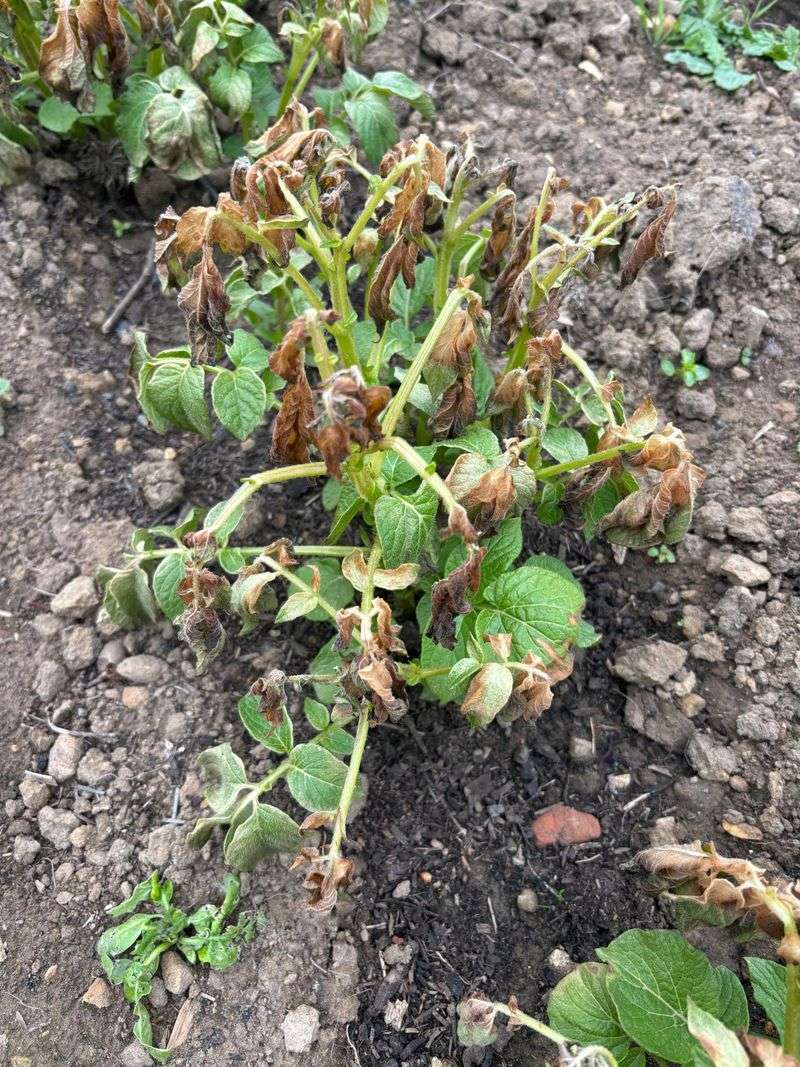
Michigan frost can change the plan fast.
Late September and October do not always arrive gently. A sudden frost forecast can push harvest timing ahead, especially for potatoes still sitting close to the soil surface.
Light frost mainly affects top growth. The underground tubers are often fine as long as the soil itself does not freeze.
Hard cold is different. A deeper freeze can damage shallow potatoes and reduce storage quality.
Do not dig in mud unless necessary. Wet soil increases bruising and makes the harvest messier, so wait for the surface to dry when the forecast allows.
Harvest early when real cold is coming. Tubers that are not perfectly mature can still be cured after digging.
Curing helps finish the process. A warm, humid, dark space for one to two weeks can help skins firm before potatoes move into cooler storage.
Remove damaged potatoes from storage batches. Any tuber with cuts, soft spots, or frost injury should be used quickly.
Keep checking the forecast. A clear harvest window can disappear fast in a Michigan fall.
The vines may look rough, but the crop may be ready just in time.
When frost starts calling the shots, flexible timing saves the harvest.