Maryland Zucchini Growing Mistakes That Lead To No Harvest And How To Avoid Them
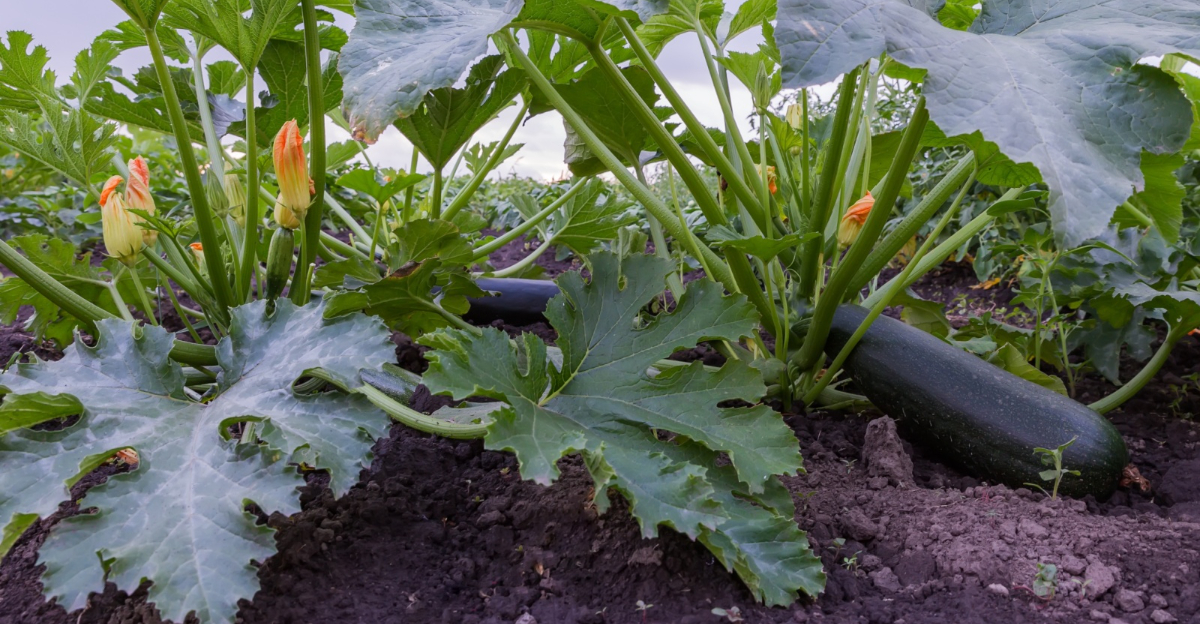
Blossoms cover your zucchini vines, yet not a single fruit appears. Maryland gardeners face this letdown almost every summer without fail. Your soil, watering schedule, and planting timing all play a hidden role every year.
Bees disappear some mornings, leaving flowers unpollinated and unable to develop. Heat waves weaken your plants and slow fruit production fast.
Nobody ever tells you that crowded vines can shade their own blossoms. Humidity across Maryland confuses pollinators and slows their garden visits.
Fertilizer overload pushes leafy growth while your fruit set stalls. Timing your planting wrong can affect an entire season instantly.
Confusing male and female flowers wastes your energy and hope. Small mistakes add up quickly, turning your harvest into a setback.
Fixing this cycle demands sharp observation, not more guesswork. Raised beds can still turn wildly productive before summer fully ends. Ignore these clues, and your zucchini will struggle all season long.
Overcrowding Plants Blocks Proper Pollination Access
Picture a garden bed so packed with zucchini that you can barely see the soil underneath. That overcrowded bed is one of the biggest Maryland zucchini growing mistakes gardeners make without realizing it.
Dense plantings make that significantly more difficult, especially on calm, humid Maryland summer mornings.
Crowded plants also compete for nutrients and moisture in the soil. That stress weakens the vines and reduces flower production overall.
The fix is straightforward: give each zucchini plant at least 3 to 4 feet of space in every direction. Bush varieties need a little less room, but vining types need even more.
Thin out seedlings early, even if it feels wasteful. One healthy, well-spaced plant will typically outperform three cramped ones fighting for the same patch of Maryland garden soil.
Skipping Hand Pollination Reduces Fruit Set

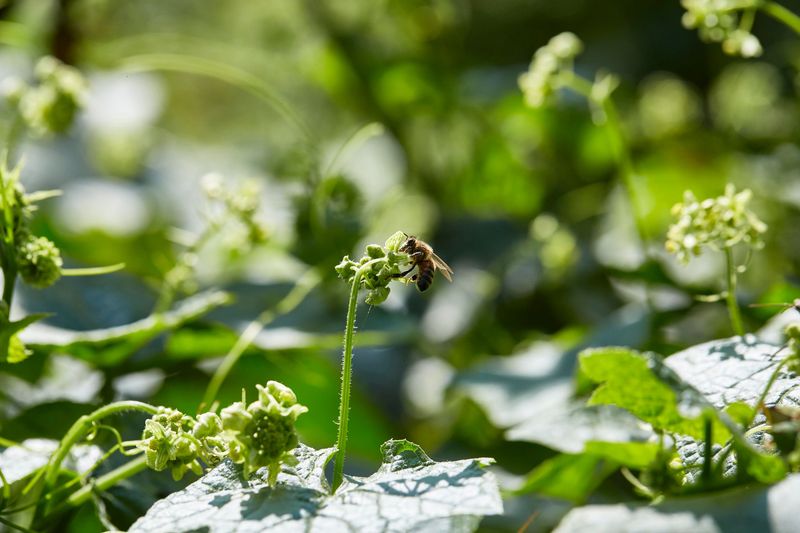
Some mornings, bees just do not show up. Cloudy skies, rain, or a lack of nearby pollinators can leave your zucchini flowers unpollinated for the day.
When that happens, hand pollination is your best friend. It is a commonly overlooked technique among Maryland home gardeners.
Male flowers appear first, usually a week before female ones. You can spot females easily because they have a tiny swollen base that looks like a miniature zucchini.
To hand pollinate, pick a fresh male flower in the morning and peel back its petals. Rub the pollen-covered center gently against the center of an open female flower.
A small clean paintbrush works too if you prefer not to pick the male flower. Either way, morning is the best time because flowers are fully open and pollen is at peak freshness.
Skipping this step when bees are scarce is a common Maryland zucchini growing mistake that leads to fruit drop and empty harvests.
Taking two minutes each morning can completely change your season and fill your kitchen with more zucchini than you know what to do with.
Watering Leaves Instead Of Roots Invites Disease
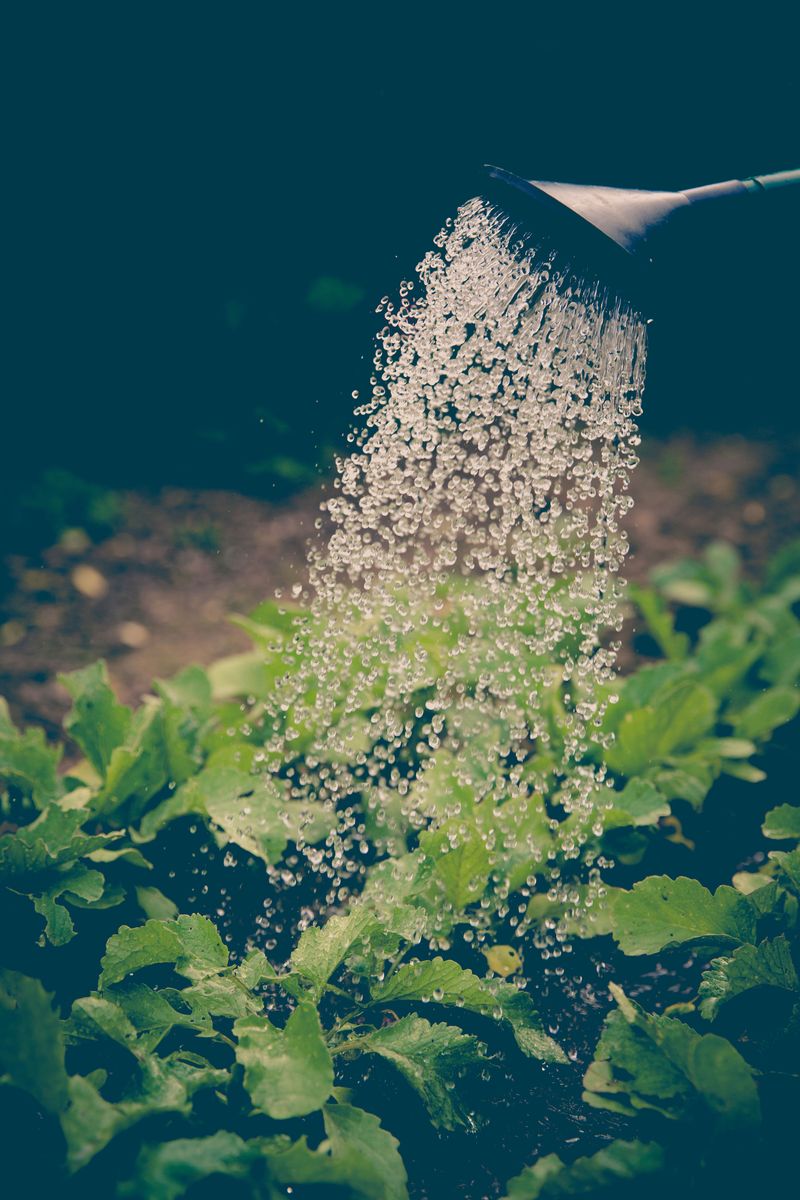
Wet leaves are basically an open invitation for fungal problems. Powdery mildew, one of the most common zucchini diseases in Maryland, spreads fast on foliage that stays damp overnight.
Your Maryland Garden Changes Every Week. Your Plan Should Too.
Gardening in Maryland changes quickly throughout the season. Every Friday you’ll receive a simple weekly plan showing exactly what to plant, prune, fertilize, harvest, and protect so you never miss the right timing.
Many gardeners grab the hose and spray the whole plant from above without thinking twice. That habit creates the exact conditions that fungal spores love most.
Zucchini roots sit a few inches below the soil surface and spread outward from the base of the stem. That is where water needs to go, not on the leaves.
Overhead watering also causes soil to splash up onto lower leaves, carrying pathogens from the ground directly onto the plant. That splash effect speeds up disease spread across your entire bed.
Switch to drip irrigation or a soaker hose if possible. If you only have a standard hose, aim the nozzle low and water slowly at the base of each plant.
Morning watering is ideal because any accidental leaf contact will dry off before nightfall. Keeping foliage dry is one of the simplest ways to avoid a major Maryland zucchini growing mistake that ruins whole crops by midsummer.
Ignoring Early Pest Signs Lets Squash Bugs Spread

Squash bugs are hard to detect, quick to spread, and highly destructive once they get established in a Maryland garden. By the time most gardeners notice the damage, a small problem has already become a full infestation.
These pests lay clusters of shiny bronze eggs on the undersides of leaves. Most people never flip a leaf over to check, which is exactly how the bugs get their head start.
Adult squash bugs feed by piercing leaf tissue, causing yellow specks that turn brown and, in heavy infestations, wilting known as Anasa wilt. That wilting can look like a watering problem at first, which delays the right response.
Check the undersides of every leaf at least once a week starting in late June. Early detection is everything when it comes to keeping these pests from wiping out your crop.
Remove egg clusters by hand or scrape them off with a butter knife into a bucket of soapy water. Catching eggs before they hatch stops the cycle before it starts.
Row covers early in the season can prevent adults from reaching your plants at all. Staying proactive about pest scouting is the smartest way to avoid this costly Maryland zucchini growing mistake all summer long.
Planting Too Early Stunts Growth In Cold Soil
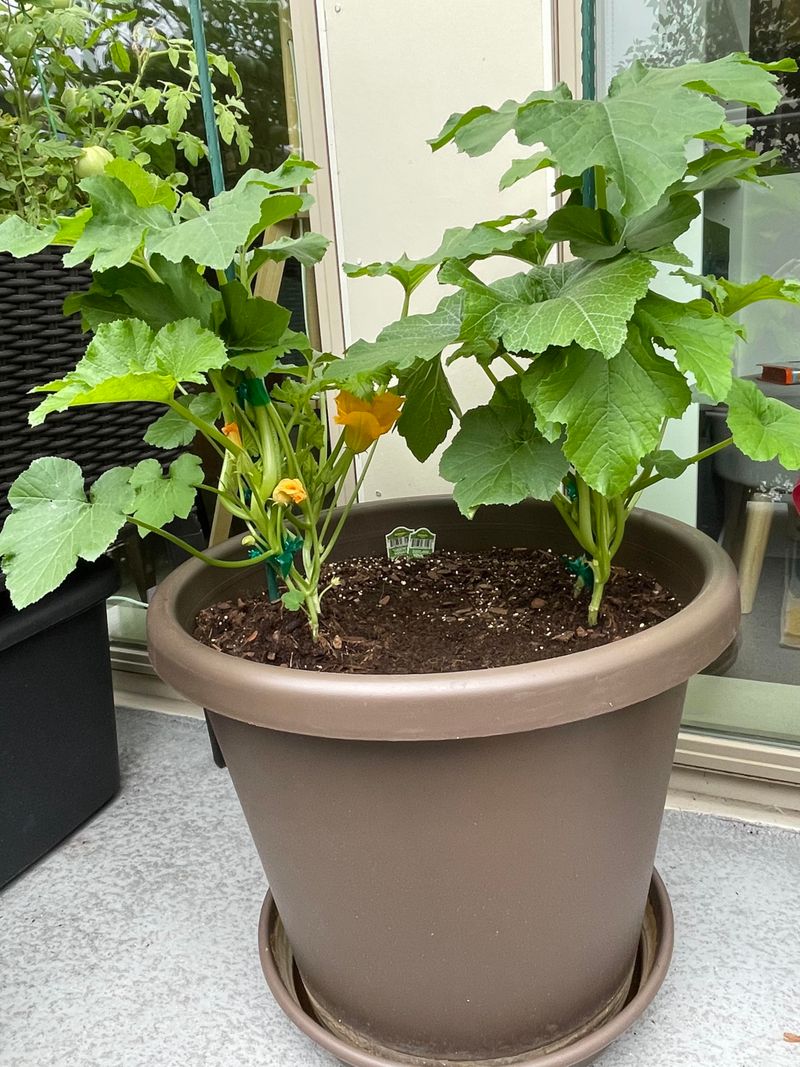
Zucchini seeds are warm-weather lovers through and through. Planting them in cold Maryland soil before it warms up is like asking someone to run a race in wet cement.
Soil temperatures below 60 degrees Fahrenheit slow germination dramatically. Seeds may rot before they even sprout, or seedlings may emerge pale, slow, and stunted.
Maryland springs can be deceptive. A warm week in April might tempt you to plant, but soil temperatures often lag behind air temperatures by several weeks.
Use an inexpensive soil thermometer to check at a depth of two inches before planting. Wait until the reading holds steady at 65 degrees or warmer for several consecutive days.
In most parts of Maryland, that window falls in mid-May, shifting earlier near the coast and later inland, per University of Maryland Extension guidance.
Transplants started indoors four weeks before your target outdoor date can give you a head start without the cold soil risk.
Avoiding the urge to plant too soon is one of the easiest Maryland zucchini growing mistakes to correct once you understand what warm soil actually does for your harvest.
Space Plants Wide For Airflow And Bees
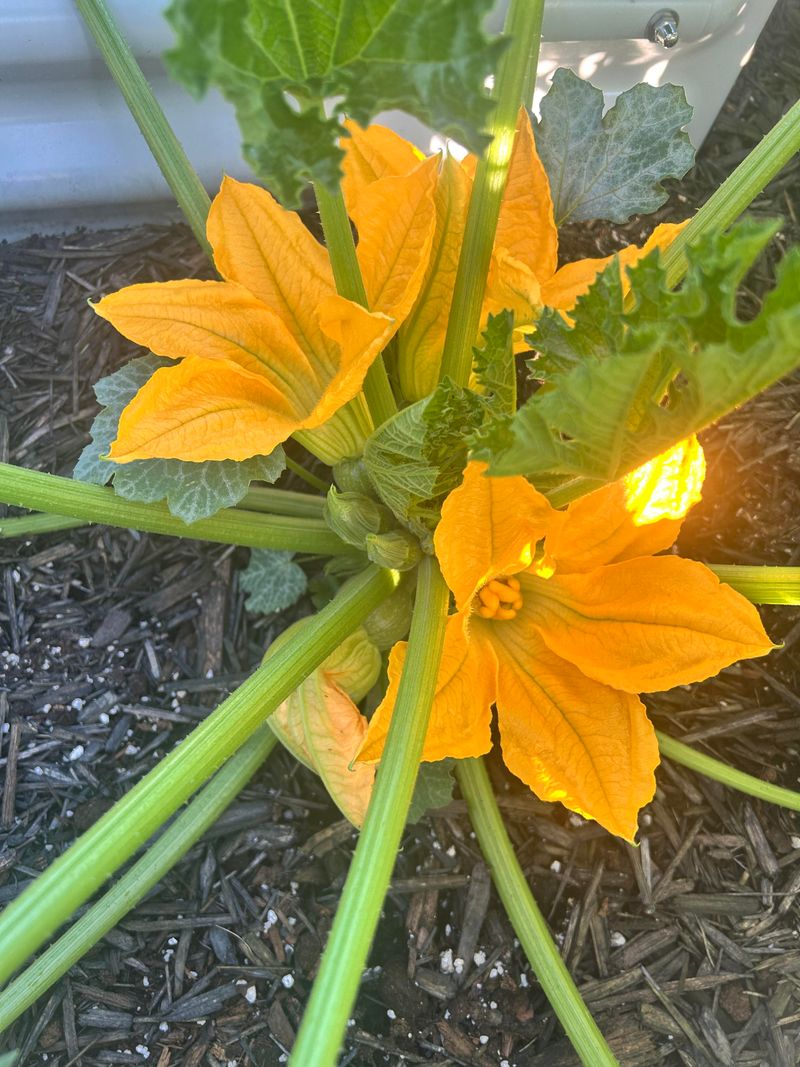
Good spacing is not just about avoiding crowding. It is about creating the right environment for your entire garden ecosystem to function properly.
When zucchini plants have room to breathe, air moves freely between the leaves. That airflow dries moisture off foliage faster and keeps fungal diseases from gaining a foothold.
Bees also navigate more easily through open garden beds. A clear, unobstructed path to a bright yellow flower is far more attractive to a foraging bee than a tangled jungle of overlapping leaves.
Plant zucchini in rows or clusters with at least 3 to 4 feet between each plant. If you are growing in raised beds, resist the urge to squeeze in just one more transplant at the end of the row.
Wider spacing also makes it easier for you to spot pest damage, harvest fruit, and water at the base without disturbing neighboring plants. Your whole maintenance routine gets simpler when plants are not fighting each other for space.
Think of proper spacing as setting your plants up for success from day one. It is one of the most impactful adjustments any Maryland home gardener can make to avoid a frustrating no-harvest season.
Hand Pollinate Flowers Early In The Morning
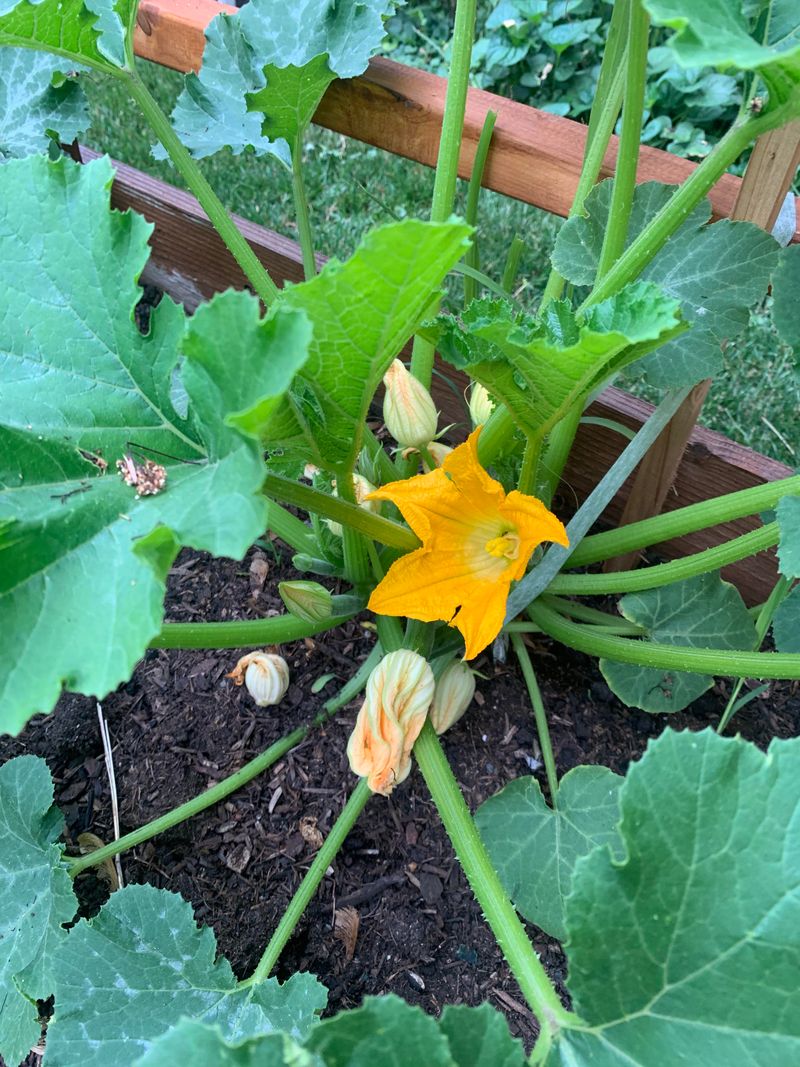
There is something almost meditative about walking through the garden at sunrise with a cotton swab in hand. Early morning hand pollination is a small habit that can completely transform your zucchini harvest.
Zucchini flowers open at dawn and begin to close by mid-morning. That narrow window is when pollen is freshest and female flowers are most receptive to fertilization.
If you wait until afternoon to check on your plants, you have already missed the best opportunity. Closed flowers cannot be effectively pollinated, so timing matters more than most gardeners realize.
Look for male flowers, which grow on straight slender stems, and female flowers, which have that telltale tiny fruit at the base. Both need to be open at the same time for success.
Gently swirl a cotton swab or small brush inside a male flower to collect pollen. Then transfer it carefully to the center of the female flower with a light, circular motion.
Do this for every open female flower you find each morning. Consistent hand pollination is one of the most reliable ways to boost fruit set and sidestep a frustrating Maryland zucchini growing mistake that leaves gardeners scratching their heads all season.
Water At The Base To Keep Leaves Dry
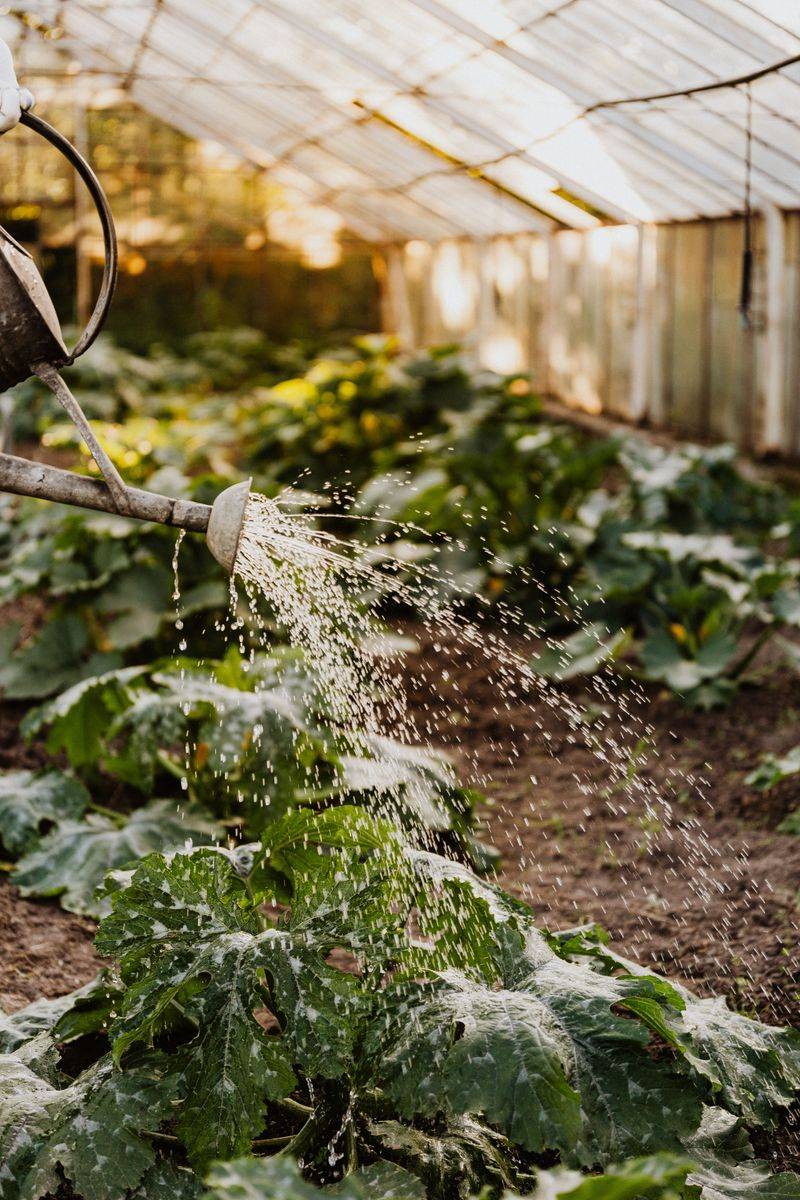
Healthy zucchini leaves should feel dry to the touch even after a watering session. If yours come out of every irrigation cycle dripping wet, something needs to change right away.
Wet foliage is the number one trigger for powdery mildew, which spreads quickly in Maryland’s humid summer climate. Once it takes hold, it is extremely difficult to reverse without intervention.
Soaker hoses are one of the best investments a Maryland gardener can make for a zucchini bed. They deliver moisture directly to the root zone while leaving all the foliage completely untouched.
Drip irrigation systems work even better for larger gardens because you can control timing and volume with precision. Both options cost less than a single season of replanting damaged crops.
If neither option is available, use a watering wand with a gentle flow setting and aim low. Keep the stream close to the soil surface and move slowly around each plant base.
Avoid watering in the evening no matter what method you use. Moisture that sits on soil or foliage overnight creates a damp environment that fungal spores exploit, and that cycle is one of the most preventable Maryland zucchini growing mistakes of the whole season.
Check Leaves Weekly For Pests And Eggs
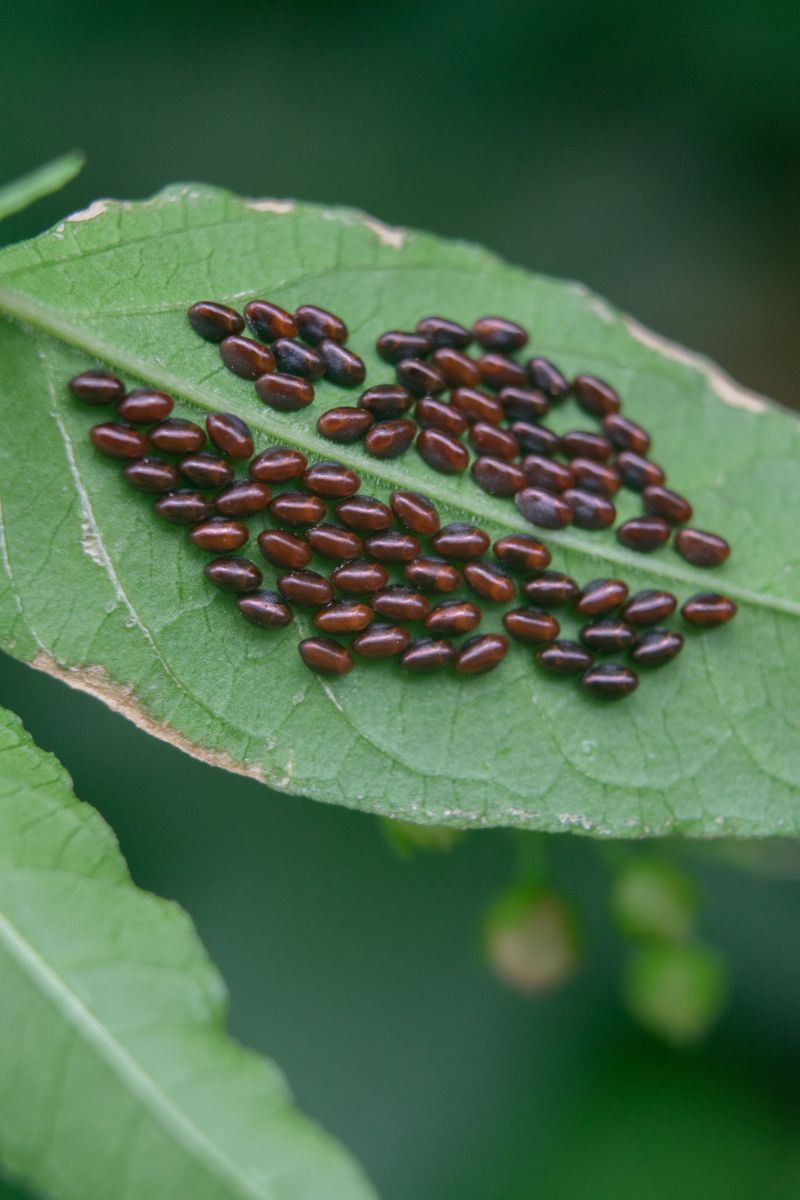
Most garden pests are creatures of habit, and they almost always start on the underside of leaves where you cannot easily see them. That hidden spot is where your weekly inspection needs to focus.
Squash bug eggs look like tiny bronze or copper-colored ovals arranged in neat clusters. They are small but visible to the naked eye once you know what to look for.
Cucumber beetles, aphids, and vine borers also target zucchini plants in Maryland during the summer months. Each pest has its own signature damage pattern, so learning to recognize them early is a real advantage.
Set a weekly reminder on your phone if you need one. Consistent checking, even for just five minutes per visit, makes an enormous difference in how quickly you catch problems before they escalate.
Bring a small container of soapy water with you on your inspection rounds. Drop any eggs, larvae, or soft-bodied insects directly into the solution to stop them from reproducing. Gardeners who skip weekly checks often end up facing much larger problems by August.
Making leaf inspection a regular habit is one of the most powerful ways to protect your plants and avoid the Maryland zucchini growing mistakes that reduce yields for the rest of the season.
Fertilize Correctly To Support Flower And Fruit Production
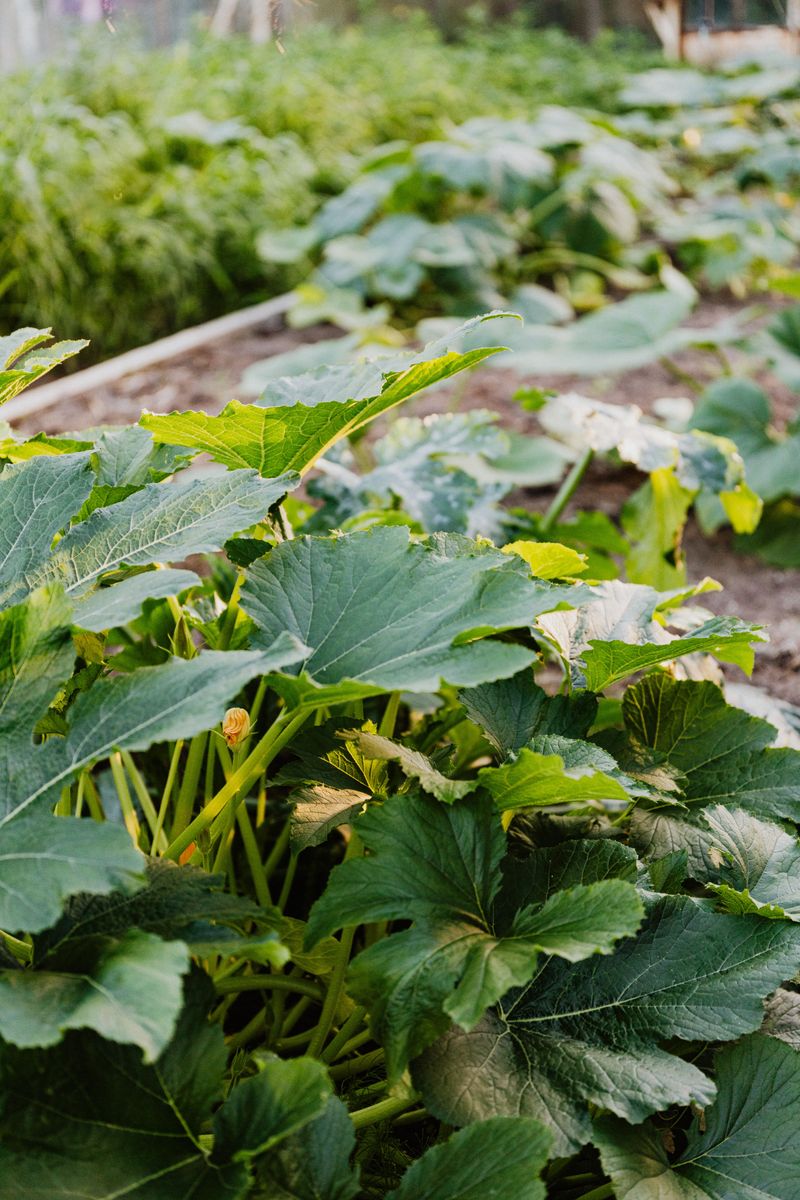
Too much nitrogen is a common misstep among enthusiastic Maryland gardeners every single season. Plants fed with high-nitrogen fertilizers grow enormous, lush, dark green leaves but refuse to set fruit.
Nitrogen pushes leafy growth, which looks impressive but actually signals the plant to delay reproduction. What you want instead is a balanced fertilizer that supports both flowering and fruit development equally.
Look for a fertilizer with roughly equal N-P-K numbers, something like a 10-10-10 blend, for general use at planting time. Once flowering begins, shift toward a formula with slightly higher phosphorus to encourage blooms.
Compost worked into the soil before planting is one of the best foundations you can give a zucchini bed. It feeds the plant slowly, improves drainage, and supports the microbial life that makes nutrients available to roots.
Avoid fertilizing too late in the season when plants are already struggling. Feeding a stressed or diseased plant with extra nutrients rarely helps and can sometimes make root problems worse.
Getting your fertilizer approach right from the start is a key part of avoiding the Maryland zucchini growing mistakes that leave gardeners with beautiful foliage and a disappointing harvest all summer long.