What To Do With Your Florida Pentas In July So They Bloom All Summer
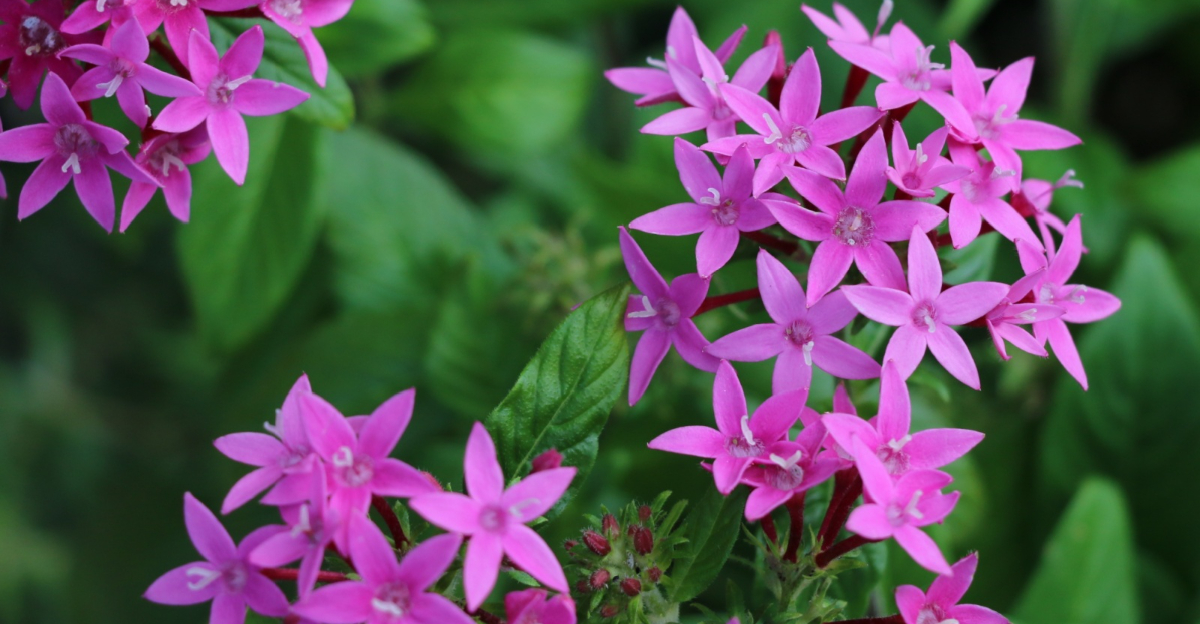
Intense heat challenges every plant you grow right now. Pentas keep blooming when other flowers collapse.
Florida summers challenge weak root systems constantly. Humidity thickens the air until breathing feels like work.
Your garden becomes a proving ground, not a hobby. Plants need consistent care to thrive during Florida’s peak season.
Color keeps pushing forward if you tend it right. Bloom cycles depend on timing you can’t ignore.
Watering habits either support growth or slow it. Sunlight becomes both energy source and daily test.
Pests multiply fast when moisture lingers too long. Feeding schedules separate vibrant pentas from struggling ones.
Trimming decisions now shape blooms weeks later. Every choice you make this month compounds quickly.
Momentum matters more than perfection in intense heat. Wrong choices fade fast under strong summer sun.
Smart moves make all the difference now. Waiting only makes it harder. You cannot afford to guess your way through July.
1. Remove Spent Flower Clusters Regularly
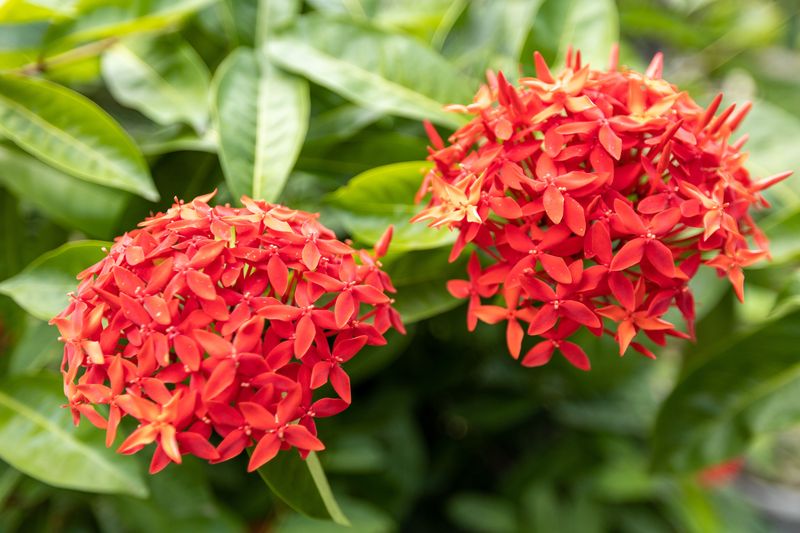
Nothing stops a blooming streak faster than ignored spent flowers. When pentas finish blooming, those old clusters signal the plant to slow down and make seeds instead of new buds.
Removing spent blooms breaks that cycle. By snapping off finished flower heads, you tell the plant to keep producing fresh blooms instead of putting energy into seed development.
Walk through your garden every three to four days in July. Look for clusters that have turned brown, gone limp, or lost their bright color entirely.
Pinch them off right at the base of the flower stem. You do not need scissors for this job, your fingers work perfectly well on pentas.
This habit makes a noticeable difference within a week. New buds appear faster when the plant is not carrying spent blooms.
Make it part of your morning routine when the air is still cool. A quick five-minute pass through your pentas beds keeps everything looking fresh and flowering strong.
Gardeners who skip this step often wonder why their plants look tired by mid-July. The answer is almost always sitting right there in those dried-up, forgotten clusters.
Consistent removal also improves airflow around the plant. Better airflow means less fungal trouble, which is a real concern during Florida’s rainy summer months.
Think of this practice as a conversation with your plant. You remove the old, the plant responds with the new, and the blooms just keep coming all season long.
2. Water Deeply During Dry Stretches
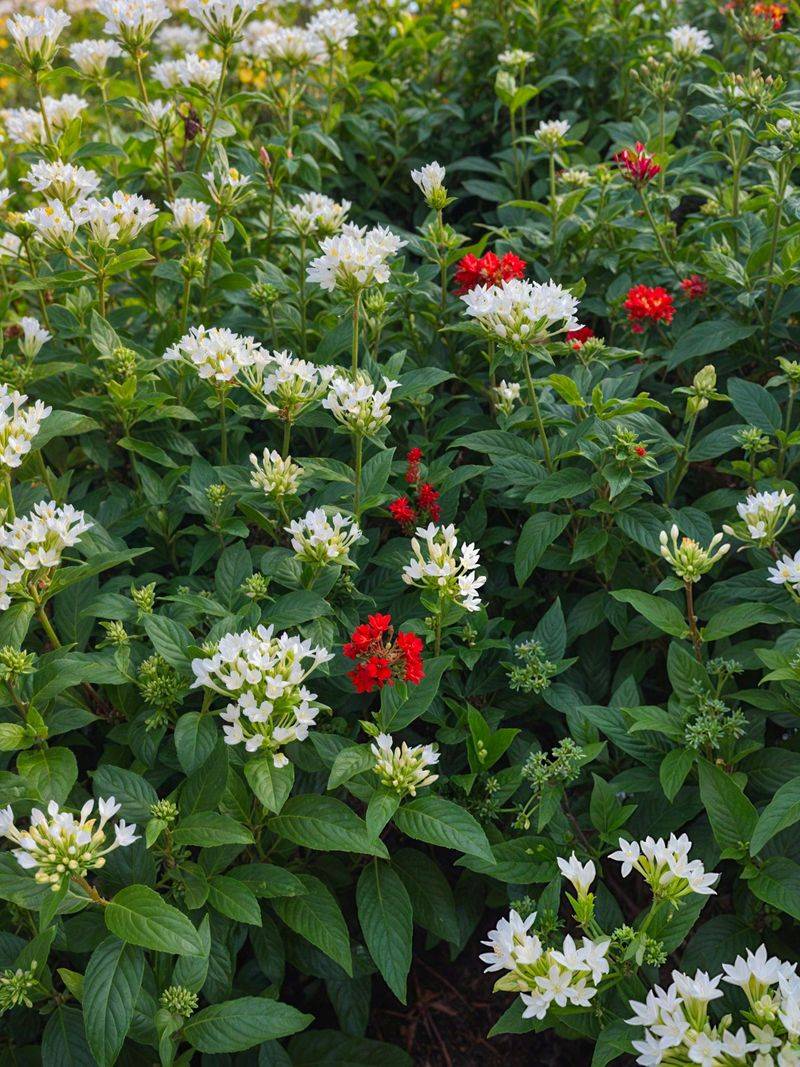
Pentas are tough, but even tough plants crack under a Florida dry stretch. July usually brings afternoon thunderstorms, but those rains are unpredictable and often too brief to soak the roots.
Shallow watering trains roots to stay near the surface. Surface roots struggle first when dry spells hit, and the plant wilts faster than you expect.
Deep watering means letting water soak down six to eight inches into the soil. That depth encourages roots to grow downward, where moisture lingers longer between rains.
Water at the base of the plant, not from above. Directing water to the root zone puts it exactly where pentas can use it most efficiently.
Your Florida Garden Changes Every Week. Your Plan Should Too.
Gardening in Florida changes quickly throughout the season. Every Friday you’ll receive a simple weekly plan showing exactly what to plant, prune, fertilize, harvest, and protect so you never miss the right timing.
Check your soil before watering. Stick your finger two inches into the ground. If it feels dry at that depth, it is time to water deeply and slowly.
A slow trickle for several minutes beats a fast blast for thirty seconds every single time. Slow watering gives the soil time to absorb moisture rather than letting it run off.
In Florida pentas gardens, aim for deep watering two to three times per week during dry stretches. Adjust based on rainfall and how quickly your soil dries out.
Sandy soil drains fast, which is common across much of the state. Adding organic matter to sandy beds helps hold moisture longer between your watering sessions.
Consistent deep watering keeps pentas blooming all summer without the stress cycles that cause plants to drop buds prematurely.
3. Feed With A Balanced Fertilizer Monthly
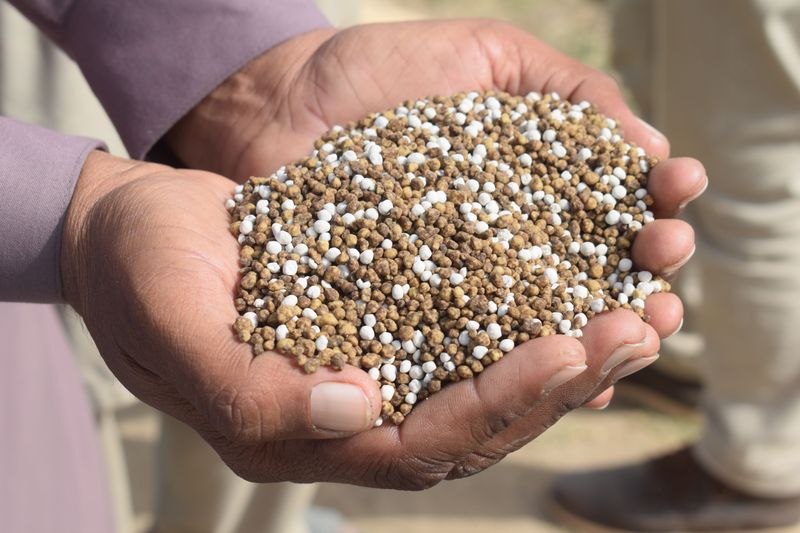
Hungry plants do not bloom well. It is that simple. Pentas are heavy feeders during the growing season, and July is prime time to make sure they are getting what they need.
A balanced fertilizer with equal parts nitrogen, phosphorus, and potassium works beautifully for pentas. Look for something labeled 10-10-10 or similar at your local garden center.
Nitrogen drives leafy green growth. Phosphorus supports strong roots and flower production, and potassium helps the plant handle heat and stress.
Apply fertilizer once a month through the summer growing season. More frequent feeding can actually burn roots, especially in the intense heat of a Florida July.
Granular fertilizers work well for pentas in garden beds. Scratch them lightly into the soil around the plant base, then water well to help nutrients move down to the roots.
Liquid fertilizers are another solid option, especially for container-grown pentas. They deliver nutrients quickly and are easy to apply with a watering can or hose attachment.
Always water your pentas before applying granular fertilizer. Applying to dry soil or dry roots can cause fertilizer burn, which weakens the plant right when you want it thriving.
Watch for yellowing leaves between feedings. Pale or yellow foliage can signal a nutrient deficiency, though overwatering, pests, or natural leaf aging can cause the same symptom.
Check the whole plant before assuming it needs fertilizer. Monthly feeding keeps your Florida pentas blooming all summer with lush green foliage and clusters of vivid color that stay vibrant in the heat.
4. Trim Leggy Stems To Encourage Bushiness
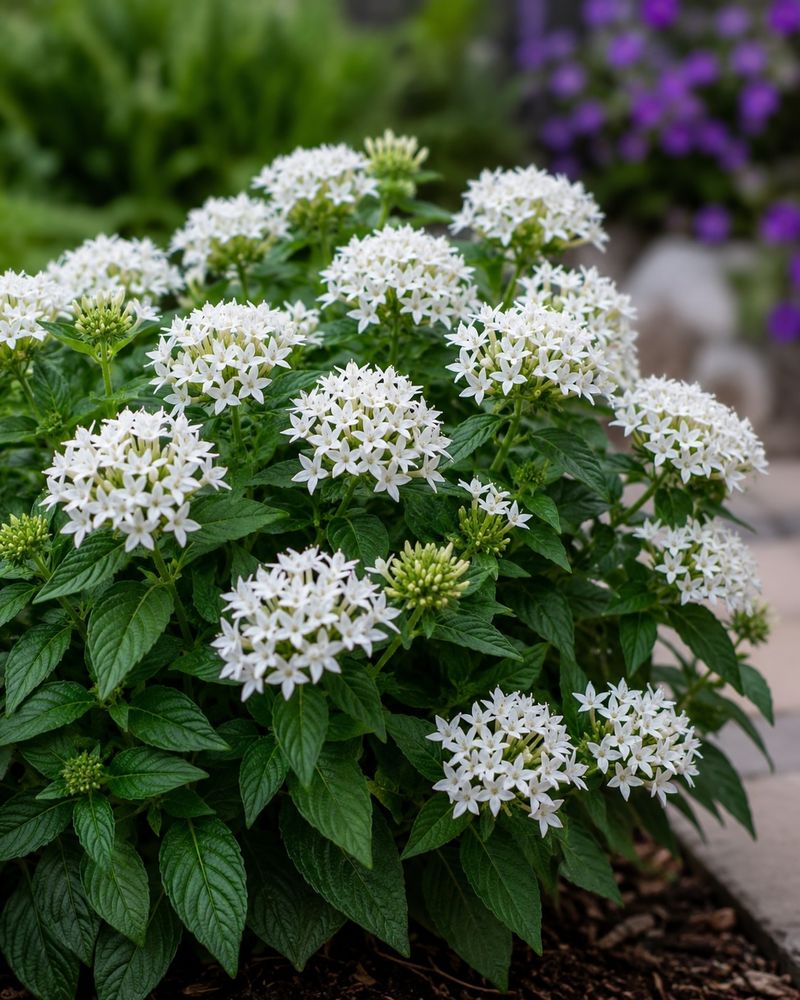
Leggy pentas are a real thing, and July is when it shows up most. The combination of heat, humidity, and fast growth can push stems long and scraggly almost overnight.
A leggy plant puts most of its energy into stretching upward rather than branching out. The result is a sparse, floppy look with fewer blooms than a well-shaped plant produces.
Trimming those long stems redirects that energy. When you cut back a stem, the plant responds by sending out two new shoots from just below the cut.
Use clean, sharp pruning shears or scissors for this job. A clean cut heals faster and reduces the chance of disease sneaking in through a ragged wound.
Cut stems back by about one-third of their length. You do not need to go drastic, a moderate trim is enough to trigger that branching response.
Focus on the tallest, most stretched stems first. Bringing those down encourages the whole plant to fill out rather than continuing to reach for the sky.
After trimming, give your pentas a good deep watering and a light fertilizer boost. That combination helps the plant recover quickly and push out new growth fast.
Within a few weeks of a good trim, you will typically notice the plant looking fuller and more compact, though timing varies with heat, moisture, and overall plant health. New stems emerge with fresh buds forming at their tips.
Trimming leggy growth is one of the most rewarding moves in summer gardening, with results that are easy to see within weeks.
5. Watch For Whitefly And Aphid Activity
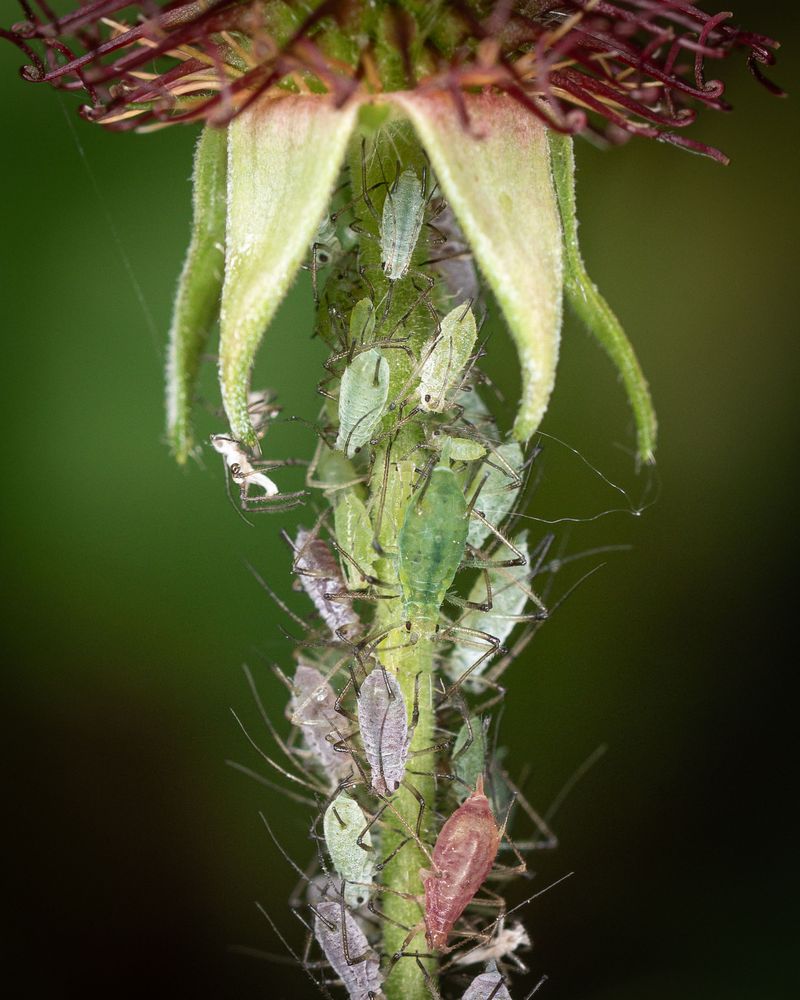
Small pests can cause significant damage. Whiteflies and aphids love pentas almost as much as gardeners do, and July’s warm, humid conditions are perfect for both pests to multiply fast.
Whiteflies look like miniature white moths clustered on the undersides of leaves. Shake a stem and a cloud of them lifts into the air. That is your first clear sign of trouble.
Aphids are soft, pear-shaped insects that come in green, black, or yellow. They cluster at new growth tips and suck sap directly from the plant’s most tender tissue.
Both pests weaken pentas by draining the plant’s fluids. Heavy infestations cause leaves to curl, yellow, and drop, which dramatically reduces blooming.
Check the undersides of leaves every few days during July. Catching an infestation early makes it far easier to control before numbers grow out of hand.
A strong spray of water from a garden hose knocks aphids off effectively. Repeat the spray every two to three days to keep populations from bouncing back.
Insecticidal soap spray handles both pests well and is gentler on beneficial insects than many chemical options.
It can still harm bees on direct contact, so apply it early morning or evening when bees are less active and temperatures are cooler. Mix according to label directions before spraying.
Neem oil is another effective option for persistent infestations. It disrupts the pest life cycle and provides some protection against fungal issues at the same time.
Staying ahead of whiteflies and aphids in July means your Florida pentas bloom all summer without losing ground to these common sap-feeding pests.
6. Apply Mulch To Retain Soil Moisture
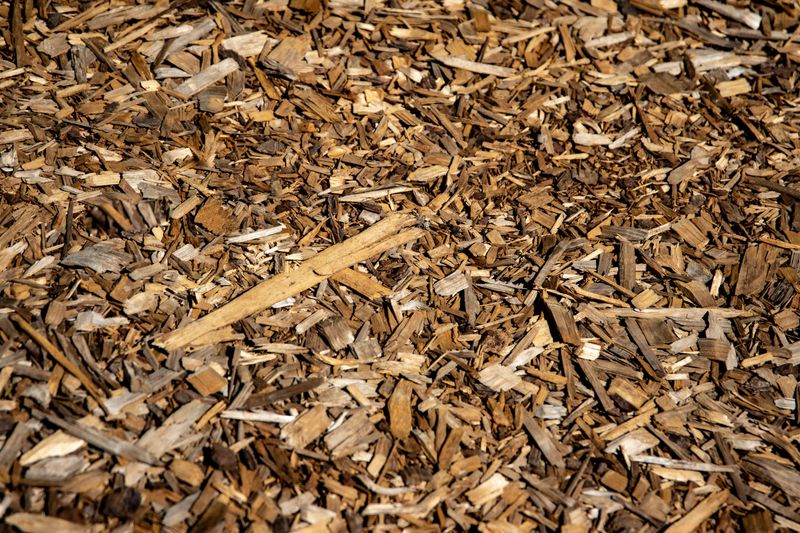
Bare soil loses moisture quickly under Florida’s July sun. The sun beats down, the heat radiates back up, and whatever water you gave your plants disappears faster than you planned.
Mulch changes that equation completely. A two-to-three-inch layer of organic mulch acts like a blanket over the soil, slowing evaporation and keeping roots cooler throughout the day.
Pine bark, wood chips, and shredded leaves all work well around pentas. Choose whatever is available locally, even a thin layer makes a meaningful difference in moisture retention.
Spread mulch in a ring around each plant or across the entire bed. Keep it a few inches away from the plant stems to prevent rot where the stem meets the soil.
Cooler soil temperatures from mulching also reduce plant stress. Heat-stressed pentas slow their blooming, so anything that moderates root temperature helps keep flowers coming.
Mulch also suppresses weeds, which compete with pentas for water and nutrients. Fewer weeds mean more resources go directly to the plants you actually want thriving.
As organic mulch breaks down over the season, it adds nutrients back into the soil. That slow release feeds your pentas gently between your monthly fertilizer applications.
Check mulch depth every few weeks in summer. It breaks down and compresses over time, so adding a fresh thin layer every month or so keeps the benefits consistent.
A mulched pentas bed holds moisture longer, stays cooler, and produces noticeably more blooms than a bare-soil bed right through the end of summer.
7. Avoid Overhead Watering In Late Afternoon
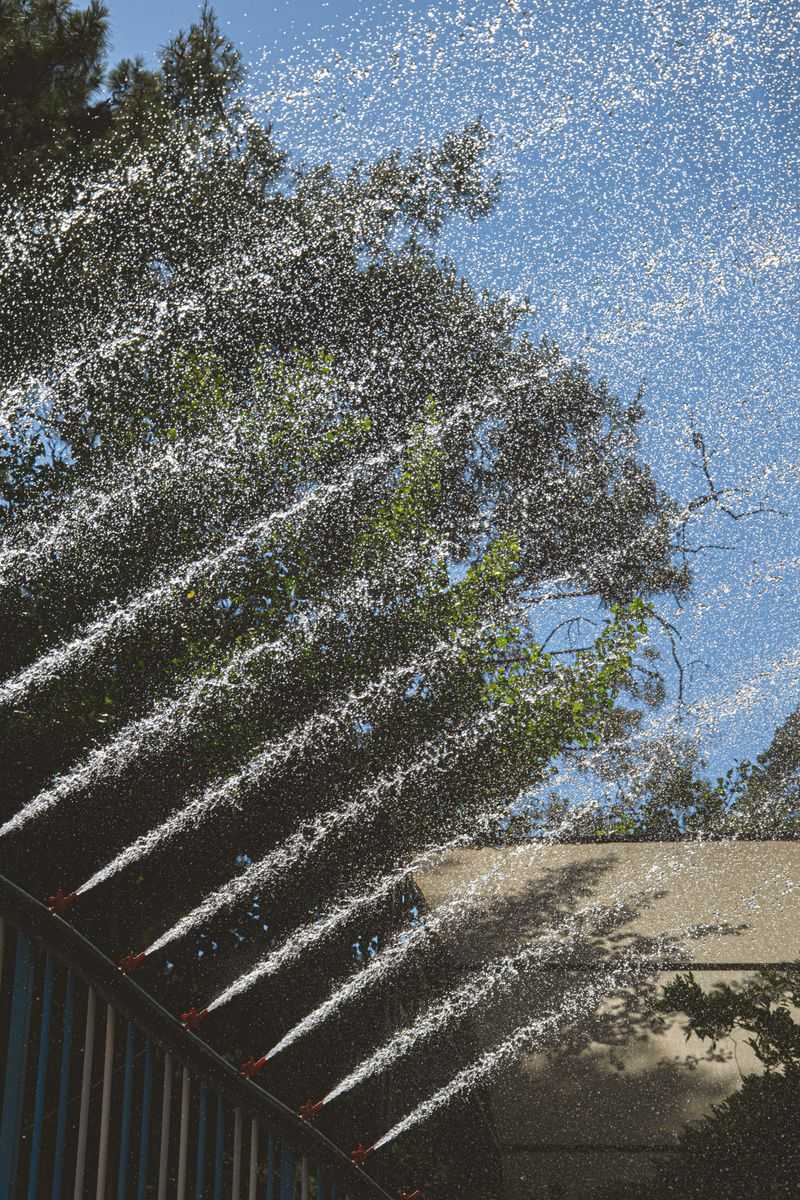
Timing matters more than most gardeners realize. Watering pentas from above in the late afternoon is one of those habits that seems harmless but quietly causes real problems over time.
When water sits on leaves overnight, it creates the perfect environment for fungal diseases. Powdery mildew and leaf spot both thrive on wet foliage in warm, humid conditions.
Florida summers are already humid enough without adding extra moisture to your plants at night. Late afternoon watering guarantees leaves stay wet through the evening hours.
Morning is the best time to water pentas. The sun and rising temperatures dry foliage quickly, and plants get the hydration they need right before the hottest part of the day.
If morning watering is not possible, aim for midday rather than late afternoon. Midday watering evaporates fast, but it is still far better than leaving plants wet overnight.
Drip irrigation or soaker hoses solve this problem entirely. They deliver water directly to the root zone without touching foliage at any time of day.
A soaker hose setup is generally affordable and easy to install in a pentas bed. It saves water, protects foliage, and makes your watering routine almost effortless.
If you use a sprinkler system, check what time it runs. Many automatic systems are set to run in the evening, which is the worst possible timing for disease prevention.
Switching your watering schedule to the morning is a small change that pays off in healthier foliage and stronger blooms all the way through September.
8. Pinch Back Young Growth For Fuller Shape
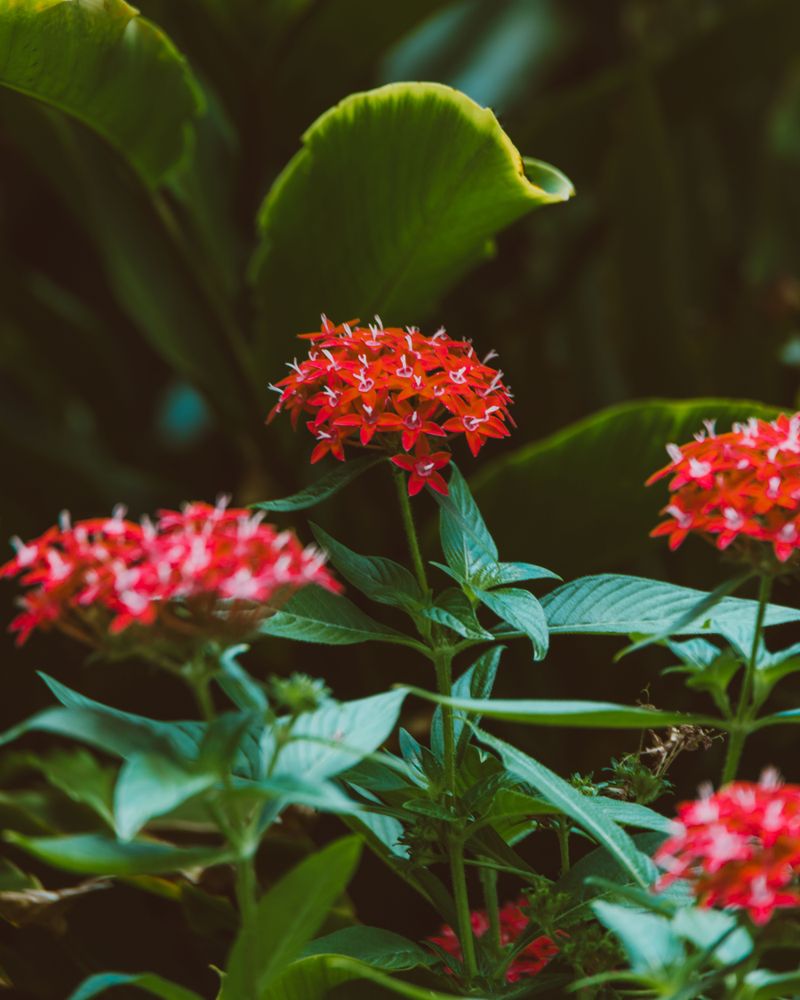
Pinching off healthy new growth may seem unusual, but it shapes the whole future of your pentas plant in the best possible way.
Pinching back young growth means removing the very tip of a stem just above a leaf node. That small action triggers the plant to branch into two stems where there was once one.
More stems mean more bloom sites. A plant with ten branching stems produces far more flower clusters than a plant with five straight, unpinched stems ever could.
Start pinching young pentas early in the season, and continue the habit through July. New growth tips appear constantly in summer, giving you plenty of chances to shape the plant.
Use your thumbnail and forefinger for this task. Pinch cleanly just above a leaf node, no tools needed, no mess, no fuss whatsoever.
The plant responds within days. New shoots emerge from just below each pinch point, and those shoots branch again when you pinch their tips in turn.
This progressive pinching builds a dense, bushy structure over the course of the season. By late summer, a well-pinched pentas looks like a flowering mound rather than a sparse collection of stems.
Container pentas benefit from this technique even more than in-ground plants. Pots limit root space, so encouraging a compact shape keeps the plant productive in a confined area.
Pinching back young growth is the lowest-effort, highest-reward habit you can build for Florida pentas that bloom all summer without slowing down.