The Secrets To Keeping Salvia Blooming Through August In Ohio
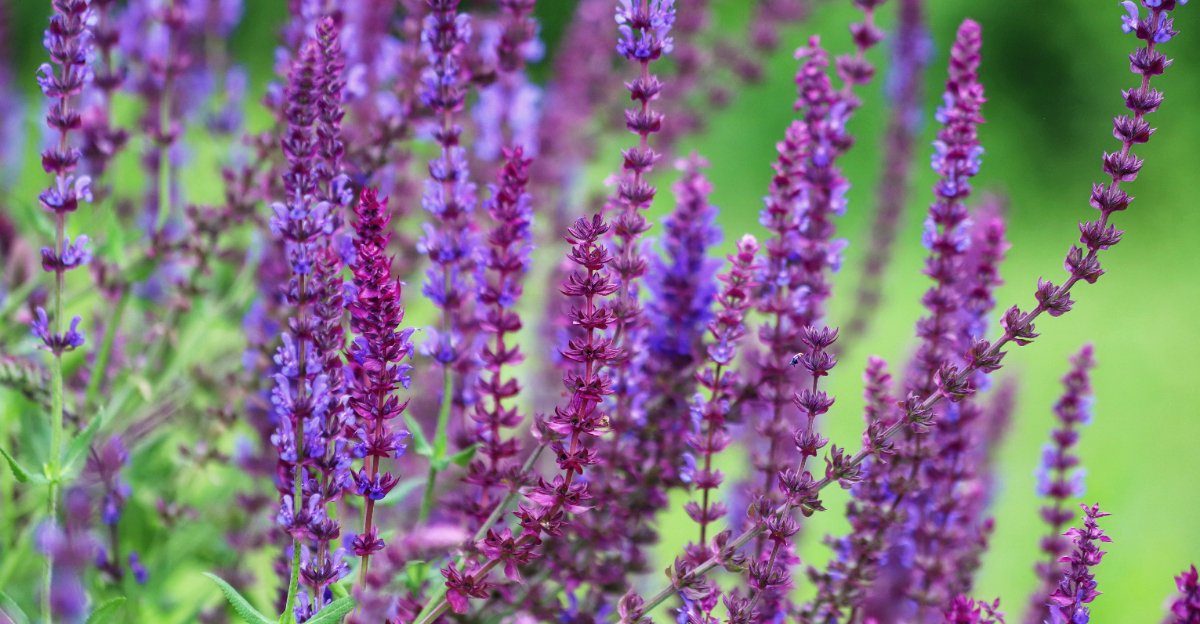
Ohio salvia in August has a choice to make. Keep blooming or check out early.
Which way it goes has almost nothing to do with the weather and everything to do with what happened to the plant in the weeks leading up to this point. Salvia that coasts through August in full color is not a different variety.
It is the same plant managed with a few deliberate moves that most Ohio yards skip entirely because salvia’s reputation for toughness makes intervention feel unnecessary.
That reputation is earned through spring.
August is where it gets tested. The difference between salvia that blooms hard through the end of summer and salvia that fades out in early August is specific and actionable.
Not a complicated regimen. Not expensive products.
A handful of targeted decisions made at the right moment. Ohio August is long enough for salvia to still deliver.
The plant just needs someone to make the right call.
1. Cut Spent Spikes Before Seeds Take Over
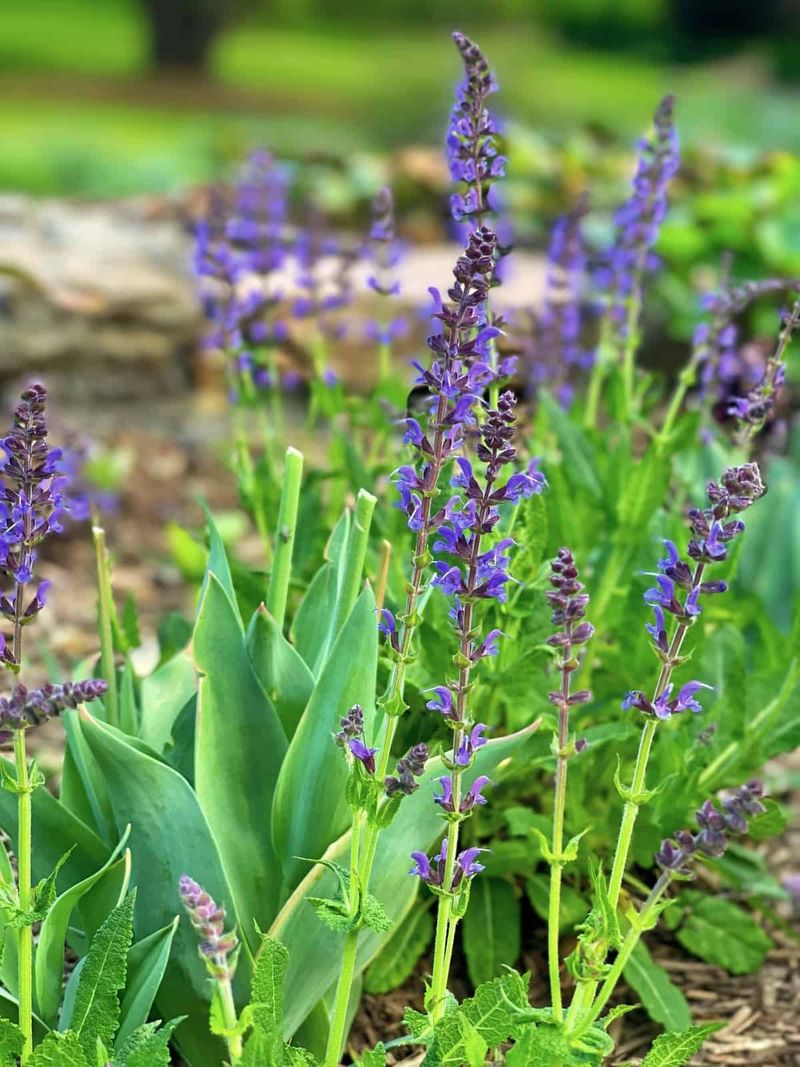
A faded salvia spike is more than just an eyesore. Once those flowers finish, the plant starts pouring energy into forming seeds, and new blooms become a lower priority.
Catching that shift early is the real secret to a longer bloom season. Remove spent spikes before the whole plant looks tired, and you give it a better chance to push out a fresh round of flowers.
Perennial salvias like Salvia nemorosa and its cultivars are known to rebloom when trimmed promptly, according to university extension perennial guidance.
Annual bedding salvias, such as Salvia splendens, also benefit from regular spike removal to keep flowering going strong.
The key word is “promptly.” Waiting too long means the plant has already committed energy to seed production.
Use clean, sharp snips to cut each faded spike. Dirty or dull tools can spread disease between plants.
Check your salvia every few days during peak bloom, especially in warm weather when flowers cycle quickly. Look for spikes where most of the florets have dropped or turned brown.
Remove those first, and leave any spike that still has active flowers for pollinators. Not every salvia will rebloom heavily, but timely trimming gives each plant its best shot at more color through August.
2. Shear Tired Plants Lightly After The First Flush
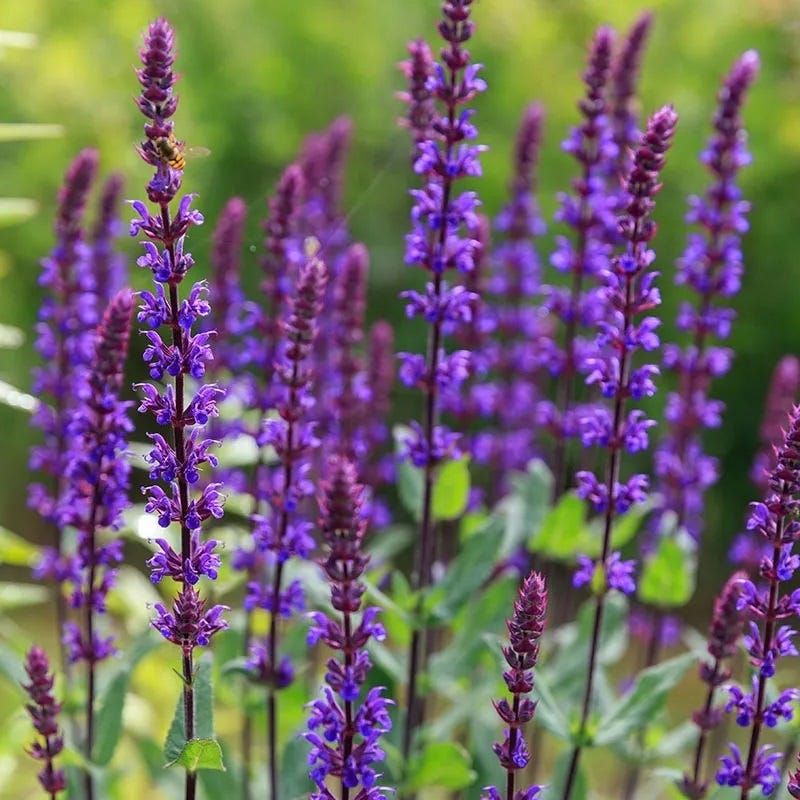
After a big first bloom flush, some perennial salvias start to look rough. Stems get leggy, foliage thins out, and the whole clump loses its tidy shape.
A light shearing can help reset the plant and encourage fresh growth, but the timing and depth of the cut really matter.
Horticulture experts advise trimming back by about one-third after the first flush, leaving healthy green foliage in place. Cutting too hard during August heat stress can weaken the plant instead of helping it.
The goal is to clean up the tired growth, not strip the plant bare. Leaving enough leaves keeps the plant able to photosynthesize and recover.
After shearing, check the soil moisture before doing anything else. If the bed is dry, water deeply at the root zone to help the plant handle the stress of being cut back.
Your Ohio Garden Changes Every Week. Your Plan Should Too.
Gardening in Ohio changes quickly throughout the season. Every Friday you’ll receive a simple weekly plan showing exactly what to plant, prune, fertilize, harvest, and protect so you never miss the right timing.
Then be patient. Fresh growth usually appears within a week or two under good conditions, but rebloom takes longer.
Plant type and overall health play a big role here. A young, well-sited salvia in full sun will bounce back faster than an older, crowded plant in partial shade.
Light shearing works best when the plant is otherwise healthy and the weather gives it a reasonable chance to recover before the season ends.
3. Water Deeply When August Heat Dries The Bed
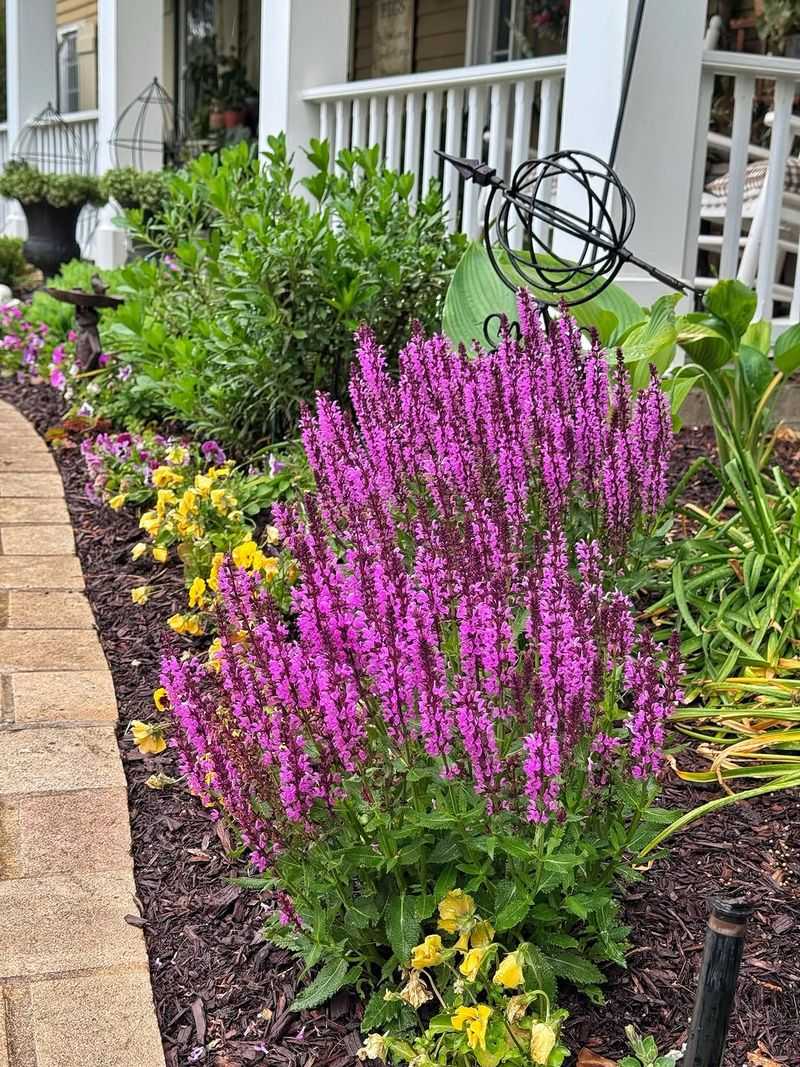
Dry soil under a sunny salvia clump is one of the fastest ways to shorten bloom life in August. Heat pulls moisture out of the ground quickly, and a plant that is water-stressed has less energy to push new flower spikes.
Shallow watering makes the problem worse by keeping roots near the surface where they dry out even faster.
Deep watering encourages roots to grow downward, where soil stays cooler and moisture lasts longer. OSU Extension watering guidance recommends soaking the root zone thoroughly rather than sprinkling lightly and often.
Aim to wet the soil several inches down, then let it dry out somewhat before watering again. Soggy soil can cause root problems just as easily as dry soil, so checking moisture before watering is always the right first step.
Established salvias can handle short dry spells better than newly planted ones. Even so, prolonged drought during the hottest weeks of summer can still reduce bloom and stress the plant.
Water in the morning when possible so foliage has time to dry before evening, which helps reduce the risk of disease. Avoid wetting the leaves repeatedly, and focus the water at the base of the plant.
A layer of mulch around the root zone can also help hold moisture between waterings and keep soil temperatures a little cooler during peak heat.
4. Skip Heavy Fertilizer That Makes Salvia Flop
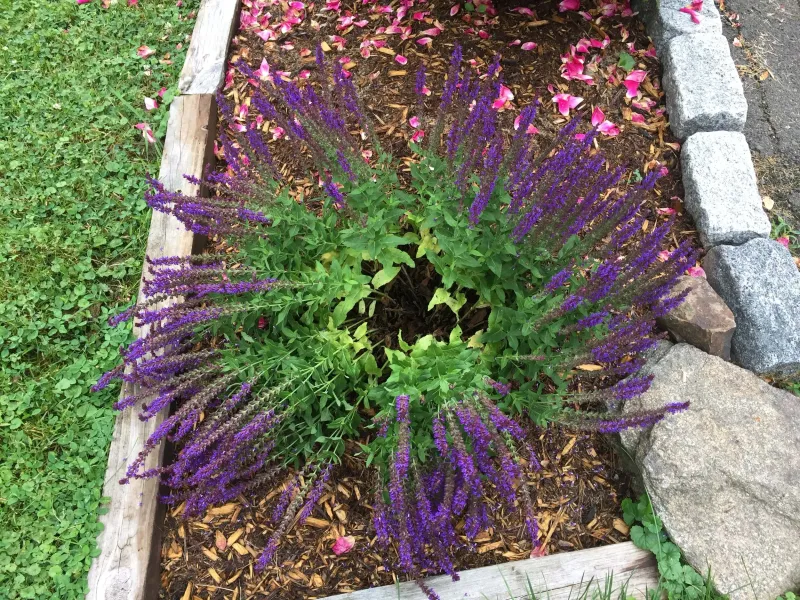
Reaching for a bag of fertilizer when salvia stops blooming is a common reaction, but it often makes things worse. Too much nitrogen pushes the plant toward soft, leafy growth at the expense of flowers.
The result is floppy stems, weak structure, and a plant that looks lush but blooms poorly, especially in late summer heat.
Plant-care guidance from university extension sources suggests poor August salvia bloom often comes from heat, shade, age, crowding, or missed trimming. Nutrient deficiency is less often the cause.
A soil test is the most reliable way to know whether your Ohio garden actually needs feeding. Without that information, adding fertilizer is guesswork and can do more harm than good.
If your soil test does suggest a need, a light application of a balanced, slow-release fertilizer in spring is a much safer approach than panic feeding in August.
Compost worked into the bed at planting time is another way to support long-term plant health without the risks of fast-release nitrogen.
Salvias grown in reasonably fertile, well-drained soil often perform well without extra feeding at all. Focus first on trimming, watering, and good sun before assuming the plant needs more nutrients.
Addressing the most likely causes first saves time and keeps the plant from developing the floppy, top-heavy look that heavy fertilizer so often creates.
5. Give Plants Full Sun And Room To Breathe
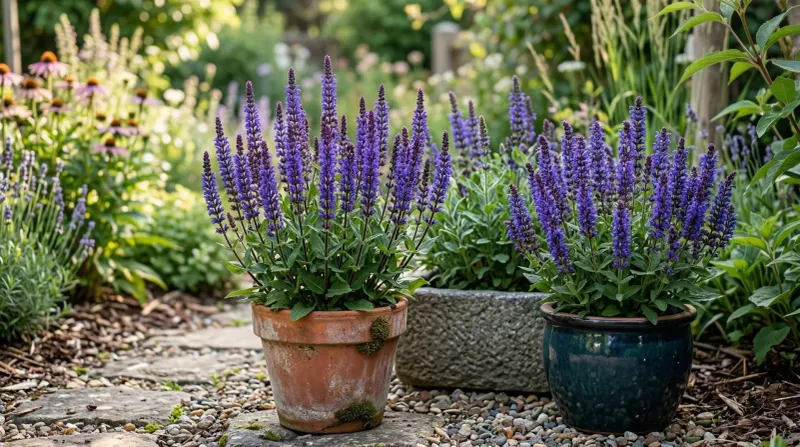
A bee working a fresh salvia flower on a bright sunny morning is a good sign that the plant is in the right spot. Many salvias bloom best in full sun, which is generally defined as six or more hours of direct sunlight per day.
Plants grown in too much shade tend to produce fewer flowers, develop weaker stems, and become more prone to flopping.
Airflow matters just as much as sunlight. Crowded beds trap moisture around stems and foliage, which can create conditions that favor fungal problems.
Botanical garden sources in Ohio recommend spacing salvia plants so air can move freely between them. Thinning out nearby overgrown neighbors during the season can improve airflow without requiring a full bed redesign.
If a salvia clump has been struggling for a couple of seasons despite good care, the site itself may be the problem. Move it to a sunnier, more open location during a cooler part of the season.
In Ohio, early fall gives the plant time to settle in before next summer. Not every salvia has identical sun and soil needs, so checking the specific requirements for your cultivar is always a good idea.
Annual bedding salvias and perennial garden types can differ in shade and heat tolerance. Treating them exactly the same can lead to disappointing results.
6. Trim Above Fresh Leaves For Faster Rebloom
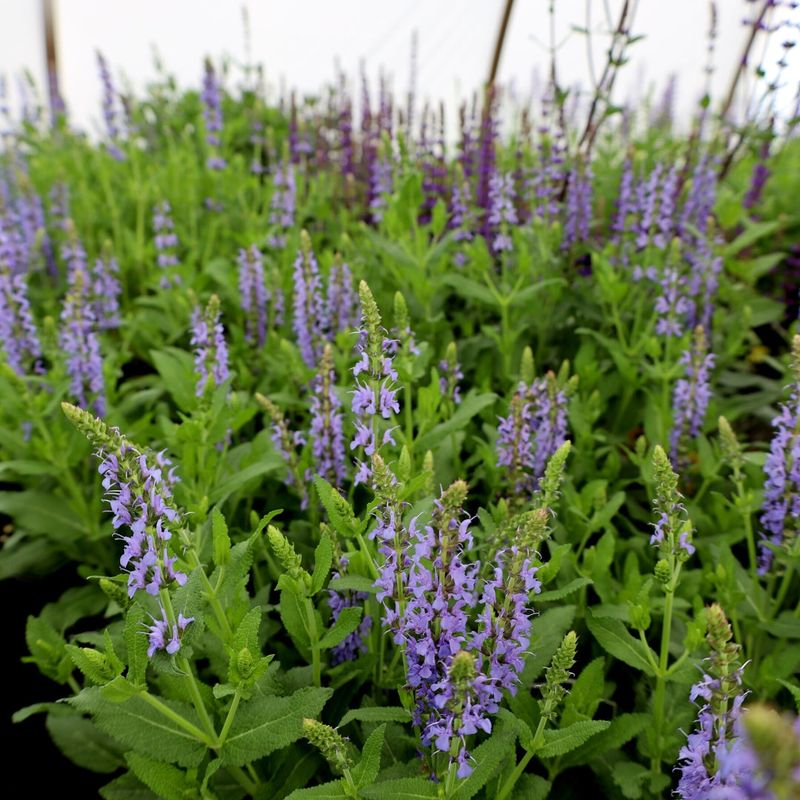
A clean cut above a set of fresh green leaves is one of the most useful habits a salvia grower can develop. When you remove a spent spike, look down the stem for the first healthy leaves or side shoots below the faded flowers.
That is where your cut should land. Cutting there encourages the plant to branch from that point and may support new flowering growth.
Pollinator gardening resources and perennial-care guidance both note that leaving enough foliage after cutting is important. Leaves are how the plant feeds itself through photosynthesis.
A stem trimmed down to bare, leafless wood with no green growth nearby has very little to work with and may be slow to recover, especially during August heat.
Making the cut clean and precise also matters. Ragged cuts from dull blades can create entry points for disease.
Wipe your snips with a clean cloth between plants if you notice any signs of illness in the bed. Look for the green leaves below the faded spike every time you trim, not just when you do a bigger shearing session.
Building that quick visual check into your regular garden routine makes the whole process faster and more effective. The plant does not need a dramatic intervention every time.
A precise snip in the right spot, done consistently, is often all it takes to keep new growth moving toward another round of blooms.
7. Leave Some Late Spikes For Pollinators
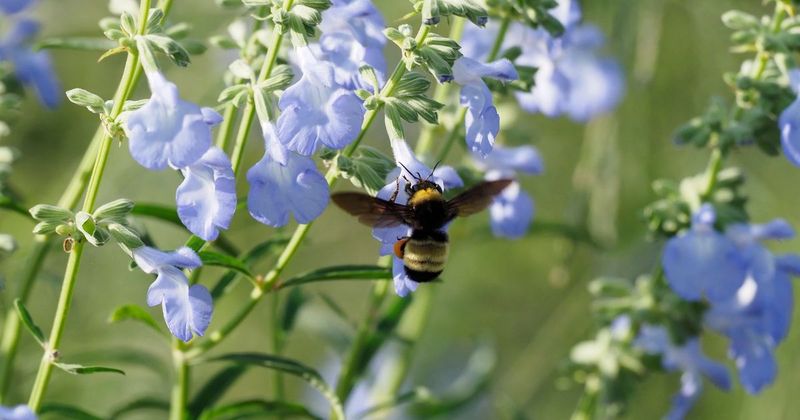
Trimming is a powerful tool, but stripping every flower from the plant is not always the right move. Fresh salvia spikes that are still actively blooming have real value for pollinators.
Bees, butterflies, and hummingbirds visit salvia flowers for nectar. Pollinator gardening resources describe salvia as a reliable late-summer food source.
The practical balance is straightforward. Remove the truly spent spikes, especially the brown or fully faded ones with no remaining flowers.
Leave the spikes that still show active blooms, particularly toward the back or sides of the plant where they are less visible from the front of the bed. That way, the planting looks tidy from the path while still offering food for wildlife.
Spent spikes with no remaining nectar have little wildlife value and are better removed to redirect plant energy. Fresh spikes being actively visited by bees or other insects are a different story.
Learning to tell the difference is a small but meaningful skill. A spike where the florets are still opening from the bottom up is still working.
One where every floret has dropped and the stem is brown is done. Keeping a few active spikes through August supports pollinators that depend on late-season flowers.
It also adds life and movement to the bed when many other plants are done blooming.
8. Plan More Salvia For Next Summer’s Show
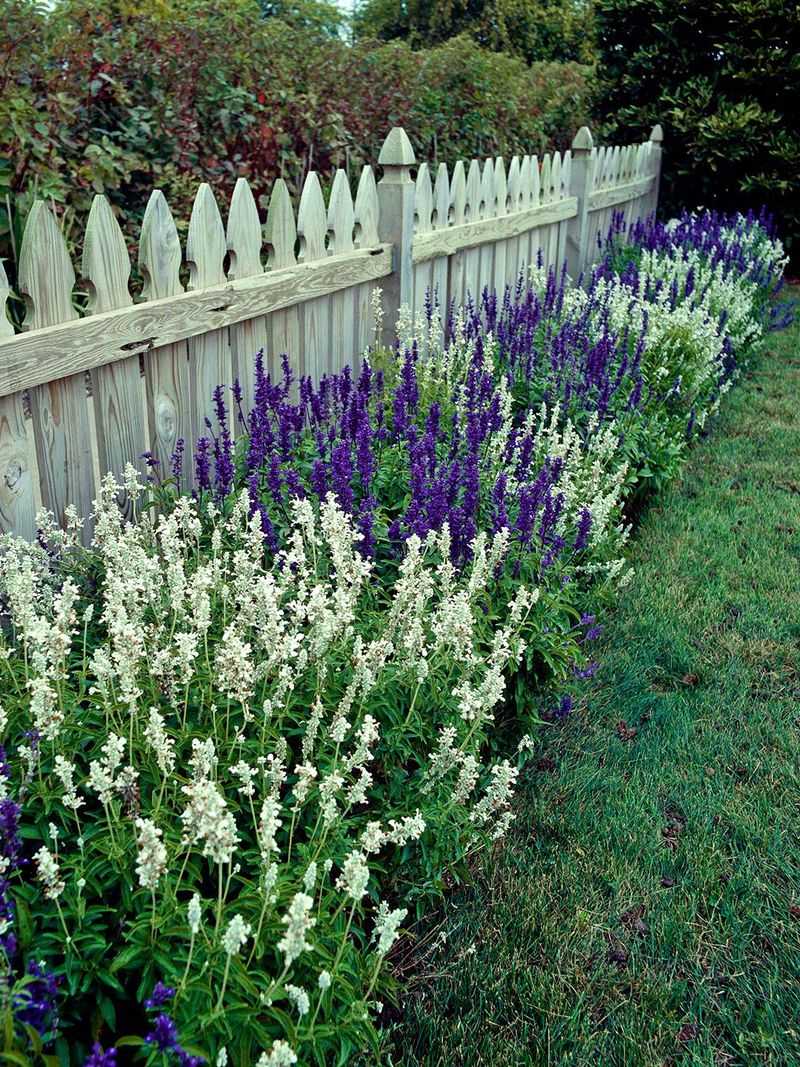
The best August salvia display often has its roots in decisions made the previous spring. Choose a reblooming cultivar suited to your site, space plants for airflow, and match the salvia type to your sun and soil.
Those choices pay off later when heat arrives.
Perennial salvias like Salvia nemorosa cultivars, including May Night and Caradonna, are known for rebloom potential. Trimming them well helps.
Annual salvias bred for heat tolerance can also extend the color season when planted in the right spot. Note which cultivars performed well in your Ohio beds this year and which ones struggled, because that information is more useful than any general recommendation.
Pairing salvia with other late-summer perennials that bloom at different times helps keep the border interesting even when one plant is between flushes. Good neighbors include coneflowers, black-eyed Susans, and ornamental grasses that peak later in the season.
Spacing matters from day one. Plants set too close crowd each other by midsummer and compete for light, moisture, and airflow.
A well-sited salvia in good soil with enough room to grow is simply easier to care for and more likely to keep blooming. The real secret was never a single trick.
It is catching faded spikes early, giving the plant steady support, and setting it up for success from the very beginning.