The One Thing You Must Do To Rain Barrels Before North Carolina Storms Hit Or They Will Overflow
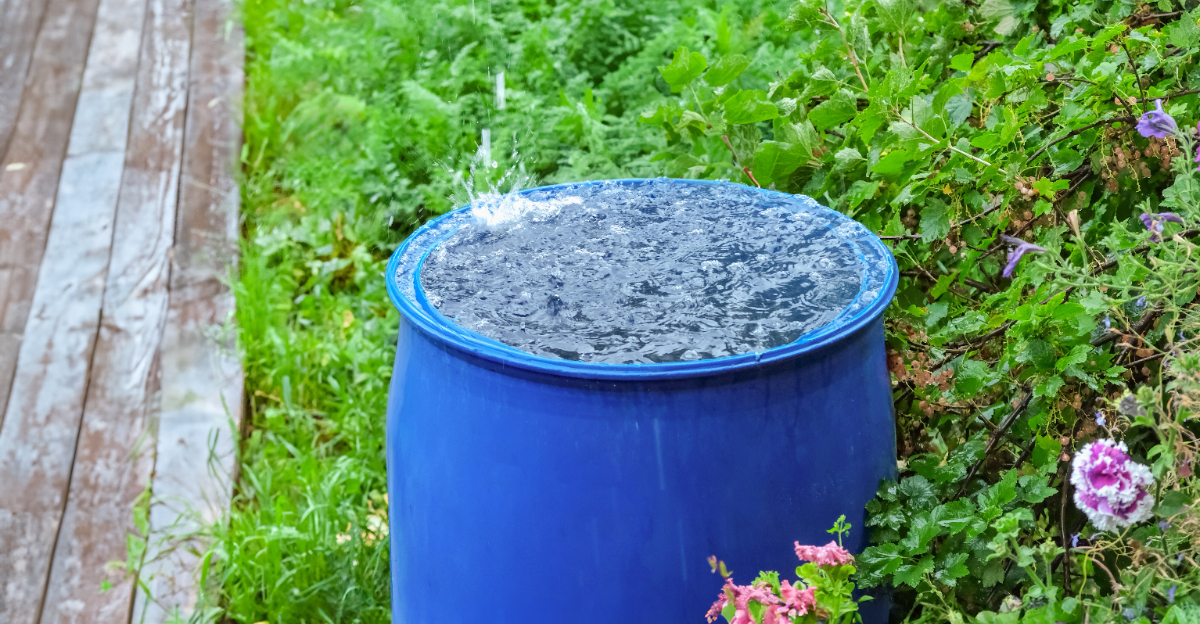
Emptying rain barrels partially before a storm is the one step North Carolina gardeners cannot skip if they want to avoid overflow and wasted water.
Barrels already full from previous rain have no capacity left to capture fresh runoff once a new storm arrives.
Checking the forecast a day ahead gives enough time to drain barrels down to a manageable level for incoming rainfall. Overflowing barrels can also cause water to pool around foundations, creating drainage problems separate from the storm itself.
Attaching an overflow hose that directs excess water safely away from the house adds an extra layer of protection. Securing lids or covers helps prevent debris from clogging the system during heavy, wind driven rain.
Checking connections and seals beforehand ensures barrels function properly when storms actually arrive. This simple step now prevents wasted water and unnecessary mess once the rain starts falling.
1. Create Empty Storage Space Before The Storm
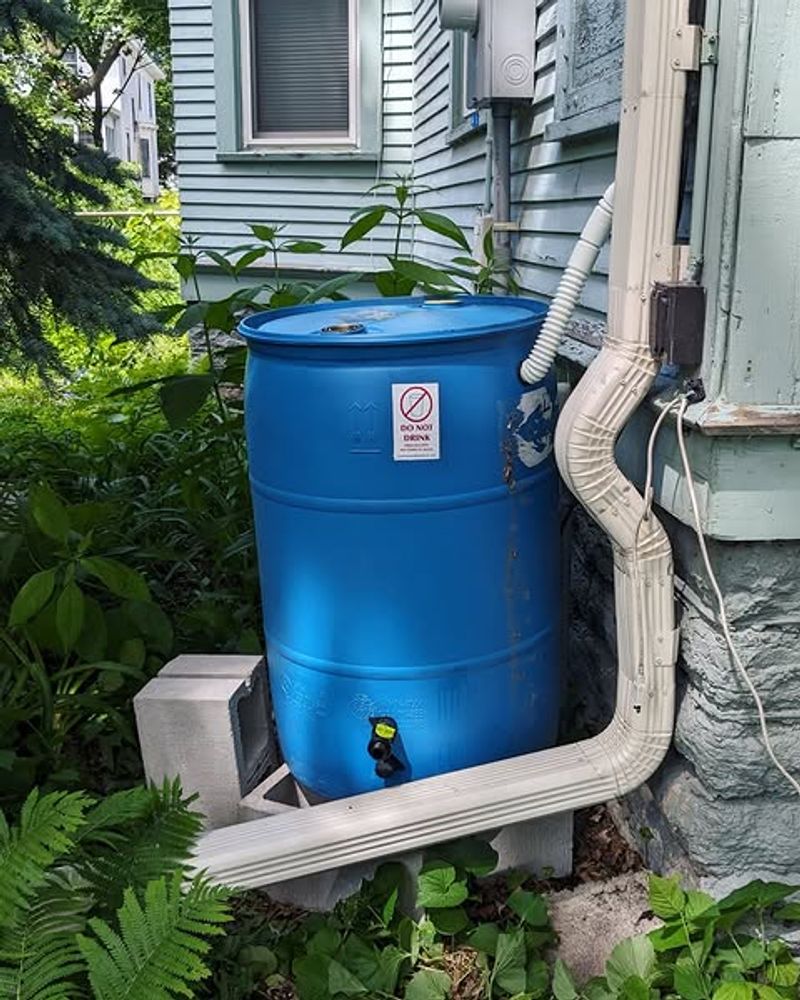
Picture this: storm clouds are building over the Piedmont, and your rain barrel is sitting completely full from last week’s rain. When the next downpour arrives, every drop hitting your roof will have nowhere to go inside that barrel.
Water will spill over the top, pool around the base, and potentially push moisture toward your home’s foundation before the storm even peaks.
Using or draining your stored water before a forecast storm is the single most important step you can take. Pour it gradually onto your lawn, ornamental flower beds, trees, or shrubs so it soaks into the soil instead of running off hard surfaces.
Spreading the water across multiple areas of your yard helps the ground absorb it naturally without creating new puddles or erosion problems.
Restoring that empty space inside the barrel brings back its ability to capture fresh roof runoff when the storm begins. Even a partially empty barrel is far more useful than a completely full one.
Think of it like clearing shelf space before a grocery run. You need room before you can store anything new.
One important thing to keep in mind is that draining your barrel before a storm reduces the chance of overflow but does not eliminate it entirely. A large North Carolina storm can still produce more runoff than one barrel can hold.
Combining available storage space with a properly working overflow system gives your setup the best possible chance of managing heavy rain without causing problems around your home.
2. A Full Barrel Cannot Capture Additional Rain
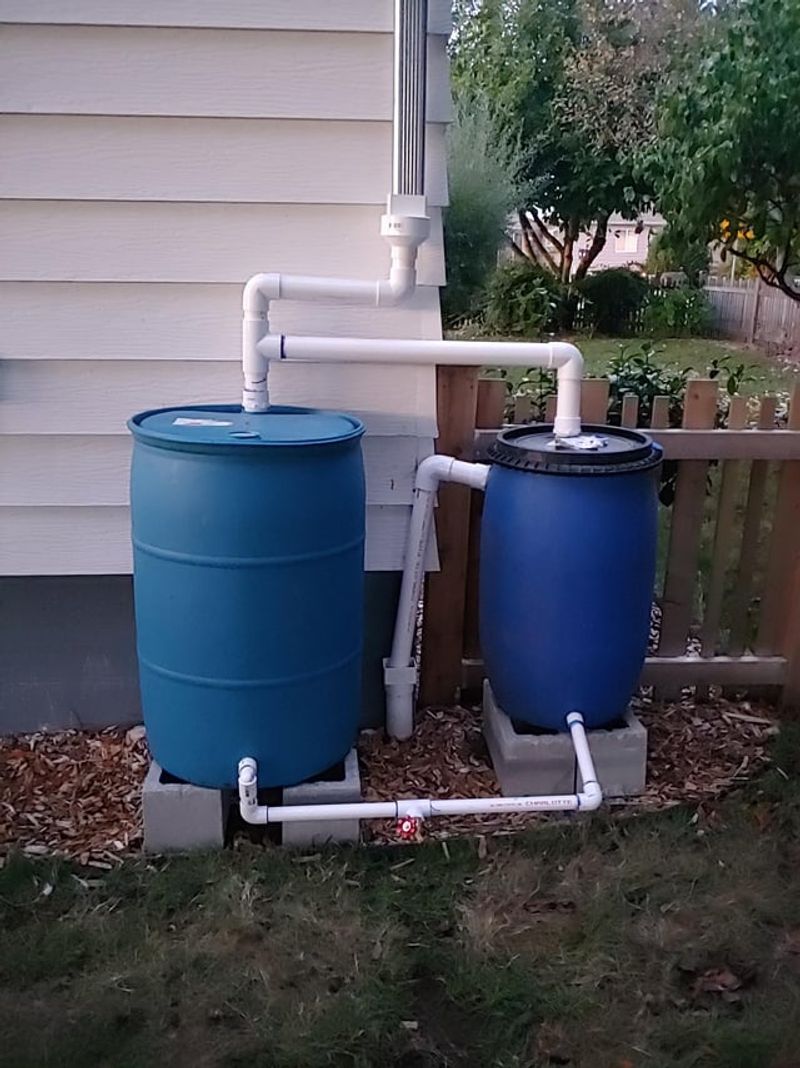
Water storage only works when there is actually space to store something. A rain barrel that is already filled to the brim when a storm begins offers zero benefit to your yard or your home’s stormwater management.
The moment rain hits your roof and travels down the downspout, it goes straight through the overflow pipe without ever being captured. You end up with all the equipment and none of the reward.
The overflow system on your barrel is designed for emergencies, not as the main drainage route during every storm.
Your North Carolina Garden Changes Every Week. Your Plan Should Too.
Gardening in North Carolina changes quickly throughout the season. Every Friday you’ll receive a simple weekly plan showing exactly what to plant, prune, fertilize, harvest, and protect so you never miss the right timing.
When a full barrel sends all incoming water through its overflow immediately, that concentrated flow can erode soil, wash away mulch, or create wet spots near structures.
Regular use of your collected water between rain events is what keeps the barrel working as intended.
Think of your rain barrel like a savings account. You have to spend some of what you save to keep making room for more.
Using collected water on your garden during dry stretches between North Carolina rain events means the barrel is ready to work hard again when the next storm rolls through. That cycle of collecting and using is the whole point of the system.
Making it a habit to check your barrel’s water level a day or two before forecast rain gives you enough time to use what is stored. Even emptying half the barrel makes a real difference.
More available space means more runoff captured from your roof and less water ending up where you do not want it.
3. Even An Empty Barrel Can Fill Very Quickly
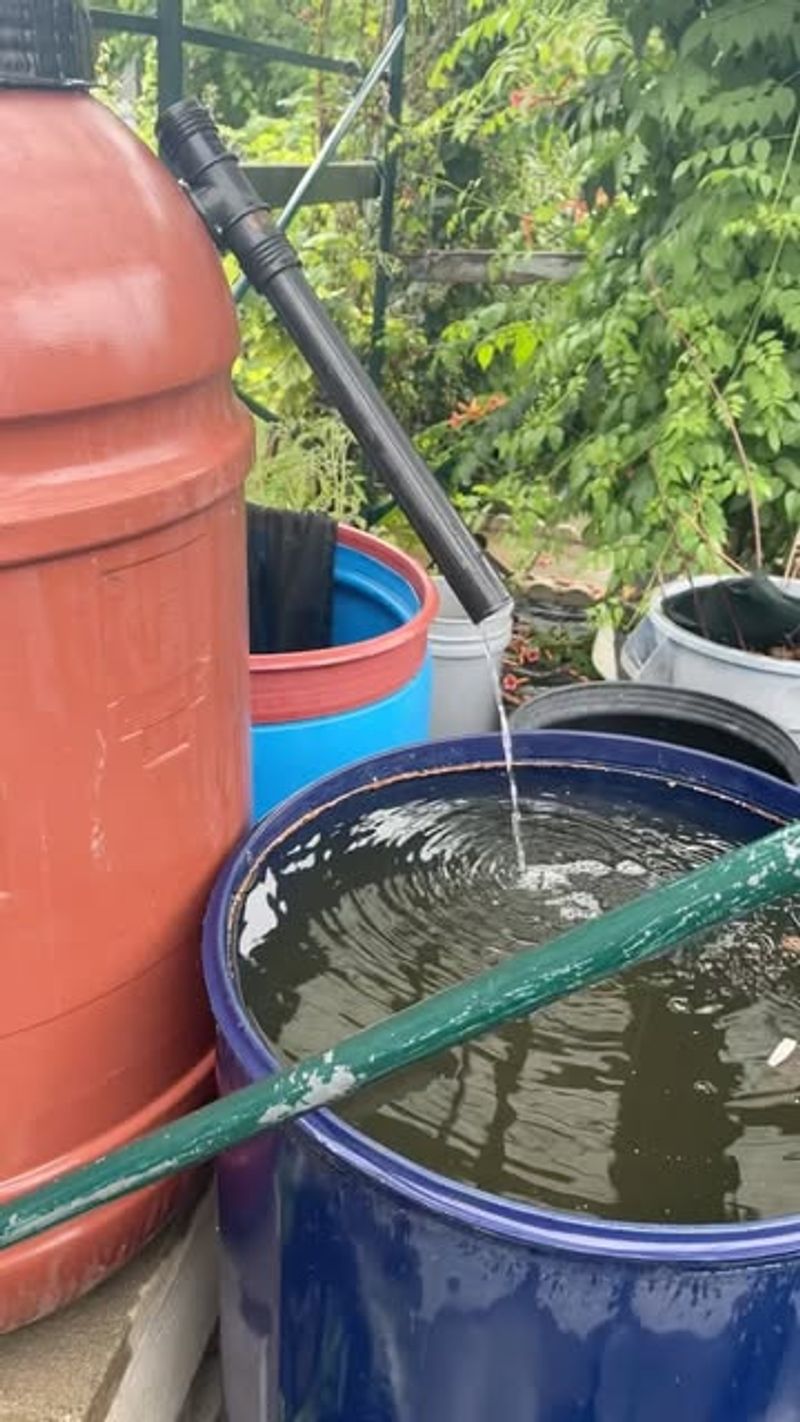
Emptying your rain barrel before a storm is a smart move, but it is not a magic solution that guarantees your barrel will handle everything the sky throws at it.
North Carolina storms can be intense, and the math behind roof runoff is pretty surprising once you see it.
NC State University estimates that one inch of rain falling on a one thousand square foot roof can generate roughly 630 gallons of runoff. That is an enormous amount of water moving very quickly.
A standard 55-gallon rain barrel fills up in a matter of minutes during a heavy downpour. Once it reaches capacity, all additional water must exit through the overflow system.
This is not a design flaw. It is exactly how rain barrels are supposed to work, which is why a properly installed and clear overflow pipe is just as important as the barrel itself.
Expecting one barrel to manage all the runoff from your roof during a major storm is simply not realistic, and that is perfectly okay. The barrel’s job is to capture a useful portion of that water for later use in your garden.
The overflow system handles the rest by directing excess water safely away from your home.
Knowing the limits of your setup actually helps you use it better. Empty the barrel before the storm, confirm the overflow route is clear, and let the system do its job.
A barrel that starts empty and has a working overflow gives your yard the best shot at staying dry and protected when North Carolina weather gets serious.
4. Keep The Overflow Pipe Completely Clear
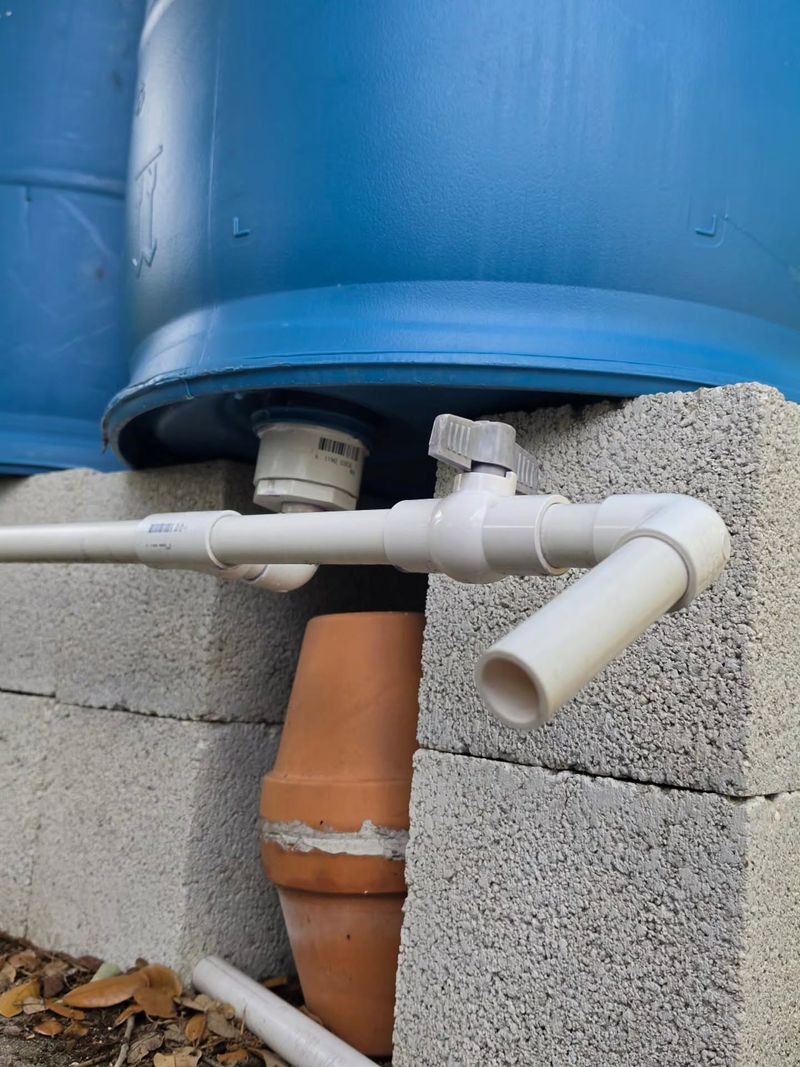
Your rain barrel’s overflow pipe is the unsung hero of the whole system. When the barrel fills up during a storm, that pipe is the only thing standing between properly managed runoff and water spilling uncontrolled near your home.
Before any forecast storm in North Carolina, take a few minutes to physically inspect the overflow pipe and make sure nothing is blocking it.
Leaves, pine needles, sediment, insects, and even small roots can work their way into overflow openings over time.
North Carolina yards are full of organic material that moves around during wind and rain, and any of it can end up blocking your overflow pipe without you noticing.
A clogged pipe means incoming water has nowhere to go except back up inside the barrel, over the edges, or pooling around the base of your barrel near the building.
Clearing the pipe is usually straightforward. Remove any visible debris by hand or with a small brush, then pour a little water through it to confirm flow is moving freely.
If the pipe is so clogged that you cannot clear it, North Carolina stormwater guidance recommends replacing it rather than leaving it restricted before heavy rain arrives.
Keeping the overflow pipe clear is a quick task that takes only a few minutes but makes a huge difference in how your barrel performs during a storm.
Add it to your pre-storm checklist right alongside checking the water level and inspecting your gutters.
A clear path for excess water is just as valuable as having empty space inside the barrel itself.
5. Direct Overflow Away From The Foundation
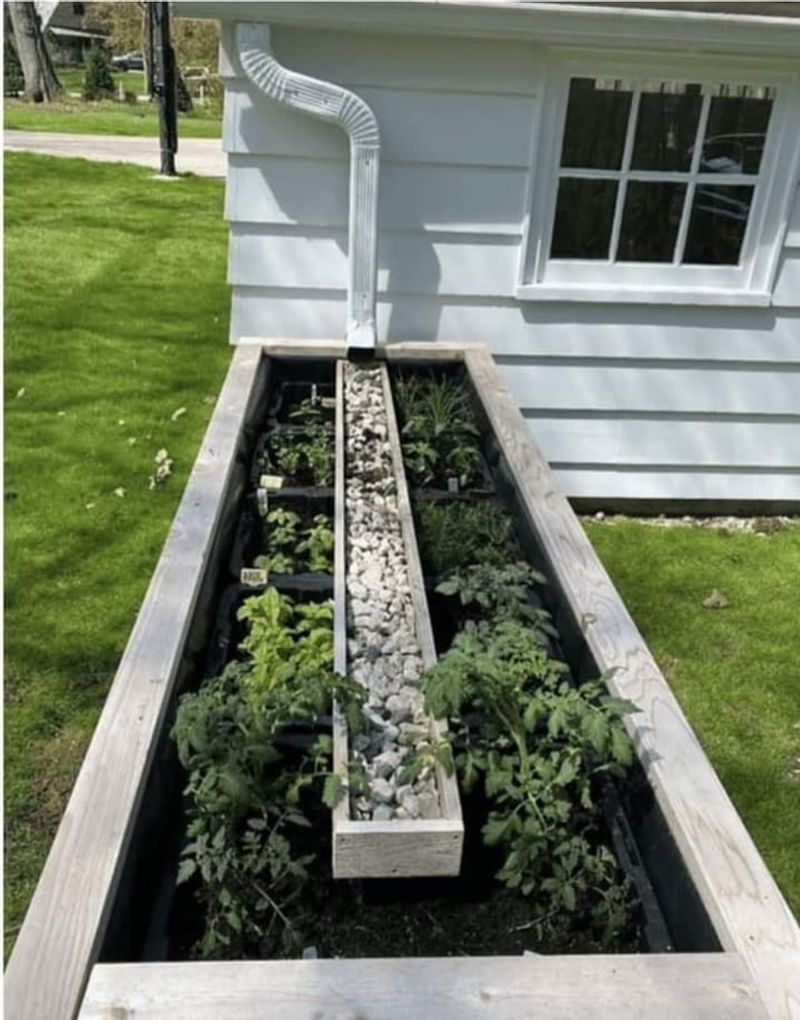
Where your overflow water ends up matters just as much as whether it can exit the barrel at all. Sending a concentrated stream of overflow water toward your home’s foundation is one of the most common and costly mistakes rain barrel owners make.
Foundations are vulnerable to prolonged moisture exposure, and repeated overflow events that dump water near the base of your home can cause serious long-term problems.
The goal is to route excess water toward an area where the ground can absorb it gradually. A stable grassy lawn area, a mulched landscape bed, or a properly designed rain garden are all excellent destinations for overflow water.
These surfaces allow the water to spread out and soak into the soil rather than pooling or rushing across hard surfaces. A well-placed rain garden, in particular, is designed specifically to handle this kind of overflow beautifully.
Avoid directing overflow toward paved driveways, walkways, neighboring property, or any area where concentrated water could cause erosion or create a nuisance.
North Carolina has specific stormwater guidelines that encourage homeowners to manage runoff on their own property in a way that does not negatively impact surrounding land.
Take a few minutes before storm season to trace the path your overflow water actually follows when the barrel gets full. Walk the route, look for low spots, erosion marks, or areas where water tends to pool, and adjust the overflow hose direction if needed.
A small change in where that pipe points can make a surprisingly large difference in protecting both your home and your yard during a heavy North Carolina storm.
6. Clear The Screen And Gutters Before Rain Arrives
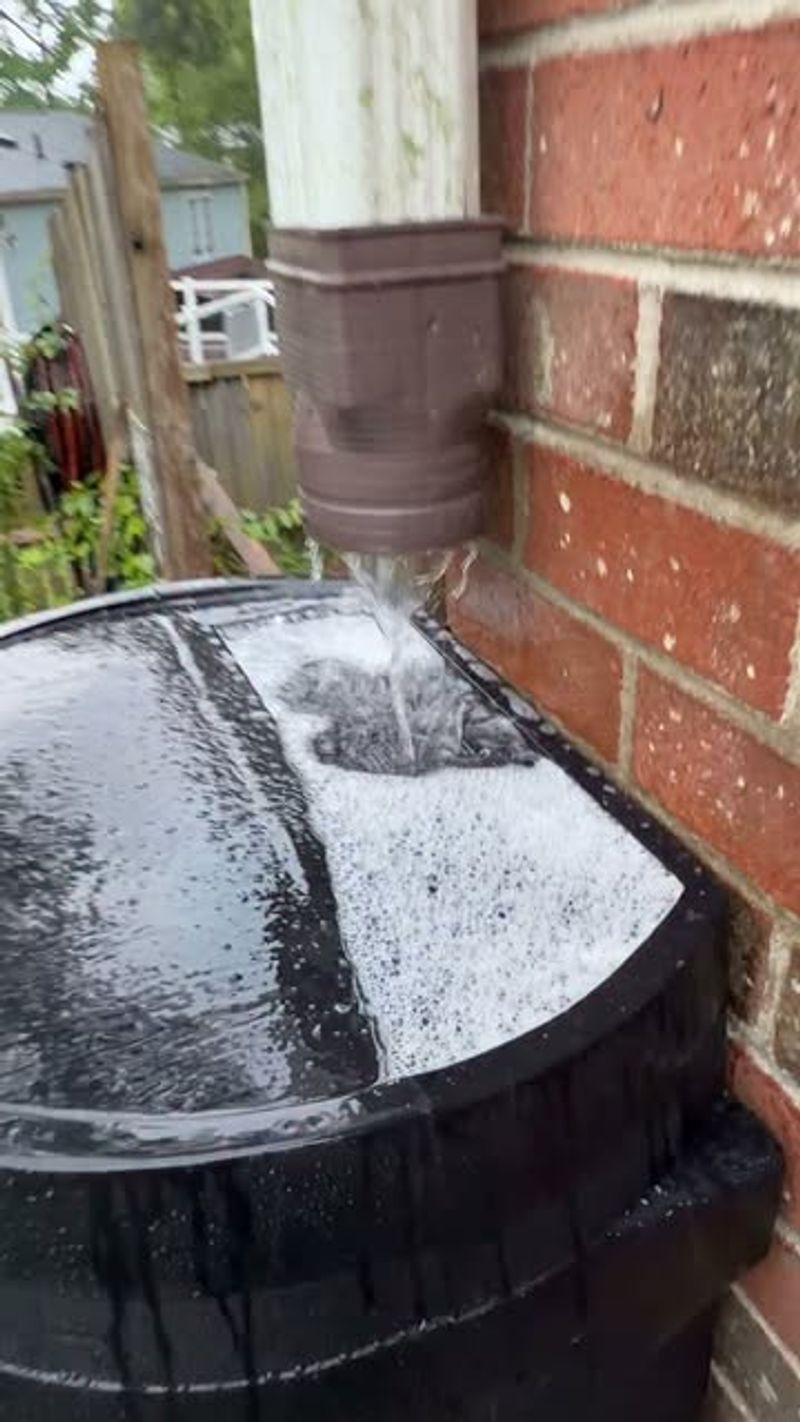
Gutters and downspouts do a lot of heavy lifting when rain falls on your roof, but they can only do their job when they are actually clear.
North Carolina yards are notorious for pine needles, oak leaves, and all kinds of organic debris that accumulate in gutters faster than most homeowners expect.
When gutters are clogged, water overflows the sides instead of traveling down the spout and into your rain barrel where it belongs.
Before a forecast storm, grab a ladder and check your gutters for buildup. Remove leaves, twigs, and any clumps of sediment that have collected near the downspout opening.
While you are at it, check the screen or filter on top of your rain barrel inlet as well. Screens that are clogged with debris restrict water flow into the barrel and can cause water to bypass the barrel entirely and spill onto the ground.
Screens also serve a second important purpose beyond filtering debris. A securely attached, intact screen keeps mosquitoes from getting inside your barrel and breeding in the stored water.
North Carolina summers create ideal conditions for mosquito activity, so keeping that screen tight and in good shape protects both your water quality and your outdoor comfort.
A quick gutter and screen cleaning before heavy rain takes less than an hour for most homes and can prevent a frustrating mess of overflow and diverted water during the storm.
Clean components mean water flows exactly where it is supposed to go, from your roof into the barrel, and from the barrel through the overflow system when needed. That smooth flow is the whole goal.
7. Check Every Connection For Leaks And Damage
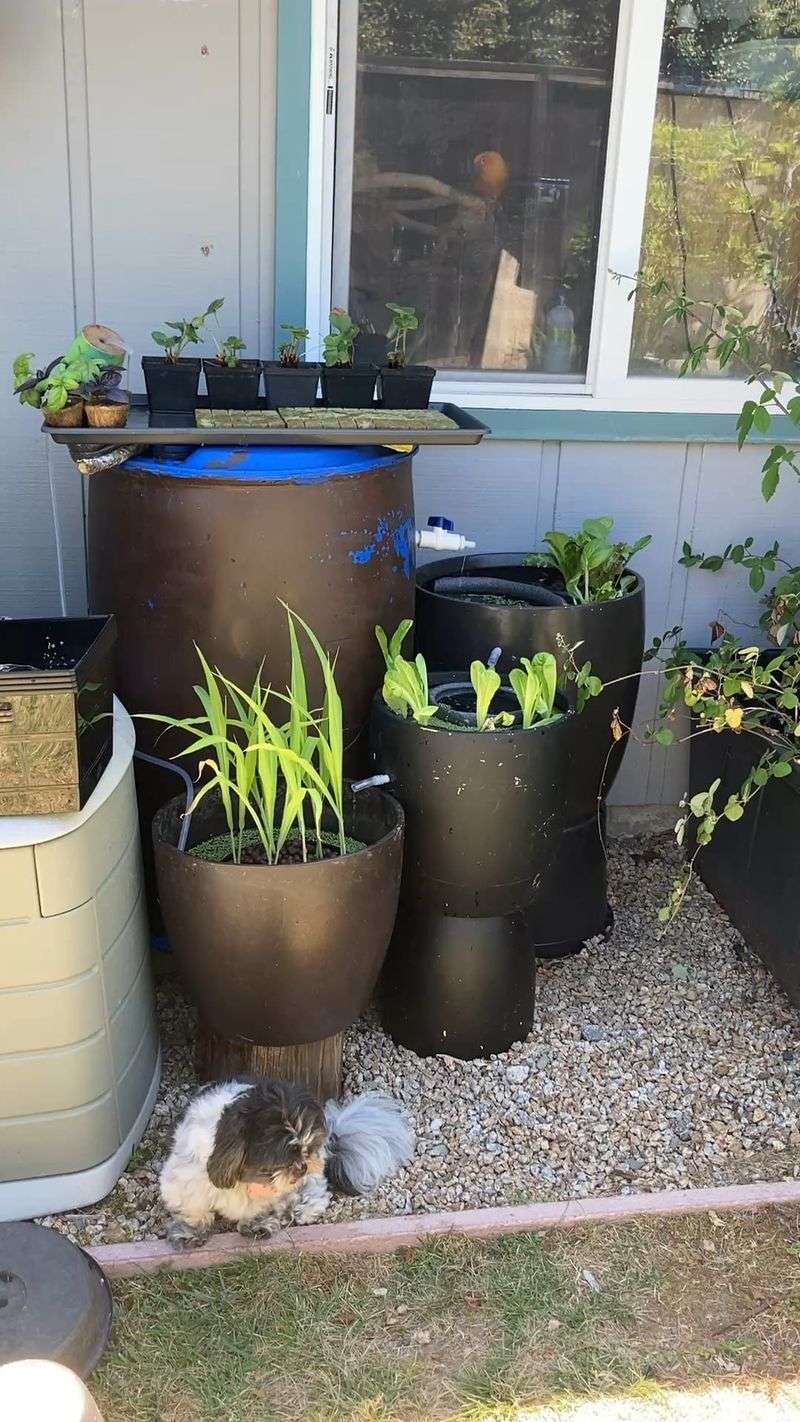
A rain barrel with a leaking spigot or a loose overflow connection is not just inconvenient. It is actively sending water somewhere you did not plan for, and during a heavy storm, that unplanned drainage can cause real problems around your yard or home.
Before storm season ramps up in North Carolina, spend a few minutes doing a thorough hands-on inspection of every connection on your barrel.
Start with the spigot at the base of the barrel. Turn it on and off, feel for drips around the base of the fitting, and check whether the seal feels firm or worn.
Then move to the inlet where your downspout connects to the barrel, the overflow pipe connection, and any hose or extension attached to the overflow outlet.
Loose fittings and cracked pipes can release water right beside the barrel rather than directing it away as intended.
Damaged seals are easy to overlook but important to fix. A worn rubber washer inside a spigot fitting can allow a slow drip that becomes a steady stream under the pressure of a full barrel during heavy rain.
Replacing a washer or tightening a loose fitting before the storm costs almost nothing and takes only minutes.
Always follow your barrel manufacturer’s instructions when replacing parts or making repairs. Using the wrong fittings or sealants can create new leaks instead of fixing old ones.
A barrel that is fully intact and properly connected before a storm performs exactly as designed, capturing runoff, routing overflow safely, and protecting your home and garden from unwanted water damage during North Carolina’s most intense rain events.
8. Make Room In The Barrel Between Every Rain Event
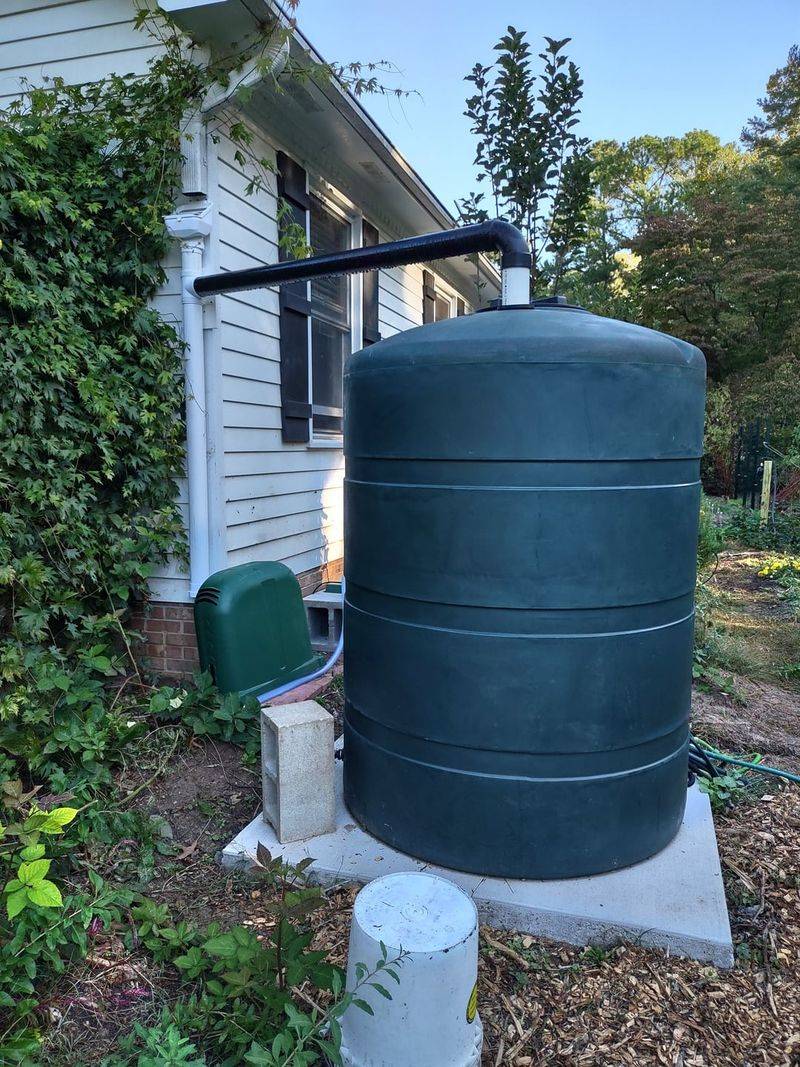
The best rain barrel habit is not something you do once before a big storm. It is something you build into your regular gardening routine throughout the entire season.
Checking your barrel after every rainfall and using the stored water during dry stretches between storms keeps your system ready to perform whenever North Carolina weather decides to get active again.
After a rain event, take a quick look at how full the barrel is. If it is close to the top and more rain is coming within a few days, start using that water right away.
Your vegetable garden, flower beds, potted plants, and trees are all great candidates for collected rainwater. Rainwater is actually better for many plants than treated tap water because it lacks the chlorine and other additives that municipal water systems use.
Think of your rain barrel as a tool that only works well when you keep it in rotation. A barrel that sits full for weeks between uses is not saving you much.
But a barrel that gets regularly emptied and refilled is actively reducing stormwater runoff from your property, saving you money on your water bill, and keeping your plants happy with natural, soft rainwater.
Available storage space and a functioning overflow route work together as a team. Neither one alone is enough to fully manage roof runoff during a serious storm.
When you combine a partially empty barrel with a clear overflow pipe, clean gutters, and a smart overflow direction, you have built a reliable system that protects your home and makes your garden thrive through every season of North Carolina weather.