The Native North Carolina Shrub That Peaks In August When Every Other Flower Has Quit
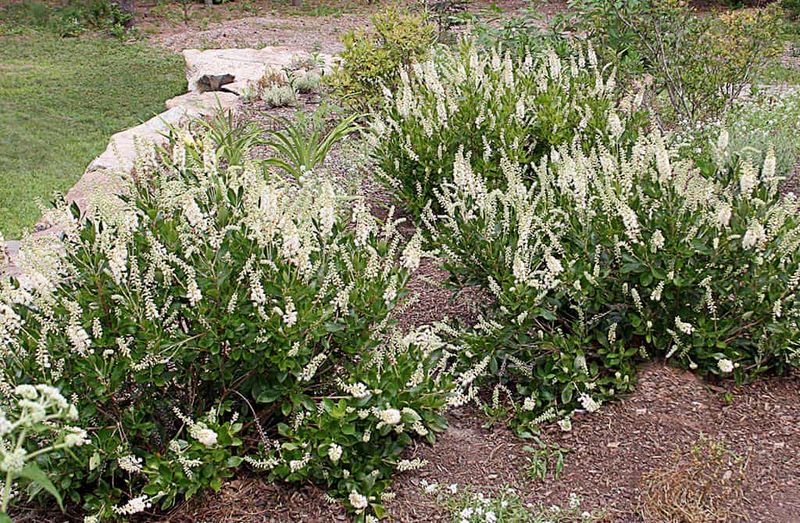
Walk out to your backyard on a muggy August afternoon in North Carolina, and chances are the flowering shrubs that dazzled you in May look spent and tired. Most of the azaleas, dogwoods, and spirea finished weeks ago, and the garden feels like it is just waiting for fall. Summersweet, also called sweet pepperbush, is one native shrub that actually hits its stride right in that quiet stretch, filling the air with a honey-spice fragrance while bees work every flower spike. It will not fix every gap in a faded bed by itself, but for a partly shaded spot with moderately moist soil, it is one of the most rewarding choices a North Carolina gardener can make.
Meet Summersweet, The Late-Summer Shrub To Know
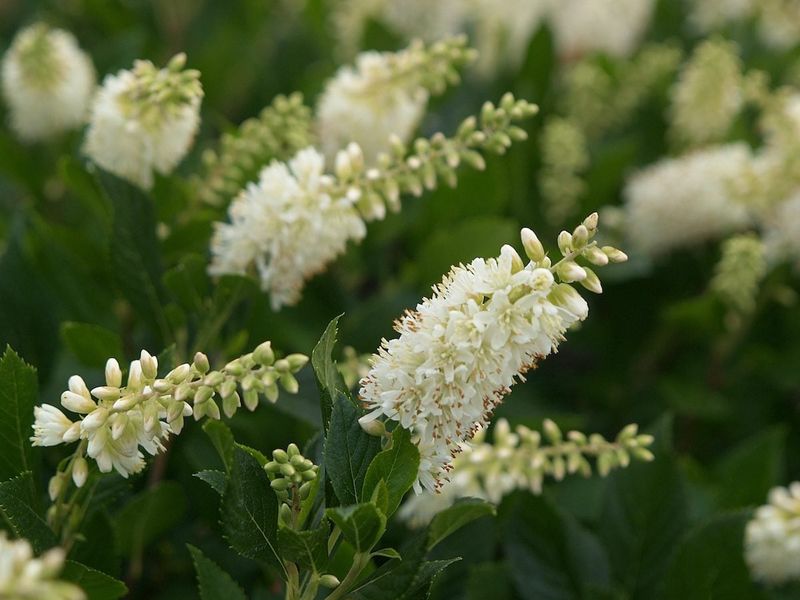
Summersweet, botanically Clethra alnifolia, is a deciduous native shrub with a trait that genuinely surprises most North Carolina gardeners the first time they notice it: dense, upright flower spikes opening in July and August, right when the garden feels most exhausted. The flowers are white in the species form and carry a warm, sweet fragrance strong enough to catch from a few feet away on a still evening. NC State Extension lists it as native to eastern North America and to North Carolina’s Coastal, Piedmont, and Mountain regions, so it is working with the climate rather than against it.
The plant grows as a woody, upright to mounding shrub. Its flower spikes are dense and terminal, meaning they emerge from the tips of new stems, and they typically measure about 3 to 6 inches long. Pink-flowered cultivars are also available if you want something a little different from the classic white.
Here is the one thing worth saying plainly upfront: the headline on this article takes a little creative license. Summersweet is not the only native plant still flowering in August in North Carolina. Buttonbush, Joe-Pye weed, goldenrod, and summer phlox all contribute late-season color too. What makes summersweet stand apart is the specific combination it offers: fragrant, shrub-form bloom, in partial shade, during the quietest stretch of summer.
NC State Extension Gardener specifically describes it as unusual among flowering shrubs for blooming in shady locations in late summer. That narrower distinction is the real story, and it is a good one.
Its Flowers Bridge The Quietest Part Of Summer
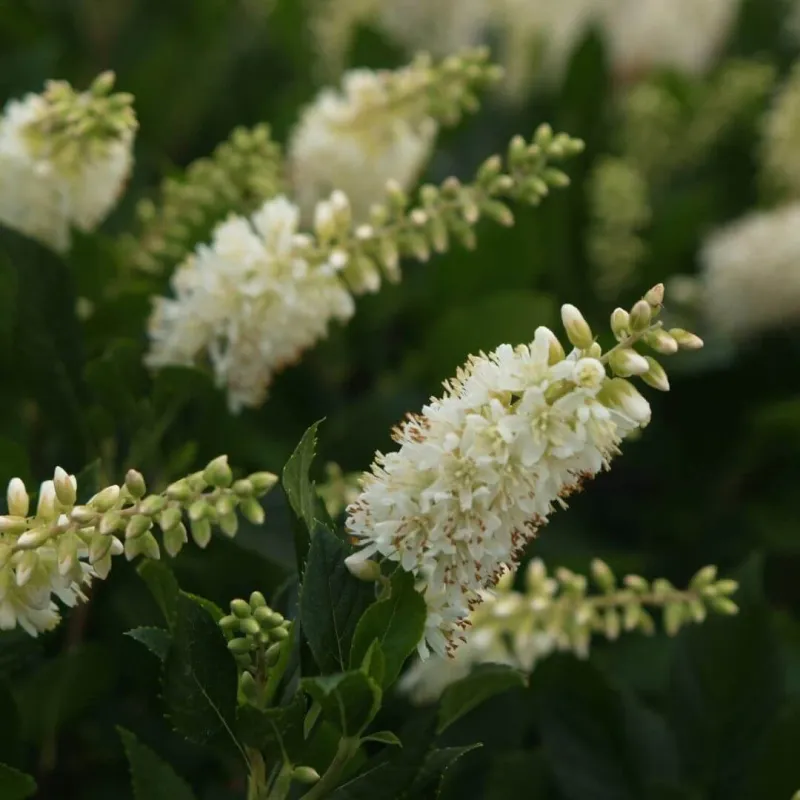
Pull a chair onto your back porch on a July evening and you might catch the scent before you see the flowers. Summersweet usually opens its blooms in July and runs through August, though the exact timing shifts with the cultivar, your elevation, local weather patterns, drought stress, and how long the plant has been in the ground. USDA Forest Service species review identifies July and August as the main flowering period, with fruit ripening following in September and October. Treat that as a general seasonal window, not a guaranteed calendar date.
The flower spikes themselves are worth the wait. Each one is a tightly packed column of small white blooms, roughly 3 to 6 inches long, and the fragrance is genuinely hard to ignore on a warm, still afternoon. If white does not fit your color scheme, pink-flowered cultivars like ‘Ruby Spice’ and ‘Pink Spires’ give you another direction without losing the scent or the late-season timing.
Your North Carolina Garden Changes Every Week. Your Plan Should Too.
Gardening in North Carolina changes quickly throughout the season. Every Friday you’ll receive a simple weekly plan showing exactly what to plant, prune, fertilize, harvest, and protect so you never miss the right timing.
Some gardeners wonder whether other plants cover this same window. They do, partially. Buttonbush is another native that can flower from June into September, and summer phlox adds late-season perennial color too. The difference is that neither buttonbush nor summer phlox gives you a fragrant, upright shrub that performs reliably in shade or part shade.
That narrower combination is where summersweet earns its place in a North Carolina bed.
Match The Shrub To Moist, Well-Drained Soil
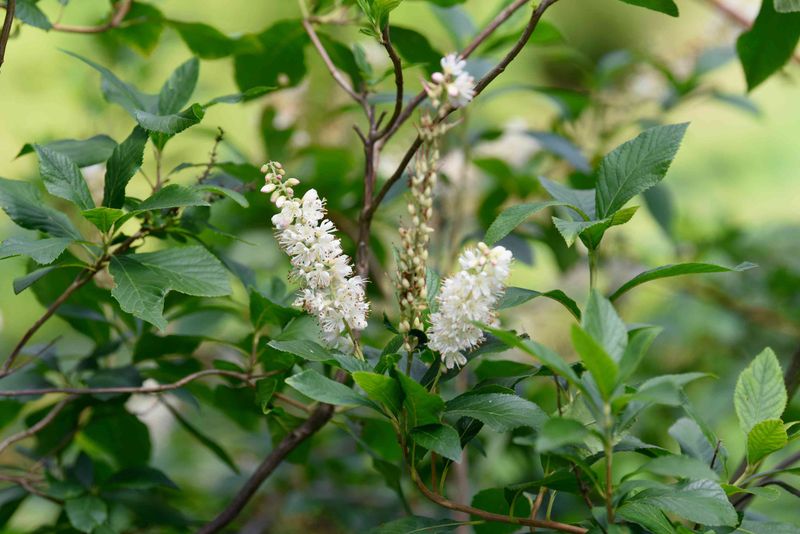
Before you buy a plant, walk your yard and find the spot that stays a little damp after a rain but does not pool water for days. That is the kind of location where summersweet performs best. NC State Extension lists full sun to partial shade as acceptable light conditions and calls out clay, loam, sand, and high-organic-matter soils as workable options. The consistent thread across all of those soil types is moisture: the plant tolerates occasionally wet and occasionally dry conditions, but it is not suited for a persistently dry site.
In nature, summersweet is most at home along stream edges, in moist woods, in swamp margins, and in sandy or acidic soils. The USDA Forest Service review confirms these natural associations, which tells you something practical: the shrub evolved where moisture was reliable, not where it had to fight for water every August. A spot with morning sun and afternoon shade, or consistent filtered light, gives you the best combination of flowering and moisture retention.
A few placements to avoid: a hot foundation bed facing south or west, a spot beside pavement that radiates heat, and any low point where water sits after heavy storms. NC State Extension Gardener specifically warns that summersweet is not a good choice for dry sites, and dry stress in August can make the plant more vulnerable to spider mites. Moderately moist and well-drained is the practical target, whether your soil is Piedmont red clay, sandy Coastal Plain, or a mountain woodland edge.
Pick A Size And Flower Color That Fit
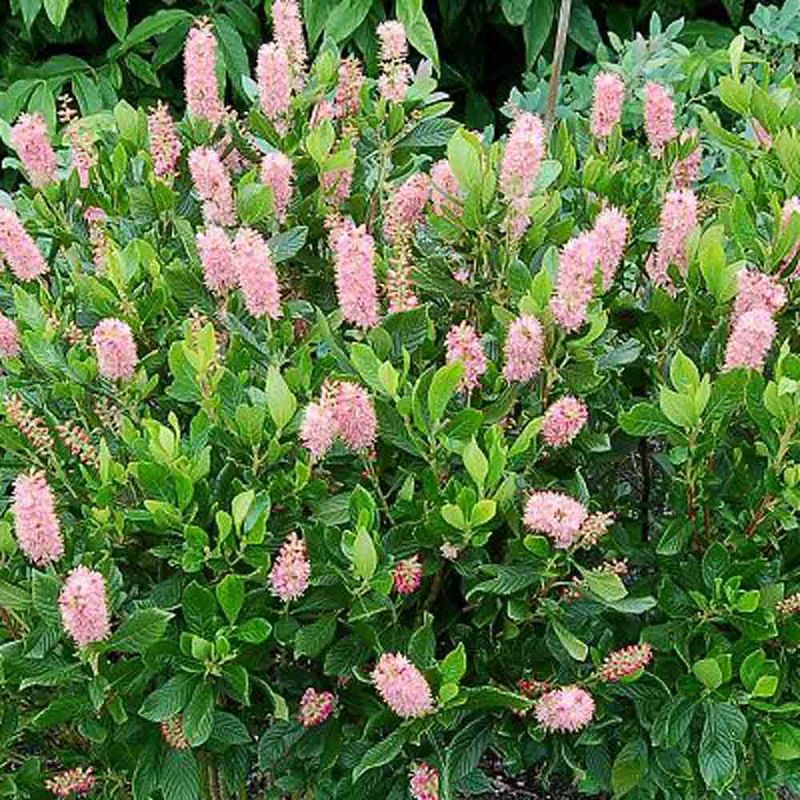
One mistake many gardeners make with summersweet is assuming every plant stays tidy and small. The species itself can reach 5 to 10 feet tall and spread 4 to 6 feet wide at maturity, and it may also spread by suckers over time. NC State Extension gives that range as a general species-level guide, but cultivar size and habit vary enough that checking the label before you plant is genuinely worth the 30 seconds it takes.
For a smaller foundation bed or a spot where you need to stay under 4 feet, look at compact white-flowered selections. ‘Hummingbird’ and ‘Sixteen Candles’ are both noted by NC State as lower-growing options with white flowers. If you have more room and want pink, ‘Ruby Spice’ is a taller selection with deep rose-pink spikes, while ‘Rosea’ and ‘Pink Spires’ offer softer pink tones. ‘September Beauty’ is worth knowing about if you want the bloom to push later into the season, though its exact timing will still shift with your conditions.
A word on the word “native” here: these cultivars are all selections of Clethra alnifolia, a genuinely native species, but their size, color, and growth habit may differ from the wild-type plants that occur naturally in North Carolina. NC State Extension Gardener covers several of these selections in detail. Plan for the mature spread listed on the tag, especially in a confined bed, and you will save yourself a pruning headache in three or four years.
Water And Mulch During Establishment
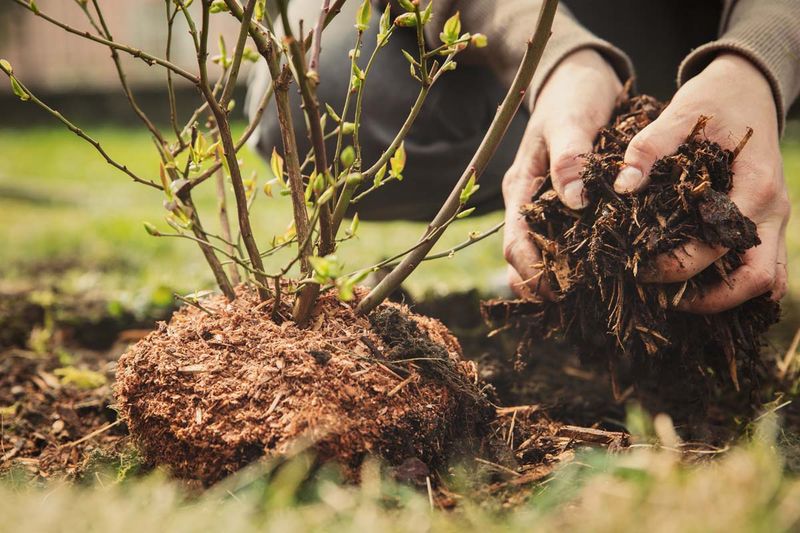
The first summer after planting is when summersweet is most vulnerable, and North Carolina does not make it easy. August in the Piedmont or Coastal Plain brings a combination of heat, humidity, and storms that can feel like plenty of water but actually leaves roots dry between downpours. NC State Extension’s native plants handbook recommends keeping newly planted native shrubs well-watered for the first few weeks or until roots establish. Water deeply enough to wet the entire root zone, not just the surface.
How often you water after that depends on your soil type, drainage, how much shade the spot gets, the size of the plant, and how long it has been in the ground. A plant in sandy Coastal Plain soil dries out faster than one in Piedmont clay, so adjust accordingly. NC State’s woody ornamentals handbook notes that watering needs vary with all of those factors, which means there is no single schedule that works everywhere.
A 2- to 3-inch layer of organic mulch over the root zone helps conserve moisture, moderate soil temperature, suppress weeds, and gradually improve soil structure as it breaks down. Keep the mulch at least 6 inches away from the stems or crown of the shrub, because piling it against the base traps moisture and can lead to rot. NC State’s summersweet profile notes that dry stress can increase vulnerability to spider mites, so consistent moisture during establishment is a practical defense. Skip routine fertilizer or soil amendments unless a soil test or a visible problem tells you something specific needs correcting.
Prune Before New Growth And Control Suckers
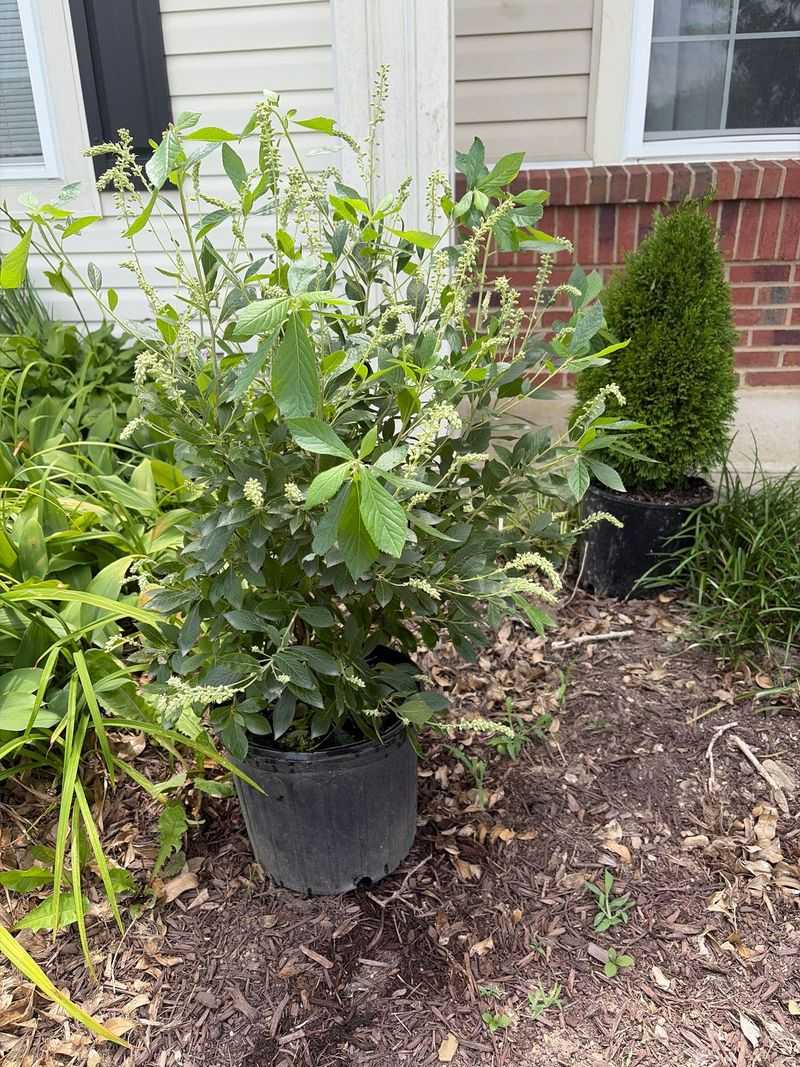
Summersweet flowers on new growth, which tells you something important about when to prune it. Cut it back in late winter or early spring, before the plant pushes new seasonal growth, and you will not lose any of that summer bloom. Prune it in June or July, and you are removing the very stems that were about to flower. NC State’s plant profile confirms late winter or early spring as the appropriate pruning window for this reason.
Here is where it gets tricky for small beds. Summersweet can spread by suckers and underground stems, forming a colony over time. Missouri Botanical Garden’s plant finder and NC State’s JC Raulston Arboretum newsletter both describe this suckering habit. In a naturalized area or a rain garden buffer, that spreading tendency is actually an asset.
In a tightly defined foundation bed, it means you need to pull or cut unwanted suckers while they are still small, before they establish their own root systems.
For a confined space, starting with a compact cultivar like ‘Hummingbird’ or ‘Sixteen Candles’ reduces how often you need to manage size. The plant generally has few serious pest or disease problems when it is sited correctly, but dry conditions or excessive sun stress can invite spider mites. Keeping the soil consistently moist and the site appropriately shaded is a more effective long-term strategy than reacting to pest problems after they start.
Build A Succession Of Flowers Around It
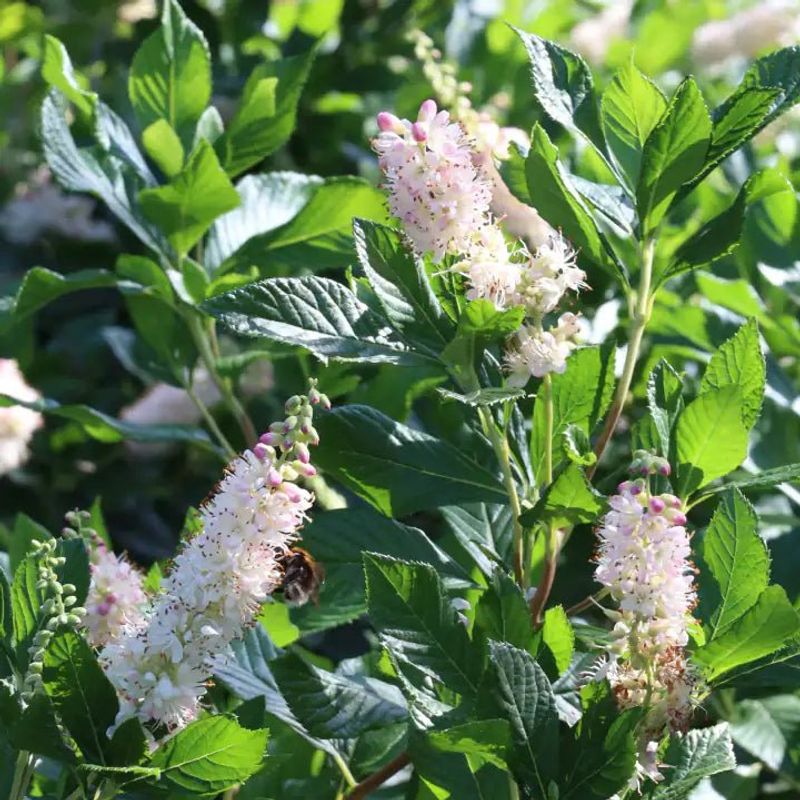
One summersweet shrub will not carry a full-season pollinator garden by itself, and it was never meant to. What it does is fill a specific window well: the flowers provide nectar and pollen for bees, butterflies, hummingbirds, and other pollinators during a stretch when many traditional flowering shrubs have finished. NC State Extension notes that the brown seed capsules that follow in fall and persist into winter also provide food for birds and small mammals, extending the plant’s usefulness well past the last flower.
To build a planting that supports wildlife from spring through fall, pair summersweet with plants that bloom in other parts of the season. NC State’s native plants handbook recommends selecting at least three species with bloom in each growing season to support pollinators consistently. Spring-flowering natives like native azaleas or serviceberry, summer perennials like Joe-Pye weed and black-eyed Susan, and fall bloomers like goldenrod and asters build the kind of succession that keeps beneficial insects present across the whole year.
If you want another native shrub for the late-summer window, buttonbush is worth knowing. It can flower from June into September and Union County Extension describes it as a strong pollinator plant, but it generally prefers wetter, sunnier conditions and can grow considerably larger than most summersweet cultivars. For a partly shaded bed that stays moderately moist, summersweet is the more practical fit. Its combination of fragrance, shade tolerance, and late-summer bloom in shrub form is genuinely hard to replicate with a single plant, and that is the quiet reason it keeps showing up in North Carolina gardens year after year.