The Secret To Feeding Florida Raised Beds Without Causing More Stress In July
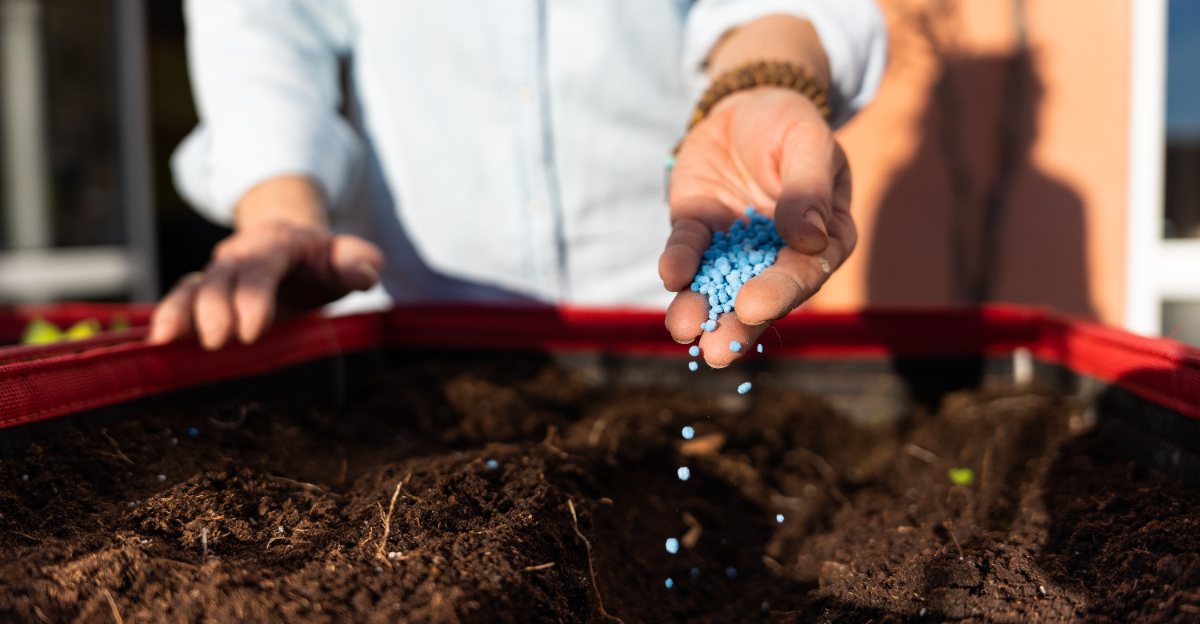
July is the month Florida raised bed gardeners reach for fertilizer with the best intentions and the worst timing. Plants look stressed, production has slowed, and feeding them feels like the responsible move.
That move, made without the right approach, turns a struggling bed into a genuinely damaged one. Heat-stressed plants in Florida July are not asking for more nutrients.
They are asking for less demand on a system that is already running close to its limit. Fertilizer applied at the wrong moment pushes new growth into conditions the plant cannot support.
The results show up fast and they are not subtle. Feeding a Florida raised bed in July is not the wrong idea.
Doing it the wrong way is. The timing, the product, and the amount all matter more in July than at any other point in the growing season.
Get it right and the bed responds. Get it wrong and August inherits the damage.
1. Feed Only After Plants Show Steady Growth
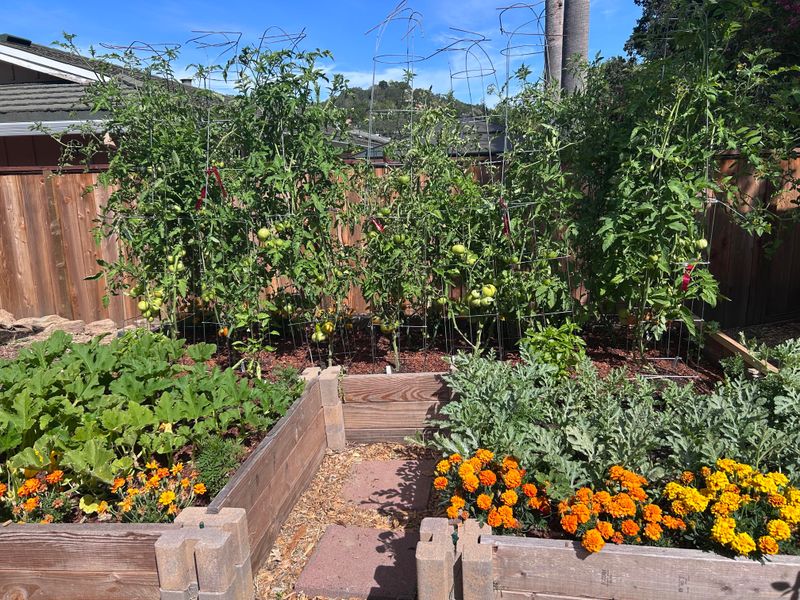
New leaves unfurling at the top of a pepper plant are a good sign. Strong stems, steady fruiting, and fresh growth at the tips tell you the plant is actively working and ready to use what you offer.
That is the right moment to consider feeding a summer crop in a raised bed.
Slow or stalled growth in July does not automatically mean the bed is running low on nutrients. Heat can shut down root activity even in a well-fed bed.
Waterlogged roots after a heavy storm can cause the same pale, tired look that a nitrogen shortage causes. Pests and root disease can also mimic hunger symptoms in ways that extra fertilizer will not fix.
Before reaching for a fertilizer bag, spend a few minutes actually looking at the plant. Check the soil moisture, lift a leaf and look underneath for pests, and notice whether new growth is forming at all.
A plant that is paused because of stress needs different support than a plant that is growing fast and pulling nutrients from the soil.
Crops like sweet potatoes and heat-tolerant herbs may cruise through July with little help. Heavy feeders like corn or leafy greens in summer production may need more support.
Matching your feeding decision to the crop, the growth stage, and the current soil condition is what makes July fertilizing work instead of backfire.
2. Skip Fertilizer During Heat Stress
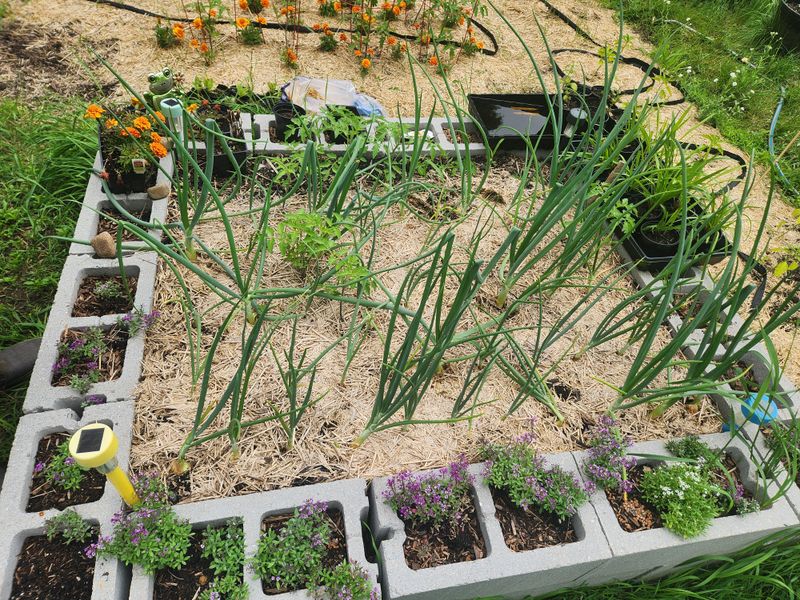
A wilted tomato at two in the afternoon is not asking for fertilizer. It is asking for relief.
When plants are scorched, drooping, or visibly struggling under extreme summer heat, adding nutrients can push more stress onto a system that is already overwhelmed.
Roots under heat stress are less efficient at absorbing water and nutrients. Soluble fertilizer sitting in warm, dry, or unevenly moist soil can actually concentrate around roots and cause more harm than good.
Even slow-release granules can become more active in hot, moist conditions and release nutrients faster than a stressed plant can use them.
The better move during a heat wave is to focus on reducing stress first. Deep watering in the early morning can help a struggling plant recover.
Your Florida Garden Changes Every Week. Your Plan Should Too.
Gardening in Florida changes quickly throughout the season. Every Friday you’ll receive a simple weekly plan showing exactly what to plant, prune, fertilize, harvest, and protect so you never miss the right timing.
So can mulch that cools the soil and temporary shade cloth during the hottest part of the day.
Once the plant starts to recover, once new growth appears and the stems look less limp, that is a better window to consider light feeding if the crop actually needs it. Healthy, recovering plants can use nutrients.
Stressed plants often cannot. Skipping fertilizer during the hardest days of July is not neglect.
It is smart, attentive care that reads the plant before acting.
3. Water First So Roots Can Handle Nutrients
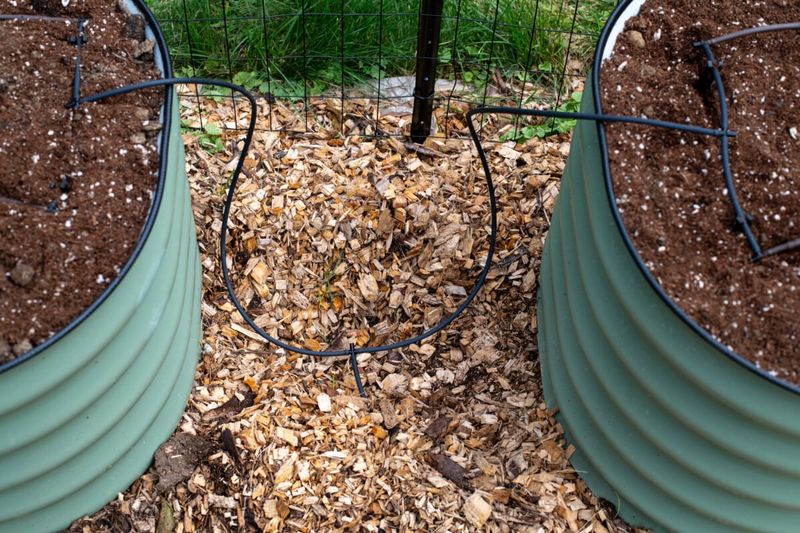
Dry roots and fertilizer are not a good combination. When soil in a raised bed dries out between waterings, roots lose efficiency.
Hot July stretches without rain make it harder for them to pull in water and nutrients. Adding fertilizer to a dry bed can stress roots further instead of helping them.
Evenly moist soil is the goal before any feeding. A deep watering the morning before you plan to side-dress or apply a liquid feed gives roots time to recover and creates the right environment for nutrient uptake.
You are not trying to flood the bed. You are trying to make sure the entire root zone has access to moisture so it can do its job.
Raised beds can dry out faster than in-ground gardens because they have more surface area exposed to heat and air. They can also hold too much water after a heavy summer storm if the drainage mix is dense or the bed has no outlet.
Both extremes make fertilizer harder to use and easier to waste.
Checking the top two inches of soil before feeding takes only a moment. If the soil feels bone dry, water first and wait.
If it feels soggy from recent rain, wait until it drains before adding anything. That simple check protects your plants, your soil biology, and the money you spend on inputs.
Moisture and nutrients work together, and one without the other rarely gets the job done.
4. Use Compost As A Gentle Soil Support
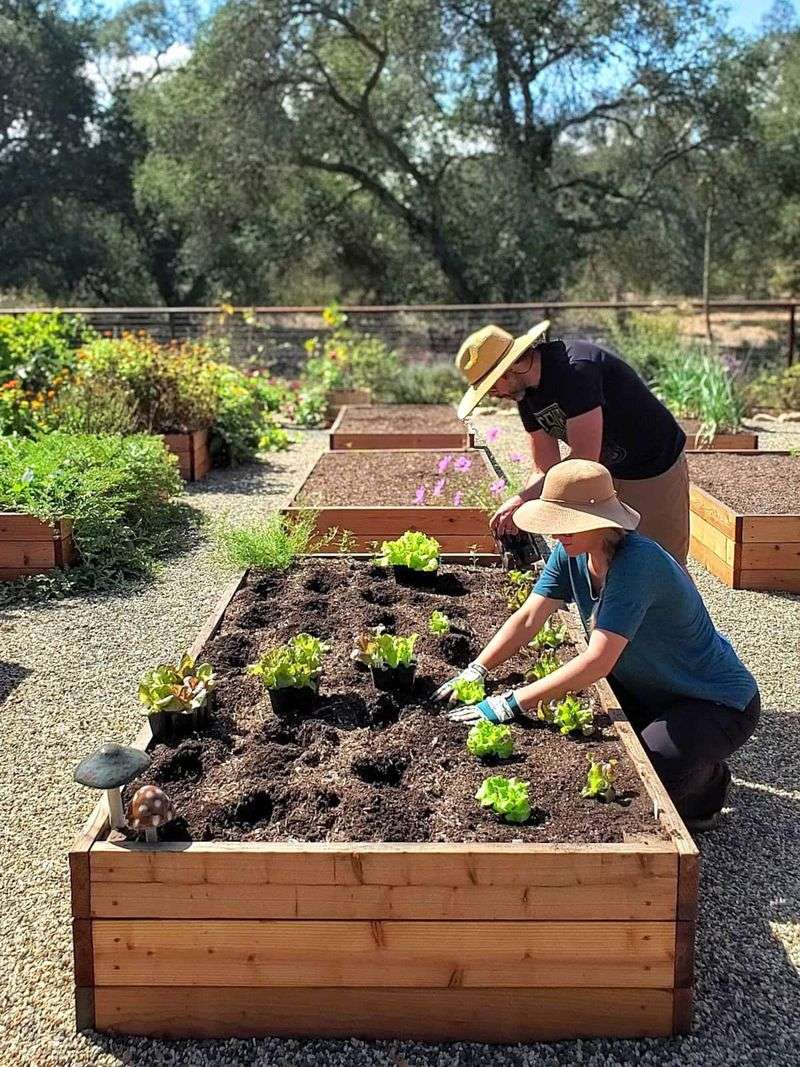
Finished compost does not work like a bag of fertilizer. It will not deliver a quick green-up to a pale plant overnight, and that is actually one of its strengths.
A thin layer of finished compost on a raised bed can improve soil structure and support microbial activity. It also helps the bed hold moisture more evenly without shocking roots.
Compost also acts as a slow, gentle buffer. As it breaks down further in the soil, it releases small amounts of organic nutrients over time.
That steady, low-level release suits July conditions better than a heavy soluble dose that the plant may not be ready to handle during heat or after a storm.
What to avoid is just as important. Unfinished compost, fresh yard clippings, fresh manure, meat scraps, dairy, grease, and random kitchen waste do not belong in a raised bed.
They can introduce pathogens, attract pests, create salt buildup, or burn roots. Only finished, well-aged compost belongs as a soil amendment.
Even finished compost has its limits. Heavy-feeding crops like corn, squash, or peppers in active production may need more targeted nutrition than compost alone can provide.
Think of compost as a foundation that supports the soil, not a standalone feeding solution. Used correctly, it makes every other input work better and helps the bed stay healthier through the rest of the summer season.
5. Avoid Heavy Nitrogen Before Storms
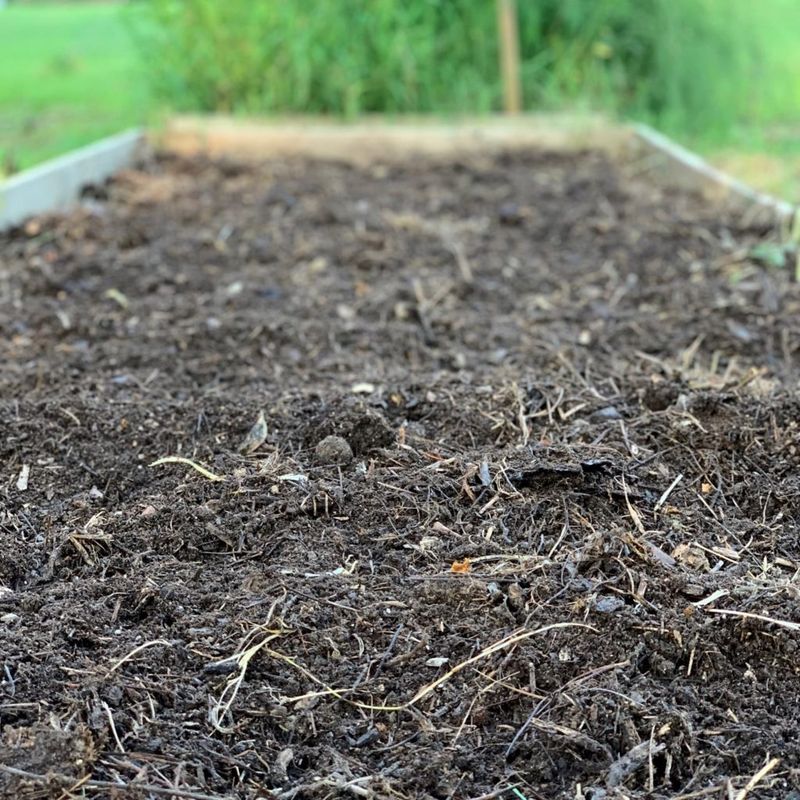
Checking the weather forecast before feeding a raised bed is a habit worth building.
Applying a nitrogen-heavy fertilizer the day before a major summer storm is one of the easiest ways to waste money and stress your plants at the same time.
Heavy rain can move soluble nitrogen through a raised-bed mix quickly, especially if the soil has a sandy base or the bed drains fast.
Leaching is the term for nutrients washing down through the soil profile before roots can absorb them. It happens faster in raised beds than in dense clay soils because the mixes used in raised beds are designed to drain well.
That drainage is a benefit most of the year, but it becomes a problem when you fertilize just before a heavy downpour.
Beyond waste, a surge of nitrogen after a storm can push tender new growth that is soft, fast-growing, and more attractive to pests and disease. Lush, weak growth produced too quickly in humid July conditions can invite problems that make the garden harder to manage, not easier.
None of this means nitrogen is the enemy. It means timing matters.
Applying a moderate amount of a balanced or slow-release fertilizer on a calm morning with a few dry days in the forecast gives the plant time to absorb what it needs.
Watching the forecast and matching feeding to stable weather windows is one of the simplest ways to get better results from every application.
6. Keep Fertilizer Away From Stems And Leaves
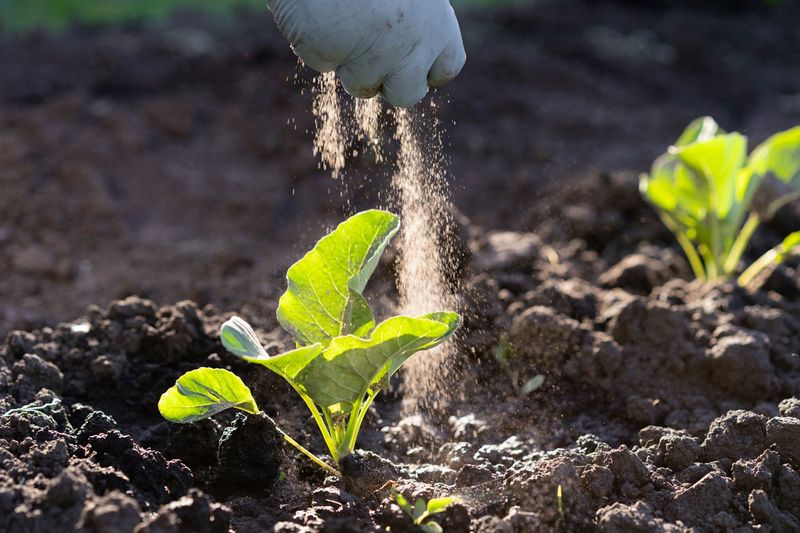
Granular fertilizer poured directly against a plant stem can burn the tissue at the base of the plant. Liquid fertilizer splashed onto leaves during midday heat can scorch the surface and leave lasting damage.
Both mistakes are easy to make in a small raised bed where plants grow close together and there is not much room to work.
Side-dressing is the standard approach for granular fertilizers. That means spreading the material a few inches away from the stem, around the drip line of the plant, and then watering it in as the label directs.
The fertilizer dissolves into the soil and moves toward the roots without sitting against tender tissue.
Raised beds concentrate mistakes faster than larger in-ground plots. A handful of granules in a two-by-four bed is a much higher concentration than the same handful spread across a wider garden row.
Using less than you think you need, then checking the plant’s response before adding more, is a practical approach that avoids accidental overdose.
Liquid fertilizers need the same care. Apply them to the soil around the plant’s base, not across the foliage.
Only use them on leaves if the product is labeled as a foliar feed. Always follow label directions for rates and timing.
No amount of enthusiasm makes up for skipping the instructions, and in a raised bed, the margin for error is smaller than most Florida gardeners expect.
7. Watch For Leaf Clues Before Feeding Again
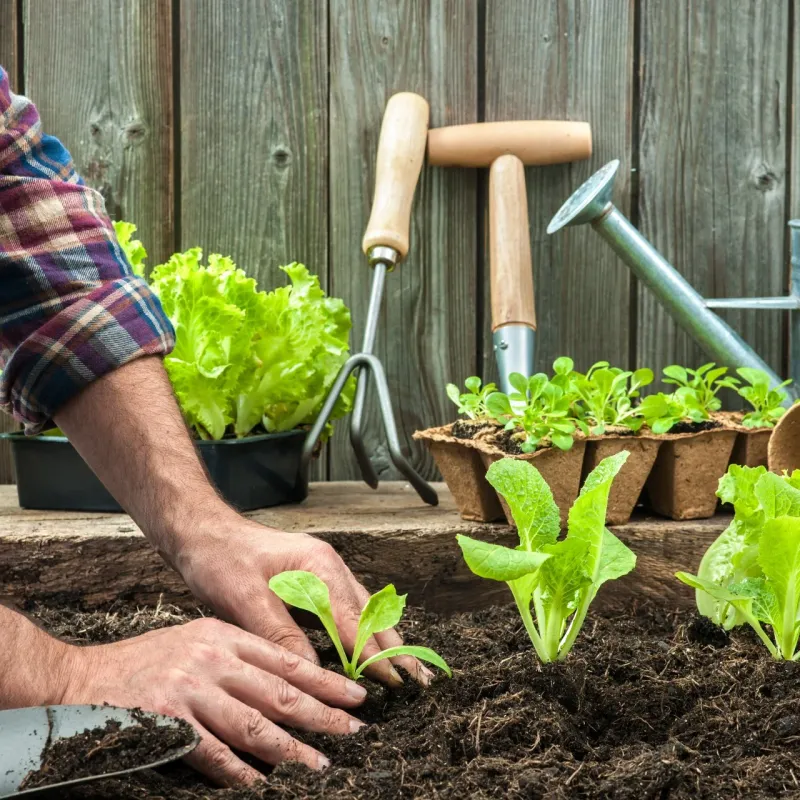
Pale yellow leaves are one of the most common reasons Florida gardeners reach for fertilizer in July. Sometimes that instinct is right.
Often, it is not. Yellowing can come from nitrogen shortage, overwatering, poor drainage, root rot, spider mites, or soil pH problems.
It can also come from the natural aging of lower leaves.
Before adding more fertilizer to a bed that already received a recent application, take a closer look at what the leaves are actually telling you. Lower leaves yellowing on an otherwise healthy plant may just be normal leaf drop.
Yellowing that starts between the leaf veins on newer growth points toward a different nutrient issue than overall pale older leaves. Curled, spotted, or stippled leaves often signal pests or disease, not hunger.
Soil moisture and drainage deserve a check before anything else. A raised bed that stays too wet after summer rains can mimic nutrient deficiency.
Waterlogged roots struggle to absorb anything properly. Fixing the drainage problem first often resolves the symptoms without any fertilizer at all.
When symptoms are confusing or persistent, a soil test through a local extension office is the most reliable next step.
Extension offices across Florida can help interpret results and recommend specific adjustments based on your crop, your soil mix, and your local conditions.
Guessing at nutrients without data can make problems worse instead of better.
8. Let July Care Support The Fall Garden
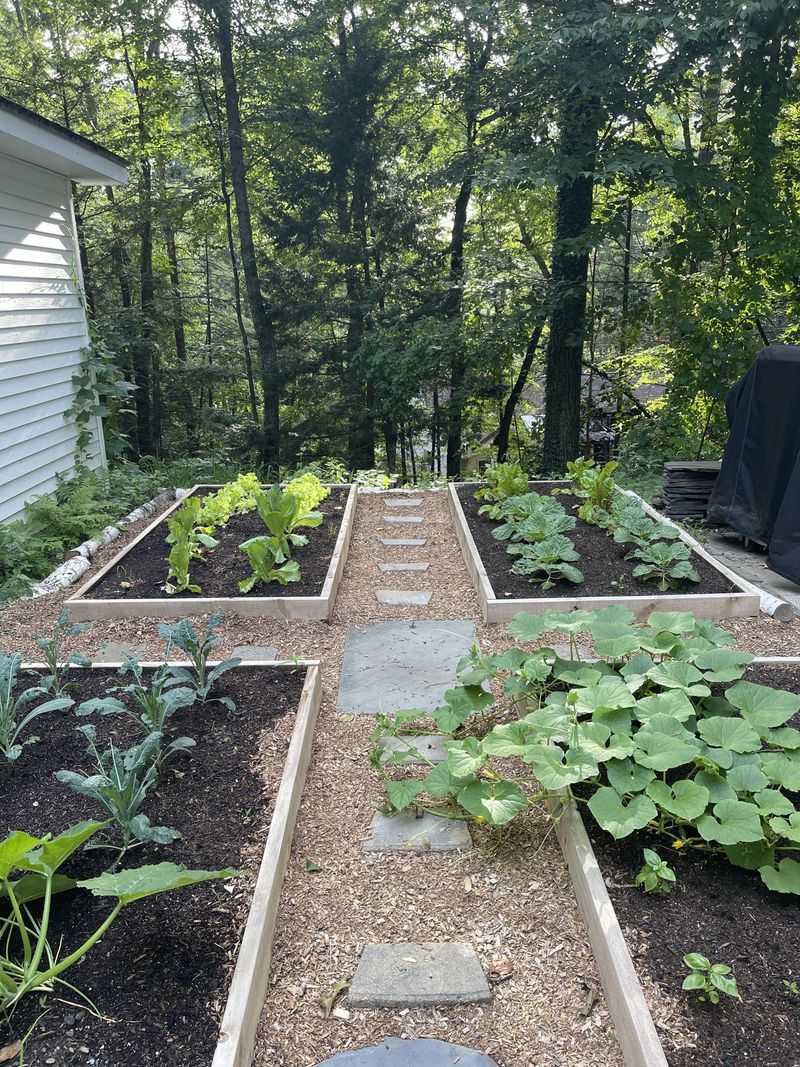
Summer raised-bed care is not just about keeping current crops alive. It is also about setting up the next planting window.
Fall vegetable gardening in Florida is one of the most productive seasons available. What you do with raised beds in July directly affects how they perform in September and October.
Removing spent summer plants cleanly, without leaving roots or debris to break down unevenly, helps the bed reset.
Adding a top-dressing of finished compost to empty sections rebuilds organic matter and supports the microbial life that makes nutrients available to the next crop.
Letting the bed rest briefly between plantings is not wasted time. It is recovery time.
Overfeeding a bed in late July can leave excess salts or nutrients in the soil. The next crop then has to deal with those leftovers.
A balanced approach keeps the soil in better shape for the next planting. Feed just enough to support current crops, then scale back as you transition.
Fall planting timing varies across Florida. Gardeners in northern regions often start transitioning in late August or early September, while those in southern regions may wait until October.
Check with your local extension office for the best timing for your area. July care done thoughtfully, with less drama and more observation, sets the stage for one of the best growing seasons the year has to offer.