What It Really Means When Fireflies Keep Visiting Your Florida Yard
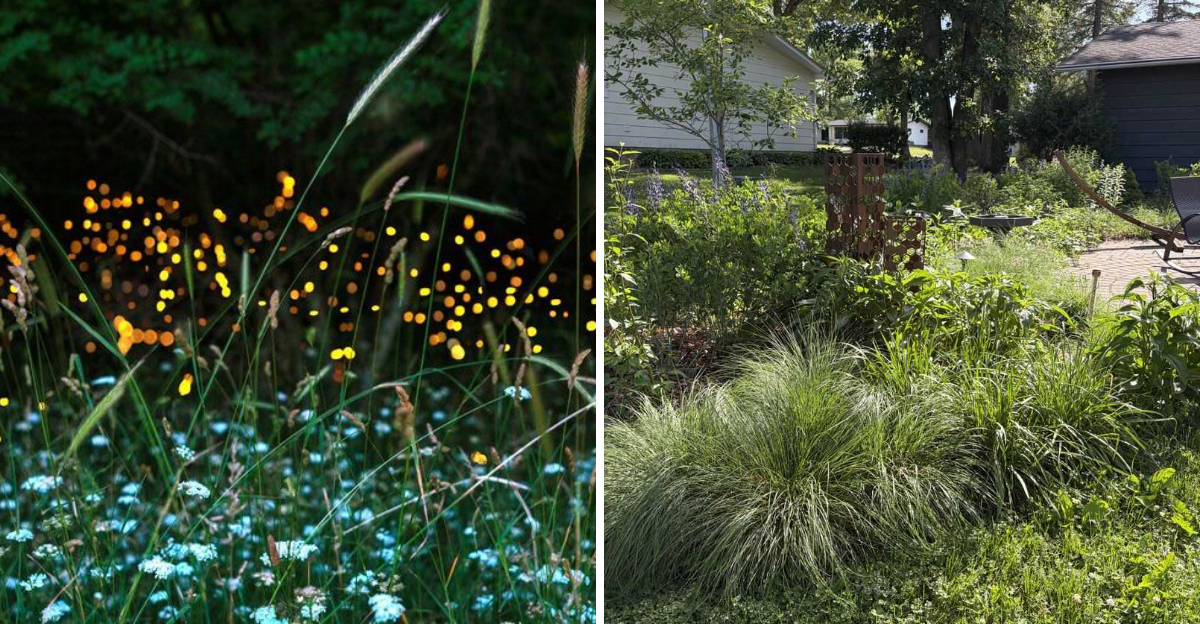
Florida is not prime firefly country. A yard that lights up with them consistently is doing something specific that most local landscapes never manage, and the fireflies are the proof of it.
Fireflies do not show up out of obligation. They follow larval habitat, moisture retention, specific plant cover, and a ground level environment that maintained yards have systematically removed without realizing it.
A Florida yard with returning fireflies has crossed a threshold. The soil biology is working.
The moisture is being held. The ground cover is providing what larvae need to survive the year underground before they ever produce a single flash of light.
That is not a small thing in a state where lawn culture has pushed firefly habitat to the edges of forgotten corners and preservation areas. A firefly in your yard is not luck.
It is evidence.
1. Your Yard Has The Darkness They Need
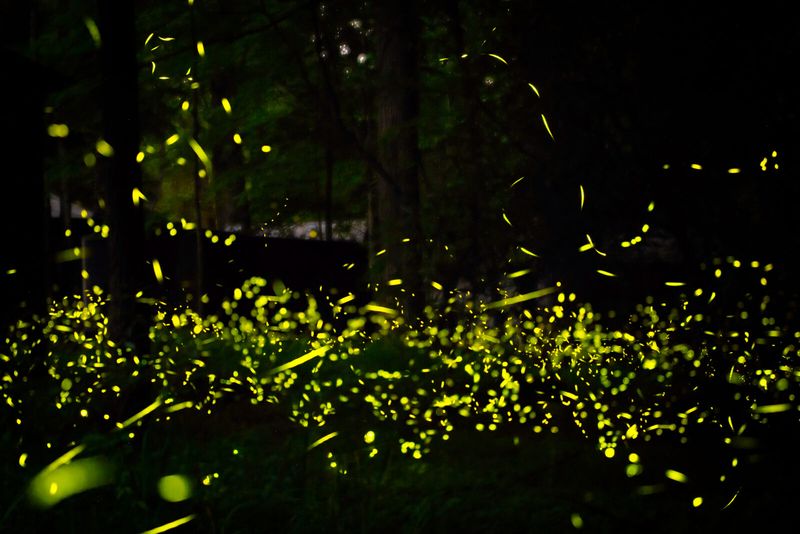
A single porch light left on all night can do more than brighten a doorstep. For fireflies, which are actually beetles in the family Lampyridae, light is their language.
Males flash to attract females resting in low vegetation, and females flash back. When artificial light floods the yard, those signals get lost in the noise.
Outdoor lights, security fixtures, landscape spotlights, and even bright windows spilling onto the lawn can interfere with firefly communication.
Research on firefly behavior has confirmed that light pollution is a major pressure on firefly populations in developed areas.
If your yard still has dark corners after sunset, that may be exactly why these beetles keep returning.
Reducing unnecessary lighting is one of the most practical steps a Florida homeowner can take. Use timers to shut off landscape lights earlier in the evening.
Shield downward-facing fixtures so light stays low and does not spread into open lawn areas. Close bright curtains facing the yard when fireflies are most active, typically from late spring through summer.
Motion-activated lights used only when needed are a smarter choice than lights left on all night. Keeping parts of your yard genuinely dark after dusk gives fireflies the signal-friendly environment they need to find each other and stay.
2. Moist Soil May Be Supporting Their Larvae
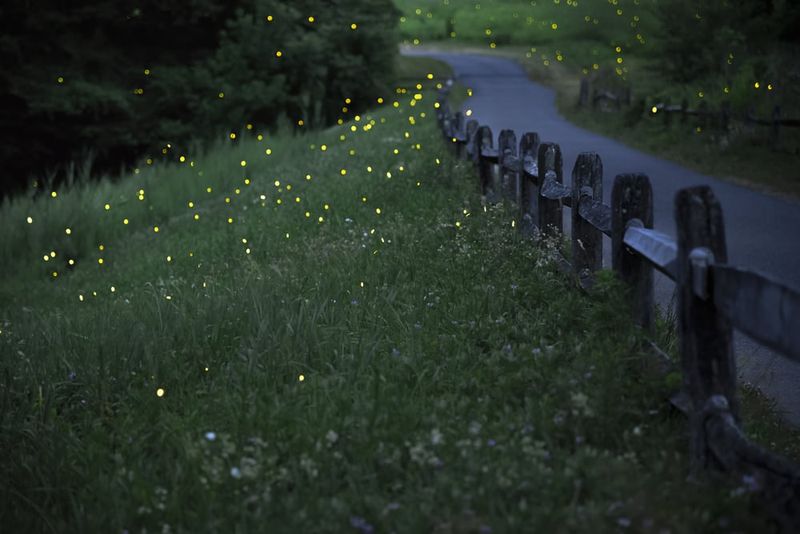
Long before a firefly ever blinks, it spends most of its life underground. Firefly larvae can live in soil for one to two years depending on the species, and they tend to prefer moist, sheltered spots where the ground stays soft and humid.
Shaded edges along fences, under shrubs, and near tree lines often hold that kind of soil moisture even during dry stretches.
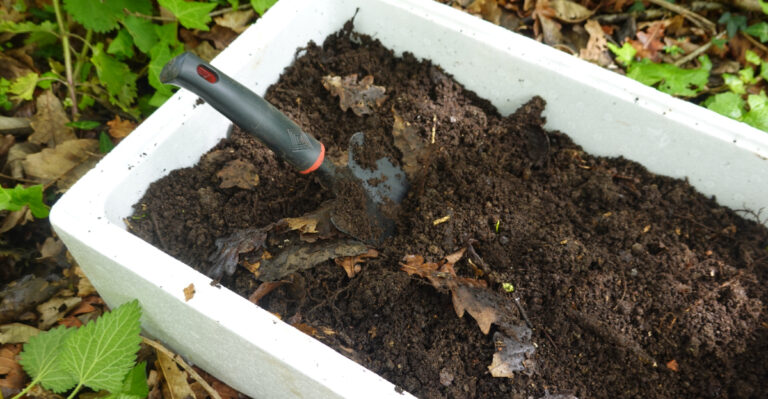
Mulched garden beds and areas with organic material on the surface can help retain ground moisture without creating puddles.
Larvae are believed to feed on small soft-bodied prey such as snails, slugs, and earthworms, which also tend to live in damp, protected soil.
Naturally shaded, consistently moist corners may be supporting firefly larvae. Those larvae later emerge as the adults you see flashing in the evening.
Your Florida Garden Changes Every Week. Your Plan Should Too.
Gardening in Florida changes quickly throughout the season. Every Friday you’ll receive a simple weekly plan showing exactly what to plant, prune, fertilize, harvest, and protect so you never miss the right timing.
Moist soil is not the same as standing water. Puddles, clogged containers, and stagnant water sources should always be removed or managed because they can become breeding grounds for mosquitoes.
The goal is naturally damp ground in shaded, low-disturbance areas, not waterlogged or poorly draining spots. Water deeply but less often, use mulch to hold moisture, and keep some shaded edges undisturbed.
These steps help maintain the soft, humid soil firefly larvae may need underground.
3. Leaf Litter Gives Young Fireflies Cover
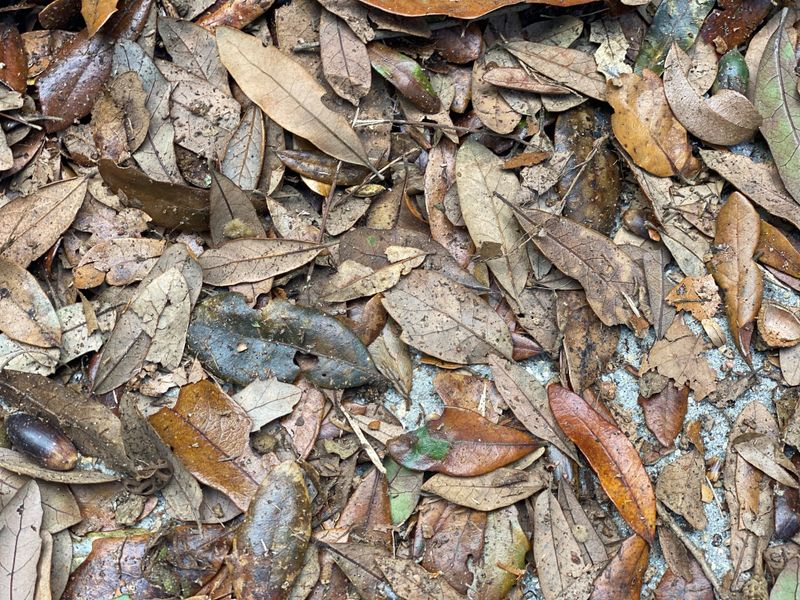
Most Florida homeowners rake every fallen leaf the moment it hits the ground, but that habit can quietly remove something firefly larvae genuinely depend on. A layer of fallen leaves in a low-use corner creates shelter and holds humidity near the soil.
It also covers small invertebrates that larvae may feed on. That layer does not need to be deep or messy to be useful.
Leaving leaf litter under shrubs, along fence lines, or in shaded garden beds can make a real difference. These are spots that rarely see foot traffic, so letting leaves accumulate there does not affect the look or safety of the yard.
The organic material also breaks down over time, adding nutrients back into the soil and supporting a richer underground community.
Walkways, foundations, and drainage areas should always stay clear of debris to prevent pest harborage and moisture problems near structures. Leaf litter management is about balance, not letting everything go wild.
Keep some natural ground cover in quiet, shaded corners while maintaining the rest of the yard. This practical balance works for homeowners and local wildlife.
If fireflies keep visiting a corner near your shrubs or back fence, the leaf litter in that spot may be part of why they keep coming back to that exact location.
4. Native Plants Help Build A Better Food Web
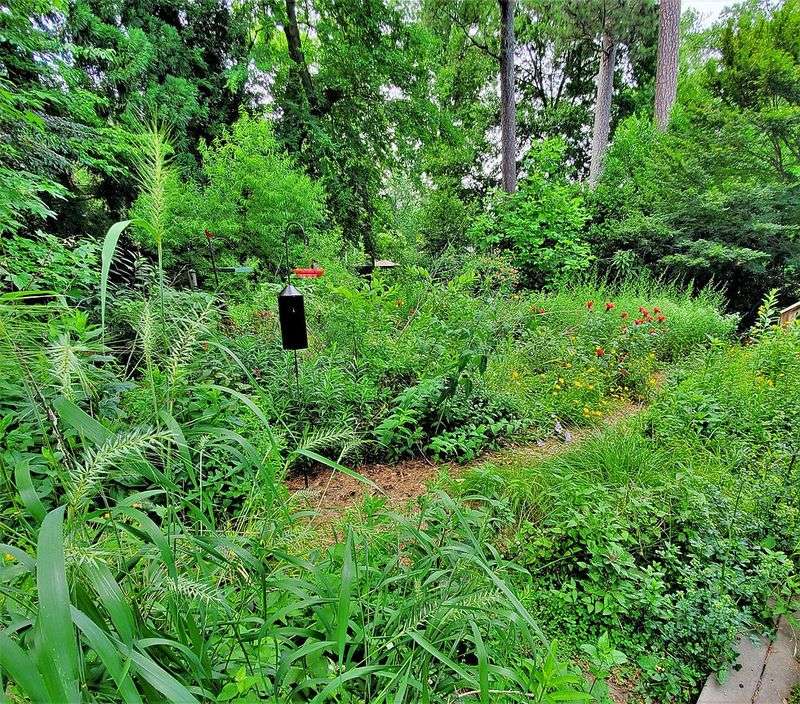
Walk past a yard full of native shrubs and grasses at dusk and you will notice more movement than in a yard full of turf grass alone. Native plants support a much wider range of insects by providing food, shelter, and structure at multiple layers of the yard.
That insect diversity feeds into a richer food web, which can include the small prey that firefly larvae depend on.
Shrubs like beautyberry, native viburnums, and wax myrtle create shaded understory layers where moisture and leaf litter accumulate naturally. Native bunch grasses and groundcovers add low-level structure.
Adult fireflies can rest there during the day, and females can perch while watching for flashing males. Plant diversity across different heights, from groundcovers up through mid-level shrubs, gives the yard more ecological texture.
No single plant guarantees firefly visits. Firefly activity depends on a combination of factors including darkness, moisture, prey availability, surrounding land use, and local species populations.
But yards with more native plant diversity tend to support richer insect communities overall. Choosing plants suited to your specific site conditions, whether sunny and dry or shaded and moist, matters more than simply adding any native species.
UF/IFAS and Florida-Friendly Landscaping resources offer region-specific plant lists that can help guide choices based on your location and yard type.
5. Fewer Pesticides Leave More Insects Alive
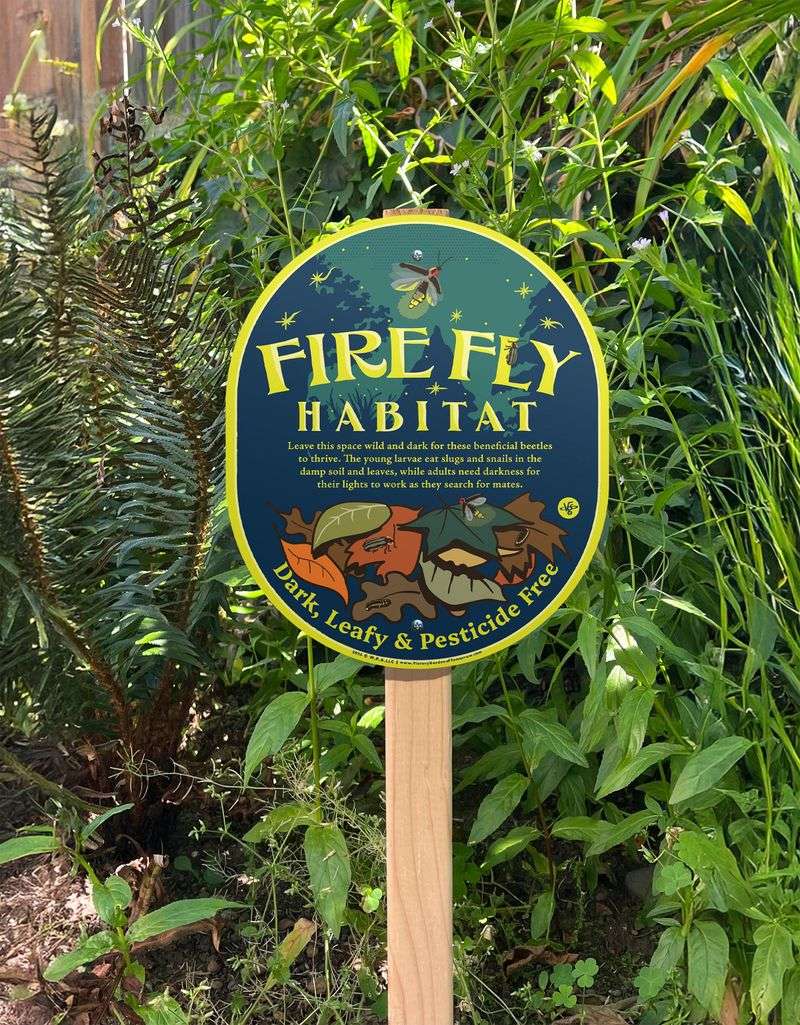
Broad pesticide applications do not distinguish between pest insects and beneficial ones. When a yard gets sprayed regularly with wide-coverage insecticides or mosquito foggers, the treatment affects far more than the target pest.
Fireflies, their larvae, and the small invertebrates larvae feed on can all be impacted by routine chemical treatments applied across large areas of lawn and landscape.
Repeated firefly visits to a yard can suggest that chemical disruption in that space may be lower than in surrounding areas. That does not mean the yard is entirely chemical-free or that pesticides have never been used.
It may simply mean that broad, frequent applications are not a regular practice there. Fireflies are sensitive to disruptions in the insect community they depend on, so yards where the food web stays more intact may be more likely to support them.
Integrated pest management, or IPM, encourages identifying pests before treating. It also favors targeted products when needed and avoids broad sprays when they are not necessary.
Local county extension offices and UF/IFAS resources can help Florida homeowners identify insects accurately. They can also suggest the least disruptive pest-control approach.
If mosquito control is a concern, remove standing water, maintain window screens, and follow local mosquito control district guidance. Start there before considering broad treatments that could affect non-target insects.
6. Nearby Water Or Damp Edges May Help
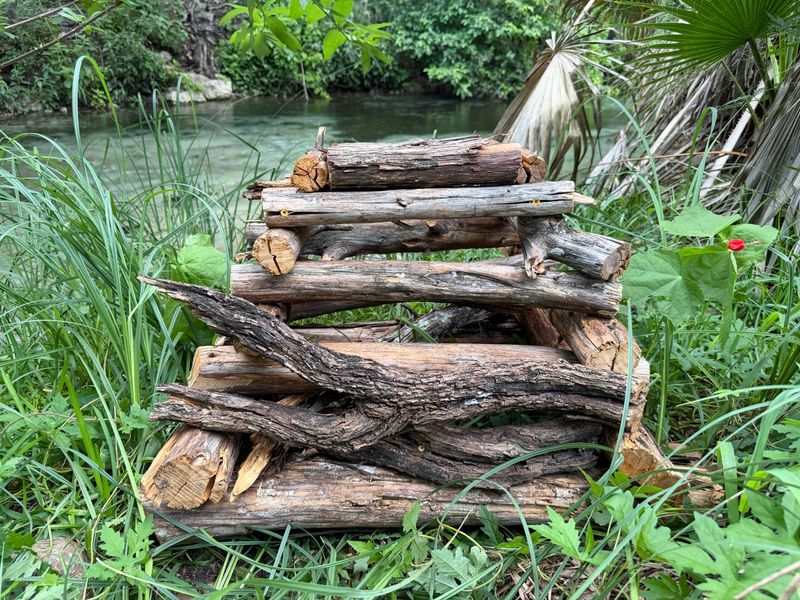
Firefly activity often concentrates near edges. That may be where lawn meets shrubs, a shaded strip runs along a fence, or rainwater drains slowly into the ground.
These damp, transitional zones can support the moist soil conditions and small invertebrate communities that firefly larvae depend on during their underground stage.
Yards near ponds, drainage swales, retention areas, or rain gardens may see more firefly activity along those borders. This is especially true just after sunset.
Moisture, shade, organic material, and lower disturbance along those edges can support multiple stages of the firefly life cycle. Observing where in the yard the flashes appear most often can give you a clue about which edges or corners may be most habitat-friendly.
Managing damp edges responsibly is important. Any container, pot, tray, or low spot that holds stagnant water should be emptied or corrected to prevent mosquito breeding.
Rain gardens work best when designed to absorb water within a day or two rather than holding it indefinitely. Keeping drainage functional while allowing naturally damp, shaded soil to remain undisturbed is the balance worth aiming for.
Damp does not mean flooded, and a well-managed shaded edge can support firefly habitat without creating pest problems for the rest of the yard.
7. Repeated Flashes Mean Habitat Is Working
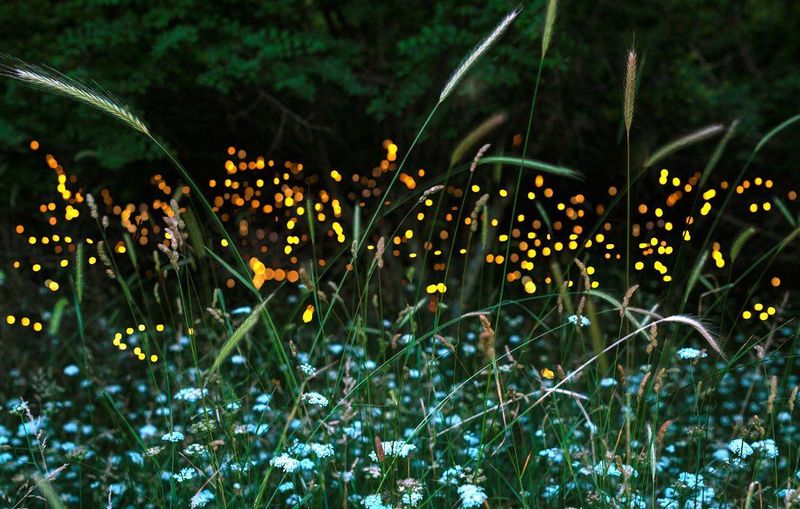
Seeing a firefly once is a nice surprise. Seeing them return evening after evening, in the same corners of the yard, near the same shrubs or grass edges, means something more specific is happening.
Repeated flashes suggest that some combination of conditions in your yard is meeting enough of their needs to make it worth coming back to. That is not coincidence, and it is not magic either.
Firefly populations are declining in many parts of the country, according to researchers who study them through projects like the Firefly Atlas. Habitat loss, light pollution, and land-use changes are among the pressures most commonly cited.
A yard where fireflies return regularly may still be offering enough darkness, moisture, cover, and prey to support at least a local pocket of activity. That is worth noticing and worth protecting.
Paying attention to the details can help you understand what your yard is doing right. Note which evenings bring the most flashes and whether activity increases after rain.
Watch which yard areas are most active and whether lighting changes affect what you see. Firefly behavior is tied to temperature, humidity, season, and light levels.
Observe those patterns over time without disturbing the habitat. They can show what conditions your Florida yard may already provide for these remarkable beetles.
8. The Real Meaning Is A Yard Worth Protecting
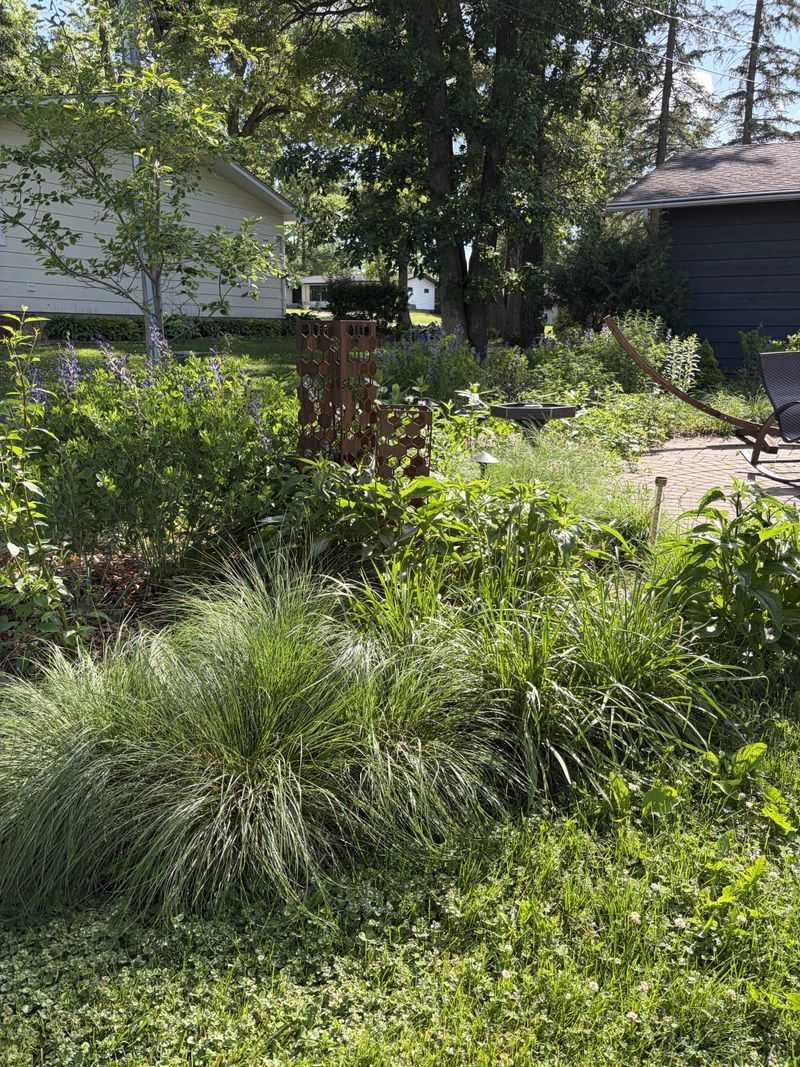
When fireflies keep visiting your yard, the real message they carry is a practical one rooted in habitat. Something about that space is working in their favor.
It may be the dark corners, damp soil under a shrub, leaf litter along the fence, or lower chemical disruption. That is worth recognizing and worth making a conscious effort to maintain.
Small choices add up over time. Turning off unnecessary outdoor lights by nine or ten in the evening costs nothing but makes a real difference during firefly season.
Leaving a quiet corner of leaf litter under shrubs or along a back fence takes almost no effort. Planting one or two native shrubs suited to your yard’s moisture and light conditions adds habitat structure over several seasons.
Skipping a broad pesticide spray when it is not truly needed protects more of the insect community than most people realize.
None of these steps guarantee fireflies will multiply dramatically or that every flash you see belongs to the same species.
Firefly activity depends on many overlapping factors, including surrounding land use, local species populations, seasonal weather, and long-term habitat trends.
But if they are already visiting, your yard has something worth keeping. Protecting the darkness, the damp edges, the leaf litter, and the living soil beneath it is how you hold onto what those small evening lights are quietly telling you.