7 Florida Soil Additives That Look Expensive But Cost Nothing To Make
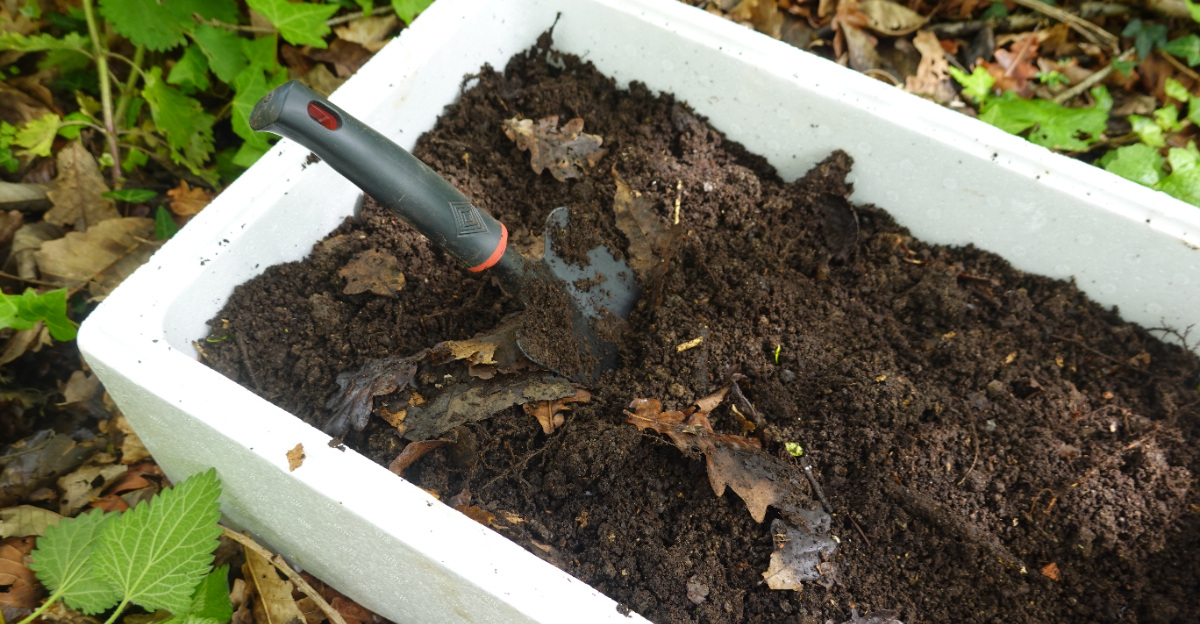
Florida soil has a reputation, and it earns it. Sandy, fast-draining, low in organic matter, and stubbornly resistant to improvement no matter how much gets spent at the garden center.
Bags of amendments pile up, results disappoint, and the cycle starts over the following season. The additives that actually transform Florida soil are not always the ones with the highest price tags.
Several of the most effective options cost nothing. They come from the yard itself, from the kitchen, from materials that most homeowners are currently throwing away without realizing what they are discarding.
Making them requires almost no effort. Using them correctly requires knowing what Florida soil is actually missing and matching the right additive to the right problem.
The garden center has been getting paid for things that were already available for free. This list changes that calculation before the next bag gets added to the cart.
1. Leaf Mold Turns Yard Leaves Into Black Gold
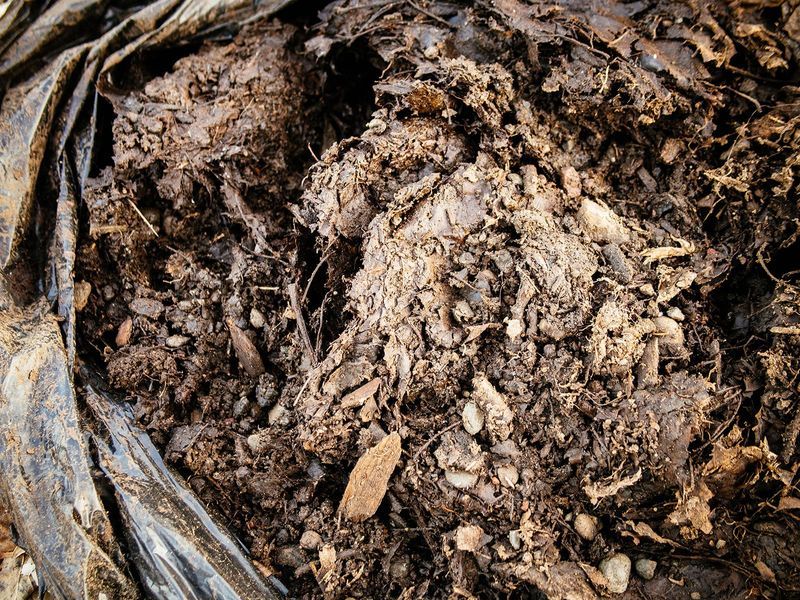
That pile of leaves sitting near the curb or blowing into your yard every fall is closer to a finished soil product than most people realize.
Leaf mold is simply what happens when fallen leaves are collected, kept moist, and allowed to break down over several months.
The result looks much like dark, crumbly soil conditioner sold in bags at garden centers. It costs nothing if trees are already dropping leaves on your property.
Shredding leaves before piling them speeds up the process noticeably. Whole leaves can mat together and resist breakdown, especially in a humid climate.
Running a lawn mower over them once or twice before collecting them makes a real difference. Keep the pile moist but not soaking wet, and turn it occasionally to help air move through.
Leaf mold works best as a soil amendment or mulch layer once it has broken down enough to look and smell earthy. Fresh leaves should never be piled thickly against plant crowns, stems, trunks, or home foundations, because that traps moisture and creates problems.
A thin layer of partially broken-down leaves works fine as a mulch topper, but finished leaf mold is more versatile.
One important point worth understanding is that leaf mold is not a fertilizer. It improves soil texture, helps sandy soil hold more moisture, and supports microbial activity over time.
Those are real and lasting benefits, but they build gradually. Avoid diseased leaves, leaves from invasive plants, or any material that may have been treated with pesticides.
Clean, local yard leaves are the safest and most useful starting point.
2. Finished Compost Makes Kitchen Scraps Useful
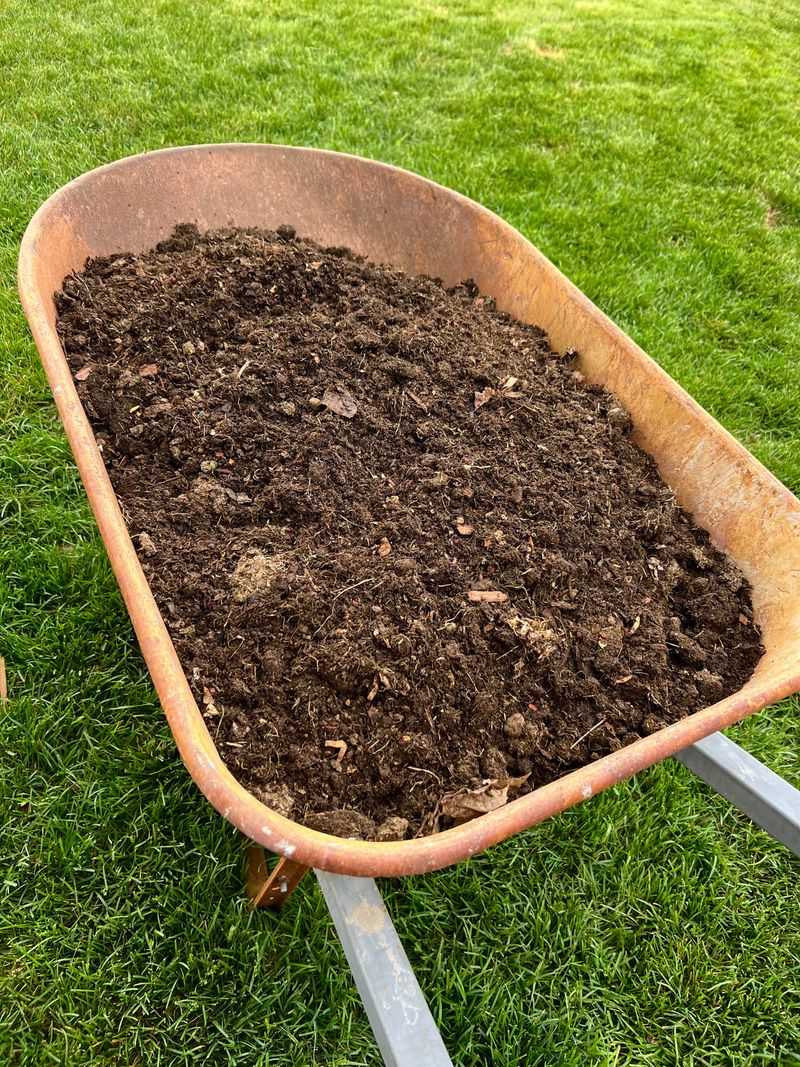
A kitchen scrap bin on the counter can look like a problem. Handled correctly, it is the start of one of the most useful soil additives a homeowner can make.
Finished compost comes from fruit and vegetable scraps, dry leaves, small yard trimmings, and other suitable materials. Together, they break down into a dark, earthy, crumbly material.
When it is done right, it looks nearly identical to premium bagged compost from a garden center.
Your Florida Garden Changes Every Week. Your Plan Should Too.
Gardening in Florida changes quickly throughout the season. Every Friday you’ll receive a simple weekly plan showing exactly what to plant, prune, fertilize, harvest, and protect so you never miss the right timing.
The word finished matters a lot here. Fresh scraps buried directly in garden beds can attract pests, create unpleasant odors, and cause problems in planted areas.
Compost needs time and the right conditions to become safe and useful. A good compost pile smells earthy, not rotten.
Few original materials should still be recognizable when it is ready to use.
Safe materials to compost include fruit and vegetable scraps, coffee grounds, tea bags without staples, dry leaves, and small untreated yard clippings.
Do not add meat, dairy, grease, pet waste, diseased plant material, glossy paper, pressure-treated wood, or anything treated with pesticides or herbicides.
Keeping those materials out protects the pile and the garden.
According to UF/IFAS, compost improves soil structure, adds organic matter, and supports healthy microbial communities over time.
A compost starter product is usually not necessary, because organic materials naturally contain the microorganisms needed to begin decomposition.
A balanced mix of green and brown materials, moisture, and occasional turning does the job. Patience is the most important ingredient in any compost pile.
3. Grass Clippings Feed Soil When Used Thinly
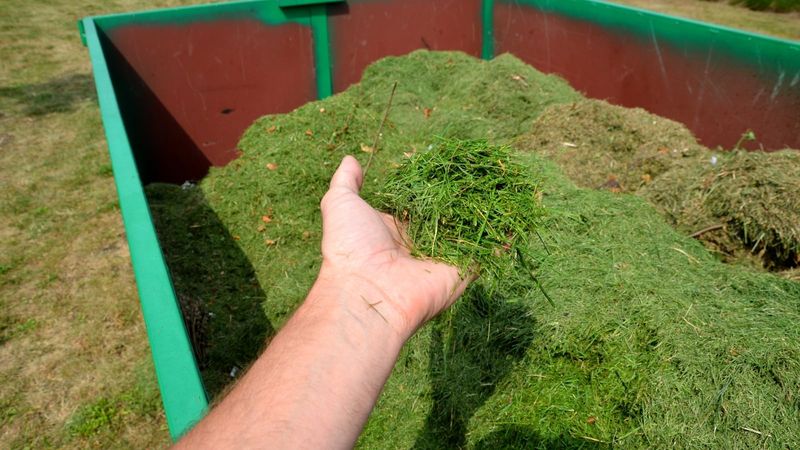
Mowing day does not have to mean bagging clippings and hauling them to the curb. Left in thin layers or returned to the lawn properly, grass clippings can actually feed the soil without costing anything extra.
The key word in that sentence is thin, because the difference between helpful and harmful with grass clippings often comes down to how much you apply at once.
When short clippings fall back onto the lawn during a regular mowing, they break down quickly and return small amounts of nitrogen to the soil below.
This practice, sometimes called grasscycling, is supported by UF/IFAS as a practical way to reduce yard waste and support lawn health.
It works best when you mow frequently enough that clippings are short and scatter evenly rather than clumping.
Using clippings in garden beds is a different situation. A thin layer, roughly a quarter to half an inch, can act as a light mulch topper and add organic matter as it breaks down.
Thick mats of clippings are a different story. They compact quickly, trap moisture at the soil surface, block airflow, and can develop an unpleasant smell as they ferment rather than decompose cleanly.
Only use clippings from Florida lawns that have not been treated with herbicides or pesticides recently. Clippings from herbicide-treated lawns can carry residue that harms garden plants.
Avoid using clippings from areas with heavy weed seed heads, because seeds can survive and spread into beds. When used correctly and sparingly, clean grass clippings are a simple, no-cost way to add a bit of organic matter to soil over the growing season.
4. Shredded Branches Become Free Mulch Over Time
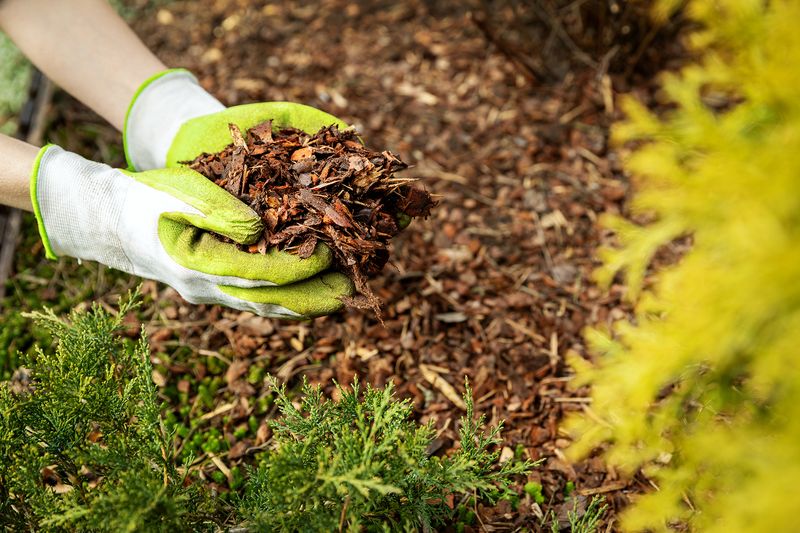
Pruning season leaves behind a surprising amount of woody material that most homeowners either bag for pickup or leave in a pile wondering what to do with it. Small branches, twigs, and pruned shrub stems can be run through a chipper or shredder.
They produce wood chip mulch that looks as tidy as bagged mulch from Florida garden stores. If you already have a chipper or can borrow one, this additive genuinely costs nothing beyond the time it takes to process the material.
Fresh wood chips are best allowed to age for a few weeks before being spread heavily around plants. Very fresh chips from some tree species can temporarily tie up nitrogen at the soil surface as they break down.
That can slow plant growth in some situations. Aged or partially composted chips do not carry the same concern and are generally ready to use around ornamental beds, paths, and trees.
Apply wood chip mulch two to three inches deep around beds and trees. Keep it pulled back several inches from trunks, stems, fences, siding, and other structures.
Piling mulch directly against a trunk traps moisture and creates conditions that can weaken the tree over time. A mulch-free zone around the base of each plant is a simple habit that protects roots and stems.
Do not chip diseased branches, invasive plant material, or any lumber that may be pressure-treated. Clean, untreated yard wood is the only safe source.
Over time, wood chip mulch breaks down into organic matter that improves soil texture below the surface. It is a slow but useful free resource for patient homeowners.
5. Pine Needles Protect Soil Without Looking Cheap
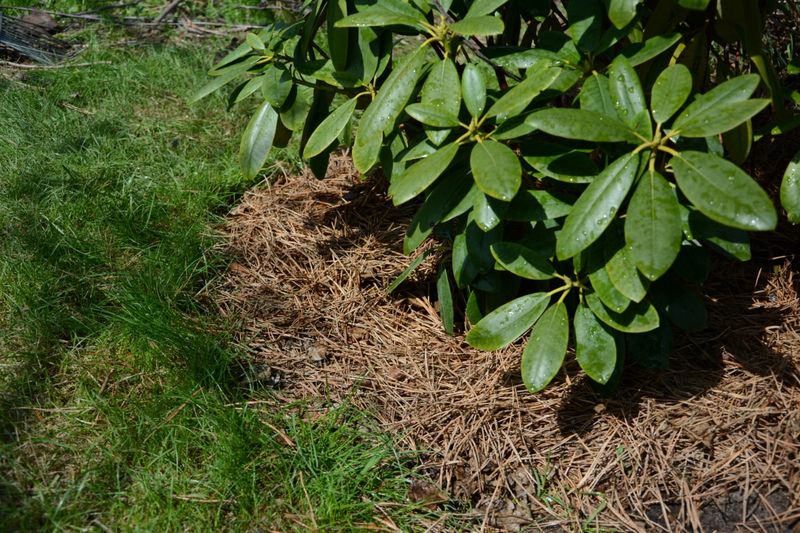
Few mulch materials look as clean and intentional as a fresh layer of pine needles spread across a garden bed. Also called pine straw, this material is widely used in warm-weather landscaping across Florida.
Homeowners with pine trees often have a free, steady supply dropping through the year. When raked and applied neatly, it can look nearly identical to baled pine straw sold at nurseries and home improvement stores.
Pine needles do a solid job of protecting soil from the heavy rainfall common in this region. They help reduce splash erosion, conserve moisture between rain events, and create a finished, uniform appearance around shrubs and garden beds.
The needles knit together lightly, which helps them stay in place better than some loose mulch materials during heavy downpours.
A common question about pine needles is whether they make soil more acidic. Research from UF/IFAS and other credible sources indicates that pine needles have a modest effect on soil pH, and the change is typically very small in practice.
Pine straw should not be counted on as a soil acidifier for plants that need strongly acidic conditions. A soil test from your county extension office gives far more reliable information about what your soil actually needs.
Apply pine needles two to three inches deep, and keep them pulled back from plant stems, tree trunks, and building foundations. Piling them too deeply or pressing them against structures traps moisture in places where it creates problems.
Refresh the layer once or twice a year as needed. For homeowners with pines already on the property, this is genuinely one of the most effortless free resources available.
6. Coffee Grounds Belong In Compost First
Plenty of online gardening advice in Florida suggests sprinkling used coffee grounds around plants as a quick soil fix. That approach skips an important step.
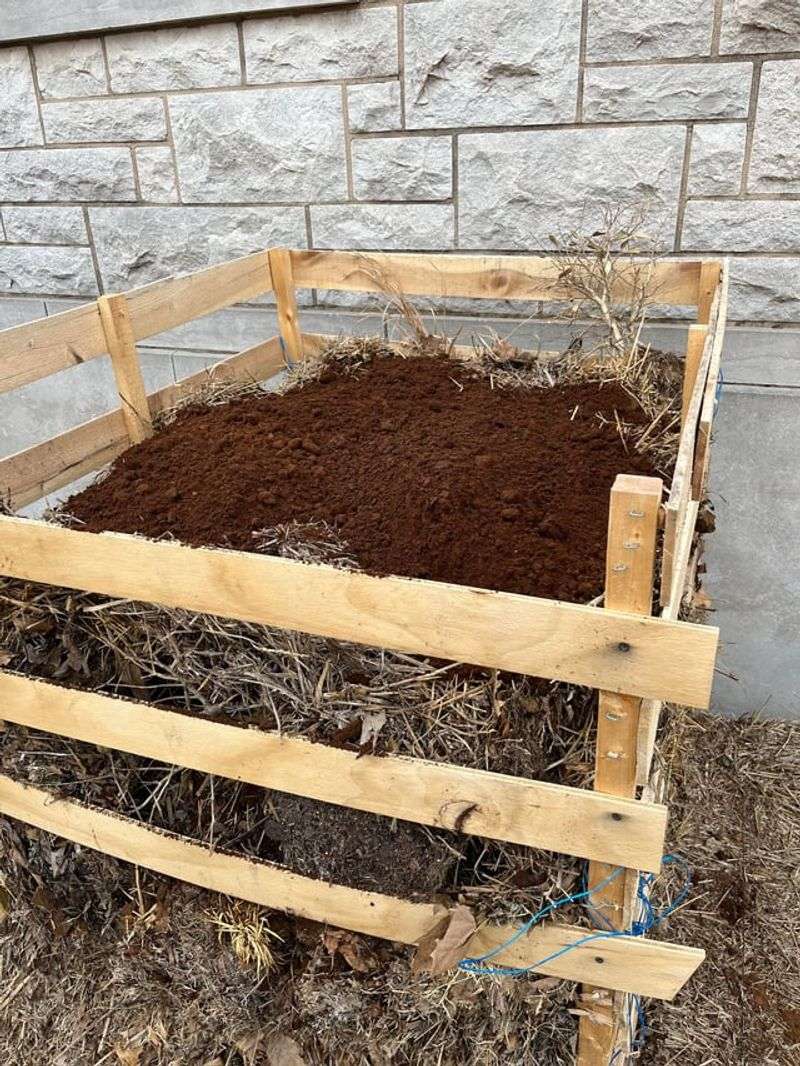
Coffee grounds are best added to a compost pile first, mixed with dry brown materials, and allowed to break down before being applied to garden beds. Used this way, they contribute to finished compost without creating the surface issues that come with direct application.
The problem with spreading thick layers of coffee grounds around plants is that they can compact into a crust that actually repels water rather than absorbing it.
A dense layer of grounds at the soil surface can also create conditions that interfere with airflow and moisture movement in the top layer of soil.
These are not problems that show up immediately, which is part of why the habit gets repeated without obvious consequences at first.
Coffee grounds are often promoted as a reliable soil acidifier, but credible research does not support that claim strongly. The pH effect of used coffee grounds on garden soil is minimal in most real-world applications.
If a plant needs more acidic soil, a soil test and guidance from a local extension office will point you toward solutions that actually work reliably.
Adding small amounts of coffee grounds to a compost pile is genuinely useful. Mix them in with dry leaves, shredded paper, or other carbon-rich brown materials to keep the pile balanced.
The grounds add nitrogen and organic matter to the mix as everything breaks down together. Rinsing the filter and tossing it in with the grounds is fine, as long as it is plain paper without any synthetic coating.
Moderation is the guiding principle here.
7. Crushed Eggshells Work Slowly In The Pile
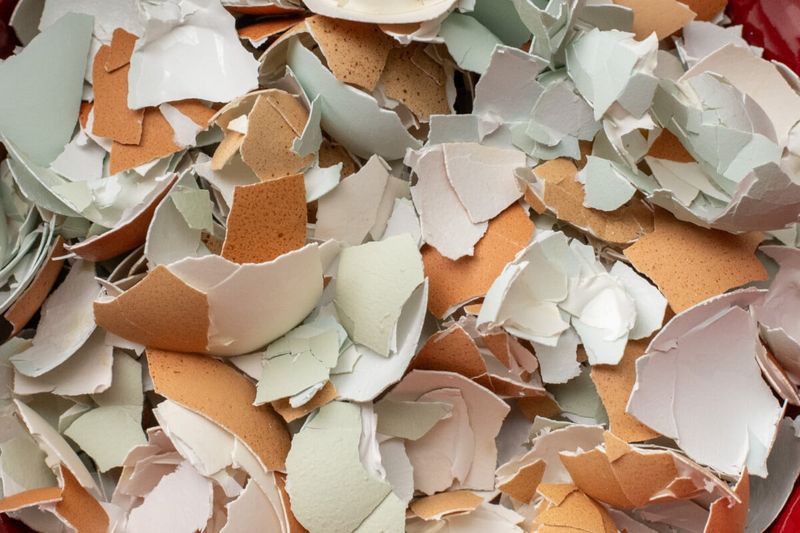
The bowl of eggshells on the kitchen counter after weekend breakfasts is a familiar sight. It often raises the question of whether they can help in the garden.
The honest answer is yes, but slowly and indirectly. Crushed eggshells are best added to compost rather than scattered around plants as a calcium fix.
They break down too slowly for the timeline most Florida gardeners expect.
Eggshells are made mostly of calcium carbonate, which is a real nutrient source. The catch is that they break down very slowly in soil, especially when added whole or in large pieces.
Crushing eggshells as finely as possible before composting helps speed the process. Even crushed shells take time to release meaningful calcium into the surrounding material.
Rinsing and drying them first reduces any odor in the pile.
One common claim is that eggshells quickly fix blossom-end rot in tomatoes and peppers. Blossom-end rot is linked to calcium uptake issues, but the problem is usually related to inconsistent watering rather than a simple lack of calcium in the soil.
Adding eggshells to the garden will not solve an active blossom-end rot problem in time to help the current season. A soil test and consistent irrigation are more reliable starting points for that concern.
Used as a steady compost ingredient over many months, eggshells contribute to the overall mineral content of finished compost. They are a safe, sensible, no-cost addition to any pile.
Collect them, rinse briefly, crush well, and mix them in with other materials. Over time, the compost they help build will be more useful than the shells alone ever could be on their own.