These Are The Florida Edible Ornamental Plants UF/IFAS Says Belong In Every Front Yard This Summer
UF/IFAS does not hand out endorsements casually. The University of Florida’s research network has spent decades studying what actually thrives here.
What belongs in this ecosystem. What delivers real value beyond curb appeal.
A specific group of edible ornamentals made that list. Not because they look pretty.
Because they produce food, support local wildlife, and handle Florida conditions without constant intervention. Front yards are some of the most underused real estate in Florida landscaping.
A lawn that produces nothing and requires significant resources is the default. These plants are the alternative UF/IFAS has been quietly advocating for.
The research is done. The list exists.
Here is what belongs in a Florida front yard according to the people who study it for a living.
1. Blueberries Bring Spring Flowers And Edible Fruit
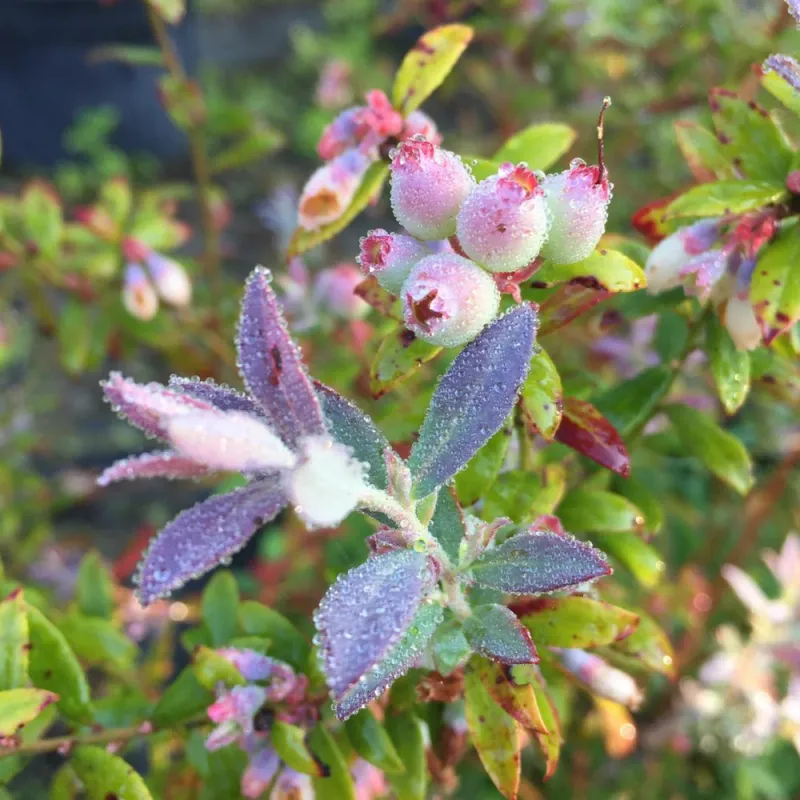
Few shrubs earn their spot in a curbside bed quite like a well-chosen blueberry. In spring, the small white or pink bell-shaped flowers create a soft, delicate display that looks intentional and polished from the street.
By early summer, clusters of ripe berries add another layer of visual interest before the foliage takes center stage again.
UF/IFAS recognizes blueberries as edible ornamentals that can work in Florida landscapes when the site conditions are right. Soil pH is one of the biggest factors.
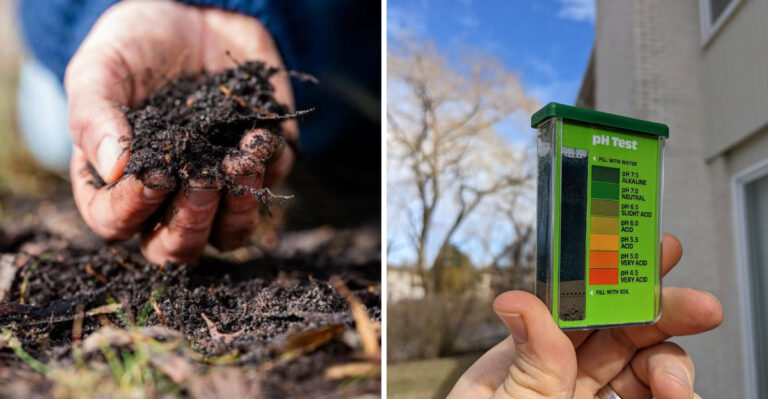
Blueberries need acidic soil, typically in the 4.5 to 5.5 range. They can struggle or fail in alkaline or poorly drained ground without major amendment.
A soil test before planting can save you a lot of frustration.
Cultivar selection also matters across this state. Rabbiteye varieties tend to perform well in northern and central regions, while Southern Highbush types are often better suited to warmer areas.
Most blueberries need cross-pollination from a second compatible variety to produce well, so plan for at least two plants.
Sun exposure, irrigation, and mulching all affect long-term success. Blueberries are not low-maintenance plants in every yard.
Keep fruit drop away from walkways to avoid slipping hazards, and never harvest fruit from plants treated with pesticides not labeled for edible crops.
2. Loquat Gives Front Yards Shade And Harvests
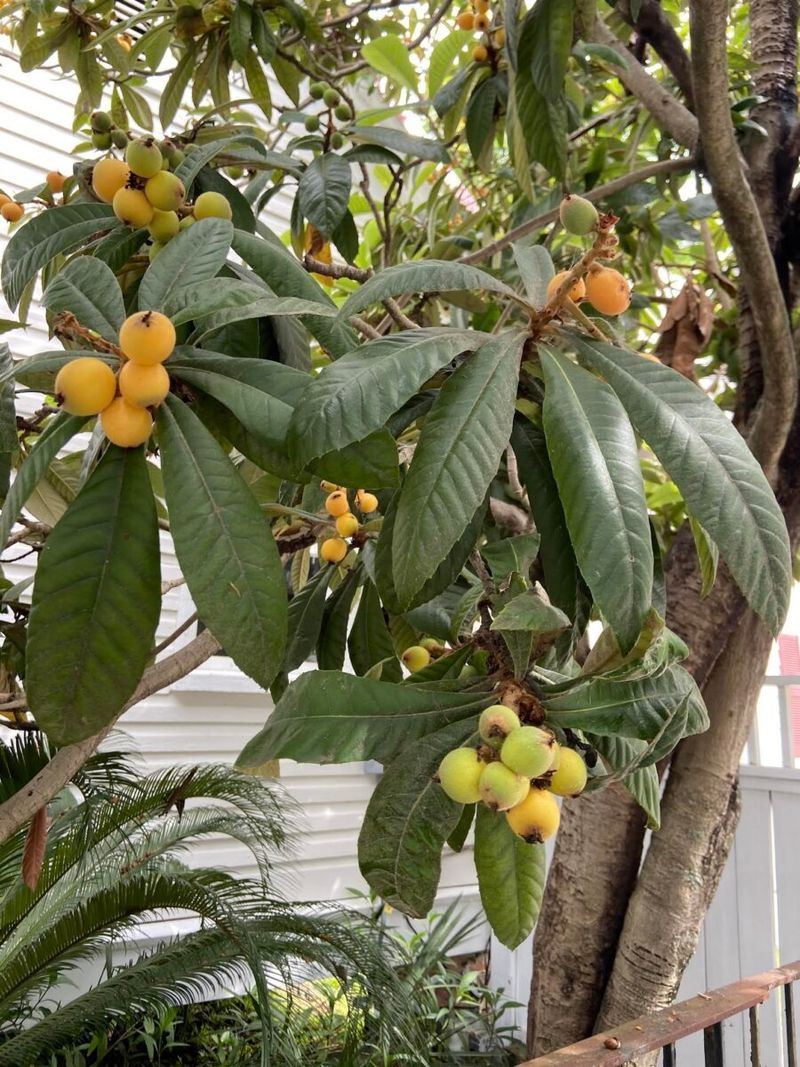
Walk past a loquat tree in late winter and you might notice the sweet fragrance before you spot the fruit. Loquat is one of those plants that earns its keep in a landscape year-round.
The large, glossy, dark green leaves give it a bold tropical texture that looks attractive even when the tree is not fruiting.
UF/IFAS describes loquat as a small ornamental fruit tree that can fit into Florida landscapes where space and placement allow.
Mature trees can reach 15 to 25 feet depending on the variety and growing conditions, so placement away from driveways, walkways, and tight foundation beds is important.
Falling fruit can create slippery surfaces and cleanup challenges if the tree hangs over a path or patio.
Named varieties tend to produce better fruit quality than seedling trees. Fruit ripens in late winter to early spring, which is earlier than most other fruit trees in the state.
Your Florida Garden Changes Every Week. Your Plan Should Too.
Gardening in Florida changes quickly throughout the season. Every Friday you’ll receive a simple weekly plan showing exactly what to plant, prune, fertilize, harvest, and protect so you never miss the right timing.
That early harvest window is one of the reasons loquat appeals to homeowners interested in foodscaping.
Loquat is not pest-free or maintenance-free. Fire blight, fruit flies, and birds can all affect the harvest.
The tree prefers full sun and well-drained soil. It handles mild drought once established but benefits from regular irrigation during dry spells.
Check mature size carefully before choosing a planting spot.
3. Pomegranate Adds Showy Blooms Before Fruit
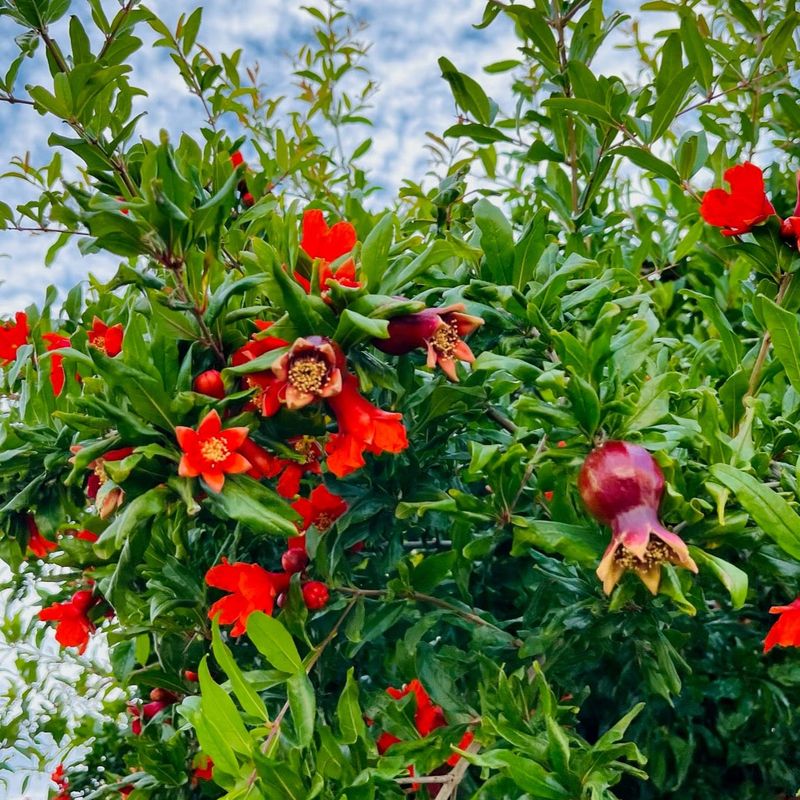
Bright orange-red flowers that look almost tropical, a tidy shrub form that holds its shape, and fruit that turns heads in late summer. Pomegranate brings a lot of visual energy to a front yard landscape before you ever taste a single seed.
UF/IFAS acknowledges pomegranate as a fruiting shrub or small tree that can work in Florida landscapes where conditions are suitable. It performs best in full sun with well-drained soil and handles drought more confidently after it is fully established.
This drought tolerance after establishment appeals to homeowners who want an edible ornamental without heavy irrigation demands. Young plants still need steady watering to get established.
Fruiting quality and quantity can vary quite a bit depending on the cultivar, local humidity, disease pressure, and the care the plant receives. High humidity can lead to fruit splitting and fungal issues, which are more common in some parts of the state than others.
Cultivar selection can make a real difference, so look for varieties recommended for warm, humid climates when available.
Pomegranate works well as a specimen plant or informal hedge in a sunny front yard bed. It can reach 6 to 12 feet tall depending on the variety, so check mature size before placing it near structures or utility lines.
Prune lightly to maintain shape and encourage new fruiting wood.
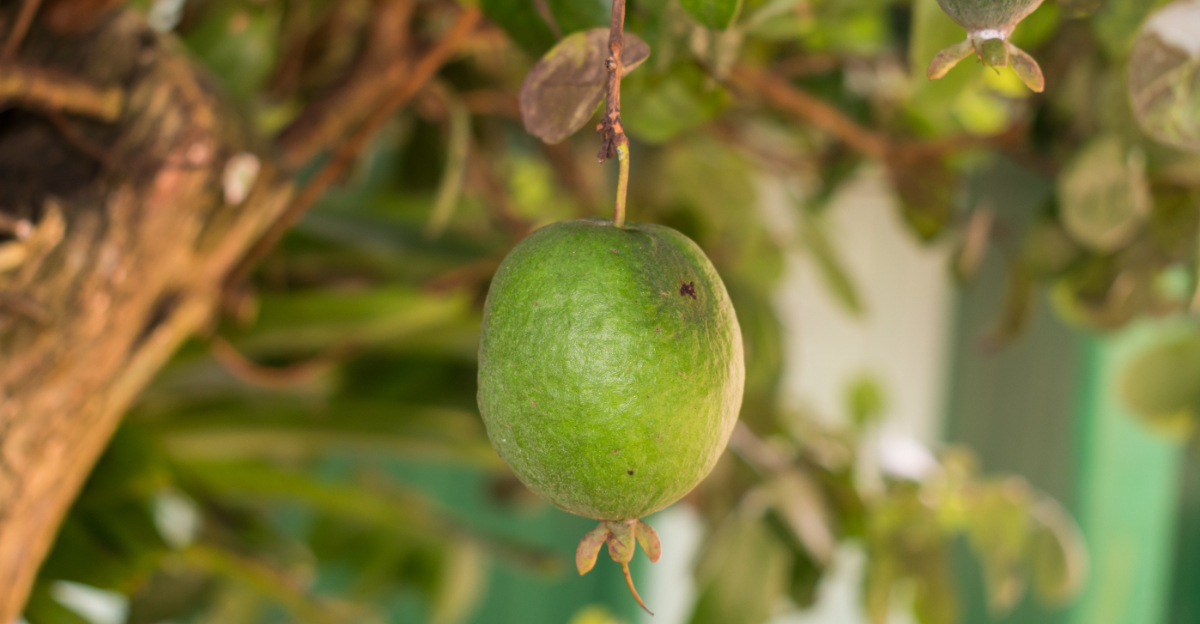
4. Pineapple Guava Looks Ornamental Before It Feeds You
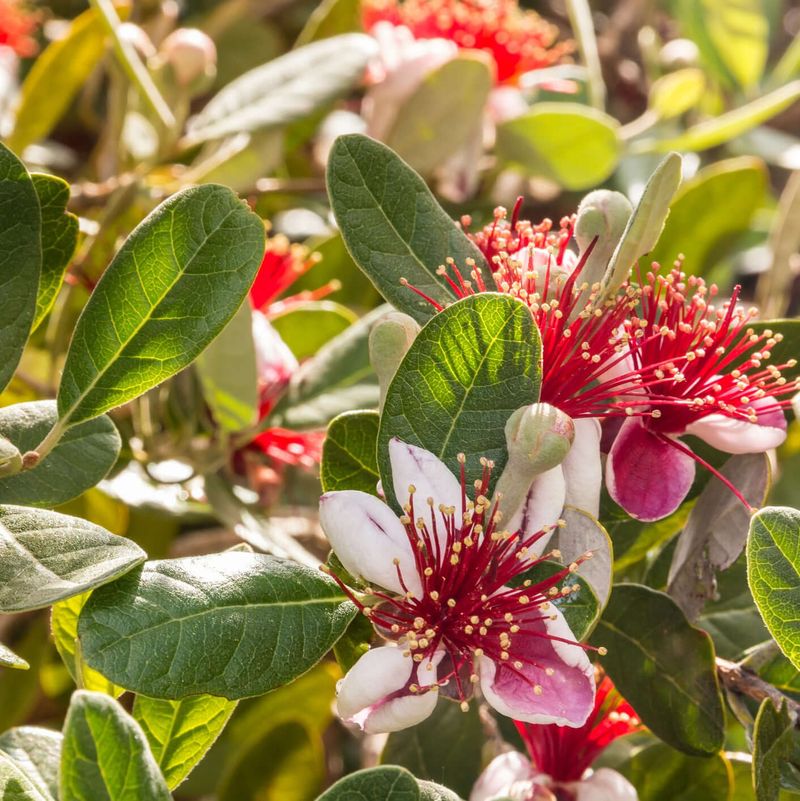
Silvery-green leaves that catch light like brushed metal, flowers with showy red stamens and white petals, and fruit that tastes like a blend of pineapple and mint.
Pineapple guava, also known as feijoa, is one of those edible ornamentals that earns compliments from neighbors who have no idea it also produces food.
UF/IFAS guidance on edible landscaping identifies pineapple guava as a shrub that can work in Florida landscapes where site conditions are favorable. It tolerates a range of soils but prefers well-drained ground and full to partial sun.
The silvery foliage gives it a distinctive texture that pairs well with other landscape plants in a mixed border or hedge setting.
Fruiting can be inconsistent. Pollination, climate variability, and cultivar selection all affect how reliably the plant produces.
Some cultivars are self-fruitful, while others produce more heavily with cross-pollination from a second plant nearby. Fruit flavor is considered unusual by some people and is best described as acquired.
Not every household will love it.
Mature size varies, but pineapple guava can reach 10 to 15 feet if left unpruned. Regular pruning keeps it compact and hedge-like, which suits a front yard setting better than an unpruned specimen.
It is not considered native to this state, and homeowners should verify regional suitability before planting. Check with your local extension office for cultivar recommendations.
5. Rosemary Works As A Front Yard Herb Shrub
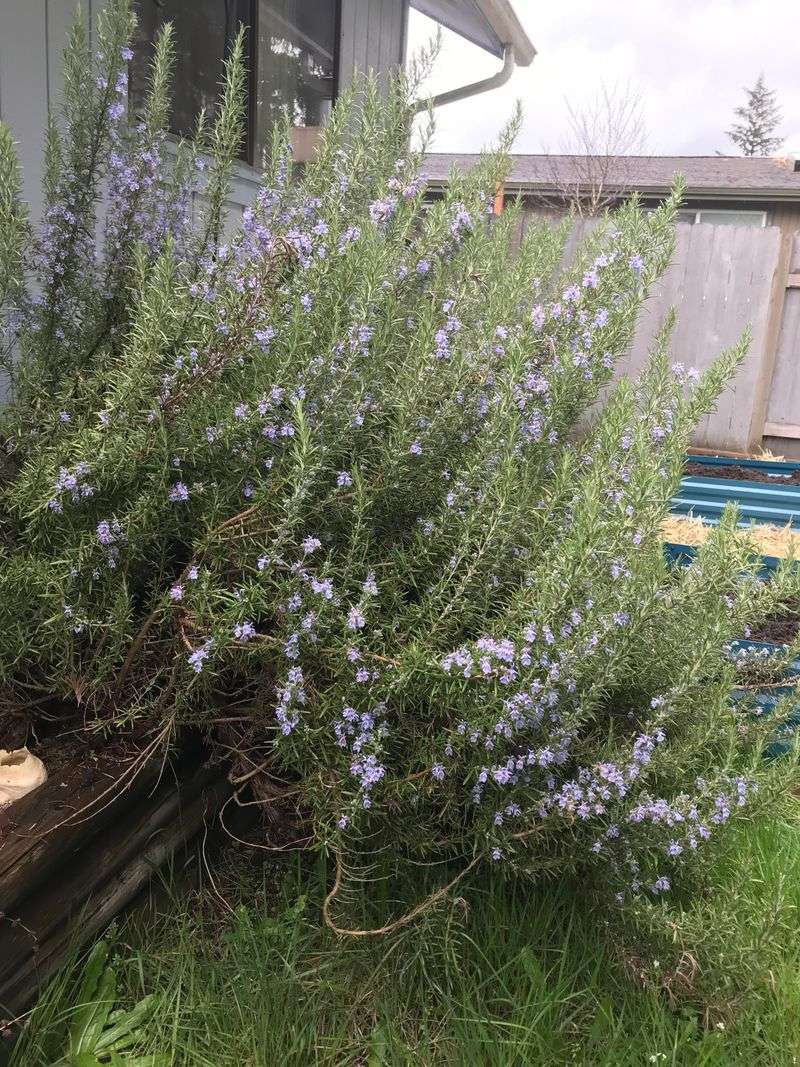
Some herbs stay small and tucked into kitchen gardens. Rosemary has other ideas.
In a sunny, well-drained front yard bed, rosemary can grow into a full, fragrant evergreen shrub. It can look as polished as any ornamental from a garden center.
UF/IFAS recognizes rosemary as an herb that can function as a landscape plant in appropriate settings.
The needle-like leaves stay green year-round in most parts of this state, and small blue or purple flowers appear in cooler months, attracting bees and other pollinators.
That combination of fragrance, texture, and bloom makes it a genuinely attractive front yard option when the site fits.
The most important site requirement is drainage. Rosemary dislikes wet feet and will struggle in compacted, poorly drained, or chronically soggy soil.
It also needs good air circulation to stay healthy in humid conditions. Without those two factors, the plant tends to decline even in full sun.
Culinary use is well established. Fresh or dried rosemary leaves are used in cooking around the world, and the plant near the front door is easy to clip before heading to the kitchen.
Never harvest from plants treated with pesticides not labeled for food crops, and avoid plants growing near road runoff or contaminated soil. Upright varieties tend to hold their shape better in a formal landscape design.
6. Cranberry Hibiscus Adds Burgundy Color To Beds
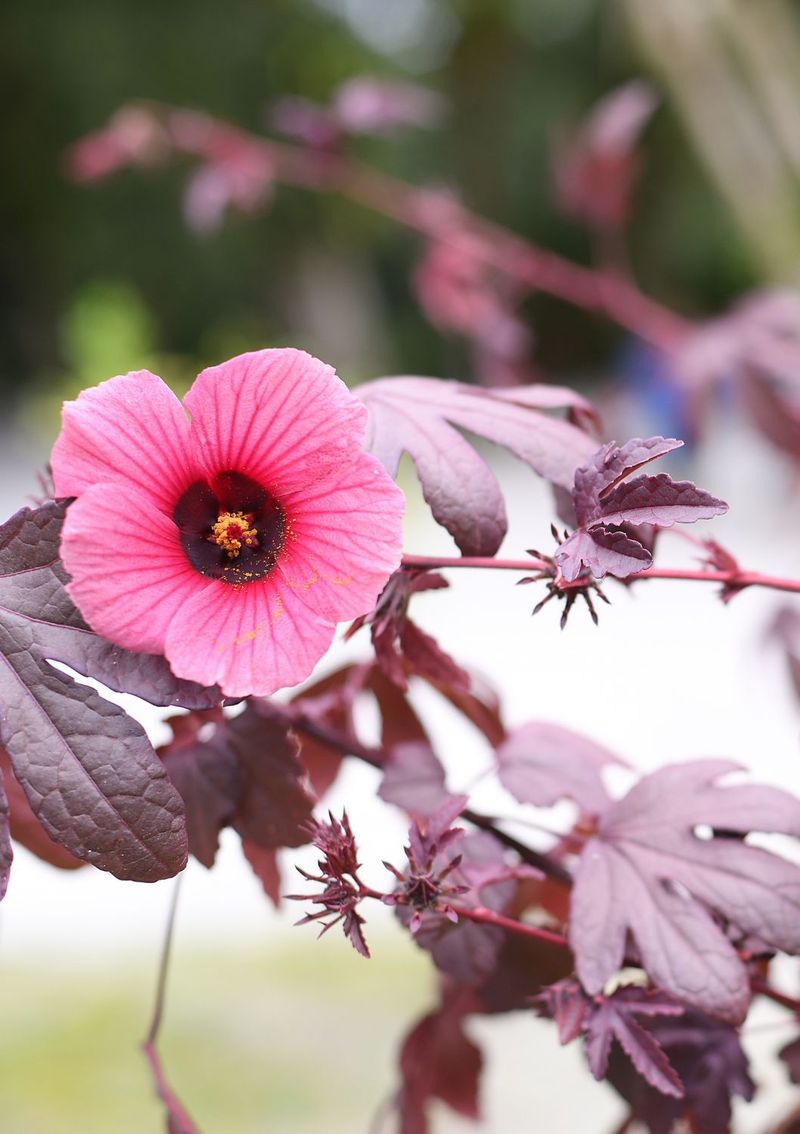
Not many plants can anchor a front yard bed with the kind of deep, jewel-toned color that cranberry hibiscus brings. The maple-shaped leaves in rich burgundy-red create a tropical backdrop that makes neighboring green plants pop by contrast.
Cranberry hibiscus, known botanically as Hibiscus acetosella, is an ornamental edible that UF/IFAS has documented in Florida gardening resources. The leaves have a tart flavor and are used in some culinary traditions in salads, teas, and garnishes.
Verify that edible use with credible sources before consuming. As with any edible plant, avoid harvesting from plants treated with pesticides or growing in contaminated soil.
It is important to distinguish cranberry hibiscus from other hibiscus species, as the edible claims and uses vary significantly between types. Cranberry hibiscus is not the same as Roselle, though they are related.
Do not assume edible uses cross over between species without checking a reliable source.
In the landscape, this plant can grow 3 to 5 feet tall and wide in warm conditions. It behaves as a perennial in southern regions but may behave more like an annual in cooler northern areas.
It prefers full sun and well-drained soil. The burgundy foliage fades somewhat in deep shade, reducing its ornamental impact.
Small pink flowers add seasonal interest alongside the foliage color. Spacing and cleanup matter for a neat front yard appearance.
7. Nasturtiums Bring Edible Flowers To Cool Season Edges
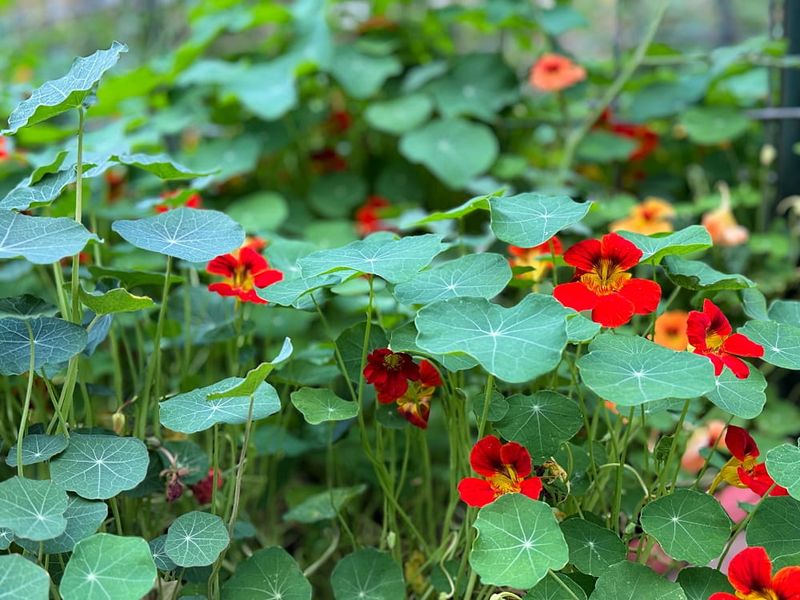
When the landscape slows down in cooler months, nasturtiums brighten the front yard. Their orange, yellow, and red blooms can look almost too bright to be real.
They are one of the few edible ornamentals that performs best during Florida’s cooler growing season rather than the heat of summer.
Both the flowers and the leaves of nasturtiums are edible, with a peppery flavor that works well in salads and as garnishes. That edible use is widely supported by credible culinary and horticultural sources.
The trailing habit makes them excellent for spilling over the edges of raised beds, borders, or containers placed near the front walkway.
UF/IFAS and Florida-Friendly Landscaping resources recognize cool-season annuals as important for keeping landscapes colorful during fall and winter months. Nasturtiums fit naturally into that category while also offering food value.
They grow quickly from seed and do not need rich soil. In fact, overly fertile soil tends to push more leaf growth at the expense of flowers.
Peak summer heat in most parts of this state will cause nasturtiums to fade and stop producing. Plan them as a seasonal addition rather than a year-round plant.
Avoid planting near contaminated soil or road runoff. For the cleanest look in a front yard, pair them with low-growing companions that fill in as the nasturtiums wind down in late spring.
8. Foodscaping Works Only When The Site Fits
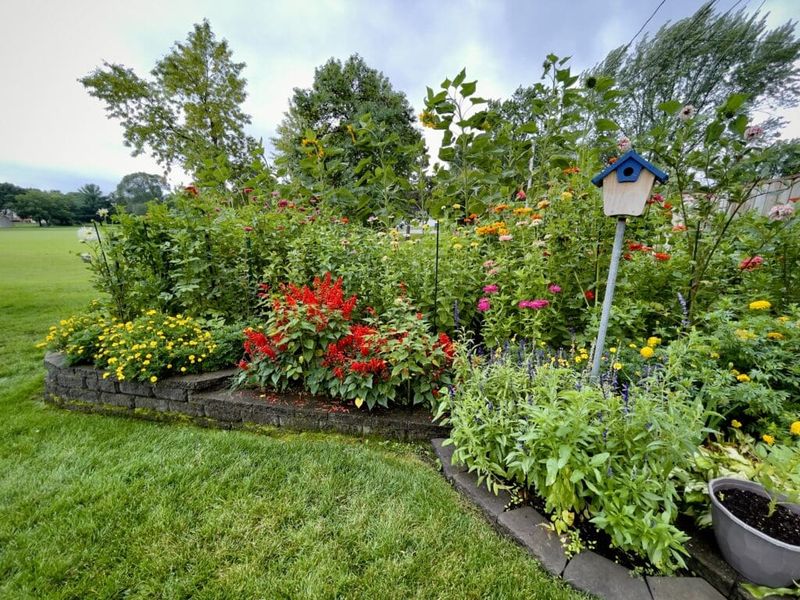
A beautiful front yard edible landscape does not happen by accident. Every plant on this list can earn a visible spot in the right curbside bed, but none of them belong in a yard simply because they produce food.
The design still has to work. The site still has to match the plant’s needs.
And the homeowner still has to be ready for the maintenance that comes with it.
UF/IFAS supports edible landscaping and foodscaping as a way to combine food-producing plants with attractive, functional outdoor design. The guiding principle is right plant, right place.
That means checking sun exposure, soil drainage, mature plant size, water needs, and seasonal appearance before choosing what goes where. Grouping plants by water needs makes irrigation more efficient and keeps the landscape healthier overall.
Food safety is not optional. Harvest only from plants grown in clean soil, away from road runoff, pet waste, and chemicals not labeled for edible crops.
A soil test is a smart first step in any new planting area, especially near older structures or previously treated ground.
Local rules also matter. HOA guidelines, utility easements, sightline ordinances, and right-of-way restrictions can all affect what you plant and where.
Check those before investing time and money in a new front yard design. When the site fits, the plant is chosen carefully, and the design looks intentional from the street, edible ornamentals can be beautiful and genuinely useful.