How To Start Fall Brassicas In Oregon Without Scorching Them In Summer Heat
Fall garden success in Oregon begins while summer still feels fully in charge.
That timing can seem wrong at first. The soil is warm, the afternoons are bright, and the garden may still be full of summer crops.
Yet the best cool-season harvests often start during the very weeks when young seedlings are most likely to scorch.
That is the challenge.
The seeds need to begin early enough to size up before cold weather slows them down, but the seedlings need protection from heat, harsh sun, dry trays, wind, and hungry insects along the way.
A late start can leave tiny plants chasing frost.
A careless start can leave scorched leaves and stressed roots before the crop ever reaches the bed.
So how can Oregon gardeners start fall brassicas without summer heat ruining the plan?
Begin with cool bright seed-starting conditions, choose fast fall varieties, protect the roots, harden seedlings slowly, transplant late in the day, and use shade, moisture checks, mulch, and netting until the plants settle in.
1. Start Seeds Under Cool Bright Light
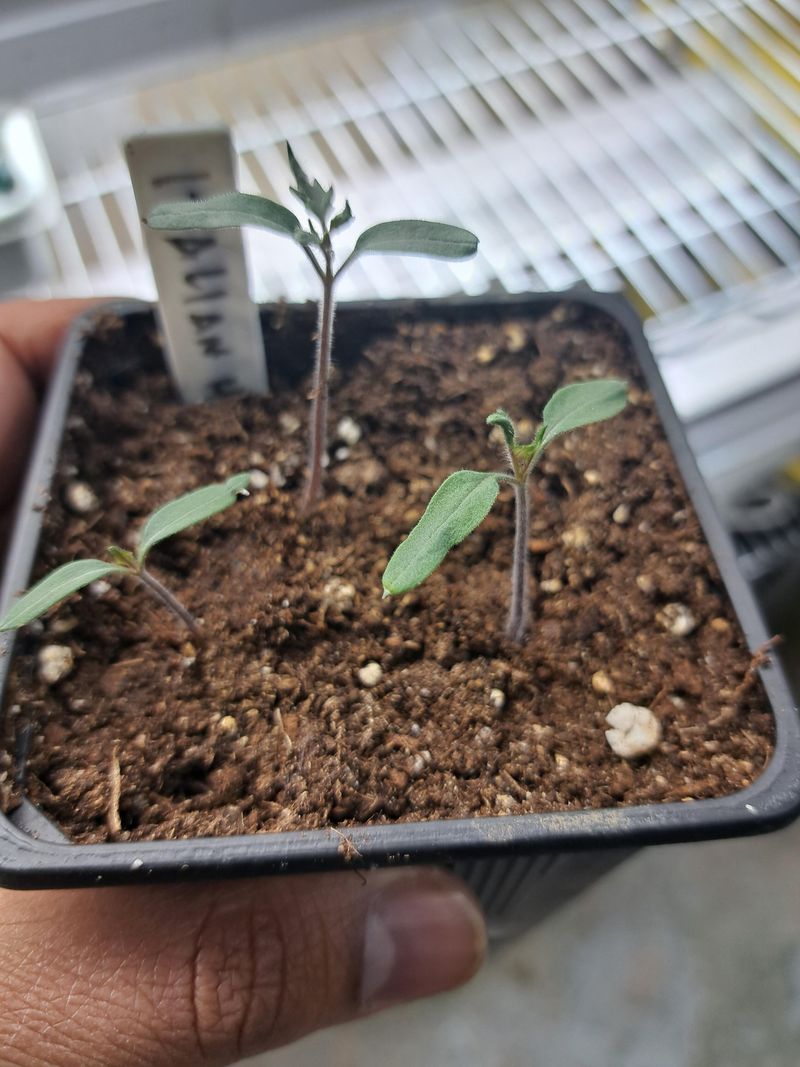
A cool indoor start gives fall brassicas their best chance.
Broccoli, cabbage, kale, cauliflower, collards, and related crops need to begin early, but they do not need to begin in a hot greenhouse or sun-baked shed. Too much heat at germination can create weak seedlings before the real growing even starts.
Moderate warmth is best. Many brassica seeds sprout well around comfortable room temperatures, especially when moisture stays even.
Avoid stuffy spaces. A tray sitting in trapped August heat can germinate unevenly and push seedlings into stress quickly.
Bright light matters right away. Once sprouts appear, they need strong light close to the canopy so stems stay compact.
A window is often not enough. Seedlings leaning toward glass usually mean the light is too weak or too far away.
Use a grow light when possible. Keep it close enough to prevent stretching, but not so close that leaves heat up.
Give them a long day. Fourteen to sixteen hours of light helps seedlings grow steadily indoors.
Airflow helps too. A small fan on low strengthens stems and reduces damp conditions around the tray.
Do not let trays dry out. Small cells lose moisture quickly, especially under lights.
This is the first heat-avoidance move.
Start the crop where conditions are bright but not punishing, and the seedlings will be much sturdier when Oregon summer finally meets them outdoors.
2. Choose Fast Fall Varieties
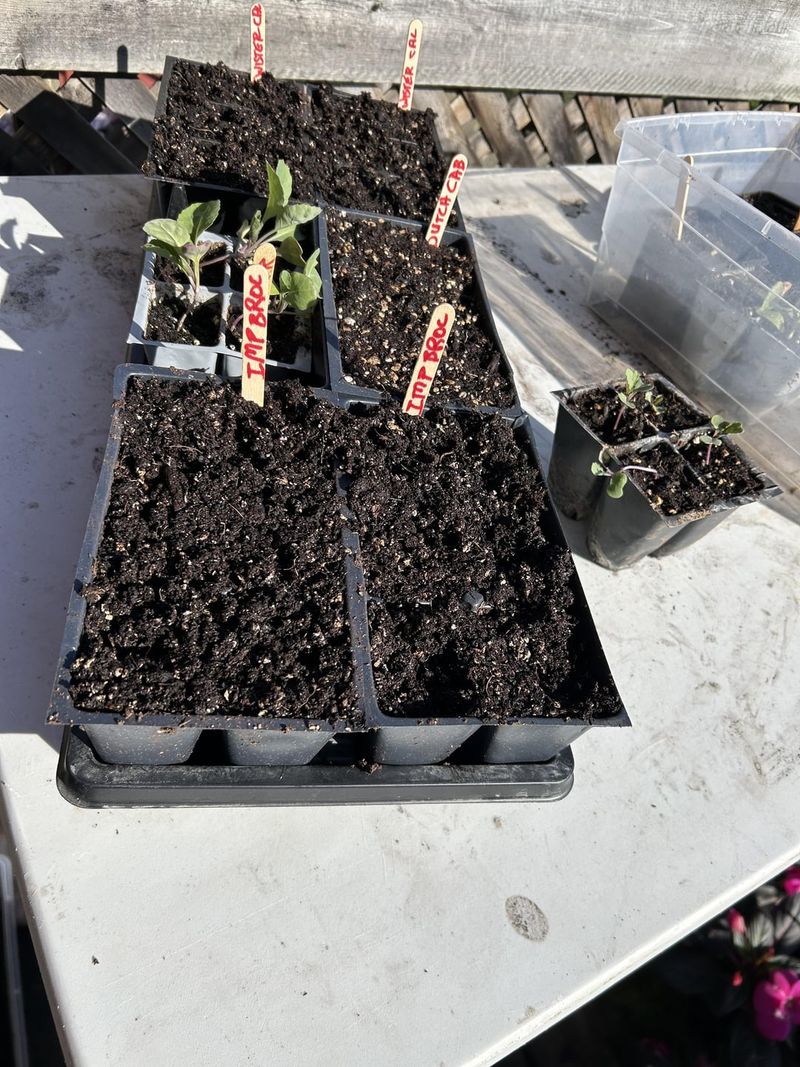
The seed packet decides more than gardeners realize.
Fall brassicas need enough time to grow before Oregon’s colder weather slows everything down. A variety that matures quickly can make the difference between a strong harvest and a plant that never quite reaches its goal.
Days to maturity matter. Shorter-season varieties are usually safer when the fall window is tight.
Match the crop to your region. Western Oregon, central Oregon, coastal gardens, and higher elevations do not share the same fall calendar.
Cooler regions need speed. Areas that see earlier frost should lean toward fast-maturing types or young transplants with a head start.
Your Oregon Garden Changes Every Week. Your Plan Should Too.
Gardening in Oregon changes quickly throughout the season. Every Friday you’ll receive a simple weekly plan showing exactly what to plant, prune, fertilize, harvest, and protect so you never miss the right timing.
Milder regions have more flexibility. Some western Oregon gardens can carry fall crops much longer, especially with protection.
Know the crop’s personality. Kale and collards are more forgiving in cold weather, while cauliflower can be more sensitive to stress.
Broccoli gives bonus harvests. After the main head is cut, many varieties produce side shoots that extend the season.
Cabbage needs time to tighten. A late start can leave loose heads when cool weather settles in.
Look for fall-friendly descriptions. Seed packets that mention fall harvest, cold tolerance, or fast maturity are worth noticing.
Avoid long-season experiments when timing is tight. Save those for seasons when you have more room to gamble.
The right variety will not solve every problem.
But it gives your seedlings a realistic schedule before summer heat and fall cold start arguing over the same garden bed.
3. Use Deep Cells For Strong Roots
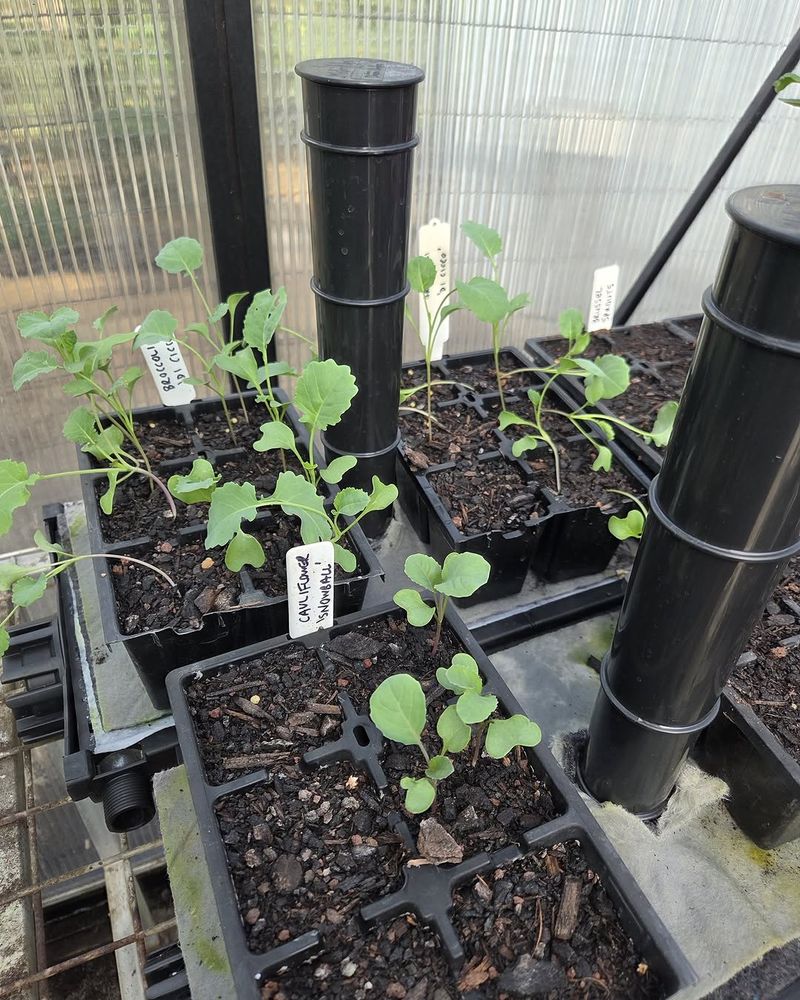
Strong roots make summer transplanting less risky.
Brassica seedlings grow quickly in trays, and shallow cells can become crowded before the outdoor bed is ready. Once roots circle tightly, the plant may stall after transplanting.
Start with enough room. Deeper cells give roots space to move downward instead of wrapping around themselves too soon.
One seedling per cell is best. Crowded starts compete for light, moisture, and nutrients from the beginning.
Thin with scissors. When two seeds sprout in one cell, snip the weaker seedling at soil level rather than pulling it out.
Pulling can disturb roots. The keeper seedling may look fine above the soil but lose tiny feeder roots below.
Use seed-starting mix. Garden soil in trays can compact, drain poorly, and carry problems young seedlings do not need.
Drainage is essential. Every cell should let extra water escape so roots stay moist but not soggy.
Pot up when needed. Seedlings that must stay indoors longer may need a larger container before transplant day.
Check tray weight. A light tray usually needs water, while a heavy tray may still be holding enough moisture.
Look for active growth. A good transplant should have firm leaves, a steady stem, and roots that hold the mix without circling heavily.
The tray stage is not just waiting time.
It is where the root system forms, and that root system decides how well the plant handles its first hot week outside.
4. Harden Seedlings In Bright Shade
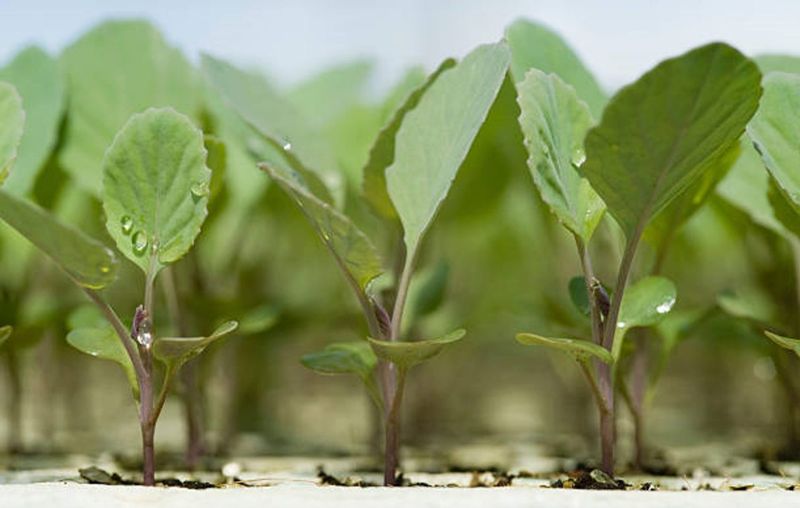
Indoor seedlings need a gradual introduction to the real garden.
Plants raised under lights have not faced direct sun, dry wind, outdoor temperature swings, or reflected heat. Moving them straight into full summer exposure can scorch leaves fast.
Start in bright shade. The north side of a fence, a covered porch, or a spot under light patio shade works well for the first outing.
Keep the first session short. A couple of hours outdoors is enough on day one.
Bring trays back in before heat peaks. The goal is adjustment, not a stress test.
Add time slowly. Over about a week, let seedlings spend longer periods outside.
Morning sun comes before afternoon sun. Early light is gentler and helps leaves adapt without harsh exposure.
Watch leaf color. Pale patches, tan spots, curled edges, or crisp tips mean the pace is too fast.
Wind matters too. A breezy Oregon afternoon can pull moisture from tender leaves faster than roots can replace it.
Use a sheltered spot at first. Let stems toughen before placing trays in more open air.
Water before outdoor sessions. Seedlings in dry cells scorch and wilt more easily.
Hardening off feels slow, but it saves time later.
A seedling that adjusts gradually often grows faster after transplanting than one that gets shocked on its first day outside.
5. Transplant Near Sunset
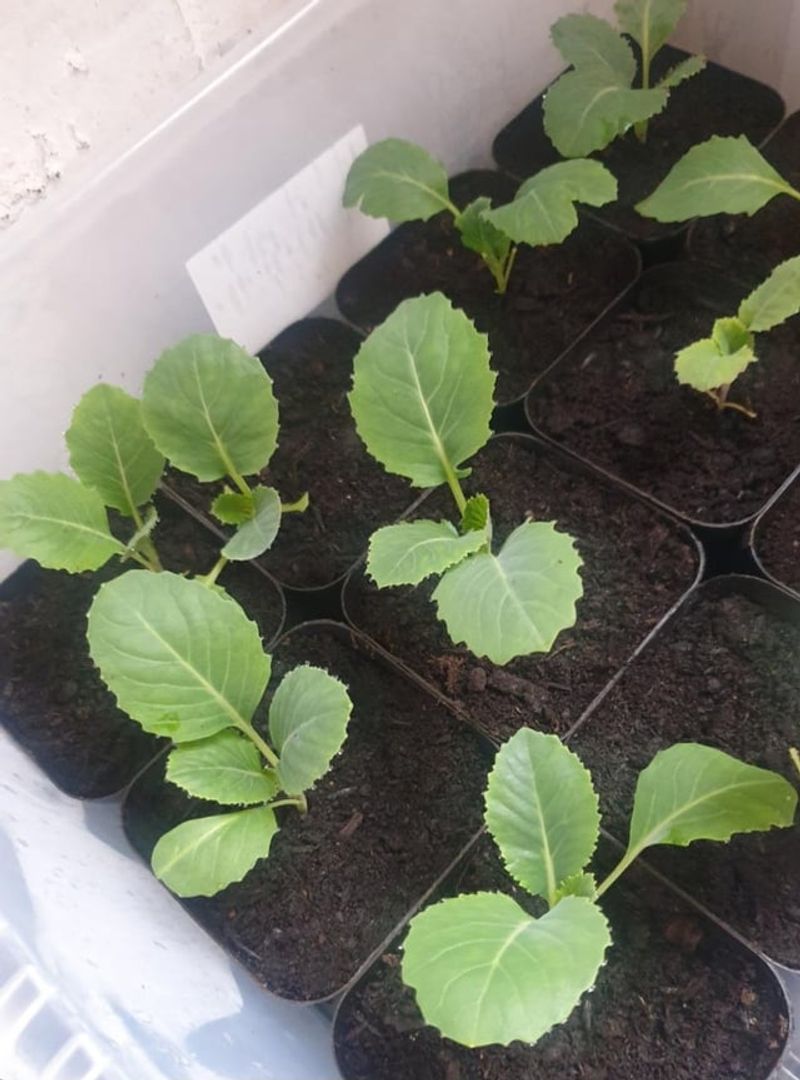
Evening transplanting gives young brassicas a softer landing.
Midday summer planting exposes seedlings to hot soil, direct sun, and high water demand right when their roots have just been disturbed. Waiting until the sun drops lower changes the whole experience.
Late day is gentler. Cooler air and weaker light reduce immediate wilting.
Cloudy afternoons are even better. A mild overcast day can make transplanting much easier on tender starts.
Water the tray first. Moist root balls slide from cells more cleanly and hold together better.
Water the planting hole too. A little moisture in the hole helps roots make contact with the surrounding soil right away.
Handle by leaves when possible. A damaged leaf can be replaced, but a crushed stem can ruin the plant.
Set plants slightly deeper if needed. Many brassicas can sit a little lower than they did in the tray for extra stem support.
Firm soil gently. Press just enough to remove air pockets without compacting the bed.
Water at the base. Wet the root zone slowly, and avoid splashing leaves late in the evening.
Delay during hot wind. A dry, gusty evening can still stress seedlings badly.
The first night matters.
A transplant that settles overnight before facing sun has a much better chance of starting strong instead of spending days recovering.
6. Add Temporary Shade Cloth
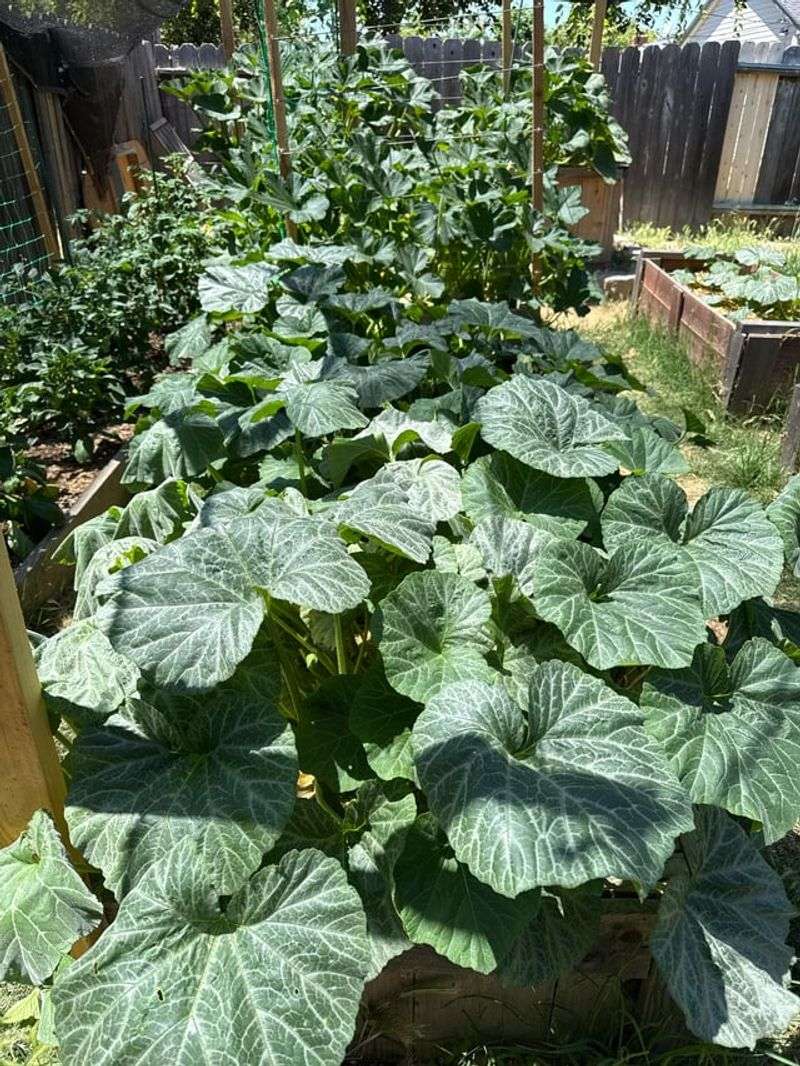
Shade cloth can keep summer sun from overwhelming fresh transplants.
Brassicas need light, but newly planted seedlings do not need the full force of a hot Oregon afternoon right away. Filtered light gives them time to root in before they face brighter conditions.
Use light shade. A 30 to 40 percent shade cloth is often enough for young plants.
Very tender starts may need more protection briefly. The goal is relief, not deep shade.
Raise the cloth above the leaves. Hoops, stakes, wire supports, or a simple frame keep fabric from resting directly on plants.
Airspace is important. Cloth touching leaves can trap heat and moisture where the plant needs airflow.
Cover during the harshest hours. Afternoon shade usually matters more than morning shade.
Remove it gradually. Once seedlings show new growth and firmer leaves, start giving them more direct light.
Do not leave shade on too long. Established brassicas need enough sun to grow dense leaves and form strong heads.
Check under the cloth daily. Heat, slugs, pests, and dry soil can still cause problems under protection.
Secure the edges without sealing the bed completely. Shade should filter sun while still letting air move.
Temporary shade is a bridge.
Use it during the vulnerable first stretch, then let the plants build the strength they need for full fall production.
7. Check Root Moisture Every Day
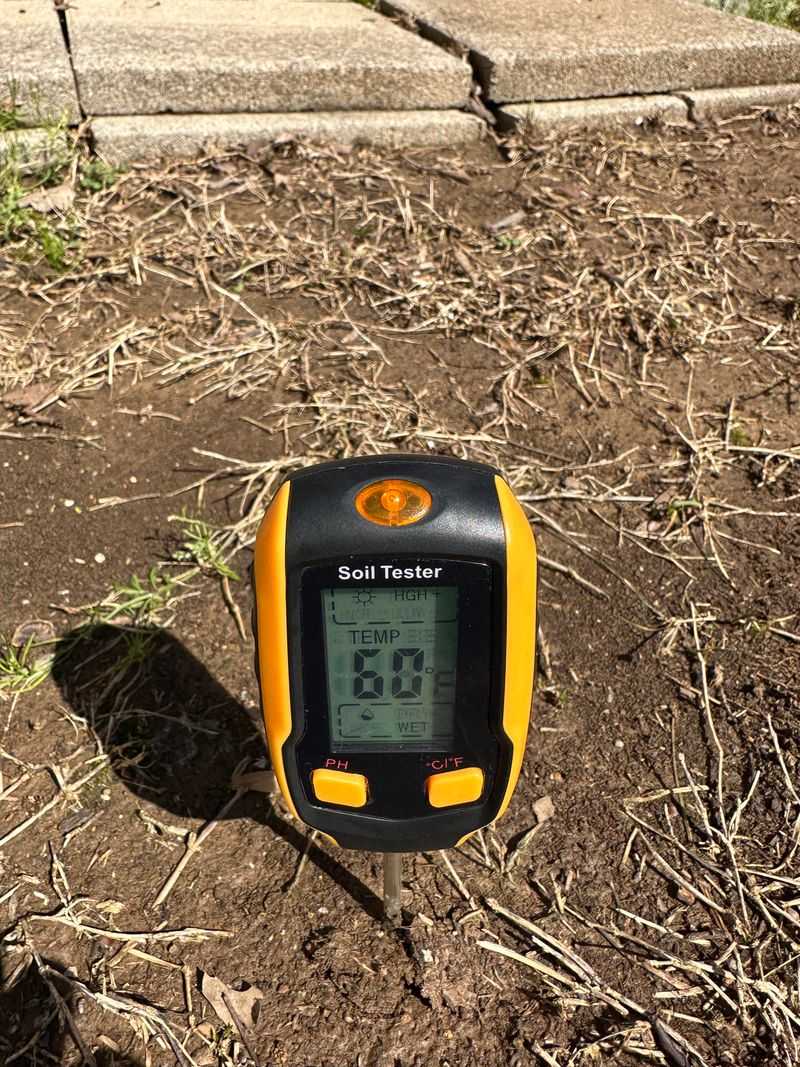
New transplants need daily attention at the root zone.
The soil surface can lie. It may look dry while deeper soil still holds moisture, or it may look fine while the root ball itself has dried out inside the planting hole.
Check with your finger. Push into the soil near the transplant, not just the mulch or top crust.
The first two weeks matter most. During that time, roots are still moving from the transplant plug into the garden soil.
Water at the soil line. Keeping leaves dry helps reduce disease pressure, especially in humid or cloudy weather.
Deep moisture is better than surface dampness. A slow soak encourages roots to move downward.
Avoid daily shallow sips. Light watering can keep roots near the surface, where heat dries them faster.
Raised beds dry quickly. They often need closer checks than in-ground beds during late summer.
Containers dry even faster. Fall brassicas in pots may need extra attention during hot spells.
Reduce watering as weather cools. September and October conditions may bring slower drying and more rain.
Do not keep soil soggy. Brassicas need moisture, but roots still need air.
Let the plant guide you.
Firm leaves, steady growth, and evenly moist soil tell you the transplant is settling in without being scorched or drowned.
8. Guard Young Leaves With Insect Netting
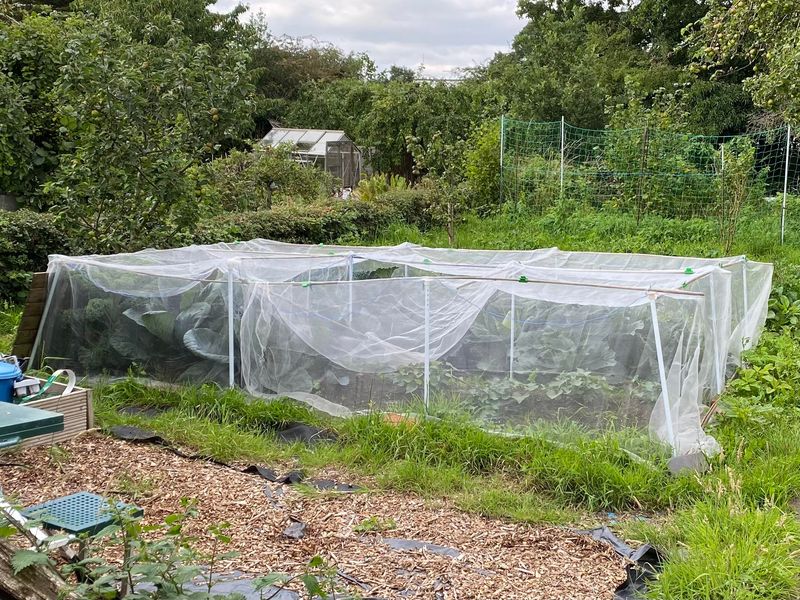
Tender brassica leaves attract pests immediately.
Flea beetles, cabbage white butterflies, aphids, and slugs can all find young plants before they have enough size to recover from heavy feeding. Protection from day one is easier than chasing damage later.
Use fine insect netting or row cover. Put it in place right after transplanting, before pests discover the bed.
Seal the edges. Butterflies can slip under loose fabric and lay eggs where you cannot see them.
Keep fabric above the canopy. Hoops prevent the cover from pressing on leaves and allow better airflow.
Check for flea beetle damage. Tiny shot holes in leaves can appear quickly in hot, dry weather.
Look under leaves for eggs. Cabbage white butterflies leave small eggs that become hungry green caterpillars.
Scout beneath covers too. Netting blocks flying insects, but slugs can still move in from the soil.
Use slug-safe habits. Keep mulch light near small plants, remove hiding boards, and check after damp evenings.
Open covers for maintenance. Watering, weeding, and inspection still need to happen.
Remove or adjust as plants grow. Covers that become tight can bend leaves and reduce airflow.
Protection is not a sign that the plants are weak.
It gives them time to become strong enough that a little pest nibbling will not set back the whole fall crop.