The Texas Yard Features That Bring Rats Closer To Your House Every Night
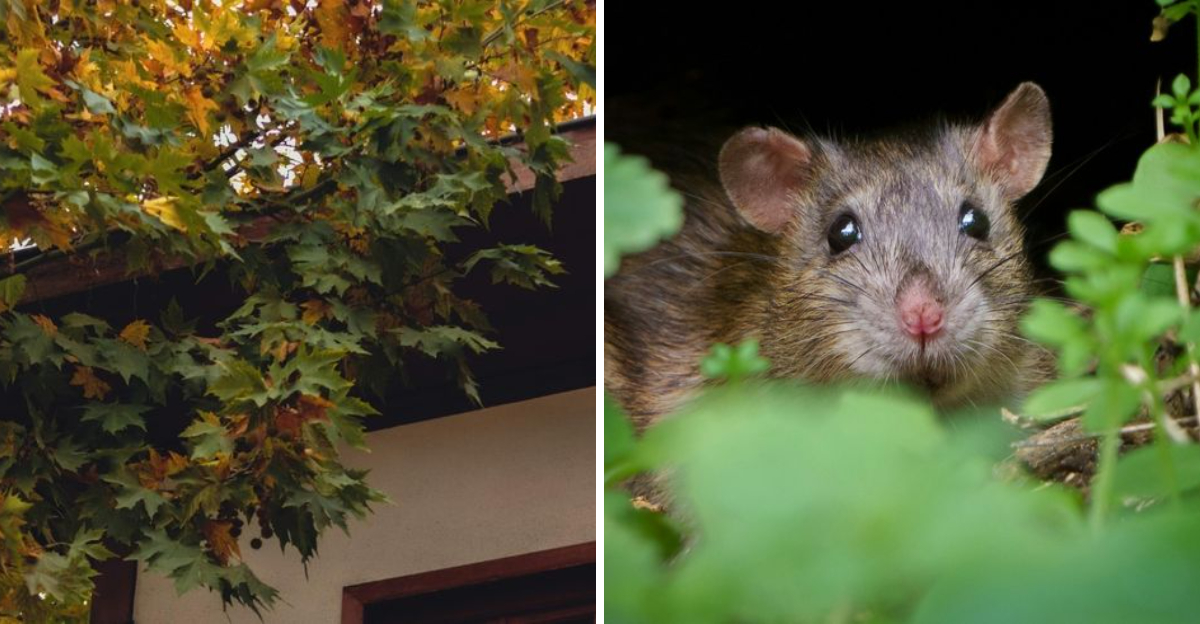
Rats near a Texas home are a problem most homeowners don’t discover until they’re already dealing with a well established situation.
By the time you spot one near the house or find evidence of activity close to the foundation, rats have typically been visiting your property for longer than you’d want to know.
And the reason they keep coming back almost always traces to specific features in your yard that are making the trip worth their while every single night. Your yard is not a random stop on their route. It’s a destination.
Rats are highly efficient animals that follow reliable signals toward food, water, and shelter. Certain yard features create exactly these conditions in close proximity to your home, essentially building a bridge between the local rat population and your living spaces that gets shorter with each passing night.
Identifying those features and addressing them is the most effective first step in any real rat management strategy.
Here’s what’s drawing rats toward your Texas home after dark and what to do about each one.
1. Fallen Fruit From Trees
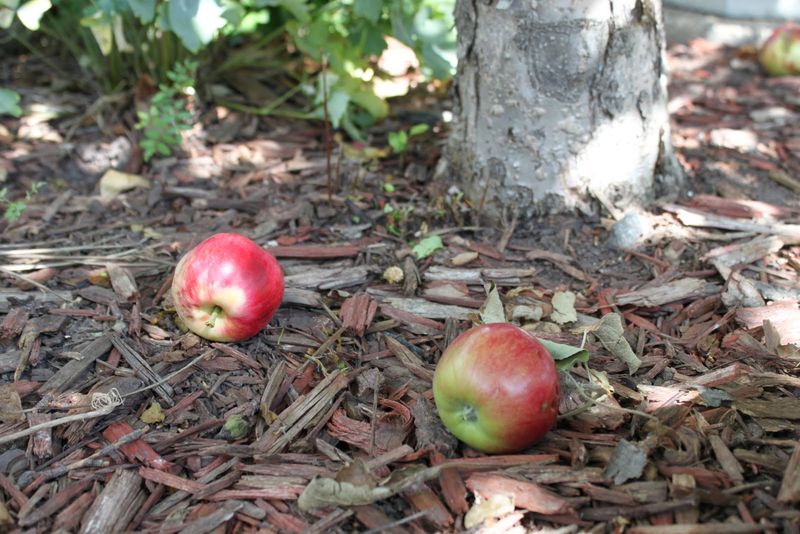
Walk through your backyard on a warm Texas evening and take a deep breath. If you have a citrus, fig, peach, or plum tree, there is a good chance you can smell the sweet, ripe scent of fallen fruit.
Rats can smell it too, and from much farther away than you might think. Rats have an incredibly sharp sense of smell. When fruit falls to the ground and begins to rot, it releases strong odors that travel through the air and attract rodents from nearby areas.
Once a rat finds a reliable food source like a fruit tree, it will return to that spot again and again. Over time, it gets bolder and starts exploring areas closer to your house.
Texas homeowners with fruit trees need to make yard cleanup a regular habit. Pick up fallen fruit as soon as you spot it, ideally every day during peak seasons.
Do not leave piles of fruit sitting on the ground overnight because that is prime feeding time for rats.
If you have more fruit than you can use, consider sharing with neighbors, composting properly in a sealed bin, or bagging it tightly before throwing it away. Trimming low-hanging branches can also help reduce how much fruit drops in hard-to-reach spots.
The goal is to remove the food signal before rats ever get a chance to find it. A clean yard under your fruit trees is one of the most effective and low-cost ways to make your property far less attractive to rodents searching for an easy meal every night.
2. Overgrown Shrubs, Ivy, And Dense Ground Cover
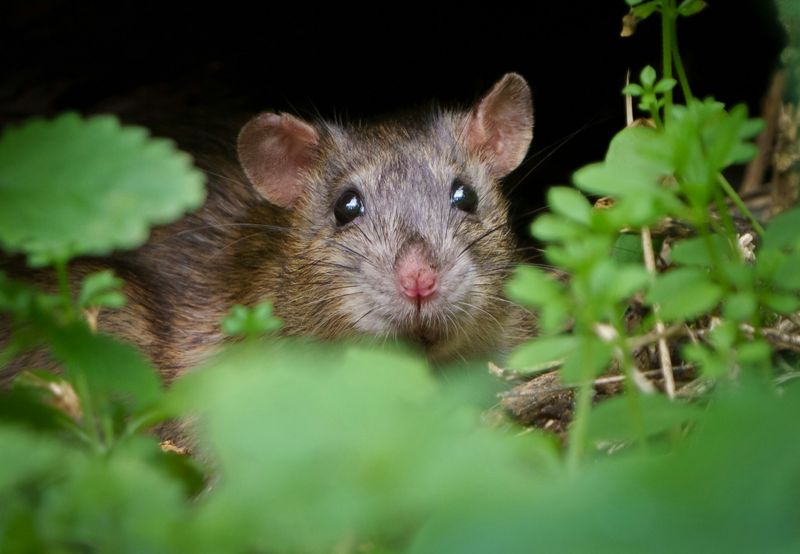
Rats are not brave creatures by nature. They prefer to stay hidden and move through areas where they feel protected from predators like hawks, owls, and cats.
That is exactly why overgrown shrubs, thick ivy, and dense ground cover are such a big problem in Texas yards.
When plants are left to grow wild and untrimmed, they create a network of hidden pathways. Rats use these tunnels in the vegetation to travel from one part of your yard to another without ever being seen.
Your Texas Garden Changes Every Week. Your Plan Should Too.
Gardening in Texas changes quickly throughout the season. Every Friday you’ll receive a simple weekly plan showing exactly what to plant, prune, fertilize, harvest, and protect so you never miss the right timing.
Think of it like a secret highway system built just for them. The closer these overgrown areas are to your house, the more comfortable rats feel moving right up to your foundation.
Ivy is one of the worst offenders. It hugs the ground and grows thick and fast, creating the perfect hiding place.
Dense ground cover like monkey grass and tall weeds can do the same thing. Even large ornamental shrubs that have not been pruned in a while can become rat shelters.
The fix is not complicated but it does require regular effort. Trim shrubs so there is at least six inches of open space between the plant and the ground.
Pull back ivy from the base of your home. Keep grass and weeds cut short, especially near fences and the foundation.
Creating open, visible space around your home removes the cover rats depend on. When they feel exposed, they are far less likely to stick around.
A well-maintained yard sends a clear message that your property is not a safe place for rodents to travel through or settle down.
3. Standing Water Or Overwatered Lawns
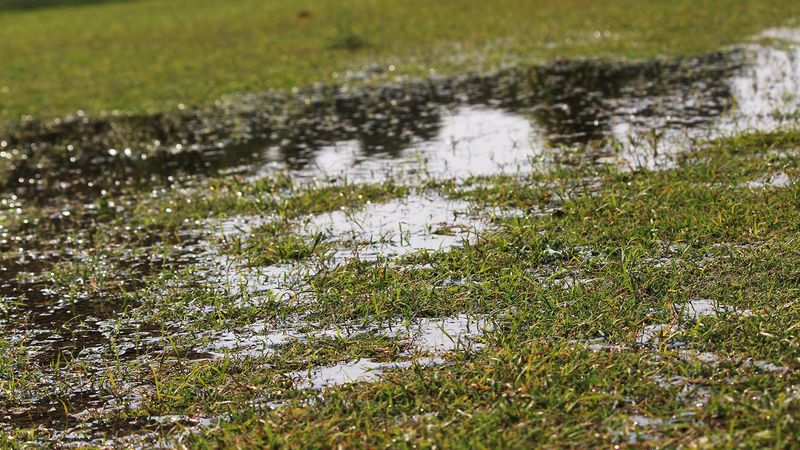
Most people think of food when they think about what attracts rats. But water is just as important, and in the dry Texas heat, a consistent water source is pure gold to a rodent.
If your yard has standing water or stays consistently damp, you are offering rats something they desperately need to survive.
Overwatering your lawn is one of the most common ways homeowners unknowingly create a rat-friendly environment. When soil stays soggy, it becomes soft and easy to dig through.
Rats are excellent diggers and will gladly burrow into damp ground near a structure. Moist conditions also support insects and earthworms, giving rats even more reasons to hang around.
Leaky outdoor faucets are another hidden culprit. Even a slow drip can create a puddle that rats visit regularly.
AC drain lines that empty near the foundation, sprinkler heads that overspray onto walls or sidewalks, and areas with poor drainage all contribute to the problem. Rats are creatures of habit, and once they find a water spot, they will return to it nightly.
Start by checking your irrigation schedule. Water your lawn in the morning so the soil has time to dry out before evening.
Fix any leaky faucets or hose connections right away. Make sure your AC condensate line drains away from the house, not pooling beside it.
Good drainage around your foundation is essential. Consider grading soil away from the house if water tends to collect there.
Removing standing water cuts off a critical resource and makes your yard far less appealing to rats looking for a nightly drink.
4. Unsecured Compost Piles
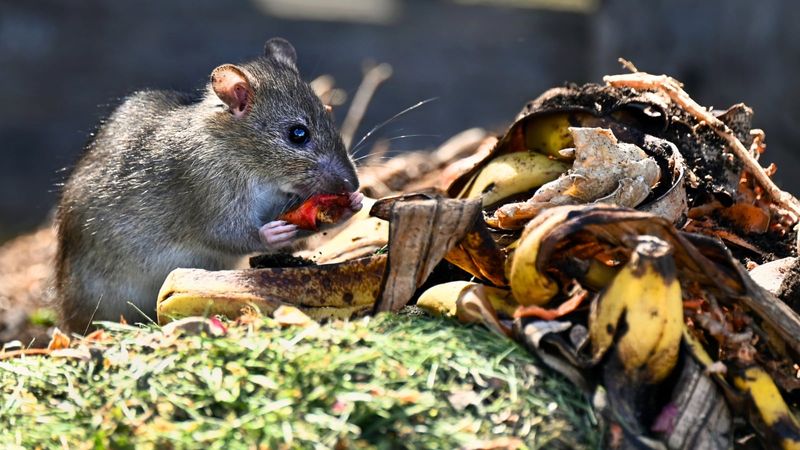
Composting is a great habit for the environment, but an open compost pile in a Texas backyard is basically an all-you-can-eat buffet for rats. It offers two things rats love most: food and nesting material, all in one convenient location.
Kitchen scraps like vegetable peels, bread crusts, eggshells, and fruit waste are common compost additions. To a rat, those items smell like a fresh meal.
Yard waste like dried leaves and grass clippings also adds warmth and soft material that makes composting piles attractive for burrowing and nesting. Rats can settle into an active compost pile and live there for weeks if left undisturbed.
An open pile on the ground is the most dangerous setup. It gives rats easy access with no barriers to overcome.
Many Texas homeowners do not realize their compost is drawing rodents until they spot droppings nearby or notice tunnels forming at the base of the pile.
Switching to a sealed compost bin with a tight-fitting lid is one of the smartest upgrades you can make. Look for bins with solid walls and a base that sits flat on the ground or has a built-in bottom to prevent burrowing.
Tumbler-style composters work especially well because they keep everything contained and make it harder for rodents to get inside.
Avoid adding meat, dairy, or oily food scraps to your compost, as these are particularly attractive to rats. Turn your pile regularly to keep it active and to disturb any potential nesting activity.
A well-managed compost system does not have to be a rat magnet. It just takes the right setup and a little consistency to protect your yard.
5. Stacked Firewood And Cluttered Storage
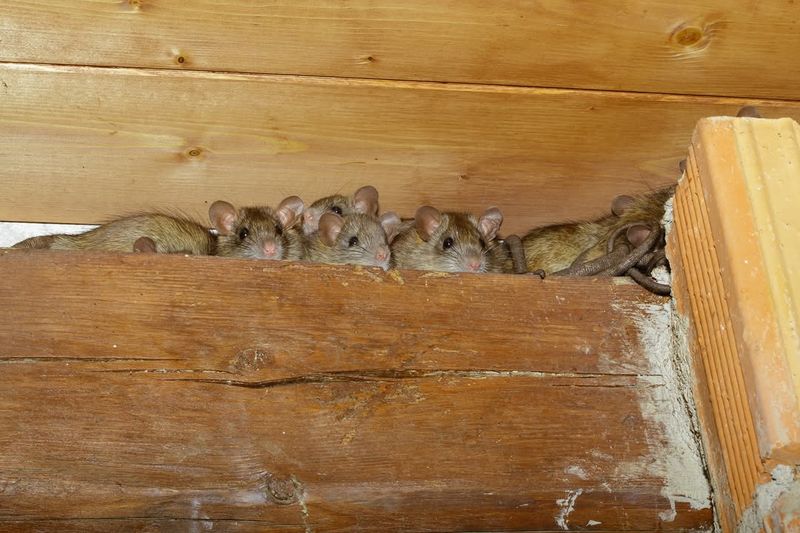
There is something cozy about a neatly stacked pile of firewood sitting outside ready for a cool Texas evening. But if that firewood is stacked right against your house, you might be giving rats one of the best homes they have ever had.
Rats love stacked firewood because it offers exactly what they need: shelter, warmth, and protection from predators. The gaps between logs create perfect hiding spots and nesting areas.
When the pile is placed against or very close to the exterior wall of your home, it essentially acts as a stepping stone that brings rats right to your foundation and potentially inside.
Cluttered outdoor storage creates the same problem. Old lawn equipment, stacked pots, unused furniture, tarps piled in a corner, and boxes stored under a porch all give rats places to hide and nest.
The more clutter in your yard, the more opportunities rodents have to settle in unnoticed.
Pest control experts consistently recommend storing firewood at least 18 to 20 feet away from your home. Stack it on a raised platform or rack so it sits off the ground, which reduces moisture and removes easy nesting spots at the base.
Keep the area around the stack clear and check it periodically for signs of activity. Go through your outdoor storage areas a few times a year. Get rid of items you no longer use and organize what you keep.
Store things in sealed plastic bins rather than cardboard boxes, which rats can easily chew through and nest inside. A tidy, clutter-free yard gives rats fewer reasons to stick around and fewer places to feel safe.
6. Bird Feeders
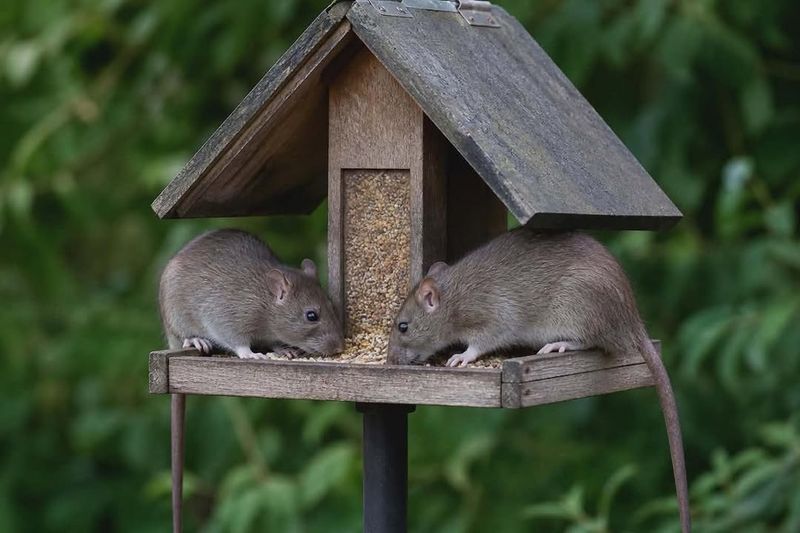
Watching birds visit your backyard feeder is one of life’s simple pleasures. Cardinals, finches, and sparrows are wonderful to observe.
But here is the catch: bird feeders almost always drop seed onto the ground, and that spilled seed is a free, easy meal for rats and mice every single night.
Rats are opportunistic eaters. They are not picky, and birdseed is actually quite nutritious for them.
Sunflower seeds, millet, corn, and other common feeder mixes are all appealing to rodents. Once rats discover that your feeder area gets restocked with fallen seed every day, they will put it on their regular nightly route without hesitation.
The problem gets worse when feeders hang close to your home or porch. Rats follow the food trail and quickly find themselves just a few feet from your foundation.
From there, it does not take long for them to start looking for entry points into the structure itself.
You do not have to give up bird feeding entirely to solve this problem. Start by moving feeders as far from your house as reasonably possible.
Use feeders designed with catch trays underneath to collect fallen seed before it hits the ground. Choose no-waste birdseed mixes that birds consume more fully, leaving less behind.
Clean up the area beneath your feeder regularly, ideally every evening before dark. Rake up fallen seed and hulls and dispose of them in a sealed trash bag.
Some homeowners also choose to bring feeders in at night and put them back out in the morning. A few small changes to your feeding routine can make a big difference in keeping rats at a distance from your home.
7. Tree Branches Or Fences Touching The Roofline

Most people worry about rats coming in through ground-level gaps or cracks. But roof rats, which are extremely common in Texas, take a completely different route.
They are excellent climbers and prefer to travel high off the ground, using trees and fences as elevated highways straight to your rooftop.
When a tree branch hangs over or touches your roofline, it creates a direct bridge. Roof rats run along the branch, drop onto the roof, and then explore for any opening they can squeeze through.
A gap as small as a half inch near a soffit, vent, or eave is all they need. Once inside your attic, they can cause serious damage to insulation, wiring, and stored belongings.
Fences that run close to the side of your house and reach near the roofline present the same risk. Rats can run along the top of a fence line, leap to a nearby surface, and work their way up to the roof from there.
This type of entry is easy to miss because most homeowners never think to look up when checking for rodent access points.
Trimming tree branches so they are at least six to eight feet away from your roofline is one of the most effective things you can do to stop roof rats. Do not just trim what hangs directly over the roof.
Also cut back branches on the sides that could be used as a launch point. Check your fencing too. If a fence runs parallel and close to your home, consider adding a metal rat guard or barrier.
Walk the perimeter of your roof regularly and seal any gaps you find with hardware cloth or caulk rated for exterior use. Cutting off aerial access is a key step in full rodent protection.